
Vietnamese Turmeric Sticky Rice (Xôi Xéo)
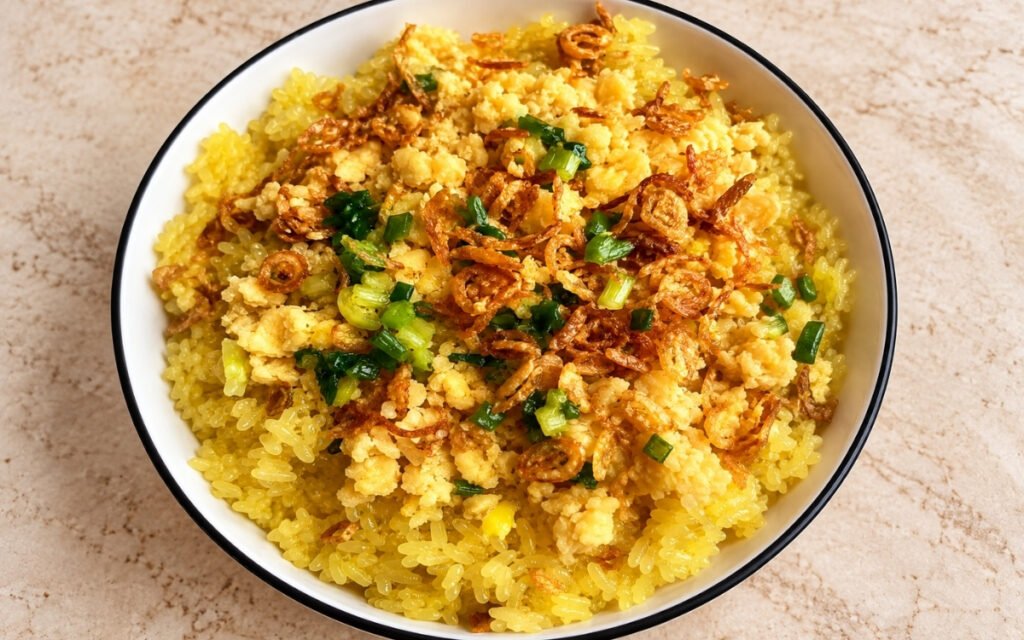
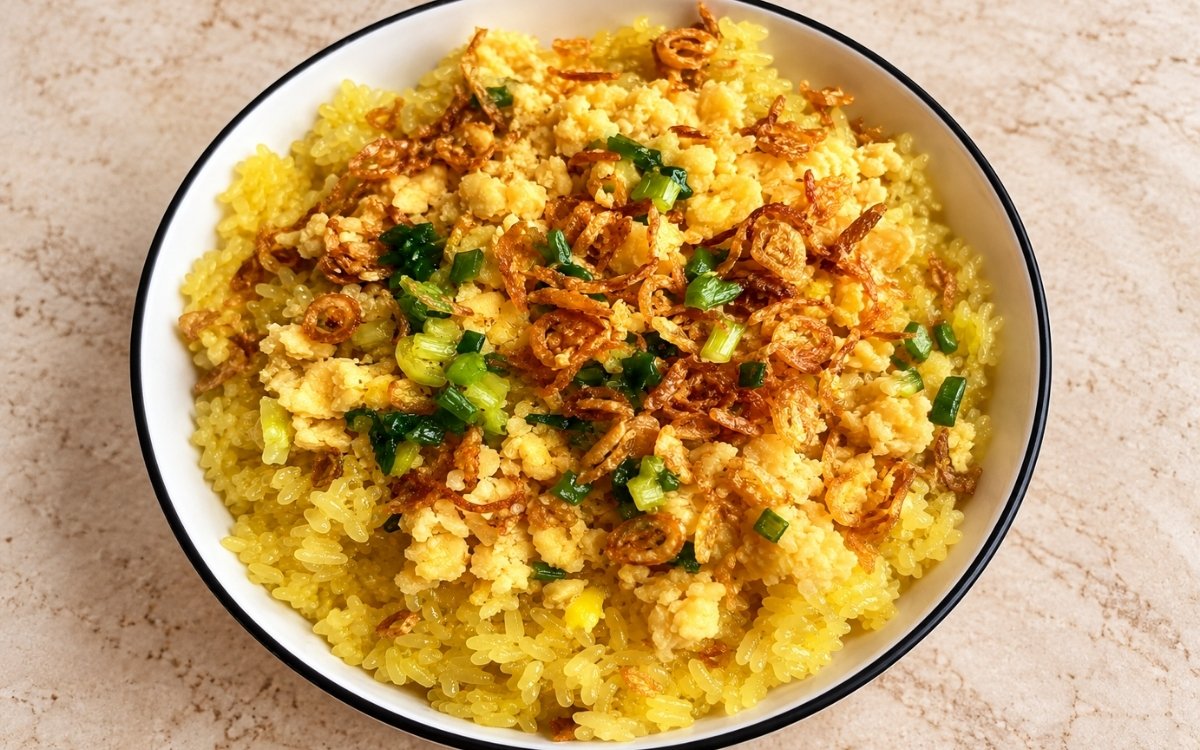
Classic Vietnamese sticky rice tinted golden with turmeric, topped with a soft crumbled layer of steamed mung bean, plenty of crispy fried shallots, and glossy scallion oil. Steaming the sticky rice rather than boiling it, as this dish specifically requires, is the technique this whole recipe depends on for keeping the grains glossy and distinct — boiling sticky rice like regular rice turns it heavy and gummy instead, the same steam-not-boil principle used elsewhere in this collection whenever glutinous rice’s own characteristic texture depends on gentle, moist heat rather than direct submersion in water. Frying the shallots slowly over low-to-moderate heat, pulling them light golden rather than deep brown, is what protects them from turning bitter as they continue darkening from residual heat off the pan. Pressing the mashed mung bean into a firm layer before crumbling it, rather than leaving it loose and coarse, is what gives this dish its more classical, fluffy topping texture. The payoff is a bowl with real, layered Vietnamese contrast — warm, glossy turmeric-tinted rice beneath soft, crumbled mung bean, crisp fried shallots, and glossy scallion oil.
Prep Time : 25 min
Cook Time : 45–55 min
Servings : 4
25 min
45–55 min
4
Ingredients
For the Sticky Rice
• 300g glutinous rice / sticky rice (75g per serving) — this one on Amazon
• 1 tsp ground turmeric or 10–12g fresh turmeric, finely grated or pounded
• 5g salt
• 1 tbsp neutral oil
• 1–2 tbsp water, only if needed during steaming
For the Mung Bean Topping
• 150g split yellow mung beans, skinned
• 3g salt
• 1 tbsp neutral oil or melted chicken fat, optional but helpful for texture
For the Crispy Fried Shallots
• 150g shallots, thinly sliced into rings
• 250–350ml neutral oil, for frying
• Small pinch of salt
For the Scallion Oil
• 3 scallions, finely sliced
• 2 tbsp neutral oil
• Pinch of salt
This post may contain affiliate links. As an Amazon Associate I earn from qualifying purchases, at no additional cost to you.
Directions
- Soak the Rice and Mung Beans
Rinse the sticky rice several times until the water is mostly clear. Soak in plenty of cold water for 6–8 hours or overnight. Rinse the split mung beans and soak separately for 4–6 hours. Drain both very well before cooking. Sticky rice must be well drained before steaming. If too wet, it turns heavy and gummy instead of glossy and distinct. That thorough draining removes any residual soaking water that would otherwise steam the rice into something waterlogged rather than letting it develop its own genuinely glossy, defined texture. - Fry the Shallots
Slice the shallots thinly and evenly. Heat the oil in a small saucepan over medium-low heat. Add the shallots and fry slowly, stirring often, until evenly golden. Remove them when light golden, not deep brown — they continue darkening from residual heat. Drain on paper towels and sprinkle with a tiny pinch of salt. Low-to-moderate heat is important. If the oil is too hot, the outside browns before the inside dries and they will turn bitter instead of crisp. That deliberate timing, pulling the shallots while still only light golden, accounts for real, continued carryover colour development — waiting for them to look fully done in the pan would mean they’ve already gone too far by the time they’ve cooled. - Steam and Mash the Mung Beans
Drain the soaked mung beans and steam them for 20–25 minutes, until fully tender and easily mashable. Transfer while hot to a bowl and add the salt and optional oil. Mash very thoroughly until smooth, or pulse briefly in a food processor. Spread or press the mung bean paste onto a plate or shallow dish to cool slightly. Before serving, crumble it finely with your fingers, or grate/shave it for a fluffy topping. The mung bean should be fully cooked and soft, not chalky. Undercooked beans make the topping dry and grainy. Pressing the mashed paste into a firm, compact layer before it’s crumbled is specifically what gives it the structure needed to produce a genuinely fluffy, shaved texture rather than a loose, wet mash. - Steam the Turmeric Sticky Rice
In a bowl, mix the drained sticky rice with turmeric and salt until evenly coated. Add 1 tbsp oil and toss. Steam the rice in a steamer lined with cheesecloth or a thin steaming cloth for 25 minutes. Open and fluff gently with chopsticks or a fork. If the rice feels a little firm or dry in the center, sprinkle with 1–2 tbsp water, cover again, and steam for another 10–15 minutes. The rice is done when it is glossy, tender throughout, sticky but still made of distinct swollen grains. Do not boil sticky rice like regular rice for this dish. Xôi xéo should be steamed, which keeps the grains glossy and defined. Coating every grain in turmeric and oil before steaming, rather than adding either partway through, is what lets the colour and richness distribute genuinely evenly throughout the finished rice. - Make the Scallion Oil
Put the sliced scallions and a pinch of salt in a small heatproof bowl. Heat 2 tbsp oil until hot, then pour over the scallions and stir. Alternatively, warm the scallions and oil together briefly just until wilted. Set aside. Pouring the genuinely hot oil directly over the raw scallions is what gently cooks and wilts them on contact, releasing their own aromatic oils without needing any further direct heat. - Assemble
Divide the hot sticky rice among 4 bowls. Top generously with crumbled mung bean, lots of crispy fried shallots, and a drizzle of scallion oil. Serve warm. Serving everything while the rice is still genuinely hot lets the scallion oil’s own aromatics carry properly and keeps the whole bowl at its intended, warm, supple texture right through to the first bite.
*Notes :
- Steaming the sticky rice, rather than boiling it, deserves genuine recognition as the single technique most responsible for this dish’s whole defining texture. The recipe’s own explicit warning against boiling glutinous rice like regular rice reflects a real, important distinction — steaming is specifically what keeps the grains glossy and individually defined, protecting against the heavy, gummy result boiling would produce instead.
- Pulling the fried shallots while they’re still only light golden deserves the same attention this technique receives throughout this collection’s other fried aromatics. Residual heat continues cooking them noticeably even after they leave the oil, and the recipe’s own explicit guidance to remove them before they reach deep brown reflects real understanding that waiting for a fully finished appearance in the pan means they’ve already gone too far by the time they’ve actually cooled.
- Pressing the mashed mung bean into a firm, compact layer before crumbling it deserves genuine attention as the technique responsible for this topping’s more classical, fluffy texture. The recipe’s own explicit note that this pressed-and-shaved approach is more traditional than leaving the beans loose reflects a real, deliberate choice about the topping’s final character — that compact structure is exactly what allows it to shave or crumble into fine, light pieces rather than sitting as a wet, coarse mash.
- Coating every grain of sticky rice in turmeric and oil before it ever goes into the steamer deserves respect as a real, functional technique rather than a simple mixing step. That thorough, upfront coating is what lets the turmeric’s own golden colour distribute evenly across every grain during steaming, rather than concentrating unevenly if added only partway through cooking.
Why This Recipe Works
This recipe works because the sticky rice is steamed rather than boiled, protecting the grains’ own glossy, distinct texture. The shallots are fried slowly and pulled light golden, accounting for real continued colour development after they leave the oil.
The mung beans are steamed until fully tender, then pressed and crumbled for a classically fluffy topping texture.
The rice itself is coated thoroughly in turmeric and oil before steaming, distributing colour evenly throughout. Assembling and serving everything while the rice is still hot delivers the dish’s whole intended warm, layered texture right at the table.
Ingredient Breakdown
Well-Soaked, Thoroughly Drained Sticky Rice
The critical technique — proper draining protects against a heavy, gummy result once steamed.
Steamed (Never Boiled) Rice
The critical technique — keeps the grains genuinely glossy and individually defined rather than heavy and gummy.
Slowly Fried, Light-Golden Shallots
The critical technique — pulled early to account for real, continued darkening from residual heat.
Steamed, Pressed, and Crumbled Mung Bean
The critical technique — the pressed structure is what allows a genuinely fluffy, shaved final topping.
Thoroughly Turmeric-Coated Rice
The critical technique — even coating before steaming distributes colour consistently throughout the grains.
Hot-Oil-Wilted Scallion Oil
The finishing technique — genuinely hot oil poured directly over raw scallions releases their own aromatics on contact.
Flavor Structure Explained
This Vietnamese turmeric sticky rice follows a layered balance model:
- Glossy, golden foundation (steamed turmeric sticky rice)
- Soft, savoury body (steamed, pressed mung bean)
- Crisp textural contrast (fried shallots)
- Aromatic, glossy finish (scallion oil)
Steamed turmeric sticky rice provides this bowl’s glossy, genuinely golden foundation, its individual grains protected through careful steaming rather than boiling. Steamed, pressed, and crumbled mung bean contributes a soft, savoury body that lightens the dish’s overall texture. Crisp fried shallots add real, essential textural contrast against all that softness. A final drizzle of aromatic scallion oil ties the whole bowl together with glossy, fragrant finish, completing this classic Vietnamese layered dish.
Common Mistakes to Avoid
- Boiling the Sticky Rice Instead of Steaming It – This produces a heavy, gummy texture rather than glossy, distinct grains. Always steam it as specified.
- Not Draining the Soaked Rice Well Enough – This leaves it too wet, compromising the final texture. Always drain thoroughly before steaming.
- Frying the Shallots Until Deep Brown in the Pan – This risks bitterness once residual heat continues darkening them. Always pull them while still light golden.
- Leaving the Mung Bean Loose Rather Than Pressed – This misses the classical, fluffy shaved texture. Always press it into a firm layer before crumbling.
- Adding the Turmeric Only Partway Through Steaming – This distributes the colour unevenly. Always coat every grain thoroughly before steaming begins.
Variations
Fresh Turmeric Version
Use fresh turmeric, finely grated or pounded, per the recipe’s own note on it giving the cleanest colour and aroma, rather than the ground alternative, which should be used lightly to avoid tasting earthy or bitter.
Chicken Fat Version
Include the optional melted chicken fat in the mung bean mixture rather than neutral oil, per the recipe’s own suggestion, for a richer, more traditionally savoury finished topping.
Make-Ahead Shallot Version
Fry the shallots well ahead of time, per the recipe’s own guidance, keeping them uncovered until completely cool before storing them airtight so they stay genuinely crisp until needed.
Extra-Rich Version
Increase the scallion oil drizzled over each bowl slightly for a glossier, more aromatic finished dish, being careful not to let it soak the rice past the intended light sheen.
Storage & Make-Ahead
Use glutinous rice specifically for this recipe, since standard long-grain or jasmine rice simply will not work here — this dish’s whole texture depends on the particular starch structure only true glutinous rice provides.
Fresh turmeric gives the cleanest colour and aroma if you have access to it, while ground turmeric works perfectly well as an alternative, provided you use it lightly so the finished rice doesn’t taste earthy or bitter.
The shallots can genuinely be fried ahead of time, and the best approach is keeping them uncovered until they’ve cooled completely before transferring them to an airtight container, which is what keeps them properly crisp until you’re ready to serve.
If the finished rice ever seems too firm, simply steam it longer, since it often just needs another 5 to 10 minutes after the initial fluffing, and if it seems too wet instead, spread it slightly in the steamer and continue steaming uncovered for a few minutes to let the excess moisture escape.
The best overall texture for this dish comes together when the rice stays warm and supple, the mung bean is soft and crumbly, the shallots stay genuinely crisp, and the scallion oil adds real sheen without ever soaking through and softening the rice.
Frequently Asked Questions
Why does the sticky rice need to be steamed rather than boiled like regular rice?
Boiling glutinous rice the way you would regular rice turns it heavy and gummy. Steaming is specifically what keeps the individual grains glossy and distinctly defined, which is the whole textural point of this dish.
Why are the fried shallots pulled while they’re still light golden rather than deep brown?
They continue darkening noticeably from residual heat even after leaving the oil. Waiting until they look fully browned in the pan means they’ve already gone too far by the time they’ve actually cooled and finished carrying over.
Why is the mung bean pressed into a firm layer before it’s crumbled rather than left loose?
That pressed, compact structure is specifically what allows the mung bean to be shaved or crumbled into a genuinely fine, fluffy topping. Left loose and coarse, it wouldn’t achieve that same classical, light texture.
Why does the rice need to be coated thoroughly in turmeric before it’s ever steamed?
That upfront, even coating is what lets the turmeric’s golden colour distribute consistently across every grain during steaming, rather than concentrating unevenly the way adding it only partway through would.
Are there other classic Vietnamese or Southeast Asian rice bowl dishes worth trying?
Vietnamese Broken Rice with Grilled Pork (Cơm Tấm) offers another classic Vietnamese rice dish worth exploring. Ginger Scallion Chicken over Rice and Chicken Adobo Rice Bowl are also worth trying for other Southeast Asian rice bowl directions, and Coconut Rice and Cilantro Lime Jasmine Rice offer other classic rice preparations worth exploring.
Nutrition Facts
( per serving )
Calories
~520 kcal
Protein
14 g
Fat
18g
Carbs
78 g
Calories
~520 kcal
Protein
14 g
Fat
18 g
Carbs
78 g
Related Recipes
Related Recipes

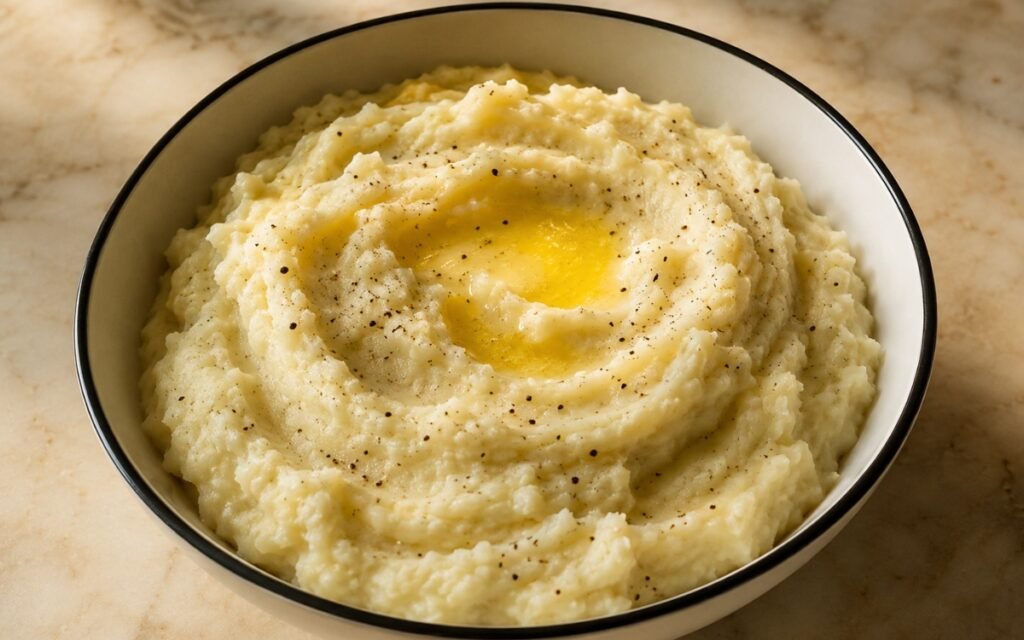
Classic Mashed Potatoes
Creamy, buttery mashed potatoes with perfectly smooth texture – the ultimate comfort food side dish.
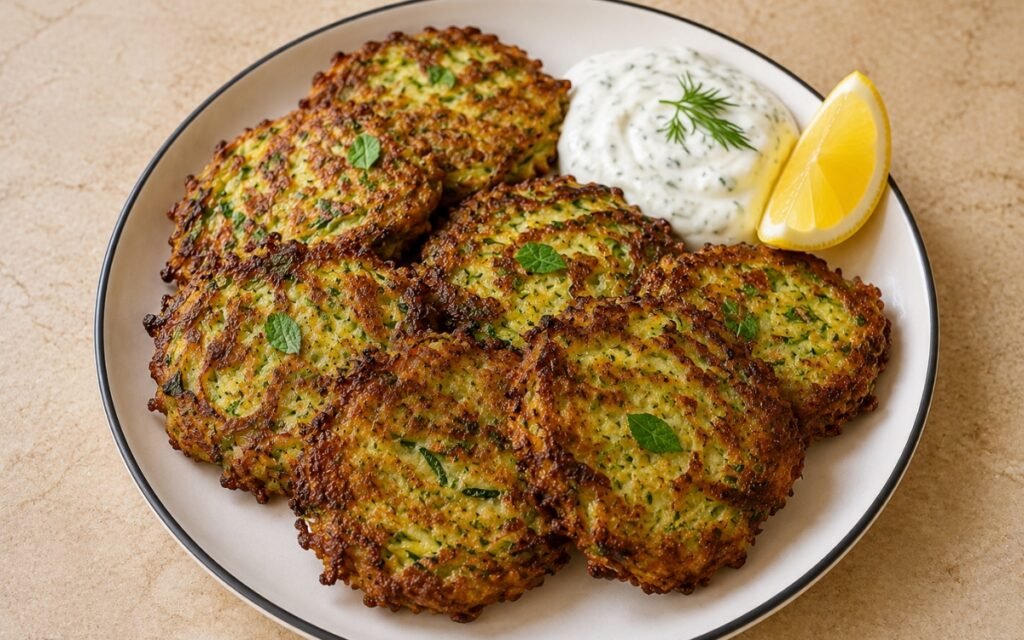
Crispy Zucchini Fritters
Zucchini salted and firmly squeezed dry, mixed into a thick herb-Parmesan batter, fried without crowding until golden. Crisp and herbaceous.
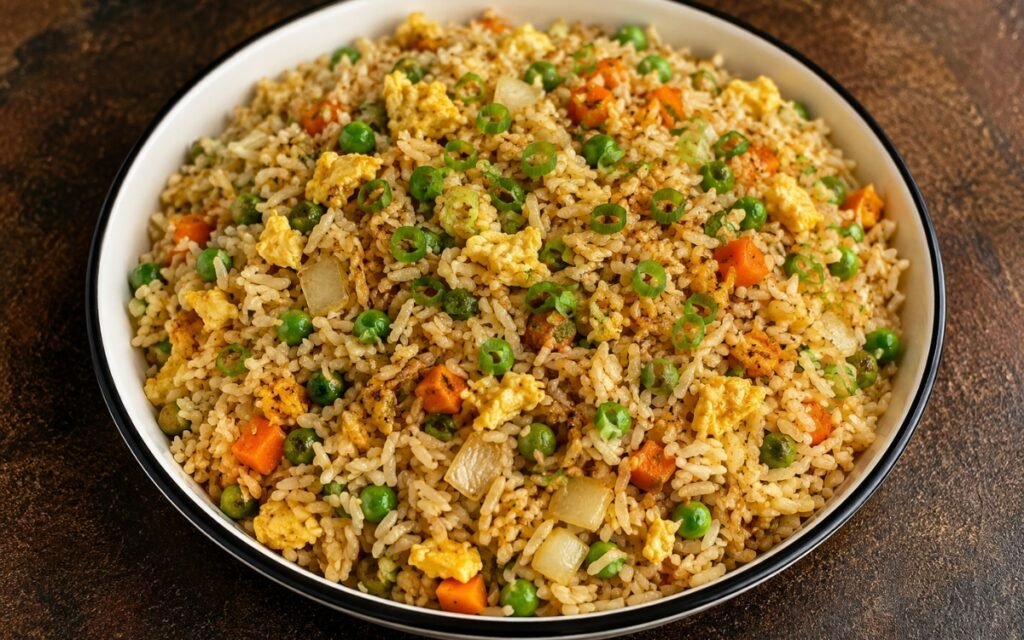
Simple Fried Rice (No Protein)
Cooled rice stir-fried with garlic, ginger, and vegetables, sauce caramelized on hot wok edges, finished with eggs and green onions. Fast and savory.
You might also like
You might also like
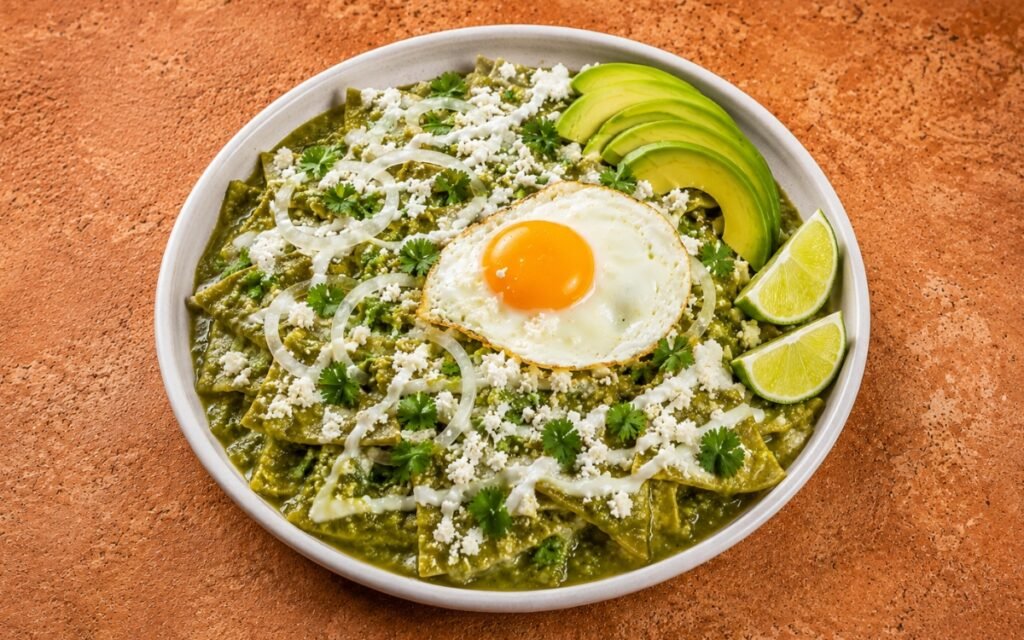
Chilaquiles Verdes
Crispy tortilla chips folded into hot, broiled salsa verde, topped with a runny-yolk fried egg, avocado, cotija, and crema drizzle.
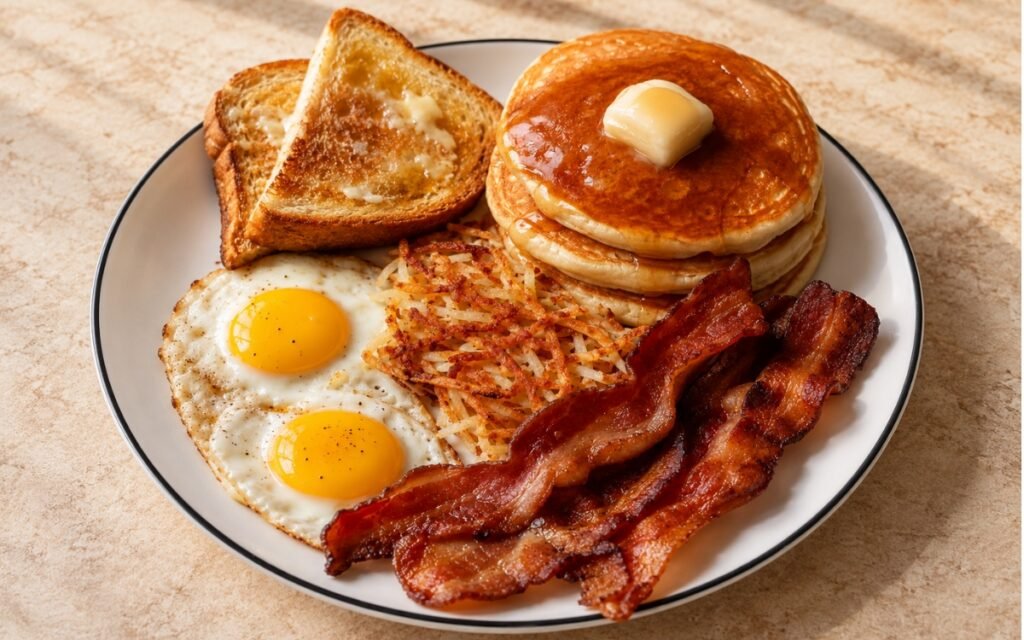
Classic American Breakfast Plate
Sunny-side-up eggs, crispy bacon, golden hash browns, buttered toast, and a small stack of fluffy buttermilk pancakes with maple syrup.
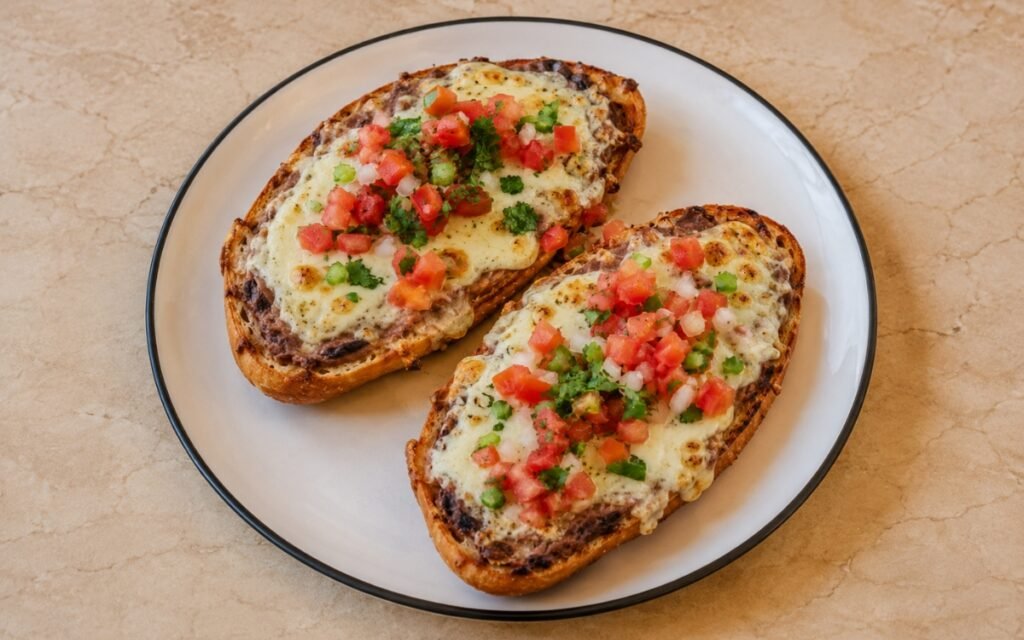
Molletes Mexicanos
Toasted bolillo rolls spread with thick refried beans, topped with melted cheese and finished with fresh pico de gallo.
Vietnamese Turmeric Sticky Rice (Xôi Xéo)
Ingredients
Method
- Rinse the sticky rice several times until the water is mostly clear. Soak in plenty of cold water for 6–8 hours or overnight. Rinse the split mung beans and soak separately for 4–6 hours. Drain both very well before cooking. Sticky rice must be well drained before steaming. If too wet, it turns heavy and gummy instead of glossy and distinct. That thorough draining removes any residual soaking water that would otherwise steam the rice into something waterlogged rather than letting it develop its own genuinely glossy, defined texture.
- Slice the shallots thinly and evenly. Heat the oil in a small saucepan over medium-low heat. Add the shallots and fry slowly, stirring often, until evenly golden. Remove them when light golden, not deep brown — they continue darkening from residual heat. Drain on paper towels and sprinkle with a tiny pinch of salt. Low-to-moderate heat is important. If the oil is too hot, the outside browns before the inside dries and they will turn bitter instead of crisp. That deliberate timing, pulling the shallots while still only light golden, accounts for real, continued carryover colour development — waiting for them to look fully done in the pan would mean they’ve already gone too far by the time they’ve cooled.
- Drain the soaked mung beans and steam them for 20–25 minutes, until fully tender and easily mashable. Transfer while hot to a bowl and add the salt and optional oil. Mash very thoroughly until smooth, or pulse briefly in a food processor. Spread or press the mung bean paste onto a plate or shallow dish to cool slightly. Before serving, crumble it finely with your fingers, or grate/shave it for a fluffy topping. The mung bean should be fully cooked and soft, not chalky. Undercooked beans make the topping dry and grainy. Pressing the mashed paste into a firm, compact layer before it’s crumbled is specifically what gives it the structure needed to produce a genuinely fluffy, shaved texture rather than a loose, wet mash.
- In a bowl, mix the drained sticky rice with turmeric and salt until evenly coated. Add 1 tbsp oil and toss. Steam the rice in a steamer lined with cheesecloth or a thin steaming cloth for 25 minutes. Open and fluff gently with chopsticks or a fork. If the rice feels a little firm or dry in the center, sprinkle with 1–2 tbsp water, cover again, and steam for another 10–15 minutes. The rice is done when it is glossy, tender throughout, sticky but still made of distinct swollen grains. Do not boil sticky rice like regular rice for this dish. Xôi xéo should be steamed, which keeps the grains glossy and defined. Coating every grain in turmeric and oil before steaming, rather than adding either partway through, is what lets the colour and richness distribute genuinely evenly throughout the finished rice.
- Put the sliced scallions and a pinch of salt in a small heatproof bowl. Heat 2 tbsp oil until hot, then pour over the scallions and stir. Alternatively, warm the scallions and oil together briefly just until wilted. Set aside. Pouring the genuinely hot oil directly over the raw scallions is what gently cooks and wilts them on contact, releasing their own aromatic oils without needing any further direct heat.
- Divide the hot sticky rice among 4 bowls. Top generously with crumbled mung bean, lots of crispy fried shallots, and a drizzle of scallion oil. Serve warm. Serving everything while the rice is still genuinely hot lets the scallion oil’s own aromatics carry properly and keeps the whole bowl at its intended, warm, supple texture right through to the first bite.