
Cilantro Lime Jasmine Rice
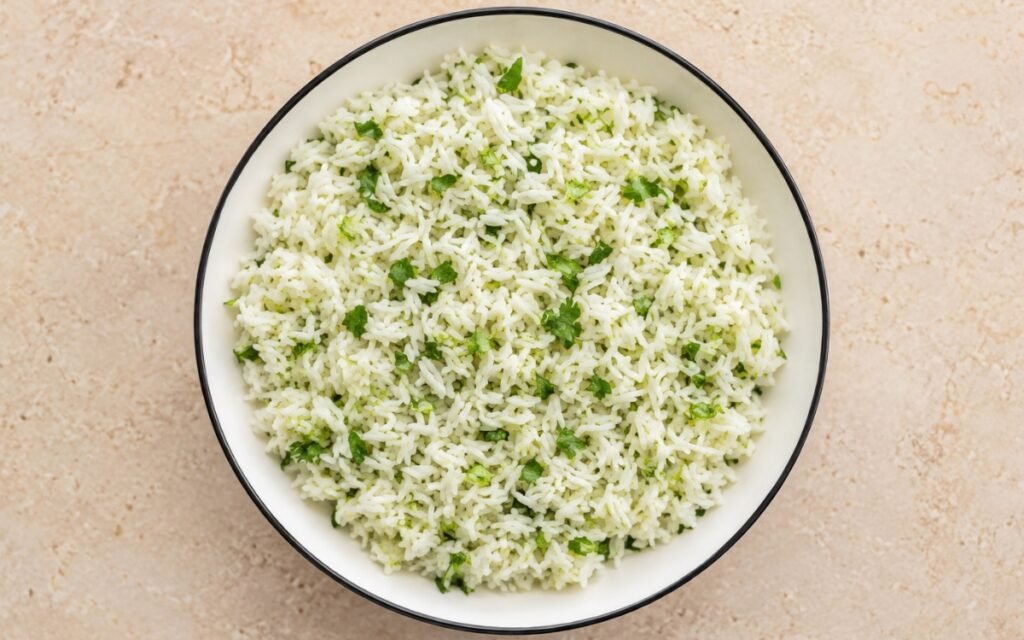
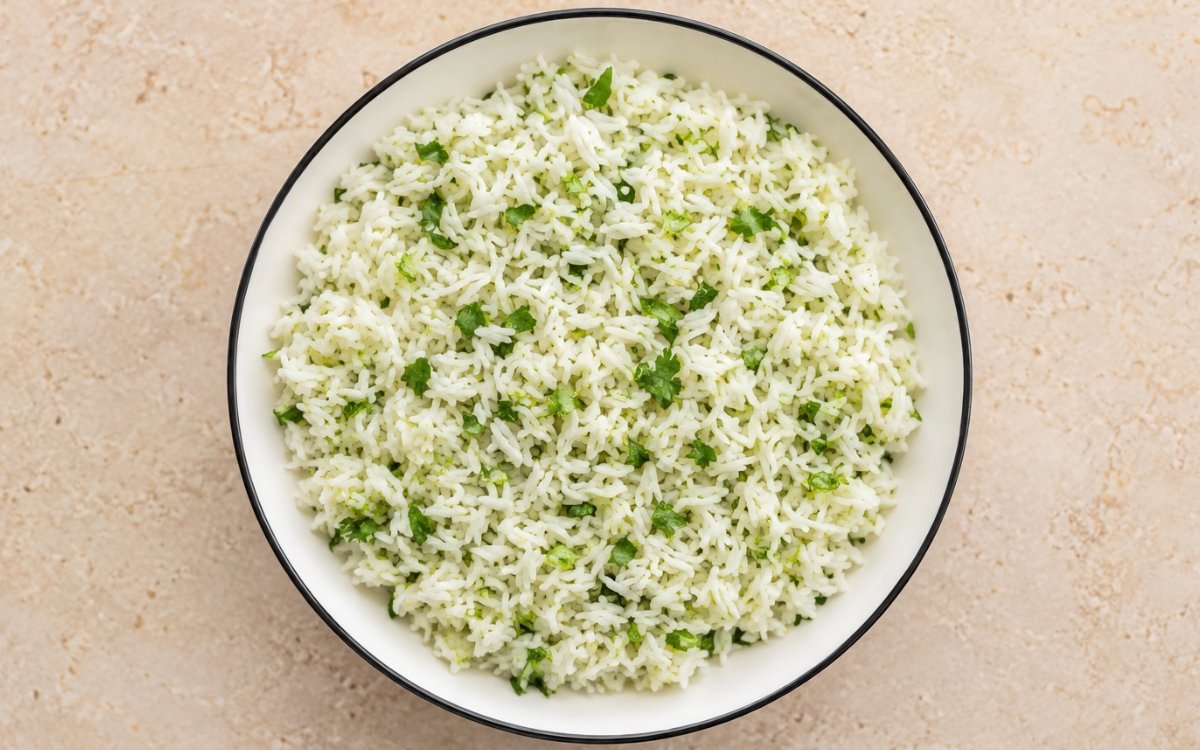
This fragrant cilantro lime jasmine rice brings bright, zesty flavour to any meal with fluffy grains infused with fresh lime juice and cilantro. The aromatic jasmine rice provides a subtle floral backdrop that pairs beautifully with Mexican, Asian, or grilled dishes. Perfect as a vibrant side that elevates your dinner table in just 25 minutes — and genuinely better than any restaurant version of the same rice.
Prep Time : 5 min
Cook Time : 20 min
Servings : 4
5 min
20 min
4
Ingredients
For the Finishing
• 45ml fresh lime juice
• 30g fresh cilantro, chopped
• 10g unsalted butter — this one on Amazon
• 3g lime zest
This post may contain affiliate links. As an Amazon Associate I earn from qualifying purchases, at no additional cost to you.
Directions
- Rinse the Rice Thoroughly
Place the jasmine rice in a fine-mesh strainer and hold it under cold running water for 2–3 minutes, using your fingers to gently agitate the grains throughout. Watch the water flowing through the strainer — it will begin as cloudy, milky white and gradually clear to almost completely transparent. The rinsing is complete only when the water runs clear. The milky cloudiness is surface starch — a residue of the milling process that coats the outside of each grain. If this starch remains on the grain surface when the rice is cooked, it gelatinises into a sticky glue between the grains, causing them to clump together in dense, sticky masses rather than cooking as individual, separate, fluffy grains. Rinsing removes this surface starch without affecting the starch stored inside the grain itself — the internal starch is what gives jasmine rice its characteristic soft, slightly tender texture when cooked, and rinsing does not touch it. Jasmine rice is naturally aromatic from its own grain compounds; rinsing does not remove this aroma. Drain the rinsed rice thoroughly in the strainer, shaking it several times to remove as much clinging water as possible. Water trapped in the strainer carries over into the pot and can throw off the water-to-rice ratio — even a small excess of water produces rice that is slightly wet and sticky rather than dry and separate. - Combine and Bring to the Boil
Transfer the drained rice to a medium saucepan of approximately 2L capacity with a tight-fitting lid. Add the 525ml of cold water, the salt, and the vegetable oil. The oil is an often-omitted ingredient in rice cooking that performs a specific and valuable function — it coats the grain surfaces during cooking, helping to keep the grains separate and preventing the surface starch that survived the rinsing from causing sticking. It also adds a very subtle richness to the finished rice without contributing any detectable oil flavour at this small quantity. Stir briefly to combine the salt and oil with the water, then place over high heat. Bring to a full rolling boil — do not reduce the heat prematurely. The initial boil serves a purpose: it brings the entire water volume to a uniform temperature simultaneously before the heat is reduced, ensuring even hydration of the rice from the first moment of low-heat cooking. - Reduce, Cover, and Simmer Without Interference
The moment the water reaches a full rolling boil, reduce the heat to the absolute lowest setting your burner can produce, cover the pot tightly with the lid, and do not touch it again for 15 minutes. This sealed, low-heat simmer is the most important phase of the recipe and the one most frequently disrupted by home cooks lifting the lid to check progress. The tight lid is not merely convenient — it is structurally essential to the cooking process. Steam accumulates inside the sealed pot and creates a pressurised, humid environment where the rice grains are cooked simultaneously by both the boiling water below them and the hot steam above. This dual-direction hydration is what cooks the top layer of rice as thoroughly as the bottom layer, producing evenly cooked grains throughout the pot. Every time the lid is lifted, a burst of steam escapes and is lost permanently — the pot’s water inventory decreases, the steam pressure drops, the temperature falls, and the upper rice grains lose their cooking medium. A single lid lift mid-cook reliably produces rice with a dry, undercooked top layer and a wet, overcooked bottom layer. The only correct action during these 15 minutes is to ensure the heat is genuinely low — if you can hear aggressive boiling through the lid, reduce the heat further. The sound should be a faint, quiet simmer, barely audible. - Rest Off Heat
After 15 minutes, remove the pot from the heat entirely without lifting the lid. Allow it to stand undisturbed and covered for a further 5 minutes. This rest period is the completion of the cooking process, not an optional pause before serving. During the 15-minute cook, the water at the bottom of the pot is used up in cooking the lower grains, while the upper portion of the rice is cooked primarily by steam. Immediately after cooking, the moisture distribution through the pot is slightly uneven — the very bottom grains have been in direct contact with the hottest, most liquid-rich environment, while the top grains have cooked in a drier, steamer atmosphere. The 5-minute covered rest allows this moisture to redistribute through the pot by diffusion — the drier top absorbs moisture migrating upward from the wetter bottom, and the bottom’s excess moisture evaporates slightly and is redistributed as steam. The result after the rest is a pot where every grain, from top to bottom, has reached the same moisture level and the same tender, cooked texture. - Fluff and Add the Finishing
After the rest, lift the lid for the first time and immediately fluff the rice using a fork — not a spoon, not a spatula. This tool choice is not pedantic. A fork’s tines slide between the individual grains and separate them cleanly without the compressive, rolling pressure that a spoon or spatula applies. That compression is what collapses the light, airy structure of properly cooked jasmine rice into sticky, dense clumps. Use the fork with a light, raking, lifting motion — work from the edges of the pot toward the centre, lifting and separating rather than stirring or folding. Once the rice is fluffed and the grains are visibly separate, add the lime juice, lime zest, chopped cilantro, and butter. The lime juice and zest go in after cooking — never during. Acid added to rice during the cooking process does two things: it slightly tightens the grain structure, making the grains firmer and more compact; and it breaks down the volatile aromatic compounds in fresh lime juice that are responsible for the bright, clean citrus fragrance, leaving a flat, muted lime flavour rather than the vivid, fresh character that defines this rice. Added after cooking and off-heat, the lime juice stays completely fresh and its aromatic compounds are preserved intact. Fold the finishing ingredients through the rice gently until the butter has melted and everything is evenly distributed. Serve immediately — the lime aroma is at its most vibrant in the first few minutes after the finishing is added.
*Notes :
- Jasmine rice is a long-grain aromatic variety originating in Thailand, where it is grown in specific soil and climate conditions that produce its characteristic scent — a floral, slightly popcorn-like aroma that comes from naturally occurring 2-acetyl-1-pyrroline, the same compound responsible for the aroma of fresh bread crust and basmati rice. This aroma is fragile and volatile — it diminishes with age, which is why fresh crop jasmine rice smells noticeably more fragrant than older rice. Store jasmine rice in an airtight container away from light and heat to preserve its aromatic character.
- The 525ml to 300g water-to-rice ratio is slightly higher than the commonly cited 1.5:1 ratio for jasmine rice. The additional water compensates for the moisture lost during the covered simmer in a home kitchen environment — restaurant kitchens maintain more controlled humidity and their larger rice batches lose proportionally less steam. At home, 1.75:1 is the more reliable ratio for consistent results.
- Fresh lime juice is specified because bottled lime juice is pasteurised and often contains preservatives that produce a flat, slightly bitter flavour compared to the bright, clean acidity of freshly squeezed juice. In a preparation where lime is the primary flavour event of the finishing, this difference is significant and immediately noticeable. Always use fresh limes.
Why This Recipe Works
This recipe works because every step is in service of the same outcome — individual, fluffy grains with the lime and cilantro fully present as flavour rather than diluted or dulled by incorrect technique. Rinsing removes the surface starch that causes sticking. The oil prevents the rinsed grains from clumping.
The sealed, low simmer cooks every grain evenly. The 5-minute rest equalises moisture throughout the pot. Fluffing with a fork preserves the grain structure. And the off-heat lime addition preserves every volatile aromatic compound in the fresh citrus. Each decision compounds on the previous one — skip any single step and the finished rice is noticeably diminished.
Ingredient Breakdown
Jasmine Rice
A naturally aromatic long-grain variety with a floral, slightly popcorn-like scent and a subtly tender texture when cooked — the ideal base for cilantro-lime flavours.
Vegetable Oil
Coats the grain surfaces to prevent sticking and adds subtle richness without contributing any detectable flavour at the specified quantity.
Fresh Lime Juice
The primary flavour event of the finishing — bright, clean acidity added only after cooking to preserve its aromatic freshness.
Lime Zest
Concentrated citrus aromatic oils that provide a more complex, fragrant lime character than juice alone — the top note of the citrus layer.
Fresh Cilantro
The aromatic herb finishing element — added off-heat to preserve its volatile flavour compounds and vivid green colour.
Unsalted Butter
The small finishing fat that adds smooth richness, helps the cilantro distribute evenly through the rice, and carries the lime zest’s aromatic oils across every grain.
Flavor Structure Explained
This side dish follows a layered balance model:
- Aromatic grain base (jasmine rice, salt)
- Bright citrus layer (lime juice, zest)
- Fresh herbal identity (cilantro)
- Fat bridge (butter)
- Cohesive aromatic finish (overall integration)
Rice establishes the foundation with subtle floral sweetness and gentle savoriness carried in each grain. Lime juice defines the top layer with clean, sharp acidity, while zest adds deeper aromatic citrus complexity. Cilantro runs through both layers, providing a fresh, herbaceous thread that unifies the profile. Butter acts as the bridge, carrying aromatics across the rice and adding smooth richness. The result is a dual-layer structure — base and finish — integrated into a cohesive, balanced whole.
Common Mistakes to Avoid
- Not Rinsing Thoroughly – The water must run clear before rinsing is complete — milky water means surface starch remains on the grains and they will clump. Allow the full 2–3 minutes.
- Lifting the Lid During Cooking – The single most common cause of uneven, undercooked rice. Every steam release permanently reduces the cooking medium. Do not lift the lid between the moment of first reduction and the end of the 5-minute rest.
- Adding Lime During Cooking – Acid added to hot cooking rice dulls the citrus aroma and slightly firms the grain texture. Always finish with lime after cooking and off-heat.
- Using a Spoon to Fluff – Spoon pressure compresses and clumps freshly cooked rice. Always use a fork with a light, lifting, raking motion.
- Skipping the 5-Minute Rest – The rest equalises moisture throughout the pot. Without it, the top layer is drier and firmer than the bottom. The rice is not done at the 15-minute mark — it finishes during the rest.
- Using Bottled Lime Juice – The flat, preserved character of bottled lime is immediately apparent in a preparation where lime is the primary finishing flavour. Fresh limes only.
Variations
Extra Citrus Version
Add the zest of one additional lime and a small amount of fresh orange juice alongside the lime juice for a more layered citrus character with gentle sweetness from the orange.
Garlic Herb Version
Add 5g of finely minced garlic to the oil and water before cooking — it infuses the rice during the simmer and adds savory depth that bridges the cilantro-lime profile toward a more Mediterranean character.
Coconut Lime Rice
Replace 100ml of the cooking water with full-fat coconut milk for a subtly sweet, tropical variation with a creamy character that pairs particularly well with Thai and Vietnamese-inspired dishes.
Spicy Version
Add 2g of red chili flakes to the finishing alongside the cilantro for a gently spiced variation with a building heat that complements the lime’s brightness.
Brown Rice Version
Substitute the same weight of long-grain brown rice, increase water to 600ml, and extend the cooking time to 40 minutes. The finishing technique and quantities remain identical — the result is nuttier and chewier with the same cilantro-lime character.
Storage & Make-Ahead
Cooked rice can be refrigerated in an airtight container for up to 4 days. When cold, the grains will firm up and compact as the starch retrogrades, which is completely normal and fully reversible.
To reheat it, add a small splash of cold water, about 15 ml per serving, then cover the container or pot and warm the rice gently over low heat or in the microwave. As it reheats, the added water turns to steam and helps rehydrate the grains. Stirring in a small knob of butter afterward can also restore richness and prevent dryness.
During refrigeration, the lime aroma will fade and the cilantro may darken slightly. This is unavoidable when using fresh citrus and herbs. For the brightest flavor, add a fresh squeeze of lime juice and a little fresh cilantro after reheating rather than before storing.
If you are making the rice ahead for entertaining, cook it up to 2 hours in advance and keep it warm in a covered pot over the lowest heat with a small splash of water so the bottom does not dry out. Add the lime and cilantro just before serving.
Frequently Asked Questions
Why is my rice wet and sticky at the bottom?
The heat was too high during the simmer — the water boiled off too quickly before the rice could absorb it evenly, leaving a waterlogged bottom layer and undercooked top. Use the lowest heat your burner can produce and listen for a very faint, barely audible simmer.
Why is the top layer of my rice dry and undercooked?
Either the lid was lifted during cooking, releasing the steam that cooks the top layer, or the rest period was skipped. Both produce the same result — the 5-minute covered rest after removing from heat is what equalises moisture and finishes the top layer.
Can I use a rice cooker?
Yes — follow your rice cooker’s standard jasmine rice setting with the same water ratio. Add the oil and salt to the water before cooking. Apply the lime, cilantro, butter, and zest finishing exactly as directed immediately after the cooking cycle completes and the rice has rested.
Why does jasmine rice need more water than long-grain white rice?
Jasmine rice’s grain structure is slightly different from standard long-grain white rice — it is a bit shorter, slightly stickier, and absorbs water at a different rate. The 1.75:1 ratio accounts for these differences and produces the correct texture. Using the standard 1.5:1 ratio for jasmine often produces slightly undercooked, drier grains.
What dishes pair best with cilantro lime jasmine rice?
For a natural pairing: Chipotle Grilled Chicken Legs, Garlic Shrimp Skewers, or Crispy Honey Garlic Chicken all work beautifully with cilantro lime jasmine rice, complementing its bright, citrusy flavor with smoky, savory, or slightly sweet notes. For a more complete plate, add fresh salsa, avocado, or pickled vegetables to enhance the freshness and bring balance with acidity and texture.
Nutrition Facts
( per serving )
Calories
~324 kcal
Protein
5 g
Fat
6 g
Carbs
61 g
Calories
~324 kcal
Protein
5 g
Fat
6 g
Carbs
61 g
Related Recipes
Related Recipes

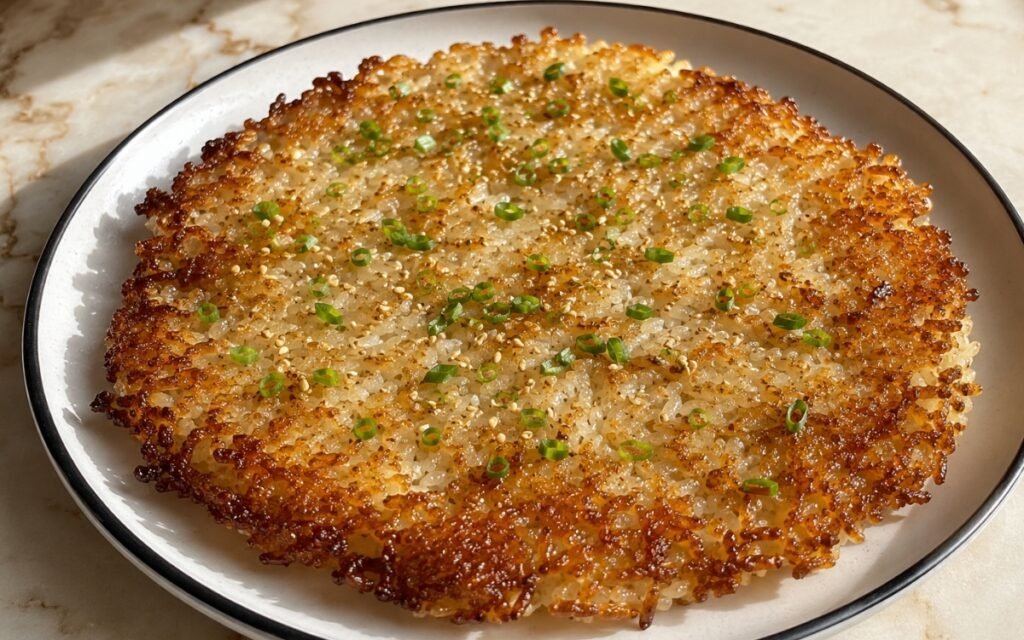
Asian Crispy Rice
Cooled rice seasoned with soy, vinegar, sesame oil, pressed into a cake, pan-fried undisturbed until golden. Crisp and savory.
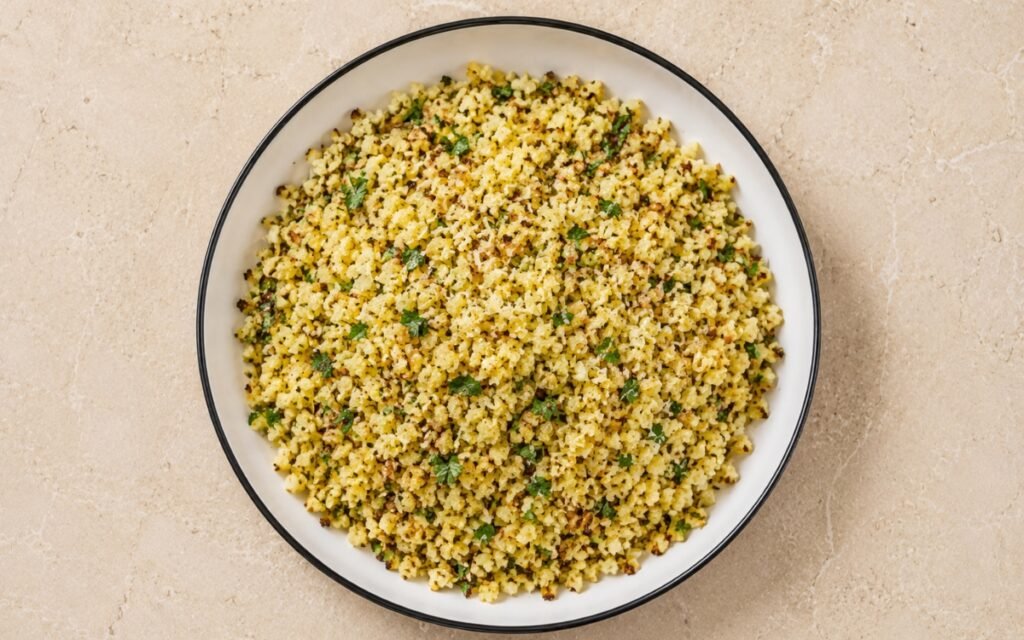
Roasted Cauliflower Rice
Cauliflower pulsed in batches, spread thin, roasted until golden and caramelized, finished with butter, parsley, and lemon. Nutty and low-carb.
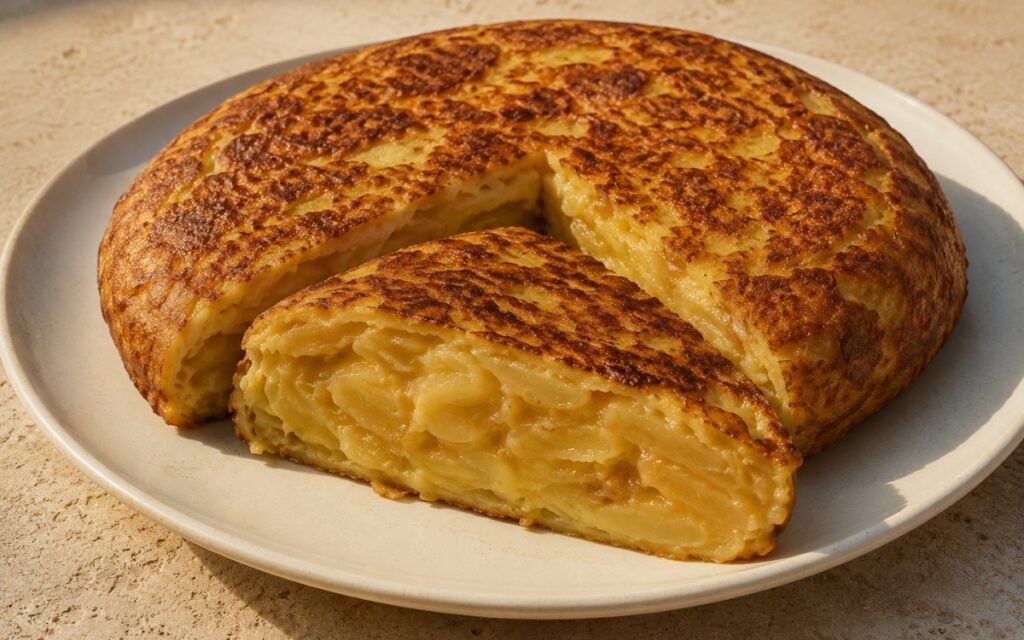
Spanish Tortilla / Tortilla Española
Thin potato slices gently cooked in olive oil, folded into beaten eggs, and cooked slowly for a golden exterior and soft, custardy centre.
You might also like
You might also like
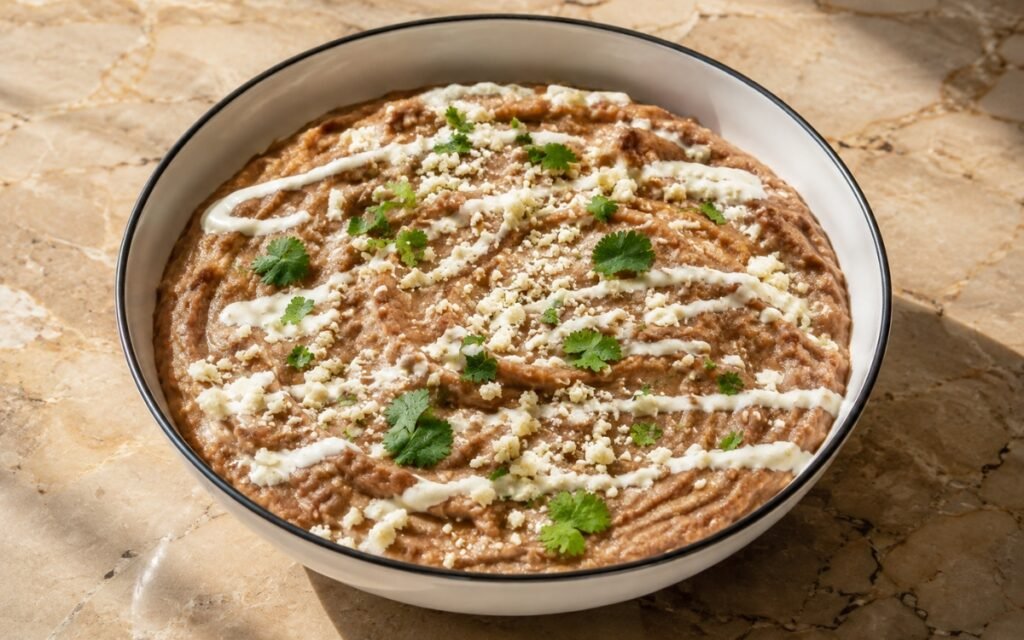
Refried Beans
Creamy pinto beans simmered slowly, mashed and fried in lard with onion and garlic until glossy and spreadable.
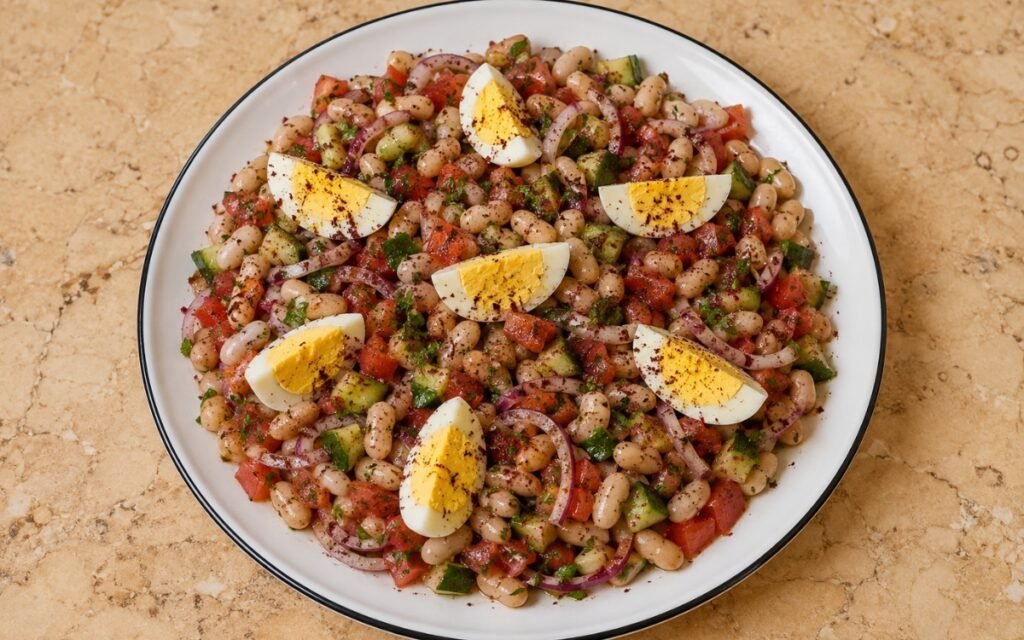
Turkish Piyaz Bean Salad
Traditional Turkish white bean salad with tomatoes, onions, eggs, and tangy sumac dressing.
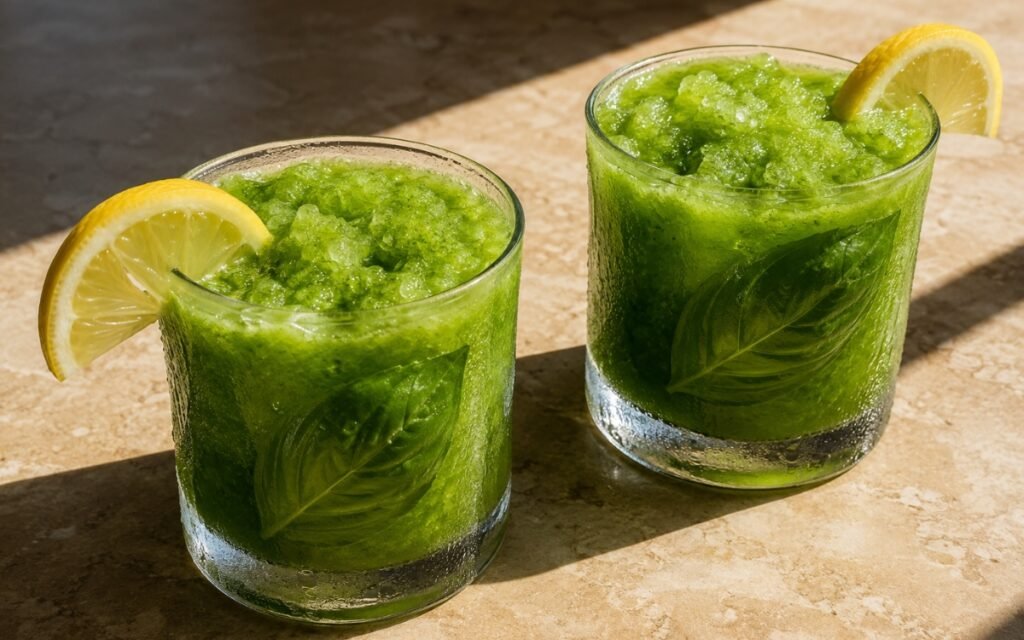
Basil Lemonade — Blended
Lemon zest syrup off heat, basil added last starting at ⅓ cup — blended 15–25 seconds, served immediately for slushy texture. Warm-herbal and unexpectedly elegant.
Cilantro Lime Jasmine Rice
Ingredients
Method
- Place the jasmine rice in a fine-mesh strainer and hold it under cold running water for 2–3 minutes, using your fingers to gently agitate the grains throughout. Watch the water flowing through the strainer — it will begin as cloudy, milky white and gradually clear to almost completely transparent. The rinsing is complete only when the water runs clear. The milky cloudiness is surface starch — a residue of the milling process that coats the outside of each grain. If this starch remains on the grain surface when the rice is cooked, it gelatinises into a sticky glue between the grains, causing them to clump together in dense, sticky masses rather than cooking as individual, separate, fluffy grains. Rinsing removes this surface starch without affecting the starch stored inside the grain itself — the internal starch is what gives jasmine rice its characteristic soft, slightly tender texture when cooked, and rinsing does not touch it. Jasmine rice is naturally aromatic from its own grain compounds; rinsing does not remove this aroma. Drain the rinsed rice thoroughly in the strainer, shaking it several times to remove as much clinging water as possible. Water trapped in the strainer carries over into the pot and can throw off the water-to-rice ratio — even a small excess of water produces rice that is slightly wet and sticky rather than dry and separate.
- Transfer the drained rice to a medium saucepan of approximately 2L capacity with a tight-fitting lid. Add the 525ml of cold water, the salt, and the vegetable oil. The oil is an often-omitted ingredient in rice cooking that performs a specific and valuable function — it coats the grain surfaces during cooking, helping to keep the grains separate and preventing the surface starch that survived the rinsing from causing sticking. It also adds a very subtle richness to the finished rice without contributing any detectable oil flavour at this small quantity. Stir briefly to combine the salt and oil with the water, then place over high heat. Bring to a full rolling boil — do not reduce the heat prematurely. The initial boil serves a purpose: it brings the entire water volume to a uniform temperature simultaneously before the heat is reduced, ensuring even hydration of the rice from the first moment of low-heat cooking.
- The moment the water reaches a full rolling boil, reduce the heat to the absolute lowest setting your burner can produce, cover the pot tightly with the lid, and do not touch it again for 15 minutes. This sealed, low-heat simmer is the most important phase of the recipe and the one most frequently disrupted by home cooks lifting the lid to check progress. The tight lid is not merely convenient — it is structurally essential to the cooking process. Steam accumulates inside the sealed pot and creates a pressurised, humid environment where the rice grains are cooked simultaneously by both the boiling water below them and the hot steam above. This dual-direction hydration is what cooks the top layer of rice as thoroughly as the bottom layer, producing evenly cooked grains throughout the pot. Every time the lid is lifted, a burst of steam escapes and is lost permanently — the pot’s water inventory decreases, the steam pressure drops, the temperature falls, and the upper rice grains lose their cooking medium. A single lid lift mid-cook reliably produces rice with a dry, undercooked top layer and a wet, overcooked bottom layer. The only correct action during these 15 minutes is to ensure the heat is genuinely low — if you can hear aggressive boiling through the lid, reduce the heat further. The sound should be a faint, quiet simmer, barely audible.
- After 15 minutes, remove the pot from the heat entirely without lifting the lid. Allow it to stand undisturbed and covered for a further 5 minutes. This rest period is the completion of the cooking process, not an optional pause before serving. During the 15-minute cook, the water at the bottom of the pot is used up in cooking the lower grains, while the upper portion of the rice is cooked primarily by steam. Immediately after cooking, the moisture distribution through the pot is slightly uneven — the very bottom grains have been in direct contact with the hottest, most liquid-rich environment, while the top grains have cooked in a drier, steamer atmosphere. The 5-minute covered rest allows this moisture to redistribute through the pot by diffusion — the drier top absorbs moisture migrating upward from the wetter bottom, and the bottom’s excess moisture evaporates slightly and is redistributed as steam. The result after the rest is a pot where every grain, from top to bottom, has reached the same moisture level and the same tender, cooked texture.
- After the rest, lift the lid for the first time and immediately fluff the rice using a fork — not a spoon, not a spatula. This tool choice is not pedantic. A fork’s tines slide between the individual grains and separate them cleanly without the compressive, rolling pressure that a spoon or spatula applies. That compression is what collapses the light, airy structure of properly cooked jasmine rice into sticky, dense clumps. Use the fork with a light, raking, lifting motion — work from the edges of the pot toward the centre, lifting and separating rather than stirring or folding. Once the rice is fluffed and the grains are visibly separate, add the lime juice, lime zest, chopped cilantro, and butter. The lime juice and zest go in after cooking — never during. Acid added to rice during the cooking process does two things: it slightly tightens the grain structure, making the grains firmer and more compact; and it breaks down the volatile aromatic compounds in fresh lime juice that are responsible for the bright, clean citrus fragrance, leaving a flat, muted lime flavour rather than the vivid, fresh character that defines this rice. Added after cooking and off-heat, the lime juice stays completely fresh and its aromatic compounds are preserved intact. Fold the finishing ingredients through the rice gently until the butter has melted and everything is evenly distributed. Serve immediately — the lime aroma is at its most vibrant in the first few minutes after the finishing is added.