
Garlic Shrimp Skewers
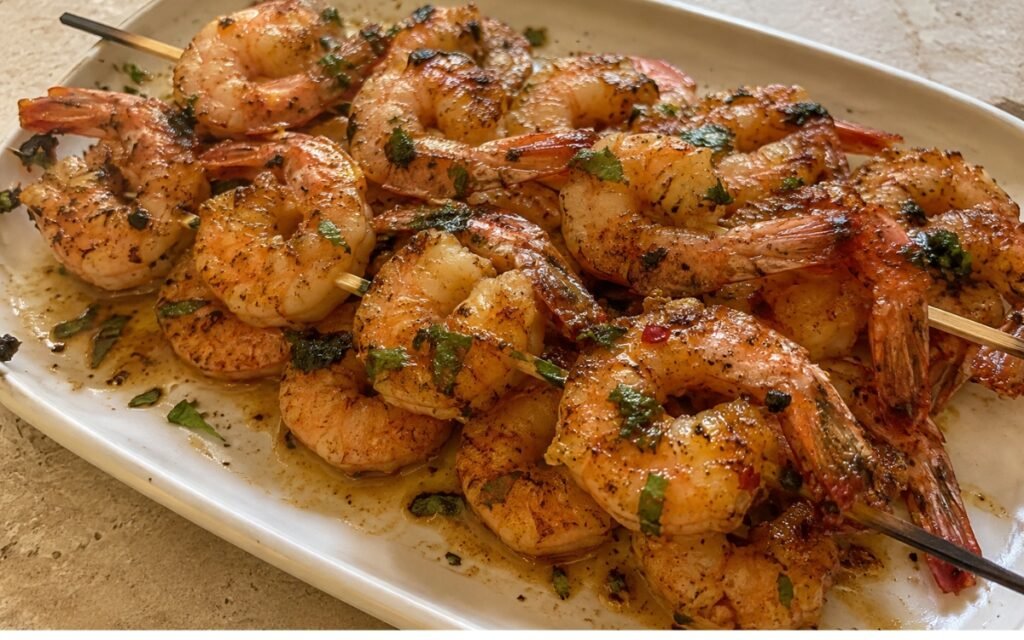
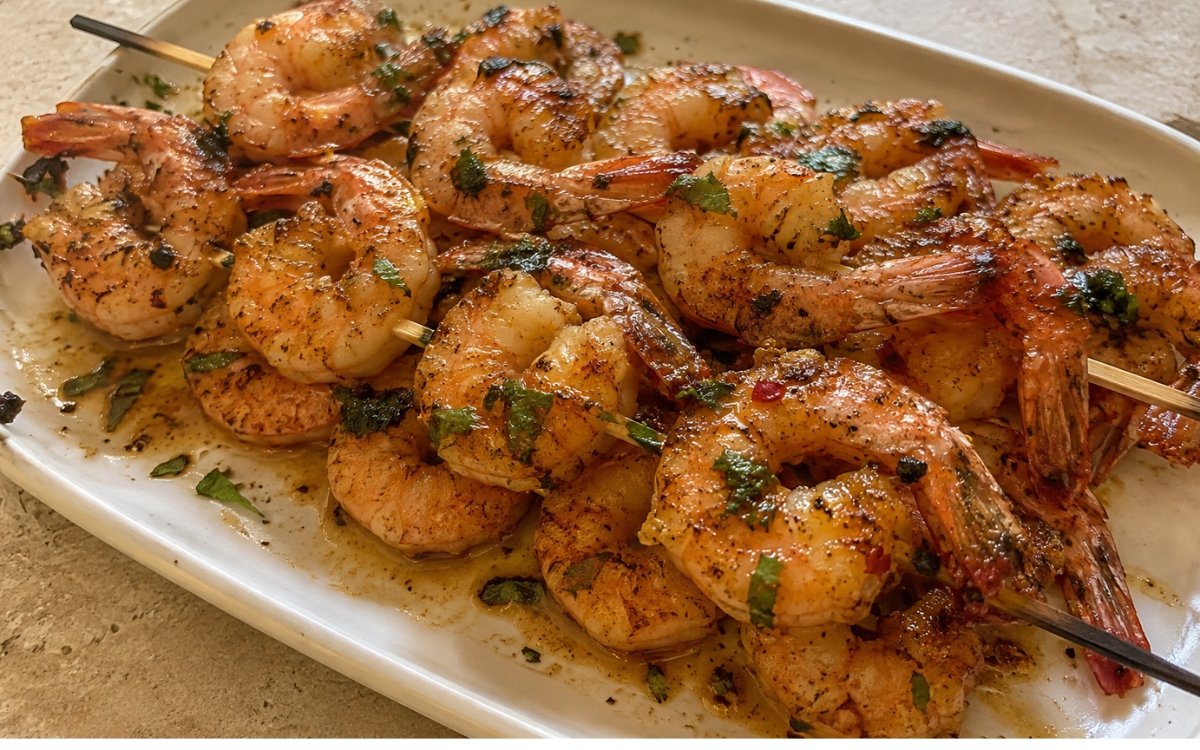
Garlic Shrimp Skewers delivers juicy, fast-grilled shrimp coated in a rich garlic herb butter that melts, bastes, and caramelizes over high heat. This method is built on speed, moisture control, and fat-based flavor transfer — delivering charred edges, tender centers, and a balanced, restaurant-level result in minutes. The garlic butter is deliberately split into two portions with two distinct jobs: half goes on as marinade before cooking, while the other half is held back specifically for basting during grilling, layering fresh fat and aromatics onto the shrimp at the exact moment they can most benefit from it. Marinating time is capped strictly at 30 minutes, since shrimp’s protein structure is highly sensitive to the lemon juice’s acidity — extended exposure doesn’t deepen flavor the way it would with a heartier protein, it actively breaks down the shrimp’s texture into something soft and mushy. Threading each shrimp through both the head end and tail, ideally on two parallel skewers, locks the pieces in place and prevents the frustrating rotation that makes flipping shrimp skewers unpredictable otherwise. Because shrimp cook in a genuine matter of minutes, this entire dish depends on close, active attention rather than the longer, more forgiving windows other proteins allow.
Prep Time : 20 min
Cook Time : 6 min
Servings : 4
20 min
6 min
4
Ingredients
For the Shrimp
• 700g large shrimp (26–30 count), peeled and deveined, tails on
To Serve
• 80g unsalted butter, melted — this one on Amazon
• 8 garlic cloves, minced
• 30ml olive oil — this one on Amazon
• 30ml lemon juice
• 30g fresh parsley, finely chopped
• 10g fine sea salt
• 4g freshly ground black pepper
• 3g smoked paprika — this one on Amazon
• 2g red pepper flakes
This post may contain affiliate links. As an Amazon Associate I earn from qualifying purchases, at no additional cost to you.
Directions
- Build the Garlic Butter Base
Combine melted butter, garlic, olive oil, lemon juice, parsley, salt, pepper, paprika, and red pepper flakes in a bowl and whisk until fully emulsified. The mixture should be cohesive, slightly thick, and evenly distributed — not separated. This base is both marinade and finishing fat, meaning it must carry flavor effectively while holding structure under heat. - Marinate with Control
Reserve half of the garlic butter for basting, then coat the shrimp evenly with the remaining portion. Cover and refrigerate for 30 minutes — no longer. Shrimp are highly sensitive to acid; extended exposure to lemon juice begins breaking down proteins, leading to a soft, mushy texture instead of a firm bite. - Thread for Stability
Thread the shrimp onto skewers, piercing through both the thick head end and the tail. This locks each shrimp into place and prevents rotation during cooking. For better control, use two parallel skewers — this stabilizes the shrimp and allows clean flipping without tearing. - Preheat Aggressively
Preheat the grill to high heat and allow it to fully stabilize. Shrimp cook extremely fast, so you need high heat to develop char before the interior overcooks. A properly heated grill ensures immediate searing contact and reduces sticking. - Grill with Precision Timing
Place the skewers directly over heat and cook for 2–3 minutes per side. Do not walk away — shrimp cook in minutes and overcooking happens fast. As they cook, they will turn from translucent grey to opaque pink and begin to firm up. - Baste for Layered Flavor
While grilling, brush the shrimp with the reserved garlic butter. This builds layers — initial marinade sets the base, while basting adds fresh fat and aromatics during cooking. The butter melts over the shrimp, carrying garlic and spices while enhancing browning. - Pull at the Right Moment
Remove the shrimp immediately once fully opaque and lightly charred. Properly cooked shrimp form a loose “C” shape — if they curl into a tight “O,” they are overcooked and turning rubbery. - Finish and Serve
Transfer to a serving plate and drizzle any remaining garlic butter over the top. Serve immediately while hot — shrimp lose optimal texture quickly once off heat.
*Notes :
- Splitting the garlic butter into marinade and basting portions is a deliberate structural decision rather than a convenience measure. The marinade portion sets an initial flavor base during the short marinating window, while the reserved basting portion introduces genuinely fresh fat and aromatics during cooking — using only one batch for both roles would mean basting with butter that’s already spent much of its potency sitting on raw shrimp.
- The strict 30-minute marinating limit exists because shrimp’s protein structure reacts to acid very differently than beef or pork does. Lemon juice’s citric acid begins actively breaking down the shrimp’s proteins well before the 30-minute mark is reached, and pushing that time longer doesn’t add flavor depth so much as it compromises the shrimp’s firm, snappy texture.
- The shape test at the end of cooking — a loose “C” versus a tight “O” — is a genuinely reliable visual indicator of doneness that requires no thermometer. Shrimp curl progressively as they cook, and that curl is a direct, visible signal of how far along the cooking process has gone.
Why This Recipe Works
This recipe works because the garlic butter is deliberately divided to serve two distinct purposes without either job compromising the other. The strict marinating time limit protects shrimp’s delicate protein structure from acid-related texture breakdown.
Threading through both ends of each shrimp on two parallel skewers ensures stable, even cooking on both sides. And close attention to timing and visual cues — the “C” versus “O” shape — is what prevents the rapid overcooking shrimp are so prone to.
Ingredient Breakdown
Large Shrimp (26–30 Count)
The foundation — a size substantial enough to hold up to grilling without overcooking too quickly.
Garlic Herb Butter, Split for Marinade and Basting
The dual-purpose flavor base — fresh fat and aromatics applied at two distinct stages.
30-Minute Marinating Limit
The texture-protection measure — respecting shrimp’s specific sensitivity to acid.
Double-Skewer Threading
The stability technique — preventing rotation and enabling clean, even flipping.
Flavor Structure Explained
This Garlic Shrimp Skewers follows a gentle balance model:
- Mild fish core (cod)
- Bright buttery sauce (lemon and butter)
- Savory aromatic depth (garlic)
- Soft flaky structure (baked cod)
- Fresh herbal lift (parsley)
Cod defines the foundation with a mild, flaky texture that acts as a delicate canvas for the sauce. Lemon butter provides the main flavor identity, combining richness from the butter with clean brightness from the lemon juice and slices. Garlic adds savory warmth, giving the sauce depth without overwhelming the fish’s gentle character. Baking allows the cod to absorb and carry the sauce, keeping the texture soft, moist, and evenly flavored. Fresh parsley finishes with a clean herbal lift, preventing the buttery sauce from feeling too heavy. The result is a cod preparation built around softness, brightness, and restraint, where lemon, butter, garlic, and flaky fish remain in simple, polished balance.
Common Mistakes to Avoid
- Marinating Longer Than 30 Minutes – Breaks down the shrimp’s protein structure, producing a soft, mushy texture. Always stop at 30 minutes.
- Using Only One Batch of Butter for Both Marinade and Basting – Loses the benefit of fresh fat during grilling. Always reserve half before marinating.
- Skewering Through Only One End – Allows the shrimp to spin unpredictably during grilling. Always pierce through both the head and tail.
- Walking Away During Grilling – Shrimp overcook within moments of being ready. Always stay attentive and watch closely.
- Overcooking Into a Tight “O” Shape – Indicates rubbery, overdone shrimp. Always pull at the loose “C” stage.
Variations
With Chili Lime
For a brighter, more citrus-forward shrimp preparation, see the Chili Lime Shrimp.
As Fajitas
For a related shrimp preparation built around a Tex-Mex flavor profile, see the Shrimp Fajita.
With Extra Heat
Increase the red pepper flakes for a spicier finish.
Oven-Broiled Version
If grilling isn’t an option, broil the skewered shrimp on high for 2–3 minutes per side, watching closely.
Storage & Make-Ahead
The garlic butter base can be made up to 2 days in advance and refrigerated, then gently rewarmed before using.
Cooked shrimp is best eaten immediately. Refrigerated leftovers will lose their ideal texture, but they will remain flavorful for up to 1 day.
Frequently Asked Questions
Why is the marinating time capped so strictly at 30 minutes?
Shrimp’s protein structure is highly sensitive to acid, and the lemon juice in the marinade begins breaking those proteins down well before 30 minutes have passed. Unlike beef or pork, which can benefit from hours of acidic marinating, shrimp left in an acidic marinade too long turns soft and mushy rather than more flavorful.
Why split the garlic butter into two separate portions?
Using one portion as a marinade and holding the other back for basting means the shrimp get fresh, undiminished fat and aromatics during cooking rather than butter that’s already been sitting on raw shrimp. This layered approach builds more flavor than a single application would.
How do I know when the shrimp are perfectly cooked?
Watch the shape as they cook. Properly done shrimp curl into a loose “C” shape. If they continue curling into a tight “O,” they’ve overcooked and the texture will turn rubbery — this visual cue is a reliable way to judge doneness without needing a thermometer.
What should I serve alongside these shrimp skewers?
Garlic Butter Roasted Potatoes or Paprika Roasted Baby Potatoes both make satisfying, hearty pairings alongside the shrimp’s bright, garlicky flavor. For other shrimp preparations, try the Chili Lime Shrimp or Shrimp Fajita.
Nutrition Facts
( per serving )
Calories
~290 kcal
Protein
28 g
Fat
19 g
Carbs
2 g
Calories
~290 kcal
Protein
28 g
Fat
19 g
Carbs
2 g
Related Recipes
Related Recipes

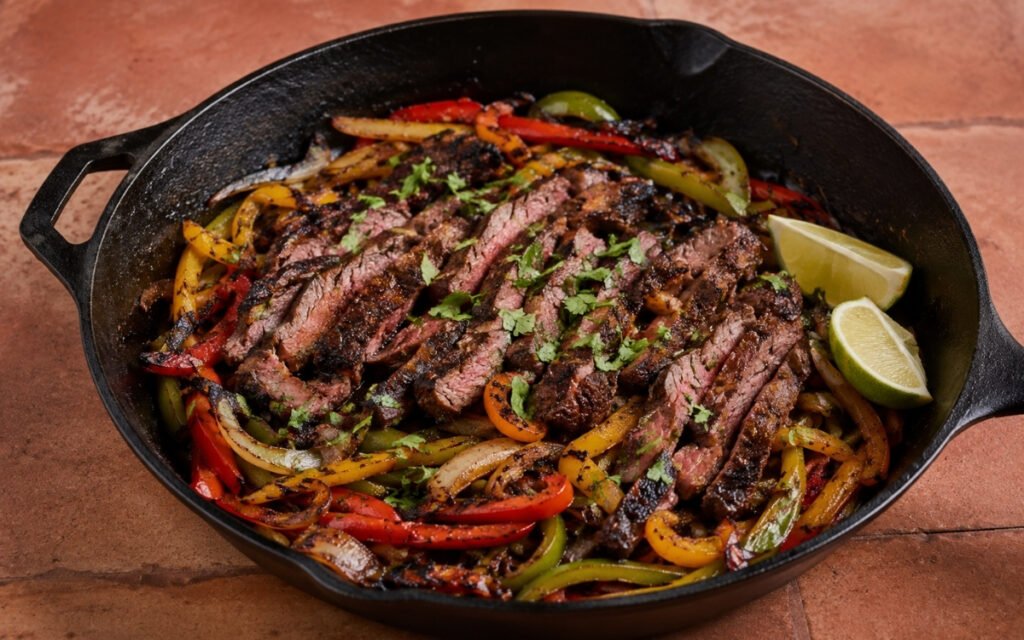
Skirt Steak Fajita
Dry-brined skirt steak seared to medium-rare in cast iron, combined with charred peppers and onions cooked in the full spiced marinade — the steak fajita done properly.
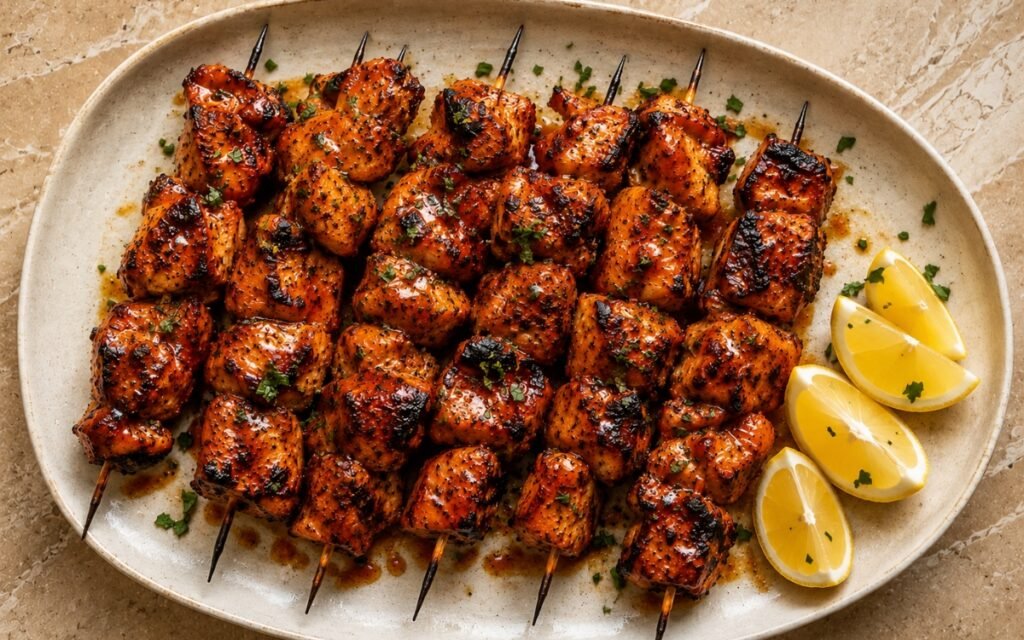
Grilled Chicken Skewers
Juicy grilled chicken skewers lacquered with caramelized honey–sriracha glaze for smoky, sticky heat.
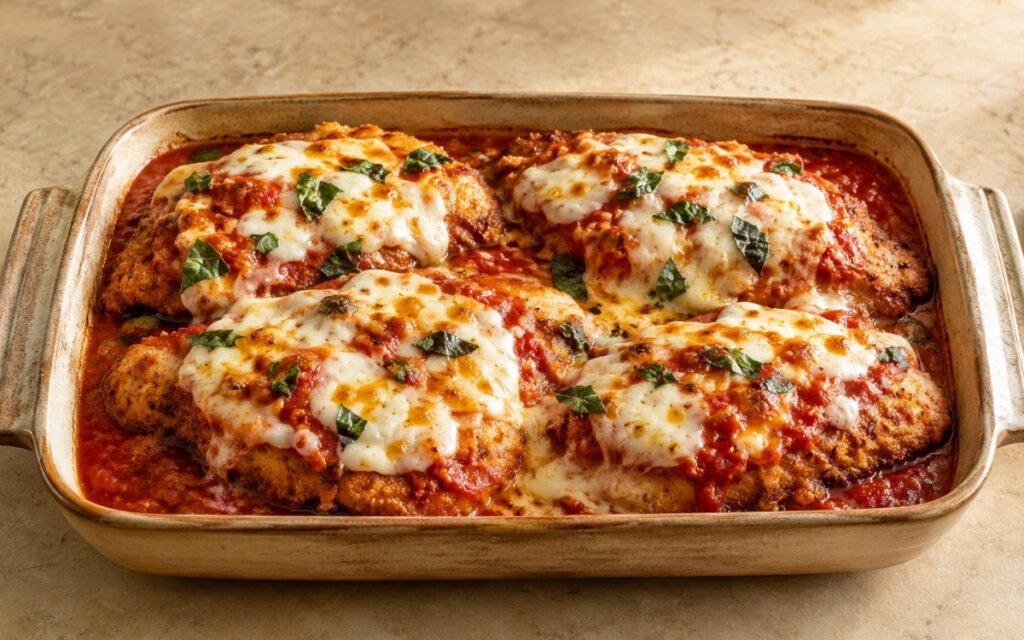
Chicken Parmigiana
Crispy fried cutlets topped with homemade marinara, fresh mozzarella, and Parmesan, baked until bubbling and golden — the complete American-Italian classic from scratch in 55 minutes.
You might also like
You might also like
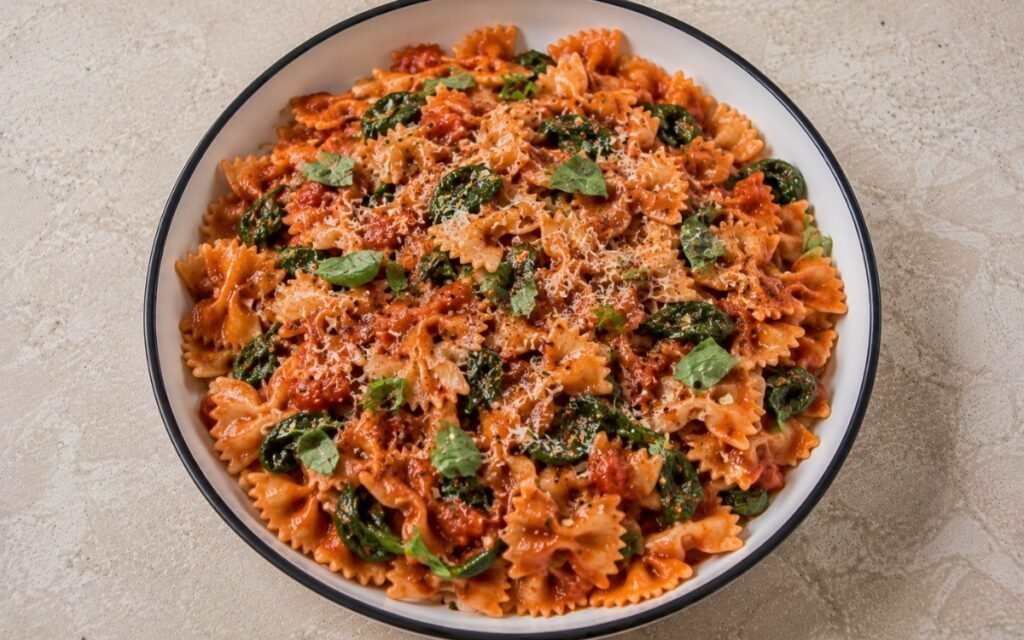
Tomato Spinach Farfalle Pasta
Tomato paste caramelised for depth, crushed tomatoes simmered glossy, spinach wilted in the last 90 seconds — farfalle finished in the sauce. 30 minutes.
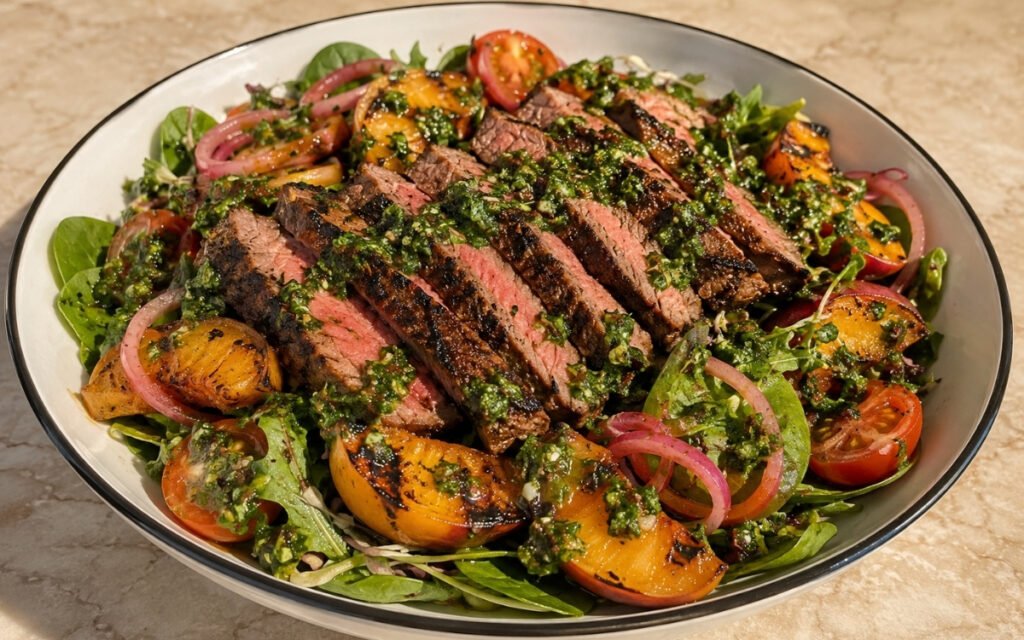
Grilled Steak & Peach Chimichurri Salad
Sliced medium-rare sirloin over fresh greens with grilled peaches, pickled red onion and a heavy chimichurri drizzle.
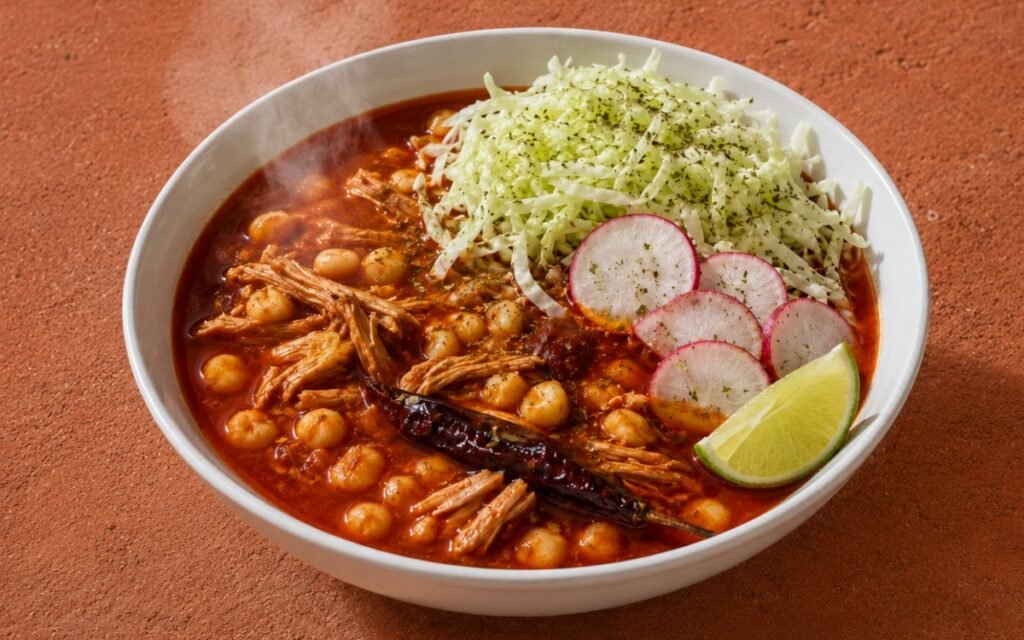
Pozole Rojo
Bone-in pork shoulder simmered clean, combined with a toasted guajillo-ancho chile base until deep ruby red, finished with hominy, cabbage, and radish.
Grilled Garlic Shrimp Skewers
Ingredients
Method
- Combine 80g melted butter, 8 minced garlic cloves, 30ml olive oil, 30ml lemon juice, 30g chopped parsley, 10g salt, 4g black pepper, 3g smoked paprika, and 2g red pepper flakes in a bowl, whisking until well blended.
- Reserve half the garlic butter mixture in a separate bowl for basting. Toss 700g shrimp with the remaining half of the garlic butter until evenly coated. Cover and marinate in the refrigerator for 30 minutes.
- Thread marinated shrimp onto skewers, piercing through both the tail end and the thick head end so each shrimp lies flat and won't spin during grilling. If using wooden skewers, ensure they've been soaked in water for 30 minutes.
- Preheat your grill to high heat, ensuring the grates are clean and lightly oiled to prevent sticking.
- Place shrimp skewers on the hot grill and cook for 2-3 minutes per side until the shrimp turn pink and develop slight char marks. Baste generously with the reserved garlic butter while grilling.
- Remove skewers from the grill immediately when shrimp are completely opaque throughout—they overcook quickly and can become rubbery. Drizzle any remaining garlic butter over the skewers before serving hot.