
Chili Lime Shrimp
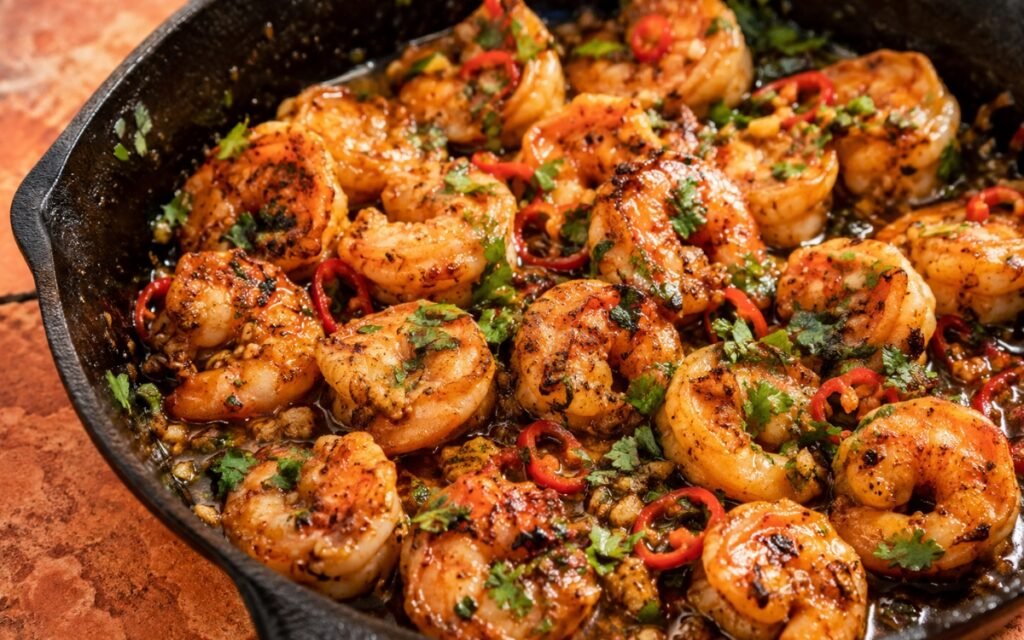
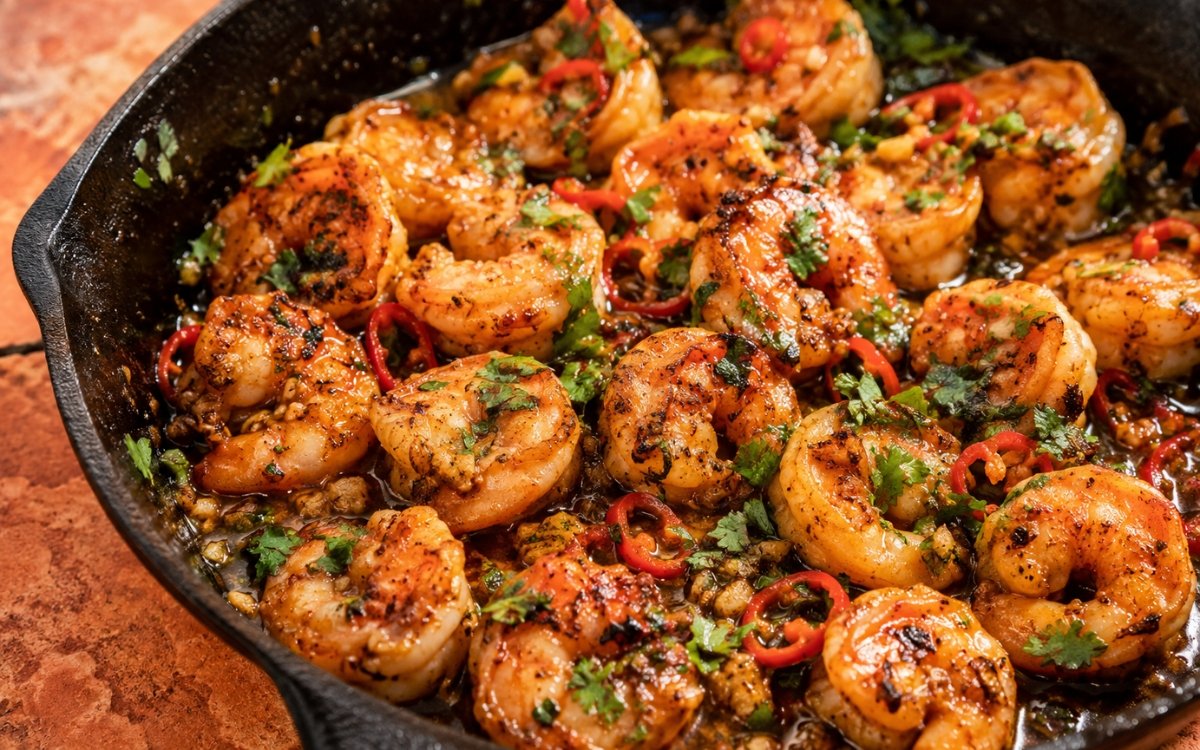
Chili Lime Shrimp delivers spicy, zesty shrimp with bright citrus and heat — ready in minutes. This quick-seared seafood dish brings restaurant-quality flavor to your table with bold lime, fresh chilies, and perfectly caramelized shrimp. A vibrant weeknight dinner that’s as impressive as it is easy. Thoroughly drying the shrimp before they hit the pan is what makes genuine searing possible in the brief time this dish allows — any residual surface moisture would steam the shrimp rather than let them develop the light sear this recipe depends on. The sequence here matters as much as the timing: shrimp sear first on their own, then aromatics go in only after the flip, and the sauce itself is built directly in the same pan only once the shrimp are nearly done. This staged approach means the garlic and chilies never sit long enough to burn, and the lime juice, honey, and butter come together into a glossy sauce in the final minute, coating the shrimp rather than cooking separately. Because shrimp move from perfectly done to overcooked within moments, this entire dish depends on immediate, attentive execution rather than a forgiving, low-stakes timeline.
Prep Time : 10 min
Cook Time : 0 min
Servings : 8
10 min
0 min
8
Ingredients
For the Shrimp
• 700g large shrimp, peeled and deveined
• 10g fine sea salt
• 4g freshly ground black pepper
For the Chili Lime Sauce
• 45ml olive oil — this one on Amazon
• 6 garlic cloves, minced
• 2 fresh red chilies, thinly sliced (seeds removed for less heat)
• 60ml lime juice (about 3 limes)
• 20g honey — this one on Amazon
• 10g lime zest
• 20g unsalted butter — this one on Amazon
• 30g fresh cilantro, chopped
This post may contain affiliate links. As an Amazon Associate I earn from qualifying purchases, at no additional cost to you.
Directions
- Prepare the Shrimp
Pat 700g shrimp completely dry with paper towels. Season both sides with 10g fine sea salt and 4g freshly ground black pepper. Set aside on a plate. - Heat the Pan
Heat 45ml olive oil in a large skillet over high heat until nearly smoking, about 2 minutes. The oil should shimmer and move easily across the pan. - Sear the Shrimp
Add shrimp in a single layer without overcrowding. Cook for 2 minutes without moving or touching them, allowing the bottom to turn pink and develop a light sear. - Add Aromatics
Flip shrimp to the other side. Immediately add 6 minced garlic cloves and 2 sliced red chilies. Cook for 1 minute until garlic becomes fragrant but not browned. - Create the Sauce
Add 60ml lime juice, 20g honey, 10g lime zest, and 20g unsalted butter to the pan. Toss shrimp continuously in the sauce for 1 minute until fully coated and cooked through. Shrimp should be opaque and firm. - Finish and Serve
Remove from heat immediately to prevent overcooking. Garnish with 30g chopped fresh cilantro. Serve hot with the pan sauce spooned over the top.
*Notes :
- Drying the shrimp thoroughly before seasoning is a small step that matters disproportionately given how quickly this dish cooks. There’s no long searing window to slowly evaporate off surface moisture the way there might be with a thicker piece of protein — any residual water on the shrimp compromises the light sear within the first crucial minutes of cooking.
- Adding the garlic and chilies only after the flip, rather than at the start alongside the shrimp, protects both aromatics from burning during the initial high-heat searing stage. Garlic in particular turns bitter quickly at sustained high heat, and this staged timing keeps it in the pan only long enough to become fragrant.
- Building the sauce directly in the same pan, in the final minute of cooking, means the lime juice, honey, and butter pick up all the flavor left behind from searing the shrimp and cooking the aromatics — nothing from earlier in the process goes to waste, and the sauce comes together almost instantly given how little time it needs to emulsify.
Why This Recipe Works
This recipe works because thorough drying enables genuine searing within a genuinely short cooking window. Staging the aromatics to go in only after the flip protects garlic and chilies from burning.
Building the sauce directly in the pan captures all the flavor developed during searing. And removing the shrimp from heat the instant they’re opaque and firm prevents the rapid overcooking shrimp are notoriously prone to.
Ingredient Breakdown
Large Shrimp, Thoroughly Dried
The foundation — surface moisture removed specifically to enable genuine searing in a short cooking window.
Garlic and Fresh Chilies, Added After the Flip
The staged aromatics — timed to avoid burning during the initial high-heat sear.
Lime Juice, Honey, Butter Sauce
The finishing glaze — built directly in the same pan, capturing all the developed flavor in the final minute.
Fresh Cilantro and Lime Zest
The bright finishing touches — added at the very end to preserve their freshness.
Flavor Structure Explained
This Chili Lime Shrimp follows a quick glaze balance model:
- Sweet briny core (shrimp)
- Light seared exterior (hot dry pan contact)
- Bright citrus glaze (lime juice and zest)
- Gentle sweet richness (honey and butter)
- Fresh spicy finish (chilies and cilantro)
Shrimp defines the foundation with a naturally sweet, briny character that cooks quickly and benefits from direct, high-heat searing. Hot, dry, undisturbed contact with the pan creates a light seared surface, adding savory depth without overcooking the delicate interior. Lime juice, honey, and butter form the main sauce register, creating a glossy glaze that clings to the shrimp rather than overwhelming it. Fresh chilies add immediate, focused heat that cuts through the sweetness and richness. Lime zest and cilantro finish the dish with sharp freshness, keeping the profile bright and clean. The result is a shrimp preparation built around speed, contrast, and balance, where citrus, heat, sweetness, and seared briny shrimp remain clear and lively.
Common Mistakes to Avoid
- Not Drying the Shrimp Before Cooking – Prevents proper searing in this short cooking window. Always pat completely dry first.
- Overcrowding the Pan – Drops the pan’s temperature and produces steamed rather than seared shrimp. Always cook in a single, uncrowded layer.
- Adding Garlic and Chilies Too Early – Burns them during the initial high-heat sear. Always add after the flip.
- Cooking the Garlic Until Browned – Turns bitter quickly at high heat. Always cook only until fragrant.
- Leaving Shrimp in the Pan Too Long – Shrimp overcook within moments once done. Always remove immediately once opaque and firm.
Variations
With Skewers
For a related grilled shrimp preparation with a garlic butter base, see the Garlic Shrimp Skewers.
As Fajitas
For a Tex-Mex-forward shrimp preparation, see the Shrimp Fajita.
With Extra Heat
Leave the seeds in the chilies, or add a pinch of cayenne to the sauce, for a spicier result.
With Coconut Milk
Stir in a splash of coconut milk with the sauce for a creamier, richer finish.
Storage & Make-Ahead
Cooked shrimp is best eaten immediately. Refrigerated leftovers will lose their ideal texture, but they will remain flavorful for up to 1 day.
The lime juice and zest for the sauce can be prepared ahead, but the sauce itself is best made fresh in the pan during cooking.
Frequently Asked Questions
Why does the shrimp need to be so thoroughly dried before cooking?
This dish cooks in just a few minutes total, leaving no time for surface moisture to slowly evaporate the way it might with a longer-cooking protein. Any residual water on the shrimp steams the surface instead of allowing the light sear this recipe depends on to develop within that short window.
Why add the garlic and chilies only after flipping the shrimp instead of at the start?
Garlic burns and turns bitter quickly under sustained high heat, and the initial searing stage is specifically calibrated for that high temperature. Adding the aromatics only after the flip keeps them in the pan for just long enough to become fragrant without scorching.
How do I know when the shrimp are done?
Shrimp should turn from translucent to fully opaque and feel firm to the touch. Because this happens within moments, removing them from the heat the instant they reach that point — rather than waiting to be certain — is the safest way to avoid overcooking into a tough, rubbery texture.
What should I serve alongside this shrimp?
Coconut Rice or Cilantro Lime Jasmine Rice both complement the bright, citrusy, spicy sauce particularly well. For other quick shrimp preparations, try the Garlic Shrimp Skewers or Shrimp Fajita.
Nutrition Facts
( per serving )
Calories
~280 kcal
Protein
28 g
Fat
15 g
Carbs
9 g
Calories
~280 kcal
Protein
28 g
Fat
15 g
Carbs
9 g
Related Recipes
Related Recipes

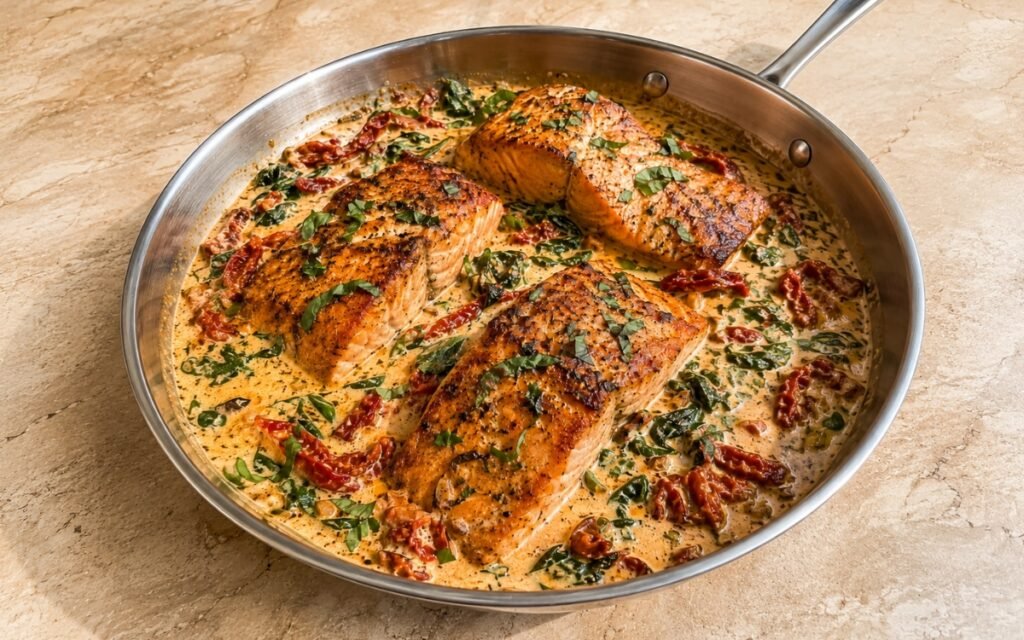
Creamy Tuscan Salmon
Deeply seared salmon finished gently in a rich garlic Parmesan cream sauce with sun-dried tomatoes, spinach, parsley, and basil.
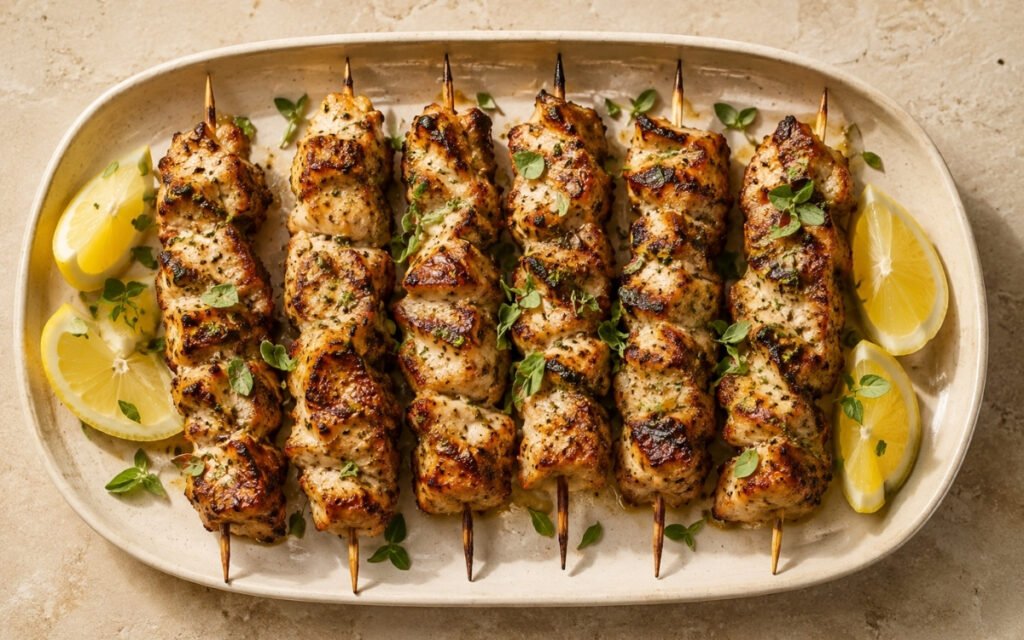
Greek Chicken Souvlaki
Yogurt-marinated chicken thighs with Za’atar, cumin, and fresh herbs — cooked hot for real char and served with pita and tzatziki or as a bowl protein.
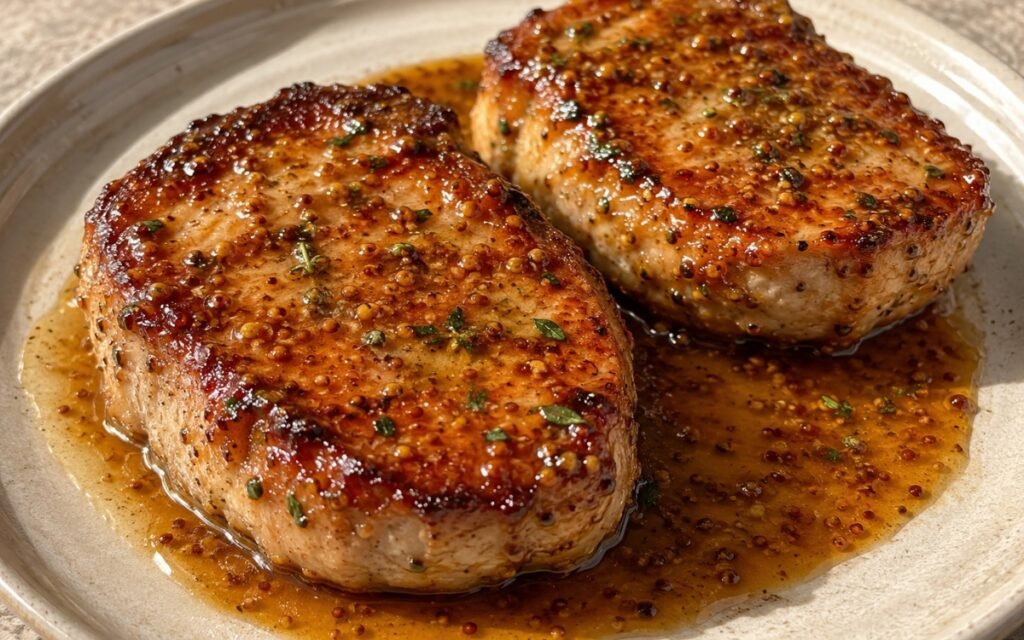
Honey Mustard Pork Chops
Pork chops seared golden, glazed with honey and dual mustard after the flip, basted until sticky and caramelized, rested. Sweet and tangy.
You might also like
You might also like
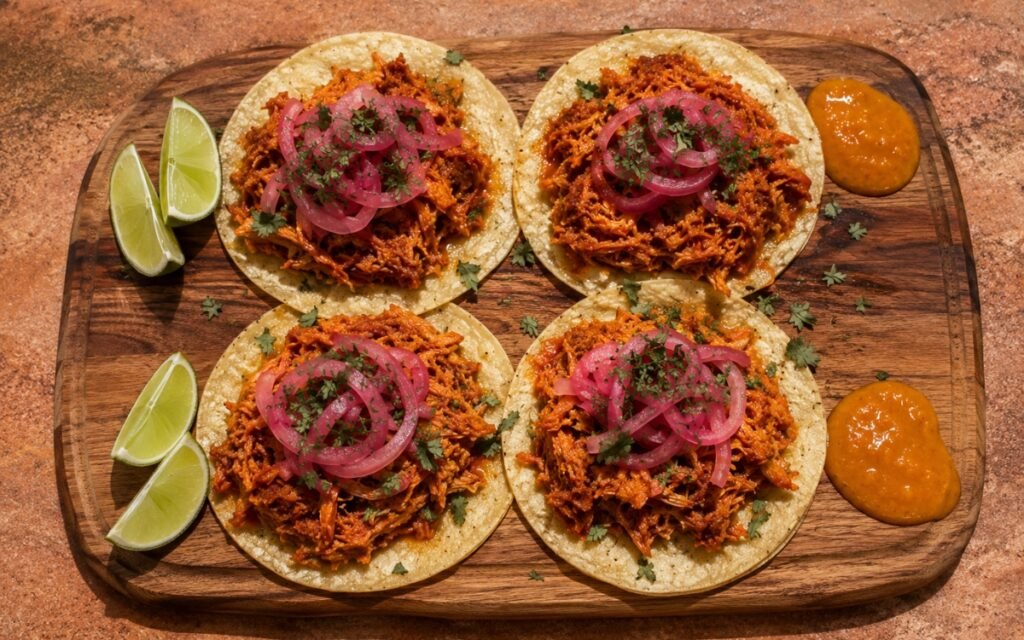
Cochinita Pibil Tacos
Pork shoulder braised in a smooth achiote marinade until fork-tender and glossy, served on corn tortillas with pickled red onion and habanero salsa.
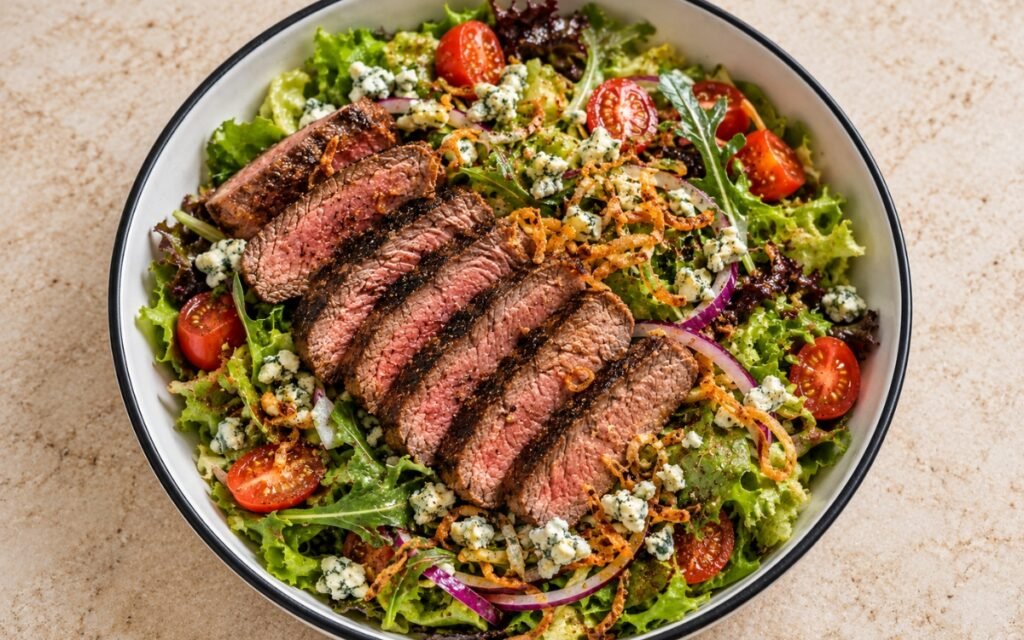
Steakhouse Steak Salad with Blue Cheese
Sliced medium-rare seared steak over crisp greens with cherry tomatoes, red onion, blue cheese crumbles, and crispy fried shallots.
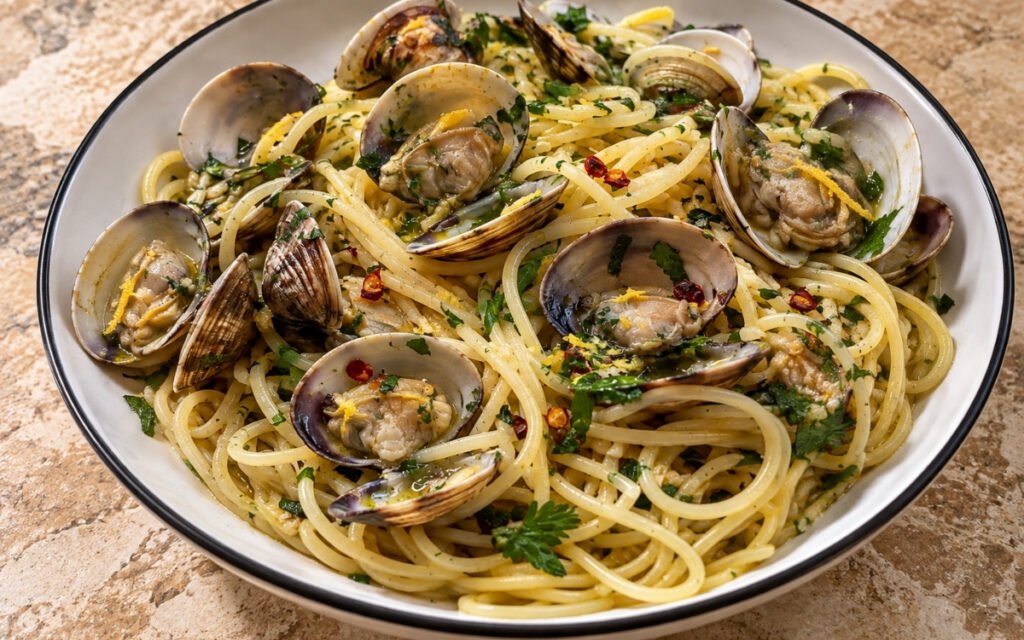
Spaghetti alle Vongole
Fresh clams in a light olive-oil, white wine, and garlic emulsion with parsley and lemon zest, tossed with al dente spaghetti.
Seared Chili Lime Shrimp
Ingredients
Method
- Pat 700g shrimp completely dry with paper towels. Season both sides with 10g fine sea salt and 4g freshly ground black pepper. Set aside on a plate.
- Heat 45ml olive oil in a large skillet over high heat until nearly smoking, about 2 minutes. The oil should shimmer and move easily across the pan.
- Add shrimp in a single layer without overcrowding. Cook for 2 minutes without moving or touching them, allowing the bottom to turn pink and develop a light sear.
- Flip shrimp to the other side. Immediately add 6 minced garlic cloves and 2 sliced red chilies. Cook for 1 minute until garlic becomes fragrant but not browned.
- Add 60ml lime juice, 20g honey, 10g lime zest, and 20g unsalted butter to the pan. Toss shrimp continuously in the sauce for 1 minute until fully coated and cooked through. Shrimp should be opaque and firm.
- Remove from heat immediately to prevent overcooking. Garnish with 30g chopped fresh cilantro. Serve hot with the pan sauce spooned over the top.