
Greek Chicken Souvlaki
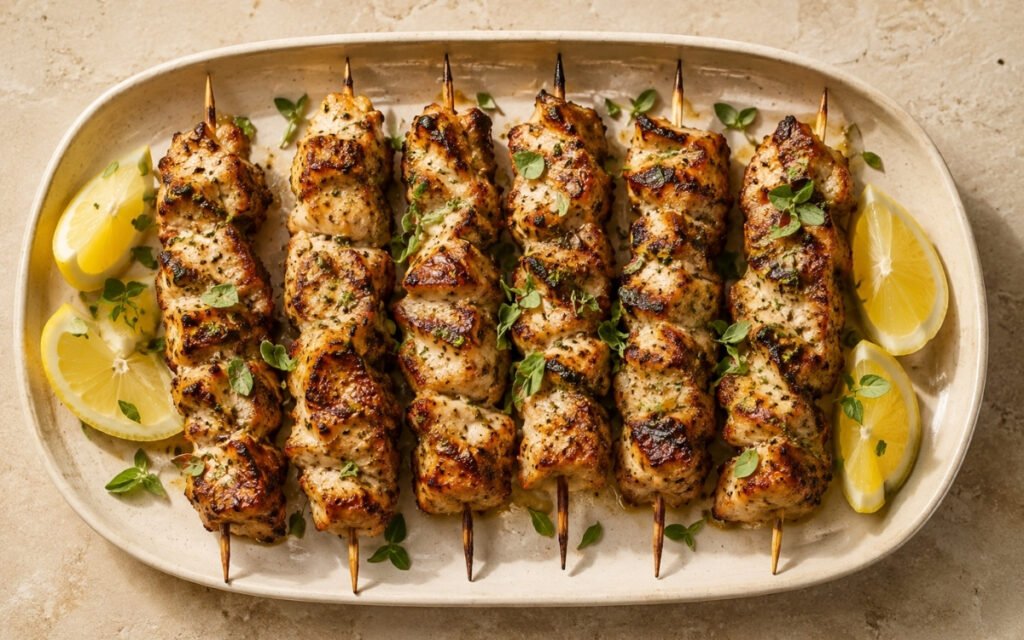
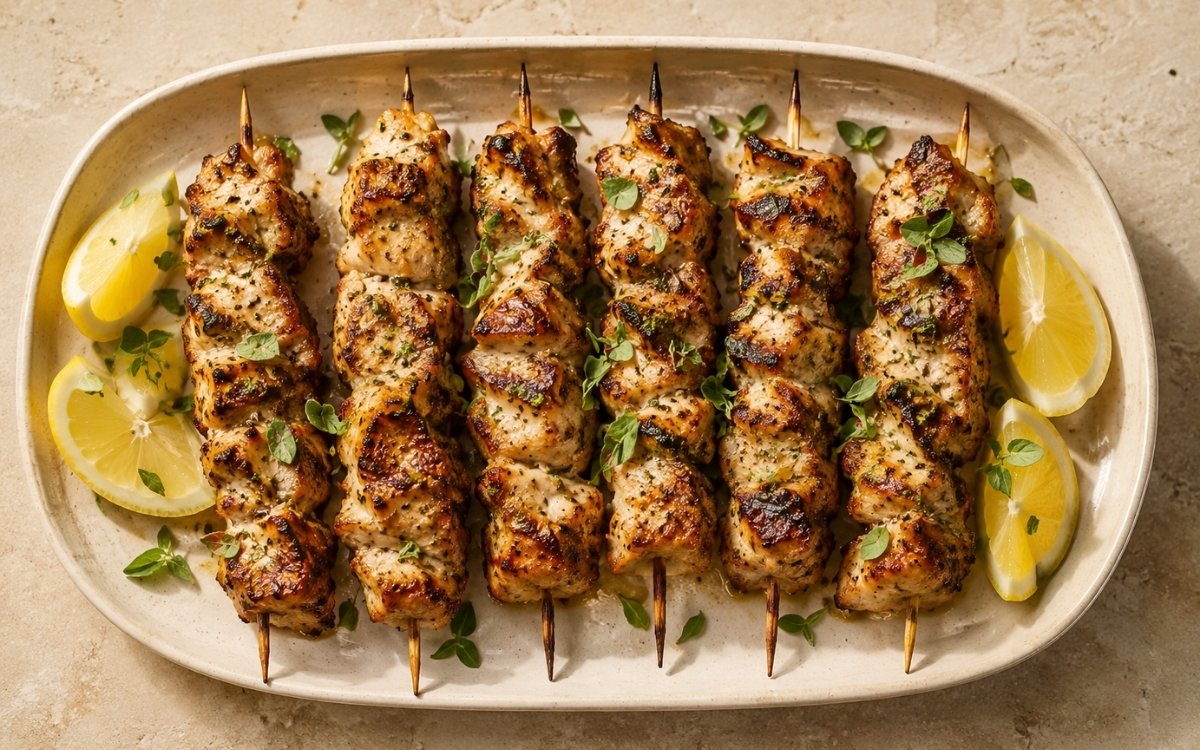
This is the chicken souvlaki that earns its name — deeply marinated in a blended herb and spice yogurt that penetrates every cube of thigh meat overnight, then cooked hot and fast to develop the char and crust where all the real flavor lives. Juicy inside, golden and slightly crisp at the edges, fragrant with Za’atar, cumin, and fresh herbs. Serve it on skewers with warm pita and tzatziki, or pull it off and use it as the protein foundation for any bowl you want to build. Few recipes in this collection are as versatile or as reliably excellent.
Prep Time : 15 min
Cook Time : 12 min
Servings : 4
15 min
12 min
4
Ingredients
For the Chicken Souvlaki
• 700g boneless, skinless chicken thighs
• 200g full-fat Greek yogurt
• 3 tbsp fresh lemon juice
• Zest of half a lemon
Herb and Spice Blend
• 2 tsp smoked paprika
• 2 tsp ground cumin
• 3 garlic cloves
• 7g salt
• 1 tsp freshly cracked black pepper
• 2 tbsp Za’atar seasoning — this one on Amazon
• Small handful fresh sage
• Small handful fresh mint
• Small handful fresh thyme
• Small handful fresh basil
• 20ml olive oil — this one on Amazon
• Small amount of Greek yogurt from the 200g, to assist blending
This post may contain affiliate links. As an Amazon Associate I earn from qualifying purchases, at no additional cost to you.
Directions
- Build the Marinade Blend
This marinade is built in two stages — a blended herb-spice paste first, then a full marinade assembled in a bowl. Start with the blender or food processor: add the fresh sage, mint, thyme, and basil leaves, all the dry spices (smoked paprika, cumin, Za’atar, salt, pepper), the garlic cloves, the olive oil, and 2–3 tablespoons of the Greek yogurt taken from your 200g. The yogurt here serves a purely mechanical purpose — it provides enough moisture and fat to help the blender catch and process the herbs and spices into a smooth, cohesive paste without the mixture constantly riding up the sides. Blend until smooth but stop before it becomes completely uniform — a few small flecks of herb are fine and preferable to over-processing, which heats the herbs and dulls their volatile aromatics. The result should be a thick, intensely green-speckled, deeply fragrant paste. - Assemble the Full Marinade
In a large bowl, add the remaining Greek yogurt, the fresh lemon juice, and the lemon zest. Spoon the herb-spice paste in and mix thoroughly until everything is fully incorporated into a uniform, aromatic marinade. The yogurt does two things simultaneously in this recipe. As a marinade base, its lactic acid gently tenderizes the chicken’s proteins over the marinating period without the harsh denaturing that pure citrus marinades cause with extended time. As a coating, it forms a thin layer on the chicken surface that protects the meat from direct heat during cooking — it chars before the meat does, creating the caramelized, slightly blistered crust characteristic of authentic souvlaki. A marinade built on yogurt is always going to produce more tender, more complexly flavored results than an oil-and-acid marinade alone. - Cut and Marinate the Chicken
Cut the chicken thighs into approximately 1.5-inch pieces — slightly irregular cubes and flat rectangles are both fine and both authentic to how souvlaki is actually prepared. Thigh meat is forgiving in shape precisely because it is forgiving in cooking. Add the cut chicken to the marinade bowl and mix thoroughly with your hands, pressing the marinade into every surface and ensuring no pieces are left uncoated. Cover the bowl tightly with cling film or transfer everything into a sealed ziplock bag, pressing out any excess air. Refrigerate for a minimum of 2 hours. Overnight is genuinely better — not marginally, but noticeably. After 8 hours, the herb and spice compounds have fully penetrated the meat, the yogurt has done its tenderizing work completely, and the garlic and Za’atar have moved from surface flavors to internal ones. - Prepare Your Cooking Station
Remove the chicken from the refrigerator while you heat your cooking surface — 15 minutes at room temperature takes the worst of the cold off the meat and helps it cook more evenly. The cooking surface choice matters enormously in this recipe. A charcoal or gas grill is the ideal — open flame and radiant heat produce the char marks and smoke character that define souvlaki at its best. A cast iron grill pan is the best indoor alternative, followed by a carbon steel pan or a heavy cast iron skillet. Whatever you use, the principle is identical: the surface must be screaming hot before the chicken goes on. If it is not hot enough, the yogurt marinade — which contains significant moisture — will cause the chicken to steam in its own liquid rather than sear. Steaming chicken in a pan is how you get grey, dry, flavourless pieces with no crust and no character. Heat the pan for a full 3–4 minutes over high heat. It should be hot enough that a drop of water evaporates instantly on contact. - Skewer and Cook
Thread the marinated chicken pieces onto stainless steel or wooden skewers — if using wooden skewers, soak them in water for 30 minutes first to prevent charring. Do not pack the pieces too tightly; leave a small gap between each piece so heat circulates around the meat rather than trapping moisture between pieces. If cooking in a pan rather than on skewers, work in batches and do not crowd — overcrowding drops the pan temperature rapidly and immediately turns a searing operation into a steaming one. Cook the first side without moving for 3–4 minutes until a deep golden-brown crust has formed and the meat releases naturally from the surface. Flip and cook the second side for another 3–4 minutes. Chicken thigh is a genuinely forgiving cut — it is difficult to truly dry out — but watch the edges. When the thinnest edges of the pieces start looking very dark and crisp, the meat is at the outer boundary of its ideal window. Pull at that point. - Rest and Serve
Transfer all cooked souvlaki skewers to a plate or board and rest for 5 minutes before serving. The rest allows the juices that were driven toward the center during high-heat cooking to redistribute throughout the meat. Serve on the skewers with warm flatbread or pita, tzatziki, and fresh lemon wedges — or slide the meat off the skewers and use it as the protein component of a grain bowl, rice bowl, or salad. This chicken works in every context you put it in.
*Notes :
- Chicken thighs are specified and non-negotiable for this recipe. Chicken breast on skewers dries out quickly at the high heat required to develop proper char, and the lack of fat in breast meat means it has no buffer against over-cooking. Thigh meat has the fat content and connective tissue that keeps it moist under aggressive heat, and it tolerates a wider internal temperature range without deteriorating. Every authentic souvlaki preparation uses thigh. If breast is the only option, reduce cooking time by 1–2 minutes per side and pull at the first sign of golden color.
- The overnight marinade is worth planning for. The difference between 2-hour and overnight marinated chicken is substantial enough to be worth building the recipe into your weekly meal prep rhythm — marinate on Sunday evening, cook on Monday. The yogurt’s lactic acid works slowly and cumulatively, and the herbs and spices need time to move beyond the surface.
- Za’atar in this recipe carries significant flavor weight — it is not a background spice but one of the defining character notes alongside cumin. The specific blend in your Za’atar matters: a good Za’atar should be predominantly dried thyme with sumac’s tartness and sesame’s nuttiness clearly present. A weak or old Za’atar produces a flat result. Use the best quality you can source.
- Do not wipe the excess marinade off the chicken before cooking. The yogurt coating on the surface is precisely what creates the charred, slightly blistered exterior — it burns before the meat does, acting as a sacrificial layer that develops extraordinary flavor while protecting the meat beneath.
Why This Recipe Works
This souvlaki recipe works because the marinade addresses flavor from three simultaneous angles. The yogurt tenderizes the protein structure and forms a charring coat during cooking. The blended fresh herbs provide aromatic compounds that penetrate the meat rather than sitting on the surface.
The spice blend — cumin, smoked paprika, Za’atar, and black pepper — provides depth, warmth, and the distinctively Middle Eastern-Mediterranean flavor profile that makes souvlaki immediately recognizable. High-heat cooking then converts the outer layer of that marinade into something caramelized and complex that no amount of sauce added after cooking could replicate.
Ingredient Breakdown
Chicken Thighs
High fat content, forgiving texture, and the ability to withstand high heat without drying — the only correct cut for souvlaki.
Full-Fat Greek Yogurt
Dual-purpose — lactic acid tenderizer during marinating, sacrificial charring coat during cooking.
Za’atar
The defining flavour signature — dried thyme, sumac tartness, and sesame nuttiness working as a unified spice blend.
Ground Cumin
Earthy, warm backbone of the spice profile — the most dominant dry spice note in the finished chicken.
Smoked Paprika
Deepens color and adds subtle smokiness that bridges the spice blend to the char developed during cooking.
Fresh Herb Quartet (Sage, Mint, Thyme, Basil)
Blended into the paste, these contribute complex, layered aromatic freshness that dried herbs at any quantity cannot replicate.
Lemon Juice and Zest
Provides brightness and secondary acidity that lifts the richness of the yogurt and thigh meat. Zest adds aromatic lemon oil that juice alone cannot provide.
Flavor Structure Explained
This chicken dish follows a layered balance model:
- Tenderizing base (yogurt)
- Bright acidity (lemon)
- Savory depth (garlic)
- Herbal-spice identity (herbs, cumin, za’atar)
- Charred exterior (high-heat caramelization)
The yogurt–lemon marinade builds the internal structure, tenderizing the meat while carrying garlic and spices deep into each piece. Garlic reinforces the savory backbone, while herbs and spices define the aromatic identity throughout the interior. High heat then creates the second layer: a caramelized exterior with smoky intensity and slight bitterness. The result is a dual experience — juicy, fully seasoned interior against a charred, concentrated crust — and the tension between these layers is what gives the dish its impact.
Common Mistakes to Avoid
- Cooking on Insufficient Heat – The single most common failure. A surface that is not screaming hot before the chicken goes on produces steamed, grey, textureless pieces. Heat the pan or grill for longer than you think necessary.
- Overcrowding the Pan – Even one or two too many pieces can drop the pan temperature enough to turn searing into steaming. Cook in batches — it is always worth the extra time.
- Wiping Off the Marinade – The yogurt coating is the crust. Leave it entirely intact when the chicken goes on the cooking surface.
- Using Chicken Breast – Breast meat dries out too quickly at the required heat. Thigh is not a suggestion — it is what makes this recipe work.
- Under-marinating – Two hours is the hard minimum. Less than that and the marinade is still essentially on the surface. The overnight difference is real and worth the planning.
Variations
Beef or Lamb Souvlaki Version
The identical marinade works beautifully on lamb shoulder cubes or beef sirloin — reduce cooking time slightly for beef and increase slightly for lamb to achieve the same crust with correct doneness.
Spicier Version
Add 1 tsp cayenne pepper and 1 tsp Aleppo pepper flakes to the spice blend for a heat-forward version excellent with cooling tzatziki.
Lemon-Forward Souvlaki Version
Increase lemon juice to 4 tbsp and add the full lemon’s zest for a more citrus-prominent marinade particularly good in summer with a simple tomato salad.
Bowl Application
Slide cooked chicken souvlaki off skewers and serve over Moroccan spiced couscous, cilantro lime rice, or a simple grain base with our tzatziki, Greek village salad, and pickled red onion.
Storage & Make-Ahead
Refrigerate raw marinated chicken for up to 24 hours. Beyond that, the lactic acid begins to affect the texture negatively — over-marinated thighs can become slightly mushy at the surface.
Refrigerate Cooked chicken for up to 4 days. Reheat in a hot dry pan for 2 minutes per side to revive the exterior crust — microwaving produces acceptable but noticeably inferior results. Excellent cold in wraps and salads straight from the refrigerator.
Freeze the raw chicken in the marinade for up to 2 months. Thaw overnight in the refrigerator — the marinating continues as it thaws, which is a benefit rather than a problem.
Frequently Asked Questions
Can I bake this instead of grilling or pan-searing?
Yes — bake at 220°C for 20–22 minutes on a wire rack set over a baking tray. The wire rack allows air circulation and prevents the bottom from steaming. The crust will be less pronounced than a pan or grill but the flavour will still be excellent. Finish under the broiler for 2–3 minutes for colour.
What should I serve this with?
Warm pita or flatbread, tzatziki (check our Authetnic Tzatziki recipe) , sliced tomato and cucumber, pickled red onion, and lemon wedges for the classic souvlaki plate. For a bowl, serve over rice or couscous with tzatziki, Za’atar cucumber salad, and fresh herbs.
How do I know when the chicken is cooked through?
Internal temperature of 74°C (165°F) is the food-safe benchmark. Practically, thigh meat that is golden-brown on both sides with slightly crisp edges and no pink visible at the thickest cut point is done. Thighs are far more forgiving than breast — they remain juicy even at 80°C internal.
Can I use dried herbs instead of fresh?
The marinade loses significant complexity without fresh herbs. Dried herbs do not blend into a paste and cannot contribute the same volatile aromatic compounds. If fresh herbs are genuinely unavailable, increase the Za’atar by 1 tbsp and add 1 tsp dried mint and 1 tsp dried oregano — it will not be the same recipe but it will still be good.
Nutrition Facts
( per serving )
Calories
~340 kcal
Protein
42 g
Fat
16 g
Carbs
8 g
Calories
~340 kcal
Protein
42 g
Fat
16 g
Carbs
8 g
Related Recipes
Related Recipes

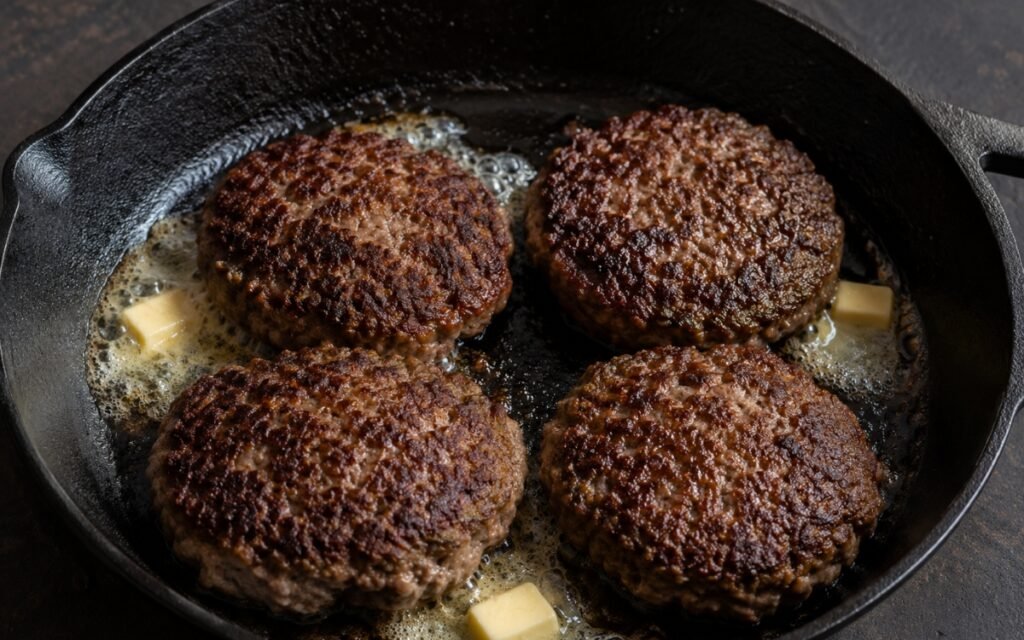
Easy Ground Beef Patties
Ground beef portioned gently, indented, seasoned late — seared undisturbed, butter-basted, and rested. Caramelized crust, juicy interior.
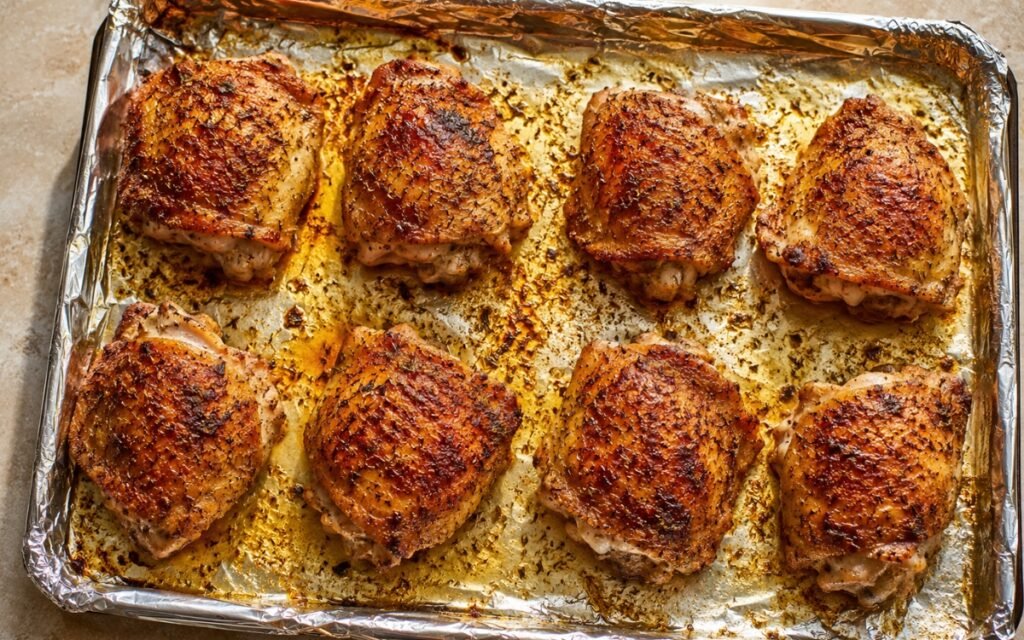
Cripsy Oven-Baked Chicken Thighs
Crispy-skinned chicken thighs baked with simple spices—the most forgiving and flavorful cut.
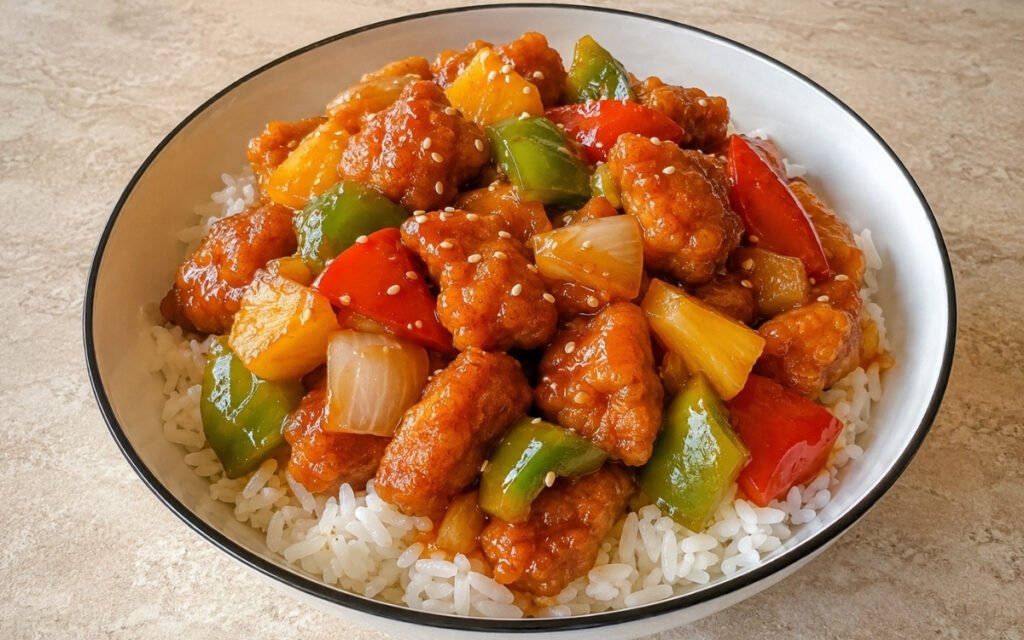
Sweet and Sour Chicken
Double-fried battered chicken thighs with pineapple and vegetables tossed in a glossy tangy-sweet sauce — the restaurant crispiness technique explained for home cooking in 50 minutes.
You might also like
You might also like
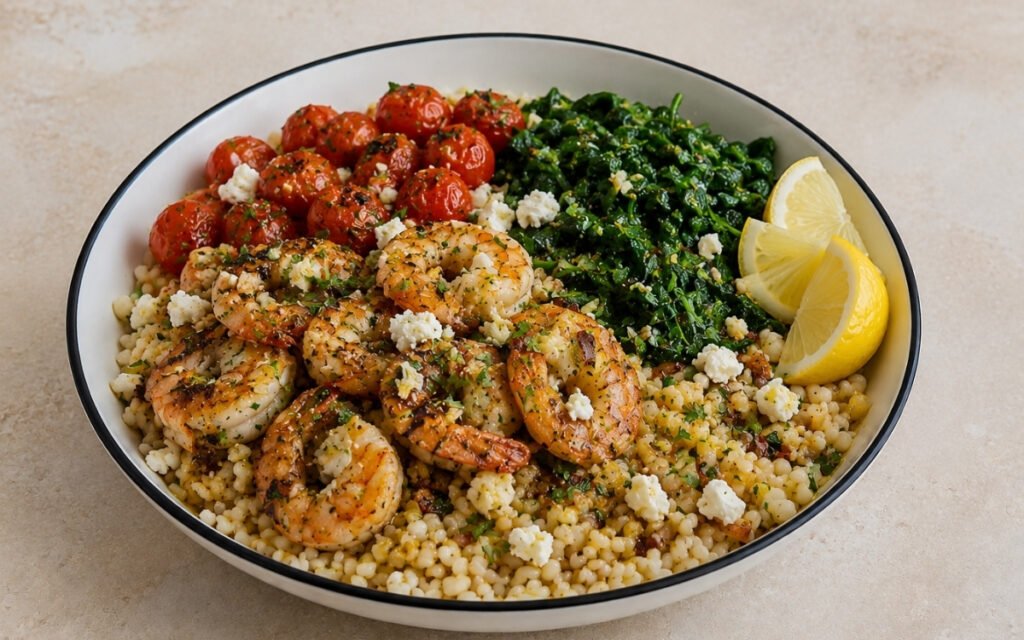
Lemon Garlic Shrimp Couscous Bowl
Garlic-lemon shrimp seared golden over pearl couscous with blistered cherry tomatoes, garlic-wilted spinach, lemon-herb dressing, and feta. Mediterranean, 35 minutes.
Pollo Sopes with Refried Beans
Thick masa sopes shaped with a raised rim, fried golden, and layered with refried black beans, adobo-simmered shredded chicken, lettuce, tomato, and crema.
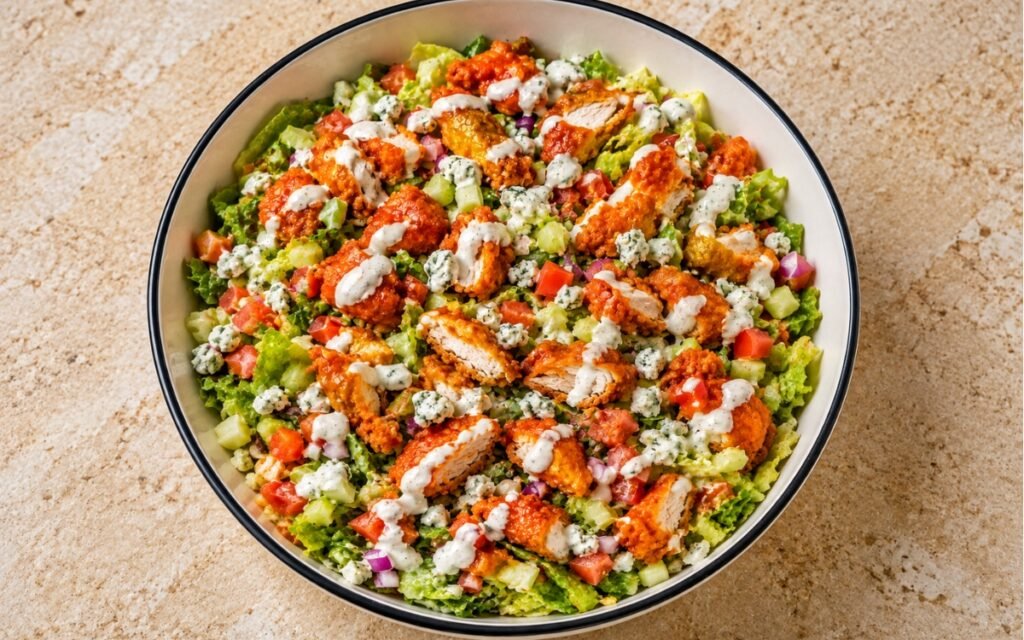
Buffalo Chicken Chopped Salad
Crispy Buffalo chicken pieces over chopped lettuce with celery, tomato, red onion, blue cheese crumbles, and creamy homemade ranch dressing.

Greek Chicken Souvlaki
Ingredients
Method
- This marinade is built in two stages — a blended herb-spice paste first, then a full marinade assembled in a bowl. Start with the blender or food processor: add the fresh sage, mint, thyme, and basil leaves, all the dry spices (smoked paprika, cumin, Za’atar, salt, pepper), the garlic cloves, the olive oil, and 2–3 tablespoons of the Greek yogurt taken from your 200g. The yogurt here serves a purely mechanical purpose — it provides enough moisture and fat to help the blender catch and process the herbs and spices into a smooth, cohesive paste without the mixture constantly riding up the sides. Blend until smooth but stop before it becomes completely uniform — a few small flecks of herb are fine and preferable to over-processing, which heats the herbs and dulls their volatile aromatics. The result should be a thick, intensely green-speckled, deeply fragrant paste.
- In a large bowl, add the remaining Greek yogurt, the fresh lemon juice, and the lemon zest. Spoon the herb-spice paste in and mix thoroughly until everything is fully incorporated into a uniform, aromatic marinade. The yogurt does two things simultaneously in this recipe. As a marinade base, its lactic acid gently tenderizes the chicken’s proteins over the marinating period without the harsh denaturing that pure citrus marinades cause with extended time. As a coating, it forms a thin layer on the chicken surface that protects the meat from direct heat during cooking — it chars before the meat does, creating the caramelized, slightly blistered crust characteristic of authentic souvlaki. A marinade built on yogurt is always going to produce more tender, more complexly flavored results than an oil-and-acid marinade alone.
- Cut the chicken thighs into approximately 1.5-inch pieces — slightly irregular cubes and flat rectangles are both fine and both authentic to how souvlaki is actually prepared. Thigh meat is forgiving in shape precisely because it is forgiving in cooking. Add the cut chicken to the marinade bowl and mix thoroughly with your hands, pressing the marinade into every surface and ensuring no pieces are left uncoated. Cover the bowl tightly with cling film or transfer everything into a sealed ziplock bag, pressing out any excess air. Refrigerate for a minimum of 2 hours. Overnight is genuinely better — not marginally, but noticeably. After 8 hours, the herb and spice compounds have fully penetrated the meat, the yogurt has done its tenderizing work completely, and the garlic and Za’atar have moved from surface flavors to internal ones.
- Remove the chicken from the refrigerator while you heat your cooking surface — 15 minutes at room temperature takes the worst of the cold off the meat and helps it cook more evenly. The cooking surface choice matters enormously in this recipe. A charcoal or gas grill is the ideal — open flame and radiant heat produce the char marks and smoke character that define souvlaki at its best. A cast iron grill pan is the best indoor alternative, followed by a carbon steel pan or a heavy cast iron skillet. Whatever you use, the principle is identical: the surface must be screaming hot before the chicken goes on. If it is not hot enough, the yogurt marinade — which contains significant moisture — will cause the chicken to steam in its own liquid rather than sear. Steaming chicken in a pan is how you get grey, dry, flavourless pieces with no crust and no character. Heat the pan for a full 3–4 minutes over high heat. It should be hot enough that a drop of water evaporates instantly on contact.
- Thread the marinated chicken pieces onto stainless steel or wooden skewers — if using wooden skewers, soak them in water for 30 minutes first to prevent charring. Do not pack the pieces too tightly; leave a small gap between each piece so heat circulates around the meat rather than trapping moisture between pieces. If cooking in a pan rather than on skewers, work in batches and do not crowd — overcrowding drops the pan temperature rapidly and immediately turns a searing operation into a steaming one. Cook the first side without moving for 3–4 minutes until a deep golden-brown crust has formed and the meat releases naturally from the surface. Flip and cook the second side for another 3–4 minutes. Chicken thigh is a genuinely forgiving cut — it is difficult to truly dry out — but watch the edges. When the thinnest edges of the pieces start looking very dark and crisp, the meat is at the outer boundary of its ideal window. Pull at that point.
- Transfer all cooked skewers to a plate or board and rest for 5 minutes before serving. The rest allows the juices that were driven toward the center during high-heat cooking to redistribute throughout the meat. Serve on the skewers with warm flatbread or pita, tzatziki, and fresh lemon wedges — or slide the meat off the skewers and use it as the protein component of a grain bowl, rice bowl, or salad. This chicken works in every context you put it in.