
Moroccan-Style Tomato Couscous
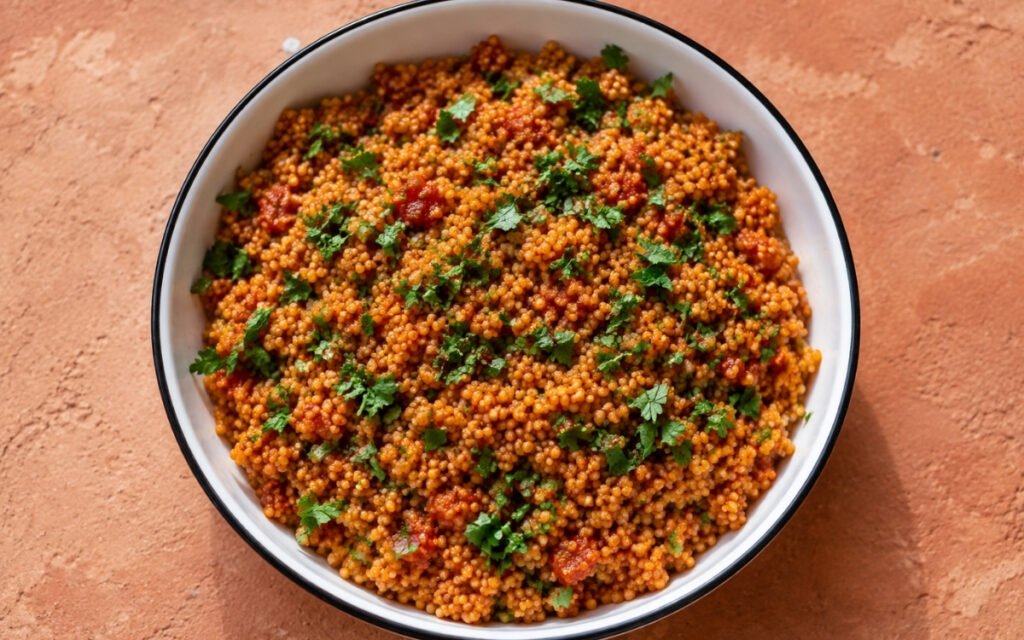
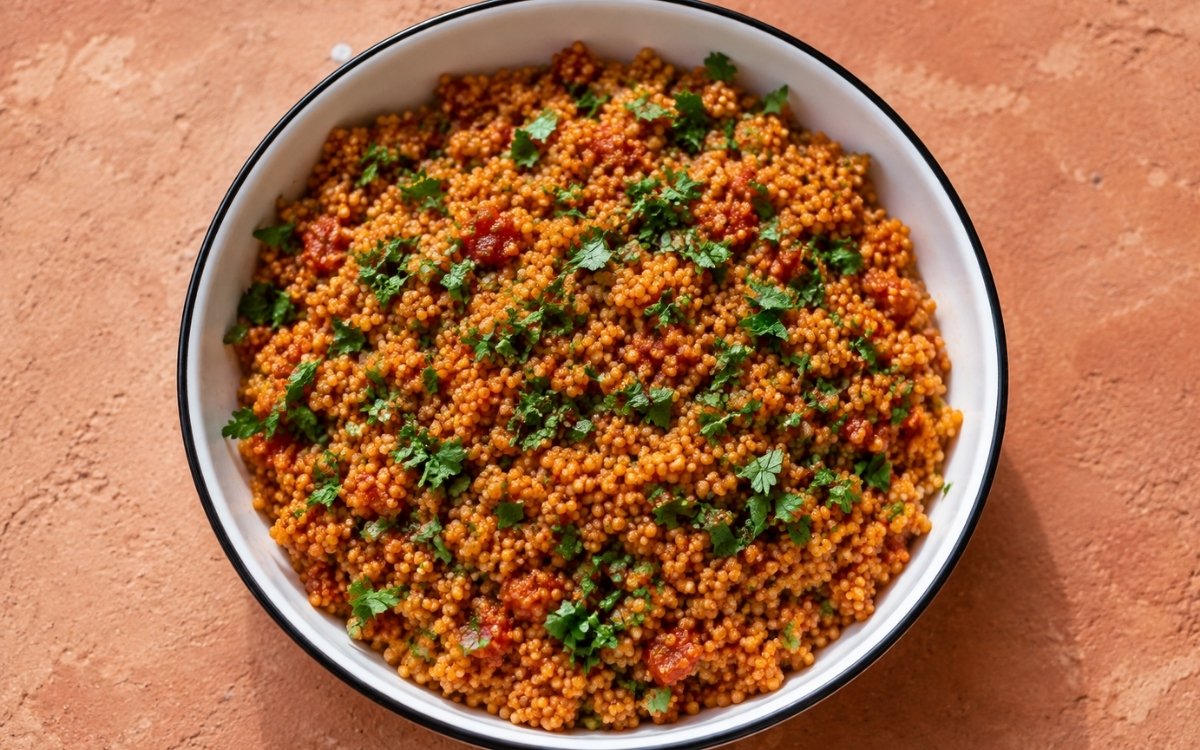
This fragrant Moroccan-style couscous is built on a spiced tomato broth that transforms the simplest pantry ingredients into something genuinely aromatic and satisfying. Cumin, coriander, smoked paprika, and turmeric bloom in garlic-infused oil before absorbing into the couscous with the broth — the result is golden, warmly spiced, and deeply flavored from the inside out. Ready in 15 minutes, it works as a standalone side, a bowl base, or the spiced foundation beneath tagines, grilled meats, and roasted vegetables.
Prep Time : 5 min
Cook Time : 10 min
Servings : 4
5 min
10 min
4
Ingredients
For Tomato Couscous
• 300g Moroccan couscous — this one on Amazon
• 300ml chicken broth, or water for vegetarian
• 2 tsp tomato paste
• 10ml olive oil — this one on Amazon
• 2 garlic cloves, minced
• 1 tsp ground cumin
• 1 tsp ground coriander seeds
• 1 tsp smoked paprika
• ½ tsp turmeric
• Salt and pepper to taste
This post may contain affiliate links. As an Amazon Associate I earn from qualifying purchases, at no additional cost to you.
Directions
- Bloom the Spices
In a medium saucepan over medium-low heat, warm the olive oil for 30 seconds until it shimmers. Add the minced garlic and cook, stirring constantly, for 60 seconds — the garlic should soften and turn fragrant without taking on any color. Immediately add all four spices: the ground cumin, ground coriander, smoked paprika, and turmeric. Stir continuously for 30–45 seconds, pressing the spices into the oil and garlic. The mixture will darken, thicken slightly, and release an intensely fragrant aroma. This blooming step is the most important technique in the recipe. Ground spices contain fat-soluble aromatic compounds that are released most effectively when they make direct contact with hot fat — blooming in oil extracts significantly more flavor from the same quantity of spice than adding them directly to a liquid. The difference in the finished couscous is immediately noticeable. - Build the Spiced Broth
Add the tomato paste directly into the spiced oil and garlic. Stir vigorously for 30 seconds, cooking the paste briefly in the hot spiced oil — this step caramelizes the paste’s natural sugars slightly and deepens its flavor from sharp and raw to rounded and savory. Pour in the chicken broth and stir thoroughly to dissolve the tomato paste and distribute the spiced oil evenly throughout the liquid. Bring to a full boil over medium-high heat. Taste the broth at this stage and season with salt and freshly ground black pepper — the broth should taste pleasantly bold and well-seasoned, because the couscous will absorb it completely and its seasoning level directly determines the final flavor of the dish. Under-seasoned broth produces under-seasoned couscous that no amount of finishing can fully correct. - Absorb and Steam
Remove the saucepan from the heat entirely. Add the couscous in one even pour, spreading it as uniformly as possible across the surface of the hot spiced broth. Stir once to ensure every grain is submerged, then cover the pan tightly with a lid or seal with cling film stretched firmly across the top. Leave undisturbed for exactly 5 minutes. The couscous absorbs the broth through steam rather than continued heat — this is what separates properly prepared couscous from overcooked, mushy couscous. The residual heat of the broth is precisely sufficient to hydrate the grains fully. Lifting the lid or stirring during these 5 minutes releases the steam and interrupts the absorption process. - Fluff and Finish
After 5 minutes, remove the cover and immediately fluff the couscous with a fork — use a fork, not a spoon or spatula. A fork separates the individual grains without compressing them, which is what produces the characteristic light, separate texture of well-made couscous. Work through the entire pan with a gentle, lifting, raking motion. Any clumps will break apart easily if the steaming was done correctly. Taste and adjust salt if needed. Serve immediately while warm, or spread on a large plate to cool if using as a component in a larger dish.
*Notes :
- Couscous is pre-steamed semolina — it is already partially cooked before it reaches your kitchen. What you are doing when you add boiling liquid and cover it is completing that cooking through a final steam rather than cooking it from raw. This is why it needs only 5 minutes and no heat — and why it goes wrong when people treat it like pasta or rice and boil it in liquid. Boiled couscous becomes waterlogged, heavy, and starchy where it should be light and separate.
- The liquid ratio for couscous is a 1:1 ratio by volume — equal parts dry couscous to liquid. This recipe uses 300g couscous and 300ml broth, which is correct for standard Moroccan couscous. Some brands specify slightly different ratios on the packaging — always check your specific product and follow it if it differs. Too much liquid produces wet, dense couscous; too little produces dry, underhydrated grains with a chalky center.
- Chicken broth produces a noticeably richer, more complex couscous than water. The gelatin and amino acids in a good broth add body and savory depth that amplifies the spice blend. For a vegetarian version, a well-seasoned vegetable broth works well. Plain water is the most neutral choice — it lets the spices speak without any background noise, which can be preferable when the couscous is serving as a base for strongly flavored toppings.
- Tomato paste is used in concentrated form rather than fresh or canned tomatoes for a deliberate reason. The recipe uses a small, precise quantity — 2 teaspoons — to add a background savory-sweet tomato note that deepens the broth’s color and complexity without making the couscous taste like a tomato dish. Fresh or canned tomatoes would introduce too much moisture and change both the liquid ratio and the texture of the finished couscous.
Why This Recipe Works
This recipe works because the spices are treated correctly before the couscous ever enters the pan. Blooming in oil, then reinforcing with briefly cooked tomato paste, then dissolving into hot broth produces a spiced liquid where every aromatic compound is already fully activated and evenly distributed.
The couscous then absorbs this liquid completely, which means the spice flavor is internal — built into every grain — rather than sitting on the surface as a coating or seasoning applied after cooking. That difference is the gap between couscous that tastes warmly spiced all the way through and couscous that tastes like plain grain with spices on top.
Ingredient Breakdown
Moroccan Couscous
Fine-grain semolina couscous — smaller than Israeli pearl couscous and larger than ptitim. Its fine texture absorbs spiced broth efficiently and produces the characteristic light, fluffy result authentic to Moroccan cooking.
Tomato Paste
Concentrated flavor rather than volume — adds savory-sweet tomato depth and the characteristic warm golden-orange color to the broth without altering the liquid ratio.
Ground Cumin
The dominant spice note — earthy, warm, slightly bitter. The foundational spice of North African cooking.
Ground Coriander
Adds citrusy, slightly floral warmth that lifts and brightens the cumin’s earthiness.
Smoked Paprika
Contributes color, mild sweetness, and the faintest smokiness that connects the spice blend to grilled and roasted accompaniments.
Turmeric
Provides the golden color characteristic of Moroccan-spiced dishes and adds a subtle earthy warmth. Used sparingly — its role is color and background depth rather than dominant flavor.
Garlic
The aromatic base that carries the spice bloom and provides savory backbone throughout the dish.
Chicken Broth
The flavor medium — provides body, savory depth, and richness that water cannot replicate.
Flavor Structure Explained
This side dish follows a layered balance model:
- Neutral grain base (couscous)
- Warm spice matrix (cumin, coriander, smoked paprika, turmeric)
- Savory-sweet body (tomato)
- Aromatic backbone (garlic)
Couscous establishes the structural foundation with a mild, nutty grain character that absorbs and carries surrounding flavors. The spice blend forms a unified middle layer — cumin leading with earthiness, supported by coriander’s brightness, paprika’s gentle sweetness, and turmeric’s depth — functioning as a cohesive profile rather than separate notes. Tomato builds a savory, slightly sweet body that connects the spices to the base, giving the dish roundness and continuity. Garlic anchors the entire structure with subtle aromatic depth, ensuring the profile feels complete and integrated rather than loose or fragmented.
Common Mistakes to Avoid
- Boiling the Couscous in the Liquid – Once the broth boils, the heat goes off and the couscous goes in. Continued heat makes couscous waterlogged and heavy. The steam does the work.
- Skipping the Spice Bloom – Adding spices directly to the broth without blooming in oil first produces flat, muted flavor. The 45 seconds of blooming is where the majority of the recipe’s flavor is created.
- Not Seasoning the Broth – The couscous absorbs everything — including the absence of seasoning. Taste and season the broth boldly before adding the couscous.
- Using a Spoon to Fluff – A spoon compresses the grains together into clumps. Always use a fork with a light, raking motion.
- Lifting the Lid Early – Five minutes of undisturbed steaming is what the couscous needs. Opening the lid at three minutes releases the steam and results in underhydrated, unevenly cooked grains.
Variations
Herb-Finished Version
Fold in 15g of finely chopped fresh cilantro and 10g fresh flat-leaf parsley immediately after fluffing for a brighter, fresher version excellent with fish and lighter proteins.
Lemon Version
Add the zest of one lemon and a squeeze of fresh juice after fluffing for a citrus-forward variation that pairs particularly well with grilled chicken and lamb.
Raisin and Almond Version
Fold in 30g of golden raisins and 25g of toasted slivered almonds after fluffing for a traditional Moroccan sweet-savory combination excellent beneath tagines.
Spiced Vegetable Version
Use vegetable broth and fold in 80g of finely diced roasted red pepper and 40g of cooked chickpeas after fluffing for a more substantial, fully vegetarian dish that works as a standalone meal.
Extra Heat Version
Add ½ tsp cayenne pepper or 1 tsp harissa paste to the spice bloom for a warmer, more assertive heat character.
Storage & Make-Ahead
Refrigerate in an airtight container for up to 4 days. Couscous firms up when cold as the starch sets — to reheat, add a splash of water or broth, cover loosely, and microwave for 90 seconds, then fluff again with a fork. It can also be served at room temperature as a grain salad base — drizzle with olive oil and lemon juice to loosen and refresh. Couscous freezes well for up to 2 months; thaw overnight in the refrigerator and reheat as above.
Frequently Asked Questions
Can I use Israeli pearl couscous instead?
Pearl couscous requires a different cooking method — it must be toasted and simmered in liquid like pasta, not steamed. The flavor profile of this recipe transfers well but the technique does not. Follow the specific cooking instructions for pearl couscous if substituting.
Why is my couscous clumping?
Either the liquid ratio was slightly off, the lid was lifted during steaming, or the fluffing was done with a spoon rather than a fork. All three cause clumping. If already clumped, add a small drizzle of olive oil and work through with a fork — it usually loosens.
Can I make this ahead for meal prep?
Yes — this couscous is an excellent meal prep base. Cook, cool completely, and refrigerate. It rehydrates well with a splash of liquid and a quick fluff. Add fresh herbs after reheating rather than before storing.
Is this recipe gluten-free?
No — couscous is made from semolina wheat and contains gluten. For a gluten-free alternative with a similar function, millet or quinoa prepared with the same spiced broth produces a comparable result.
Nutrition Facts
( per serving )
Calories
~310 kcal
Protein
9 g
Fat
4 g
Carbs
58 g
Calories
~310 kcal
Protein
9 g
Fat
4 g
Carbs
58 g
Related Recipes
Related Recipes

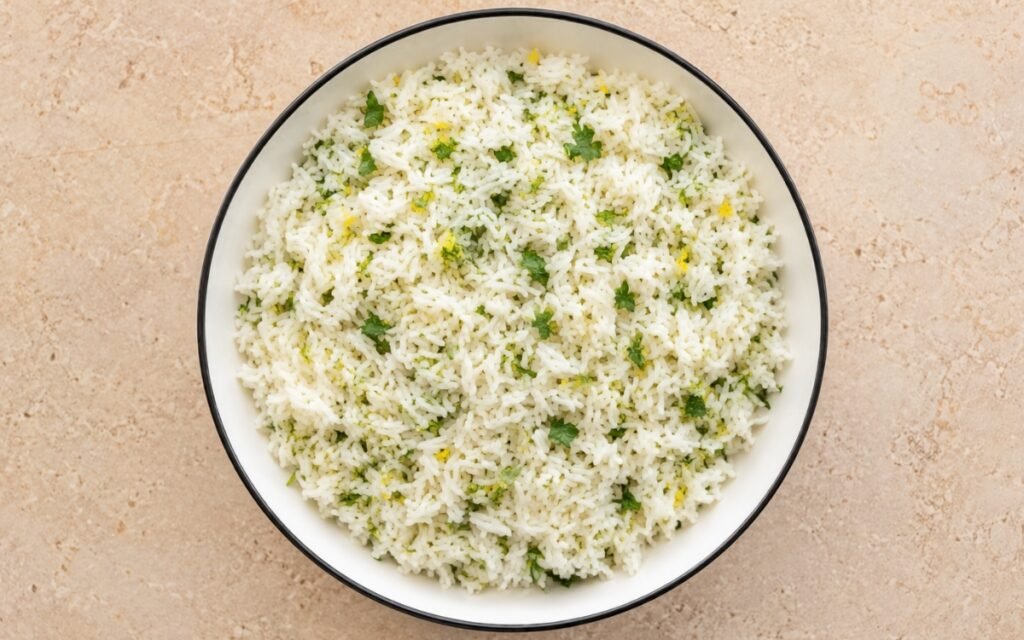
Greek Lemon Rice
Rice rinsed clear, cooked with garlic, broth, and lemon juice undisturbed until fluffy, finished with fresh herbs and zest. Bright and tangy.
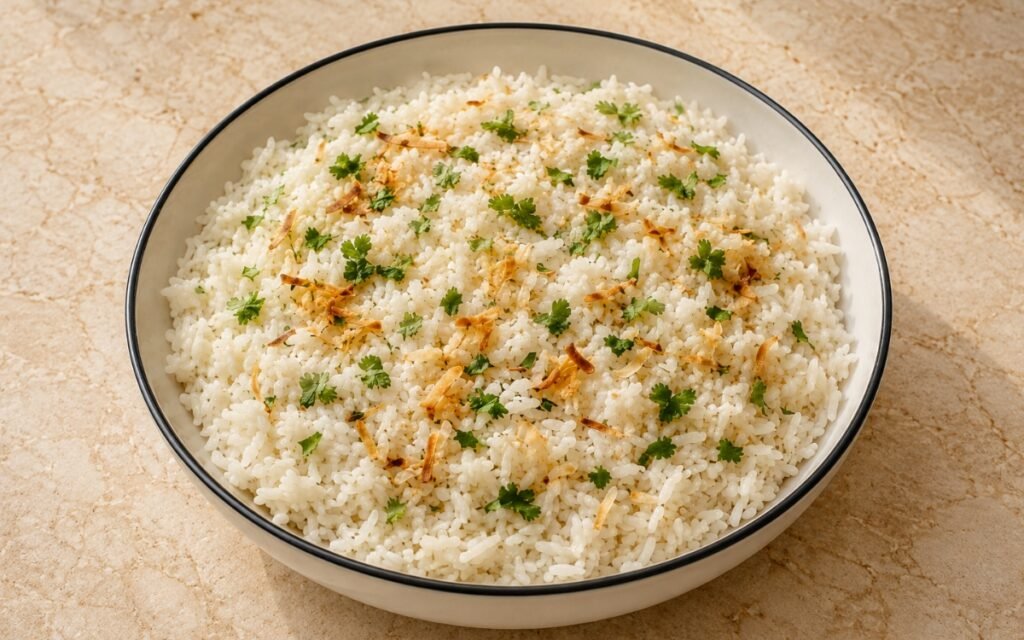
Coconut Rice
Jasmine rice rinsed thoroughly, cooked in fully whisked coconut milk over low heat, rested and fluffed, topped with toasted coconut and cilantro.
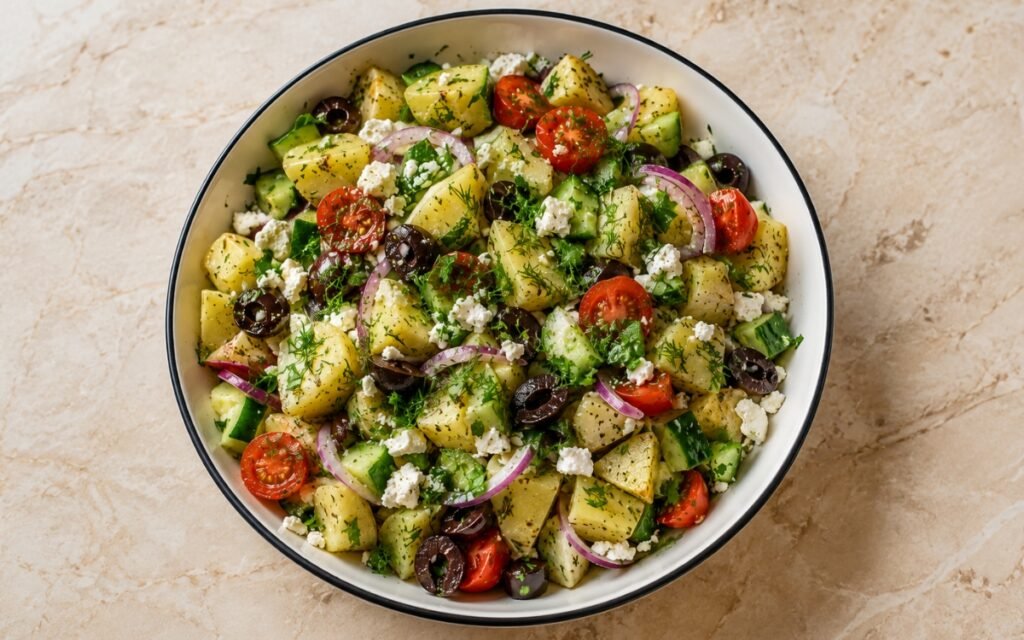
Greek-Style Potato Salad
Potatoes dressed warm for absorption, vegetables added once cooled, feta folded in gently, chilled to integrate. Bright and briny.
You might also like
You might also like
Tamarind Chili Agua Fresca Mocktail
Tamarind and chili with lime over crushed ice, partial chili-salt rim — bold and Mexican.
Focaccia
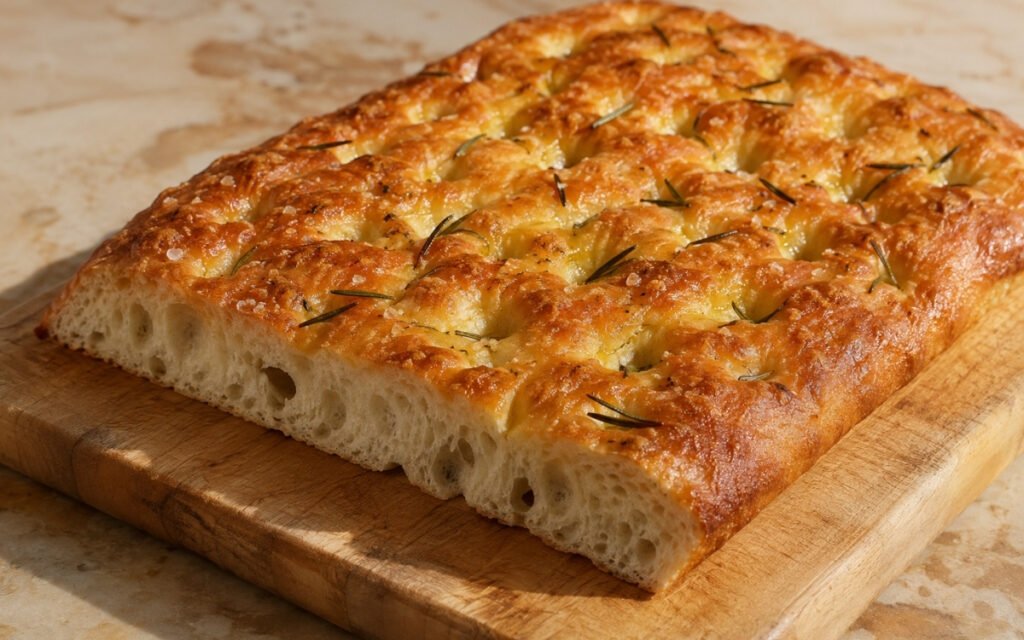
Golden, olive-oil-crisp focaccia with a cloud-soft open crumb, topped with za’atar, rosemary and flaky sea salt.
Roasted Veggie Quinoa Bowl
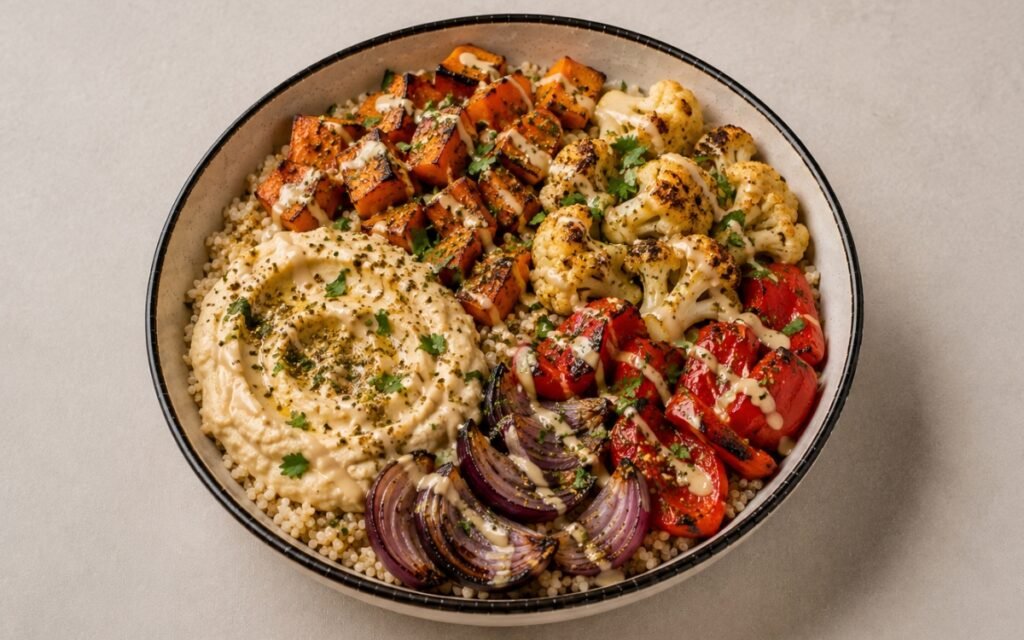
Za’atar-roasted sweet potatoes, cauliflower, and peppers over quinoa with creamy hummus and lemon-tahini drizzle.

Moroccan-Style Tomato Couscous
Ingredients
Method
- In a medium saucepan over medium-low heat, warm the olive oil for 30 seconds until it shimmers. Add the minced garlic and cook, stirring constantly, for 60 seconds — the garlic should soften and turn fragrant without taking on any color. Immediately add all four spices: the ground cumin, ground coriander, smoked paprika, and turmeric. Stir continuously for 30–45 seconds, pressing the spices into the oil and garlic. The mixture will darken, thicken slightly, and release an intensely fragrant aroma. This blooming step is the most important technique in the recipe. Ground spices contain fat-soluble aromatic compounds that are released most effectively when they make direct contact with hot fat — blooming in oil extracts significantly more flavor from the same quantity of spice than adding them directly to a liquid. The difference in the finished couscous is immediately noticeable.
- Add the tomato paste directly into the spiced oil and garlic. Stir vigorously for 30 seconds, cooking the paste briefly in the hot spiced oil — this step caramelizes the paste’s natural sugars slightly and deepens its flavor from sharp and raw to rounded and savory. Pour in the chicken broth and stir thoroughly to dissolve the tomato paste and distribute the spiced oil evenly throughout the liquid. Bring to a full boil over medium-high heat. Taste the broth at this stage and season with salt and freshly ground black pepper — the broth should taste pleasantly bold and well-seasoned, because the couscous will absorb it completely and its seasoning level directly determines the final flavor of the dish. Under-seasoned broth produces under-seasoned couscous that no amount of finishing can fully correct.
- Remove the saucepan from the heat entirely. Add the couscous in one even pour, spreading it as uniformly as possible across the surface of the hot spiced broth. Stir once to ensure every grain is submerged, then cover the pan tightly with a lid or seal with cling film stretched firmly across the top. Leave undisturbed for exactly 5 minutes. The couscous absorbs the broth through steam rather than continued heat — this is what separates properly prepared couscous from overcooked, mushy couscous. The residual heat of the broth is precisely sufficient to hydrate the grains fully. Lifting the lid or stirring during these 5 minutes releases the steam and interrupts the absorption process.
- After 5 minutes, remove the cover and immediately fluff the couscous with a fork — use a fork, not a spoon or spatula. A fork separates the individual grains without compressing them, which is what produces the characteristic light, separate texture of well-made couscous. Work through the entire pan with a gentle, lifting, raking motion. Any clumps will break apart easily if the steaming was done correctly. Taste and adjust salt if needed. Serve immediately while warm, or spread on a large plate to cool if using as a component in a larger dish.