
Roasted Cauliflower Rice
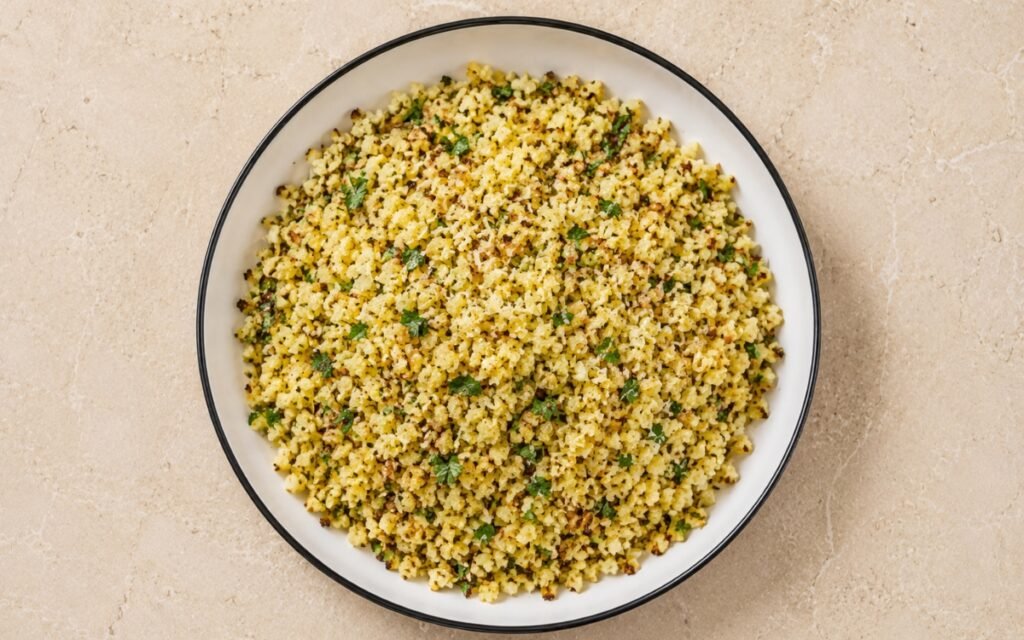
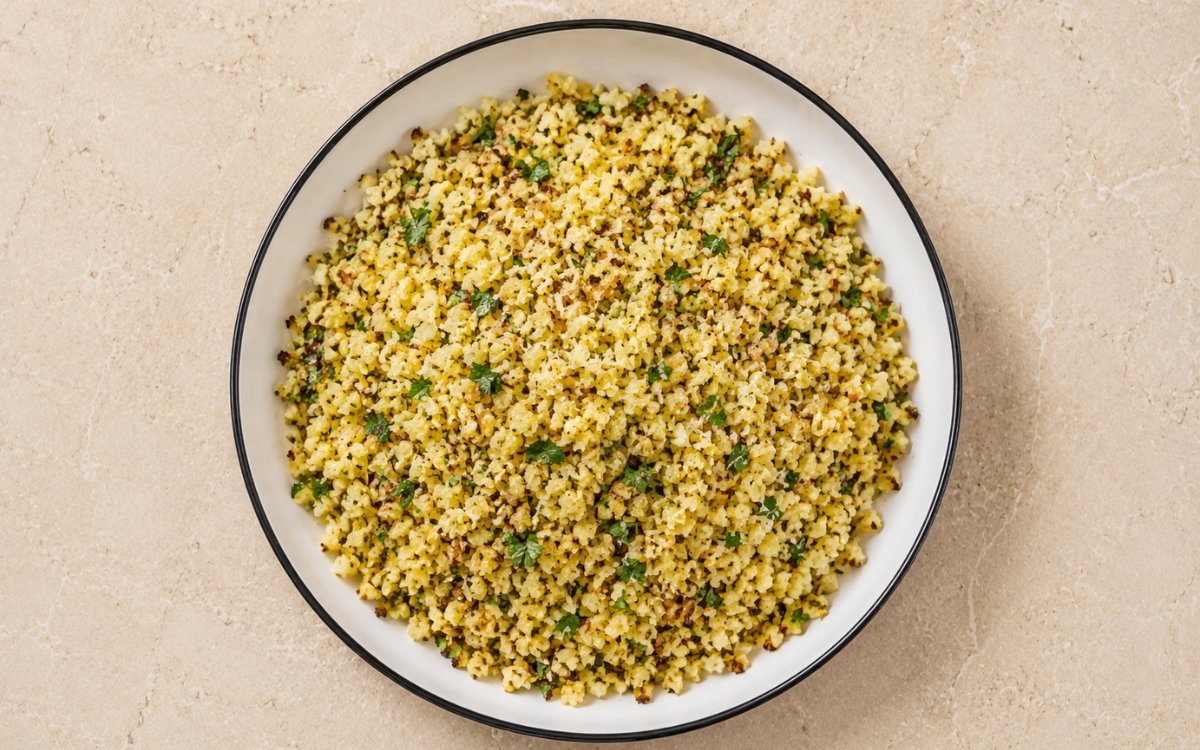
Roasted Cauliflower Rice transforms humble cauliflower into a fluffy, slightly nutty grain-free side dish with golden caramelized edges. Seasoned with garlic and herbs, this low-carb alternative delivers satisfying texture and flavor that pairs beautifully with virtually any main course. Pulsing the cauliflower in batches, rather than processing it all at once, is genuinely important for controlling the final texture — a food processor left running too long, or overloaded with too much cauliflower at once, easily pushes past a rice-like consistency into a wet, fine purée that roasts soft and mushy rather than developing the texture this dish depends on. Spreading the riced cauliflower thin and wide across two baking sheets, rather than crowding it onto one, is what allows genuine roasting and caramelization to happen rather than steaming — cauliflower releases meaningful moisture as it cooks, and that moisture needs somewhere to escape rather than being trapped against a crowded tray. The butter, fresh parsley, and lemon juice are all added only once the cauliflower is fully roasted, folding richness and brightness into the hot rice at the very end rather than risking any of it during the roasting process itself. The result is a genuinely satisfying, low-carb side with real caramelized depth, best enjoyed immediately while still hot.
Prep Time : 10 min
Cook Time : 25 min
Servings : 4
10 min
25 min
4
Ingredients
For the Cauliflower Rice
• 1 large head cauliflower (about 800g), riced
• 45ml olive oil — this one on Amazon
• 4 cloves garlic, minced (about 12g)
• 4g sea salt
• 2g black pepper
• 5g dried oregano
• 30g butter — this one on Amazon
• 15g fresh parsley, chopped
• 30ml lemon juice
• 30g Parmesan cheese, grated (optional) — this one on Amazon
This post may contain affiliate links. As an Amazon Associate I earn from qualifying purchases, at no additional cost to you.
Directions
- Prepare Cauliflower Rice
Preheat oven to 220°C (425°F). Cut the 800g cauliflower into florets and remove the core. Pulse in a food processor until it resembles rice grains; work in batches to avoid over-processing into purée, since a food processor overloaded with too much cauliflower at once, or run for too long, easily pushes past a genuine rice-like texture into something wetter and finer than intended. You should have about 700g riced cauliflower — if it looks wet and very fine, it will roast softer, so spread it thinner on the tray to give that extra moisture more surface area to escape from during roasting. - Season and Spread
Toss the cauliflower rice with the 45ml olive oil, 12g garlic, 4g salt, 2g black pepper, and 5g oregano until evenly coated, working through the mixture thoroughly so the seasoning doesn’t settle unevenly. Spread in a single layer on two parchment-lined baking sheets — thin and wide beats thick and crowded, since cauliflower rice piled too deeply on a single sheet traps the moisture it releases during roasting and steams rather than genuinely caramelizing. - Roast Until Golden
Roast 20–25 minutes, stirring once halfway through, until tender and golden at the edges. Look for light caramelization on some pieces; that browned flavor is what makes this taste “roasted” instead of raw, and it’s genuinely the difference between a side dish that reads as an intentional preparation versus one that just tastes like plain steamed cauliflower. If it’s still pale at 25 minutes, roast 3–5 minutes longer and watch the color closely, since cauliflower can move from lightly golden to overly dark faster than its size might suggest. - Finish and Serve
Transfer to a bowl and stir in the 30g butter until melted, letting the residual heat from the just-roasted cauliflower do the work of melting it evenly throughout. Fold in the 15g parsley and 30ml lemon juice. Top with the 30g Parmesan if using and serve immediately — this is best hot, before cauliflower releases moisture as it cools, since the dish’s texture noticeably softens and becomes wetter the longer it sits after coming out of the oven.
*Notes :
- Pulsing the cauliflower in batches rather than processing it all in one go is the technical foundation this recipe depends on for proper texture. A food processor can move from coarse, rice-like pieces to a wet, fine purée within just a few extra seconds of running, and working in smaller batches gives you more control to stop exactly when the texture is right rather than risking overshooting it.
- Spreading the riced cauliflower thin across two baking sheets, rather than piling it onto one, addresses cauliflower’s naturally high moisture content directly. Crowded, deep piles of riced cauliflower release steam that has nowhere to escape, essentially cooking the vegetable through steaming rather than roasting, and losing the caramelized, golden edges this dish is specifically built around.
- Adding the butter, parsley, and lemon juice only after the cauliflower is fully roasted preserves both the fat’s richness and the fresh brightness of the herbs and citrus. Introducing any of these earlier, before roasting, would either burn the butter over the full cooking time or dull the parsley and lemon’s fresh character under sustained oven heat.
Why This Recipe Works
This recipe works because pulsing in batches gives genuine control over the cauliflower’s final rice-like texture rather than risking an accidental purée.
Spreading thin across two trays lets moisture escape during roasting, allowing real caramelization to develop instead of steaming.
And folding in butter, fresh parsley, and lemon juice only once the cauliflower is fully roasted preserves both richness and brightness that earlier addition would compromise.
Ingredient Breakdown
Cauliflower, Pulsed in Batches to Rice-Like Texture
The foundation — careful processing prevents an accidental purée.
Garlic and Dried Oregano
The savory seasoning base — applied before roasting for depth throughout.
Thin, Wide Spread Across Two Trays
The roasting technique — allowing moisture to escape rather than trapping steam.
Butter, Parsley, and Lemon Juice, Added After Roasting
The finishing layer — richness and brightness preserved by staying out of the oven entirely.
Flavor Structure Explained
This Roasted Cauliflower Rice follows a roasted savory balance model:
- Mild vegetable core (cauliflower rice)
- Nutty caramelized depth (roasted edges)
- Savory aromatic base (garlic and oregano)
- Rich finishing layer (butter)
- Bright herbal lift (parsley and lemon juice)
Cauliflower defines the foundation with a mild, slightly nutty character that becomes deeper and more savory through roasting. Caramelized edges provide the main flavor register, giving the cauliflower rice a richer, more concentrated taste than a steamed or sautéed version would have. Garlic and oregano add savory depth from the beginning, seasoning the cauliflower as it roasts rather than sitting only on the surface. Butter folded in at the end adds richness and rounds the roasted notes without making the dish heavy. Fresh parsley and lemon juice finish with clean brightness, cutting through the butter and sharpening the cauliflower’s natural flavor. The result is a cauliflower rice preparation built around roasting, where nutty depth, savory aromatics, and a bright finish remain clearly balanced.
Common Mistakes to Avoid
- Over-Processing the Cauliflower Into a Purée – Roasts soft and mushy rather than developing genuine texture. Always pulse in batches and stop at a rice-like consistency.
- Crowding the Cauliflower Rice on One Baking Sheet – Traps steam and prevents real caramelization. Always spread thin and wide across two trays.
- Adding the Butter or Herbs Before Roasting – Risks burning the butter and dulling the fresh herbs and lemon. Always fold these in only once the cauliflower is fully roasted.
- Not Watching Closely Near the End of Roasting – Cauliflower can move from lightly golden to overly dark quickly. Always check color frequently in the final minutes.
- Letting the Dish Sit Before Serving – Cauliflower releases moisture as it cools, softening the texture. Always serve immediately while hot.
Variations
With Brown Rice
For a related grain-based side dish with a similarly herb-forward approach, see the Herbed Brown Rice.
With Butter Rice
For a comparable technique using an actual grain rather than cauliflower, see the Fluffy Butter Rice.
With Turmeric
Add a pinch of ground turmeric to the seasoning for a golden color and warm, earthy note.
With Toasted Pine Nuts
Fold in lightly toasted pine nuts along with the parsley for added texture.
Storage & Make-Ahead
Riced, raw cauliflower can be pulsed up to 1 day in advance and refrigerated in a sealed container before roasting.
Roasted cauliflower rice is best eaten immediately. Refrigerated leftovers will release additional moisture and lose their ideal texture, though they will remain flavorful for up to 2 days.
Frequently Asked Questions
Why does the cauliflower need to be pulsed in batches instead of all at once?
A food processor can move from a genuine, coarse rice-like texture to a wet, fine purée within just a few extra seconds of running, especially if it’s overloaded with too much cauliflower at once. Working in smaller batches gives you more control to stop the processing at exactly the right texture rather than risking overshooting into something too fine.
Why does the cauliflower rice need to be spread across two trays instead of one?
Cauliflower releases a meaningful amount of moisture as it roasts, and a deep, crowded pile on a single tray traps that steam close to the vegetable rather than letting it escape. Spreading thin across two trays gives that moisture more surface area to evaporate from, which is what allows genuine caramelization and golden edges to develop instead of steaming.
Why wait to add the butter, parsley, and lemon until after roasting?
Butter added before roasting would be exposed to a full 20–25 minutes of high oven heat, risking burning well before the cauliflower finishes cooking. Fresh parsley and lemon juice would similarly lose their bright, fresh character under that same sustained heat. Adding all three only at the end preserves their intended richness and brightness.
What should I serve alongside this cauliflower rice?
This pairs naturally with theBraised Beef Chuck Steak or Honey Mustard Pork Chops, and for other herb-forward rice-style side dishes, try the Herbed Brown Rice or Fluffy Butter Rice.
Nutrition Facts
( per serving )
Calories
~160 kcal
Protein
5 g
Fat
12 g
Carbs
9 g
Calories
~160 kcal
Protein
5 g
Fat
12 g
Carbs
9 g
Related Recipes
Related Recipes

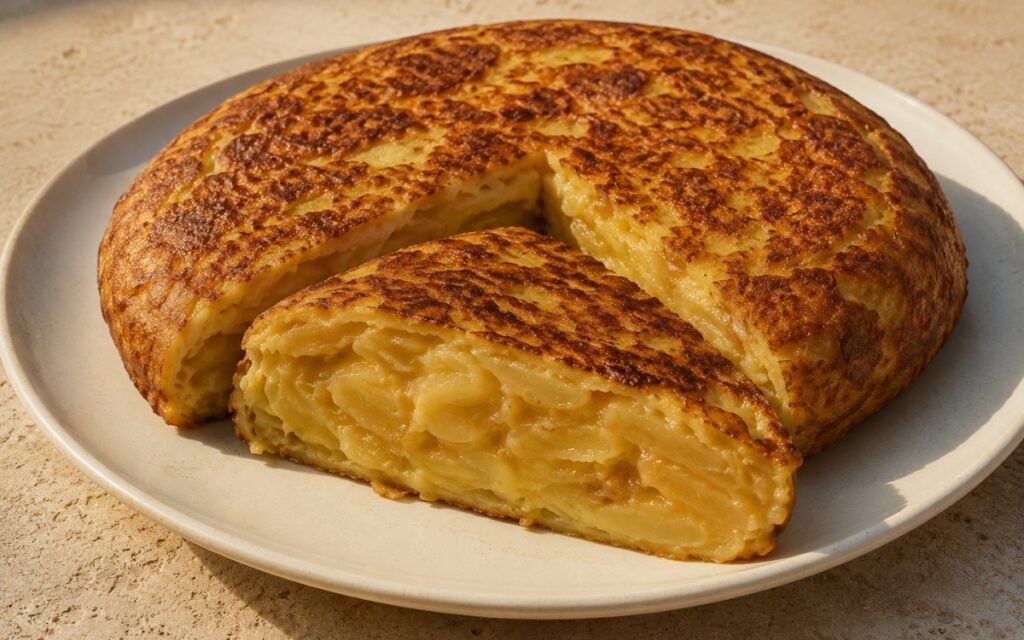
Spanish Tortilla / Tortilla Española
Thin potato slices gently cooked in olive oil, folded into beaten eggs, and cooked slowly for a golden exterior and soft, custardy centre.
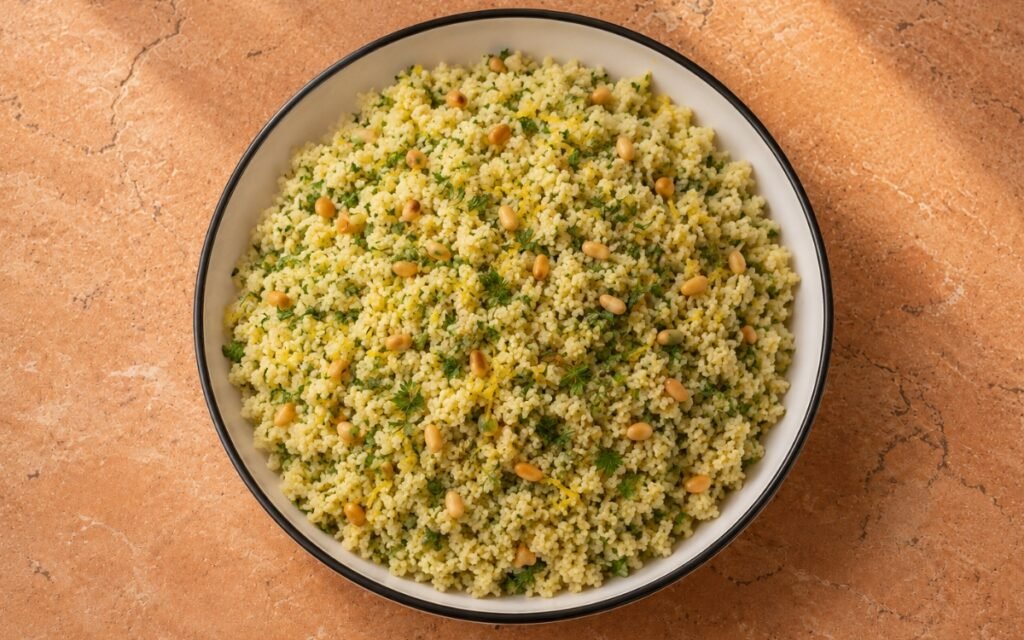
Lemon Herb Couscous
Couscous hydrated in genuinely boiling stock, stirred once, fluffed thoroughly, tossed with fresh lemon, parsley, mint, and dill. Light and bright.
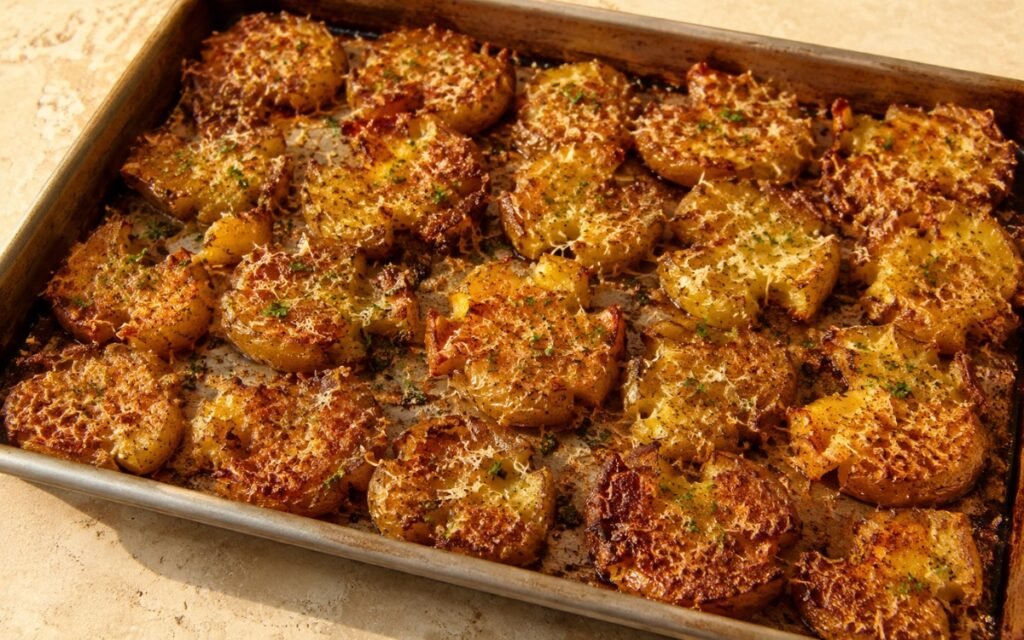
Crispy Parmesan Smashed Potatoes
Ultra-crispy smashed potatoes roasted with Parmesan cheese – crunchy outside, fluffy inside perfection.
You might also like
You might also like
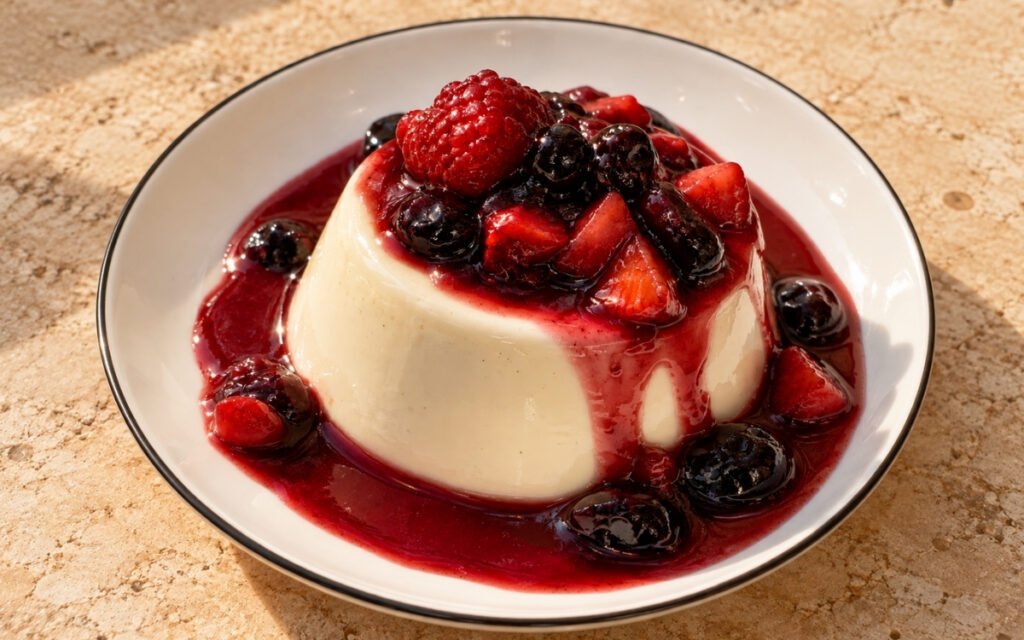
Panna Cotta
Delicately set cream, milk, sugar, vanilla and gelatin panna cotta, unmolded and topped with glossy berry sauce and macerated berries.
Classic Southern Buttermilk Biscuits
Tall, flaky Southern buttermilk biscuits with deeply golden tops, tender layered sides, and a soft steamy interior.
Lavender Honey Green Iced Tea
Properly brewed green tea combined with a carefully extracted lavender-honey infusion for a pale golden-green, floral, lightly sweet iced tea.


Roasted Cauliflower Rice
Ingredients
Method
- Preheat oven to 220°C (425°F). Cut the 800g cauliflower into florets and remove the core. Pulse in a food processor until it resembles rice grains; work in batches to avoid over-processing into purée, since a food processor overloaded with too much cauliflower at once, or run for too long, easily pushes past a genuine rice-like texture into something wetter and finer than intended. You should have about 700g riced cauliflower — if it looks wet and very fine, it will roast softer, so spread it thinner on the tray to give that extra moisture more surface area to escape from during roasting.
- Toss the cauliflower rice with the 45ml olive oil, 12g garlic, 4g salt, 2g black pepper, and 5g oregano until evenly coated, working through the mixture thoroughly so the seasoning doesn’t settle unevenly. Spread in a single layer on two parchment-lined baking sheets — thin and wide beats thick and crowded, since cauliflower rice piled too deeply on a single sheet traps the moisture it releases during roasting and steams rather than genuinely caramelizing.
- Roast 20–25 minutes, stirring once halfway through, until tender and golden at the edges. Look for light caramelization on some pieces; that browned flavor is what makes this taste “roasted” instead of raw, and it’s genuinely the difference between a side dish that reads as an intentional preparation versus one that just tastes like plain steamed cauliflower. If it’s still pale at 25 minutes, roast 3–5 minutes longer and watch the color closely, since cauliflower can move from lightly golden to overly dark faster than its size might suggest.
- Transfer to a bowl and stir in the 30g butter until melted, letting the residual heat from the just-roasted cauliflower do the work of melting it evenly throughout. Fold in the 15g parsley and 30ml lemon juice. Top with the 30g Parmesan if using and serve immediately — this is best hot, before cauliflower releases moisture as it cools, since the dish’s texture noticeably softens and becomes wetter the longer it sits after coming out of the oven.