
Butter Rice
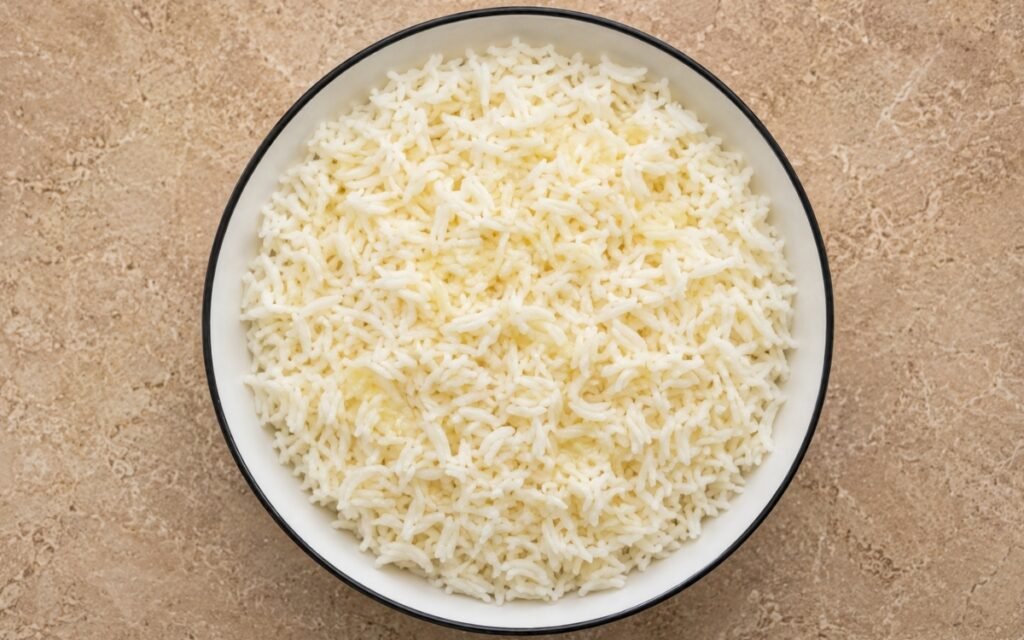
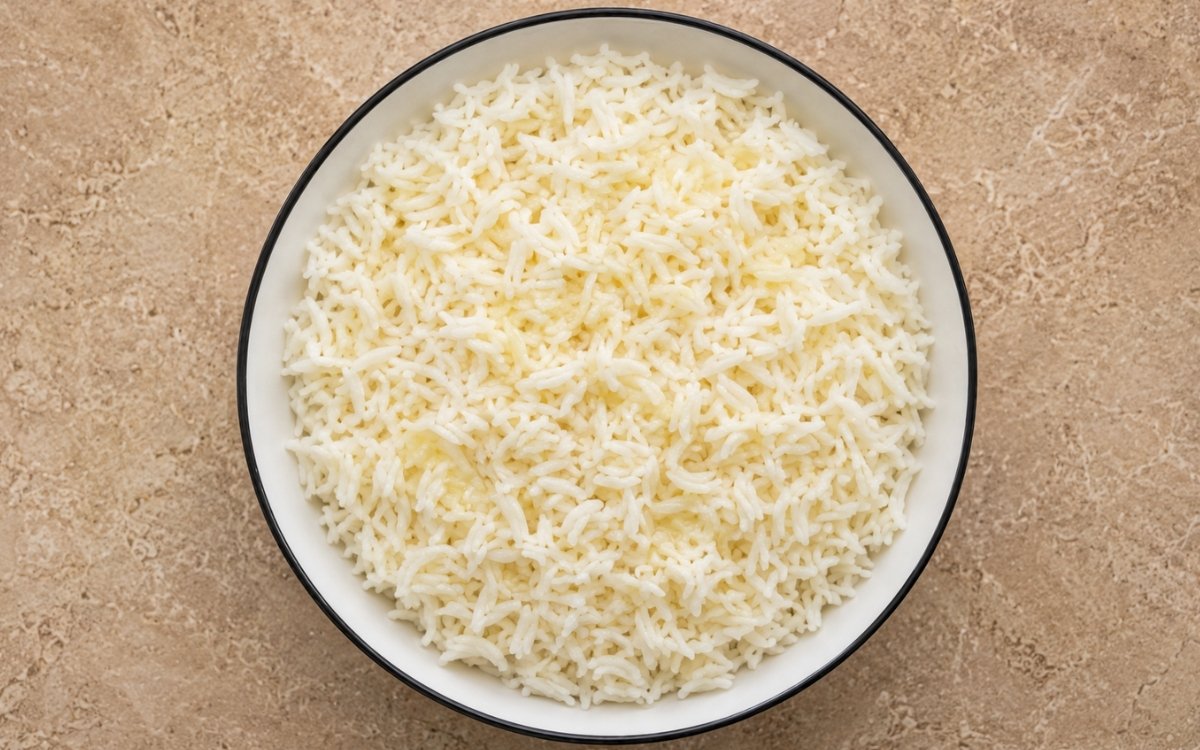
Butter Rice is fluffy, rich, and perfectly seasoned with a golden color and irresistible buttery aroma. The toasting technique creates nutty depth while maintaining light, separate grains. It’s the ideal accompaniment to nearly any main dish from grilled meats to vegetable curries. Toasting the rinsed, drained rice directly in foaming butter before any liquid is added is the technique that gives this recipe its defining nutty, savory depth — the grains’ starchy exterior develops a light golden color and toasted flavor through direct contact with hot fat that plain absorption cooking would never achieve. Keeping that butter from browning too dark during the toasting stage, unless a more assertive brown-butter flavor is specifically wanted, protects the dish’s intended balance, since darker butter introduces a more pronounced, nuttier character than the recipe is built around by default. Scraping up the flavorful browned bits left at the bottom of the pot as the liquid is added ensures none of that toasted flavor is lost or left stuck to the pan. The full, undisturbed 15-minute covered simmer, exactly as with every absorption-method rice preparation in this collection, lets steam circulate evenly and finish every grain consistently. The result is genuinely rich, fluffy rice with a warm, buttery aroma and real nutty depth.
Prep Time : 5 min
Cook Time : 20 min
Servings : 4
5 min
20 min
4
Ingredients
For the Butter Rice
• 300g long-grain white rice
• 45g unsalted butter — this one on Amazon
• 600ml chicken stock or water — this one on Amazon
• 5g salt
• 1g black pepper
• 1 bay leaf
This post may contain affiliate links. As an Amazon Associate I earn from qualifying purchases, at no additional cost to you.
Directions
- Rinse and Prepare Rice
Rinse 300g rice in a fine-mesh strainer for 1–2 minutes until water runs clear. Drain thoroughly so the liquid ratio stays accurate. This keeps finished rice fluffy rather than sticky. - Toast Rice in Butter
In a medium saucepan (2L) over medium heat, melt 45g butter until foaming. Add the drained rice and stir constantly 2–3 minutes until grains are coated and some begin to turn slightly golden; this adds a nutty, savory base. Keep the butter from browning too dark unless you specifically want brown-butter flavor. - Add Liquid and Seasonings
Pour in 600ml chicken stock (or water), add 5g salt, 1g black pepper, and 1 bay leaf. Stir once, scraping any flavorful butter bits from the bottom, then bring to a rolling boil over high heat. - Simmer Rice
Once boiling, reduce heat to low, cover tightly, and simmer 15 minutes without lifting the lid. Avoid stirring — steam is what cooks the rice evenly and keeps grains intact. - Rest and Fluff
Remove from heat and let stand covered 5 minutes. Remove bay leaf, fluff gently with a fork, and serve. If holding, keep covered; if rice tightens, loosen with a small splash of hot stock and fluff again.
*Notes :
- Toasting the rice directly in foaming butter before any liquid is added is what develops this dish’s signature nutty, savory depth. The grains’ starchy exterior browns lightly through direct contact with hot fat in a way that simply simmering rice in a buttery liquid could never replicate — this toasting step is a genuinely different mechanism than flavoring rice after the fact.
- Watching the butter’s color during toasting matters more than it might seem. Foaming, pale golden butter produces the balanced, classically buttery flavor this recipe is built around; letting it darken further edges the dish toward a more assertive brown-butter character that changes the overall balance, which is fine if intentional but worth controlling deliberately rather than by accident.
- Scraping the pot’s bottom as the liquid is added recovers any butter and toasted rice residue that might otherwise stay stuck to the pan rather than making it into the finished dish — a small step that meaningfully affects how much of that developed flavor actually ends up in the rice.
Why This Recipe Works
This recipe works because toasting the rinsed rice directly in butter develops a genuine nutty depth that liquid-based seasoning alone couldn’t achieve.
Controlling the butter’s color during toasting keeps the flavor balanced rather than veering into more assertive brown-butter territory.
Scraping the pot as liquid is added recovers all that developed flavor. And the complete, undisturbed simmer allows even, gradual cooking throughout.
Ingredient Breakdown
Long-Grain White Rice, Rinsed Clear
The foundation — starch removal ensuring fluffy, non-sticky grains.
Butter, Used for Toasting
The defining technique — direct contact with hot fat developing nutty depth before liquid is ever added.
Chicken Stock or Water
The cooking liquid — providing savory depth if stock is used, or a neutral base with water.
Bay Leaf
The background aromatic — infusing subtle depth throughout the simmering process, removed before serving.
Flavor Structure Explained
This Butter Rice follows a rich foundational balance model:
- Fluffy rice core (long-grain rice)
- Warm buttery base (butter-toasted grains)
- Nutty aromatic depth (toasting before simmering)
- Savory simmering backbone (chicken stock, salt, pepper, bay leaf)
- Clean rich finish (buttery aroma and separated grains)
The rice defines the foundation with a fluffy, absorbent structure that carries the butter and stock evenly through every grain. Butter provides the main flavor register, but its impact comes from being used at the beginning rather than stirred in at the end. Toasting the rice directly in butter develops a warm, nutty aroma and gives the grains a deeper, more integrated richness. Chicken stock, salt, pepper, and bay leaf create a savory simmering backbone, adding depth without making the dish feel heavy or complex. The absorption method keeps the texture light and separated while allowing the buttery flavor to settle fully into the rice. The result is a rice preparation built around simple richness, where toasted butter, savory stock, and fluffy grains create a polished but comforting foundation.
Common Mistakes to Avoid
- Skipping the Rinse – Leaves excess starch that causes stickiness. Always rinse until the water runs clear.
- Letting the Butter Brown Too Dark – Shifts the flavor toward a more assertive brown-butter character than intended. Always watch closely and keep it foaming and pale golden unless brown butter is the specific goal.
- Not Scraping the Pot When Adding Liquid – Leaves developed flavor stuck to the bottom of the pan. Always scrape thoroughly.
- Lifting the Lid During Simmering – Disrupts even absorption cooking. Always keep covered for the full 15 minutes.
- Forgetting to Remove the Bay Leaf – Leaves a tough, inedible piece in the finished dish. Always fish it out before serving.
Variations
With Coconut Rice
For a sweeter, richer rice direction using a different fat base, see the Coconut Rice.
Plain Version
For the most minimal, foundational rice preparation without added fat or toasting, see the Plain Steamed Basmati Rice.
With Fresh Herbs
Fold in chopped fresh parsley or chives after fluffing for a bright finishing touch.
With Toasted Garlic
Add a clove of minced garlic to the butter alongside the rice during the toasting stage for extra depth.
Storage & Make-Ahead
Cooked rice can be refrigerated for up to 3 days. Reheat it gently with a splash of stock or water to restore moisture and fluffiness.
Rinsed and drained rice can be measured and prepared ahead of time, though the toasting step should always happen fresh right before cooking.
Frequently Asked Questions
Why toast the rice in butter before adding any liquid?
Toasting develops a nutty, savory depth through direct contact between the rice’s starchy exterior and hot fat, a flavor mechanism that simply cooking rice in a buttery liquid can’t replicate. This step is what gives the finished dish its genuinely rich, layered character rather than a simple buttery coating.
Why does the butter’s color matter so much during toasting?
Pale, foaming butter produces the balanced, classically rich flavor this recipe is designed around. Letting the butter darken further shifts the dish toward a more assertive, nuttier brown-butter character, which changes the overall flavor profile — worth doing deliberately if desired, but worth controlling rather than letting happen by accident.
Why scrape the bottom of the pot when adding the liquid?
Toasting rice in butter naturally leaves some flavorful residue stuck to the pan. Scraping that residue up as the liquid is added ensures it gets incorporated into the finished rice rather than staying behind in the pot, unused.
What should I serve alongside this rice?
This rice pairs naturally with the Honey Mustard Pork Chops or Garlic Herb Pork Tenderloin, and for other rice preparations, try the Coconut Rice or Plain Steamed Basmati Rice.
Nutrition Facts
( per serving )
Calories
~280 kcal
Protein
4 g
Fat
10 g
Carbs
42 g
Calories
~280 kcal
Protein
4 g
Fat
10 g
Carbs
42 g
Related Recipes
Related Recipes

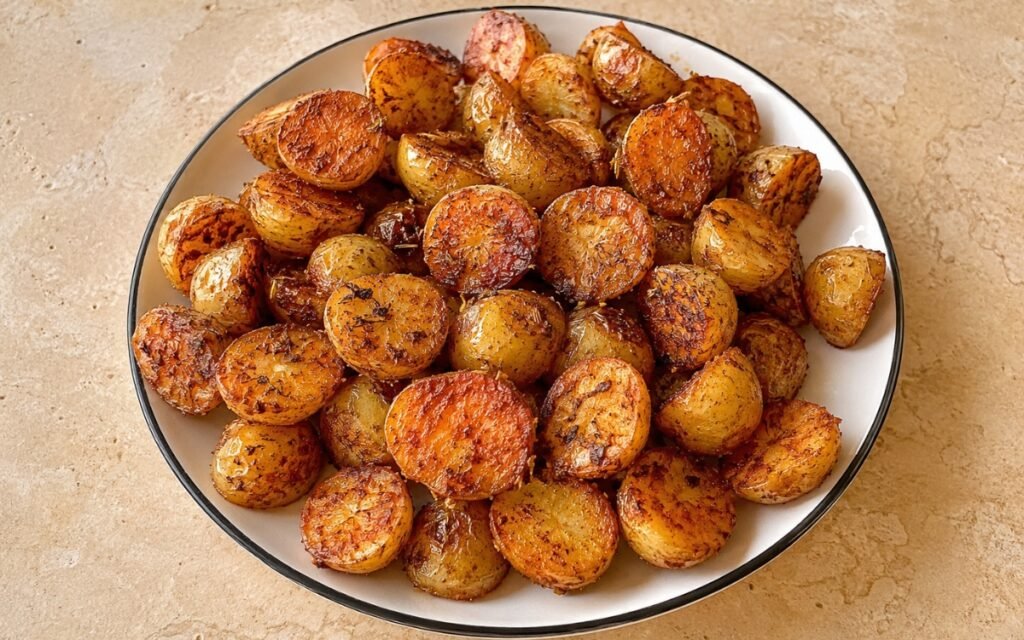
Paprika Roasted Baby Potatoes
Baby potatoes parboiled to slight resistance, seasoned into the cut surfaces, roasted cut-side down until crisp. Finished with lemon. Smoky and bright.
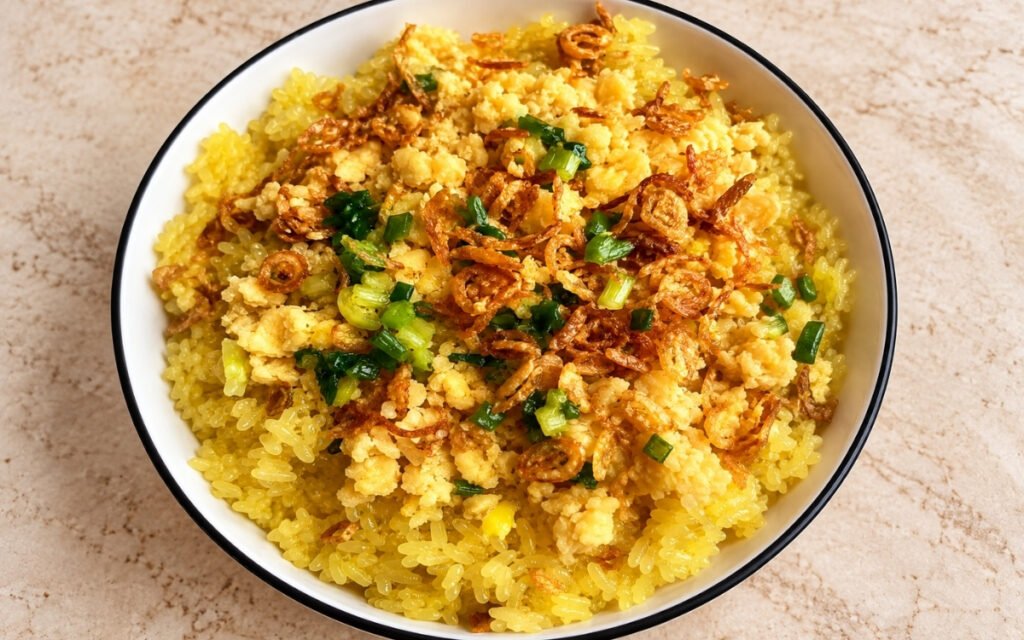
Vietnamese Turmeric Sticky Rice (Xôi Xéo)
Golden turmeric sticky rice topped with soft crumbled mung bean, crispy fried shallots, and glossy scallion oil.
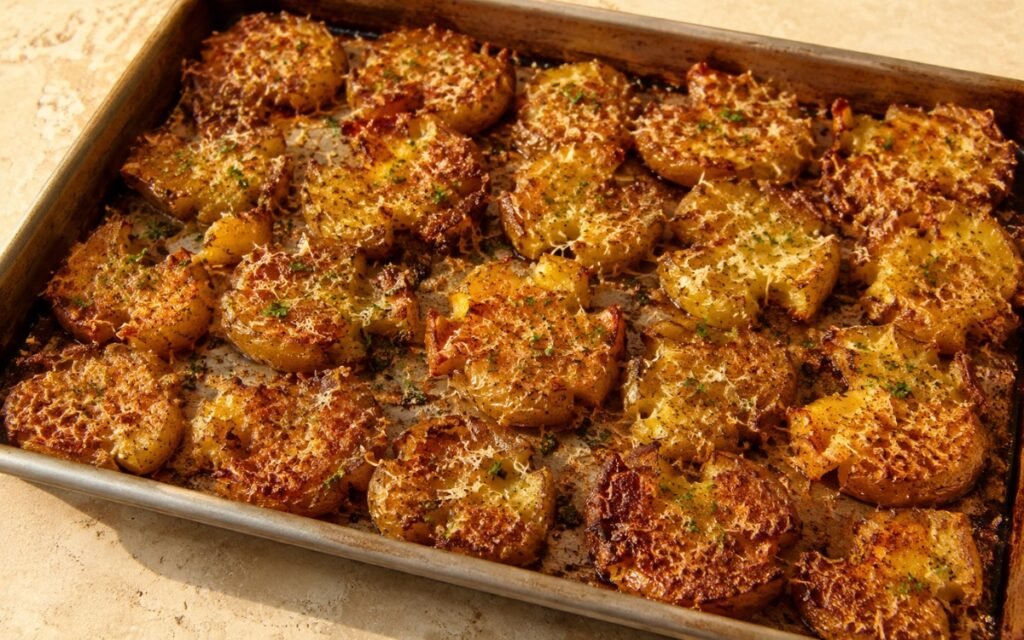
Crispy Parmesan Smashed Potatoes
Ultra-crispy smashed potatoes roasted with Parmesan cheese – crunchy outside, fluffy inside perfection.
You might also like
You might also like
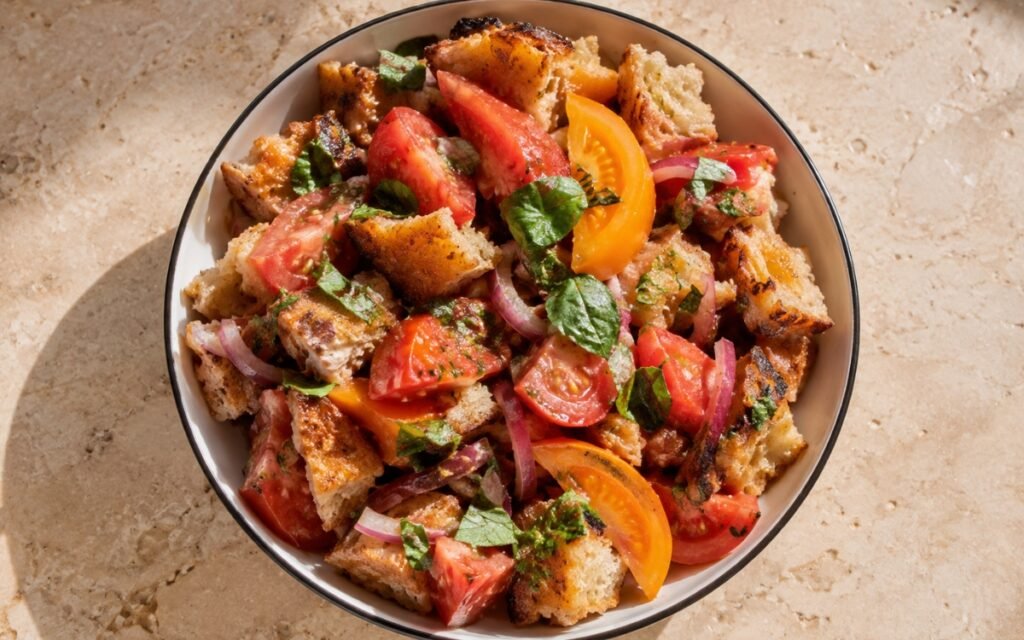
Panzanella Salad
Heirloom tomatoes salted for juice, torn sourdough toasted to crust-and-chew, red onion macerated in red wine vinegar — assembled and rested 10 minutes. The Tuscan summer salad built on timing.
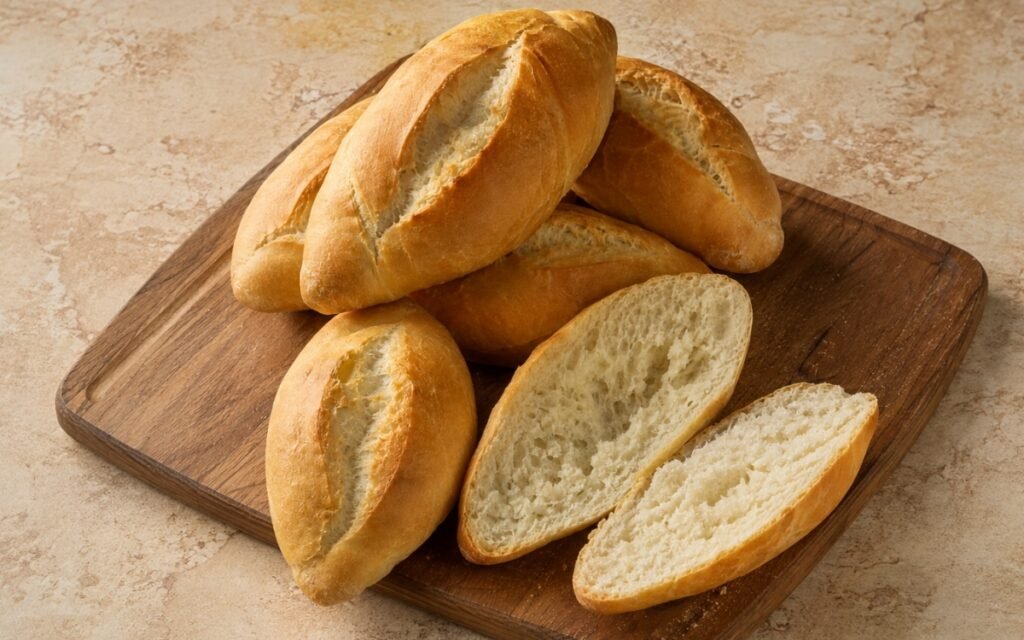
Mexican Bolillo Bread
Classic homemade Mexican bolillo rolls with a light crisp crust, soft fluffy interior, and the signature tapered oval shape.
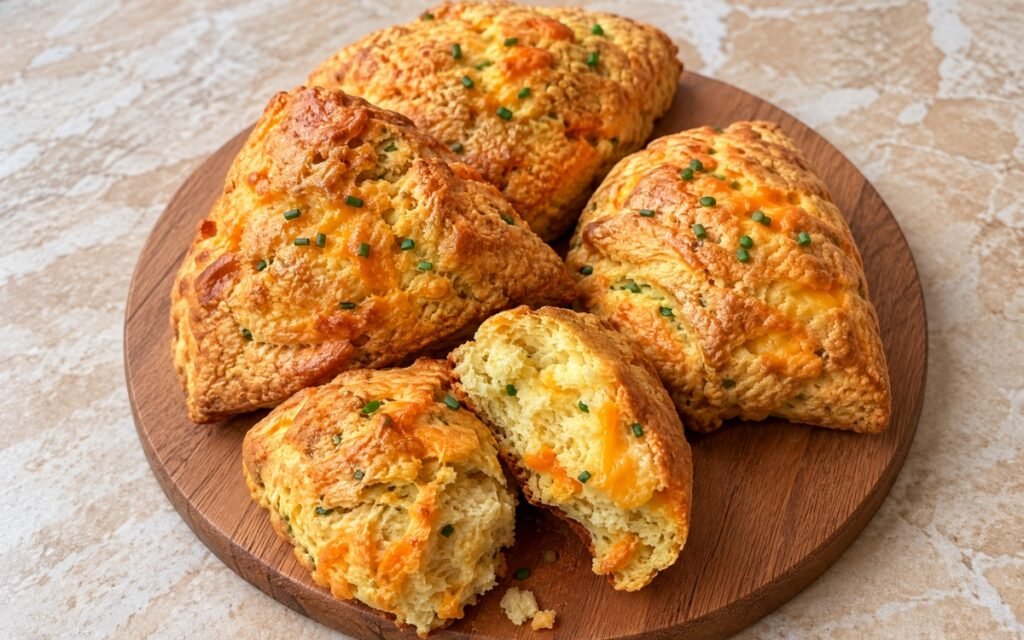
Cheddar Chive Scones
Savory cheddar chive scones with golden craggy tops, buttery flaky interiors, sharp cheddar pockets, and fresh chive flecks throughout.
Fluffy Butter Rice
Ingredients
Method
- Rinse 300g rice in a fine-mesh strainer for 1–2 minutes until water runs clear. Drain thoroughly so the liquid ratio stays accurate. This keeps finished rice fluffy rather than sticky.
- In a medium saucepan (2L) over medium heat, melt 45g butter until foaming. Add the drained rice and stir constantly 2–3 minutes until grains are coated and some begin to turn slightly golden; this adds a nutty, savory base. Keep the butter from browning too dark unless you specifically want brown-butter flavor.
- Pour in 600ml chicken stock (or water), add 5g salt, 1g black pepper, and 1 bay leaf. Stir once, scraping any flavorful butter bits from the bottom, then bring to a rolling boil over high heat.
- Once boiling, reduce heat to low, cover tightly, and simmer 15 minutes without lifting the lid. Avoid stirring — steam is what cooks the rice evenly and keeps grains intact.
- Remove from heat and let stand covered 5 minutes. Remove bay leaf, fluff gently with a fork, and serve. If holding, keep covered; if rice tightens, loosen with a small splash of hot stock and fluff again.