
Plain Steamed Basmati Rice
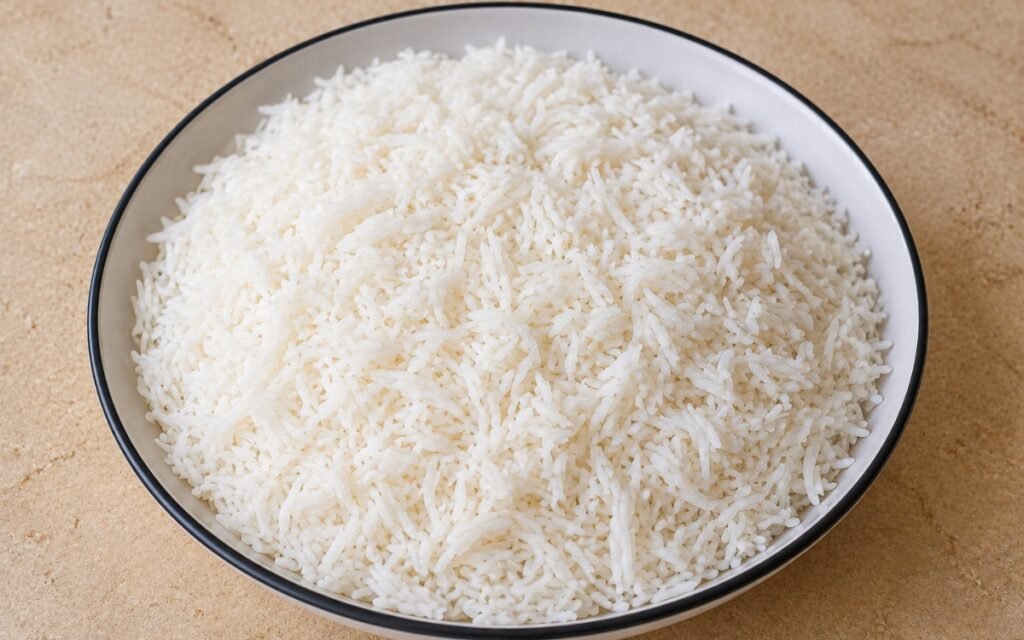
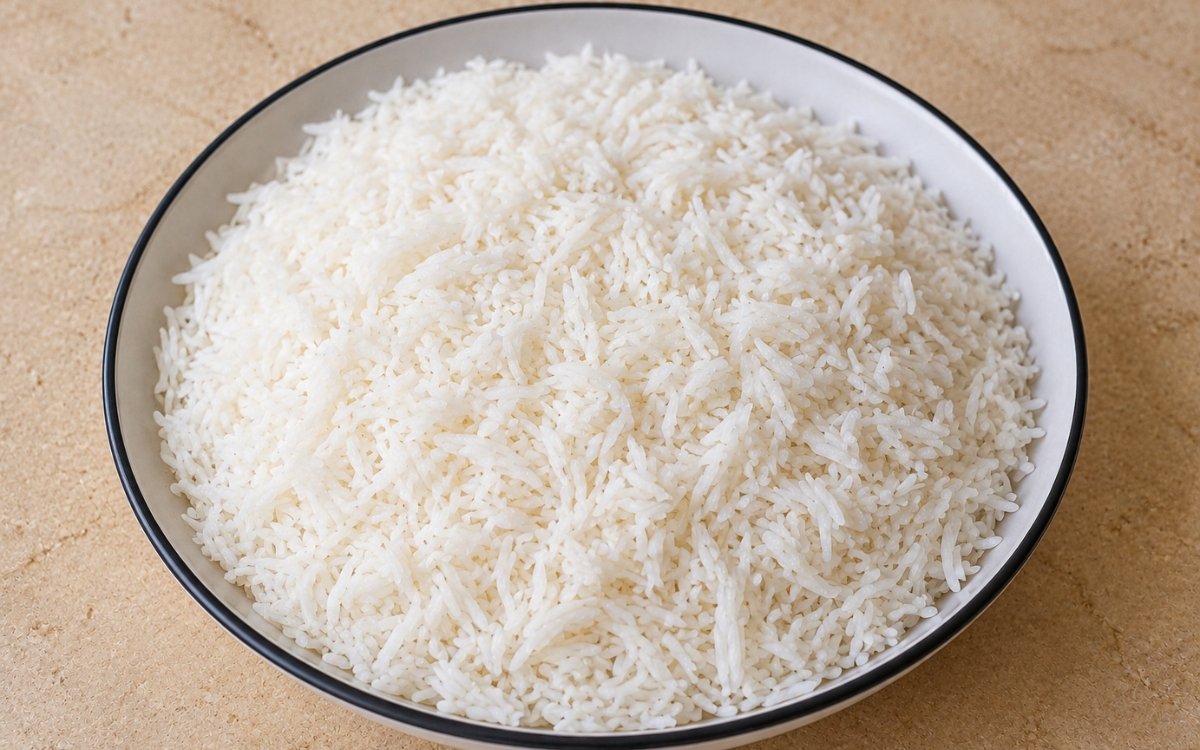
Plain Steamed Basmati Rice delivers fluffy, separate grains with a subtle nutty aroma every single time. Master the foolproof absorption method for restaurant-quality rice that serves as the ideal canvas for curries, stir-fries, and saucy dishes. Simple, reliable, and essential for every home cook. Rinsing for a full 2–3 minutes, agitating gently until the water runs completely clear, is a more thorough process than the rinsing used for other rice preparations in this collection, and that extra attention is specifically what allows basmati to achieve its signature long, separate grains — this variety carries more surface starch than standard long-grain white rice, and incomplete rinsing directly undermines the elongated, distinct texture basmati is known for. Bringing the water to a full rolling boil uncovered, before ever putting the lid on, gets steam production started quickly and predictably rather than leaving that transition to happen gradually and unevenly under a closed lid. Once covered, the rice needs complete, undisturbed simmering for the full 15 minutes — no lifting the lid, no stirring — since absorption cooking depends entirely on trapped, circulating steam to cook every grain evenly. The result is genuinely reliable, restaurant-quality rice with long, fluffy, fully separate grains every time.
Prep Time : 5 min
Cook Time : 18 min
Servings : 4
5 min
18 min
4
Ingredients
For the Basmati Rice
• 300g white basmati rice — this one on Amazon
• 525ml water
• 5g salt
• 10ml vegetable oil
This post may contain affiliate links. As an Amazon Associate I earn from qualifying purchases, at no additional cost to you.
Directions
- Rinse the Rice Thoroughly
Rinse the 300g basmati in a fine-mesh strainer under cold running water for 2–3 minutes, agitating gently with your fingers as the water passes through, continuing well past the point where you might think it’s done, until the water runs genuinely, completely clear rather than just noticeably less cloudy. Drain well, giving the strainer a firm shake to remove excess water — standing water changes the cooking ratio, and even a modest amount of retained water carried into the pot throws off the carefully calibrated liquid-to-rice proportion this recipe depends on. Rinsing is what gives basmati long, separate grains; this variety carries meaningfully more surface starch than standard long-grain white rice, and a rinse that might be sufficient for a different rice type genuinely isn’t enough here to achieve basmati’s signature elongated, distinct texture. - Combine and Bring to Boil
In a medium saucepan (2L) with a tight-fitting lid, combine the rice, 525ml water, 5g salt, and 10ml vegetable oil. Bring to a full rolling boil over high heat, uncovered, so you start steam production quickly — watching for a genuine, vigorous boil rather than covering the pot the moment you see the first small bubbles. Bringing the liquid to a full boil before adding the lid gives you a clear, visible, and repeatable starting point for the timed simmer that follows, rather than leaving that transition to happen gradually and somewhat unpredictably under a closed lid, where it’s harder to judge exactly when the covered cooking time should actually begin. - Simmer Covered
As soon as it boils, reduce heat to the lowest setting, cover tightly, and simmer 15 minutes without lifting the lid or stirring at any point during this window. Absorption cooking depends entirely on trapped, circulating steam building up and moving evenly throughout the pot to cook every grain at the same consistent rate, and any interruption to that process — even a brief peek — releases steam and disrupts the even cooking you’re relying on. If you see a lot of steam escaping around the lid, reduce the heat slightly and ensure the lid sits flat and fully seated on the pot, since a poorly fitted lid lets too much steam escape and can leave the rice undercooked by the time the timer goes off. - Steam and Fluff
Remove from heat and let stand covered for 5 minutes. This resting period allows any remaining trapped steam to finish cooking the grains gently before you disturb them, and it’s a genuinely important step rather than one to rush past. Remove the lid and fluff gently with a fork, using a light lifting motion to separate the grains without smashing them, since basmati’s long, delicate grains are more easily broken than a shorter, sturdier rice variety would be under the same handling. Serve immediately, or keep covered to hold warmth without drying.
*Notes :
- Basmati specifically requires a more thorough rinse than standard long-grain white rice, given how much more surface starch it naturally carries. The full 2–3 minutes of gentle agitation, continuing until the water runs genuinely clear rather than just less cloudy, is what allows this variety to achieve its characteristic long, distinct, fully separate grains rather than a stickier result.
- Bringing the pot to a full boil uncovered before adding the lid is a deliberate sequencing choice. Starting steam production quickly and visibly, rather than covering the pot from the very beginning, gives a clearer, more predictable starting point for the 15-minute covered simmer that follows — a variable, gradual transition to a boil under a closed lid makes it harder to judge exactly when the timed simmer should actually begin.
- The complete, undisturbed 15-minute simmer is non-negotiable for the same reason it matters across every absorption-method rice preparation in this collection: trapped steam needs to circulate evenly throughout the pot without interruption, and any lid-lifting releases that steam and disrupts the process partway through.
Why This Recipe Works
This recipe works because the thorough, extended rinse removes enough of basmati’s naturally higher starch content to allow genuinely long, separate grains. Bringing the water to a full boil uncovered before covering gives a clear, predictable starting point for the timed simmer.
The complete, undisturbed 15-minute cook allows steam to circulate evenly and cook every grain consistently. And the final 5-minute rest lets the rice finish steaming gently before fluffing, preserving the grains’ structure.
Ingredient Breakdown
White Basmati Rice, Thoroughly Rinsed
The foundation — a longer, more thorough rinse than standard rice, given basmati’s naturally higher starch content.
Full Boil Before Covering
The sequencing technique — a clear, predictable starting point for the timed simmer.
Undisturbed 15-Minute Covered Simmer
The absorption-cooking method — steam circulating evenly throughout the pot.
5-Minute Rest Before Fluffing
The finishing step — allowing the rice to finish steaming gently before disturbing the grains.
Flavor Structure Explained
This Plain Steamed Basmati Rice follows a foundational balance model:
- Clean grain core (basmati rice)
- Subtle nutty aroma (basmati fragrance)
- Fluffy separated texture (careful rinsing)
- Precise cooked structure (absorption method)
- Neutral supporting finish (sauce-friendly restraint)
Basmati rice defines the entire foundation with its naturally delicate aroma, faint nuttiness, and long, separate grain structure. Careful rinsing removes excess surface starch, helping the rice cook up fluffy rather than sticky or heavy. Precise absorption cooking preserves that light structure while allowing the grains to soften evenly. With almost no added flavor complexity, the rice remains intentionally restrained and neutral. This simplicity is the point: it gives curries, stir-fries, stews, and saucy dishes a clean base that supports rather than competes. The result is a rice preparation built around reliability, texture, and restraint, where basmati’s own fragrance and fluffiness remain the central experience.
Common Mistakes to Avoid
- Rinsing Too Briefly – Leaves excess starch that prevents basmati’s characteristic long, separate grain texture. Always rinse for the full 2–3 minutes until the water runs clear.
- Covering the Pot Before It Reaches a Boil – Makes the transition to boiling less predictable, complicating the timed simmer. Always bring to a full boil uncovered first.
- Lifting the Lid During Simmering – Releases steam and disrupts even cooking. Always keep covered and undisturbed for the full 15 minutes.
- Skipping the Rest Period – Rice benefits from finishing gently before fluffing. Always let it stand covered for 5 minutes.
- Fluffing Too Aggressively – Breaks the delicate basmati grains. Always fluff gently with a fork.
Variations
With Butter
For a richer, butter-finished version of plain rice, see the Fluffy Butter Rice.
With Coconut Milk
For a sweeter, richer rice direction, see the Coconut Rice.
With Whole Spices
Add a cinnamon stick or a few cardamom pods to the water for a subtle background aroma without changing the color.
With Toasted Grains
Toast the rinsed, drained rice briefly in the oil before adding water for a slightly nuttier depth.
Storage & Make-Ahead
Cooked rice can be refrigerated for up to 3 days. Reheat it gently with a splash of water to restore moisture.
Rinsed and drained rice can be measured and prepared ahead of time, though cooking it fresh will produce the most reliable texture.
Frequently Asked Questions
Why does basmati need a longer, more thorough rinse than other rice varieties?
Basmati naturally carries more surface starch than standard long-grain white rice. That extra starch, if not properly rinsed away, would cause the grains to stick together during cooking, undermining the long, distinct, fully separate texture that basmati is specifically known for and valued for.
Why bring the water to a full boil before covering the pot?
Starting the boil uncovered gives a clear, visible signal for exactly when the covered, timed simmer should begin. Covering the pot from the start makes that transition more gradual and less predictable, which complicates timing the 15-minute simmer accurately.
Why is it so important not to lift the lid during the simmering stage?
Rice cooked by absorption relies on trapped, circulating steam to cook every grain evenly throughout the pot. Lifting the lid, even briefly, releases that steam and disrupts the process, often resulting in a pot of rice with unevenly cooked grains by the time all the water has been absorbed.
What should I serve alongside this rice?
This rice pairs naturally with the Teriyaki Glazed Salmon or Chinese Five-Spice Chicken Thighs, and for enriched variations on plain rice, try the Fluffy Butter Rice or Coconut Rice.
Nutrition Facts
( per serving )
Calories
~230 kcal
Protein
4 g
Fat
3 g
Carbs
46 g
Calories
~230 kcal
Protein
4 g
Fat
3 g
Carbs
46 g
Related Recipes
Related Recipes

Greek-Style Potato Salad
Potatoes dressed warm for absorption, vegetables added once cooled, feta folded in gently, chilled to integrate. Bright and briny.
Spanish Tortilla / Tortilla Española
Thin potato slices gently cooked in olive oil, folded into beaten eggs, and cooked slowly for a golden exterior and soft, custardy centre.
Crispy Zucchini Fritters
Zucchini salted and firmly squeezed dry, mixed into a thick herb-Parmesan batter, fried without crowding until golden. Crisp and herbaceous.



You might also like
You might also like
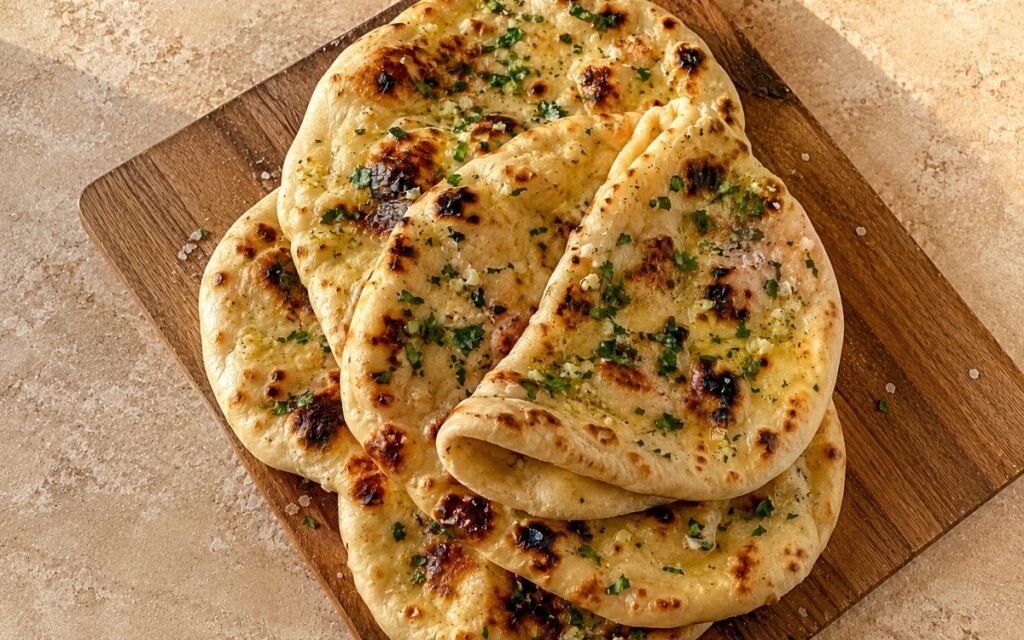
Homemade Garlic Butter Naan
Soft homemade naan cooked in a hot skillet until puffed, blistered, and lightly charred, then brushed with glossy garlic butter.
Katsu Curry — Japanese Pork Cutlet Curry
Crisp golden panko-breaded pork cutlets, fluffy white rice, and a thick glossy dark-brown curry sauce, savory-sweet and rich.
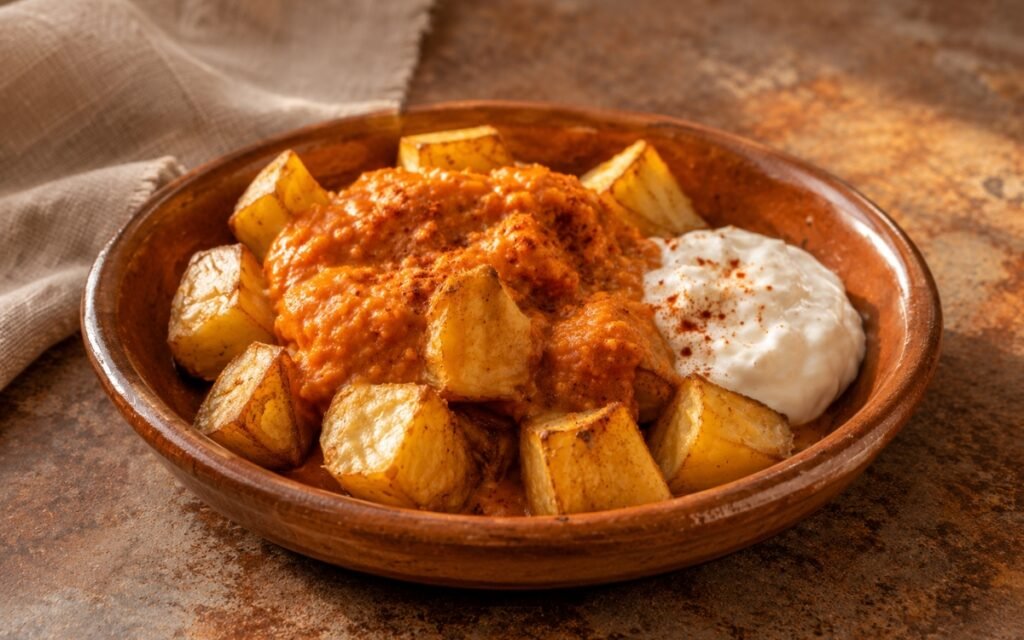
Patatas Bravas with Mayonnaise-Style Aioli
Potatoes parboiled, shaken rough, roasted on a preheated tray — smoky bravas sauce with sherry vinegar, creamy garlic aioli.

Plain Steamed Basmati Rice
Ingredients
Method
- Rinse the 300g basmati in a fine-mesh strainer under cold running water for 2–3 minutes, agitating gently with your fingers as the water passes through, continuing well past the point where you might think it’s done, until the water runs genuinely, completely clear rather than just noticeably less cloudy. Drain well, giving the strainer a firm shake to remove excess water — standing water changes the cooking ratio, and even a modest amount of retained water carried into the pot throws off the carefully calibrated liquid-to-rice proportion this recipe depends on. Rinsing is what gives basmati long, separate grains; this variety carries meaningfully more surface starch than standard long-grain white rice, and a rinse that might be sufficient for a different rice type genuinely isn’t enough here to achieve basmati’s signature elongated, distinct texture.
- In a medium saucepan (2L) with a tight-fitting lid, combine the rice, 525ml water, 5g salt, and 10ml vegetable oil. Bring to a full rolling boil over high heat, uncovered, so you start steam production quickly — watching for a genuine, vigorous boil rather than covering the pot the moment you see the first small bubbles. Bringing the liquid to a full boil before adding the lid gives you a clear, visible, and repeatable starting point for the timed simmer that follows, rather than leaving that transition to happen gradually and somewhat unpredictably under a closed lid, where it’s harder to judge exactly when the covered cooking time should actually begin.
- As soon as it boils, reduce heat to the lowest setting, cover tightly, and simmer 15 minutes without lifting the lid or stirring at any point during this window. Absorption cooking depends entirely on trapped, circulating steam building up and moving evenly throughout the pot to cook every grain at the same consistent rate, and any interruption to that process — even a brief peek — releases steam and disrupts the even cooking you’re relying on. If you see a lot of steam escaping around the lid, reduce the heat slightly and ensure the lid sits flat and fully seated on the pot, since a poorly fitted lid lets too much steam escape and can leave the rice undercooked by the time the timer goes off.
- Remove from heat and let stand covered for 5 minutes. This resting period allows any remaining trapped steam to finish cooking the grains gently before you disturb them, and it’s a genuinely important step rather than one to rush past. Remove the lid and fluff gently with a fork, using a light lifting motion to separate the grains without smashing them, since basmati’s long, delicate grains are more easily broken than a shorter, sturdier rice variety would be under the same handling. Serve immediately, or keep covered to hold warmth without drying.