
Patatas Bravas with Mayonnaise-Style Aioli
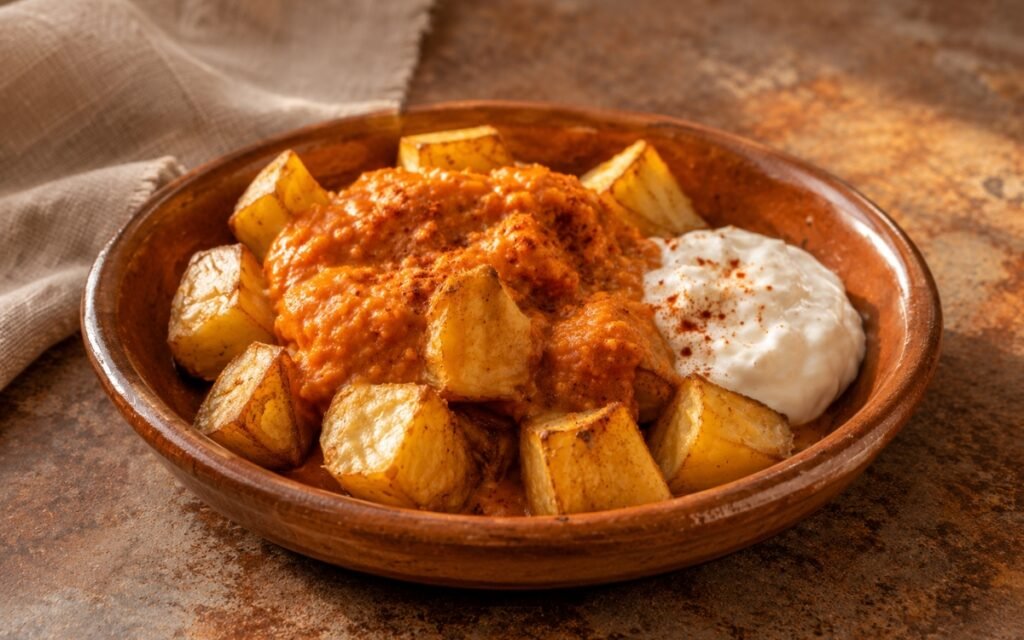
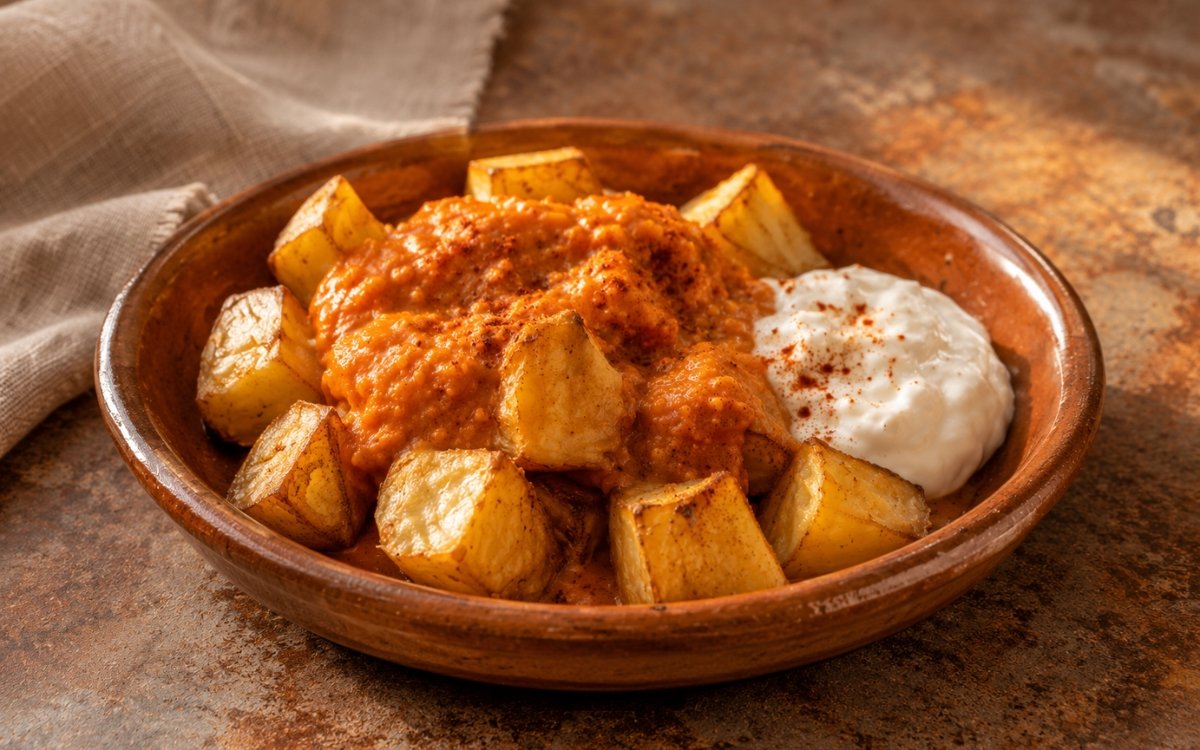
Potatoes parboiled in salted water until the exterior softens, then shaken to rough up the surface before roasting on a preheated baking tray — the irregular edges creating the crisp, golden crust that defines great patatas bravas. The bravas sauce is built on caramelized tomato paste, sweet and smoked paprika, cayenne, crushed tomatoes, and sherry vinegar added at the end to preserve its distinctive sharp acidity. Blended to the traditional texture that sits between smooth and rustic, it coats the potatoes without turning them into a soggy mess. Served alongside a mayonnaise-style aioli made with garlic, lemon, olive oil, and Dijon — cooler, creamier, and more coating than traditional alioli, providing the rich contrast that balances the heat and acidity of the bravas sauce. The classic Spanish tapas combination: crispy potatoes, warm spicy sauce, and cold creamy aioli, served immediately while each component is at its best.
Prep Time : 20 min
Cook Time : 45–55 min
Servings : 4
20 min
45–55 min
4
Ingredients
For the Potatoes
• 800g Yukon Gold or Maris Piper potatoes
• 2 tbsp olive oil
• 1 tsp fine sea salt
• ½ tsp freshly cracked black pepper
• Neutral oil spray — optional, for extra crispness
For the Bravas Sauce
• 2 tbsp extra-virgin olive oil — this one on Amazon
• 1 small white onion, finely diced
• 3 garlic cloves, minced
• 25g tomato paste
• 300g canned crushed tomatoes
• 1 tsp sweet paprika
• 1 tsp smoked paprika — this one on Amazon
• ½ tsp cayenne pepper — adjust to taste
• 60–90ml water
• 1 tbsp sherry vinegar — added at the end — this one on Amazon
• Fine sea salt, to taste
• Freshly cracked black pepper, to taste
For the Aioli (Full recipe — see Mayonnaise-Style Aioli)
• 120g mayonnaise, preferably high-quality
• 15g garlic, minced or grated (about 4–5 cloves)
• 15ml fresh lemon juice
• 15ml extra-virgin olive oil
• 2g Dijon mustard
• Salt to taste
• Freshly ground black pepper to taste
For Finishing
• Sweet paprika or chili powder, for dusting
• Fresh flat-leaf parsley or chives, chopped
• Extra-virgin olive oil — optional
This post may contain affiliate links. As an Amazon Associate I earn from qualifying purchases, at no additional cost to you.
Directions
- Preheat the Oven and Parboil the Potatoes
Place a large baking tray in the oven and preheat to 220°C — the tray must be fully preheated before the potatoes go on it. A cold tray produces potatoes that sit in their own moisture for the first 5–10 minutes of oven time, steaming rather than crisping at their base. A properly hot tray sets the bottom face of each potato piece immediately on contact, producing the beginning of the crust within the first few minutes. While the oven heats, cut the 800g of potatoes into irregular rustic chunks approximately 2–3cm in their largest dimension. Irregular shapes are specifically preferable over uniform cubes: the uneven edges, corners, and angles create significantly more surface area per piece and the rough-edged surfaces develop more crispy contact points with the hot tray than the smooth flat faces of precisely cut cubes. Place the cut potatoes in a large pot of cold, generously salted water. Bring to a gentle boil and cook for 6–8 minutes — until the exterior of each potato shows clear softening and is easily pierced with a knife tip, but the centre remains firm and the potato holds its shape when lifted. The parboiling is the preparation technique that produces patatas bravas’ specific combination of fluffy interior and shatteringly crisp exterior. Without parboiling, even 45 minutes of oven roasting from raw produces a potato that is evenly firm throughout rather than the distinct fluffy-inside-crispy-outside contrast. The parboiled surface — partially cooked, starchy, slightly roughed — is specifically what the oven then converts to the crunchy crust. Drain thoroughly and allow the potatoes to sit in the empty pot with the heat off for 1–2 minutes so the residual heat evaporates the surface moisture — wet potatoes produce steam in the oven rather than crispness. Then shake the potatoes vigorously in the pot — tossing them against each other and the pot’s surface — for 15–20 seconds. The shaking further roughens the exterior surface, creating the textured, slightly frayed edges that produce maximum crispness during roasting. - Roast the Potatoes
Carefully remove the preheated baking tray from the oven. Add the 2 tbsp of olive oil directly to the hot tray — it should sizzle immediately on contact. Add the drained, roughed potatoes and toss with the 1 tsp of salt and ½ tsp of black pepper, spreading them in a single layer with space between each piece. Any pieces touching or overlapping will steam against each other rather than crisping. Spray lightly with neutral oil if desired for additional crispness. Return to the 220°C oven. Roast for 35–45 minutes, turning once or twice during cooking so multiple faces develop crust and colour. The potatoes are ready when every visible surface is deeply golden-brown to light amber and the edges show slightly darkened crisping. The exterior should be genuinely crunchy — not simply golden, but producing a clear sound when two pieces are tapped together. Air fryer option: cook at 200°C for 18–25 minutes, shaking the basket at the halfway point. The air fryer’s forced-circulation produces exceptional crispness at a shorter time than the oven — specifically recommended if available. - Make the Bravas Sauce
While the potatoes roast, prepare the bravas sauce. Heat the 2 tbsp of olive oil in a medium saucepan over medium heat. Add the finely diced white onion and cook for 6–8 minutes, stirring occasionally, until completely softened and lightly golden at the edges — fully cooked onion provides the sweet, aromatic base without the raw pungency and excess moisture of under-cooked onion. Add the 3 minced garlic cloves and cook for 30 seconds until fragrant. Add the 25g of tomato paste and cook for 2 minutes, stirring constantly, until the paste darkens slightly and smells sweeter and more concentrated — the same blooming technique applied throughout this recipe collection. Add the 1 tsp of sweet paprika, 1 tsp of smoked paprika, and ½ tsp of cayenne directly into the tomato paste and oil. Stir for 20–30 seconds until the spices bloom and become fragrant. The dual-paprika combination is the specifically Spanish flavour of bravas sauce — sweet paprika for colour and mild fruity sweetness, smoked paprika for the distinctly Spanish smoky depth that cannot be produced by any single paprika variety alone. Add the 300g of crushed tomatoes and 60ml of water. Stir to combine thoroughly. Reduce heat to medium-low and simmer for 15–20 minutes, stirring occasionally, until the sauce has thickened visibly — the bubbling has changed from rapid to slow, thick pops and a spoon drawn through the sauce leaves a momentarily clear trail. Add additional water only if the sauce becomes very thick before the full simmer time is complete. Blend the sauce — using an immersion blender, blender, or small food processor — until mostly smooth but still retaining slight texture. The correct consistency for bravas sauce is between smooth pasta sauce and chunky salsa — a slightly rustic, not-completely-silky result that coats the back of a spoon and holds a trail when a finger is drawn through it. Stir in the 1 tbsp of sherry vinegar after blending and off the heat — adding it at the end preserves its specific sharp, slightly oxidised, nutty acidity. Sherry vinegar cooked into the sauce during the simmer loses its volatile acidity and produces a flat background note; added at the end it provides a vivid, specifically Spanish acidic finish. Season with salt and pepper. - Prepare the Mayonnaise-Style Aioli
For the complete technique — including the garlic-lemon maceration, the proper incorporation of the olive oil, and the final seasoning balance — follow the full Mayonnaise-Style Aioli recipe. Summary: Combine the minced or grated garlic with the lemon juice and allow it to rest briefly to mellow the garlic’s sharpness. Add the mayonnaise and Dijon mustard and mix until completely smooth. Slowly whisk in the extra-virgin olive oil until the sauce becomes glossy, creamy, and fully incorporated. Season with salt and freshly cracked black pepper to taste, then refrigerate for 15–30 minutes before serving to allow the flavors to fully develop. The finished aioli should be thick enough to hold its shape when spooned and provide a cool, rich contrast to the hot crispy potatoes and smoky bravas sauce. In patatas bravas, the aioli is not the dominant flavor but rather the balancing component — its creamy texture softens the heat and acidity of the bravas sauce while adding richness to every bite. - Assemble and Serve Immediately
Pile the crispy potatoes into shallow serving bowls or onto a shared tapas plate. Spoon the warm bravas sauce generously over the centre of the potatoes — covering the majority of the pile but deliberately leaving some crispy edges exposed so the textural contrast between the sauced and unsauced areas is visible and available in every serving. Add a generous spoonful of the mayonnaise-style aioli alongside the sauced potatoes — separated from the bravas sauce so each can be encountered individually in some bites and combined in others. Dust lightly with sweet paprika or chili powder. Scatter chopped parsley or chives. Drizzle a small amount of olive oil if desired. Serve immediately. Patatas bravas is a textural dish — the contrast between the crunchy potato, the warm spiced sauce, and the cold creamy aioli exists only in the window immediately after assembly. Potatoes that have sat in the bravas sauce for 10 minutes are soft throughout; potatoes eaten immediately retain the specific crispy-sauce-cream combination that makes the dish specifically compelling.
*Notes :
- Sherry vinegar — vinagre de Jerez — is the specifically Spanish acidic ingredient in bravas sauce and is significantly different from red wine vinegar, white wine vinegar, or balsamic in the context of this recipe. Sherry vinegar is produced in the sherry triangle of Andalusia through the same solera ageing system as sherry wine, producing a vinegar with a specific nutty, slightly oxidised, complex character from the prolonged oxidative ageing. At 1 tbsp stirred into the finished sauce it is not detectably vinegar-forward but contributes a characteristic Spanish depth that makes bravas sauce taste specifically authentic rather than generically tomato-based. Available at specialist food shops, Spanish grocers, and increasingly at mainstream supermarkets in the condiment aisle.
- The dual paprika combination — sweet and smoked — is the specifically Spanish approach that produces bravas sauce’s colour and characteristic smoky depth simultaneously. Using only sweet paprika produces a brighter, milder sauce without the smoky edge; using only smoked paprika produces a one-note smokiness without the sweet fruity base. Together at equal quantities they produce the balanced, specifically Spanish paprika character.
Why This Recipe Works
This recipe works because the parboil-and-shake technique produces the specific fluffy-inside-crispy-outside potato texture that direct oven-roasting from raw cannot achieve. The bravas sauce applies the bloomed tomato paste technique for depth, toasts the spices in the same fat, and receives the sherry vinegar at the end rather than during cooking to preserve its acidic character.
And the mayonnaise-style aioli is the correct version for this application — the egg-yolk-stabilised cream providing the cooling, coating contrast the bravas sauce requires alongside it.
Ingredient Breakdown
Parboiled and Shaken Potatoes (Roughed Edges, Hot Tray)
The triple-technique preparation — parboiling for the fluffy interior; shaking for maximum rough-edge surface area; hot tray for immediate base crisping.
Dual Paprika (Sweet and Smoked, Equal Parts)
The Spanish flavour signature — sweet paprika’s fruity colour, smoked paprika’s distinctive depth; neither alone produces the characteristic bravas character.
Sherry Vinegar (Added After Blending, Off Heat)
The Spanish acid finish — added last to preserve the volatile, nutty, specifically Andalusian acidity that simmering destroys.
Bloomed Tomato Paste (2 Minutes in Oil)
The depth foundation — darkened, sweetened, Maillard-developed paste providing the concentrated base.
Mayonnaise-Style Aioli
The correct accompaniment for this application — the garlic, lemon, and olive oil folded into a rich mayonnaise base, producing the cool, creamy consistency specifically suited to balancing the hot, smoky bravas sauce.
Flavor Structure Explained
This Patatas bravas follows a layered balance model:
- Crispy potato core (golden exterior, fluffy interior)
- Smoky spiced sauce (paprika, cayenne, tomato)
- Bright acidic lift (sherry vinegar)
- Cool creamy contrast (aioli)
- Hot-cold texture interplay (crisp potatoes, chilled sauce)
The potatoes define the foundation with a crisp, deeply golden crust surrounding a soft, fluffy center, creating the dish’s essential textural contrast. Bravas sauce adds the dominant flavor layer through smoky paprika, tomato depth, and steadily building chili warmth that gives the dish its unmistakably Spanish character. Sherry vinegar sharpens the sauce with acidity, preventing the richness from becoming heavy. Aioli introduces cool garlic-infused creaminess that softens the heat and provides both flavor and temperature contrast. The combination of crunch, spice, acidity, and cooling richness is what makes patatas bravas feel far more complete than potatoes and sauce alone.
Common Mistakes to Avoid
- Not Parboiling the Potatoes – Direct roasting from raw produces evenly firm potatoes without the specific fluffy-interior-crispy-exterior contrast. Always parboil.
- Not Shaking the Potatoes After Draining – Un-shaken potatoes have smooth, compact surfaces that crisp less effectively. Always shake in the pot for the roughed edges.
- Using a Cold Baking Tray – Cold tray allows the potato bases to sit in released moisture rather than setting immediately. Always preheat the tray in the oven.
- Adding the Sherry Vinegar During Cooking – Simmering sherry vinegar drives off its volatile acidic character. Always stir in at the end off the heat.
- Not Blending the Bravas Sauce – Unblended sauce is chunky and does not coat the potatoes uniformly. Always blend to the between-smooth-and-chunky texture.
- Serving After the Potatoes Have Sat in the Sauce – The sauce softens the potato crust progressively. Always assemble and serve immediately.
Variations
Spicier Bravas
Increase the cayenne to 1 tsp and add 1 tsp of pul biber to the spice blend — the building heat is more assertively present throughout the finished sauce.
With Traditional Alioli Instead of Mayonnaise-Style
Replace the mayo aioli with the Spanish Alioli — three-ingredient garlic-salt-olive oil. The traditional alioli produces a more pungent, specifically Catalan result that is the strictly traditional Catalan serving style. More intensely flavoured against the bravas sauce.
Air Fried Patatas Bravas
Parboil, shake, toss with oil, and air fry at 200°C for 18–25 minutes. The air fryer version consistently produces the crispest exterior of any method — specifically recommended.
With Baked Potatoes
Bake whole potatoes at 200°C for 50–60 minutes, then cut into rough wedges and crisp briefly in the air fryer or under the broiler before saucing — a different textural approach with a thick, floury interior.
Storage & Make-Ahead
Bravas sauce can be refrigerated for up to 5 days and is one of the best make-ahead components in this collection. Its flavor deepens and improves overnight. To serve, reheat it gently in a small saucepan with a splash of water.
Mayonnaise-style aioli can also be refrigerated for up to 5 days. For detailed storage instructions, refer to the Mayonnaise-style aioli recipe.
Cooked potatoes are best eaten immediately while their exterior is crisp. If necessary, they can be re-crisped in a 200°C oven or in an air fryer at 190°C for 5 to 7 minutes. Avoid microwaving, as it steams the potatoes and softens the crust.
Frequently Asked Questions
Why parboil potatoes rather than roasting directly from raw?
Parboiling partially cooks the outer layer of each potato piece — softening the surface starch into a layer that the oven then converts to the specific shatteringly crisp crust of properly made patatas bravas. Roasting from raw produces a potato that becomes evenly firm throughout rather than the distinct fluffy-interior-crispy-exterior contrast. The parboiling is the preparation technique that creates this contrast.
Why shake the potatoes in the pot after draining?
The shaking motion roughens the softened exterior surface — creating irregular, slightly frayed edges with more surface area and more contact points than the smooth faces of unshaken potato pieces. These rough edges convert to maximum crispy surface during roasting.
Why add sherry vinegar at the end?
Sherry vinegar’s acidic character comes from volatile acetic acid compounds that evaporate rapidly at cooking temperature. Added during the simmer it loses its brightness and provides only a flat background note. Added after blending and off the heat it provides the vivid, sharp, specifically Spanish acidic finish that is the bravas sauce’s final flavour dimension.
What is sherry vinegar and can I substitute it?
Sherry vinegar is produced in Andalusia through an oxidative ageing process — producing a nutty, slightly complex acidity. Red wine vinegar is the most accessible substitute at the same quantity; it lacks sherry vinegar’s specific depth but provides comparable acidity. Balsamic is too sweet and should not be used.
Why mayonnaise-style aioli rather than traditional alioli?
The mayonnaise-based aioli provides a thicker, creamier, and more stable sauce than traditional alioli, allowing it to coat the potatoes more effectively and temper the heat and acidity of the bravas sauce. The result is the classic hot-cold, spicy-creamy contrast that defines modern patatas bravas.
Nutrition Facts
( per serving )
Calories
~520 kcal
Protein
8 g
Fat
30 g
Carbs
52 g
Calories
~520 kcal
Protein
8 g
Fat
30 g
Carbs
52 g
Related Recipes
Related Recipes

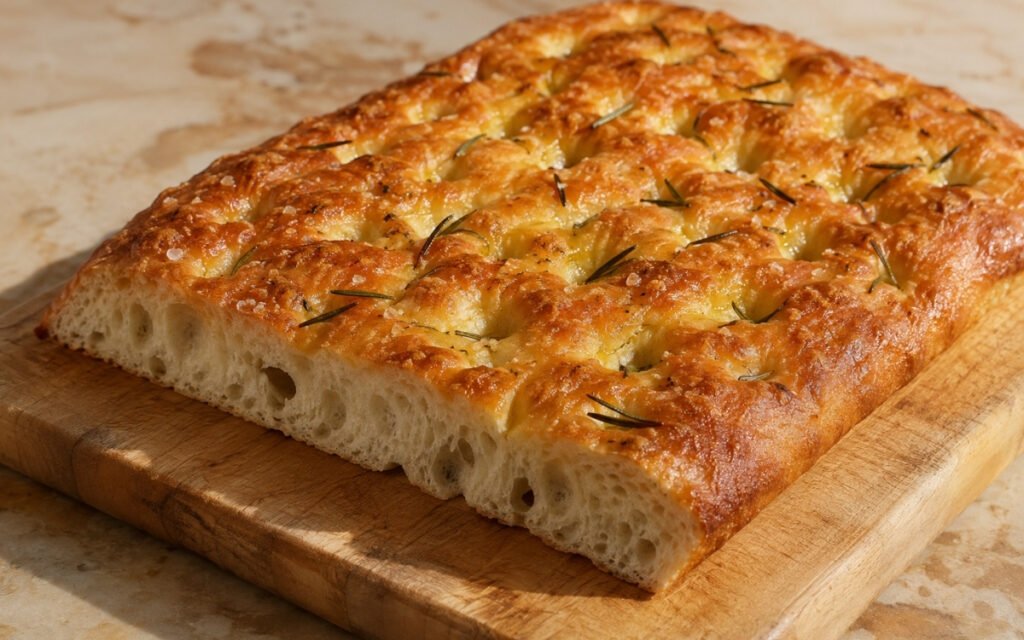
Focaccia
Golden, olive-oil-crisp focaccia with a cloud-soft open crumb, topped with za’atar, rosemary and flaky sea salt.
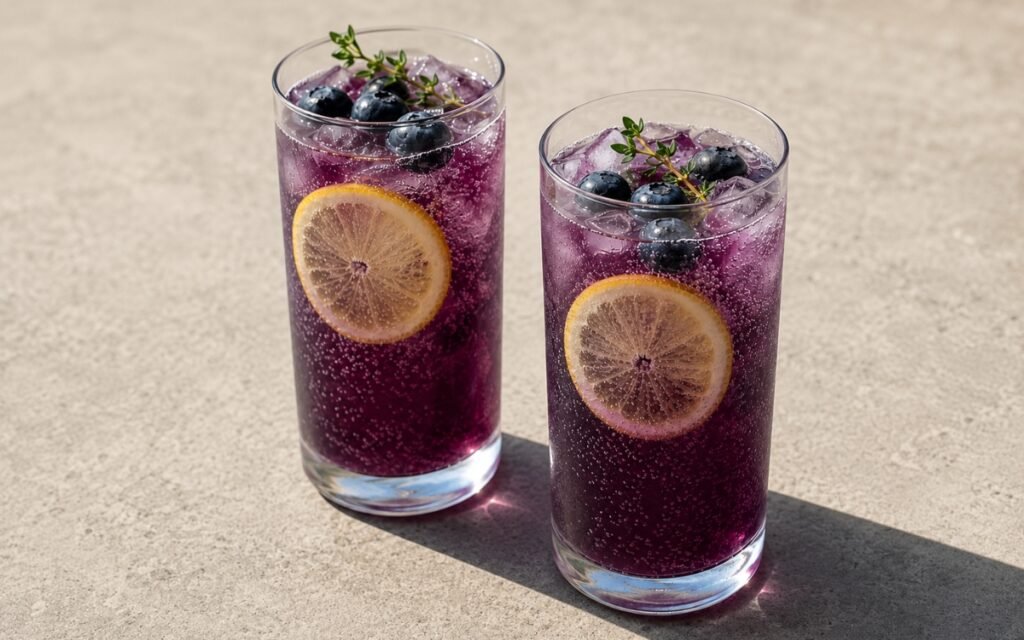
Blueberry Lemon Thyme Spritzer Mocktail
Thyme-infused blueberries with honey and lemon over club soda — deep purple and herbal-warm.
Black Tea Orange Pitcher
Ceylon tea at 90–95°C for 3 minutes, dual citrus zest off heat — 750ml orange juice for warm rounded body, cold water, chilled. Tea-forward with orange lift.

You might also like
You might also like
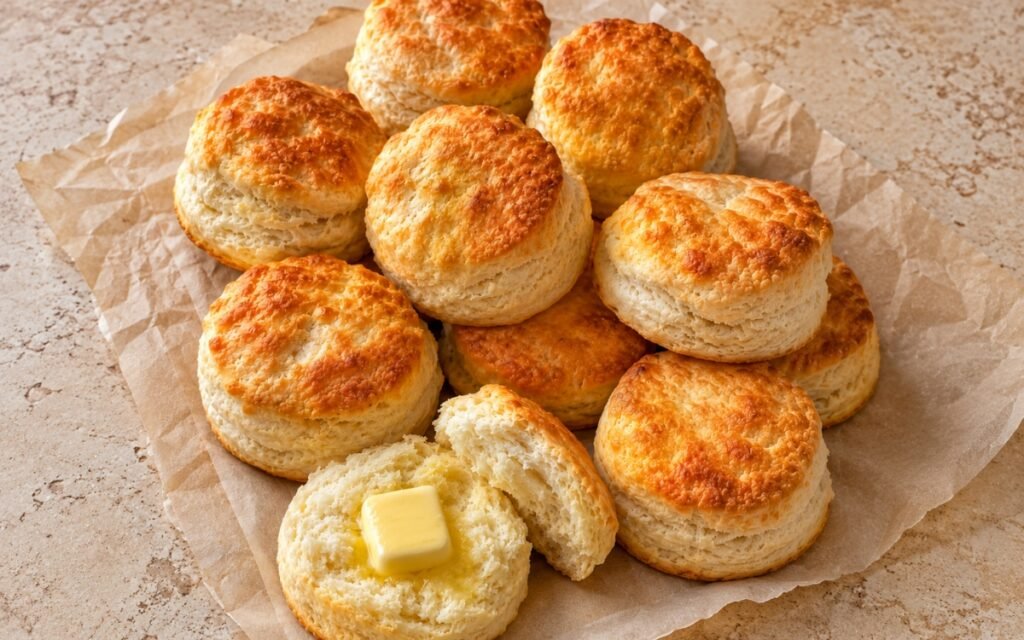
Classic Southern Buttermilk Biscuits
Tall, flaky Southern buttermilk biscuits with deeply golden tops, tender layered sides, and a soft steamy interior.
Classic Deli Coleslaw
Finely shredded cabbage and carrot in a creamy, tangy mayonnaise-sour cream dressing, salted and rested for a coleslaw that stays crisp, not watery.
Raspberry Lemon Shrub Fizz Mocktail
Cold-process raspberry and white wine vinegar with fresh lemon over club soda — sharp and complex.
Patatas Bravas with Mayonnaise-Style Aioli
Ingredients
Method
- Place a large baking tray in the oven and preheat to 220°C — the tray must be fully preheated before the potatoes go on it. A cold tray produces potatoes that sit in their own moisture for the first 5–10 minutes of oven time, steaming rather than crisping at their base. A properly hot tray sets the bottom face of each potato piece immediately on contact, producing the beginning of the crust within the first few minutes. While the oven heats, cut the 800g of potatoes into irregular rustic chunks approximately 2–3cm in their largest dimension. Irregular shapes are specifically preferable over uniform cubes: the uneven edges, corners, and angles create significantly more surface area per piece and the rough-edged surfaces develop more crispy contact points with the hot tray than the smooth flat faces of precisely cut cubes. Place the cut potatoes in a large pot of cold, generously salted water. Bring to a gentle boil and cook for 6–8 minutes — until the exterior of each potato shows clear softening and is easily pierced with a knife tip, but the centre remains firm and the potato holds its shape when lifted. The parboiling is the preparation technique that produces patatas bravas’ specific combination of fluffy interior and shatteringly crisp exterior. Without parboiling, even 45 minutes of oven roasting from raw produces a potato that is evenly firm throughout rather than the distinct fluffy-inside-crispy-outside contrast. The parboiled surface — partially cooked, starchy, slightly roughed — is specifically what the oven then converts to the crunchy crust.
- Drain thoroughly and allow the potatoes to sit in the empty pot with the heat off for 1–2 minutes so the residual heat evaporates the surface moisture — wet potatoes produce steam in the oven rather than crispness. Then shake the potatoes vigorously in the pot — tossing them against each other and the pot’s surface — for 15–20 seconds. The shaking further roughens the exterior surface, creating the textured, slightly frayed edges that produce maximum crispness during roasting.
- Carefully remove the preheated baking tray from the oven. Add the 2 tbsp of olive oil directly to the hot tray — it should sizzle immediately on contact. Add the drained, roughed potatoes and toss with the 1 tsp of salt and ½ tsp of black pepper, spreading them in a single layer with space between each piece. Any pieces touching or overlapping will steam against each other rather than crisping. Spray lightly with neutral oil if desired for additional crispness. Return to the 220°C oven. Roast for 35–45 minutes, turning once or twice during cooking so multiple faces develop crust and colour. The potatoes are ready when every visible surface is deeply golden-brown to light amber and the edges show slightly darkened crisping. The exterior should be genuinely crunchy — not simply golden, but producing a clear sound when two pieces are tapped together. Air fryer option: cook at 200°C for 18–25 minutes, shaking the basket at the halfway point. The air fryer’s forced-circulation produces exceptional crispness at a shorter time than the oven — specifically recommended if available.
- While the potatoes roast, prepare the bravas sauce. Heat the 2 tbsp of olive oil in a medium saucepan over medium heat. Add the finely diced white onion and cook for 6–8 minutes, stirring occasionally, until completely softened and lightly golden at the edges — fully cooked onion provides the sweet, aromatic base without the raw pungency and excess moisture of under-cooked onion. Add the 3 minced garlic cloves and cook for 30 seconds until fragrant. Add the 25g of tomato paste and cook for 2 minutes, stirring constantly, until the paste darkens slightly and smells sweeter and more concentrated — the same blooming technique applied throughout this recipe collection. Add the 1 tsp of sweet paprika, 1 tsp of smoked paprika, and ½ tsp of cayenne directly into the tomato paste and oil. Stir for 20–30 seconds until the spices bloom and become fragrant. The dual-paprika combination is the specifically Spanish flavour of bravas sauce — sweet paprika for colour and mild fruity sweetness, smoked paprika for the distinctly Spanish smoky depth that cannot be produced by any single paprika variety alone. Add the 300g of crushed tomatoes and 60ml of water. Stir to combine thoroughly. Reduce heat to medium-low and simmer for 15–20 minutes, stirring occasionally, until the sauce has thickened visibly — the bubbling has changed from rapid to slow, thick pops and a spoon drawn through the sauce leaves a momentarily clear trail. Add additional water only if the sauce becomes very thick before the full simmer time is complete. Blend the sauce — using an immersion blender, blender, or small food processor — until mostly smooth but still retaining slight texture. The correct consistency for bravas sauce is between smooth pasta sauce and chunky salsa — a slightly rustic, not-completely-silky result that coats the back of a spoon and holds a trail when a finger is drawn through it.
- Stir in the 1 tbsp of sherry vinegar after blending and off the heat — adding it at the end preserves its specific sharp, slightly oxidised, nutty acidity. Sherry vinegar cooked into the sauce during the simmer loses its volatile acidity and produces a flat background note; added at the end it provides a vivid, specifically Spanish acidic finish. Season with salt and pepper.
- For the complete technique — including the garlic-lemon maceration, the proper incorporation of the olive oil, and the final seasoning balance — follow the full Mayonnaise-Style Aioli recipe. Summary: Combine the minced or grated garlic with the lemon juice and allow it to rest briefly to mellow the garlic’s sharpness. Add the mayonnaise and Dijon mustard and mix until completely smooth. Slowly whisk in the extra-virgin olive oil until the sauce becomes glossy, creamy, and fully incorporated. Season with salt and freshly cracked black pepper to taste, then refrigerate for 15–30 minutes before serving to allow the flavors to fully develop. The finished aioli should be thick enough to hold its shape when spooned and provide a cool, rich contrast to the hot crispy potatoes and smoky bravas sauce. In patatas bravas, the aioli is not the dominant flavor but rather the balancing component — its creamy texture softens the heat and acidity of the bravas sauce while adding richness to every bite.
- Pile the crispy potatoes into shallow serving bowls or onto a shared tapas plate. Spoon the warm bravas sauce generously over the centre of the potatoes — covering the majority of the pile but deliberately leaving some crispy edges exposed so the textural contrast between the sauced and unsauced areas is visible and available in every serving. Add a generous spoonful of the mayonnaise-style aioli alongside the sauced potatoes — separated from the bravas sauce so each can be encountered individually in some bites and combined in others. Dust lightly with sweet paprika or chili powder. Scatter chopped parsley or chives. Drizzle a small amount of olive oil if desired. Serve immediately. Patatas bravas is a textural dish — the contrast between the crunchy potato, the warm spiced sauce, and the cold creamy aioli exists only in the window immediately after assembly. Potatoes that have sat in the bravas sauce for 10 minutes are soft throughout; potatoes eaten immediately retain the specific crispy-sauce-cream combination that makes the dish specifically compelling.