
Teriyaki Glazed Salmon Fillets
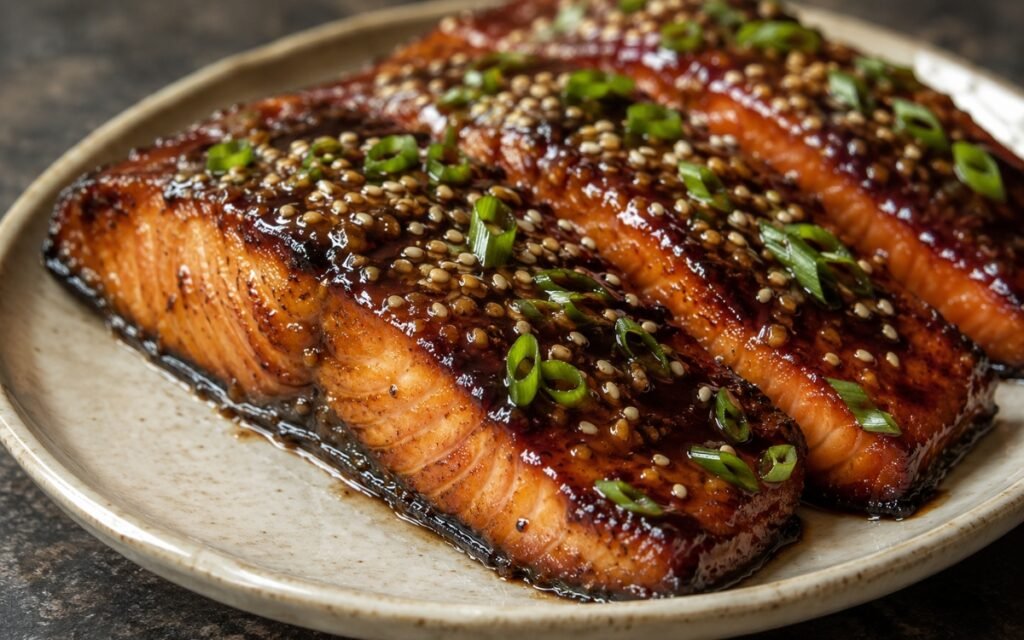
Teriyaki Glazed Salmon coats salmon fillets in a glossy, sweet-savory teriyaki glaze and broils them until caramelized and lacquered. This method builds layers of flavor through reduction, controlled sugar caramelization, and high heat, creating that signature sticky finish while keeping the fish tender and moist. The sauce itself is divided into two distinct portions from the start — one for glazing during marination and cooking, one reserved entirely for finishing — a separation that ensures the final drizzle carries the sauce’s full, undiminished flavor rather than one diluted by having touched raw fish. Thickening the sauce with a cornstarch slurry before it ever meets the salmon is what makes the signature lacquered coating physically possible: a thin sauce would simply run off the fish under broiling heat rather than clinging and caramelizing into that glossy finish. Broiling in layered passes — glazing, broiling, glazing again, broiling again — builds thickness gradually, letting each application caramelize before the next goes on rather than risking one thick coat burning under the broiler’s intense, direct heat. The result is salmon with a genuinely sticky, deeply caramelized exterior and a tender, moist interior.
Prep Time : 10 min
Cook Time : 12 min
Servings : 4
10 min
12 min
4
Ingredients
For the Teriyaki Sauce
• 80ml soy sauce — this one on Amazon
• 60g light brown sugar
• 45ml mirin — this one on Amazon
• 30ml sake or dry white wine — this one on Amazon
• 15g fresh ginger, grated
• 4 garlic cloves, minced
• 10g cornstarch mixed with 20ml water
For the Salmon
• 800g skin-on salmon fillets, cut into 4 portions
• 20ml vegetable oil
• 8g fine sea salt
• 15g sesame seeds for garnish
• 2 scallions, thinly sliced for garnish
This post may contain affiliate links. As an Amazon Associate I earn from qualifying purchases, at no additional cost to you.
Directions
- Make the Teriyaki Sauce
Combine soy sauce, brown sugar, mirin, sake, ginger, and garlic in a saucepan and bring to a gentle simmer over medium heat. Stir until the sugar fully dissolves and the mixture becomes uniform. This step builds the base of the sauce, where salt, sweetness, and aromatics combine into a balanced glaze rather than separate elements. - Thicken the Sauce
Add the cornstarch slurry and continue simmering for about 2 minutes until the sauce thickens enough to coat the back of a spoon. Remove from heat and divide into two portions. One will be used during cooking, the other reserved for finishing. A properly thickened glaze is critical — thin sauce will slide off the fish instead of forming that signature lacquered coating. - Season and Marinate the Salmon
Pat the salmon dry and season lightly with salt on both sides. Brush the top generously with the glazing portion of the sauce and refrigerate for 30 minutes. This short marination allows the surface to absorb flavor without breaking down the texture of the fish, keeping it clean and structured rather than overly soft. - Prepare for Broiling
Preheat the broiler to high and position the rack about 15 cm below the heat source. Line a baking sheet with foil and brush lightly with oil. Broiling uses intense top-down heat, which is ideal for quickly caramelizing sugars in the glaze while cooking the fish underneath. - Broil and Build the Glaze
Place the salmon skin-side down and broil for 4–5 minutes without moving it. Remove briefly, brush with more glaze, then return under the broiler for another 4–5 minutes. This layering process is what creates the glossy, sticky coating — each pass builds another thin layer that caramelizes under high heat, rather than burning all at once. - Finish and Serve
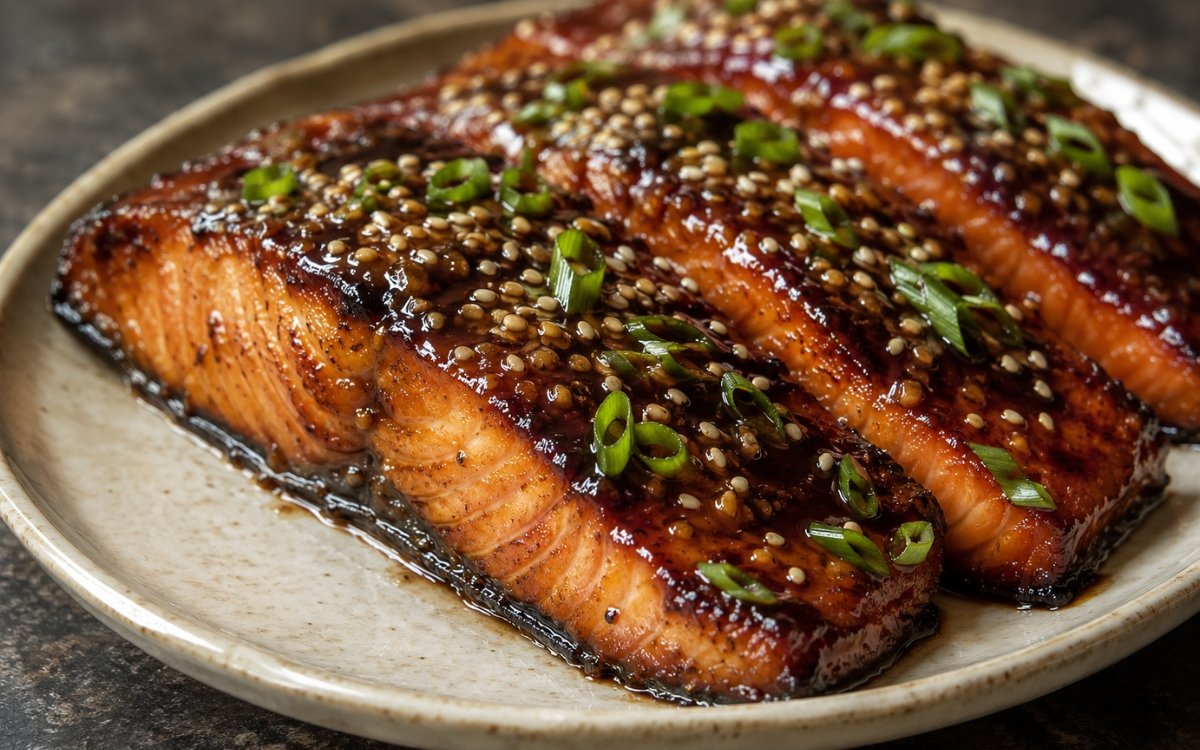
Remove the salmon once it flakes easily and the glaze is dark, shiny, and slightly sticky. Transfer to plates and drizzle with the reserved sauce that was not used during cooking. Garnish with sesame seeds and scallions and serve immediately while the glaze is still fluid and glossy.
*Notes :
- Dividing the sauce into a glazing portion and a strictly separate finishing portion is a food-safety and flavor decision at once. The glazing portion touches raw fish throughout marinating and cooking, while the reserved portion stays completely untouched until it’s drizzled over the finished dish — this ensures the final flavor hit is clean, full-strength teriyaki rather than a portion that’s already given some of its character up to the raw fish.
- Thickening the sauce with cornstarch before it ever meets the salmon is the technical foundation the entire glazing technique depends on. A thin, unthickened teriyaki sauce would simply run off the fillet’s surface under broiling heat, never building the layered, lacquered coating this dish is known for.
- The layered broiling approach — glaze, broil, glaze again, broil again — exists specifically to manage sugar caramelization under intense, direct heat. A single thick application of glaze would risk burning before the fish finishes cooking; building it up in stages lets each layer caramelize properly before the next is added.
- Salmon is particularly suited to this method because its natural fat content protects it from drying out under high heat, making it far more forgiving than lean proteins.
Why This Recipe Works
This recipe works because the sauce is thickened before it ever touches the fish, giving it the structure needed to cling and caramelize rather than run off. Dividing the sauce into glazing and finishing portions protects both food safety and flavor integrity.
The short 30-minute marinating window absorbs surface flavor without compromising the fish’s texture. And building the glaze in layered broiling passes manages caramelization carefully, avoiding the burnt sugar that a single heavy application under intense heat would risk.
Ingredient Breakdown
Skin-On Salmon Fillets
The foundation — a rich, sturdy fish well suited to broiling’s intense, direct heat.
Soy Sauce, Brown Sugar, Mirin, Sake, Ginger, Garlic
The teriyaki base — reduced and thickened into a proper glaze before ever touching the fish.
Cornstarch Slurry
The structural thickener — what allows the sauce to cling and caramelize rather than run off.
Layered Broiling with Repeated Glazing
The lacquering technique — building thickness gradually to avoid burning.
Sesame Seeds
Add texture and nutty contrast to the sticky glaze.
Scallions
Provide freshness and a mild sharp finish that cuts through richness.
Flavor Structure Explained
This Teriyaki Glazed Salmon follows a layered glaze balance model:
- Rich fish core (salmon)
- Sweet savory glaze (soy sauce and brown sugar)
- Aromatic depth (ginger and garlic)
- Glossy caramelized exterior (mirin, sake, broiled glaze)
- Fresh textural finish (sesame seeds and scallions)
Salmon defines the foundation with rich, oily flesh that can carry a bold glaze without being overwhelmed. The teriyaki sauce provides the main flavor identity, balancing salty soy sauce against brown sugar’s sweetness while mirin and sake add depth, gloss, and subtle complexity. Ginger and garlic bring aromatic warmth, preventing the glaze from feeling purely sweet. Layered broiling passes create the signature caramelized exterior, allowing the sauce to reduce into a sticky, lacquered coating over the fish. Sesame seeds add light texture and nuttiness, while scallions bring a fresh, sharp contrast that cuts through the glaze’s richness. The result is a salmon preparation built around shine, caramelization, and balance, where rich fish, sweet-savory glaze, and fresh finishing elements stay clearly defined.
Common Mistakes to Avoid
- Skipping the Cornstarch Thickening Step – Produces a sauce too thin to properly cling to the fish. Always thicken before using.
- Using the Same Sauce Portion for Both Glazing and Finishing – Compromises both food safety and the finishing drizzle’s full flavor. Always divide the sauce before it touches raw fish.
- Applying All the Glaze in One Thick Layer – Risks burning under the broiler’s intense heat before the sugars fully caramelize. Always build the glaze in stages.
- Marinating Longer Than 30 Minutes – Doesn’t meaningfully improve flavor and risks softening the fish’s texture. Always keep marinating time short.
- Moving the Salmon During the First Broiling Pass – Interrupts the caramelization process. Always leave it undisturbed until the first glazing check.
- Not separating finishing sauce – Reusing cooked marinade removes freshness and clarity of flavor.
Variations
With Grilled Salmon
For a related salmon preparation using a crisp, undisturbed skin-side-down grilling technique instead, see the Grilled Salmon Fillets.
Spicy Teriyaki
Add chili paste or flakes to introduce heat that balances the sweetness of the glaze.
Pan-Seared + Glazed Finish
Sear the salmon first, then finish with glaze in the pan for more control over texture.
Low-Sugar Version
Reduce sugar and rely more on mirin for sweetness, resulting in a lighter, less sticky glaze.
Ginger-Forward Profile
Increase fresh ginger for a sharper, more aromatic version that cuts through the richness.
Storage & Make-Ahead
Teriyaki sauce can be made up to 4 days in advance and refrigerated, then gently rewarmed and re-divided before using.
Cooked salmon can be refrigerated for up to 2 days. Reheat it gently to preserve the texture of the glaze as much as possible.
Frequently Asked Questions
Why does the sauce need to be thickened with cornstarch before it touches the salmon?
A thin, unthickened sauce doesn’t have the structure to cling to the fillet’s surface under broiling heat — it would simply run off rather than building the glossy, lacquered coating this dish depends on. The cornstarch slurry gives the sauce enough body to stay in place and caramelize properly.
Why divide the sauce into two portions instead of using one batch for everything?
The portion used for marinating and cooking touches raw fish throughout the process, so it shouldn’t be served as-is at the end. Keeping a separate, untouched portion for the final drizzle ensures both food safety and a finishing flavor that’s fully intact rather than diminished by contact with raw salmon.
Why broil in layered passes instead of applying all the glaze at once?
A single thick layer of sugar-rich glaze under the broiler’s intense, direct heat risks burning before the salmon finishes cooking through. Building the glaze in stages — broiling, reglazing, broiling again — allows each thin layer to caramelize properly before the next is added, producing an even, glossy result rather than a scorched one.
What should I serve alongside this salmon?
Coconut Rice or Cilantro Lime Jasmine Rice both pair naturally with the sweet-savory teriyaki flavor. For other fish preparations, try the Grilled Salmon Fillets or Pan-Seared Cod.
Nutrition Facts
( per serving )
Calories
~410 kcal
Protein
36 g
Fat
19 g
Carbs
22 g
Calories
~445 kcal
Protein
36 g
Fat
19 g
Carbs
22 g
Related Recipes
Related Recipes

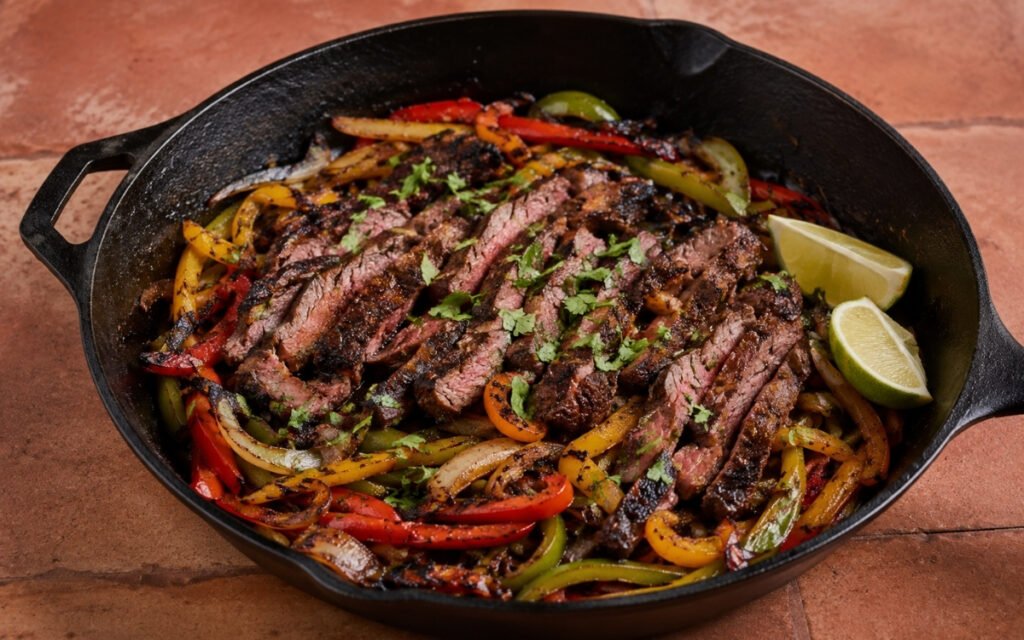
Skirt Steak Fajita
Dry-brined skirt steak seared to medium-rare in cast iron, combined with charred peppers and onions cooked in the full spiced marinade — the steak fajita done properly.
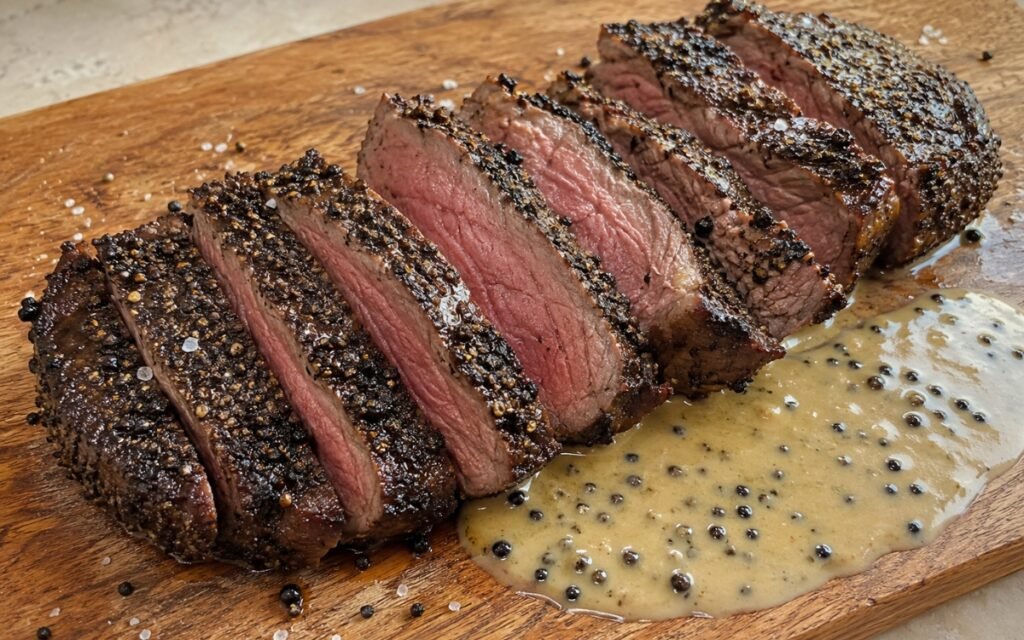
Peppercorn Crusted Steak
Steak tempered and dried, coated in coarsely crushed peppercorns — seared undisturbed, butter-basted, optional brandy cream sauce, rested. Sharp, tender, rich.
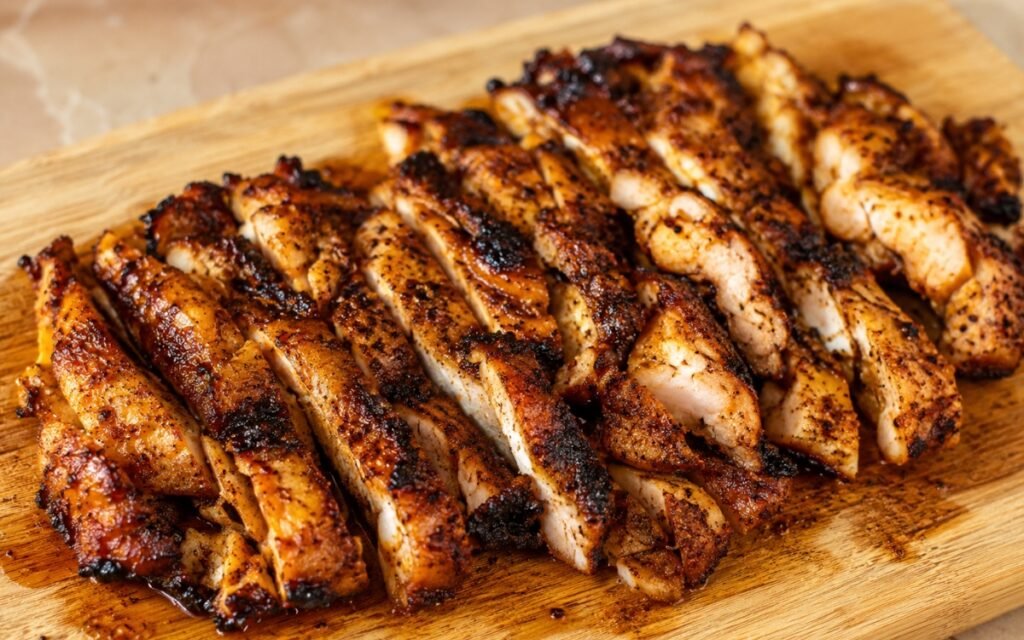
Homemade Chicken Shawarma
Chicken thighs marinated in thick yogurt and warm spices, grilled undisturbed for deep char — rested and sliced against the grain. Aromatic and tangy.
You might also like
You might also like
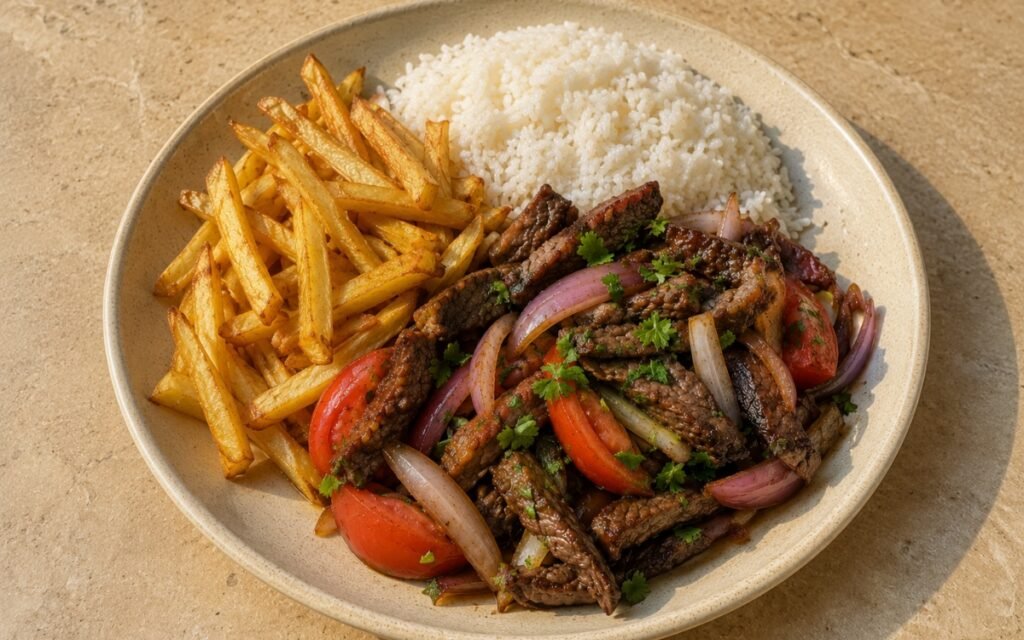
Peruvian Lomo Saltado
Deeply seared beef strips tossed fast with feathered shallots, tomato wedges, and a glossy soy-vinegar sauce, served with double-fried fries and rice.
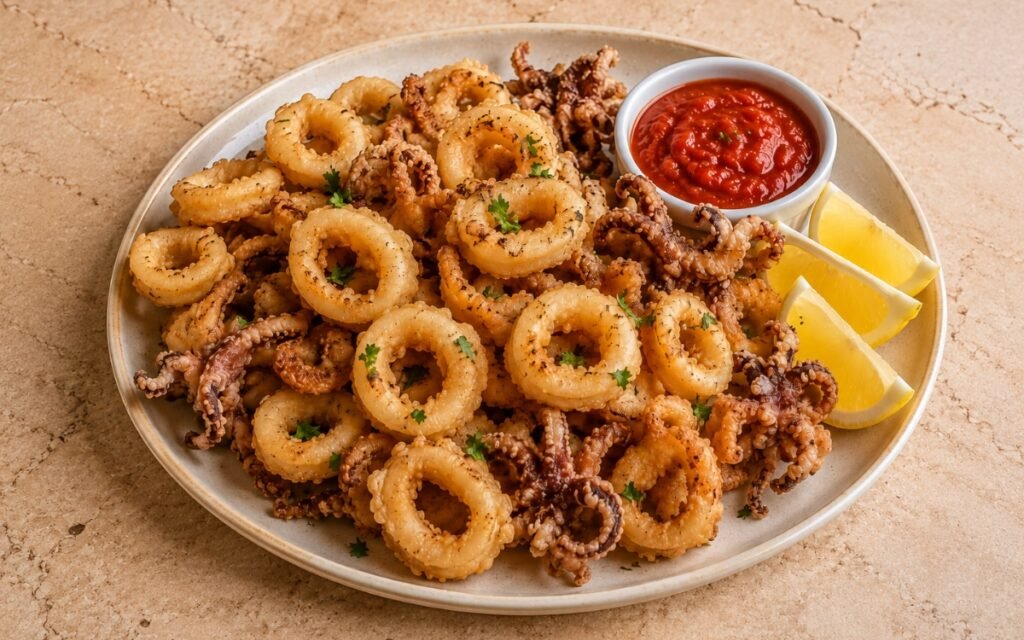
Deep Fried Calamari
Tender squid rings and tentacles lightly coated in flour and cornstarch, fried briefly until pale golden and crisp, served with marinara.
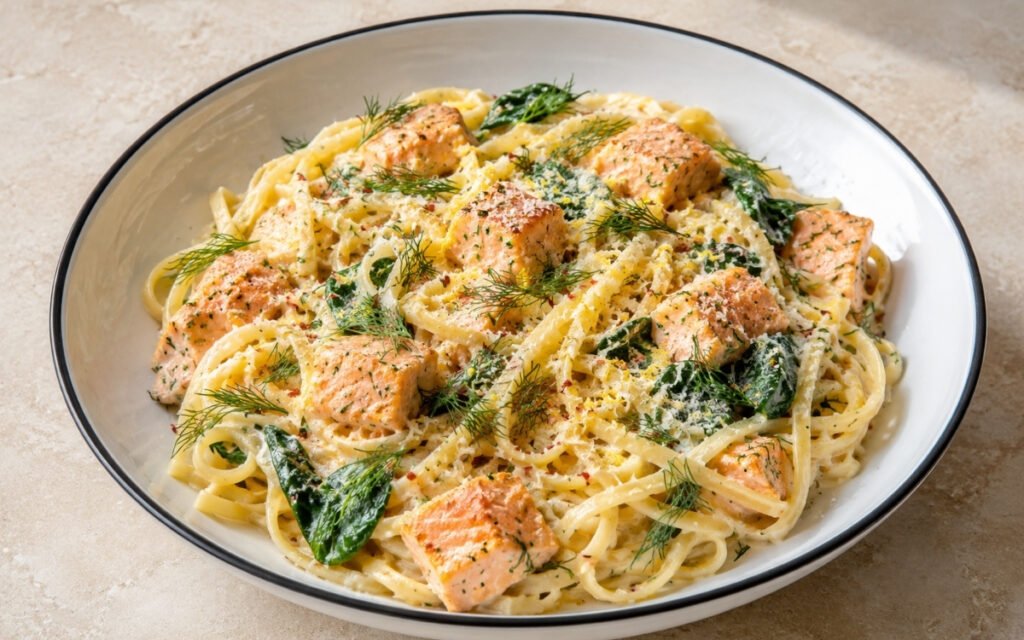
Creamy Salmon Pasta with Lemon & Dill
Butter-seared salmon at 52°C folded into a crème fraîche cream sauce with dill stems infused and fresh dill added last — bright, elegant, 35 minutes.
Teriyaki Glazed Salmon Fillets
Ingredients
Method
- Combine soy sauce, brown sugar, mirin, sake, ginger, and garlic in a saucepan and bring to a gentle simmer over medium heat. Stir until the sugar fully dissolves and the mixture becomes uniform. This step builds the base of the sauce, where salt, sweetness, and aromatics combine into a balanced glaze rather than separate elements.
- Add the cornstarch slurry and continue simmering for about 2 minutes until the sauce thickens enough to coat the back of a spoon. Remove from heat and divide into two portions. One will be used during cooking, the other reserved for finishing. A properly thickened glaze is critical — thin sauce will slide off the fish instead of forming that signature lacquered coating.
- Pat the salmon dry and season lightly with salt on both sides. Brush the top generously with the glazing portion of the sauce and refrigerate for 30 minutes. This short marination allows the surface to absorb flavor without breaking down the texture of the fish, keeping it clean and structured rather than overly soft.
- Preheat the broiler to high and position the rack about 15 cm below the heat source. Line a baking sheet with foil and brush lightly with oil. Broiling uses intense top-down heat, which is ideal for quickly caramelizing sugars in the glaze while cooking the fish underneath.
- Place the salmon skin-side down and broil for 4–5 minutes without moving it. Remove briefly, brush with more glaze, then return under the broiler for another 4–5 minutes. This layering process is what creates the glossy, sticky coating — each pass builds another thin layer that caramelizes under high heat, rather than burning all at once.
- Remove the salmon once it flakes easily and the glaze is dark, shiny, and slightly sticky. Transfer to plates and drizzle with the reserved sauce that was not used during cooking. Garnish with sesame seeds and scallions and serve immediately while the glaze is still fluid and glossy.