
White Sangria Mocktail
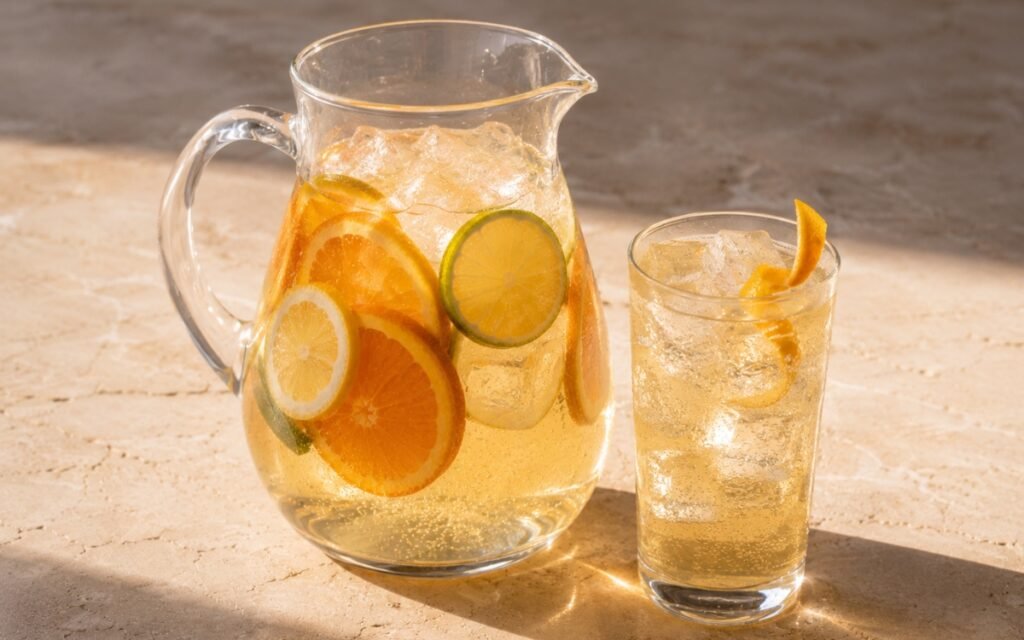
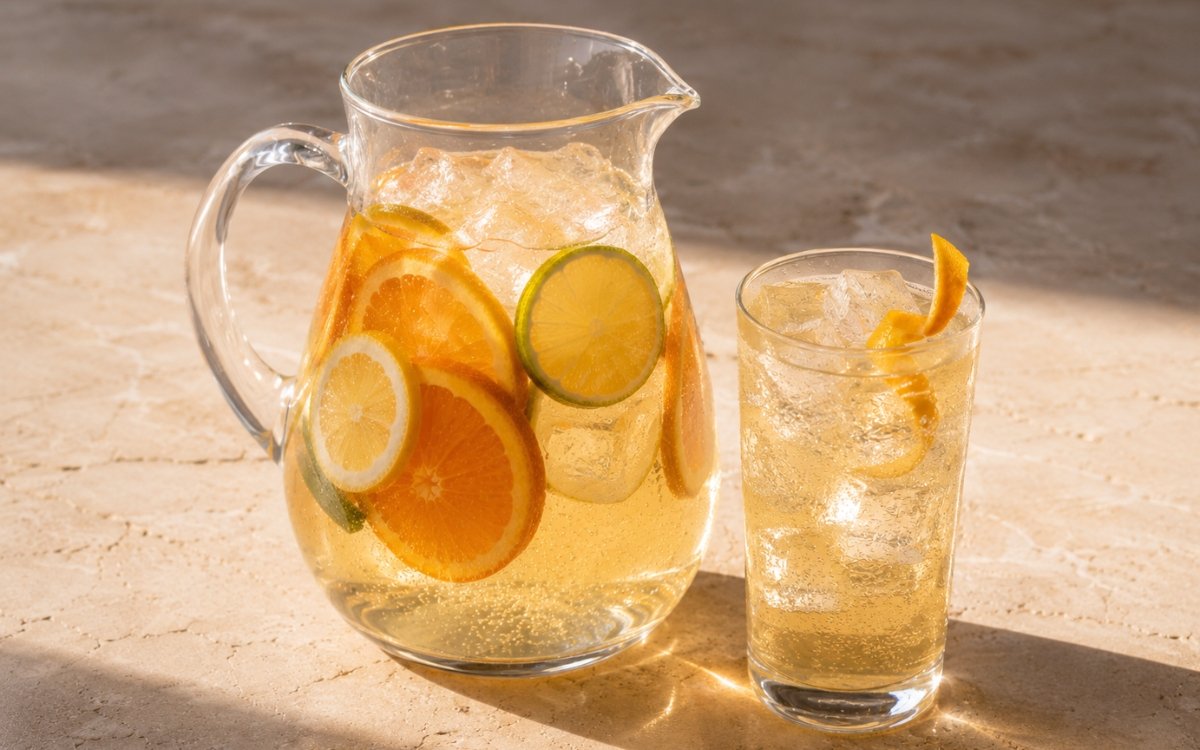
A bright, citrus-forward white sangria mocktail built with gently macerated citrus, honey, fresh orange juice, and white verjus for real wine-like structure. Light, aromatic, and refreshingly dry — festive without the sugar overload.
Prep Time : 10 min
Cook Time : 0 min
Servings : 8
10 min
0 min
8
Ingredients
Sangria Base
• 2 oranges, thinly sliced
• 1 lemon, thinly sliced
• 1 lime, thinly sliced
• 3 Tbsp mild honey — this one on Amazon
Liquid Components
• 500 ml fresh orange juice
• 350 ml white verjus (for wine-like acidity and structure) — this one on Amazon
Fizz Finish
• 700–800 ml chilled club soda — this one on Amazon
To Serve
• Ice
• Orange peel twists
This post may contain affiliate links. As an Amazon Associate I earn from qualifying purchases, at no additional cost to you.
Directions
- Slice the Citrus
Slice the oranges, lemon, and lime into thin, even rounds about 3–4 mm thick. Remove any visible seeds to prevent bitterness during infusion. Place the citrus into a large glass pitcher with enough space for stirring and chilling. - Mix the Maceration Base
Add the honey and a small pinch of fine sea salt directly over the citrus slices. Using a wooden spoon or muddler, press gently just until some juice is released and the honey begins dissolving. The goal is light extraction, not crushing — intact citrus structure keeps the drink clean and aromatic. - Add the Liquid Components
Pour in the fresh orange juice followed by the white verjus. Stir slowly for about 10–15 seconds until everything is evenly combined. Avoid aggressive stirring, which can over-release citrus oils and create unwanted bitterness. - Chill and Infuse
Cover the pitcher and refrigerate for at least 1 hour, ideally 2–3 hours. During this time the citrus oils, acidity, mild tannins, and honey integrate into a balanced base. The liquid will become slightly deeper in aroma and more structured in taste. - Finish with Carbonation
Just before serving, pour in the chilled club soda. Stir very gently once or twice to combine without flattening the bubbles. Proper carbonation should feel lively and lift the citrus aromatics. - Serve
Fill serving glasses with fresh ice, pour the sangria over the ice, and garnish with orange peel twists or a fresh citrus slice. Serve immediately while the drink is vibrant and effervescent.
*Notes :
- Use fresh citrus whenever possible. Older fruit loses aromatic oils and produces a flatter infusion that lacks brightness and structure.
- Honey should act as a rounding agent rather than a dominant sweetener. If the drink tastes noticeably sweet, increase verjus or add extra club soda to rebalance.
- White verjus provides essential wine-like acidity and subtle tannin grip. Substituting it with plain juice or vinegar changes the drink into a simple citrus cooler rather than structured sangria.
- Avoid over-muddling the citrus. Crushing the pith releases harsh bitter compounds that cannot be corrected later.
- Always add carbonation at the last moment. Pre-mixing club soda causes rapid loss of texture and aromatic lift.
- For the cleanest flavor, strain out citrus slices after several hours if making ahead overnight, as extended contact can slowly introduce bitterness.
Why This Mocktail Works
This mocktail succeeds because it builds structure the same way traditional sangria does — through layered acidity, subtle tannin, and controlled sweetness rather than relying on heavy sugar. White verjus creates a dry, wine-like backbone that prevents the drink from tasting like fruit punch.
Gentle citrus maceration releases essential oils and natural juice without extracting bitterness. This technique produces aromatic complexity and brightness while maintaining clarity and elegance in the final drink.
Finally, late carbonation adds lift and freshness that sharpen perception of acidity and aroma. The result is a mocktail that feels festive and adult, with clean balance and refreshing drinkability even in warm weather.
Ingredient Breakdown
Citrus Slices
Fresh oranges, lemon, and lime create the structural backbone of the drink. Their juice provides brightness while the zest releases aromatic oils during maceration, delivering complexity and a layered citrus profile rather than simple sharp acidity.
Honey
Honey softens aggressive acidity and connects citrus oils with verjus tannins. It should provide roundness and subtle body, not sweetness. Overusing honey makes the drink heavy and masks the dry, wine-like character that defines structured sangria.
White Verjus
White verjus delivers gentle tannic grip and controlled acidity similar to young white wine. It creates depth and dryness without alcohol, preventing the drink from tasting like juice. This ingredient is crucial for authentic sangria-style balance.
Fresh Orange Juice
Orange juice adds natural sweetness, fruit body, and volume. It balances verjus sharpness and gives the drink a recognizable sangria flavor profile. Freshly squeezed juice provides cleaner aromatics and better integration than packaged juice.
Club Soda
Carbonation lifts aroma and enhances perceived dryness. It creates texture and refreshment while preventing flavor fatigue. Flat soda removes tension from the drink and makes the structure feel dull and syrupy.
Fine Sea Salt
A small pinch of salt enhances citrus sweetness and suppresses bitterness. It connects all liquid components into one unified flavor rather than separate sour, sweet, and tannic elements.
Flavor Structure Explained
This mocktail follows a layered balance model:
- Citrus fruit body (orange juice + macerated citrus)
- Controlled sweetness (honey)
- Wine-like acidity and tannin (white verjus)
- Aromatic brightness (citrus oils from zest)
- Mineral lift and texture (salt + carbonation)
White verjus provides the backbone, while citrus oils define the nose before the first sip. Carbonation sharpens perception of dryness, keeping the drink refreshing rather than heavy.
Common Mistakes to Avoid
- Over-muddling citrus — releases bitter pith compounds that dominate the drink.
- Adding too much honey — turns sangria into sweet citrus punch.
- Skipping the chill time — flavors stay disconnected and thin.
- Using warm or flat soda — removes texture and freshness.
- Substituting verjus with plain juice — destroys wine-like structure.
- Mixing carbonation too early — bubbles fade before serving.
Variations
Berry White Sangria
Add a handful of fresh raspberries or sliced strawberries during the maceration stage for subtle red fruit aroma and visual contrast. Keep quantities moderate to maintain dryness and clarity.
Herbal Citrus Version
Add a few sprigs of fresh thyme or basil while chilling. Herbs introduce aromatic complexity and make the drink feel more sophisticated without altering core balance.
Extra-Dry Aperitif Style
Increase verjus slightly and reduce orange juice by about 10–15%. This creates a sharper, more wine-like profile ideal for pre-dinner serving.
Tropical Twist
Replace part of the orange juice with fresh white grape or pineapple juice. This produces a softer fruit character while maintaining brightness and structure.
Storage & Make-Ahead
The citrus-verjus base can be prepared up to 24 hours in advance and stored refrigerated in a sealed glass container. This actually improves aromatic integration and overall balance.
For best results, strain out citrus slices if storing overnight to prevent slow bitterness extraction from the pith. The infused liquid will remain clean and bright.
Always add club soda only at the moment of serving. Pre-mixed sangria loses carbonation rapidly and feels flat and less refreshing.
Frequently Asked Questions
Can I make this mokctail sweeter?
Yes, but increase sweetness carefully. Add small amounts of honey or slightly reduce verjus rather than dramatically increasing sugar.
What can I use instead of white verjus?
A mix of white grape juice and a small splash of white wine vinegar can work in emergencies, but the flavor will be less refined and structured.
Can I prepare a large batch for a party?
Yes. Prepare the citrus base ahead, keep it chilled, and add soda directly into glasses or just before serving to preserve carbonation.
How long does it stay fresh after mixing?
Once carbonation is added, the drink is best within 1–2 hours. After that it will still taste good but lose texture and aromatic lift.
Nutrition Facts
( per ~200 ml serving )
Calories
~50 kcal
Protein
0 g
Fat
0 g
Carbs
~13 g
Calories
~50 kcal
Protein
0 g
Fat
0 g
Carbs
~13 g
Related Recipes
Related Recipes

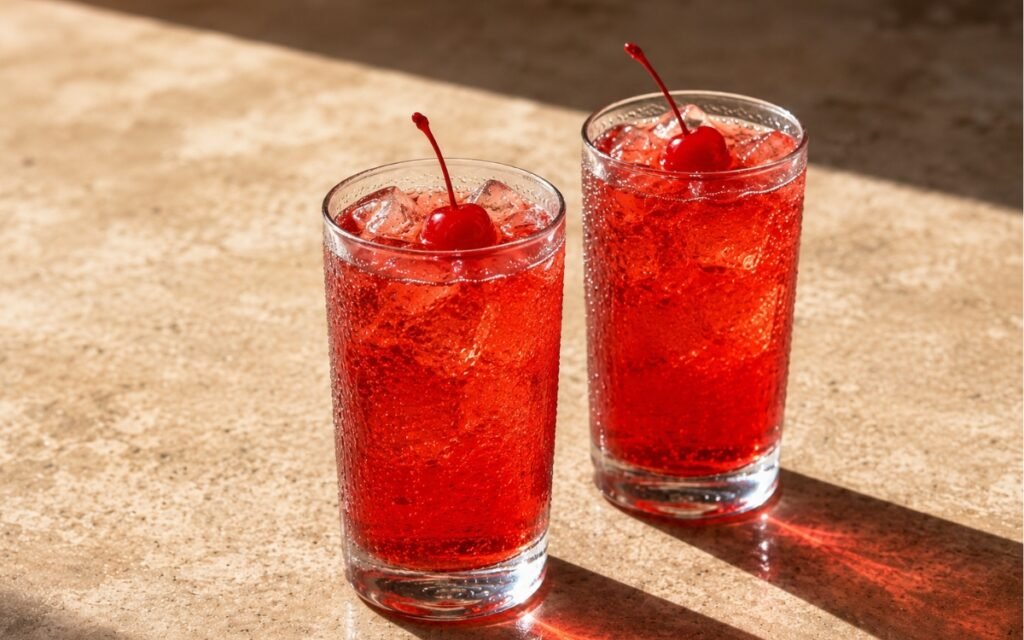
Shirley Temple Tonic
Pomegranate grenadine with ginger ale and citrus zest delivers a bright, tart, grown-up take on a nostalgic classic.
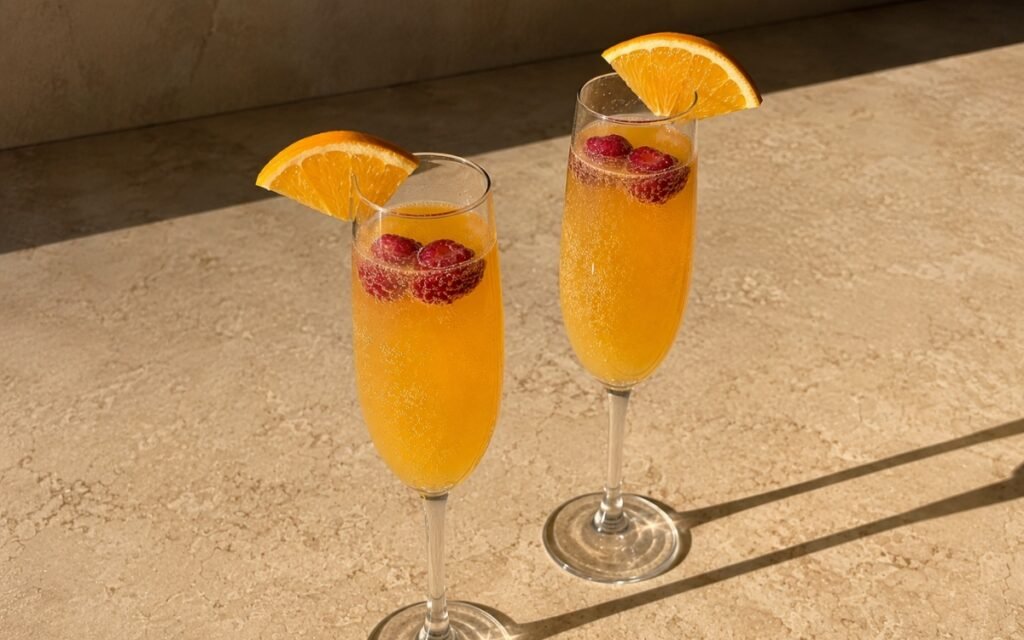
Classic Mimosa Mocktail
Bright orange juice with lively bubbles creates a crisp, lightly sweet brunch spritz with clean, balanced energy.
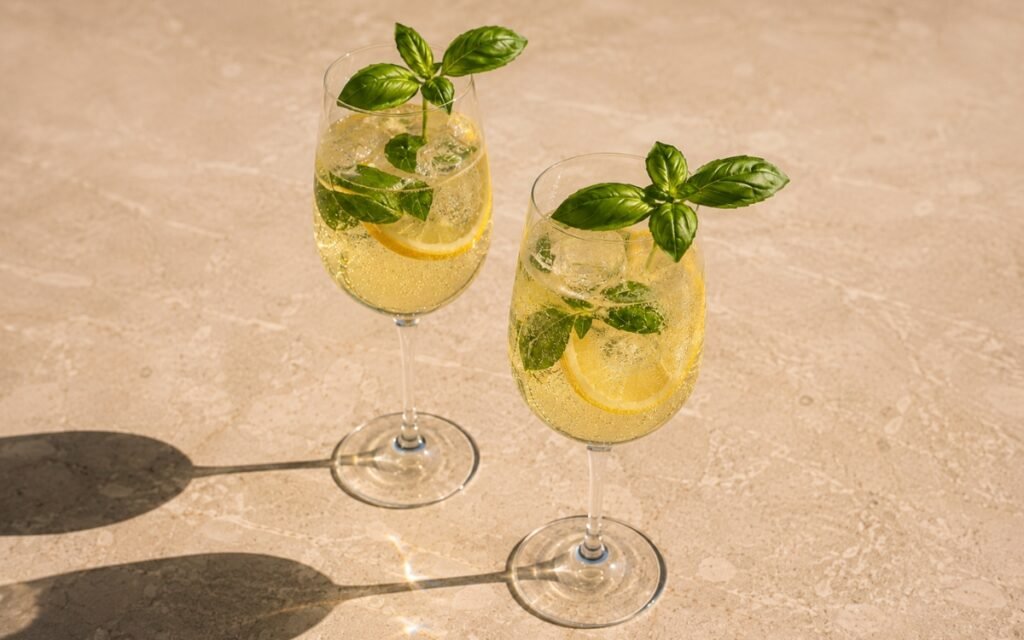
Lemon Basil Spritz Mocktail
Zesty lemon and fresh basil with lively bubbles create a sharp, herbaceous spritz that drinks clean and grown-up.
You might also like
You might also like
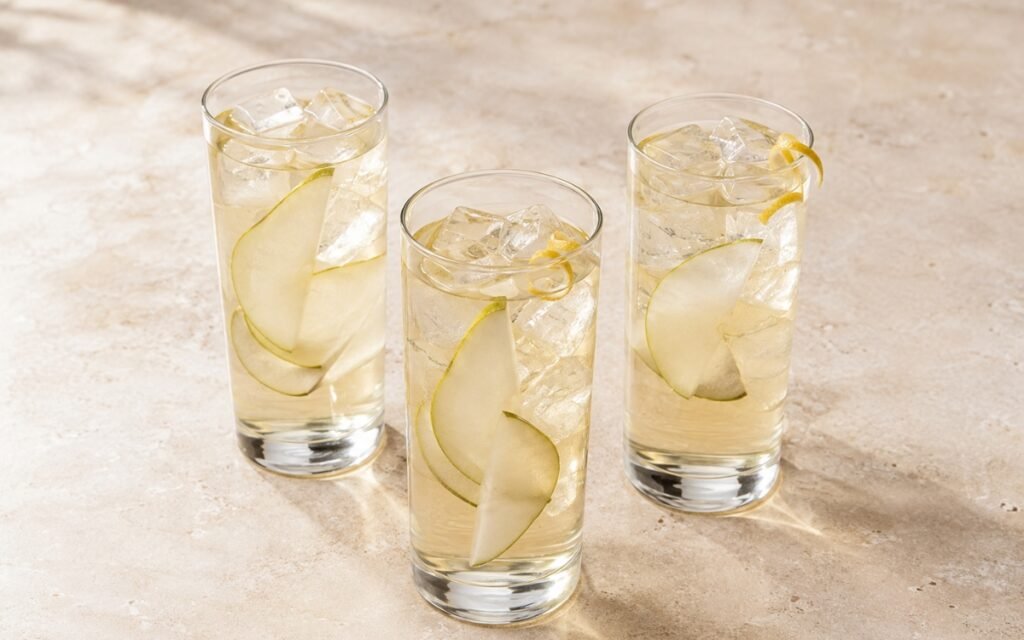
Pear White Iced Tea
White tea at 75–80°C for 3–4 minutes, Asian pear sliced thin and partly strained, cold-infused 30–45 minutes — minimal honey, chilled. Light, watery-fresh, calming.
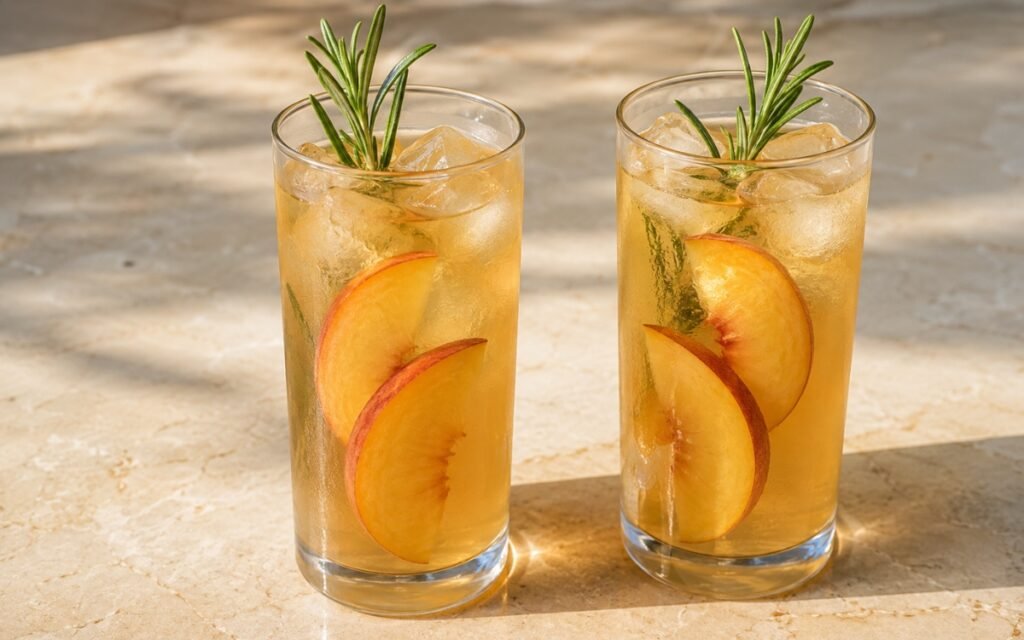
Rosemary Peach White Iced Tea
White tea at 75–80°C for 3–4 minutes, peach rosemary syrup made separately and strained — stirred in with restraint, chilled. Delicate, floral, and quietly fruity.
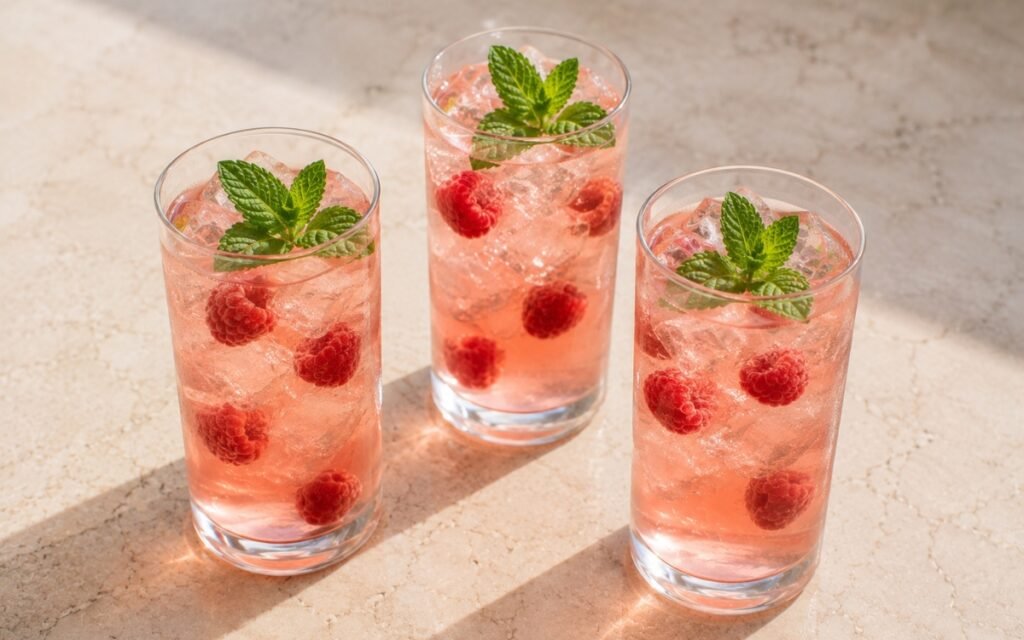
Light Raspberry Mint Iced Tea
White tea at 75–80°C, raspberries blended with lemon and water — honey while warm, mint cold-infused 10–15 minutes, chilled. Pale blush-pink and clean.
White Sangria Mocktail
Ingredients
Method
- Slice the oranges, lemon, and lime into thin, even rounds about 3–4 mm thick. Remove any visible seeds to prevent bitterness during infusion. Place the citrus into a large glass pitcher with enough space for stirring and chilling.
- Add the honey and a small pinch of fine sea salt directly over the citrus slices. Using a wooden spoon or muddler, press gently just until some juice is released and the honey begins dissolving. The goal is light extraction, not crushing — intact citrus structure keeps the drink clean and aromatic.
- Pour in the fresh orange juice followed by the white verjus. Stir slowly for about 10–15 seconds until everything is evenly combined. Avoid aggressive stirring, which can over-release citrus oils and create unwanted bitterness.
- Cover the pitcher and refrigerate for at least 1 hour, ideally 2–3 hours. During this time the citrus oils, acidity, mild tannins, and honey integrate into a balanced base. The liquid will become slightly deeper in aroma and more structured in taste.
- Just before serving, pour in the chilled club soda. Stir very gently once or twice to combine without flattening the bubbles. Proper carbonation should feel lively and lift the citrus aromatics.
- Fill serving glasses with fresh ice, pour the sangria over the ice, and garnish with orange peel twists or a fresh citrus slice. Serve immediately while the drink is vibrant and effervescent.