
Green Tea Citrus Pitcher — For a Crowd
Green tea citrus pitcher is the most technically precise of the crowd tea preparations — and the one where the temperature and timing management is most consequential. Green tea’s catechin and polyphenol extraction at elevated temperatures is significantly faster and more aggressive than black tea’s comparable tannin extraction: at 90°C green tea produces harsh, bitter astringency within 3 minutes; at 75–80°C for 2–2½ minutes it produces the specifically clean, grassy, fresh, gently vegetal character that makes green tea specifically pleasant and specifically different from the warmer, more tannic black tea preparations. The dual citrus approach — lemon zest and orange zest together, followed by lemon juice and orange juice in the final build — is more specifically complex than the single-citrus lemon tea preparations, and specifically appropriate for green tea’s particular aromatic register. Green tea’s characteristic fresh, slightly vegetal, clean aromatic character is specifically most complemented by the dual citrus combination: orange’s warm, round sweetness tempers the green tea’s grassier notes while lemon’s brightness amplifies the tea’s own clean freshness. The 500ml of orange juice in the final build is the preparation’s most distinctive structural element — providing substantial sweetness and body that the lighter green tea extraction specifically needs at crowd scale to avoid the watery, thin result that green tea-in-water produces without sufficient fruit character.

Prep Time : 15 min
Steep Time : 10 min
Servings : 16
15 min
10 min
16
Ingredients
For the Citrus Green Tea Extract
• 1 litre water
• 8–9 green tea bags — Sencha or light Japanese green tea — this one on Amazon
• 90–120g light brown sugar — start with 90g — this one on Amazon
• Zest of 1 lemon — yellow part only, no white pith
• Zest of ½ orange — orange layer only, no white pith
For the Final Build
• 180ml freshly squeezed lemon juice — approximately 3–4 lemons
• 500ml fresh orange juice — approximately 4–5 medium oranges
• 1.3–1.7 litres ice-cold water — start with 1.3 litres; adjust after tasting
• 2 pinches fine sea salt
For Serving
• Ice cubes
• Lemon slices
• Orange slices
This post may contain affiliate links. As an Amazon Associate I earn from qualifying purchases, at no additional cost to you.
Directions
- Brew the Green Tea
Heat 1 litre of water to 75–80°C. The temperature precision is more critical here than in any other crowd tea preparation. The difference between 75°C and 85°C in green tea catechin extraction is dramatically more consequential than the difference between 90°C and 100°C in black tea — green tea’s primary bitter compounds extract at a specifically steep curve in the 80–90°C range, producing unpleasant results at temperatures comfortably tolerated by black tea preparations. Without a thermometer: water that has been brought to a full boil and allowed to stand open for 9–12 minutes has typically cooled to approximately 75–80°C. Add 8 or 9 green tea bags — start with 8, and use 9 only if the specific green tea being used is a milder, lighter variety. Different green tea brands and varieties vary significantly in their catechin concentration; a particularly grassy or strong green tea should use 7 bags to avoid over-extraction even at the correct temperature. Steep for exactly 2–2½ minutes. Set a timer. Remove all bags simultaneously without squeezing. The removal timing is the most consequential single action in this preparation. - Dissolve Sugar and Cool
Stir 90g of light brown sugar into the warm green tea immediately after bag removal. The green tea’s residual temperature is sufficient for complete dissolution without requiring additional heating. Allow to stand for 5 minutes. The lower sugar quantity (90–120g) compared to the Lemon Iced Tea Pitcher (140–180g) reflects the orange juice’s significant additional sweetness contribution in the final build. Green tea’s lighter, more delicate character also requires less sugar for the same perceived balance point than black tea’s more assertive tannin structure. - Infuse the Dual Citrus Zest
Add the lemon and orange zest simultaneously to the warm green tea. Cover and steep for 5–8 minutes. The dual zest approach provides two specifically different aromatic contributions simultaneously: lemon peel’s brighter, more specifically tart, more classically citrus aromatic profile complements green tea’s clean freshness; orange peel’s warmer, rounder, more specifically sweet aromatic depth bridges the gap between green tea’s lightness and the orange juice’s warm presence in the final build. The two together produce a more specifically unified citrus-green tea aromatic character than either single zest. Taste the extract at 5 minutes: if both citrus aromatics are clearly present and the extract smells specifically of lemon-and-green-tea with warm orange oil in the background, strain immediately. Extending to 8 minutes produces slightly more aromatic concentration; the bitter threshold is specifically more permissive for zest infusion in cooled tea than for zest in actively hot syrup. Strain the zest completely. Allow to cool to room temperature. - Build the Pitcher
Pour the cooled citrus green tea extract into the large pitcher. Add the 180ml of fresh lemon juice, 500ml of fresh orange juice, 1.3 litres of ice-cold water, and 2 pinches of fine sea salt. Stir gently until fully combined. The total combined liquid at starting quantities is approximately 2.98 litres — approximately 186ml per serving before ice dilution. The 500ml of orange juice provides the most substantial single flavour contribution in the final build: at this volume relative to the 3-litre total, the orange juice specifically provides sweetness, warm citrus body, and the fruity depth that green tea’s more delicate extraction at crowd scale specifically needs to avoid the thin, flat result that green tea in plain water with lemon juice produces. The preparation specifically requires the orange juice’s body for the crowd-scale balance. The salt’s function is specifically described in the brief: it sharpens citrus and smooths bitterness without tasting salty. This dual function is particularly important in green tea preparations where residual catechin bitterness at crowd dilution can make the drink feel specifically harsh — sub-threshold sodium specifically softens this harshness while making the citrus vivid simultaneously. Taste: the preparation should be specifically citrusy first — bright, clean, vivid citrus — with green tea’s characteristic grassy-fresh, clean, lightly vegetal depth as the specifically identifiable secondary register. If the green tea is too specifically grassy or bitter despite the correct steep time — the salt quantity can be increased slightly or the cold water addition can extend to 1.7L. If the citrus overwhelms the tea’s delicate character entirely — the preparation has too much juice relative to tea; this specific calibration is correct and should not be adjusted by removing juice. - Chill and Serve
Cover and refrigerate for 1–2 hours. Stir once before the first pour. Garnish with lemon and orange rounds. Serve cold.
*Notes :
- Green tea variety at the crowd scale is more consequential than at small scale. Sencha — the standard Japanese green tea with steam-fixed processing — produces the most specifically clean, most appropriately grassy, most citrus-complementary character. Chinese green teas (pan-fired) have a more toasty character that is less specifically complementary to the dual citrus combination. Gyokuro (shade-grown, umami-rich) is too specifically assertive for this preparation. Generic green tea teabags of unspecified variety are generally Sencha-adjacent and produce acceptable results.
- The “use 2 bags fewer if especially grassy or strong” note addresses a real variability: green tea quality and concentration varies more across brands than black tea does. If the specific tea used in a first batch produces a specifically grassy, chlorophyll-forward result despite correct timing and temperature, reducing to 7 bags on subsequent batches produces the correct character.
Why This Recipe Works
This recipe works because the green tea is brewed at the strictest temperature in the collection — 75–80°C for exactly 2–2½ minutes — capturing the clean, pleasant character ahead of the bitter catechin fraction. The dual citrus zest infusion bridges the green tea’s delicate register with the orange juice’s warmer sweetness.
The 500ml of orange juice provides the body that green tea at crowd scale specifically requires. And the salt’s dual function of citrus-sharpening and bitterness-smoothing is specifically more important here than in any other crowd preparation.
Ingredient Breakdown
75–80°C, 2–2½ Minutes (Strictest in Collection)
The bitter-catechin prevention — green tea’s extraction curve is the most temperature-sensitive and time-sensitive of any tea used in this collection.
Dual Zest (Lemon + Orange) Off Heat
The bridging aromatic contribution — lemon peel’s brightness alongside orange peel’s warmth specifically connecting green tea’s delicate character and orange juice’s warm sweetness.
500ml Orange Juice (Largest Juice Component in Tea Pitchers)
The body provision — orange’s warm sweetness and fruity depth specifically required to give green tea’s delicate extraction character at crowd scale.
Salt (Bitterness-Smoothing and Citrus-Sharpening)
The dual-function amplifier — uniquely important in green tea preparations where residual catechin harshness specifically benefits from sodium moderation.
Flavor Structure Explained
This Green tea citrus pitcher follows a layered balance model:
- Bright citrus core (lemon and orange)
- Fresh herbal-tea backbone (green tea)
- Warm citrus sweetness (orange)
- Clean grassy complexity (green tea)
- Refreshing delicate finish (citrus-tea balance)
Lemon and orange define the foundation together, creating a citrus-forward profile that is brighter and more immediately expressive than the tea itself. Lemon provides freshness and acidity, while orange contributes sweetness, body, and a softer citrus warmth that rounds the blend. Green tea acts as the structural element beneath the fruit, adding delicate grassy notes and a clean herbal depth that make the citrus flavors feel more layered and sophisticated. Unlike black tea preparations, the tea remains subtle and supportive rather than dominant. The result is a pitcher drink built around brightness, elegance, and refreshment, with the green tea quietly enhancing the citrus rather than competing with it.
Common Mistakes to Avoid
- Brewing Above 80°C – Green tea’s harsh catechin extraction begins rapidly above this threshold. Always 75–80°C strictly.
- Steeping Beyond 2½ Minutes – The tightest timing window in the collection. Always remove at exactly 2–2½ minutes.
- Skipping the Orange Juice – Green tea at crowd scale in plain water with lemon juice is thin and specifically uncharacterful. The 500ml of orange juice specifically provides the body.
- Not Using Salt – Green tea’s residual catechin bitterness at crowd dilution specifically benefits from sub-threshold sodium smoothing. Always 2 pinches.
- Squeezing the Green Tea Bags – The concentrated bitter liquid in green tea bags produces the harshest, most astringent fraction. Always remove without squeezing.
Variations
With Cucumber
Add 150ml of cold-pressed cucumber juice to the final build alongside the citrus juices — the Cucumber Green Tea direction at crowd scale.
With Ginger
Add 12g of thinly sliced fresh ginger to the tea during the off-heat citrus zest steep — removed during straining. The ginger’s warmth alongside green tea and citrus produces a more specifically energising, more assertive direction.
With Fresh Mint
Add 20 lightly clapped fresh mint leaves to the completed pitcher before chilling — steep cold for 20 minutes then remove.
Sparkling Version
Build without still water; refrigerate; add sparkling water right before serving.
Storage & Make-Ahead
Citrus green tea extract can be refrigerated for up to 24 hours. For the brightest aroma and freshest flavor, it is best enjoyed within the first 12 hours after preparation.
Once assembled, the pitcher is best enjoyed within 24 hours. Stir well before each pour to redistribute any settled ingredients and ensure a consistent flavor throughout.
Frequently Asked Questions
Why is the temperature specifically more important for green tea than for black tea?
Green tea’s catechin compounds — the primary source of tea bitterness and astringency — have a significantly steeper extraction curve between 80°C and 95°C than black tea’s comparable tannins. At 90°C, green tea produces unpleasant bitterness within 2 minutes; at 75–80°C for 2–2½ minutes, the pleasant aromatic and flavour compounds extract cleanly ahead of the bitter fraction. Black tea can tolerate a 10°C higher temperature for twice as long without the same degree of bitterness development.
Why 500ml of orange juice when other tea pitchers use no fruit juice at all?
Green tea’s delicate extraction at crowd scale — 8–9 bags in 1 litre, diluted to approximately 3 litres total — produces a specifically lighter, less structurally present character than black tea at the same ratio. Without the orange juice’s warm sweetness and fruity body, the green tea at crowd dilution is thin and specifically uncharacterful. The 500ml of orange juice provides the body and warmth that black tea’s own more robust tannin structure provides in the other pitchers.
Why does salt matter specifically more in green tea preparations?
Green tea’s catechin compounds, even when extracted within the correct time and temperature window, leave a small residual astringency-adjacent character at the palate — a barely perceptible dryness that is specifically softened by sub-threshold sodium. The same sodium at sub-threshold concentration that amplifies citrus aromatic vividness also specifically reduces the perception of catechin astringency, making the green tea taste specifically cleaner and more approachable.
What other green tea and citrus preparations share this direction?
The Lemon Iced Tea Pitcher Drink shares the tea-and-citrus crowd pitcher approach with black tea’s warmer, more tannic structure — the direct comparison in the black tea direction. The Green Tea Cucumber Pitcher shares green tea as the tea base with cucumber’s cool mineral freshness. The Green Tea Lemonade shares the Sencha green tea and citrus combination in the single-batch 8-serving format.
Nutrition Facts
( per serving )
Calories
~60 kcal
Protein
0 g
Fat
0 g
Carbs
15 g
Calories
~60 kcal
Protein
0 g
Fat
0 g
Carbs
15 g
Related Recipes
Related Recipes

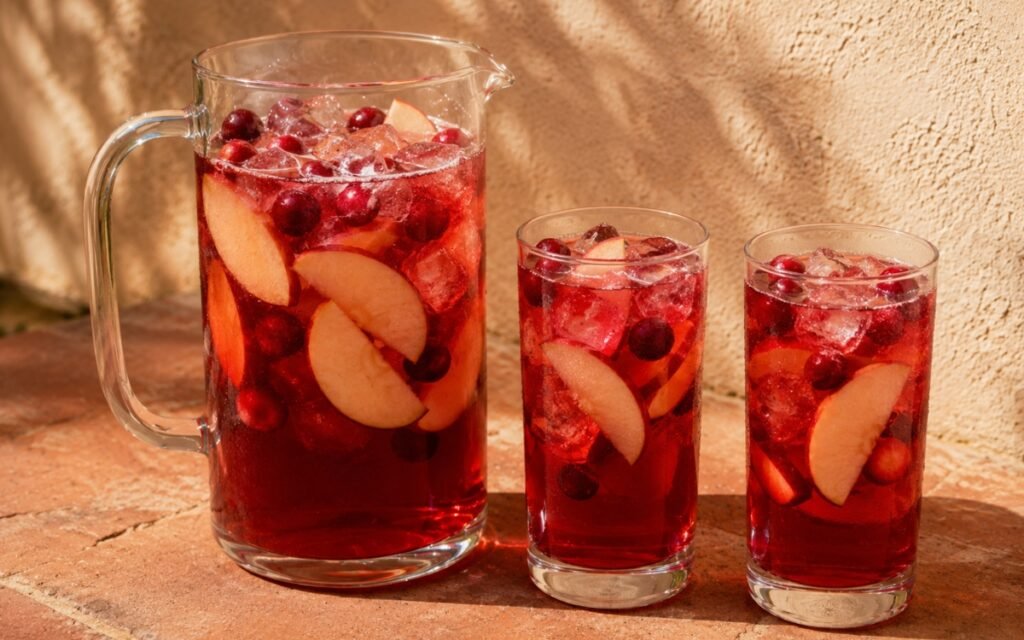
Apple Cranberry Pitcher Drink
Ruby-red apple and cranberry pitcher drink infused with cinnamon, with crisp apple slices and fresh cranberries.
Mango Pineapple Pitcher Drink
Macerated, strained mango-lime base combined with pineapple and a second infusion of fresh mango, pineapple, and lime wheels.
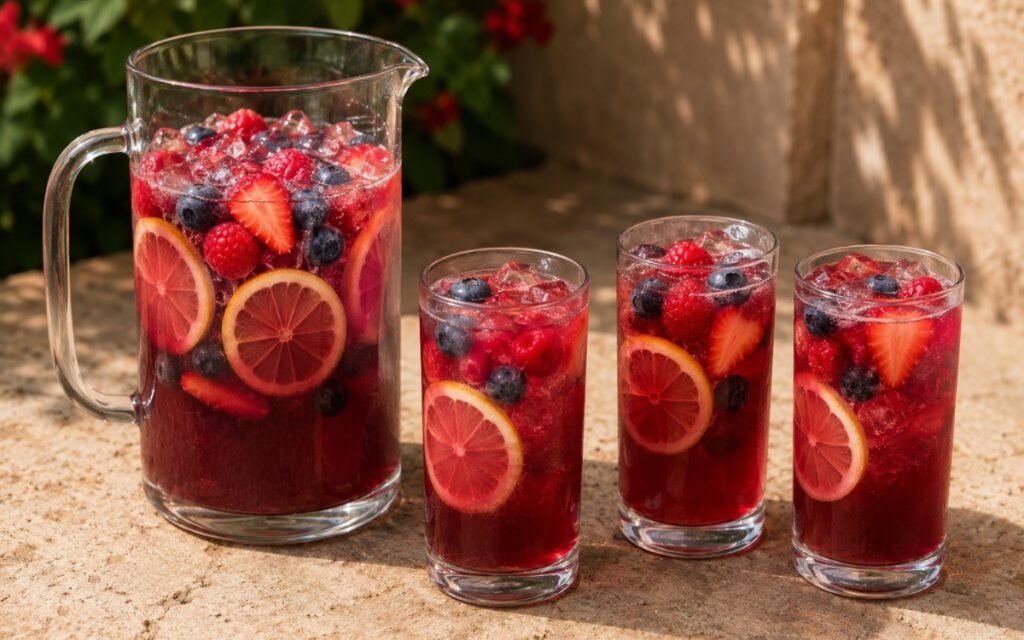
Mixed Berry Citrus Pitcher Drink
Three berries at 150g each warmed 2–3 minutes maximum in light brown sugar syrup — lemon zest off heat, combined with cold water, chilled. Vivid and multi-register.

You might also like
You might also like
Unsweetened Lime Iced Green Tea
Green tea at 75–80°C for 2–3 minutes, lime peel infused cold exactly 5 minutes — lime juice for gentle acidity, no sweetener, chilled. Crisp, sharp, and clean.
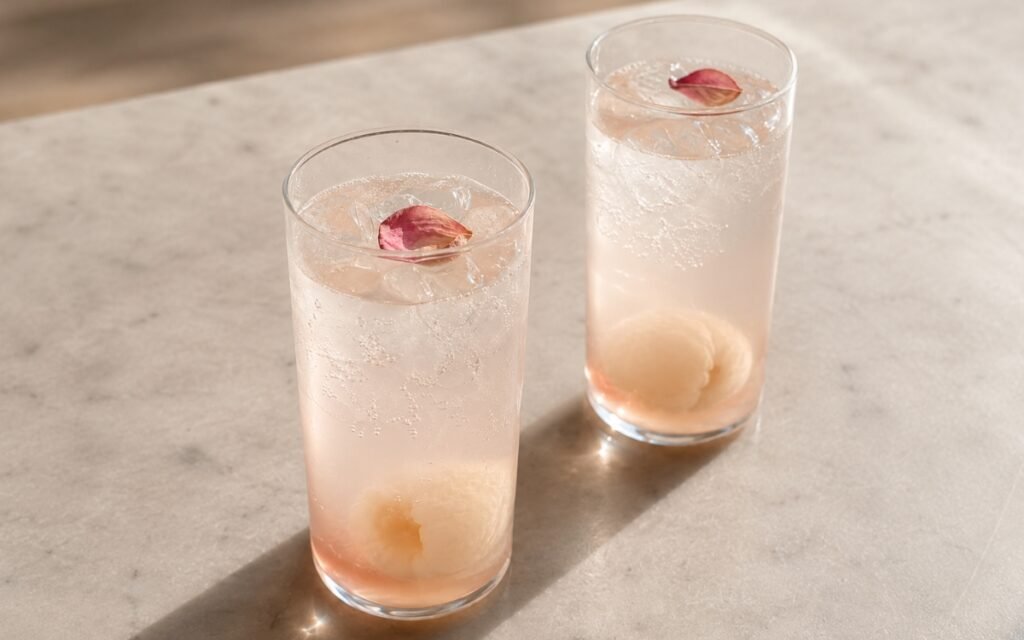
Lychee Rose Spritzer Mocktail
Rose-infused lychee base with honey over club soda — pale pink, floral, and intensely elegant.
Light Hibiscus Mint Cooler
Hibiscus steeped at 95°C, honey while warm, exactly 1 tsp orange blossom water — mint cold-infused 10–15 minutes, chilled. Vivid ruby and floral.



Green Tea Citrus Pitcher for a Crowd
Ingredients
Method
- Heat 1 litre of water to 75–80°C. The temperature precision is more critical here than in any other crowd tea preparation. The difference between 75°C and 85°C in green tea catechin extraction is dramatically more consequential than the difference between 90°C and 100°C in black tea — green tea’s primary bitter compounds extract at a specifically steep curve in the 80–90°C range, producing unpleasant results at temperatures comfortably tolerated by black tea preparations. Without a thermometer: water that has been brought to a full boil and allowed to stand open for 9–12 minutes has typically cooled to approximately 75–80°C. Add 8 or 9 green tea bags — start with 8, and use 9 only if the specific green tea being used is a milder, lighter variety. Different green tea brands and varieties vary significantly in their catechin concentration; a particularly grassy or strong green tea should use 7 bags to avoid over-extraction even at the correct temperature. Steep for exactly 2–2½ minutes. Set a timer. Remove all bags simultaneously without squeezing. The removal timing is the most consequential single action in this preparation.
- Stir 90g of light brown sugar into the warm green tea immediately after bag removal. The green tea’s residual temperature is sufficient for complete dissolution without requiring additional heating. Allow to stand for 5 minutes. The lower sugar quantity (90–120g) compared to the Lemon Iced Tea Pitcher (140–180g) reflects the orange juice’s significant additional sweetness contribution in the final build. Green tea’s lighter, more delicate character also requires less sugar for the same perceived balance point than black tea’s more assertive tannin structure.
- Add the lemon and orange zest simultaneously to the warm green tea. Cover and steep for 5–8 minutes. The dual zest approach provides two specifically different aromatic contributions simultaneously: lemon peel’s brighter, more specifically tart, more classically citrus aromatic profile complements green tea’s clean freshness; orange peel’s warmer, rounder, more specifically sweet aromatic depth bridges the gap between green tea’s lightness and the orange juice’s warm presence in the final build. The two together produce a more specifically unified citrus-green tea aromatic character than either single zest. Taste the extract at 5 minutes: if both citrus aromatics are clearly present and the extract smells specifically of lemon-and-green-tea with warm orange oil in the background, strain immediately. Extending to 8 minutes produces slightly more aromatic concentration; the bitter threshold is specifically more permissive for zest infusion in cooled tea than for zest in actively hot syrup. Strain the zest completely. Allow to cool to room temperature.
- Pour the cooled citrus green tea extract into the large pitcher. Add the 180ml of fresh lemon juice, 500ml of fresh orange juice, 1.3 litres of ice-cold water, and 2 pinches of fine sea salt. Stir gently until fully combined. The total combined liquid at starting quantities is approximately 2.98 litres — approximately 186ml per serving before ice dilution. The 500ml of orange juice provides the most substantial single flavour contribution in the final build: at this volume relative to the 3-litre total, the orange juice specifically provides sweetness, warm citrus body, and the fruity depth that green tea’s more delicate extraction at crowd scale specifically needs to avoid the thin, flat result that green tea in plain water with lemon juice produces. The preparation specifically requires the orange juice’s body for the crowd-scale balance. The salt’s function is specifically described in the brief: it sharpens citrus and smooths bitterness without tasting salty. This dual function is particularly important in green tea preparations where residual catechin bitterness at crowd dilution can make the drink feel specifically harsh — sub-threshold sodium specifically softens this harshness while making the citrus vivid simultaneously. Taste: the preparation should be specifically citrusy first — bright, clean, vivid citrus — with green tea’s characteristic grassy-fresh, clean, lightly vegetal depth as the specifically identifiable secondary register. If the green tea is too specifically grassy or bitter despite the correct steep time — the salt quantity can be increased slightly or the cold water addition can extend to 1.7L. If the citrus overwhelms the tea’s delicate character entirely — the preparation has too much juice relative to tea; this specific calibration is correct and should not be adjusted by removing juice.
- Cover and refrigerate for 1–2 hours. Stir once before the first pour. Garnish with lemon and orange rounds. Serve cold.