
Pear Lemonade
Every other fruit lemonade in this collection follows the same basic structural principle: lemon as the primary acid providing the lemonade’s identity, fruit as the flavour that fills the space lemon creates. Pear lemonade inverts this — pear leads, lemon supports — and the calibration of every ingredient reflects that inversion. The lemon juice quantity is 150–180ml rather than the 240ml standard across the rest of this collection, specifically because pear’s characteristic aromatic compounds are among the most volatile and most heat-sensitive in the fruit world, and its natural flavour presence is lighter than any other fruit used in this collection. More lemon juice at the conventional quantity would overpower the pear’s delicate character completely, producing a lemon drink with a barely perceptible pear note rather than the specifically pear-forward, pale, refined result this preparation requires. The cooking temperature is low to medium-low specifically for the same reason applied in the Pear Ginger Sparkler Mocktail — pear’s primary volatile ester aromatic compounds evaporate rapidly above 60–70°C. Eight to ten minutes at a gentle simmer produces sufficient juice extraction and flavour development from the pear’s flesh while protecting the maximum possible proportion of the aromatic compounds responsible for pear’s specifically floral, fruity, delicate character. Honey rather than white sugar for its warm, floral character specifically resonant with pear’s own florality.
Prep Time : 15 min
Cook Time : 8–10 min
Servings : 8
15 min
8–10 min
8
Ingredients
For the Lemon Structure
• Clean pulp or segments from 1–2 lemons only — seeds and tough membranes removed; no white pith; deliberately reduced quantity
For the Honey-Pear Syrup
• 2 large ripe pears — approximately 250–300g prepared flesh; peeled, cored, and cut into small 1cm cubes
• 120ml water
• 80–100g mild honey — start with 80g — this one on Amazon
• Zest of 1 lemon — yellow part only; added off heat
For the Lemonade Base
• 150–180ml fresh lemon juice — deliberately lower than standard; start with 150ml
• 120–150ml honey-pear syrup — from above; start with 120ml
• 750ml–1 litre ice-cold water — start with 750ml, adjust after tasting
• Pinch of fine sea salt
For Serving
• Ice cubes
• Lemon slices
• Thinly sliced fresh pear — cut immediately before serving to prevent browning
This post may contain affiliate links. As an Amazon Associate I earn from qualifying purchases, at no additional cost to you.
Directions
- Make the Honey-Pear Syrup at the Lowest Effective Temperature
Combine the 250–300g of small-cubed pear flesh, 120ml of water, and 80g of honey in a small saucepan over low to medium-low heat. The pear selection specifically matters for this preparation — ripe Comice, Williams, or Bartlett pears with their high natural sugar and specific fruity-floral aromatic character produce the most vivid finished syrup; Conference pears at full ripeness produce a subtler, slightly more austere result; unripe pears of any variety produce a flat, under-flavoured syrup that no technique can correct. Soft enough to yield clearly to thumb pressure is the correct ripeness indicator. Stir gently until the honey dissolves into the warming water and pear juice begins releasing. Bring to the gentlest possible simmer and cook for 8–10 minutes, stirring occasionally and using the back of a spoon to lightly mash some of the softening pear pieces against the pan’s surface — not all of them, and not with the aggressive mashing applied to harder or more robust fruits in this collection, but enough to encourage additional juice release and fragrance development from the breaking-down fruit. The goal at the end of 8–10 minutes is pear pieces that are fully softened and partially broken down, with the surrounding liquid a pale golden-amber and specifically fragrant — the distinctive warm, floral, pear-ester aroma of gently cooked ripe pear. The liquid should remain fluid and flowing; any significant thickening suggests either too high a heat or too long a cook. Remove from heat if the liquid begins reducing or thickening before the 10-minute point. - Lemon Zest Off Heat and Steep
Remove from the heat. Add the lemon zest immediately and cover. Steep for 5–8 minutes. The lemon zest’s integration into the warm pear-honey medium provides the citrus aromatic bridge — a soft, integrated lemon-pear aromatic depth in the syrup itself rather than only in the separately added lemon juice. This integration is specifically important in pear lemonade because the lower lemon juice quantity means the syrup carries more of the drink’s aromatic character than in preparations with a higher juice-to-syrup ratio. Strain through a fine-mesh sieve, pressing gently but firmly on the softened pear pieces. The pressing is specifically intermediate — firmer than the light pressing used for rose and elderflower botanicals, which release unpleasant compounds under firm pressure, but gentler than the firm pressing used for harder-fleshed berries. Softened pear at this cooking temperature yields its juice readily under moderate pressing without releasing significant bitter or astringent compounds. Allow to cool completely. - Build the Pear Lemonade Base
Prepare the lemon pulp from 1–2 lemons only — the deliberately reduced quantity reflecting the pear-forward calibration. Segment carefully, removing all seeds and pith with the clean pulp retained. Add to the pitcher and mash very gently. Add the 150ml of fresh lemon juice, 120ml of cooled honey-pear syrup, 750ml of ice-cold water, and the pinch of fine sea salt. Stir thoroughly. Taste with the specific pear-first assessment: the lemon should be clearly present as a refreshing acid brightness but should not be identifiable as the primary flavour. The pear should be the flavour that defines the drink — warm, delicate, specifically pear-forward — with the lemon as the element that makes it refreshing rather than the element that defines it as lemonade. This is a fundamentally different balance point from every other lemonade in this collection, and the tasting approach needs to reflect it. If the pear is vivid and the lemon is bright in the background — correct. If the lemon tastes equally prominent to the pear — too much lemon; add cold water to dilute the acidity. If the pear is insufficient — more syrup in small increments. - Chill and Serve
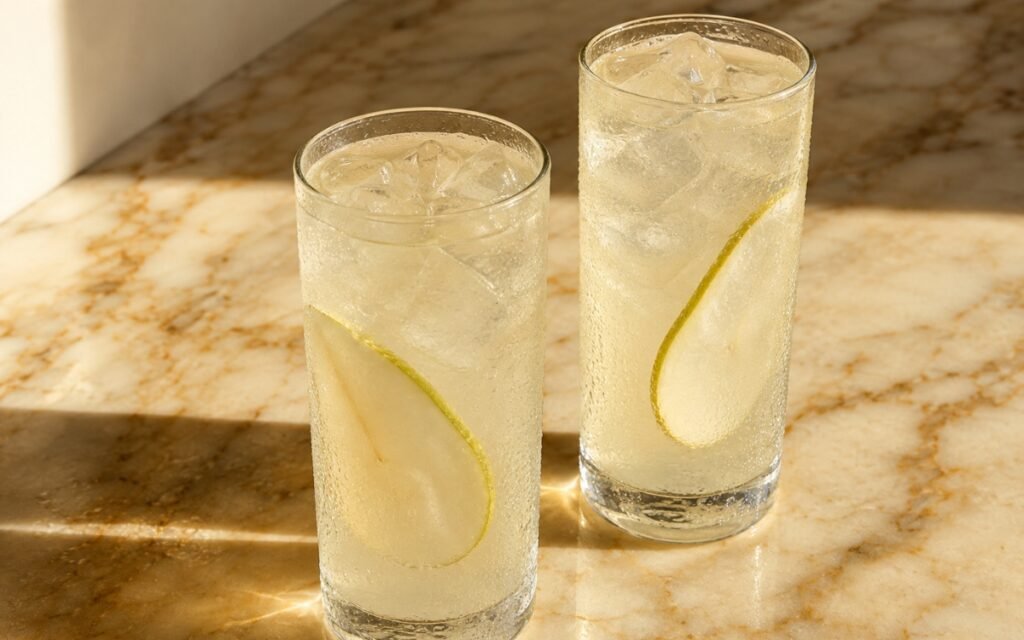
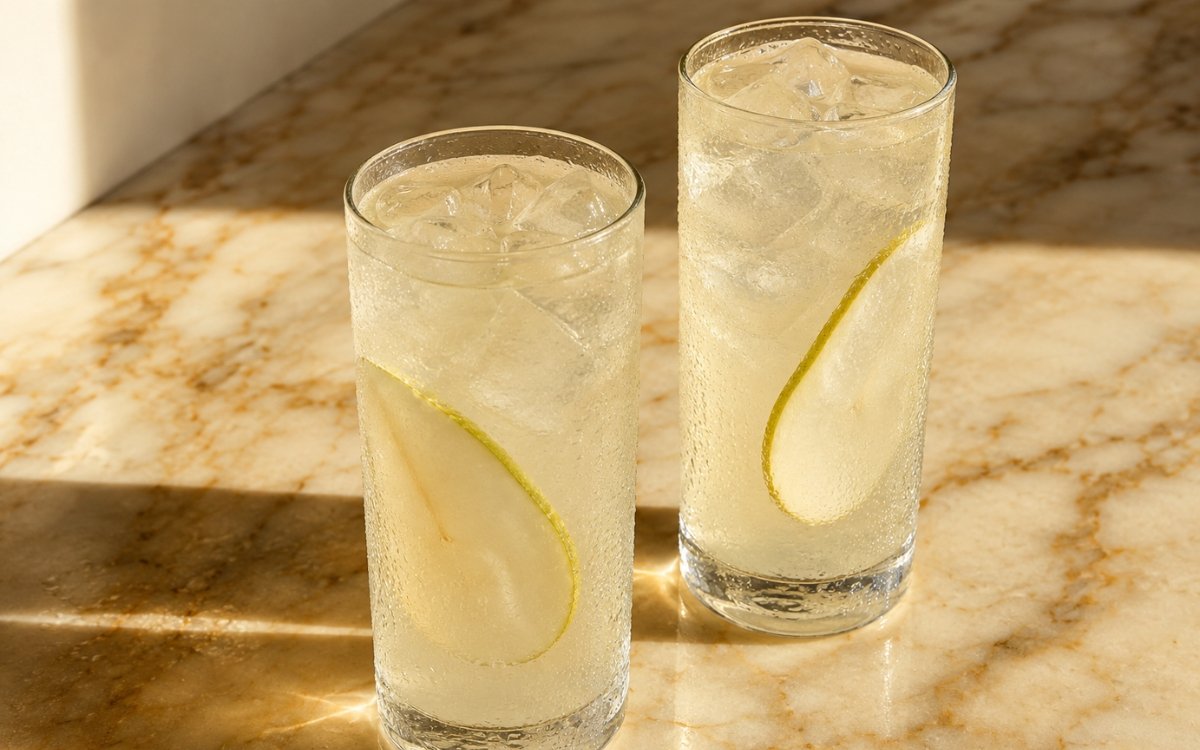
Refrigerate for 1–2 hours. Fill glasses with ice. Pour the chilled pear lemonade over the ice. Prepare the garnish pear slices immediately before assembly to prevent browning — a brief dip in cold water with a squeeze of lemon juice delays oxidation if needed. Garnish with a lemon slice and the thin pear slices pressed against the glass wall. Serve immediately.
*Notes :
- Pear’s primary aromatic compounds — the ethyl esters responsible for its characteristic warm, fruity, floral character, and the lactone compounds that produce its specific sweet-fruit aroma — are among the most volatile of any fruit used across this collection. They are specifically why pear lemonade requires the inverted structure (pear-forward rather than lemon-forward) and the lower-lemon calibration: the pear’s fragile aromatic presence must be protected at every stage rather than simply allowed to compete on equal terms with the lemon’s robust citric acidity.
- The pear garnish browning is the same oxidation issue noted in the Pear Ginger Sparkler Mocktail — phenolic compounds in pear flesh reacting with oxygen within minutes of the cut surface being exposed. Always slice immediately before serving.
Why This Recipe Works
This recipe works because every calibration decision reflects pear’s primary role rather than lemon’s: lower lemon juice quantity, lower heat for the syrup, gentler pressing, riper pear specifically required, and the tasting assessment oriented toward pear-forward balance rather than lemon-first.
The honey’s aromatic resonance with pear’s own florality provides the sweetening that amplifies rather than simply corrects. And the lemon zest’s off-heat integration provides the citrus aromatic depth in the syrup that completes the pear-and-lemon aromatic unity.
Ingredient Breakdown
Ripe Pear at Low Heat (8–10 Minutes, Gentle Mashing)
The flavour-protective extraction — low temperature preserving maximum volatile ester character while extracting sufficient juice and concentrated flavour for the syrup.
150–180ml Lemon Juice (Lower Than Standard)
The pear-protective calibration — less lemon to allow pear’s delicate character to be the primary rather than secondary register.
Honey (Aromatic Resonance With Pear’s Florality)
The specifically complementary sweetener — honey’s own floral compounds amplifying pear’s aromatic character rather than simply providing neutral sweetness.
1–2 Lemons for Pulp (Halved From Standard)
The structural reduction — less lemon pulp maintaining the pear’s dominance in the textural as well as flavour dimension.
Pear Garnish Cut Immediately Before Serving
The anti-oxidation requirement — pear’s phenolic content producing rapid browning within minutes of cutting.
Flavor Structure Explained
This Pear lemonade follows a layered balance model:
- Delicate fruit core (pear)
- Bright supporting acidity (lemon juice)
- Floral rounded sweetness (honey)
- Flavor-enhancing salinity (pinch of salt)
- Soft elegant finish (warm-fruit freshness balance)
Pear defines the foundation with gentle sweetness, soft floral aromatics, and a subtle fruit character that remains more delicate than the stronger berries and citrus fruits used elsewhere in the collection. Lemon acts in a supporting role rather than dominating, providing enough acidity to keep the pear lively and refreshing without overwhelming its softness. Honey reinforces the pear’s natural floral warmth, creating a smooth and cohesive sweetness that feels integrated rather than added. A small amount of salt quietly intensifies the pear’s delicate aromatics, making the fruit taste clearer and more expressive. The result is a lemonade built around restraint, subtle fragrance, and elegant balance rather than sharp intensity.
Common Mistakes to Avoid
- Using the Standard 240ml Lemon Juice – The pear’s delicate character is completely overwhelmed by conventional lemon lemonade quantities. Always 150–180ml maximum.
- Cooking Above a Gentle Simmer – Pear’s volatile ester aromatic compounds evaporate rapidly above 70°C sustained. Always the lowest effective heat.
- Using Under-Ripe Pears – Under-ripe pears have insufficient ester concentration for a specifically pear-forward lemonade. Always fully ripe, fragrant pears that yield to thumb pressure.
- Preparing Pear Garnish in Advance – Pear browns rapidly from phenolic oxidation. Always cut immediately before assembly.
- Assessing the Balance Against Standard Lemon Lemonade – The correct balance for pear lemonade is pear-primary, lemon-supporting — specifically different from every other preparation in this collection.
Variations
With Ginger
Add 8g of thinly sliced fresh ginger to the saucepan alongside the pear — removed during straining. The ginger’s warm sharpness alongside pear is the Pear Ginger Sparkler direction in lemonade format.
With Cardamom
Add 3 lightly crushed cardamom pods to the syrup during the off-heat steep alongside the lemon zest — removed during straining. The cardamom’s warm, sweet-floral depth alongside pear produces a specifically more complex, more autumnal direction.
With Elderflower
Add 1 tsp of dried culinary elderflower to the syrup during the off-heat steep alongside the lemon zest — the elderflower’s honeyed white-floral character is the most specifically complementary aromatic pairing to pear’s own florality.
Sparkling Version
Build the pear-lemon base without water, chill, and add sparkling water right before serving — the carbonation amplifies pear’s delicate volatile aromatics at each sip.
Storage & Make-Ahead
Honey-pear syrup can be refrigerated in a sealed jar for up to 3 days. Among the fruit syrups in this collection, pear loses its aromatic character the fastest, so the syrup is best enjoyed within 24 to 48 hours for the strongest pear flavor and aroma.
Once assembled, pear lemonade can be refrigerated for up to 2 days, although it is best within the first 24 hours for maximum freshness.
Assembled glasses are not suitable for storage and should be served immediately. Add the pear garnish just before serving to preserve its fresh appearance and texture.
Frequently Asked Questions
Why less lemon juice than every other lemonade in this collection?
Pear’s aromatic character is the most specifically delicate of any fruit used in this lemonade collection — its volatile ester compounds are present at lower concentrations and are more easily overwhelmed than the more assertive aromatic profiles of raspberry, blackberry, or even strawberry. At the conventional 240ml of lemon juice, the lemon’s acid becomes the primary flavour and the pear becomes a barely perceptible secondary note. At 150–180ml the lemon provides structural brightness while pear remains clearly in the lead.
Why low to medium-low heat for the pear syrup?
Pear’s primary volatile aromatic compounds — the ethyl esters responsible for its characteristic warm, fruity, floral character — evaporate rapidly above approximately 70°C during sustained cooking. Low to medium-low heat for 8–10 minutes extracts sufficient juice and concentrated flavour while preserving the maximum possible proportion of these aromatic compounds.
Why honey specifically rather than white sugar?
Honey’s primary floral volatile compounds — including geraniol and linalool — share aromatic chemistry with pear’s own floral ester profile. The two specifically resonate in the same way rose and lychee amplify each other through their shared geraniol. White sugar provides neutral sweetness; honey provides sweetness that specifically amplifies pear’s own delicate florality.
What other preparations share pear’s delicate, refined character?
The Elderflower Lemonade shares the same specifically delicate, refined, barely-there-but-beautiful aromatic character — the most tonally similar lemonade to this preparation in terms of overall elegance and the primacy of a very soft flavour. The Lavender Lemonade shares the floral-citrus balance philosophy and the deliberate restraint in aromatic intensity — a different botanical but the same tonal commitment to soft, refined elegance. The Pear Ginger Sparkler Mocktail shares the pear’s heat-protective low-temperature technique and the honey as sweetener — the most technically parallel preparation, using the same pear-and-honey combination in a sparkling, ginger-spiced format.
Nutrition Facts
( per serving )
Calories
~75 kcal
Protein
0 g
Fat
0 g
Carbs
20 g
Calories
~75 kcal
Protein
0 g
Fat
0 g
Carbs
20 g
Related Recipes
Related Recipes

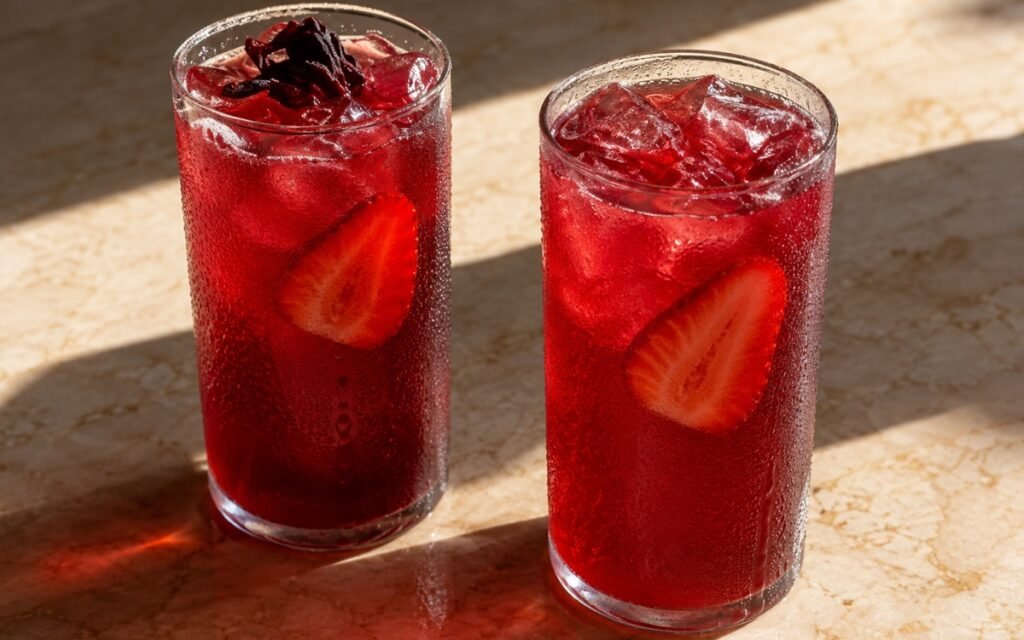
Hibiscus Strawberry Lemonade
Hibiscus tea steeped 5–7 minutes, strawberries blended with hibiscus tea — honey dissolved warm, lemon cold, rested 30 minutes. Vivid ruby, tart, and fruity.
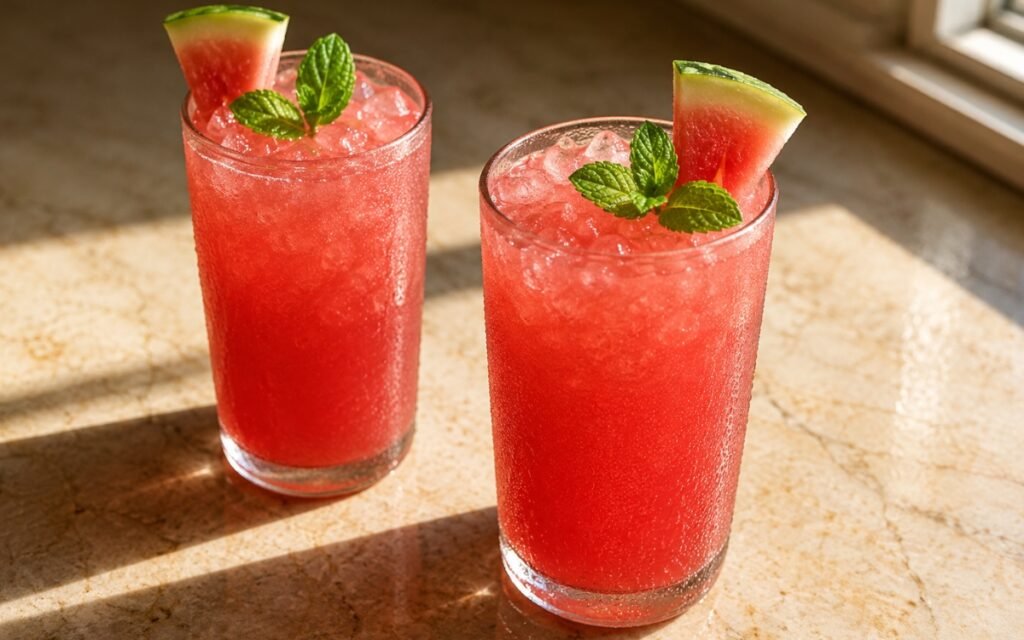
Fresh Watermelon Lemonade
Watermelon blended and strained cold, simple syrup separate — lemon juice, zest, and salt added cold, chilled. Vivid pink, crisp, and hydrating.
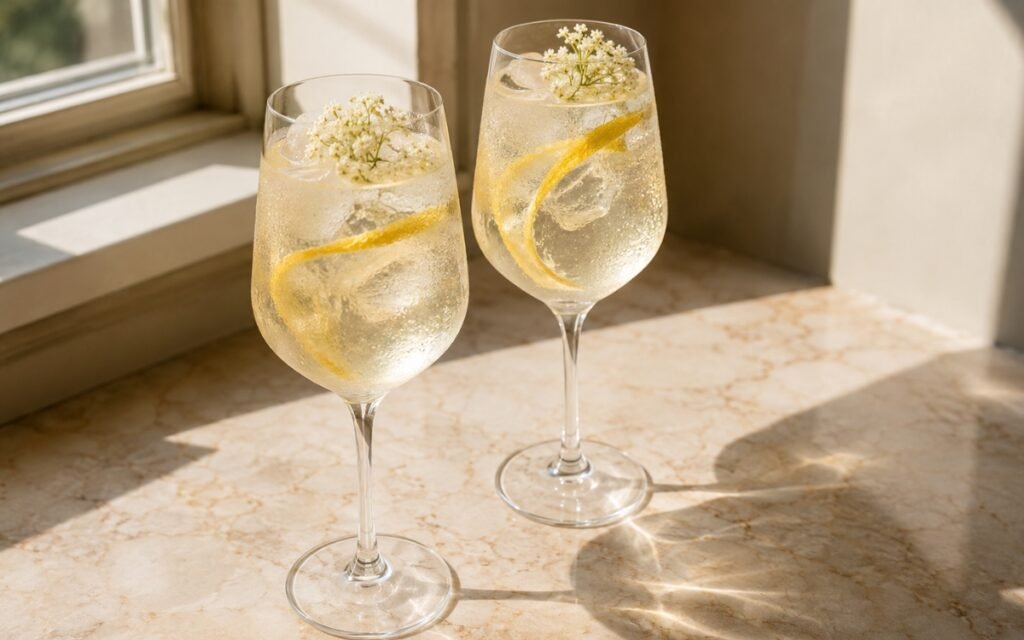
Elderflower Lemonade
Elderflower steeped in warm syrup exactly 6–8 minutes, lightly strained — fresh lemon juice, salt, cold water, chilled 1–2 hours. Honeyed-floral and elegantly clean.
You might also like
You might also like
Green Tea Citrus Pitcher
Green tea at 75–80°C for 2–2½ minutes, dual citrus zest off heat — 500ml orange juice for body, lemon juice, salt, cold water, chilled. Delicate and citrus-bright.
Unsweetened Lime Iced Green Tea
Green tea at 75–80°C for 2–3 minutes, lime peel infused cold exactly 5 minutes — lime juice for gentle acidity, no sweetener, chilled. Crisp, sharp, and clean.
Raspberry Iced Black Tea
Black tea at 90–95°C for 2½–3 minutes, lemon peel infused cold, raspberries blended and firmly strained — combined and tasted, chilled. Bright and tea-forward.
Pear Lemonade
Ingredients
Method
- Combine the 250–300g of small-cubed pear flesh, 120ml of water, and 80g of honey in a small saucepan over low to medium-low heat. The pear selection specifically matters for this preparation — ripe Comice, Williams, or Bartlett pears with their high natural sugar and specific fruity-floral aromatic character produce the most vivid finished syrup; Conference pears at full ripeness produce a subtler, slightly more austere result; unripe pears of any variety produce a flat, under-flavoured syrup that no technique can correct. Soft enough to yield clearly to thumb pressure is the correct ripeness indicator. Stir gently until the honey dissolves into the warming water and pear juice begins releasing. Bring to the gentlest possible simmer and cook for 8–10 minutes, stirring occasionally and using the back of a spoon to lightly mash some of the softening pear pieces against the pan’s surface — not all of them, and not with the aggressive mashing applied to harder or more robust fruits in this collection, but enough to encourage additional juice release and fragrance development from the breaking-down fruit. The goal at the end of 8–10 minutes is pear pieces that are fully softened and partially broken down, with the surrounding liquid a pale golden-amber and specifically fragrant — the distinctive warm, floral, pear-ester aroma of gently cooked ripe pear. The liquid should remain fluid and flowing; any significant thickening suggests either too high a heat or too long a cook. Remove from heat if the liquid begins reducing or thickening before the 10-minute point.
- Remove from the heat. Add the lemon zest immediately and cover. Steep for 5–8 minutes. The lemon zest’s integration into the warm pear-honey medium provides the citrus aromatic bridge — a soft, integrated lemon-pear aromatic depth in the syrup itself rather than only in the separately added lemon juice. This integration is specifically important in pear lemonade because the lower lemon juice quantity means the syrup carries more of the drink’s aromatic character than in preparations with a higher juice-to-syrup ratio. Strain through a fine-mesh sieve, pressing gently but firmly on the softened pear pieces. The pressing is specifically intermediate — firmer than the light pressing used for rose and elderflower botanicals, which release unpleasant compounds under firm pressure, but gentler than the firm pressing used for harder-fleshed berries. Softened pear at this cooking temperature yields its juice readily under moderate pressing without releasing significant bitter or astringent compounds. Allow to cool completely.
- Prepare the lemon pulp from 1–2 lemons only — the deliberately reduced quantity reflecting the pear-forward calibration. Segment carefully, removing all seeds and pith with the clean pulp retained. Add to the pitcher and mash very gently. Add the 150ml of fresh lemon juice, 120ml of cooled honey-pear syrup, 750ml of ice-cold water, and the pinch of fine sea salt. Stir thoroughly. Taste with the specific pear-first assessment: the lemon should be clearly present as a refreshing acid brightness but should not be identifiable as the primary flavour. The pear should be the flavour that defines the drink — warm, delicate, specifically pear-forward — with the lemon as the element that makes it refreshing rather than the element that defines it as lemonade. This is a fundamentally different balance point from every other lemonade in this collection, and the tasting approach needs to reflect it. If the pear is vivid and the lemon is bright in the background — correct. If the lemon tastes equally prominent to the pear — too much lemon; add cold water to dilute the acidity. If the pear is insufficient — more syrup in small increments.
- Refrigerate for 1–2 hours. Fill glasses with ice. Pour the chilled pear lemonade over the ice. Prepare the garnish pear slices immediately before assembly to prevent browning — a brief dip in cold water with a squeeze of lemon juice delays oxidation if needed. Garnish with a lemon slice and the thin pear slices pressed against the glass wall. Serve immediately.