
Mint Pineapple White Tea Cooler
Mint Pineapple White Tea Cooler is a light, tropical iced tea built on four well-handled ingredients and nothing else — no added sugar, no syrups, no artificial flavouring. White tea is specifically the right base here precisely because its restrained character creates space rather than competing for it: a stronger tea would push back against pineapple’s brightness and mint’s delicacy, but white tea’s gentle floral sweetness and low tannin content let both lead while the tea quietly holds the structure underneath. Fresh pineapple is blended and strained rather than substituted with canned juice, because fresh juice carries volatile aromatics and clean acidity that processed versions simply don’t have — canned pineapple’s cooked sweetness weighs down white tea’s delicacy and disconnects mint’s clean freshness from the rest of the drink. Ginger is used in small quantity and brief infusion, functioning as a seasoning rather than a flavour in its own right — felt as warmth at the back of the palate rather than tasted directly. Mint goes in last and comes out promptly, since even in cold liquid it can turn medicinal and heavy with extended contact, particularly alongside ginger’s warmth. The result is fresh, aromatic, and gently tropical without ever feeling heavy or sweet.

Prep Time : 20 min
Cook Time : 5 min
Servings : 8
20 min
5 min
8
Ingredients
For the White Tea Base
• 1.65 litres water
• 6 white tea bags — Pai Mu Tan (White Peony) — this one on Amazon
For the Botanical & Fruit Flavoring
• 1½ cups (about 300g) fresh pineapple cubes — for blending
• ½ packed cup fresh mint leaves — about 12–15g; spearmint specifically recommended
• 5–6g fresh ginger — thinly sliced
For Serving
• Ice
• Fresh mint leaves
• Pineapple slices
This post may contain affiliate links. As an Amazon Associate I earn from qualifying purchases, at no additional cost to you.
Directions
- Brew the White Tea Carefully
Heat the 1.65 litres of water to 75–80°C. Do not allow the water to reach a full boil — white tea brewed at boiling temperature loses its natural floral sweetness and develops an astringency that will compete directly with the pineapple’s bright acidity and the mint’s clean aromatic character. No thermometer available? Bring the water to a full boil, then rest it uncovered for 4–5 minutes before brewing. Add the 6 white tea bags and steep for 3–4 minutes. Remove the bags gently without squeezing — squeezing releases bitter tannins into a base that is deliberately designed to stay soft and clean. Allow the tea to cool to lukewarm before proceeding. - Prepare the Fresh Pineapple Juice
Add the 1½ cups (approximately 300g) of fresh pineapple cubes to a blender and blend on high speed until completely smooth. Pour the blended pineapple through a fine-mesh sieve into a bowl or measuring jug and allow the juice to drain naturally under its own weight. Do not press or push the pulp through the mesh — pressing introduces fibrous, starchy material that makes the finished tea look cloudy and taste slightly flat rather than clean and bright. Discard the spent pulp and set the clear, vivid pineapple juice aside. The juice should smell intensely of fresh pineapple — sweet, tropical, and bright. If it smells thin or faintly fermented, the pineapple wasn’t ripe enough, and the finished drink will reflect that directly. - Infuse the Ginger
Add the 5–6g of thinly sliced fresh ginger directly to the lukewarm white tea. Allow the ginger to infuse for 5–7 minutes, tasting at the 5-minute mark. You’re looking for a gentle, warming presence in the background — noticeable as a soft heat at the back of the palate rather than a dominant spice note at the front. Remove all ginger slices promptly once that level is reached. Ginger here exists purely as a supporting element. Extended infusion shifts it from subtly warming to aggressively spiced and introduces a bitterness that white tea and pineapple cannot absorb. When in doubt, pull early. - Add the Pineapple Juice
Stir the strained fresh pineapple juice into the ginger-infused white tea until fully combined. No additional sweetener is needed at this stage — ripe pineapple provides both natural sweetness and a clean, bright acidity that balances the white tea’s delicate character without assistance. Taste the base after combining: it should feel tropical, lightly sweet, and gently acidic, with the white tea quietly present in the background. If the pineapple completely overwhelms the tea, too much fruit was used — the white tea should remain detectable as a soft, floral backdrop. - Add the Mint
Gently clap the mint leaves between both palms until the essential oils are clearly released and the aroma is immediately detectable. Add the leaves to the tea base and allow them to infuse for 6–10 minutes, tasting at the 6-minute mark. The mint should contribute a clean, bright, cooling herbal aroma that lifts the pineapple and complements the ginger — present and refreshing rather than overwhelming or grassy. Remove all mint leaves promptly once that balance is achieved. Unlike basil, mint can turn slightly medicinal and heavy with extended contact even in cold liquid, particularly when combined with the warmth of ginger. Always remove before the aroma tips from clean and aromatic into heavy and mentholated. - Chill Fully
Refrigerate the finished tea for 1–2 hours until completely cold and the flavours are fully integrated. Full chilling is essential — at cold temperature, the mint aroma sharpens and focuses, the pineapple sweetness settles into the white tea rather than sitting on top of it, and the ginger warmth resolves into a clean background note that is felt rather than tasted directly. Served partially chilled, the mint feels heavy, the pineapple reads as sharp, and the ginger is too assertive. The drink only fully comes together when it’s fully cold. - Serve
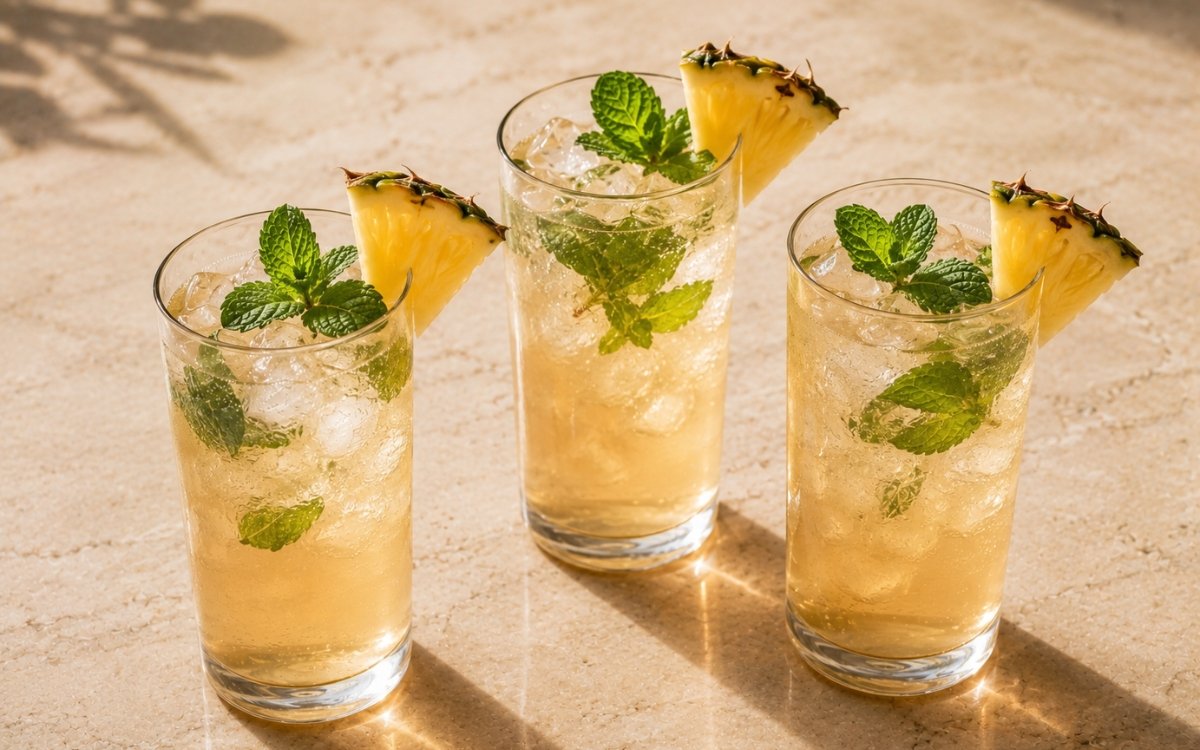
Fill glasses generously with ice. Pour the chilled cooler over the ice and garnish with a few fresh mint leaves and a slice or two of fresh pineapple. Serve immediately while the mint aroma is at its most expressive and the pineapple brightness is at its peak.
*Notes :
- Fresh pineapple is essential in this recipe and cannot be replaced with canned fruit or bottled juice without altering the drink’s character. Fresh juice provides volatile aromatics, natural enzymes, and clean acidity that processed versions lack — canned juice in particular brings a cooked sweetness that weighs down white tea’s floral delicacy and makes mint feel disconnected. Blending and straining fresh pineapple takes a few minutes but is the most important step in the entire recipe.
- Ginger quantity and infusion time require precision because its influence is disproportionate to its small weight. About 5–6 grams of thinly sliced ginger infused for 5–7 minutes adds gentle warmth and depth that is felt rather than clearly identified. More ginger or longer steeping pushes the drink out of balance.
- Mint choice matters in a brief cold infusion. Spearmint gives the cleanest, sweetest cooling effect and integrates smoothly with pineapple and white tea. Peppermint can be used if necessary, but in slightly smaller quantity and for only 4–5 minutes to avoid overpowering the drink.
Why This Recipe Works
White tea is the ideal base for a tropical, herb-forward drink because its restrained character allows other flavours to shine without competition. Its gentle floral sweetness and low tannin content create a clean backdrop where pineapple, mint, and ginger can express themselves freely. A stronger tea would push back against the fruit’s brightness and the herbs’ delicacy, disrupting the balance. White tea does not lead here — it quietly supports the structure while the more vivid elements define the profile.
Fresh pineapple juice and mint work through shared brightness rather than contrast. Pineapple’s natural sweetness and lively acidity create a vibrant fruit base that makes mint’s cooling herbal quality feel sharper and more refreshing. Mint, in turn, lifts the sweetness into something more layered and botanical.
Ginger adds the subtle complexity that prevents the drink from tasting overly simple. Used lightly, it introduces a gentle warmth at the finish that lingers just enough to make the flavour feel intentional and multi-dimensional.
Ingredient Breakdown
White Tea (Pai Mu Tan / White Peony)
Provides a soft, naturally sweet and floral foundation with minimal tannins and clean, delicate body. Its restrained character creates the space for pineapple, mint, and ginger to lead without competition.
Fresh Pineapple
The drink’s primary flavour and sweetness source, contributing tropical fruit brightness, natural acidity, and a vivid aromatic quality that only fresh-blended and strained juice can deliver. Ripeness is the critical variable.
Fresh Mint Leaves
Contribute a clean, cooling herbal aromatic lift that complements the pineapple’s tropical brightness and softens the ginger’s warmth into something cohesive and refreshing.
Fresh Ginger
Introduces gentle background warmth and subtle aromatic complexity that adds depth and interest to the finish without asserting itself as a primary flavour.
Ice
Maintains the cold temperature essential for this drink’s refreshing, tropical character and progressively dilutes the base as it melts, gently softening the pineapple acidity and cooling mint’s aromatic intensity into something increasingly approachable throughout the serving.
Flavor Structure Explained
This Mint Pineapple White Tea Cooler follows a layered balance model:
- Delicate tea core (white tea)
- Bright tropical fruit character (pineapple)
- Cooling herbal freshness (mint)
- Gentle warming spice (ginger)
- Crisp refreshing finish (fully chilled structure)
White tea defines the foundation with soft floral notes, subtle honey-like sweetness, and a delicate structure that quietly supports the drink. Pineapple provides the dominant flavor, contributing vivid tropical fruitiness, natural sweetness, and lively acidity that give the cooler its bright and refreshing identity. Mint adds a clean herbal lift, bringing cooling aromatics that lighten the pineapple and create a more botanical profile. Ginger contributes a subtle layer of warmth and depth beneath the fruit and herbs, adding complexity without becoming noticeably spicy. The result is a cooler that balances tropical brightness, herbal freshness, and gentle spice, creating a drink that feels clean, layered, and refreshing throughout.
Common Mistakes to Avoid
- Brewing White Tea With Boiling Water – Destroys floral sweetness and adds harsh astringency. Always 75–80°C.
- Using Canned Pineapple Juice – Creates heavy cooked sweetness that clashes with mint freshness. Always fresh-blended and strained.
- Pressing Pineapple Pulp Through the Sieve – Makes the tea cloudy, fibrous, and dull-tasting. Always let it drain naturally.
- Infusing Ginger Too Long – Creates aggressive spice and bitterness white tea and pineapple cannot balance. Always pull at 5–7 minutes.
- Leaving Mint During Chilling – Turns the flavour heavy and mentholated, overwhelming the delicate elements. Always remove promptly after infusion.
- Using Underripe Pineapple – Produces thin, sour juice lacking sweetness — impossible to properly fix later. Always choose fully ripe fruit.
Variations
Sparkling Mint Pineapple White Tea Cooler
Replace about one-third of the finished tea with ice-cold sparkling water just before serving for a lighter, effervescent version that amplifies the mint aroma and adds a refreshing carbonated lift.
Mint Pineapple Coconut Water Cooler
Replace half of the white tea base with plain coconut water for a softer, more tropical profile.
Mint Mango White Tea Cooler
Replace the pineapple with an equal weight of fresh ripe mango, blended and strained identically, for a softer, more richly sweet tropical profile.
Extra Ginger Version
Increase ginger to 10g and extend infusion to 8–9 minutes for a noticeably warmer, more assertively spiced profile.
Storage & Make-Ahead
Store the finished cooler refrigerated in a sealed glass container for up to 24 hours. The mint aroma fades noticeably after the first day, the pineapple brightness dulls as the natural enzymes continue to react slowly with the tea base, and the ginger’s warmth can become slightly more pronounced during extended refrigeration.
Always remove all mint leaves and ginger slices completely before storing — any residue left in the liquid will continue infusing during refrigeration and push both elements past their intended register. Fresh pineapple juice oxidises and loses its vivid aromatic quality faster than most fruit juices, so same-day or next-morning consumption produces the cleanest result.
Store in glass rather than plastic to preserve the delicate floral and herbal aromatics and prevent the drink from absorbing any refrigerator odours. Add ice and fresh mint and pineapple garnishes only at the moment of serving.
Frequently Asked Questions
Can I use canned pineapple juice instead of fresh?
Fresh juice is strongly recommended because canned versions are heat-processed, which dulls bright tropical aromatics and creates a heavier cooked sweetness that clashes with white tea’s delicacy and disconnects the mint’s clean herbal freshness.
What if my finished drink tastes too tart?
Excess tartness usually means the pineapple was underripe, producing sharp, low-sugar juice. Correct by stirring in small amounts of mild honey while tasting, and next time choose fruit that smells sweet and yields slightly.
Can I skip the ginger entirely?
You can omit ginger without ruining the drink; however, its subtle warmth and aromatic depth add a finishing complexity that makes the flavour feel more layered and thoughtful, something most noticeable when compared side-by-side.
What other pineapple preparations share this approach?
The Pineapple Mint Infused Water shares the pineapple-and-mint combination at the most restrained, most water-like end of the spectrum, without the white tea base or ginger — the closest structural comparison for those wanting a lighter, less involved version. The Pineapple Coconut Sparkling Mocktail shares pineapple’s tropical brightness in a fully sparkling, coconut-forward direction for those who want more effervescence and richness.
Nutrition Facts
( per serving )
Calories
~35 kcal
Protein
0 g
Fat
0 g
Carbs
9 g
Calories
~35 kcal
Protein
0 g
Fat
0 g
Carbs
9 g
Related Recipes
Related Recipes

Light Hibiscus Mint Cooler
Hibiscus steeped at 95°C, honey while warm, exactly 1 tsp orange blossom water — mint cold-infused 10–15 minutes, chilled. Vivid ruby and floral.
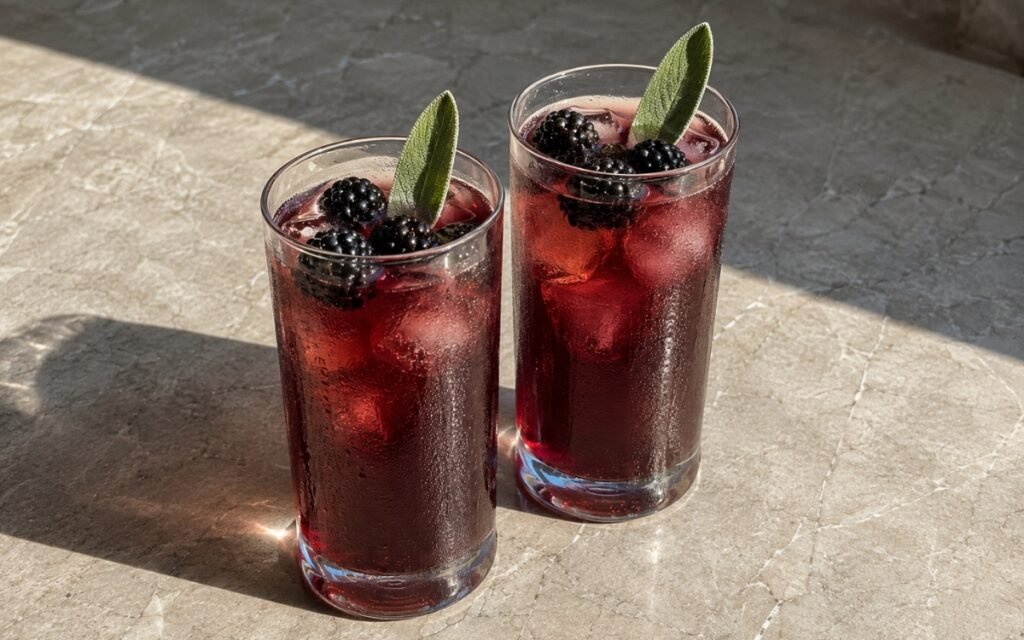
Blackberry Sage Iced Black Tea
Properly brewed black tea combined with cold-macerated fresh blackberries and a gentle cold sage infusion for a dark, berry-rich iced tea.
Verbena Peach Iced Black Tea
Light black tea at 90–95°C for 2½–3 minutes, peach syrup made separately, verbena clapped and infused cold 8–12 minutes — lemon peel, chilled. Floral, aromatic, softly fruity.


You might also like
You might also like
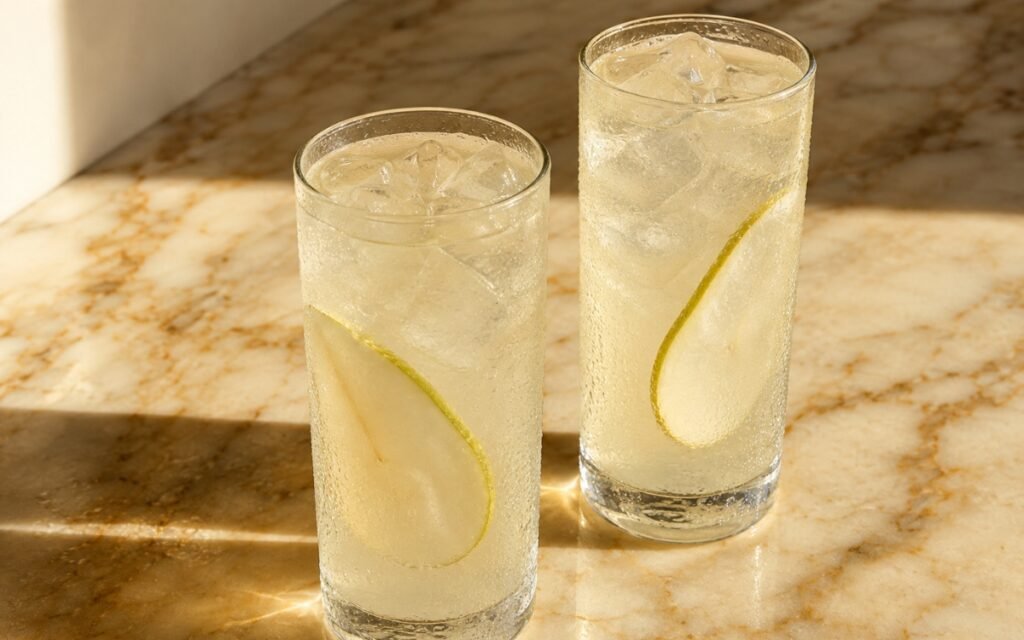
Pear Lemonade
Ripe pears at low heat with honey, lemon zest off heat — 150ml lemon only so pear leads, salt, cold water, chilled. Pale, delicate, and pear-forward.
Blackberry Jasmine Iced Tea
Jasmine tea at 75–80°C for 2–3 minutes, lemon peel infused cold, blackberries blended and firmly strained — added with restraint, chilled. Floral and softly fruity.
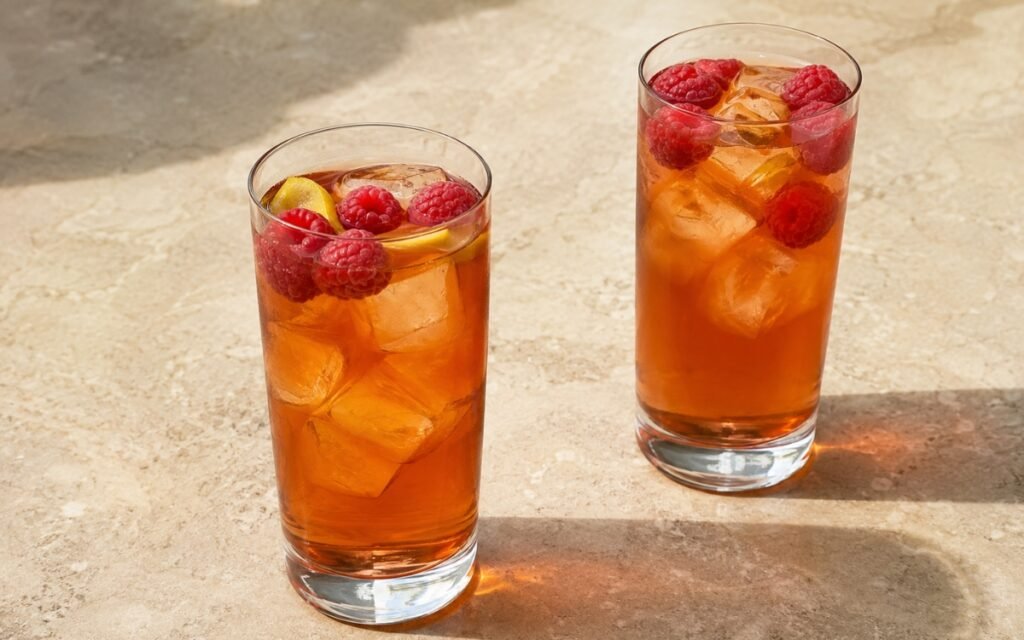
Raspberry Iced Black Tea
Black tea at 90–95°C for 2½–3 minutes, lemon peel infused cold, raspberries blended and firmly strained — combined and tasted, chilled. Bright and tea-forward.

Mint Pineapple White Tea Cooler
Ingredients
Method
- Heat the 1.65 litres of water to 75–80°C. Do not allow the water to reach a full boil — white tea brewed at boiling temperature loses its natural floral sweetness and develops an astringency that will compete directly with the pineapple’s bright acidity and the mint’s clean aromatic character. No thermometer available? Bring the water to a full boil, then rest it uncovered for 4–5 minutes before brewing. Add the 6 white tea bags and steep for 3–4 minutes. Remove the bags gently without squeezing — squeezing releases bitter tannins into a base that is deliberately designed to stay soft and clean. Allow the tea to cool to lukewarm before proceeding.
- Add the 1½ cups (approximately 300g) of fresh pineapple cubes to a blender and blend on high speed until completely smooth. Pour the blended pineapple through a fine-mesh sieve into a bowl or measuring jug and allow the juice to drain naturally under its own weight. Do not press or push the pulp through the mesh — pressing introduces fibrous, starchy material that makes the finished tea look cloudy and taste slightly flat rather than clean and bright. Discard the spent pulp and set the clear, vivid pineapple juice aside. The juice should smell intensely of fresh pineapple — sweet, tropical, and bright. If it smells thin or faintly fermented, the pineapple wasn’t ripe enough, and the finished drink will reflect that directly.
- Add the 5–6g of thinly sliced fresh ginger directly to the lukewarm white tea. Allow the ginger to infuse for 5–7 minutes, tasting at the 5-minute mark. You’re looking for a gentle, warming presence in the background — noticeable as a soft heat at the back of the palate rather than a dominant spice note at the front. Remove all ginger slices promptly once that level is reached. Ginger here exists purely as a supporting element. Extended infusion shifts it from subtly warming to aggressively spiced and introduces a bitterness that white tea and pineapple cannot absorb. When in doubt, pull early.
- Stir the strained fresh pineapple juice into the ginger-infused white tea until fully combined. No additional sweetener is needed at this stage — ripe pineapple provides both natural sweetness and a clean, bright acidity that balances the white tea’s delicate character without assistance. Taste the base after combining: it should feel tropical, lightly sweet, and gently acidic, with the white tea quietly present in the background. If the pineapple completely overwhelms the tea, too much fruit was used — the white tea should remain detectable as a soft, floral backdrop.
- Gently clap the mint leaves between both palms until the essential oils are clearly released and the aroma is immediately detectable. Add the leaves to the tea base and allow them to infuse for 6–10 minutes, tasting at the 6-minute mark. The mint should contribute a clean, bright, cooling herbal aroma that lifts the pineapple and complements the ginger — present and refreshing rather than overwhelming or grassy. Remove all mint leaves promptly once that balance is achieved. Unlike basil, mint can turn slightly medicinal and heavy with extended contact even in cold liquid, particularly when combined with the warmth of ginger. Always remove before the aroma tips from clean and aromatic into heavy and mentholated.
- Refrigerate the finished tea for 1–2 hours until completely cold and the flavours are fully integrated. Full chilling is essential — at cold temperature, the mint aroma sharpens and focuses, the pineapple sweetness settles into the white tea rather than sitting on top of it, and the ginger warmth resolves into a clean background note that is felt rather than tasted directly. Served partially chilled, the mint feels heavy, the pineapple reads as sharp, and the ginger is too assertive. The drink only fully comes together when it’s fully cold.
- Fill glasses generously with ice. Pour the chilled cooler over the ice and garnish with a few fresh mint leaves and a cube or two of fresh pineapple. Serve immediately while the mint aroma is at its most expressive and the pineapple brightness is at its peak.