
Rose Lemonade
Rose and lavender share the same over-infusion problem — both turn soapy, perfumed, and specifically unpleasant beyond their correct extraction window — but for different chemical reasons. Lavender’s problem is camphor and eucalyptol; rose’s problem is rose oxide and the progressive extraction of tannins from the petal tissue that produces a specifically astringent, bitter-soapy character beyond the correct window. Rose’s primary pleasant aromatic compounds — geraniol, citronellol, and β-damascone — are specifically warm, sweet, classically floral compounds without any of the medicinal edge that lavender’s camphor brings. Extracted correctly, they produce the specifically warm, romantic, sweet-floral depth that makes rose specifically one of the most beautiful flavour backgrounds in a lemon-based drink. Extracted too long, the tannins and rose oxide produce the perfumed, soapy, specifically overwhelming register. The 6–8 minute window in the warm simple syrup is the same as the lavender preparation and calibrated the same way — concentrated warm syrup extracting the pleasant aromatic compounds faster than a cooler medium. The principle is the same: lemon first, rose behind. Citrus in front, rose whispering. Over-rose corrected by dilution, not by additional lemon. Delicate, refined, and specifically the floral lemonade that tastes specifically elegant rather than specifically cosmetic.

Prep Time : 15 min
Cook Time : 5 min
Servings : 8
15 min
5 min
8
Ingredients
For the Lemon Structure
• Clean pulp or segments from 2–3 lemons — seeds and tough membranes removed; no white pith
For the Rose-Infused Simple Syrup
• 180ml water
• 150g white granulated sugar — this one on Amazon
• 1½ tsp dried edible rose petals — food-grade — this one on Amazon
For the Lemonade Base
• 240ml fresh lemon juice — approximately 5–6 lemons
• 120–150ml rose-infused simple syrup — start with 120ml, adjust after tasting
• 750ml–1 litre ice-cold water — start with 750ml, adjust after tasting
• Pinch of fine sea salt
For Serving
• Ice cubes
• Lemon slices
• Edible rose petals — optional; 2–3 petals per glass
This post may contain affiliate links. As an Amazon Associate I earn from qualifying purchases, at no additional cost to you.
Directions
- Make the Rose-Infused Simple Syrup
Combine the 180ml of water and 150g of white sugar in a small saucepan over medium heat. Stir until the sugar is completely dissolved and the liquid is clear. Remove from the heat immediately. Add the 1½ tsp of dried edible rose petals. Cover the saucepan and steep for 6–8 minutes. The 6–8 minute window is calibrated for the concentrated warm simple syrup medium in the same way as the lavender preparation — the higher dissolved solids concentration and the post-simmer temperature producing faster extraction than a cooler, more dilute medium would. Rose’s pleasant aromatic compounds — specifically geraniol (responsible for the warm, sweet, rose-like floral character that geraniol uniquely produces, and which rose and lychee share as a primary aromatic compound), citronellol (the softer, lighter rose-scented terpene), and β-damascone and β-damascenone (the characteristically deep, warm, honey-rose character of the most aromatic rose varieties) — extract into the warm syrup relatively quickly. Rose’s over-infusion pathway differs from lavender’s: where lavender’s problem is camphor extraction, rose’s soapy-unpleasant shift comes from progressive rose oxide extraction combined with the petal tissue’s tannin compounds releasing as the petal material softens and breaks down in the warm liquid. At 6–8 minutes the rose petals are still largely intact and the tannin extraction is minimal; beyond this point the petals begin breaking down more significantly. Always taste the syrup at 6 minutes — rose petals vary significantly in their aromatic oil concentration by variety, growing conditions, and drying process. A highly aromatic fresh-dried batch from a fragrant variety may need only 5–6 minutes; a milder batch benefits from the full 8 minutes. Strain completely through a fine-mesh sieve. Press very lightly on the rose petals to extract liquid without squeezing significant tannin from the softened petal tissue. Allow to cool completely. - Prepare the Lemon Pulp
Segment 2–3 lemons, removing all seeds and tough membranes while keeping clean citrus pulp. Remove all white pith. Add the clean pulp to the large pitcher and mash gently until juice is released and light citrus texture forms. The lemon pulp is specifically important in the rose lemonade for its tonal relationship with the rose syrup’s character. Lemon’s vivid, sharp, specifically clean citrus acidity provides the precise counterpoint to rose’s warm, sweet, deeply aromatic floral depth — each making the other more apparent. The lemon is not softened by the rose’s presence; the rose is not made syrupy by the lemon’s acidity. The two are specifically complementary because they operate in completely different aromatic registers while sharing the same medium. - Build the Rose Lemonade Base
Add the 240ml of fresh lemon juice, 120ml of the cooled rose syrup, 750ml of ice-cold water, and the pinch of fine sea salt to the pitcher. Stir thoroughly. Taste with the specific assessment question: is this lemon lemonade with a beautiful floral warmth behind it, or does the rose feel prominent as a flavour? The correct answer is the first. If the rose is prominent and pleasant — not soapy — it is at the upper edge of the correct range; add a small splash of cold water to move it toward background. If the rose is specifically soapy or perfumed at any concentration, over-extraction has occurred during the steep and dilution is the only correction. The salt’s specific function in this preparation is slightly different from its role in purely citrus lemonades. In addition to its standard sub-threshold amplification of the lemon’s vivid character, the salt specifically interacts with rose’s geraniol and citronellol compounds to make them more specifically aromatic in the way salt enhances aromatic perception across most volatile compounds. The rose’s specific floral warmth tastes more distinctly itself with the salt than without it. - Chill and Serve
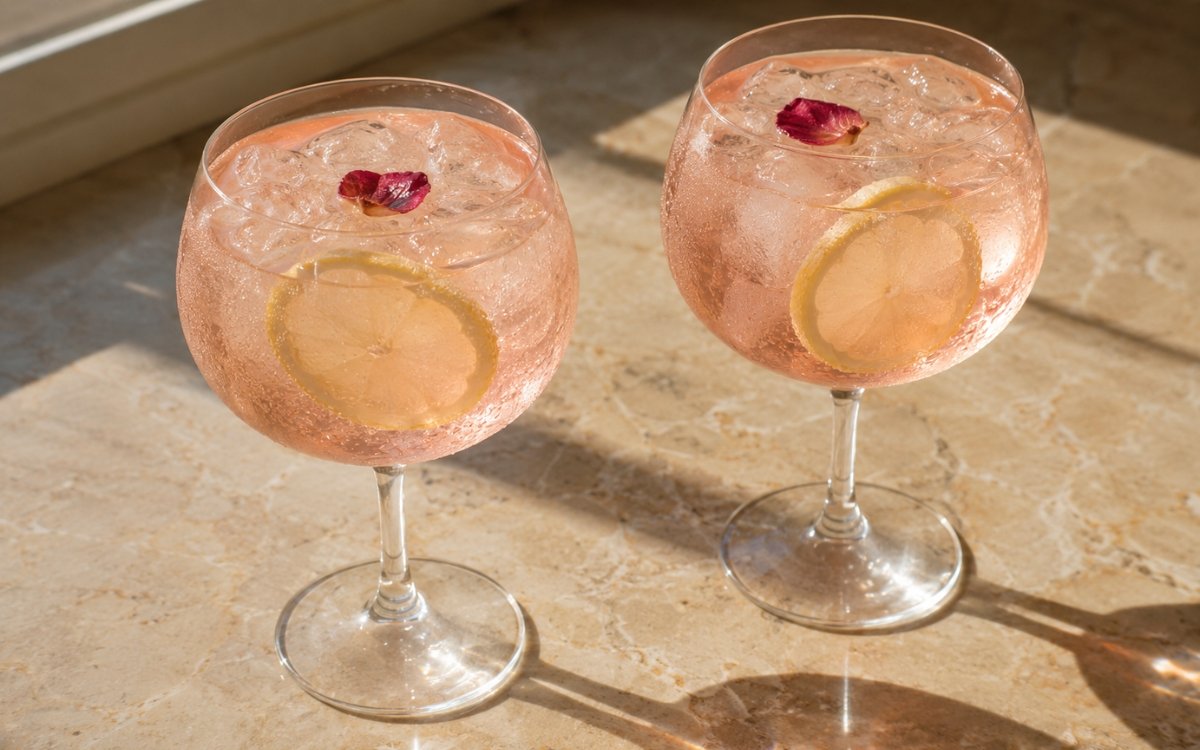
Refrigerate for 1–2 hours. The integration during the cold rest is specifically beneficial for rose lemonade — rose’s aromatic compounds are relatively slow to distribute through the cold water medium compared to lemon’s immediately vivid citric character. The chilled, rested version shows the rose’s character as properly integrated with the lemon rather than as a separate, floating floral note. Fill glasses with ice. Pour the chilled rose lemonade over the ice. Garnish with a lemon slice and 2–3 food-grade edible rose petals floated on the surface of each glass. Serve immediately.
*Notes :
- Dried rose petals for culinary use are available from tea shops, specialty food retailers, Middle Eastern grocery stores, and online. The quality and fragrance vary significantly by variety — Damask rose (Rosa damascena), Bulgarian rose, and Moroccan rose varieties produce the most specifically aromatic, most deeply flavoured culinary petals. Commercial rose petal tea blends may contain other botanicals; always use pure rose petals rather than rose tea blends for this preparation, as other botanicals will produce unpredictable flavour results.
- Rose’s geraniol aromatic compound is shared with lychee — the basis of the famous lychee-rose pairing explored in the Lychee Rose Spritzer Mocktail. In this lemonade the geraniol presence from the rose syrup provides the specific warmth that makes the drink taste specifically more sophisticated than lemon alone, while the lemon’s different acid and aromatic profile specifically contrasts and complements rather than duplicating the rose’s character.
Why This Recipe Works
This recipe works because the rose petals are steeped within the 6–8 minute window in concentrated warm syrup — extracting geraniol, citronellol, and damascone ahead of the tannins and rose oxide. The syrup is strained with light rather than firm pressing to minimise tannin extraction from softened petal tissue.
The lemon is firmly in the primary register and the rose specifically in the background. And the salt amplifies the rose’s warm aromatic character at sub-threshold concentration.
Ingredient Breakdown
Rose Petals (6–8 Minutes in Warm Syrup, Light Pressing Only)
The warm floral aromatic — geraniol, citronellol, and damascone extracted ahead of tannins and rose oxide; light pressing to avoid additional tannin from softened petal tissue.
Food-Grade Damask or Culinary Rose Petals
The quality-critical ingredient — variety and freshness of drying determine the aromatic compound concentration; always culinary-grade pure petals.
Lemon Pulp and Juice as Primary Flavour Register
The citrus-first architecture — lemon vivid and primary; rose warm and background.
Conservative Syrup Start (120ml)
The calibrated under-start — rose’s soapy threshold approached faster in some batches than others; always taste before adding more.
Light Pressing During Straining
The tannin-minimisation step — softened rose petal tissue releases tannins under firm pressing; always press lightly.
Flavor Structure Explained
This Rose lemonade follows a layered balance model:
- Bright citrus core (fresh lemon juice)
- Warm floral depth (rose infusion)
- Restrained balancing sweetness (simple syrup)
- Flavor-enhancing salinity (pinch of salt)
- Elegant aromatic finish (rose-citrus harmony)
Lemon defines the foundation with sharp acidity, vivid freshness, and the unmistakable brightness associated with classic lemonade. Rose provides the secondary aromatic layer, adding warm floral depth and a softly perfumed character that lingers behind the citrus rather than overpowering it. Sweetness is carefully restrained so the floral and acidic elements remain balanced and integrated instead of competing for attention. A small amount of salt subtly intensifies both the lemon’s brightness and the rose’s aromatic presence, making the drink feel more expressive and refined. The result is a lemonade built around elegance and harmony, where floral warmth softens but never obscures the citrus core.
Common Mistakes to Avoid
- Steeping Rose Beyond 8 Minutes – Tannin extraction and rose oxide concentration both increase progressively beyond this window. Always strain within 8 minutes.
- Pressing the Rose Petals Firmly During Straining – Softened rose petal tissue releases tannins under firm pressing that are not released in gentle infusion. Always press lightly.
- Using Decorative or Non-Food-Grade Rose Petals – Non-culinary rose petals may contain pesticides or preservatives. Always food-grade culinary petals.
- Adding Too Much Rose Syrup to Correct a Mild Rose Character – The correct response to insufficient rose is small incremental additions to the specific threshold where it is background-pleasant. Over-adding moves rapidly toward soapy. Always add in 10ml increments.
- Correcting Over-Rose with Lemon Juice – Lemon juice does not reduce rose concentration. Only dilution with cold water reduces the rose’s absolute concentration. Always dilute.
Variations
With Raspberry
Add 80g of fresh raspberries to the blender before combining — blended and strained separately, the vivid raspberry juice combined with the rose syrup produces a rose-raspberry lemonade with specifically more vivid colour and a fruit-and-floral direction.
With Lychee Juice
Replace 200ml of the cold water with 200ml of quality lychee juice — the shared geraniol character of rose and lychee producing the specifically harmonious amplifying combination described in the Lychee Rose Spritzer Mocktail.
With Vanilla
Add ¼ tsp of pure vanilla extract to the cooled rose syrup before combining — the vanilla’s warm aromatic sweetness alongside rose’s own warmth produces a specifically more dessert-adjacent, more indulgent direction.
Sparkling Version
Build the rose-lemon base without water, chill separately, and add chilled sparkling water right before serving — the carbonation amplifies rose’s geraniol and damascone at each sip.
Storage & Make-Ahead
Rose-infused syrup can be refrigerated in a sealed jar for up to 2 weeks. Its floral flavor remains vibrant throughout storage, and any pale pink tint from the rose petals may deepen slightly over time.
Once assembled, rose lemonade can be refrigerated for up to 3 days. The combination of rose and lemon flavors becomes more integrated during the first 24 hours, after which the floral character gradually softens over days 2 and 3 as the more delicate aromatic compounds slowly dissipate.
Assembled glasses are not suitable for storage and should be served immediately.
Frequently Asked Questions
Why only 6–8 minutes for the rose steep?
Rose petals’ pleasant aromatic compounds — primarily geraniol, citronellol, and β-damascone — extract quickly in the concentrated warm simple syrup. Beyond 8 minutes, progressive tannin extraction from the softening petal tissue and increasing rose oxide concentration produce the bitter-soapy-perfumed quality that characterises over-extracted rose. The window is the same as lavender’s but for different chemical reasons.
Why press rose petals only lightly during straining?
Rose petal tissue that has softened during the 6–8 minute infusion retains tannins in its cell walls. Light pressing extracts the aromatic liquid without significantly rupturing these cells; firm pressing forces tannin-containing cellular material into the syrup, adding an astringent-bitter-soapy note that the 6–8 minute infusion specifically aimed to avoid.
What is the connection between rose and lychee?
Rose and lychee share geraniol as a primary aromatic compound — the terpene alcohol responsible for both rose’s characteristic warm sweet-floral character and lychee’s sweet, musky, tropical-floral identity. This shared primary aromatic compound means the two ingredients amplify rather than compete — doubling the concentration of the shared compound produces a more intense version of both characters simultaneously.
What other floral lemonade preparations share this philosophy?
The Elderflower Lemonade shares the floral-background-behind-citrus-primary philosophy — elderflower’s specifically honey-floral, more delicate aromatic character producing a lighter, more subtly floral direction than rose’s warmer, more specifically romantic depth. The Lavender Lemonade shares the identical extraction principle, time constraint, over-infusion risk, and correction guidance — different aromatic chemistry but the same fundamental preparation philosophy. The Lychee Rose Spritzer Mocktail shares the rose as primary aromatic in a sparkling, lychee-juice based preparation — both preparations built on rose’s geraniol character but in entirely different structural formats.
Nutrition Facts
( per serving )
Calories
~75 kcal
Protein
0 g
Fat
0 g
Carbs
20 g
Calories
~75 kcal
Protein
0 g
Fat
0 g
Carbs
20 g
Related Recipes
Related Recipes

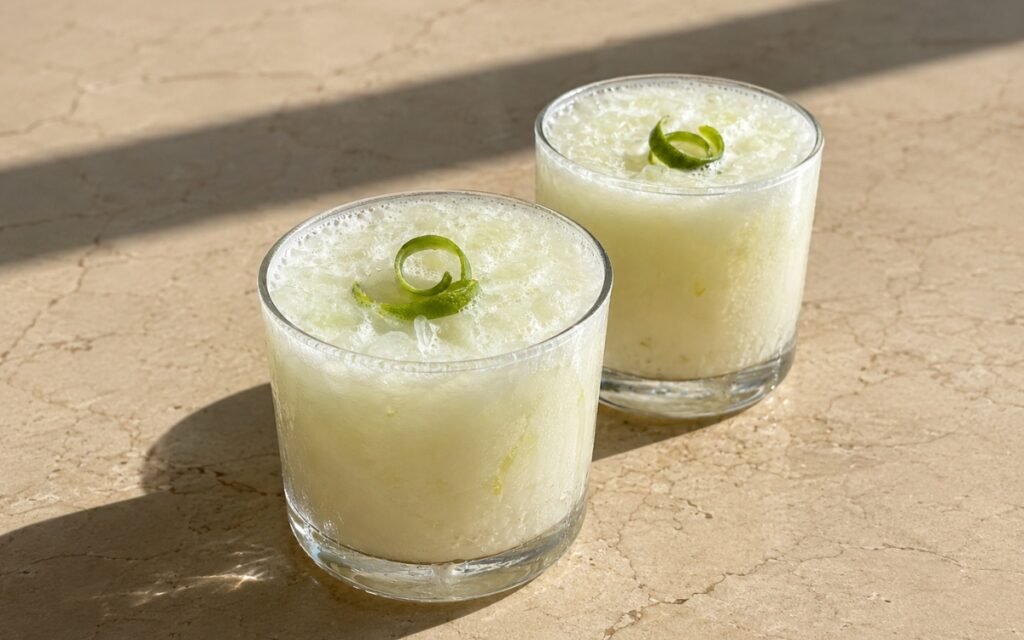
Brazilian Lemonade
Creamy lime-zest lemonade with condensed milk, bright and smooth, rich yet refreshing without bitterness.
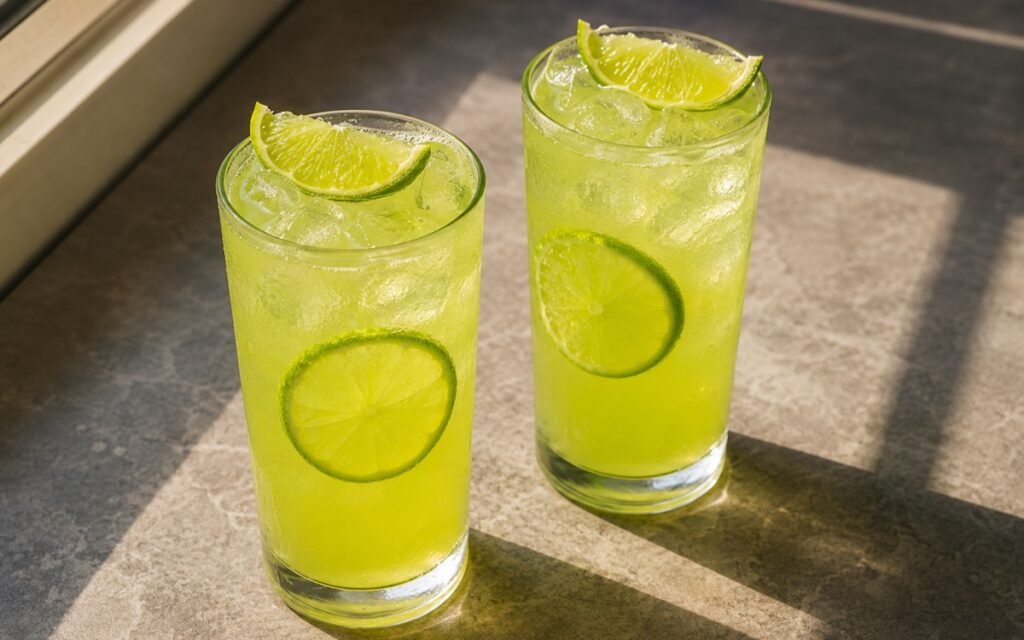
Lime Lemonade — Limenade
Lime zest steeped off heat exactly 8–10 minutes, clean pulp mashed with all pith removed — fresh lime juice, sugar calibrated for lime’s acid, salt. Sharp and bold.
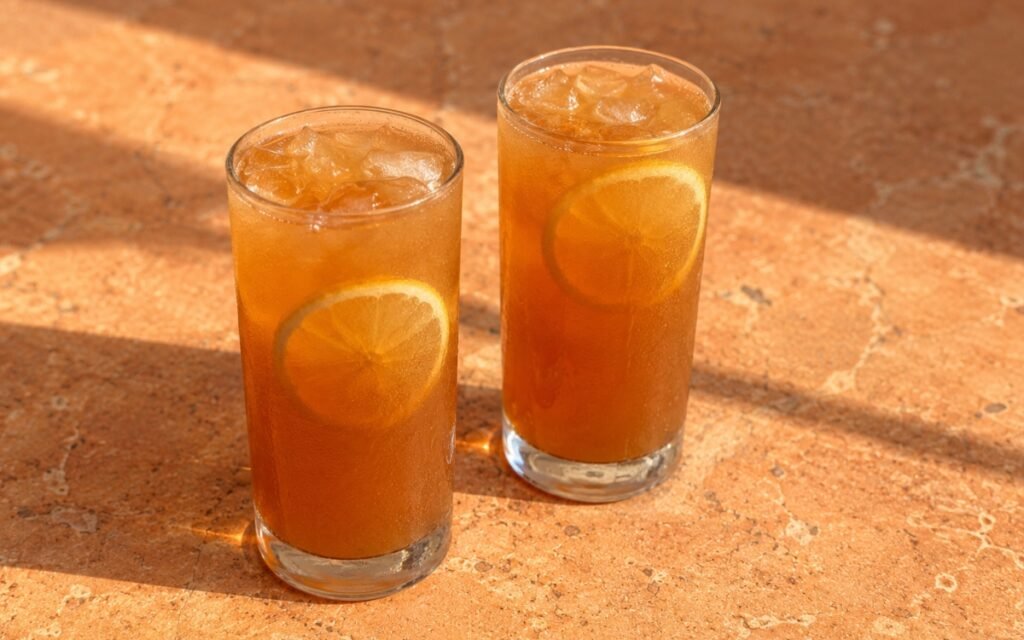
Tamarind Lemonade
Cold-extracted lemon zest and juice combined with a gently extracted, deep amber tamarind base for a vivid, tangy lemonade.
You might also like
You might also like
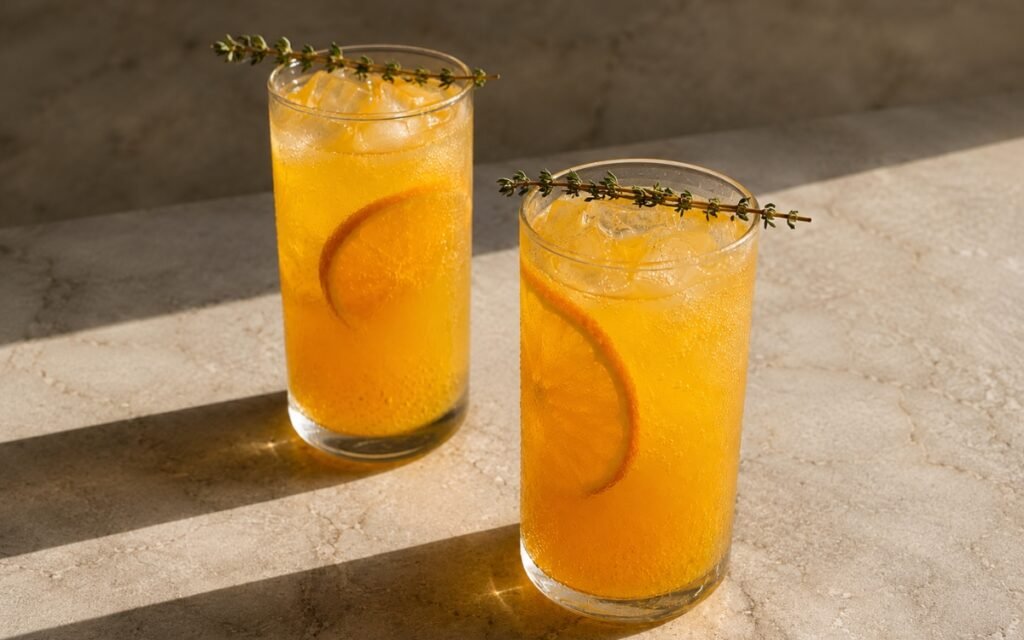
Mango Turmeric Tonic Mocktail
Tropical mango and earthy turmeric with thyme over tonic water — golden, warm, and bittersweet.
Blood Orange Citrus Pitcher
Deep ruby blood orange pitcher drink with fresh lemon juice, fragrant citrus zest, and lightly sweetened brown sugar syrup.
Ginger Lime Beer Mocktail
Sharp ginger beer with lime pulp, mint, and honey creates punchy heat, bright bite, and cooling balance.
Rose Lemonade
Ingredients
Method
- Combine the 180ml of water and 150g of white sugar in a small saucepan over medium heat. Stir until the sugar is completely dissolved and the liquid is clear. Remove from the heat immediately. Add the 1½ tsp of dried edible rose petals. Cover the saucepan and steep for 6–8 minutes. The 6–8 minute window is calibrated for the concentrated warm simple syrup medium in the same way as the lavender preparation — the higher dissolved solids concentration and the post-simmer temperature producing faster extraction than a cooler, more dilute medium would. Rose’s pleasant aromatic compounds — specifically geraniol (responsible for the warm, sweet, rose-like floral character that geraniol uniquely produces, and which rose and lychee share as a primary aromatic compound), citronellol (the softer, lighter rose-scented terpene), and β-damascone and β-damascenone (the characteristically deep, warm, honey-rose character of the most aromatic rose varieties) — extract into the warm syrup relatively quickly. Rose’s over-infusion pathway differs from lavender’s: where lavender’s problem is camphor extraction, rose’s soapy-unpleasant shift comes from progressive rose oxide extraction combined with the petal tissue’s tannin compounds releasing as the petal material softens and breaks down in the warm liquid. At 6–8 minutes the rose petals are still largely intact and the tannin extraction is minimal; beyond this point the petals begin breaking down more significantly. Always taste the syrup at 6 minutes — rose petals vary significantly in their aromatic oil concentration by variety, growing conditions, and drying process. A highly aromatic fresh-dried batch from a fragrant variety may need only 5–6 minutes; a milder batch benefits from the full 8 minutes. Strain completely through a fine-mesh sieve. Press very lightly on the rose petals to extract liquid without squeezing significant tannin from the softened petal tissue. Allow to cool completely.
- Segment 2–3 lemons, removing all seeds and tough membranes while keeping clean citrus pulp. Remove all white pith. Add the clean pulp to the large pitcher and mash gently until juice is released and light citrus texture forms. The lemon pulp is specifically important in the rose lemonade for its tonal relationship with the rose syrup’s character. Lemon’s vivid, sharp, specifically clean citrus acidity provides the precise counterpoint to rose’s warm, sweet, deeply aromatic floral depth — each making the other more apparent. The lemon is not softened by the rose’s presence; the rose is not made syrupy by the lemon’s acidity. The two are specifically complementary because they operate in completely different aromatic registers while sharing the same medium.
- Add the 240ml of fresh lemon juice, 120ml of the cooled rose syrup, 750ml of ice-cold water, and the pinch of fine sea salt to the pitcher. Stir thoroughly. Taste with the specific assessment question: is this lemon lemonade with a beautiful floral warmth behind it, or does the rose feel prominent as a flavour? The correct answer is the first. If the rose is prominent and pleasant — not soapy — it is at the upper edge of the correct range; add a small splash of cold water to move it toward background. If the rose is specifically soapy or perfumed at any concentration, over-extraction has occurred during the steep and dilution is the only correction. The salt’s specific function in this preparation is slightly different from its role in purely citrus lemonades. In addition to its standard sub-threshold amplification of the lemon’s vivid character, the salt specifically interacts with rose’s geraniol and citronellol compounds to make them more specifically aromatic in the way salt enhances aromatic perception across most volatile compounds. The rose’s specific floral warmth tastes more distinctly itself with the salt than without it.
- Refrigerate for 1–2 hours. The integration during the cold rest is specifically beneficial for rose lemonade — rose’s aromatic compounds are relatively slow to distribute through the cold water medium compared to lemon’s immediately vivid citric character. The chilled, rested version shows the rose’s character as properly integrated with the lemon rather than as a separate, floating floral note. Fill glasses with ice. Pour the chilled rose lemonade over the ice. Garnish with a lemon slice and 2–3 food-grade edible rose petals floated on the surface of each glass. Serve immediately.