Ingredients
Method
Make the Rose-Infused Simple Syrup
- Combine the 180ml of water and 150g of white sugar in a small saucepan over medium heat. Stir until the sugar is completely dissolved and the liquid is clear. Remove from the heat immediately. Add the 1½ tsp of dried edible rose petals. Cover the saucepan and steep for 6–8 minutes. The 6–8 minute window is calibrated for the concentrated warm simple syrup medium in the same way as the lavender preparation — the higher dissolved solids concentration and the post-simmer temperature producing faster extraction than a cooler, more dilute medium would. Rose's pleasant aromatic compounds — specifically geraniol (responsible for the warm, sweet, rose-like floral character that geraniol uniquely produces, and which rose and lychee share as a primary aromatic compound), citronellol (the softer, lighter rose-scented terpene), and β-damascone and β-damascenone (the characteristically deep, warm, honey-rose character of the most aromatic rose varieties) — extract into the warm syrup relatively quickly. Rose's over-infusion pathway differs from lavender's: where lavender's problem is camphor extraction, rose's soapy-unpleasant shift comes from progressive rose oxide extraction combined with the petal tissue's tannin compounds releasing as the petal material softens and breaks down in the warm liquid. At 6–8 minutes the rose petals are still largely intact and the tannin extraction is minimal; beyond this point the petals begin breaking down more significantly. Always taste the syrup at 6 minutes — rose petals vary significantly in their aromatic oil concentration by variety, growing conditions, and drying process. A highly aromatic fresh-dried batch from a fragrant variety may need only 5–6 minutes; a milder batch benefits from the full 8 minutes. Strain completely through a fine-mesh sieve. Press very lightly on the rose petals to extract liquid without squeezing significant tannin from the softened petal tissue. Allow to cool completely.
Prepare the Lemon Pulp
- Segment 2–3 lemons, removing all seeds and tough membranes while keeping clean citrus pulp. Remove all white pith. Add the clean pulp to the large pitcher and mash gently until juice is released and light citrus texture forms. The lemon pulp is specifically important in the rose lemonade for its tonal relationship with the rose syrup's character. Lemon's vivid, sharp, specifically clean citrus acidity provides the precise counterpoint to rose's warm, sweet, deeply aromatic floral depth — each making the other more apparent. The lemon is not softened by the rose's presence; the rose is not made syrupy by the lemon's acidity. The two are specifically complementary because they operate in completely different aromatic registers while sharing the same medium.
Build the Rose Lemonade Base
- Add the 240ml of fresh lemon juice, 120ml of the cooled rose syrup, 750ml of ice-cold water, and the pinch of fine sea salt to the pitcher. Stir thoroughly. Taste with the specific assessment question: is this lemon lemonade with a beautiful floral warmth behind it, or does the rose feel prominent as a flavour? The correct answer is the first. If the rose is prominent and pleasant — not soapy — it is at the upper edge of the correct range; add a small splash of cold water to move it toward background. If the rose is specifically soapy or perfumed at any concentration, over-extraction has occurred during the steep and dilution is the only correction. The salt's specific function in this preparation is slightly different from its role in purely citrus lemonades. In addition to its standard sub-threshold amplification of the lemon's vivid character, the salt specifically interacts with rose's geraniol and citronellol compounds to make them more specifically aromatic in the way salt enhances aromatic perception across most volatile compounds. The rose's specific floral warmth tastes more distinctly itself with the salt than without it.
Chill and Serve
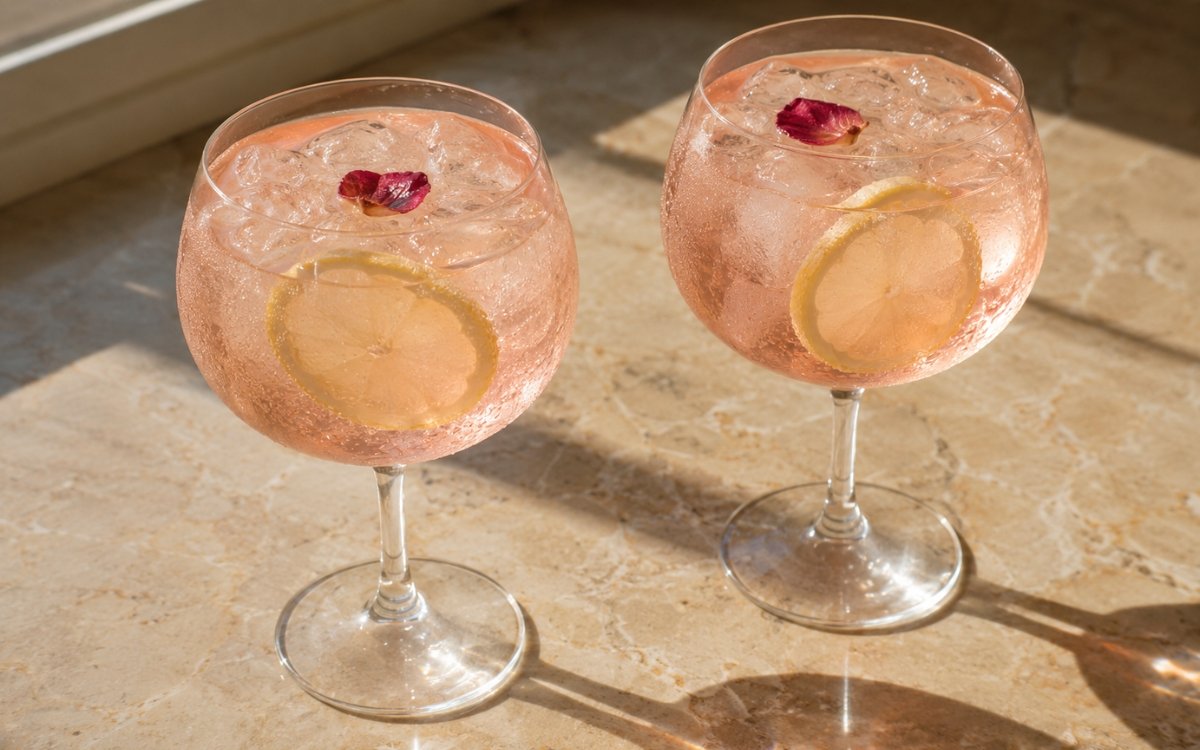
- Refrigerate for 1–2 hours. The integration during the cold rest is specifically beneficial for rose lemonade — rose's aromatic compounds are relatively slow to distribute through the cold water medium compared to lemon's immediately vivid citric character. The chilled, rested version shows the rose's character as properly integrated with the lemon rather than as a separate, floating floral note. Fill glasses with ice. Pour the chilled rose lemonade over the ice. Garnish with a lemon slice and 2–3 food-grade edible rose petals floated on the surface of each glass. Serve immediately.
Notes
Dried rose petals for culinary use are available from tea shops, specialty food retailers, Middle Eastern grocery stores, and online. The quality and fragrance vary significantly by variety — Damask rose (Rosa damascena), Bulgarian rose, and Moroccan rose varieties produce the most specifically aromatic, most deeply flavoured culinary petals. Commercial rose petal tea blends may contain other botanicals; always use pure rose petals rather than rose tea blends for this preparation, as other botanicals will produce unpredictable flavour results.
Rose's geraniol aromatic compound is shared with lychee — the basis of the famous lychee-rose pairing explored in the Lychee Rose Spritzer Mocktail. In this lemonade the geraniol presence from the rose syrup provides the specific warmth that makes the drink taste specifically more sophisticated than lemon alone, while the lemon's different acid and aromatic profile specifically contrasts and complements rather than duplicating the rose's character.