
Lavender Lemonade
The brief for lavender lemonade — citrus first, lavender whispering behind it — is the precise calibration that separates the specifically good version from the overwhelmingly common bad one. Lavender in a drink is almost always either absent (too little, too brief a steep, too few buds) or dominant in the soapy, perfumed, medicinal register that makes people describe lavender-flavoured food as tasting like cosmetics. The 6–8 minute steep in the warm off-heat syrup is shorter than any other botanical infusion in this collection because the concentrated simple syrup — higher in dissolved solids and at a higher initial temperature than the blueberry lavender lemonade’s post-cool-down steep — extracts lavender’s volatile aromatic compounds significantly faster than a more dilute or cooler medium. At 6 minutes in the warm simple syrup the linalool and linalyl acetate compounds responsible for lavender’s specifically pleasant, clean, sweet floral character are meaningfully present. At 8 minutes they are at the maximum pleasant concentration. Beyond 8 minutes the camphor and eucalyptol compounds responsible for the soapy, medicinal register have extracted in significant quantities. The instruction that too much lavender cannot be fixed with more lemon — only diluted with more water — is the most specific piece of correction guidance in this collection, and it addresses the correct and limited approach to a mistake that is very easy to make.
Prep Time : 15 min
Cook Time : 5 min
Servings : 8
15 min
5 min
8
Ingredients
For the Lemon Structure
• Clean pulp or segments from 2–3 lemons — seeds and tough membranes removed; no white pith
For the Lavender-Infused Simple Syrup
• 180ml water
• 150g white granulated sugar — this one on Amazon
• 1½ tsp dried culinary-grade lavender buds — not decorative lavender — this one on Amazon
For the Lemonade Base
• 240ml fresh lemon juice — approximately 5–6 lemons
• 120–150ml lavender-infused simple syrup — start with 120ml, adjust after tasting
• 750ml–1 litre ice-cold water — start with 750ml, adjust after tasting
• Pinch of fine sea salt
For Serving
• Ice cubes
• Lemon slices
• Very small fresh lavender sprigs — optional
This post may contain affiliate links. As an Amazon Associate I earn from qualifying purchases, at no additional cost to you.
Directions
- Make the Lavender-Infused Simple Syrup
Combine the 180ml of water and 150g of white sugar in a small saucepan over medium heat. Stir continuously until the sugar is completely dissolved and the liquid is clear. Remove from the heat immediately. Add the 1½ tsp of dried culinary-grade lavender buds. Cover the saucepan. Allow to steep for 6–8 minutes. The 6–8 minute window is shorter than lavender infusions in other preparations in this collection — specifically shorter than the 15–25 minutes used in the Blueberry Lavender Lemonade preparation — and the difference is explained by the medium. In this preparation the lavender is added to a concentrated warm simple syrup (dissolved sugar and water at post-simmer temperature, approximately 85–90°C when removed from heat). The higher initial temperature and the higher dissolved solids concentration in a simple syrup versus plain water produce significantly faster extraction of the lavender’s aromatic compounds. At 6 minutes in this warm simple syrup the pleasant linalool and linalyl acetate compounds are extracted at meaningful concentration. At 8 minutes they are at the maximum of the pleasant range. The camphor and eucalyptol compounds responsible for the soapy register extract faster in warm, concentrated sugar solution than in cooler or more dilute mediums — the 6–8 minute window is the specifically calibrated limit for this specific preparation. Always taste the syrup at 6 minutes before deciding whether to continue to 8 minutes. Some dried lavender batches are more potent than others — a very fragrant, recently dried batch may produce a fully developed pleasant character at 5–6 minutes. An older, less fragrant batch may benefit from the full 8 minutes. Strain through a fine-mesh sieve and discard the lavender buds completely. Allow to cool. - Prepare the Lemon Pulp
Segment 2–3 lemons, removing all seeds and tough membranes while keeping clean citrus pulp. Remove all white pith. Add the clean pulp to the large pitcher and mash gently until juice is released and light citrus texture forms. - Build the Lemonade Base
Add the 240ml of fresh lemon juice, 120ml of the cooled lavender syrup, 750ml of ice-cold water, and the pinch of fine sea salt to the pitcher. Stir thoroughly. Taste with careful attention to the lavender-to-lemon balance. The correctly made lavender lemonade should have lemon as the clear, unmistakable primary flavour — bright, tart, specifically citrus — with a floral warmth in the background that is recognisably lavender but not specifically prominent as lavender. The tasting check is: does this taste primarily of lemon? If yes, and there is a pleasant floral depth behind it — correct. Does it taste primarily of lavender, or does it have a soapy quality at any point? If yes — over-lavender, which can only be corrected by dilution. The instruction not to correct over-lavender with more lemon is specifically important: additional lemon juice cannot reduce the lavender concentration, it can only change the acid-to-lavender ratio without reducing the lavender’s absolute presence. The lavender will still be perceived as too dominant regardless of additional lemon. Only dilution — more cold water to bring the lavender concentration below the perceptible-as-dominant threshold — reduces the lavender’s perceived intensity. If the lavender character is pleasant and well-integrated but the overall balance needs slightly more floral presence, add syrup in 10ml increments up to 150ml total. If the lemonade tastes well-balanced but needs additional brightness, add a small amount of fresh lemon juice. - Chill and Serve
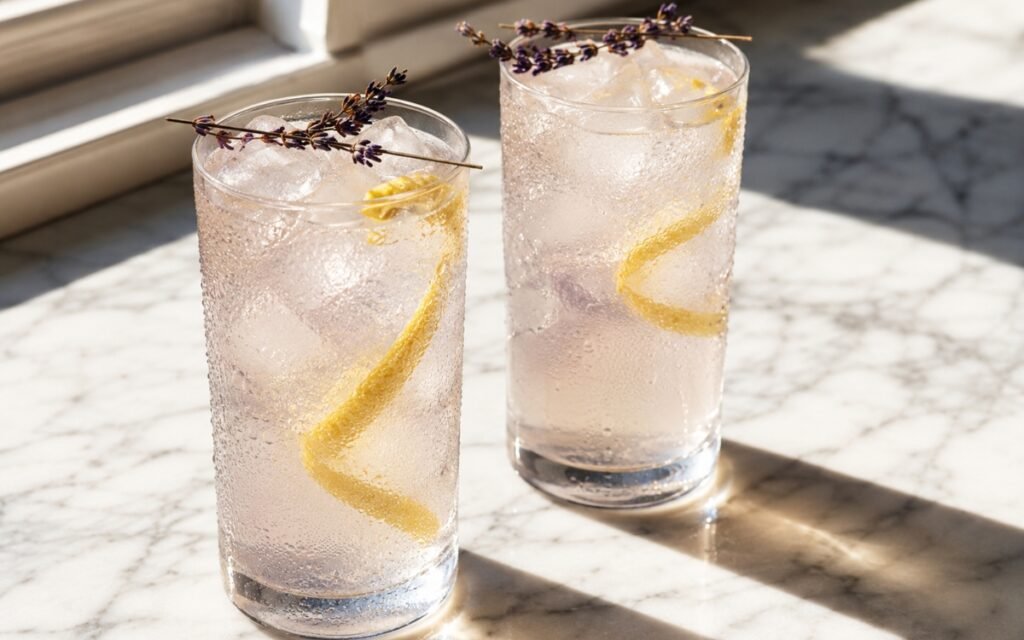
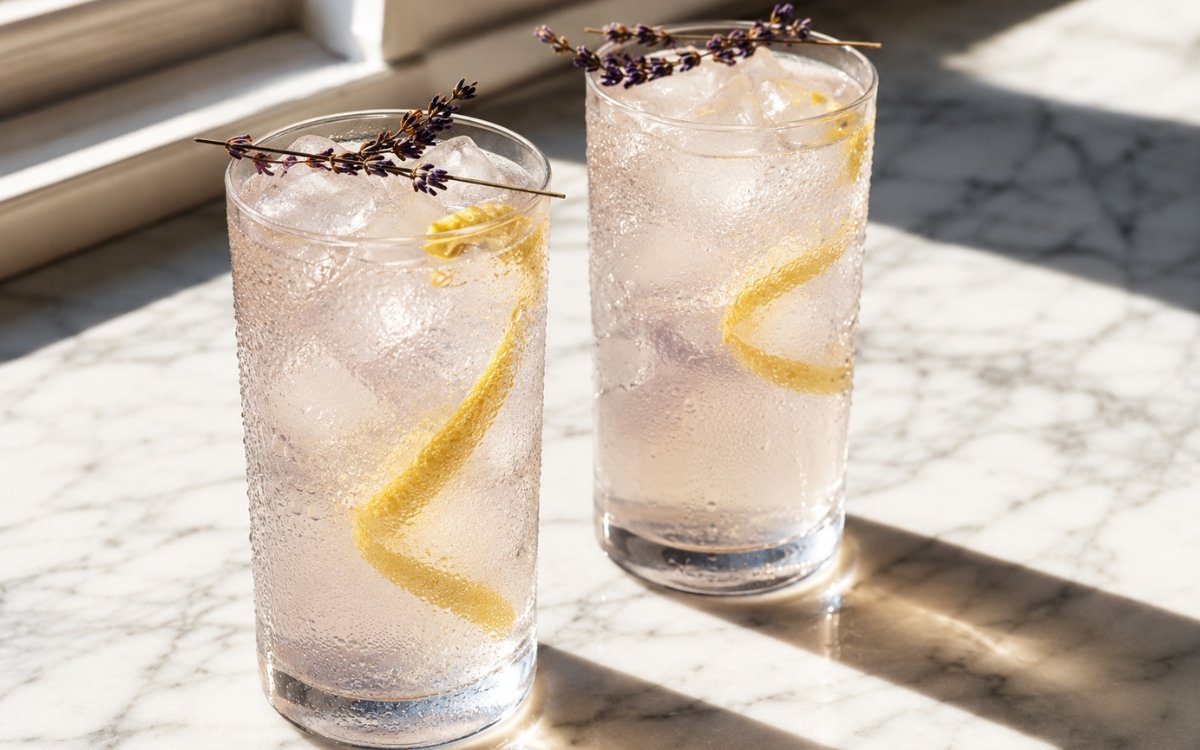
Refrigerate for 1–2 hours. The lavender’s floral aromatic integration specifically improves during the cold rest — the volatile aromatic compounds distribute through the cold liquid in a specifically more cohesive way than in the immediately combined room-temperature mixture. The chilled version will taste specifically more harmonious than the immediately combined version. Fill glasses with ice. Pour the chilled lavender lemonade over the ice. Garnish with a lemon slice and, if available, a single very small sprig of fresh lavender placed on the ice above the rim — the fresh sprig providing a visual aromatic reference rather than any meaningful additional flavour. The garnish lavender should be a tiny single sprig rather than a generous cluster; more than one sprig visually suggests lavender as a dominant ingredient, which conflicts with the preparation’s specifically citrus-first philosophy. Serve immediately.
*Notes :
- The chemistry of lavender over-extraction is specifically linear — meaning it does not plateau at a pleasant level and then remain stable; it continues extracting progressively more of the unpleasant compounds as the infusion time extends. This is different from the behaviour of, for example, thyme, which reaches a peak pleasant concentration before developing more slowly toward harshness. Lavender’s camphor extraction curve is relatively steep once it begins, which is why the preparation is more sensitive to exact timing than most.
- Culinary-grade lavender is specifically required — not decorative, not potpourri, not dried lavender from non-food sources. Culinary-grade lavender buds are typically from Lavandula angustifolia (English lavender) rather than the more camphor-dominant Lavandula latifolia (Spanish lavender) or the hybrid Lavandula × intermedia (Lavandin). Lavandula angustifolia specifically has a higher linalool-to-camphor ratio, producing a cleaner, sweeter floral character with less of the medicinal register that makes over-extracted lavender specifically unpleasant.
Why This Recipe Works
This recipe works because the lavender steep is timed within the specifically narrow 6–8 minute window of the concentrated warm simple syrup where pleasant aromatic compounds dominate ahead of the camphor-adjacent ones. The starting syrup quantity is conservative.
The tasting orientation is specifically toward lemon-first-lavender-behind rather than lavender-forward. And the correction guidance specifically addresses the over-lavender scenario with the correct remedy of dilution rather than additional lemon.
Ingredient Breakdown
1½ tsp Dried Culinary Lavender (6–8 Minutes in Warm Syrup)
The floral aromatic — specifically Lavandula angustifolia for its linalool-dominant character; strict timing in the concentrated warm syrup for pleasant-phase extraction only.
Lemon Pulp Mashed in Pitcher
The citrus structural base — lemon firmly in the primary register before the lavender syrup adds its floral background.
120ml Starting Syrup (Conservative)
The deliberate under-start — adding more is correctable; over-lavender is not correctable except by dilution.
Pinch of Salt
The citrus-floral amplifier — sharpening both the lemon’s vivid brightness and the lavender’s floral depth.
Water as the Only Correction for Over-Lavender
The critical technique principle — dilution reduces lavender concentration; additional lemon juice does not.
Flavor Structure Explained
This Lavender lemonade follows a restrained balance model:
- Bright citrus core (fresh lemon juice)
- Soft floral background (lavender)
- Clean balancing sweetness (simple syrup)
- Flavor-enhancing salinity (pinch of salt)
- Controlled aromatic finish (restrained floral integration)
Lemon defines the foundation with immediate citric brightness and clean acidity that remain the dominant impression throughout the drink. Lavender exists deliberately in the background, contributing warm floral aromatics that emerge after the citrus rather than competing with it directly. The sweetness balances the acidity without drawing attention to itself, allowing the drink to stay crisp and focused. A small amount of salt subtly intensifies both the citrus and floral notes, making the flavors feel clearer and more vivid. The defining success of the drink lies in restraint: it tastes first and foremost like exceptional lemonade, with lavender acting as a refined aromatic echo rather than a dominant flavor.
Common Mistakes to Avoid
- Steeping Lavender Beyond 8 Minutes in the Warm Syrup – The camphor extraction accelerates once it begins. Always strain at 8 minutes maximum; earlier if the syrup already smells intensely floral.
- Adding Too Much Lavender Syrup Without Tasting First – Over-lavender is not correctable with additional lemon. Always start at 120ml and taste carefully.
- Using Decorative or Non-Food-Grade Lavender – Non-culinary lavender may contain pesticides or higher camphor-dominant Lavandin variety buds. Always culinary-grade Lavandula angustifolia.
- Using Lavandin Rather Than English Lavender – Lavandin’s higher camphor content produces the specifically medicinal, soapy register faster and at lower concentrations. Always Lavandula angustifolia where possible.
- Trying to Fix Over-Lavender with Lemon – Only dilution with water reduces lavender concentration. Additional lemon juice changes the acid balance without reducing the lavender intensity.
Variations
With Lemon Verbena
Add ½ tsp of dried culinary lemon verbena alongside the lavender during the steep — both at the same 6–8 minute window. The lemon verbena’s specifically clean lemon-herb character bridges the lavender’s florality and the lemon juice’s brightness.
With Honey
Replace the white sugar with 120g of mild honey for the syrup — the honey’s floral warmth amplifies the lavender’s own floral character and produces the most specifically aromatic version of lavender lemonade.
With Blueberry
Add 150g of fresh blueberries to the syrup alongside the lavender for the first 5 minutes of steeping, then strain both — the blueberry’s anthocyanin depth and the lavender’s floral character producing the Blueberry Lavender Lemonade direction in a single-syrup format.
Sparkling Version
Build the lavender lemon base without water, chill separately, and add sparkling water right before serving — the carbonation amplifies the lavender’s aromatic compounds at each sip.
Storage & Make-Ahead
Lavender syrup can be refrigerated in a sealed jar for up to 2 weeks. Its floral flavor remains vibrant throughout storage, although the subtle camphor-like notes may become slightly more noticeable over time as the remaining aromatic compounds continue to equilibrate.
Once assembled, lavender lemonade can be refrigerated for up to 3 days. During the first 24 hours, the lavender flavor becomes more integrated and rounded, after which the floral character gradually begins to soften over the following days.
Assembled glasses are not suitable for storage and should be served immediately.
Frequently Asked Questions
Why only 6–8 minutes when other lavender preparations in this collection use longer windows?
This lavender infusion is made in a concentrated warm simple syrup — dissolved sugar and water at post-simmer temperature. The higher initial temperature and higher dissolved solids concentration produce significantly faster extraction of lavender’s aromatic compounds than a cooler or more dilute medium. The Blueberry Lavender Lemonade uses a longer window because the lavender is steeped in a cooler, lower-concentration medium. The 6–8 minute window is specifically calibrated for this concentrated warm syrup preparation.
Why can’t over-lavender be fixed with additional lemon juice?
Additional lemon juice changes the acid-to-lavender ratio without reducing the absolute concentration of lavender compounds in the liquid. The soapy or medicinal register comes from the camphor and eucalyptol compounds’ absolute concentration — not from their ratio to any other ingredient. Only dilution with water reduces their concentration below the threshold where they are perceptible.
What is the difference between culinary lavender and regular dried lavender?
Culinary-grade lavender is typically Lavandula angustifolia (English lavender), which has a higher ratio of linalool and linalyl acetate to camphor and eucalyptol — producing a cleaner, sweeter floral character. Non-culinary dried lavender is often Lavandin (Lavandula × intermedia), which has a higher camphor content and produces the medicinal, soapy register at lower concentrations and shorter steep times. Always culinary-grade for any food preparation.
What other floral lemonade preparations share this character?
The Blueberry Lavender Lemonade shares the lavender as primary botanical with blueberry’s vivid berry depth adding the secondary flavour register — more complex, more colourful. The Rose Lemonade shares the floral-citrus balance philosophy — rose’s warm, classic floral character in the background register behind lemon’s primary acidity, in the same citrus-first-floral-second approach. The Elderflower Lemonade shares the specifically delicate, restrained floral background approach — elderflower’s honey-adjacent florality the closest aromatic parallel to lavender’s sweet floral character in the cleanest, most accessible direction.
Nutrition Facts
( per serving )
Calories
~75 kcal
Protein
0 g
Fat
0 g
Carbs
20 g
Calories
~75 kcal
Protein
0 g
Fat
0 g
Carbs
20 g
Related Recipes
Related Recipes

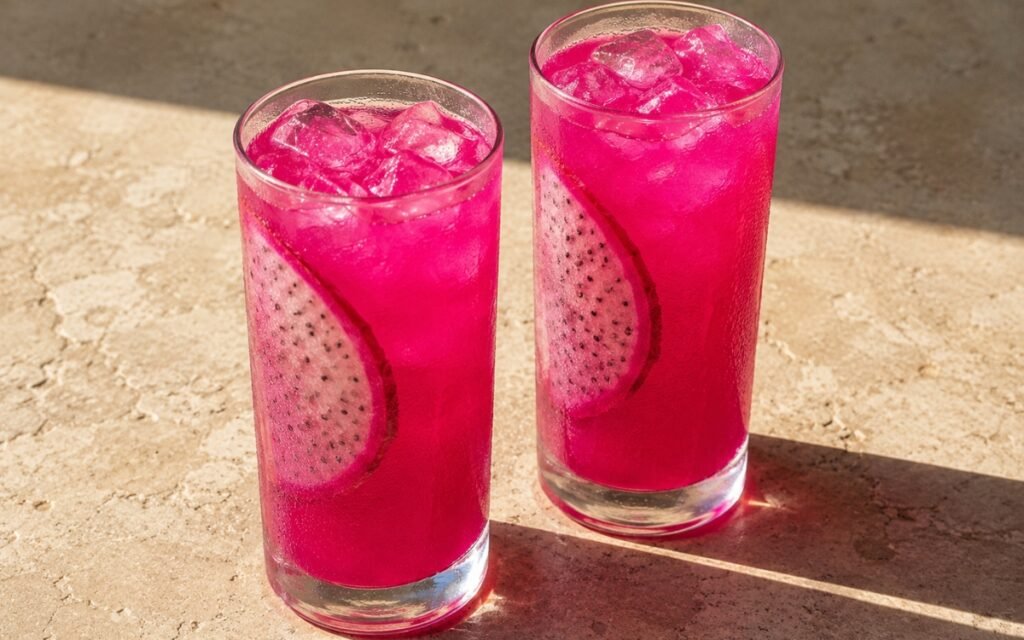
Dragon Fruit Lemonade
Cold-extracted lemon zest and juice combined with blended red dragon fruit for a vivid magenta-pink, clean-tasting lemonade.
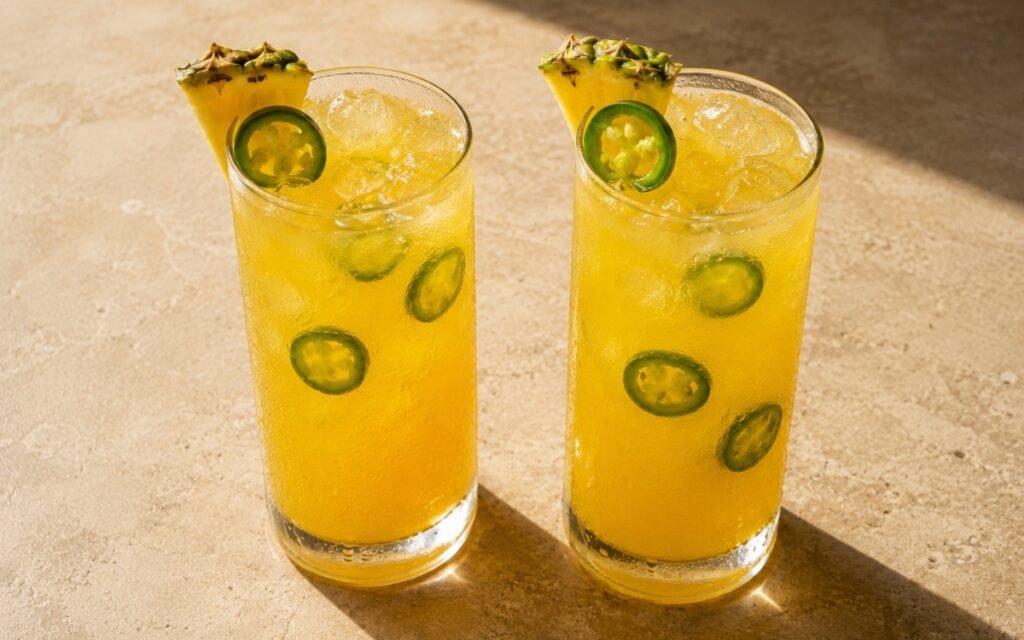
Pineapple Jalapeño Lemonade
Cold-extracted lemon zest and juice combined with fresh pineapple and a controlled cold jalapeño infusion for a bright, gently spicy lemonade.
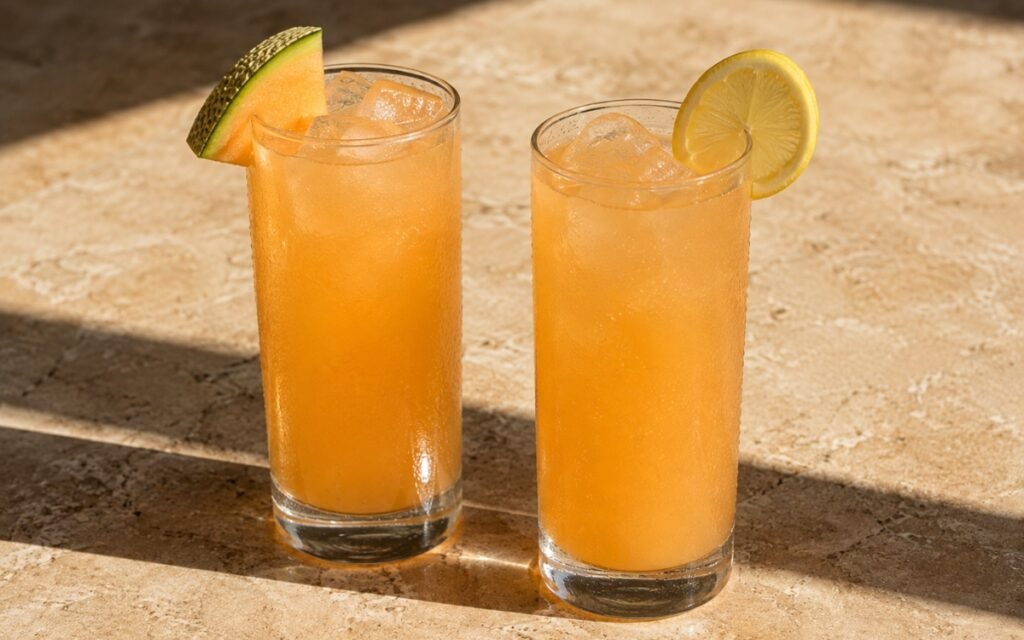
Cantaloupe Lemonade
Cold-extracted lemon zest and juice combined with blended ripe cantaloupe for a soft orange, smooth, melon-forward lemonade.
You might also like
You might also like
Thyme Grapefruit Sparkling Cooler
Thyme and grapefruit peel infused 8–10 minutes in boiled water — grapefruit juice once cooled, honey, club soda added last. Dry, botanical, crisp.
Classic Iced Black Tea
Black tea at 90–95°C for 2½–3 minutes, honey dissolved warm, lemon peel infused cold 5–10 minutes — chilled. Crisp, clean, timeless.
Lemongrass Ginger White Iced Tea
White tea at 75–80°C for 3–4 minutes, lemongrass bruised and infused with ginger 8–10 minutes — mild honey, chilled. Bright, citrus-herbal, gently warming.

Lavender Lemonade
Ingredients
Method
- Combine the 180ml of water and 150g of white sugar in a small saucepan over medium heat. Stir continuously until the sugar is completely dissolved and the liquid is clear. Remove from the heat immediately. Add the 1½ tsp of dried culinary-grade lavender buds. Cover the saucepan. Allow to steep for 6–8 minutes. The 6–8 minute window is shorter than lavender infusions in other preparations in this collection — specifically shorter than the 15–25 minutes used in the Blueberry Lavender Lemonade preparation — and the difference is explained by the medium. In this preparation the lavender is added to a concentrated warm simple syrup (dissolved sugar and water at post-simmer temperature, approximately 85–90°C when removed from heat). The higher initial temperature and the higher dissolved solids concentration in a simple syrup versus plain water produce significantly faster extraction of the lavender’s aromatic compounds. At 6 minutes in this warm simple syrup the pleasant linalool and linalyl acetate compounds are extracted at meaningful concentration. At 8 minutes they are at the maximum of the pleasant range. The camphor and eucalyptol compounds responsible for the soapy register extract faster in warm, concentrated sugar solution than in cooler or more dilute mediums — the 6–8 minute window is the specifically calibrated limit for this specific preparation. Always taste the syrup at 6 minutes before deciding whether to continue to 8 minutes. Some dried lavender batches are more potent than others — a very fragrant, recently dried batch may produce a fully developed pleasant character at 5–6 minutes. An older, less fragrant batch may benefit from the full 8 minutes. Strain through a fine-mesh sieve and discard the lavender buds completely. Allow to cool.
- Segment 2–3 lemons, removing all seeds and tough membranes while keeping clean citrus pulp. Remove all white pith. Add the clean pulp to the large pitcher and mash gently until juice is released and light citrus texture forms.
- Add the 240ml of fresh lemon juice, 120ml of the cooled lavender syrup, 750ml of ice-cold water, and the pinch of fine sea salt to the pitcher. Stir thoroughly. Taste with careful attention to the lavender-to-lemon balance. The correctly made lavender lemonade should have lemon as the clear, unmistakable primary flavour — bright, tart, specifically citrus — with a floral warmth in the background that is recognisably lavender but not specifically prominent as lavender. The tasting check is: does this taste primarily of lemon? If yes, and there is a pleasant floral depth behind it — correct. Does it taste primarily of lavender, or does it have a soapy quality at any point? If yes — over-lavender, which can only be corrected by dilution. The instruction not to correct over-lavender with more lemon is specifically important: additional lemon juice cannot reduce the lavender concentration, it can only change the acid-to-lavender ratio without reducing the lavender’s absolute presence. The lavender will still be perceived as too dominant regardless of additional lemon. Only dilution — more cold water to bring the lavender concentration below the perceptible-as-dominant threshold — reduces the lavender’s perceived intensity. If the lavender character is pleasant and well-integrated but the overall balance needs slightly more floral presence, add syrup in 10ml increments up to 150ml total. If the lemonade tastes well-balanced but needs additional brightness, add a small amount of fresh lemon juice.
- Refrigerate for 1–2 hours. The lavender’s floral aromatic integration specifically improves during the cold rest — the volatile aromatic compounds distribute through the cold liquid in a specifically more cohesive way than in the immediately combined room-temperature mixture. The chilled version will taste specifically more harmonious than the immediately combined version. Fill glasses with ice. Pour the chilled lavender lemonade over the ice. Garnish with a lemon slice and, if available, a single very small sprig of fresh lavender placed on the ice above the rim — the fresh sprig providing a visual aromatic reference rather than any meaningful additional flavour. The garnish lavender should be a tiny single sprig rather than a generous cluster; more than one sprig visually suggests lavender as a dominant ingredient, which conflicts with the preparation’s specifically citrus-first philosophy. Serve immediately.