
Pink Grapefruit Lemonade
Most homemade lemonade preparations in this collection are built around fruit that needs sweetening, balancing, and brightening — the lemon doing the work of sharpening what is fundamentally sweet. Pink grapefruit lemonade inverts this: the primary ingredient already provides bitterness, tartness, and vivid citrus intensity that needs no amplification, only structure and appropriate restraint in sweetening. The peel-infused simple syrup is the preparation’s most important single decision — grapefruit peel’s aromatic oils, particularly naringenin and limonene, extract into the warm syrup during the covered off-heat steep, producing a specifically adult, aromatic, dry-citrus depth that fresh juice alone cannot provide. The orange pulp and juice are present as supporting structure only — their job is specifically to round the grapefruit’s bitterness without softening it into approachability; the drink should finish dry-leaning, not sweet. The gently mashed pulp in the pitcher providing textural presence and the light citrus structure of a properly made citrus lemonade rather than a smooth, filtered drink. Salt sharpening the bitterness and lifting the sweetness invisibly. Bold, vibrant, clean, and confidently grown-up.
Prep Time : 15 min
Cook Time : 5 min
Servings : 8
15 min
5 min
8
Ingredients
For the Peel-Infused Simple Syrup
• 180ml water
• 150g white granulated sugar — this one on Amazon
• Peel of 1 pink grapefruit — coloured layer only, no white pith, added off heat
• Peel of 1 orange — coloured layer only, no white pith, added off heat
For the Citrus Structure
• Pulp of 2 pink grapefruits — seeds removed
• Pulp of 1 orange — seeds removed; supporting sweetness only
For the Lemonade Base
• 500ml fresh pink grapefruit juice
• 120–150ml peel-infused simple syrup — start with 120ml, taste before adding more
• 120ml fresh orange juice — support only; must not dominate
• Pinch of fine sea salt
• 1 litre ice-cold water
For Serving
• Ice cubes
• Pink grapefruit slices
This post may contain affiliate links. As an Amazon Associate I earn from qualifying purchases, at no additional cost to you.
Directions
- Make the Peel-Infused Syrup
Combine the 180ml of water and 150g of white sugar in a small saucepan over medium-low heat. Stir continuously until the sugar has completely dissolved — the liquid should be clear and the sugar visibly absent. Remove from the heat at the moment of full dissolution, specifically before any simmering begins. Add the peeled strips of pink grapefruit and orange peel immediately. Use a vegetable peeler to cut wide strips of the coloured outer layer only — the white pith beneath is the concentrated source of bitter naringin and limonin compounds that produce an unpleasant, harsh bitterness distinct from the pleasant, dry bitter character of the peel’s aromatic outer surface. Wide strips maximise the aromatic oil surface area available for extraction while allowing easy, complete removal during straining. Cover the saucepan and steep for 10–15 minutes. The covered steep is specifically important: the aromatic oils from both peels — primarily limonene, nootkatone, and various grapefruit-specific terpenes — are volatile and would escape as steam from an uncovered vessel. At 10 minutes the syrup has a clean, aromatic, specifically dry citrus depth with clearly grapefruit-forward character. At 15 minutes it is more intensely aromatic. Beyond 15 minutes the slower-extracting bitter pith compounds begin contributing even without the pith being directly present — always strain within the 15-minute window. Strain completely and allow to cool. - Prepare the Citrus Pulp
Cut the 2 pink grapefruits and 1 orange for pulp — removing the peel, sectioning, and removing the seeds. Place the pulp directly in the bottom of a large pitcher. Using a muddler or the back of a large spoon, mash the pulp gently — pressing firmly enough to release the juice and break down the cellular structure partially, but specifically not mashing to a fine purée. The goal is a lightly broken-down pulp that releases its juice while retaining visible pieces of citrus segment — providing both textural presence and the light citrus structure that distinguishes a properly made fruit-pulp lemonade from a smooth, filtered preparation. The orange pulp is present in specifically a supporting role — its function is to provide a background sweetness and mellow the grapefruit’s bitterness slightly at the level of the raw fruit rather than through added sugar. The grapefruit must remain dominant and identifiable throughout; if the orange pulp’s quantity is increased, the drink loses its specifically adult, grapefruit-forward character. - Build the Lemonade Base
Add the 500ml of fresh pink grapefruit juice, 120ml of fresh orange juice, 120ml of the cooled peel-infused syrup, the pinch of fine sea salt, and 1 litre of ice-cold water to the pitcher with the mashed pulp. Stir thoroughly. Taste carefully. The grapefruit should be immediately identifiable as the dominant flavour — the orange present as a background sweetness and the peel-infused syrup’s aromatic depth contributing a complexity that the fresh juice alone does not. The balance should lean specifically toward dry rather than sweet: a sweetness that tames the grapefruit’s bitterness into pleasantness but does not suppress it into approachability. If additional sweetness is genuinely needed, add the remaining 30ml of syrup; if the grapefruit’s bitterness is at the correct level but the overall balance needs sharpening, add an additional squeeze of fresh pink grapefruit juice. The salt at a pinch is the sub-threshold amplifier — specifically more important in this preparation than in sweeter lemonade preparations because salt specifically accentuates the perception of bitterness at low concentration, making the grapefruit’s dry bitter character taste more precisely itself rather than simply unsweet. - Chill and Serve
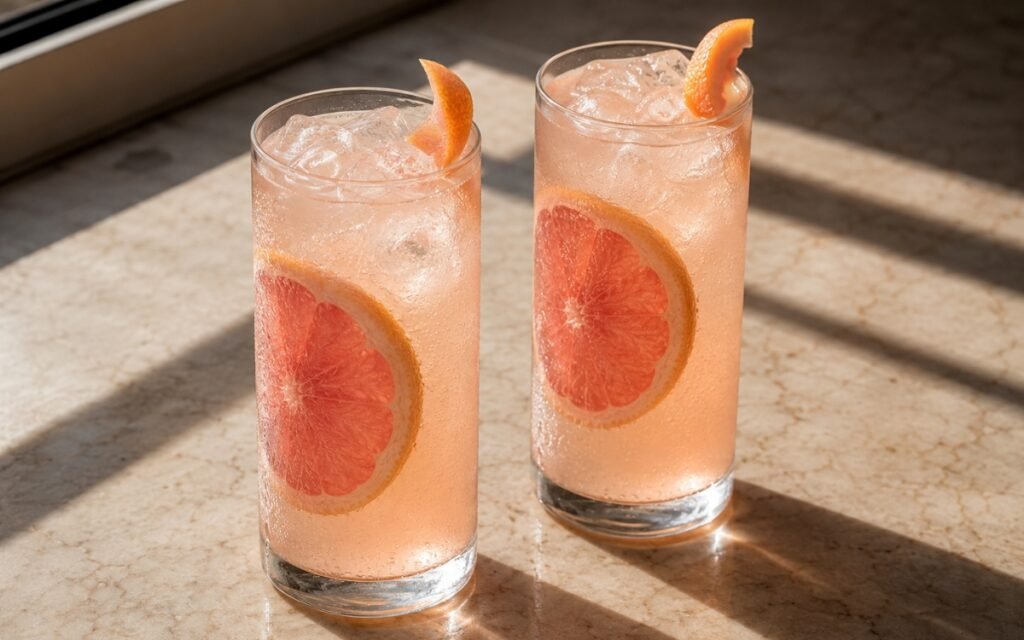
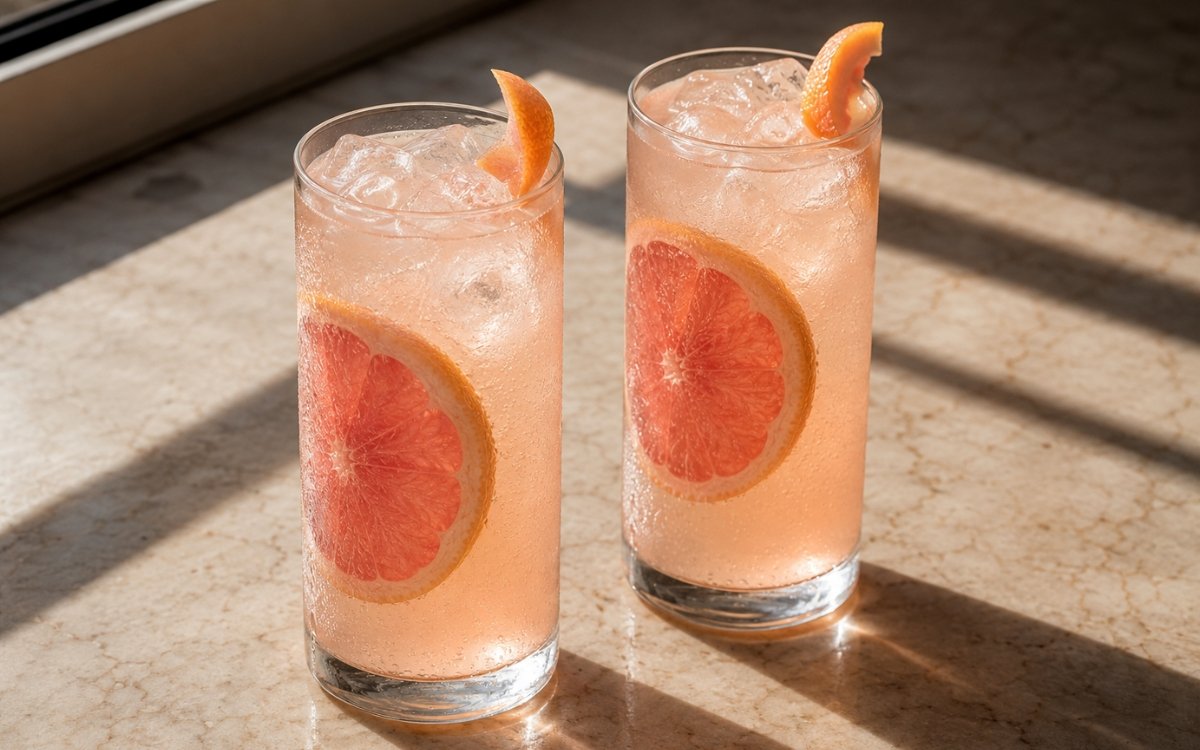
Refrigerate for 1–2 hours until completely cold and the peel-infused aromatic depth has integrated into the combined base. Stir before serving. Fill glasses with ice. Pour the chilled lemonade over the ice, including some of the mashed pulp in each glass if desired — the pulp provides textural interest and additional fresh citrus character in the glass. Garnish with a pink grapefruit slice. Serve immediately.
*Notes :
- Pink grapefruit’s primary bitter compound — naringenin — is specifically the flavour component that makes this lemonade taste specifically adult rather than accessible. Naringenin’s bitterness is structurally different from the astringency of over-steeped tea or the harsh bitterness of overcooking: it is a clean, dry, specifically citrus-bitter character that is specifically pleasurable when balanced by the right quantity of sweetness. The peel-infused syrup’s role is to provide this additional layer of specifically aromatic, terpene-rich grapefruit character alongside the naringenin in the juice.
- Nootkatone — the primary aroma compound responsible for grapefruit’s specifically distinctive, unmistakable aromatic character — is concentrated in the peel rather than the juice. The peel infusion is specifically how this compound enters the finished drink; a preparation using juice alone without the peel infusion produces a drink that tastes of grapefruit but lacks the specifically aromatic depth that makes pink grapefruit lemonade smell and taste immediately identifiable as grapefruit rather than generically citrus.
Why This Recipe Works
This recipe works because the peel infusion captures the aromatic terpenes — particularly nootkatone — that fresh juice alone cannot provide, producing the drink’s specifically grapefruit-identifiable depth. The orange is present as a supporting register only, never as a competing primary flavour.
The syrup quantity is deliberately restrained to maintain the dry-leaning balance. And the salt specifically amplifies the grapefruit’s bitterness into a pleasurable dry character rather than suppressing it.
Ingredient Breakdown
Peel-Infused Simple Syrup (Off-Heat Steep, 10–15 Minutes)
The aromatic depth technique — nootkatone and limonene extracted from the coloured peel layer without the pith’s harsh bitterness; the single most important preparation decision.
Grapefruit and Orange Pulp (Gently Mashed)
The textural citrus structure — sufficient mashing to release juice while retaining segment integrity; orange present strictly as background sweetness.
Sugar Restrained (Dry-Leaning Balance)
The adult character preservation — sweetness calibrated to make bitterness pleasant rather than to suppress it.
Pinch of Salt
The bitterness amplifier — specifically sharpening the grapefruit’s dry bitter character into precision rather than diffusing it.
Grapefruit Dominant, Orange Supporting
The flavour hierarchy — the single most important flavour decision in the entire preparation.
Flavor Structure Explained
This Pink grapefruit lemonade follows a layered balance model:
- Dry bitter citrus core (pink grapefruit)
- Intense aromatic depth (grapefruit peel oils)
- Restrained balancing sweetness (light syrup and orange)
- Layered tart acidity (grapefruit acids)
- Crisp adult-style finish (bitterness-acid balance)
Pink grapefruit defines the foundation with clean bitterness and sharp citrus character that immediately distinguish the drink from sweeter lemonades. Peel-infused syrup adds aromatic oils and terpene complexity, creating the unmistakable fragrance that signals grapefruit before the bitterness fully arrives. Sweetness is deliberately restrained, serving only to soften the edges enough for balance while allowing the bitter structure to remain dominant. Grapefruit’s natural acids provide additional brightness and tension beneath the bitterness, giving the drink both sharpness and depth. The overall effect is dry, refreshing, and notably more mature in character than conventional sweet citrus drinks.
Common Mistakes to Avoid
- Adding Too Much Syrup – Over-sweetening suppresses the grapefruit’s bitterness and produces a generic, sweet citrus lemonade rather than a specifically grapefruit-forward, dry-leaning adult preparation. Always start with 120ml and add more only if genuinely needed.
- Allowing Orange to Dominate – More than 120ml of orange juice shifts the flavour balance away from grapefruit toward a generic citrus blend. Always maintain the hierarchy.
- Using White Pith in the Syrup – The pith’s harsh bitter compounds are specifically different from the pleasant aromatic bitter character of the peel’s outer surface. Always remove the pith completely from the peel strips.
- Steeping the Peel Beyond 15 Minutes – Extended steeping extracts increasingly harsh compounds even without the pith present. Always strain within the 15-minute window.
- Serving Without Chilling – Room-temperature grapefruit lemonade’s bitterness tastes harsh; at cold temperature it tastes specifically pleasant and dry. Always chill the full 1–2 hours.
Variations
With Rosemary
Add 1 small rosemary sprig to the saucepan alongside the citrus peels during the off-heat infusion — removed with the peels at straining. The rosemary’s dry, resinous herbal depth is specifically complementary to grapefruit’s bitterness in the same direction as the Rosemary Grapefruit White Tea Cooler.
With Honey Instead of Sugar
Replace the white sugar with 120g of mild honey for the syrup — the honey’s aromatic warmth adds complexity while the grapefruit’s bitterness prevents the honey character from being sweet-dominant.
Sparkling Version
Replace the ice-cold still water with chilled sparkling water — add right before serving. The carbonation amplifies the grapefruit’s aromatic compounds at each sip and makes the bitterness feel specifically more lively.
With Cardamom
Add 3 lightly crushed cardamom pods to the syrup alongside the citrus peels during the off-heat steep — the cardamom’s warm, sweet-floral depth is a specifically harmonious pairing with grapefruit in a Middle Eastern direction.
Storage & Make-Ahead
Peel-infused syrup can be refrigerated in a sealed jar for up to 2 weeks.
Once assembled, the pink grapefruit lemonade can be refrigerated for up to 48 hours. During storage, the aromatic depth from the infused peel softens slightly, while the grapefruit’s bitterness remains bright and pronounced throughout.
Assembled glasses are not suitable for storage and should be served immediately.
Frequently Asked Questions
Why is the peel infusion so important?
Grapefruit’s most specifically aromatic compound — nootkatone — is concentrated in the coloured outer layer of the peel rather than in the juice. A preparation using juice alone tastes of grapefruit bitterness and tartness without the specifically recognisable aromatic depth that makes grapefruit immediately identifiable. The 10–15 minute off-heat peel infusion is specifically how nootkatone and the associated aromatic terpenes enter the finished drink.
Why must grapefruit dominate and not orange?
The preparation’s specific character — adult, dry-leaning, bittersweet, specifically grapefruit — depends entirely on the grapefruit’s flavour being the unmistakable primary register. Orange is sweeter, milder, and less distinctive; if it dominates, the drink becomes a generic citrus blend that is pleasant but lacks the specifically bold, grown-up character that makes this lemonade worth making.
Why is the sugar quantity deliberately restrained?
This lemonade is specifically designed to finish dry-leaning — the bitterness made pleasant by just enough sweetness rather than suppressed into approachability. More sugar produces a sweeter, more accessible drink but a fundamentally different, less specifically interesting one. The restraint is the preparation’s adult character.
Why add salt to a bitter drink?
At sub-threshold concentration, salt specifically sharpens the perception of bitterness into a more precise, cleaner character. The pinch of salt in this preparation makes the grapefruit’s dry bitterness taste more specifically of itself — more precisely grapefruit, more precisely adult — than the same preparation without it.
What other grapefruit-forward preparations share this character?
The Rosemary Grapefruit White Tea Cooler shares the grapefruit-forward, adult-tasting character with white tea’s structural depth and rosemary’s botanical herbal edge — a more specifically complex, more layered preparation. The Thyme Grapefruit Sparkling Cooler shares the grapefruit-and-herb combination in a sparkling format — thyme’s softer herbal warmth alongside the same vivid bitterness. The Fresh Pineapple Lemonade shares the specifically bold, acid-forward character — pineapple’s bromelain-driven tartness and sweetness providing a completely different but equally assertive citrus-adjacent direction.
Nutrition Facts
( per serving )
Calories
~85 kcal
Protein
0 g
Fat
0 g
Carbs
21 g
Calories
~85 kcal
Protein
0 g
Fat
0 g
Carbs
21 g
Related Recipes
Related Recipes

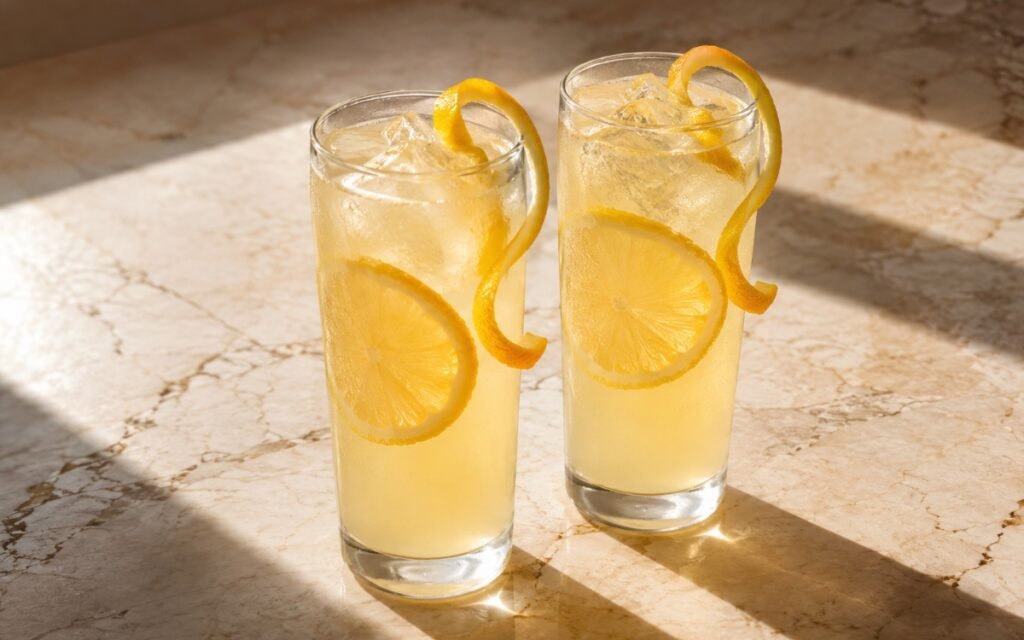
Meyer Lemon Lemonade
Meyer lemon zest steeped 8–10 minutes for floral aromatics, syrup starting at 100ml for natural sweetness — fresh juice, salt, chilled. Soft, floral, and elegantly balanced.
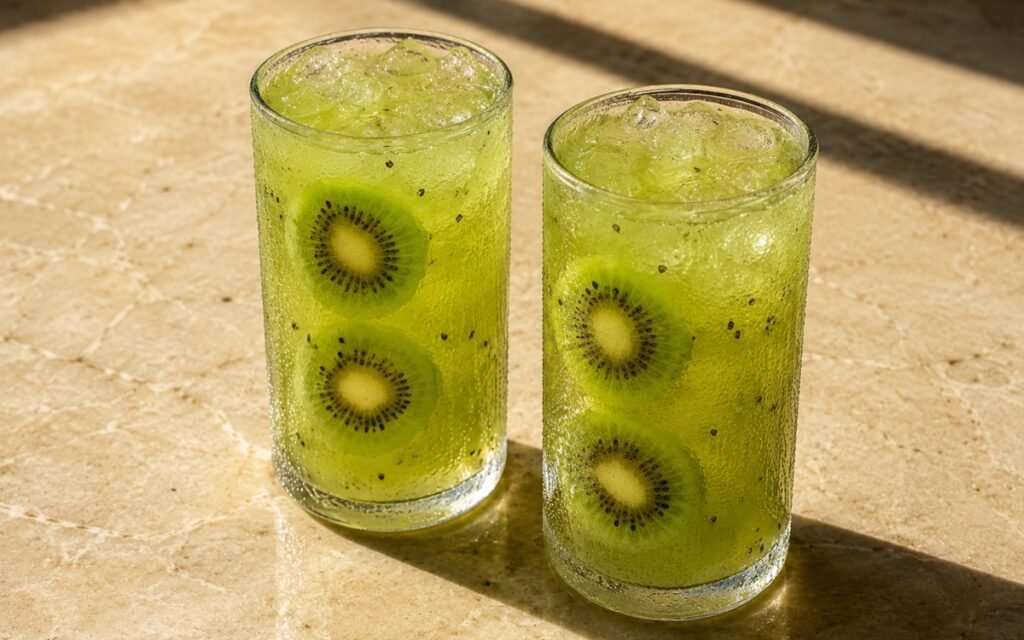
Kiwi Lemonade
Cold-extracted lemon zest and juice combined with blended ripe kiwi for a bright green, slightly pulpy lemonade.
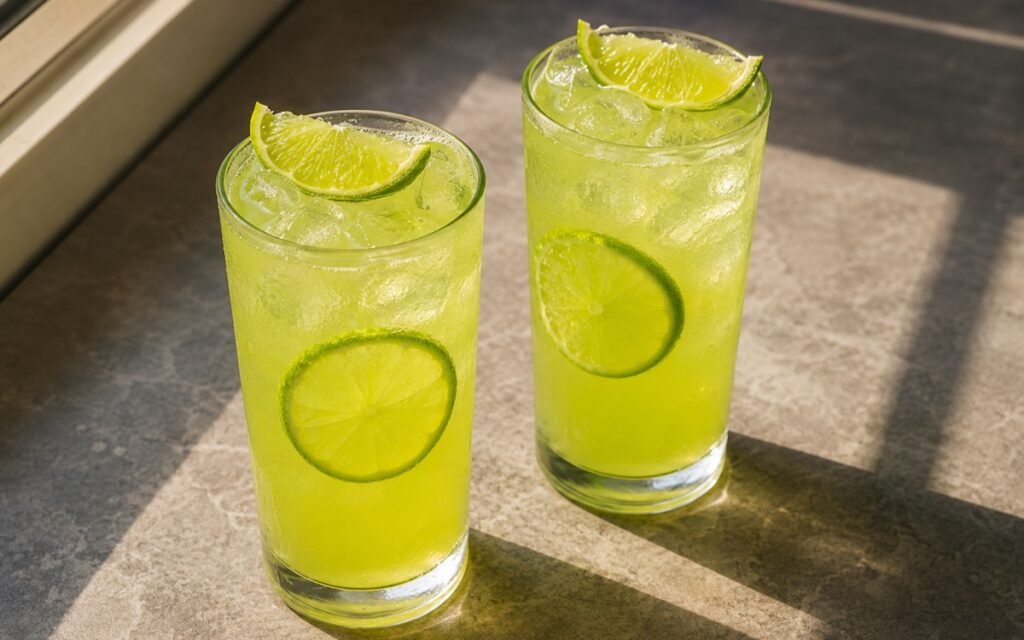
Lime Lemonade — Limenade
Lime zest steeped off heat exactly 8–10 minutes, clean pulp mashed with all pith removed — fresh lime juice, sugar calibrated for lime’s acid, salt. Sharp and bold.
You might also like
You might also like
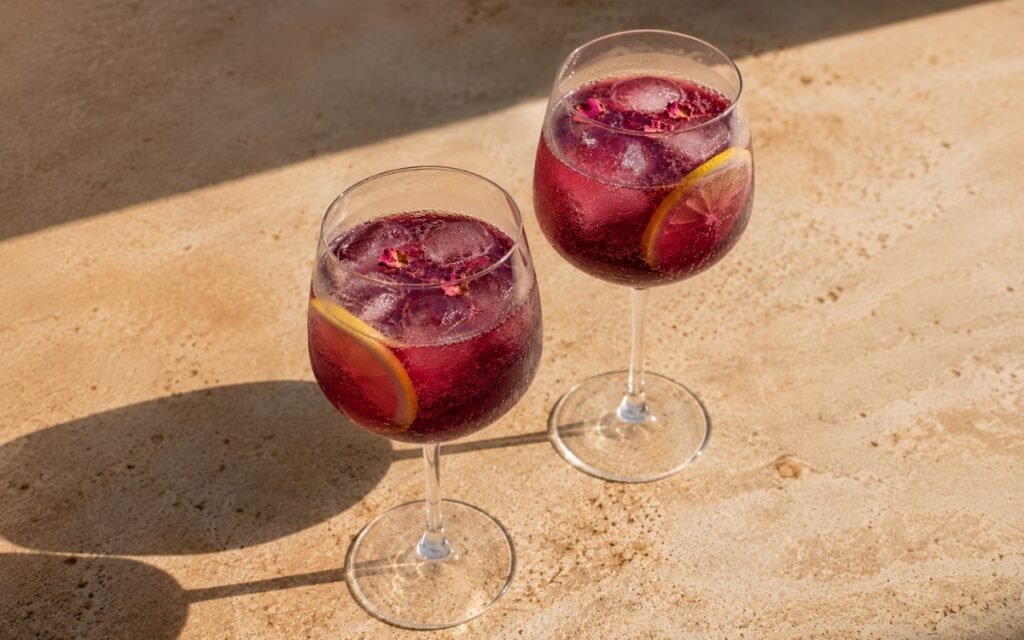
Blackcurrant Rose Fizz Mocktail
Rose-infused blackcurrant base with honey and lemon over club soda — vivid purple and tart.
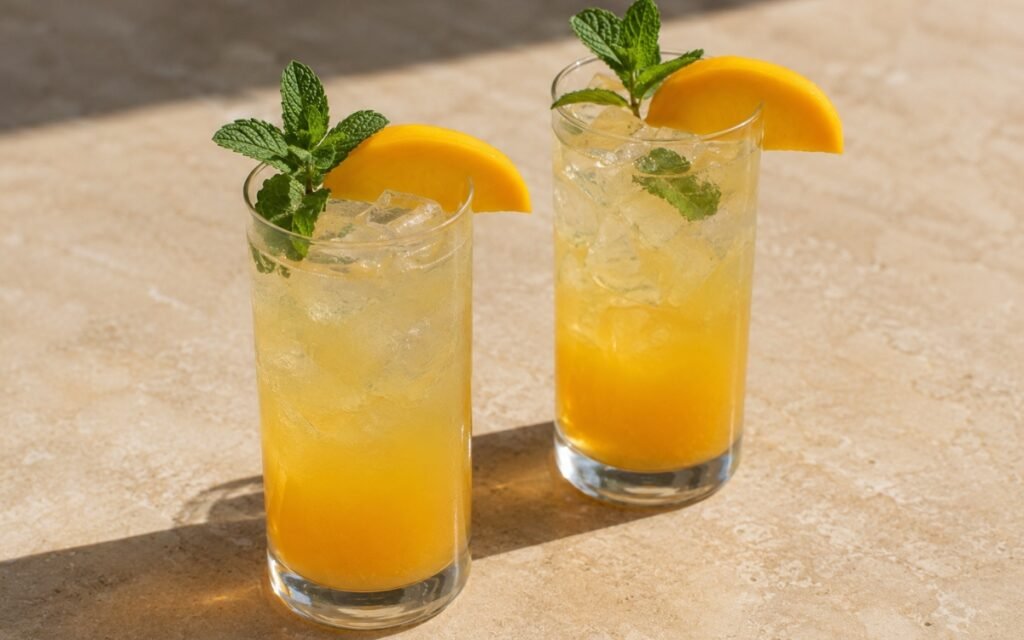
Mango Green Tea Lemonade
Mango blended with honey, green tea at 75–80°C — chilled and layered with sharp lemonade poured over a spoon. Golden gradient, fruit-forward.
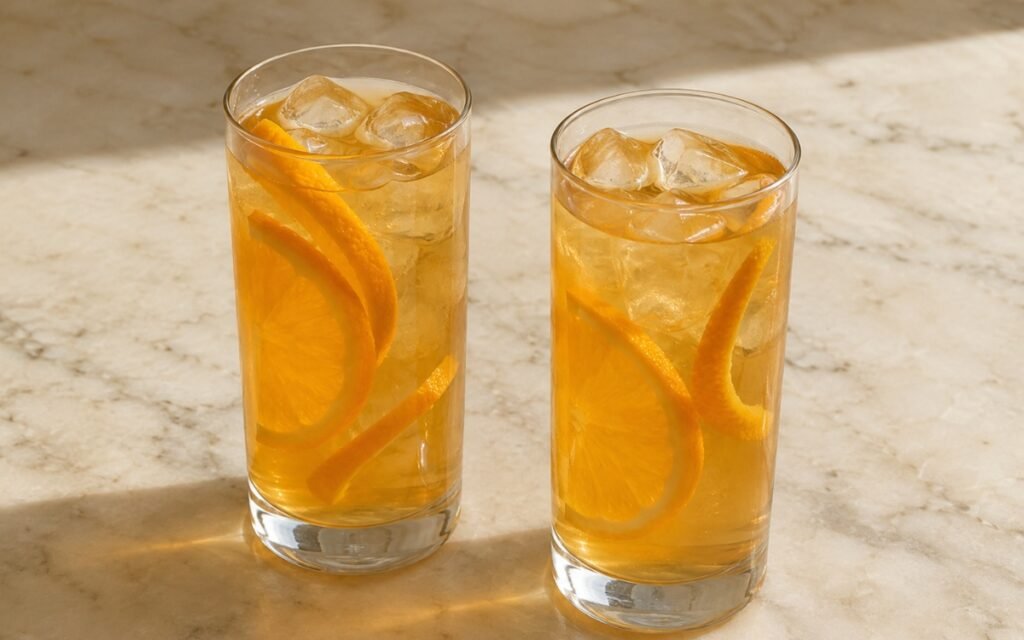
Orange Jasmine Iced Tea
Jasmine tea at 75–80°C for 2–3 minutes, orange peel infused cold 5 minutes — fresh orange juice to soften and brighten, chilled. Floral, citrusy, restrained.
Pink Grapefruit Lemonade
Ingredients
Method
- Combine the 180ml of water and 150g of white sugar in a small saucepan over medium-low heat. Stir continuously until the sugar has completely dissolved — the liquid should be clear and the sugar visibly absent. Remove from the heat at the moment of full dissolution, specifically before any simmering begins. Add the peeled strips of pink grapefruit and orange peel immediately. Use a vegetable peeler to cut wide strips of the coloured outer layer only — the white pith beneath is the concentrated source of bitter naringin and limonin compounds that produce an unpleasant, harsh bitterness distinct from the pleasant, dry bitter character of the peel’s aromatic outer surface. Wide strips maximise the aromatic oil surface area available for extraction while allowing easy, complete removal during straining. Cover the saucepan and steep for 10–15 minutes. The covered steep is specifically important: the aromatic oils from both peels — primarily limonene, nootkatone, and various grapefruit-specific terpenes — are volatile and would escape as steam from an uncovered vessel. At 10 minutes the syrup has a clean, aromatic, specifically dry citrus depth with clearly grapefruit-forward character. At 15 minutes it is more intensely aromatic. Beyond 15 minutes the slower-extracting bitter pith compounds begin contributing even without the pith being directly present — always strain within the 15-minute window. Strain completely and allow to cool.
- Cut the 2 pink grapefruits and 1 orange for pulp — removing the peel, sectioning, and removing the seeds. Place the pulp directly in the bottom of a large pitcher. Using a muddler or the back of a large spoon, mash the pulp gently — pressing firmly enough to release the juice and break down the cellular structure partially, but specifically not mashing to a fine purée. The goal is a lightly broken-down pulp that releases its juice while retaining visible pieces of citrus segment — providing both textural presence and the light citrus structure that distinguishes a properly made fruit-pulp lemonade from a smooth, filtered preparation. The orange pulp is present in specifically a supporting role — its function is to provide a background sweetness and mellow the grapefruit’s bitterness slightly at the level of the raw fruit rather than through added sugar. The grapefruit must remain dominant and identifiable throughout; if the orange pulp’s quantity is increased, the drink loses its specifically adult, grapefruit-forward character.
- Add the 500ml of fresh pink grapefruit juice, 120ml of fresh orange juice, 120ml of the cooled peel-infused syrup, the pinch of fine sea salt, and 1 litre of ice-cold water to the pitcher with the mashed pulp. Stir thoroughly. Taste carefully. The grapefruit should be immediately identifiable as the dominant flavour — the orange present as a background sweetness and the peel-infused syrup’s aromatic depth contributing a complexity that the fresh juice alone does not. The balance should lean specifically toward dry rather than sweet: a sweetness that tames the grapefruit’s bitterness into pleasantness but does not suppress it into approachability. If additional sweetness is genuinely needed, add the remaining 30ml of syrup; if the grapefruit’s bitterness is at the correct level but the overall balance needs sharpening, add an additional squeeze of fresh pink grapefruit juice. The salt at a pinch is the sub-threshold amplifier — specifically more important in this preparation than in sweeter lemonade preparations because salt specifically accentuates the perception of bitterness at low concentration, making the grapefruit’s dry bitter character taste more precisely itself rather than simply unsweet.
- Refrigerate for 1–2 hours until completely cold and the peel-infused aromatic depth has integrated into the combined base. Stir before serving. Fill glasses with ice. Pour the chilled lemonade over the ice, including some of the mashed pulp in each glass if desired — the pulp provides textural interest and additional fresh citrus character in the glass. Garnish with a pink grapefruit slice. Serve immediately.