
Lime Lemonade — Limenade
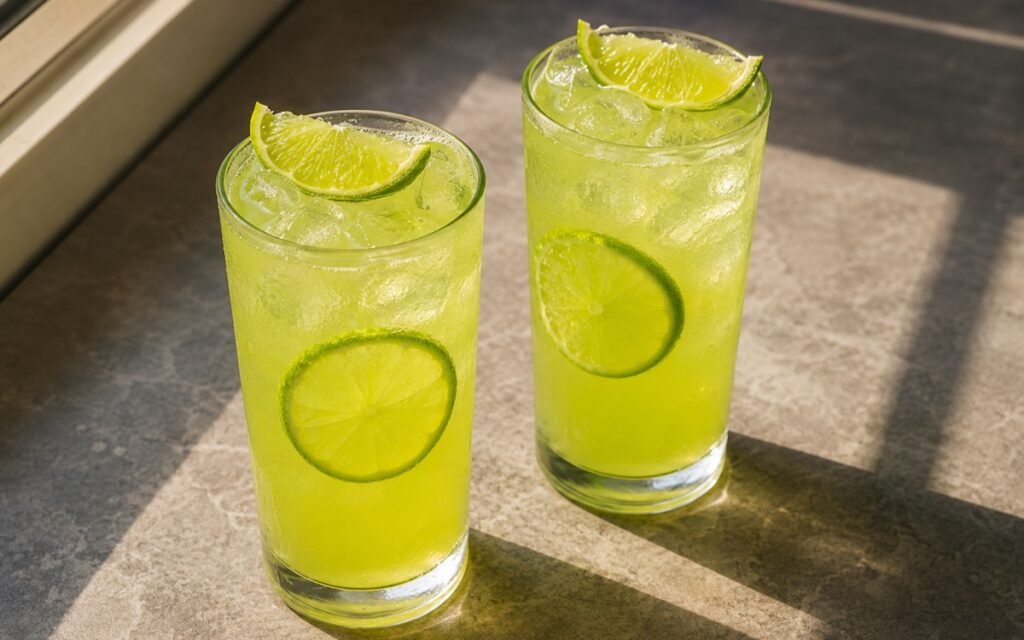
Lime is the sharpest, most assertive, most uncompromising of the citrus fruits used in this collection. Its citric acid concentration is measurably higher than lemon’s; its aromatic volatile compound profile — dominated by limonene and citral but with a significantly higher concentration of various terpene esters — produces a specifically more intense, more aggressive citrus character that is less forgiving of imprecision. The lime peel infusion uses the shortest steep time of any peel infusion in this collection — 8–10 minutes — because lime peel’s bitter flavanone and coumarin compounds extract at a faster rate than either orange or grapefruit peel’s comparable bitter fractions. At 8–10 minutes the aromatic volatile oils are well-extracted and the bitter compounds are below an unpleasant threshold; at 12 minutes the bitterness is approaching; beyond 12 the bitterness is specifically present and the syrup tastes harsh rather than aromatic. The white pith specifically excluded from the mashed pulp — lime’s pith contains a higher concentration of limonin and naringin than most other citrus, and its harshness specifically at lime’s high-acid pH is more aggressively unpleasant than the equivalent in any other citrus preparation in this collection. Clean lime pulp, peel-infused syrup, fresh lime juice, cold water, and salt. Lemonade with teeth.
Prep Time : 15 min
Cook Time : 5 min
Servings : 8
15 min
5 min
8
Ingredients
For the Lime Structure
• Clean pulp or segments from 3 limes — seeds and all tough membranes removed; no white pith included
For the Peel-Infused Simple Syrup
• 180ml water
• 150g white granulated sugar — this one on Amazon
• Zest of 3 limes — green layer only, no white pith; added off heat
For the Limenade Base
• 240ml fresh lime juice — approximately 8–10 medium limes
• 120–150ml peel-infused simple syrup — start with 120ml, adjust after tasting
• 750ml–1 litre ice-cold water — start with 750ml, adjust after tasting
• Pinch of fine sea salt
For Serving
• Ice cubes
• Lime slices
This post may contain affiliate links. As an Amazon Associate I earn from qualifying purchases, at no additional cost to you.
Directions
- Make the Peel-Infused Simple Syrup
Combine the 180ml of water and 150g of white sugar in a small saucepan. Stir over medium heat until the sugar is completely dissolved and the liquid is clear. Remove from the heat immediately. Add the zest of 3 limes — the fine zest rather than the wide-strip peel approach used in the blood orange and grapefruit preparations. Lime zest’s concentration of aromatic oils is higher per gram than either orange or grapefruit peel in the coloured outer layer, meaning the finer grated zest provides good aromatic surface area without requiring wide strips. Cover and steep for 8–10 minutes. The 8–10 minute maximum is the strictest peel-infusion limit in this collection. Lime peel contains limonin, naringin, and various coumarin compounds alongside its pleasant volatile terpenes — the bitter compounds’ extraction rate is accelerated by the higher acidity of the lime zest’s cellular environment relative to orange or grapefruit peel. At 8 minutes the aromatic volatile oils are well and specifically extracted; the pleasant lime character is at its most vivid. At 10 minutes it is at the absolute maximum for the pleasant-only result. At 12 minutes the bitterness is detectable; beyond that it progressively dominates. Always strain within the 10-minute point for the first-time preparation; experienced batches can extend to 12 minutes only if the lime zest is demonstrably very fresh and fragrant. Strain the zest completely and allow to cool. - Prepare the Lime Pulp
Section the 3 limes, removing all seeds and every piece of white pith from the pulp. The emphasis on pith removal is more specific and more important here than in any other preparation in this collection. Lime’s pith contains a high concentration of limonin — the primary bitter compound in citrus pith — that at lime’s high natural citric acid pH (approximately 2–2.5) tastes specifically more aggressively harsh than the same compound in lemon or orange pith at their higher pH values. Any white pith included in the mashed lime pulp will contribute a specifically hard, persistent bitterness that is categorically different from the pleasant, light, natural citrus bitterness the preparation intends. Remove every piece. Add the clean pulp to the pitcher and mash gently — sufficient pressure to release juice from the segment pieces and begin breaking them down, without producing a uniform purée. The lime segments’ membrane structure is more specifically firm than blood orange’s or lemon’s, and the gentle mash produces a lighter-textured, more clearly segment-structured result in the glass. - Build the Limenade Base
Add the 240ml of fresh lime juice, 120ml of the cooled peel-infused syrup, 750ml of ice-cold water, and the pinch of fine sea salt to the pitcher with the mashed pulp. Stir thoroughly. Taste carefully. Lime’s natural acidity means the starting base is the most assertively tart of any lemonade preparation in this collection — specifically more aggressive than lemon’s equivalent at the same juice quantity. This is expected and correct: the balance-point between the lime’s sharpness and the syrup’s sweetness is specifically higher on the acid scale than any other preparation, and the finished drink should be sharp and bold rather than smoothly balanced. If the acidity feels genuinely aggressive rather than pleasantly sharp, add additional simple syrup in 10ml increments up to 150ml total. If the lime’s character seems flat or muted, add a small additional amount of fresh lime juice rather than adding water. Adjust the water quantity for concentration. The salt at sub-threshold concentration is specifically important in this preparation — lime’s combined citric-and-malic acid profile at this concentration makes the flavour more specifically vivid when salt is present. - Chill and Serve
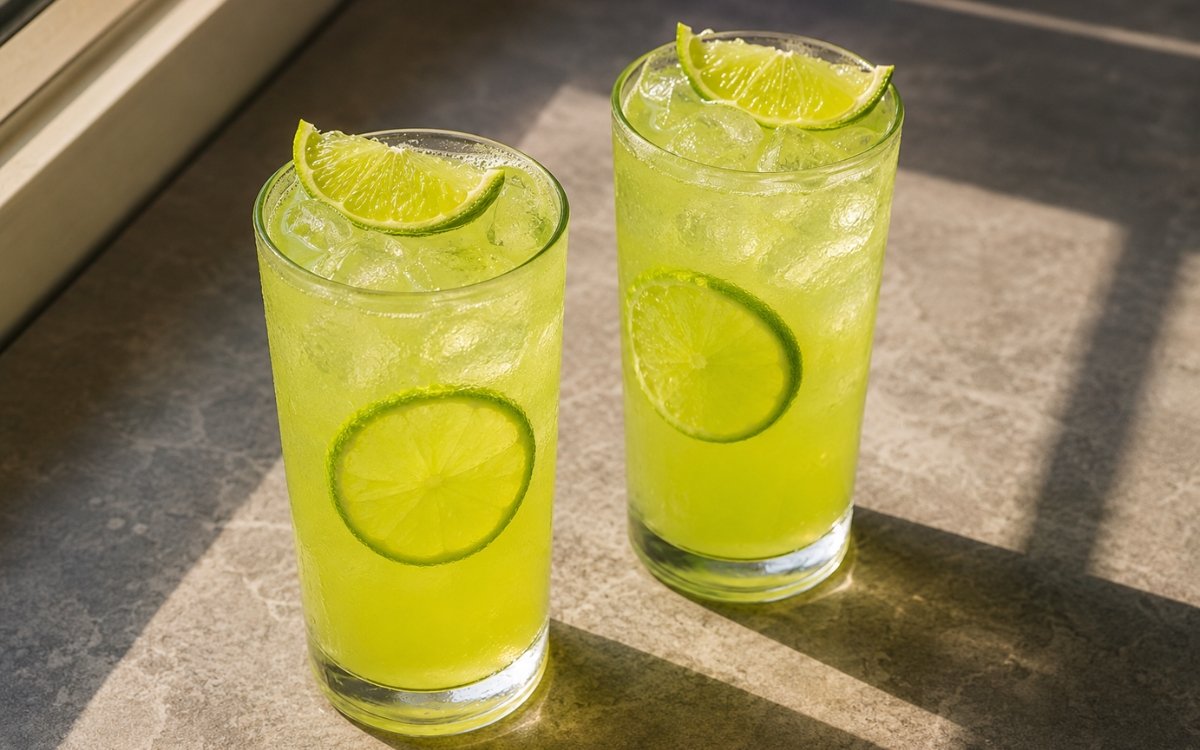
Refrigerate for 1–2 hours until completely cold and integrated. Fill glasses with ice. Pour the chilled limenade over the ice. Garnish with a lime slices. Serve very cold — lime’s acidity is specifically most refreshing and most specifically pleasant at the coldest temperature.
*Notes :
- The preparation’s character — sharp, assertive, specifically lime-forward, unapologetically acidic — is specifically different from the gentler, more broadly accessible classic lemon lemonade. This is a preparation for people who want their citrus to announce itself. The sugar quantity of 150g in the syrup is higher than the classic still lemonade’s 100g not because the preparation is sweeter but because lime’s higher acid concentration requires more sweetness to reach the balance point — the overall result is still specifically tart-forward.
- Persian limes — the standard seedless variety in most supermarkets — produce a good, consistent, bold result. Mexican or Key limes — smaller, more fragrant, with a specifically more aromatic, more floral lime character — produce a more intensely aromatic but more labour-intensive result (more limes required for the same juice volume). Both work well; the Key lime version is specifically more aromatic and more vivid but requires significantly more fruit.
Why This Recipe Works
This recipe works because the lime zest is steeped within the strictest infusion window in this collection — the 8–10 minute maximum that prevents lime peel’s faster-extracting bitter compounds from dominating. The lime pith is completely excluded from the mashed pulp for the same reason.
The sugar quantity is calibrated for lime’s higher acid concentration rather than being simply transferred from the lemon preparations. And the salt specifically amplifies lime’s vivid, assertive character into its most precise expression.
Ingredient Breakdown
Lime Zest Steeped Off Heat (8–10 Minutes Maximum)
The aromatic depth with the strictest timing — lime peel’s bitter compounds extract faster than any other citrus in this collection; the window is the narrowest.
Clean Pulp With All Pith Removed
The essential preparation — lime pith’s limonin at lime’s high-acid pH produces an aggressively harsh bitterness that would dominate the preparation; no exceptions on pith removal.
240ml Fresh Lime Juice
The primary assertive acid — lime’s higher citric concentration producing the specifically bold, sharp character that defines this preparation.
150g Sugar in Syrup (Calibrated for Lime’s Higher Acid)
The higher-than-lemon sweetness calibration — more sugar required to reach the balance point against lime’s more concentrated acid.
Pinch of Salt
The lime-character amplifier — specifically sharpening lime’s vivid, assertive citrus character into maximum precision.
Flavor Structure Explained
This Lime lemonade follows a layered balance model:
- Sharp citrus core (fresh lime juice)
- Intense aromatic depth (lime peel oils)
- Restrained balancing sweetness (simple syrup)
- Flavor-enhancing salinity (pinch of salt)
- Bold refreshing finish (high-acid lime structure)
Lime defines the foundation with aggressive acidity, vivid citrus sharpness, and a lingering tartness that feels more forceful and energetic than lemon. Peel-infused syrup deepens the profile through concentrated terpene oils, giving the drink a fuller and more intensely aromatic lime character than juice alone could provide. Sweetness is carefully restrained, existing only to make the acidity refreshing rather than overwhelming. A small amount of salt amplifies the lime’s natural brightness and makes its flavor feel sharper, clearer, and more concentrated. The result is a highly focused citrus drink built around intensity, precision, and refreshment.
Common Mistakes to Avoid
- Steeping the Zest Beyond 10 Minutes – Lime peel’s bitter compounds extract faster than any other citrus peel in this collection. Always strain by the 10-minute point.
- Including Any White Pith in the Pulp – Lime pith’s limonin at lime’s high natural pH is specifically aggressively harsh. Any pith inclusion is a detectable and dominant error. Remove everything white.
- Using the Same Sugar Quantity as the Classic Lemon Lemonade – Lime’s higher acid concentration requires more sweetness to reach the balance point. Always the 150g quantity calibrated for lime.
- Serving Warm – Lime’s acidity is specifically most pleasant and most refreshing at the coldest temperature. Always chill fully.
- Adding Plain Sugar for Sweetness Adjustments – Always use simple syrup.
Variations
With Ginger
Add 8g of thinly sliced fresh ginger to the saucepan during the off-heat syrup steep alongside the lime zest — removed with the zest during straining. Lime-and-ginger is a classic pairing; the ginger’s warmth specifically complements lime’s sharpness.
With Mint
Add 12 lightly clapped fresh mint leaves to the combined pitcher before chilling — steep cold for 15–20 minutes then strain. The Mojito direction without the soda or rum.
With Jalapeño
Add 2–3 thin jalapeño slices to the pitcher alongside the mashed lime pulp before building the base — steep for 10 minutes during chilling then remove. The chili’s heat alongside lime’s sharpness is a specifically Mexican-influenced direction.
Sparkling Version
Build the lime base without water, chill separately, and add chilled sparkling water right before serving. The carbonation amplifies lime’s assertive aromatic compounds into a specifically more vivid, more lively result.
Storage & Make-Ahead
Peel-infused lime syrup can be refrigerated for up to 1 week. Its aromatic intensity gradually becomes slightly less pronounced during storage, so it is best used within 3 to 4 days for the freshest fragrance.
Once assembled, the limenade can be refrigerated for up to 3 days. The sharp citrus character softens slightly over time, although the flavor remains bright and vivid for about 48 hours.
Assembled glasses are not suitable for storage and should be served immediately.
Frequently Asked Questions
Why only 8–10 minutes for the lime zest infusion?
Lime peel contains bitter compounds — particularly limonin and various coumarin flavanones — that extract at a faster rate than comparable bitter compounds in orange or grapefruit peel. At 8–10 minutes in the warm off-heat syrup, the pleasant volatile aromatic terpenes are fully extracted ahead of a meaningful bitter-compound level. Beyond 10 minutes the bitterness extraction accelerates in the warm, oil-rich medium, producing a harshly bitter rather than pleasantly aromatic syrup.
Why is lime pith removal more important than for other citrus?
Lime’s very high natural citric acid content (approximately pH 2–2.5) specifically affects how its pith’s bitter limonin compounds taste. At this low pH, limonin’s bitterness is more aggressively expressed than the same compound at lemon’s slightly higher pH (approximately 2.5–3) or orange’s pH (approximately 3–4). The combination of more bitter compound plus more acidic medium produces a specifically harsh, dominating result from any pith included.
Why 150g sugar rather than the 100g of the classic still lemonade?
Lime juice’s higher citric acid concentration requires more sweetness to reach the same balance point that 100g of sugar achieves against lemon’s lower acid content. The 150g calibration produces a correctly balanced sharp-and-sweet result; the same 100g used for lemon lemonade would produce an over-tart, difficult-to-drink lime preparation.
What other lime-based preparations share this direction?
The Brazilian Lemonade shares the lime-as-primary-citrus direction in the distinctively Brazilian format — limes blended whole with sweetened condensed milk for a specifically creamy, rich, very different texture and flavour profile; the most direct counterpoint to this preparation’s clean, sharp approach. The Classic Fresh Lemonade shares the three-ingredient structure — the closest structural equivalent in lemon rather than lime, calibrated differently for lemon’s lower acid concentration. The Meyer Lemon Lemonade shares the single-citrus, purity-focused approach in a completely different direction — Meyer lemon’s specifically sweet, floral, low-acid character producing the gentlest, most aromatic result at the opposite end of the acidity spectrum from this preparation.
Nutrition Facts
( per serving )
Calories
~80 kcal
Protein
0 g
Fat
0 g
Carbs
21 g
Calories
~80 kcal
Protein
0 g
Fat
0 g
Carbs
21 g
Related Recipes
Related Recipes

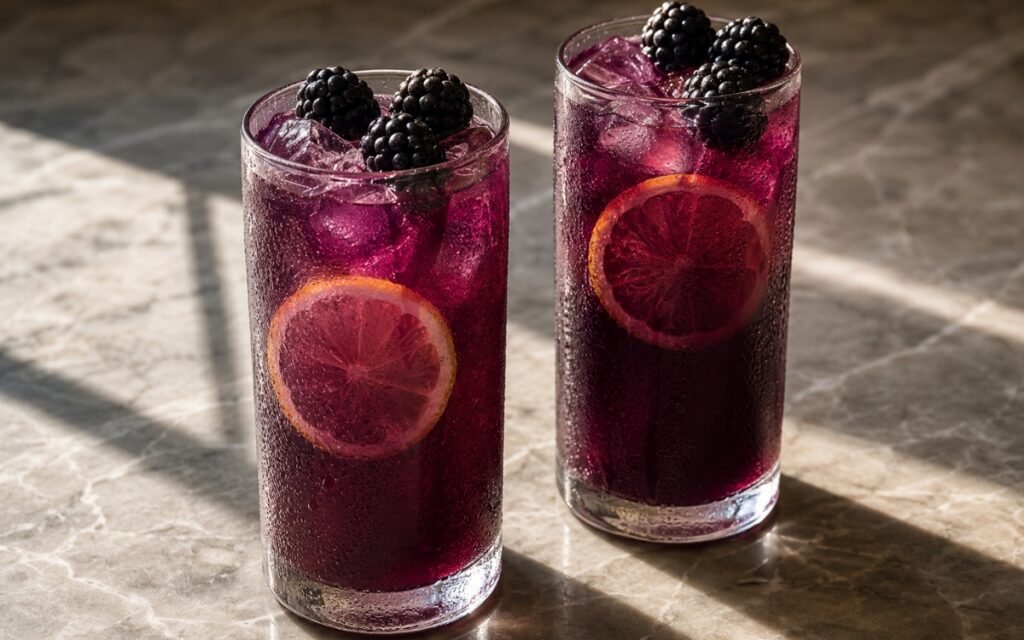
Blackberry Lemonade
Honey-blackberry syrup at low heat with lemon zest off heat, fresh blackberries cold-strained lightly — both combined with lemon, salt, cold water. Deep, dark-purple, and wine-adjacent.
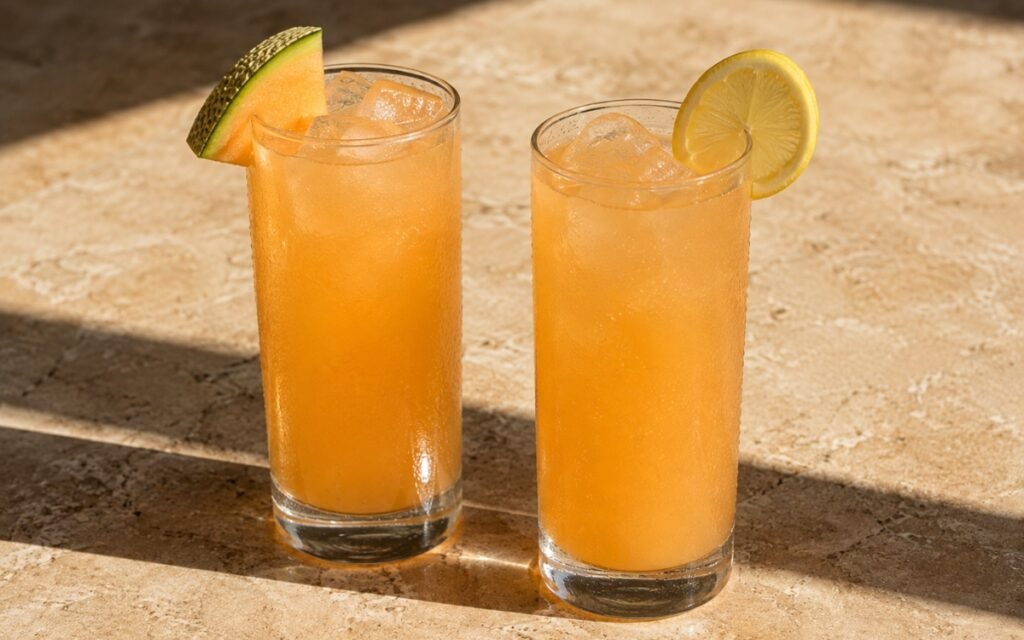
Cantaloupe Lemonade
Cold-extracted lemon zest and juice combined with blended ripe cantaloupe for a soft orange, smooth, melon-forward lemonade.
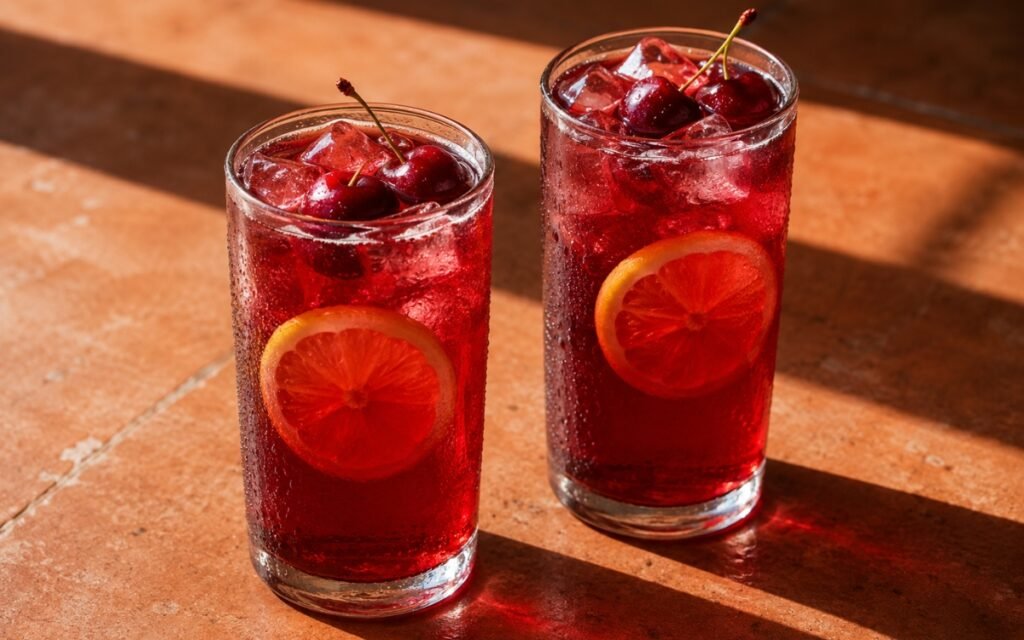
Cherry Lemonade
Cherries simmered with honey for extraction, lemon zest 10 minutes off heat — combined with fresh lemon juice, salt, cold water, chilled. Rich, ruby, and citrus-forward.
You might also like
You might also like
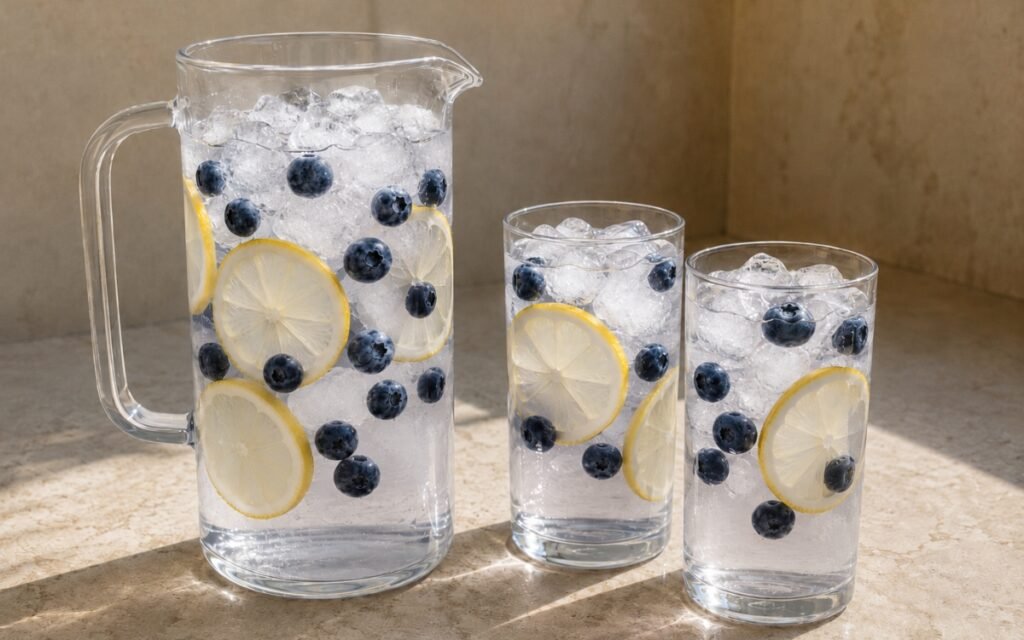
Blueberry Lemon Infused Water
Blueberries mashed for vivid colour, whole blueberries and lemon slices cold-infused in 3L water — removed after 4 hours. Vivid blue-purple to lavender and hydrating.
Yuzu Green Iced Tea (with Honey)
Green tea at 75–80°C for 2–3 minutes, yuzu peel infused cold 4–5 minutes — honey dissolved warm, yuzu juice for lift, chilled. Crisp, complex, citrus-forward.
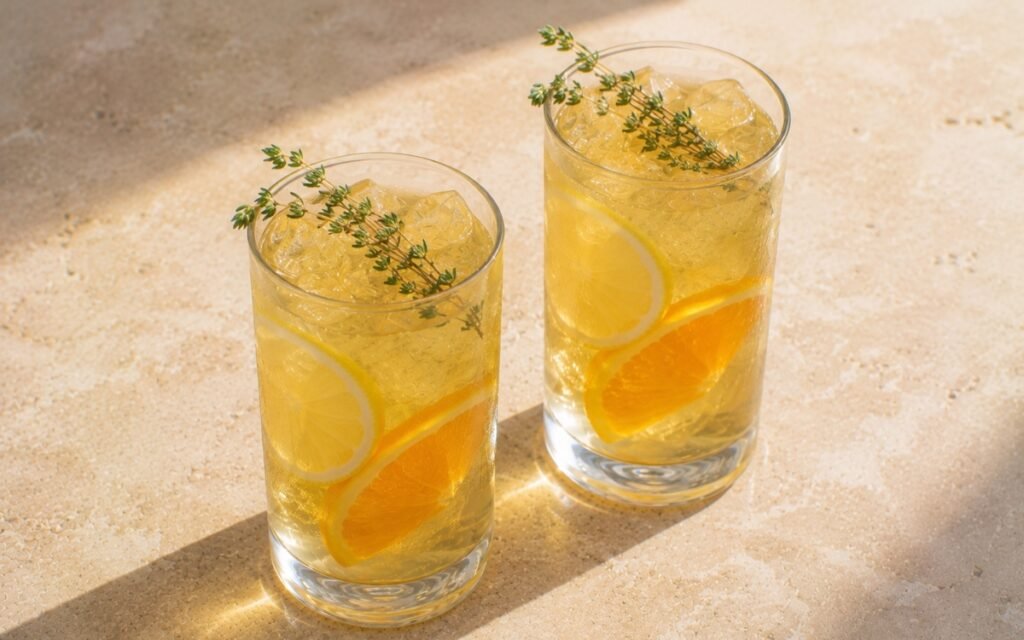
Thyme Lemon Orange Green Tea Cooler
Green tea at 75–80°C for 2–3 minutes, thyme clapped and infused cold — orange juice for softness, lemon juice for sharpness, honey, chilled. Bright and lightly herbal.
Lime Lemonade — Limenade
Ingredients
Method
- Combine the 180ml of water and 150g of white sugar in a small saucepan. Stir over medium heat until the sugar is completely dissolved and the liquid is clear. Remove from the heat immediately. Add the zest of 3 limes — the fine zest rather than the wide-strip peel approach used in the blood orange and grapefruit preparations. Lime zest’s concentration of aromatic oils is higher per gram than either orange or grapefruit peel in the coloured outer layer, meaning the finer grated zest provides good aromatic surface area without requiring wide strips. Cover and steep for 8–10 minutes. The 8–10 minute maximum is the strictest peel-infusion limit in this collection. Lime peel contains limonin, naringin, and various coumarin compounds alongside its pleasant volatile terpenes — the bitter compounds’ extraction rate is accelerated by the higher acidity of the lime zest’s cellular environment relative to orange or grapefruit peel. At 8 minutes the aromatic volatile oils are well and specifically extracted; the pleasant lime character is at its most vivid. At 10 minutes it is at the absolute maximum for the pleasant-only result. At 12 minutes the bitterness is detectable; beyond that it progressively dominates. Always strain within the 10-minute point for the first-time preparation; experienced batches can extend to 12 minutes only if the lime zest is demonstrably very fresh and fragrant. Strain the zest completely and allow to cool.
- Section the 3 limes, removing all seeds and every piece of white pith from the pulp. The emphasis on pith removal is more specific and more important here than in any other preparation in this collection. Lime’s pith contains a high concentration of limonin — the primary bitter compound in citrus pith — that at lime’s high natural citric acid pH (approximately 2–2.5) tastes specifically more aggressively harsh than the same compound in lemon or orange pith at their higher pH values. Any white pith included in the mashed lime pulp will contribute a specifically hard, persistent bitterness that is categorically different from the pleasant, light, natural citrus bitterness the preparation intends. Remove every piece. Add the clean pulp to the pitcher and mash gently — sufficient pressure to release juice from the segment pieces and begin breaking them down, without producing a uniform purée. The lime segments’ membrane structure is more specifically firm than blood orange’s or lemon’s, and the gentle mash produces a lighter-textured, more clearly segment-structured result in the glass.
- Add the 240ml of fresh lime juice, 120ml of the cooled peel-infused syrup, 750ml of ice-cold water, and the pinch of fine sea salt to the pitcher with the mashed pulp. Stir thoroughly. Taste carefully. Lime’s natural acidity means the starting base is the most assertively tart of any lemonade preparation in this collection — specifically more aggressive than lemon’s equivalent at the same juice quantity. This is expected and correct: the balance-point between the lime’s sharpness and the syrup’s sweetness is specifically higher on the acid scale than any other preparation, and the finished drink should be sharp and bold rather than smoothly balanced. If the acidity feels genuinely aggressive rather than pleasantly sharp, add additional simple syrup in 10ml increments up to 150ml total. If the lime’s character seems flat or muted, add a small additional amount of fresh lime juice rather than adding water. Adjust the water quantity for concentration. The salt at sub-threshold concentration is specifically important in this preparation — lime’s combined citric-and-malic acid profile at this concentration makes the flavour more specifically vivid when salt is present.
- Refrigerate for 1–2 hours until completely cold and integrated. Fill glasses with ice. Pour the chilled limenade over the ice. Garnish with a lime slices. Serve very cold — lime’s acidity is specifically most refreshing and most specifically pleasant at the coldest temperature.
Notes
- The preparation’s character — sharp, assertive, specifically lime-forward, unapologetically acidic — is specifically different from the gentler, more broadly accessible classic lemon lemonade. This is a preparation for people who want their citrus to announce itself. The sugar quantity of 150g in the syrup is higher than the classic still lemonade’s 100g not because the preparation is sweeter but because lime’s higher acid concentration requires more sweetness to reach the balance point — the overall result is still specifically tart-forward. Persian limes — the standard seedless variety in most supermarkets — produce a good, consistent, bold result. Mexican or Key limes — smaller, more fragrant, with a specifically more aromatic, more floral lime character — produce a more intensely aromatic but more labour-intensive result (more limes required for the same juice volume). Both work well; the Key lime version is specifically more aromatic and more vivid but requires significantly more fruit.