
Fresh Pink Lemonade
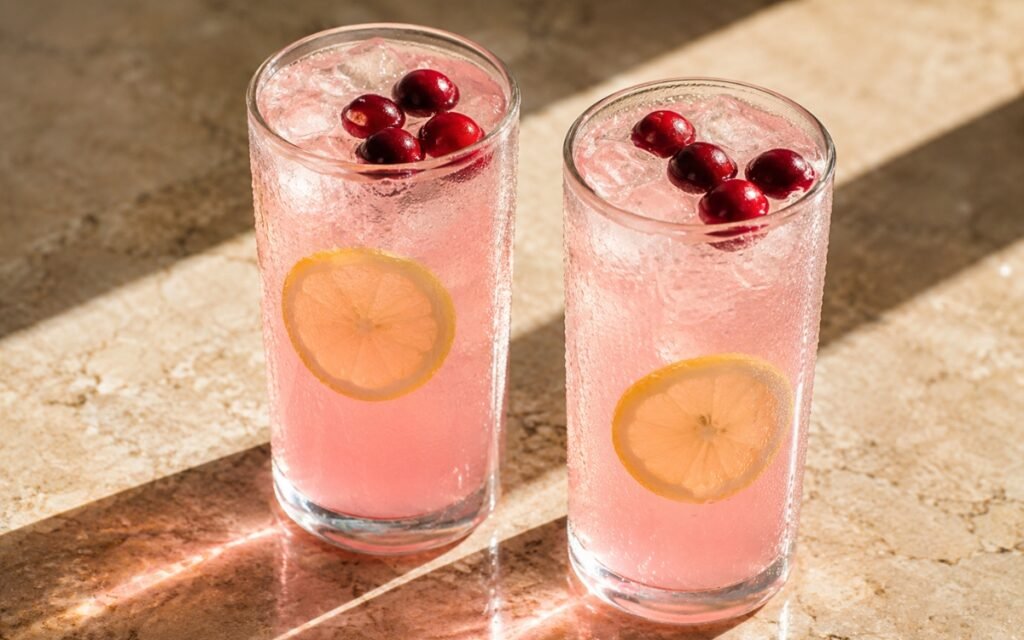
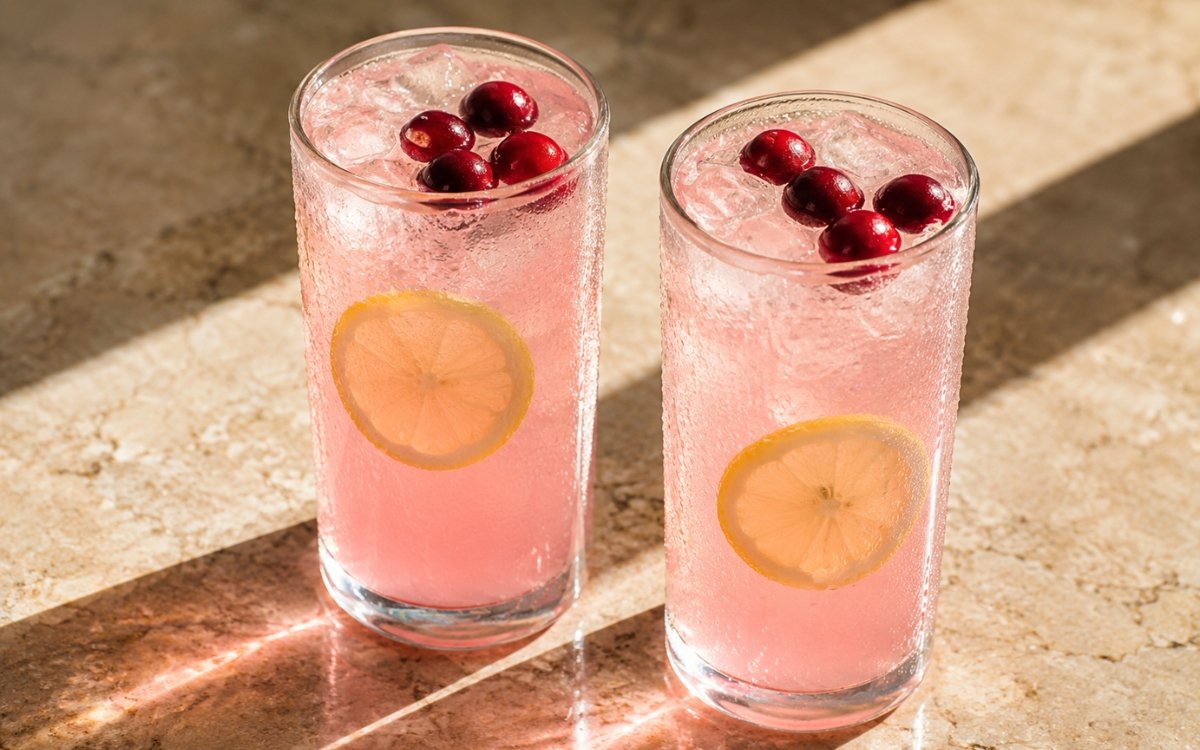
Pink lemonade without food colouring, grenadine, or diluted fruit juice — built on a properly made cranberry syrup that contributes the natural vivid pink-red colour, cranberry’s specific tartaric and citric acidity, and a clean fruit-forward depth that makes the lemonade taste specifically of something rather than simply of sweetened pink lemon juice. The cranberry syrup built for extraction rather than reduction: the goal at the end of the 8–12 minute simmer is a fluid, bright, intensely coloured syrup where the cranberries have released their maximum colour and acid without the liquid having cooked down to a thick, sticky consistency that would produce sweetness-concentrated syrup rather than the clean, sharp, fruit-driven base this lemonade requires. The lemon juice combined with the cooled cranberry syrup and cold water — not cooked, not warmed, preserving the lemon’s full aromatic brightness. The optional simple syrup present only as a safety net for batches where the lemon’s natural acidity is higher than average; the drink should be specifically tart, specifically pink, and specifically refreshing rather than sweet, pink, and mild. Bright, crisp, and naturally pink. Summer in a pitcher.
Prep Time : 15 min
Cook Time : 8–12 min
Servings : 8
15 min
8–12 min
8
Ingredients
For the Cranberry Syrup
• 250g fresh or frozen cranberries
• 150g white granulated sugar — this one on Amazon
• 240ml water
For the Pink Lemonade
• 120–180ml cranberry syrup — from above; start with 120ml, adjust after tasting
• 240–300ml fresh lemon juice — approximately 5–7 lemons; start with 240ml
• 750ml–1 litre ice-cold water — start with 750ml, adjust after tasting
• ⅛ tsp fine sea salt
• 2–4 tbsp plain simple syrup — optional; only if acidity feels too aggressive
For Serving
• Ice cubes
For the Garnish
• Lemon slices
• Fresh cranberries or a twist of lemon peel
This post may contain affiliate links. As an Amazon Associate I earn from qualifying purchases, at no additional cost to you.
Directions
- Make the Cranberry Syrup: Extraction, Not Reduction
Combine the 250g of cranberries, 150g of white sugar, and 240ml of water in a medium saucepan. Place over medium heat and bring to a gentle simmer, stirring occasionally to begin dissolving the sugar. Cook for 8–12 minutes, stirring occasionally. The visual and aromatic indicators of the correctly made cranberry syrup require specific attention because the preparation error in the opposite direction is easy to make. The cranberries should burst progressively during the cooking period — each one splitting and releasing its intensely coloured juice and concentrated acids into the surrounding sugar-water. By 8 minutes most berries should have burst; by 12 minutes all should be fully collapsed and the surrounding liquid should be a vivid, deeply ruby-red, specifically fluid liquid. The specific instruction — extraction, not reduction — describes the fundamental difference between the correct approach and the common error: the syrup should remain relatively fluid and flowing throughout, maintaining approximately the volume added at the start minus minimal evaporation. If the liquid is reducing meaningfully — visibly thickening, the volume dropping significantly below the starting amount — the heat is too high or the cooking time is too long. Reduced cranberry syrup concentrates the sugar disproportionately, producing a preparation that is sweet-forward and thick rather than specifically tart, bright, and clean. The cranberries’ natural acidity — primarily citric and malic acids, with some quinic acid — is the preparation’s primary contribution; a reduced, concentrated syrup has a different acid-to-sugar ratio than the extraction approach produces. Remove from the heat. Strain through a fine-mesh sieve into a clean bowl or measuring jug, pressing firmly on the cranberry solids to extract the maximum vivid ruby liquid. Press firmly — the burst cranberry skins retain a meaningful proportion of the coloured juice — but do not force the dry pulp and skin fragments through the sieve, which produces a cloudier result. The finished cranberry syrup should be a clear, vivid ruby-red and specifically tart when tasted directly. Allow to cool completely. - Build the Lemonade
In a large pitcher, combine 120ml of the cooled cranberry syrup, 240ml of fresh lemon juice, 750ml of ice-cold water, and the ⅛ tsp of fine sea salt. Stir thoroughly until completely combined. The salt functions as the sub-threshold amplifier used throughout this collection — specifically sharpening both the cranberry’s tart acidity and the lemon’s citric brightness at below-detection concentration. Taste deliberately and assess each register separately. The drink should taste specifically tart from the combined cranberry and lemon acid, visibly pink rather than pale pink, and refreshing rather than sweet or diluted. If the colour is too pale — suggesting the cranberry’s flavour depth is also too subtle — add more cranberry syrup in 30ml increments up to 180ml total. If additional brightness is needed, add more lemon juice up to 300ml total. If the combined acidity is more aggressive than intended — which can happen with particularly tart lemons or a particularly concentrated cranberry syrup — add the optional simple syrup in tablespoon increments, tasting between additions, until the acidity is specifically tart-refreshing rather than aggressively sour. Do not add plain sugar directly. - Chill and Serve
Cover the pitcher and refrigerate for 1–2 hours until completely cold and the cranberry and lemon flavours have integrated. The 1–2 hour chill is specifically valuable here because cranberry’s complex acid profile — the combination of citric, malic, and quinic acids — integrates with the lemon’s simpler citric acid character during the cold rest, producing a more cohesive, more specifically flavoured result than immediately served. Fill glasses generously with ice. Pour the chilled pink lemonade over the ice. Garnish with a lemon slice and several fresh cranberries or a twist of lemon peel. Serve very cold — the specific sharpness and colour clarity of the lemonade are both at their best at the lowest serving temperature.
*Notes :
- Cranberry’s specific acid profile sets this lemonade apart from all other preparations in this collection. Unlike the simple citric acid of lemon, raspberry, or strawberry, cranberry contains three distinct acids: citric acid (the sharp, immediate tartness); malic acid (the slightly softer, rounder tartness found also in apple); and quinic acid (a specifically unusual acid found in very few foods, responsible for a slightly astringent, specifically dry finish that is characteristic of cranberry and makes cranberry-based preparations taste specifically more adult). The combination of all three in the cranberry syrup, combined with the lemon’s citric acid, produces the most specifically complex acid profile of any lemonade in this collection.
- Fresh cranberries and frozen cranberries produce equally good results in this syrup — frozen cranberries are specifically slightly more efficient at releasing their juice because the freezing process pre-ruptures the berry’s cell walls, producing faster and more complete juice extraction during the simmer. If using frozen, add directly from frozen without thawing.
Why This Recipe Works
This recipe works because the cranberry syrup is built for extraction rather than reduction — maintaining the correct acid-to-sugar ratio that produces tart, bright, clean flavour rather than sweet, concentrated thickness. The lemon juice is added to the cold combined base for its preserved fresh aromatic character.
The optional simple syrup is a genuinely-optional safety net rather than a required ingredient. And the 1–2 hour chill integrates cranberry’s complex multi-acid profile with lemon’s citric brightness.
Ingredient Breakdown
Cranberry Syrup Built for Extraction (Not Reduction)
The fundamental technique decision — fluid, bright, specifically tart syrup with the correct acid-to-sugar ratio rather than thick, sweet, concentrated reduction.
Cranberry’s Three-Acid Profile
The complexity contribution — citric, malic, and quinic acids together producing a more specifically interesting tartness than single-acid fruit.
Lemon Juice Added Cold
The preserved brightness — fresh lemon’s aromatic character protected by cold combination.
Simple Syrup as Optional Safety Net
The acid management tool — genuinely optional rather than required; present only for unusually tart batches.
⅛ tsp Salt
The dual-acid amplifier — sharpening both cranberry’s complex tartness and lemon’s citric brightness at below-detection concentration.
Flavor Structure Explained
This Fresh pink lemonade follows a layered balance model:
- Layered tart citrus core (cranberry and lemon)
- Bright refreshing acidity (lemon)
- Distinct berry-fruit character (cranberry)
- Restrained balancing sweetness (light syrup)
- Crisp refreshing finish (acid-forward structure)
Cranberry and lemon define the foundation together, creating a sharper and more layered acidity than standard lemonade alone. Cranberry contributes complex tartness along with subtle berry sweetness and the unmistakable flavor associated with classic pink lemonade. Lemon sharpens and brightens the entire profile, keeping the drink vivid and refreshing rather than dense or heavy. Sweetness remains restrained, acting only to balance the acidity enough for drinkability while preserving the drink’s clean, tart identity. The result is a bright, crisp lemonade where layered acidity and refreshing fruit character remain the central experience.
Common Mistakes to Avoid
- Reducing Rather Than Extracting the Cranberry Syrup – A reduced, thickened cranberry syrup is sweet-concentrated rather than tart-bright. Always maintain fluid consistency — extraction is the goal.
- Adding Plain Sugar to Cold Lemonade – Will not dissolve cleanly. Always use simple syrup for any post-chilling sweetness adjustment.
- Not Pressing the Cranberry Solids – The burst skins retain a meaningful proportion of the vivid juice. Always press firmly.
- Over-Sweetening – This lemonade should finish specifically tart and refreshing. Always add sweetness only if the acidity is aggressive, not to make the drink pleasant — it should be pleasant-tart without sweetening.
- Serving Warm – The complex acid profile tastes specifically most refreshing and most clean at the coldest serving temperature. Always chill completely.
Variations
With Orange
Add 120ml of fresh orange juice to the pitcher alongside the lemon juice — the orange’s sweetness softening the cranberry’s tartness for a more specifically rounded, less assertively tart result.
With Ginger
Add 10g of thinly sliced fresh ginger to the saucepan with the cranberries for the full 8–12 minutes — removed during straining. The ginger’s warmth alongside cranberry’s tartness produces a more assertive, more specifically warming direction.
Sparkling Version
Replace the ice-cold still water with chilled sparkling water — add right before serving. The carbonation amplifies the tartness and makes the vivid colour more visually dramatic.
With Rosemary
Add 1 small rosemary sprig to the cranberry saucepan for the last 3 minutes of cooking — the rosemary’s dry, slightly resinous herbal depth alongside cranberry’s tartness produces a specifically more sophisticated, more botanical result.
Storage & Make-Ahead
Cranberry syrup can be refrigerated in a sealed jar for up to 2 weeks. Its vibrant color remains stable throughout storage, while the tartness softens slightly over time.
Once assembled, the pink lemonade can be refrigerated for up to 3 days. The cranberry maintains its vivid color, although the fresh aromatic quality of the lemon gradually becomes slightly less pronounced during storage. For the best flavor and freshness, it is best enjoyed within 48 hours.
Assembled glasses are not suitable for storage and should be served immediately.
Frequently Asked Questions
Why cranberries for pink lemonade rather than strawberries or raspberries?
Cranberry’s specific flavour contribution to this lemonade differs from strawberry or raspberry in three important ways: its three-acid profile (citric, malic, and quinic) produces a more complex, more specifically adult tartness; its colour is specifically more vivid and more stable; and its flavour is specifically more tart-forward than sweet-forward, producing a lemonade that is more precisely a pink lemonade than a fruit-flavoured lemonade that happens to be pink.
What does “extraction, not reduction” mean specifically?
Extraction means the goal is maximum release of colour and flavour from the cranberries into the surrounding liquid at the starting volume — the liquid remaining approximately fluid and the acid-to-sugar ratio remaining as close to the starting ratio as possible. Reduction means the liquid evaporates during cooking, concentrating both the sugars and acids but specifically concentrating the sugars proportionally more, producing a thicker, sweeter, less sharply tart result. The syrup should flow like a light sugar syrup, not coat a spoon like jam.
Why is the simple syrup optional?
The drink should taste specifically tart and refreshing rather than sweet and pleasant — the tart character is the preparation’s entire point. The simple syrup is present only as a correction for batches where the lemon or cranberry is more aggressively acidic than intended. Adding it automatically produces a sweeter, less specifically interesting result.
What other pink or red-coloured lemonades share this direction?
The Pomegranate Lemonade shares the vivid red colour and the sharply tart, complex acid profile — pomegranate’s ellagitannin-driven tartness alongside lemon producing a similarly adult, sophisticated lemonade. The Cranberry Spritzer Mocktail shares the cranberry as primary flavour in a sparkling format with a specifically more complex botanical character. The Rose Lemonade shares the pink colour and the refreshing lemon base with rose’s specifically floral character providing a different, more delicate, more aromatic pink-lemonade direction.
Nutrition Facts
( per serving )
Calories
~70 kcal
Protein
0 g
Fat
0 g
Carbs
18 g
Calories
~70 kcal
Protein
0 g
Fat
0 g
Carbs
18 g
Related Recipes
Related Recipes

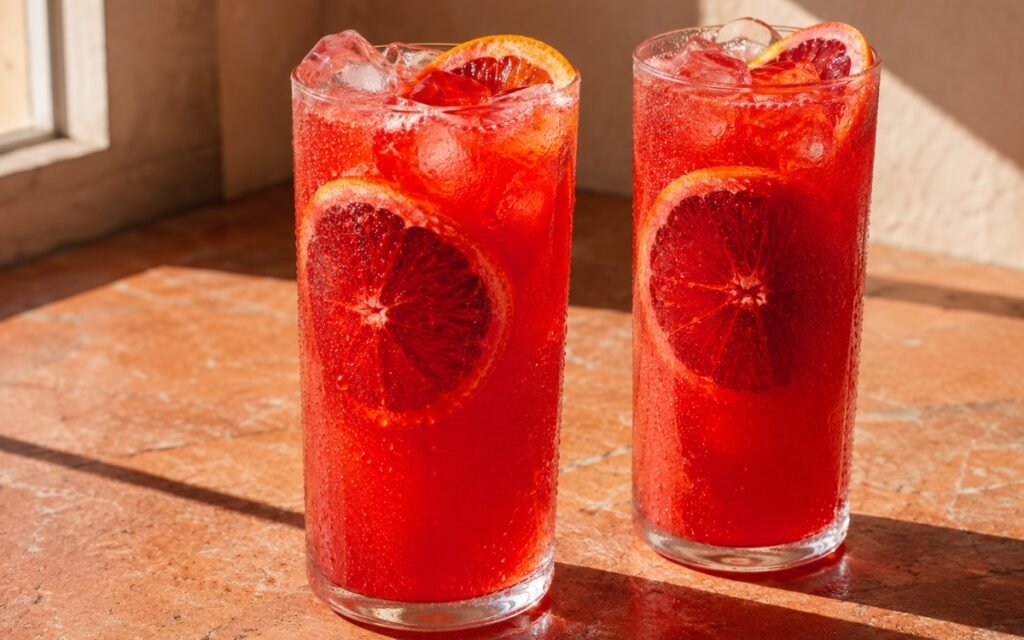
Blood Orange Lemonade
Orange and lemon peels steeped off heat exactly 10–12 minutes, pulp mashed in pitcher — blood orange juice, optional lemon, salt, cold water. Vivid ruby and citrusy.
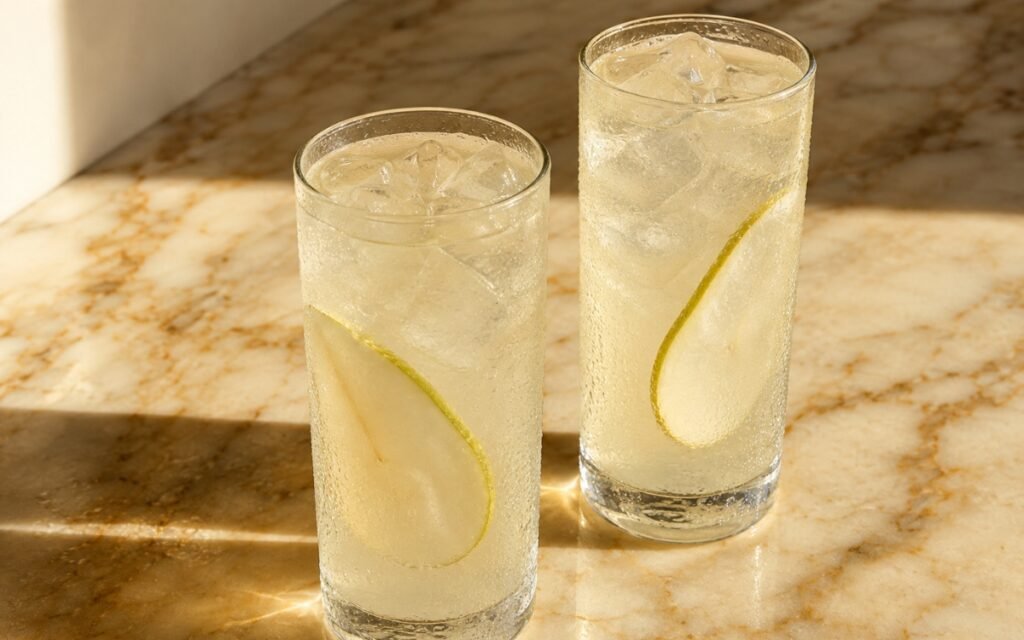
Pear Lemonade
Ripe pears at low heat with honey, lemon zest off heat — 150ml lemon only so pear leads, salt, cold water, chilled. Pale, delicate, and pear-forward.
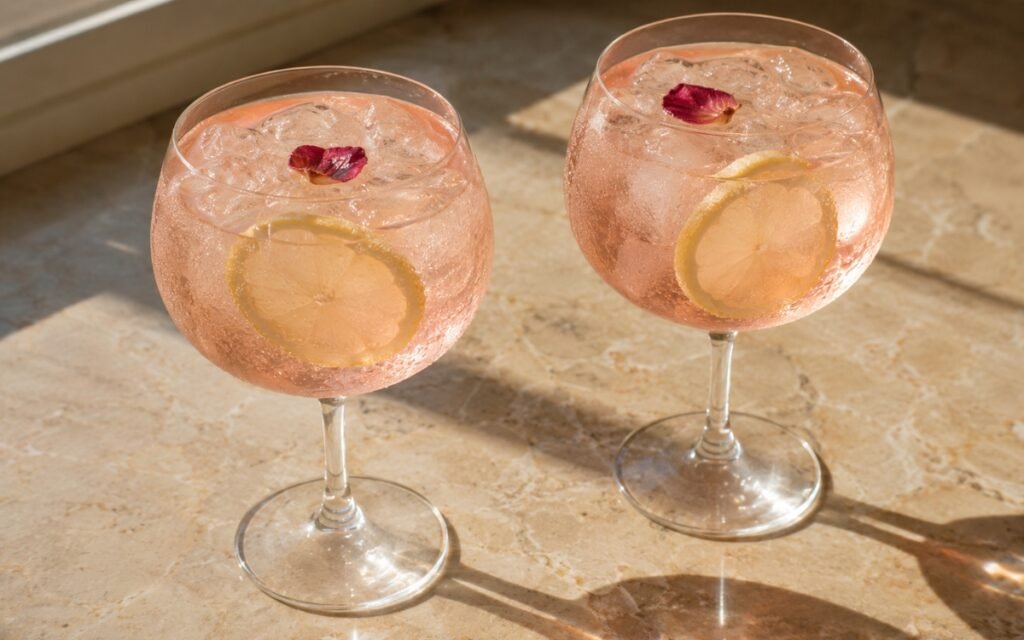
Rose Lemonade
Edible rose petals steeped in warm syrup exactly 6–8 minutes, strained with light pressing — fresh lemon juice, salt, cold water, chilled. Lemon first, rose warmly behind.
You might also like
You might also like
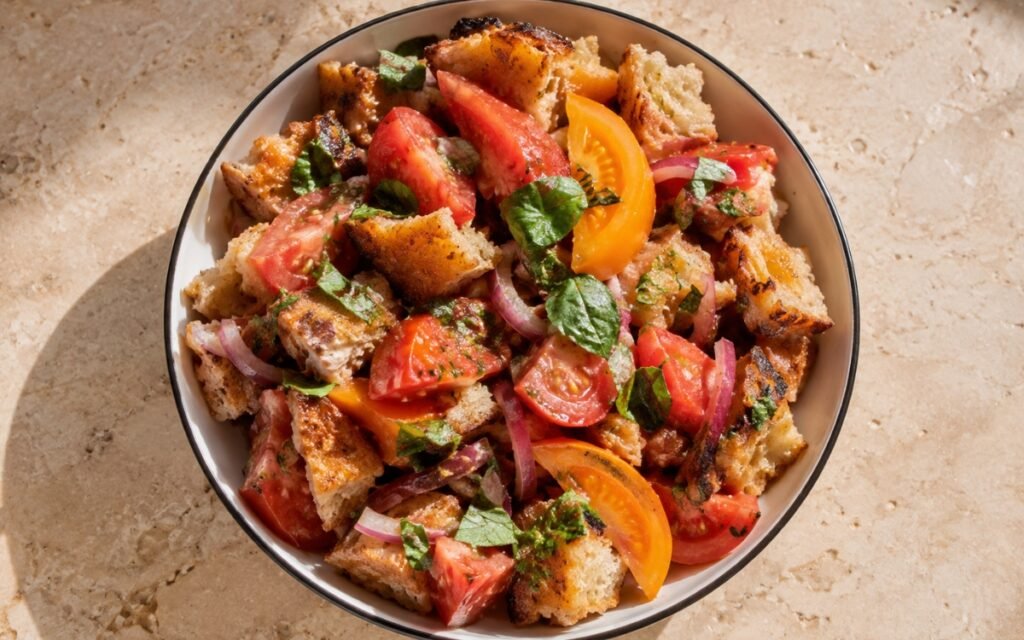
Panzanella Salad
Heirloom tomatoes salted for juice, torn sourdough toasted to crust-and-chew, red onion macerated in red wine vinegar — assembled and rested 10 minutes. The Tuscan summer salad built on timing.
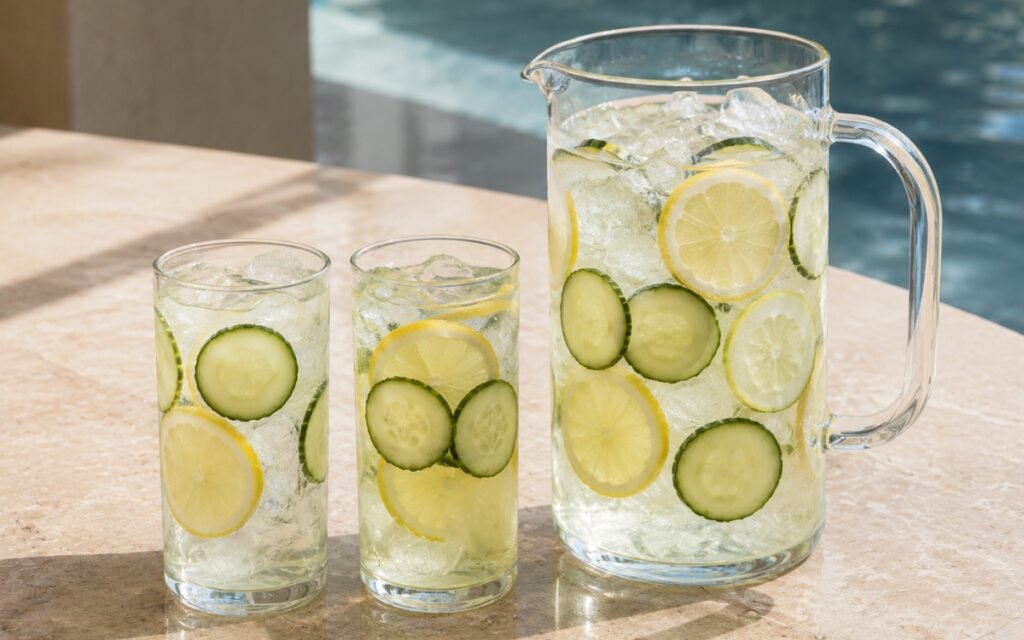
Cucumber Lemon Infused Water
Cucumber lightly crushed and cold-infused with lemon slices in 3L water — removed after 4 hours maximum to prevent bitterness. Clean, cool, and quietly aromatic.
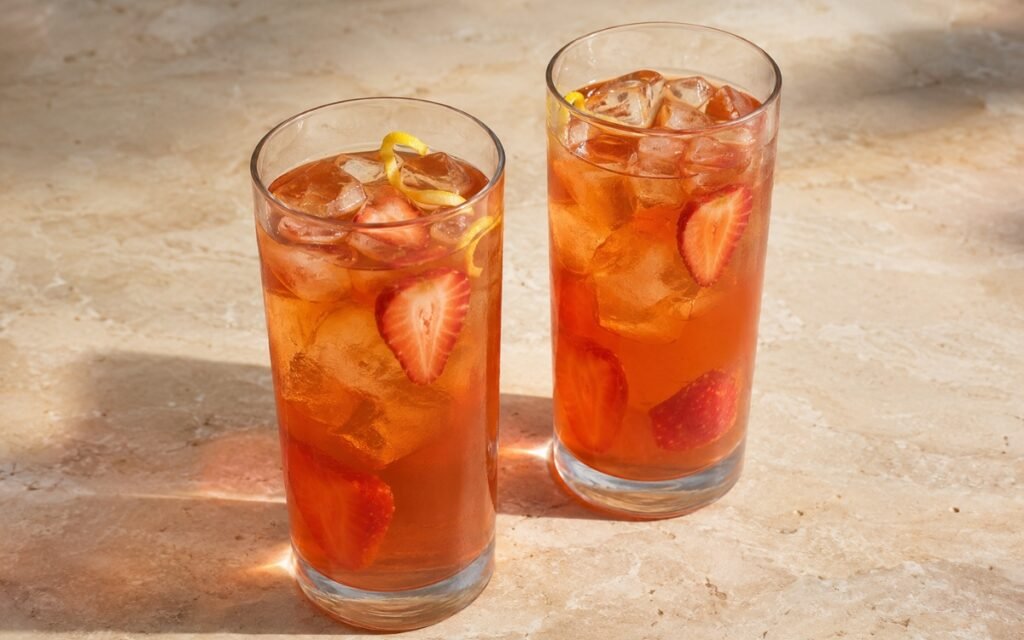
Strawberry Iced Black Tea
Black tea at 90–95°C for 2½–3 minutes, strawberries simmered into a light unreduced syrup, lemon peel infused cold 5 minutes — chilled. Fresh, crisp, restrained.
Fresh Pink Lemonade
Ingredients
Method
- Combine the 250g of cranberries, 150g of white sugar, and 240ml of water in a medium saucepan. Place over medium heat and bring to a gentle simmer, stirring occasionally to begin dissolving the sugar. Cook for 8–12 minutes, stirring occasionally. The visual and aromatic indicators of the correctly made cranberry syrup require specific attention because the preparation error in the opposite direction is easy to make. The cranberries should burst progressively during the cooking period — each one splitting and releasing its intensely coloured juice and concentrated acids into the surrounding sugar-water. By 8 minutes most berries should have burst; by 12 minutes all should be fully collapsed and the surrounding liquid should be a vivid, deeply ruby-red, specifically fluid liquid. The specific instruction — extraction, not reduction — describes the fundamental difference between the correct approach and the common error: the syrup should remain relatively fluid and flowing throughout, maintaining approximately the volume added at the start minus minimal evaporation. If the liquid is reducing meaningfully — visibly thickening, the volume dropping significantly below the starting amount — the heat is too high or the cooking time is too long. Reduced cranberry syrup concentrates the sugar disproportionately, producing a preparation that is sweet-forward and thick rather than specifically tart, bright, and clean. The cranberries’ natural acidity — primarily citric and malic acids, with some quinic acid — is the preparation’s primary contribution; a reduced, concentrated syrup has a different acid-to-sugar ratio than the extraction approach produces. Remove from the heat. Strain through a fine-mesh sieve into a clean bowl or measuring jug, pressing firmly on the cranberry solids to extract the maximum vivid ruby liquid. Press firmly — the burst cranberry skins retain a meaningful proportion of the coloured juice — but do not force the dry pulp and skin fragments through the sieve, which produces a cloudier result. The finished cranberry syrup should be a clear, vivid ruby-red and specifically tart when tasted directly. Allow to cool completely.
- In a large pitcher, combine 120ml of the cooled cranberry syrup, 240ml of fresh lemon juice, 750ml of ice-cold water, and the ⅛ tsp of fine sea salt. Stir thoroughly until completely combined. The salt functions as the sub-threshold amplifier used throughout this collection — specifically sharpening both the cranberry’s tart acidity and the lemon’s citric brightness at below-detection concentration. Taste deliberately and assess each register separately. The drink should taste specifically tart from the combined cranberry and lemon acid, visibly pink rather than pale pink, and refreshing rather than sweet or diluted. If the colour is too pale — suggesting the cranberry’s flavour depth is also too subtle — add more cranberry syrup in 30ml increments up to 180ml total. If additional brightness is needed, add more lemon juice up to 300ml total. If the combined acidity is more aggressive than intended — which can happen with particularly tart lemons or a particularly concentrated cranberry syrup — add the optional simple syrup in tablespoon increments, tasting between additions, until the acidity is specifically tart-refreshing rather than aggressively sour. Do not add plain sugar directly.
- Cover the pitcher and refrigerate for 1–2 hours until completely cold and the cranberry and lemon flavours have integrated. The 1–2 hour chill is specifically valuable here because cranberry’s complex acid profile — the combination of citric, malic, and quinic acids — integrates with the lemon’s simpler citric acid character during the cold rest, producing a more cohesive, more specifically flavoured result than immediately served. Fill glasses generously with ice. Pour the chilled pink lemonade over the ice. Garnish with a lemon slice and several fresh cranberries or a twist of lemon peel. Serve very cold — the specific sharpness and colour clarity of the lemonade are both at their best at the lowest serving temperature.