
Meyer Lemon Lemonade
Meyer lemon sits at the precise opposite end of the citrus spectrum from the lime lemonade — where the lime preparation is sharp, assertive, and unapologetically aggressive, Meyer lemon is soft, floral, and specifically gentle. Meyer lemon is botanically a hybrid — a cross between a conventional lemon (Citrus limon) and a mandarin or sweet orange (Citrus reticulata), producing a fruit that has a lower citric acid concentration than conventional lemon, a thinner, smoother, more golden-orange-tinged skin with a higher aromatic oil density, and a flavour that is simultaneously citrusy and specifically floral in a way that conventional lemon is not. The peel infusion extracts the primary advantage of Meyer lemon over conventional lemon — its uniquely aromatic zest, which contains a higher concentration of the floral terpene compounds that produce its distinctive character than the juice alone carries. The syrup begins at a lower starting quantity than other citrus lemonade preparations — 100ml — because Meyer lemon’s naturally higher sugar content and lower acid concentration require less added sweetness to reach the same perceived balance point. The instruction specifically against sweetening this like standard lemonade is the preparation’s most important calibration note: the common error with Meyer lemon is treating it like a sweeter version of regular lemon and applying the same sweetening quantities, which produces a specifically cloying result rather than the elegantly balanced, floral, softly refreshing drink the fruit uniquely enables.

Prep Time : 15 min
Cook Time : 5 min
Servings : 8
15 min
5 min
8
Ingredients
For the Meyer Lemon Structure
• Clean pulp or segments from 3 Meyer lemons — seeds and tough membranes removed; no white pith
For the Peel-Infused Simple Syrup
• 180ml water
• 150g white granulated sugar — this one on Amazon
• Zest of 2 Meyer lemons — coloured layer only, no white pith; added off heat
For the Lemonade Base
• 240ml fresh Meyer lemon juice — approximately 6–8 Meyer lemons depending on size
• 100–150ml peel-infused simple syrup — start at 100ml; adjust after tasting; do not over-sweeten
• 750ml–1 litre ice-cold water — start with 750ml, adjust after tasting
• Pinch of fine sea salt
For Serving
• Ice cubes
• Meyer lemon slices
• Meyer lemon peel twists
This post may contain affiliate links. As an Amazon Associate I earn from qualifying purchases, at no additional cost to you.
Directions
- Make the Meyer Lemon Peel-Infused Simple Syrup
Combine the 180ml of water and 150g of white sugar in a small saucepan over medium heat. Stir until completely dissolved and clear. Remove from the heat immediately. Add the zest of 2 Meyer lemons — the coloured outer layer with minimal white pith, either finely grated or cut as strips with a vegetable peeler. Cover and steep for 8–10 minutes. The 8–10 minute window applies here for the same rate-of-extraction reasoning as orange and lime peel preparations, with an additional specific consideration for Meyer lemon’s unique peel character. Meyer lemon’s aromatic peel contains its primary flavour advantage over conventional lemon — the floral terpene compounds including higher proportions of geraniol, linalool, and various floral-citrus esters that are responsible for Meyer lemon’s specific warm, aromatic, floral character. These compounds extract quickly and pleasantly into the warm syrup within 8–10 minutes; Meyer lemon’s peel also contains its own complement of bitter limonoid compounds which, at 8–10 minutes, are still below an unpleasant threshold. The infusion window is the same technically but specifically more aromatics-forward in what it captures: the floral volatile compounds that make Meyer lemon distinctively itself. Strain the zest completely and cool. - Prepare the Meyer Lemon Pulp
Section the 3 Meyer lemons, removing all seeds and tough membranes while keeping the juice-containing segment material. Meyer lemon’s pith removal is specifically important for a different reason than lime’s — not because Meyer lemon’s pith is aggressively harsh at a low pH (Meyer lemon’s pH is higher and less acidic than lime’s, meaning the pith’s bitter compounds are less aggressively expressed), but because the preparation’s entire appeal is the delicate, floral, soft citrus character that Meyer lemon’s pith-free segments provide. Any pith inclusion introduces a note of conventional citrus bitterness that specifically interrupts the smooth, elegantly soft character the fruit provides. Add the clean pulp to the pitcher. Mash very gently — more lightly than the lime or blood orange preparations — just until juice is released from the segments without significantly breaking down their structure. Meyer lemon’s softer flesh breaks down more readily than the firmer citrus varieties; the goal is light juice release and intact-ish segment pieces rather than any significant pulp breakdown. - Build the Meyer Lemon Base
Add the 240ml of fresh Meyer lemon juice, 100ml of the cooled peel-infused syrup, 750ml of ice-cold water, and the pinch of fine sea salt to the pitcher. Stir thoroughly. The starting syrup quantity of 100ml is specifically lower than the 120ml starting point of all other citrus lemonade preparations in this collection. This reflects Meyer lemon’s natural sweetness — the fruit’s naturally higher fructose and glucose content means it requires less added sweetening to reach a pleasant balance point than conventional lemon, lime, or any of the more acidic citrus preparations. Adding 120ml of syrup to a Meyer lemon base produces a specifically sweet, slightly cloying result that masks the floral aromatic character rather than letting it express. Taste carefully and with specific attention to what Meyer lemon lemonade should taste like compared to conventional lemonade: the characteristic floral softness should be the primary impression — a gentle, specifically aromatic citrus brightness rather than the sharp, vivid tartness of lemon or the assertive edge of lime. If the flavour seems genuinely soft to the point of flatness, a small additional amount of Meyer lemon juice (not syrup, not conventional lemon juice) adds the needed brightness without disrupting the specific Meyer lemon character. If sweetness is insufficient for the specific batch of Meyer lemons — which can vary in natural sugar content — add syrup in 10ml increments up to 150ml maximum, tasting between each addition. - Chill and Serve
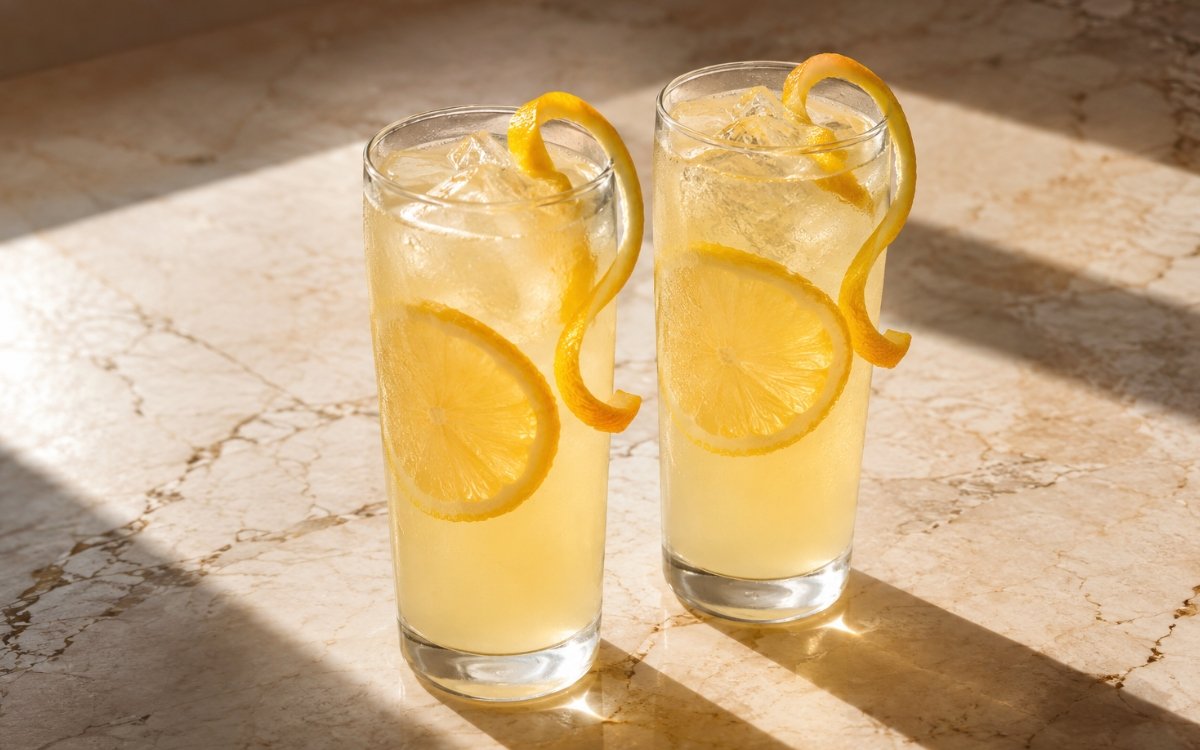
Refrigerate for 1–2 hours. The chill specifically benefits this preparation: Meyer lemon’s floral aromatic character is at its most vivid at cold temperature, and the peel-infused syrup’s floral-citrus oil depth integrates with the juice during the refrigerator rest in a way that makes the chilled version specifically more aromatic and more cohesive than the immediate-combination result. Fill glasses with ice. Pour the chilled Meyer lemon lemonade over the ice, including some of the mashed pulp in each glass. Garnish with a Meyer lemon slice and a peel twist. Serve immediately.
*Notes :
- Meyer lemons are available seasonally in the Northern Hemisphere from approximately November through March — the peak season when the fruit is at its most aromatic, most specifically golden, and most specifically flavourful. Outside of peak season they are significantly more expensive, less aromatic, and sometimes replaced with conventional lemon in recipes where the distinction matters less. In this preparation, the distinction matters specifically and completely — the floral, soft, low-acid character is the entire basis of the drink’s appeal, and conventional lemon would produce a different, more aggressively tart preparation.
- If Meyer lemons are unavailable or out of season, the closest approximation is 200ml of conventional lemon juice combined with 40ml of fresh orange juice — the orange’s sweetness and floral character partially replicating the Meyer lemon’s hybrid character. The result is an acceptable but specifically different preparation.
Why This Recipe Works
This recipe works because the peel infusion specifically captures Meyer lemon’s unique floral aromatic compounds at the 8–10 minute window. The syrup starting quantity is calibrated specifically lower for Meyer lemon’s higher natural sweetness rather than being transferred from the conventional lemon preparation.
The mashing is gentler to preserve the softer flesh’s integrity. And the tasting instruction is specifically oriented toward Meyer lemon’s character — the floral softness rather than conventional lemon’s bright tartness — to prevent the common over-sweetening error.
Ingredient Breakdown
Meyer Lemon Zest (8–10 Minutes, Higher Floral Terpene Contribution)
The aromatic advantage extraction — geraniol, linalool, and floral citrus esters captured within the window before bitter limonoids develop.
100ml Starting Syrup (Lower Than All Other Preparations)
The natural-sweetness calibration — Meyer lemon’s higher fructose and glucose content requiring significantly less added sugar than any other citrus in this collection.
Very Gentle Mashing
The texture preservation approach — Meyer lemon’s softer flesh requiring lighter handling than harder-skinned citrus to maintain segment integrity.
Flavour Calibration to Floral Softness (Not Conventional Lemon Tartness)
The preparation’s most important tasting orientation — Meyer lemon’s character is elegance, not aggression.
Pinch of Salt
The floral-citrus amplifier — specifically brightening Meyer lemon’s aromatic character into more vivid expression.
Flavor Structure Explained
This Meyer lemon lemonade follows a layered balance model:
- Floral citrus core (Meyer lemon)
- Rounded natural sweetness (Meyer lemon and syrup)
- Gentle refreshing acidity (lower citric acid structure)
- Soft aromatic elegance (floral citrus oils)
- Smooth refined finish (balanced sweet-acid profile)
Meyer lemon defines the foundation with a uniquely floral and softly perfumed citrus character that feels warmer and gentler than standard lemon. Its natural sweetness and reduced acidity create a lemonade that tastes rounded and elegant rather than sharply tart. The restrained syrup supports that softness without overpowering the fruit, reinforcing the drink’s smooth, approachable character. Because Meyer lemons contain less aggressive citric acid, the brightness feels refreshing but never harsh. The result is a lemonade built around fragrance, subtlety, and refinement rather than intensity.
Common Mistakes to Avoid
- Over-Sweetening – The single most common Meyer lemon preparation error. The fruit’s natural sweetness means substantially less added sugar is required than conventional lemonade; treating it with the same sweetening approach produces a cloying result. Always start at 100ml and taste before adding more.
- Adding Conventional Lemon Juice to Correct Flatness – If the preparation tastes too soft, additional Meyer lemon juice rather than conventional lemon juice is the correct adjustment — conventional lemon juice’s sharper citric profile disrupts the specifically soft, floral character.
- Including Pith in the Mashed Pulp – Even at Meyer lemon’s higher pH, pith bitterness interrupts the specifically soft, smooth character. Always remove completely.
- Comparing the Flavour Calibration to Conventional Lemonade – Meyer lemon lemonade tastes different by design — softer, more floral, less assertive. Trying to make it taste like regular lemonade will produce either an over-sweetened or an over-syroped result.
Variations
With Honey
Replace the white sugar with 120g of mild honey — the honey’s floral warmth specifically amplifies Meyer lemon’s own floral character, producing a specifically more complex, more aromatic preparation. The Elderflower Lemonade direction.
With Lavender
Add 1 tsp of food-grade dried lavender to the saucepan alongside the Meyer lemon zest during the off-heat steep — removed with the zest at straining. Lavender’s floral depth alongside Meyer lemon’s own florality produces a specifically more complex floral-citrus combination.
With Thyme
Add 2 small fresh thyme sprigs alongside the zest during the steep — the thyme’s warm herbal depth provides a specifically elegant botanical dimension against the soft citrus.
Sparkling Version
Build the juice base without water, chill separately, and add chilled sparkling water right before serving at a slightly reduced total volume since carbonation’s perception enhancement is especially effective against Meyer lemon’s soft profile.
Storage & Make-Ahead
Peel-infused Meyer lemon syrup can be refrigerated for up to 1 week. Its aromatic intensity fades slightly faster than that of traditional citrus syrups because Meyer lemons contain more delicate and volatile floral compounds. For the brightest fragrance and flavor, it is best used within 4 to 5 days.
Once assembled, Meyer lemon lemonade can be refrigerated for up to 2 days. It is best enjoyed within 24 to 48 hours, since the floral aromatic qualities of Meyer lemon diminish more quickly during storage than the sharper, more stable citric character of conventional lemons.
Assembled glasses are not suitable for storage and should be served immediately.
Frequently Asked Questions
What is Meyer lemon?
Meyer lemon (Citrus × meyeri) is a citrus hybrid — a cross between a conventional lemon and a mandarin or sweet orange — first noted in China and introduced to the United States in 1908 by agricultural explorer Frank Meyer. The hybrid character produces a fruit with lower citric acid concentration than conventional lemon, higher natural sugar, thinner and more aromatic skin with higher floral terpene oil content, and a specifically soft, floral, warm-citrus flavour that is distinct from conventional lemon’s sharp, vivid acid character.
Why start with less syrup than other lemonade preparations?
Meyer lemon’s naturally higher fructose and glucose content means less added sweetness is required to reach the same perceived balance point. The same 120ml of syrup used as the starting point for conventional lemon preparations would produce a noticeably sweet, slightly cloying result in a Meyer lemon preparation. Starting at 100ml and adjusting after tasting accounts for this.
Why is Meyer lemon described as floral rather than simply sweet?
The floral quality comes from geraniol, linalool, and various floral citrus esters present at higher concentrations in Meyer lemon’s peel and juice than in conventional lemon. These compounds are responsible for the specifically rose-and-citrus, warm-aromatic quality that makes Meyer lemon distinctive — it smells and tastes specifically of something more complex than sweet lemon. The peel infusion specifically captures this.
What other preparations share Meyer lemon’s floral, elegant character?
The Classic Fresh Lemonade shares the foundational three-ingredient structure — the most directly comparable preparation using conventional lemon, calibrated very differently for the sharper acid profile. The Lime Lemonade — Limenade shares the single-citrus purity but at the sharpest, most assertive end of the acid spectrum — the direct opposite direction from Meyer lemon’s softness. The Elderflower Lemonade shares Meyer lemon’s specifically floral aromatic character most closely — elderflower’s honey-floral depth providing a complementary aromatic direction to Meyer lemon’s own warm, citrus-floral character.
Nutrition Facts
( per serving )
Calories
~75 kcal
Protein
0 g
Fat
0 g
Carbs
20 g
Calories
~75 kcal
Protein
0 g
Fat
0 g
Carbs
20 g
Related Recipes
Related Recipes

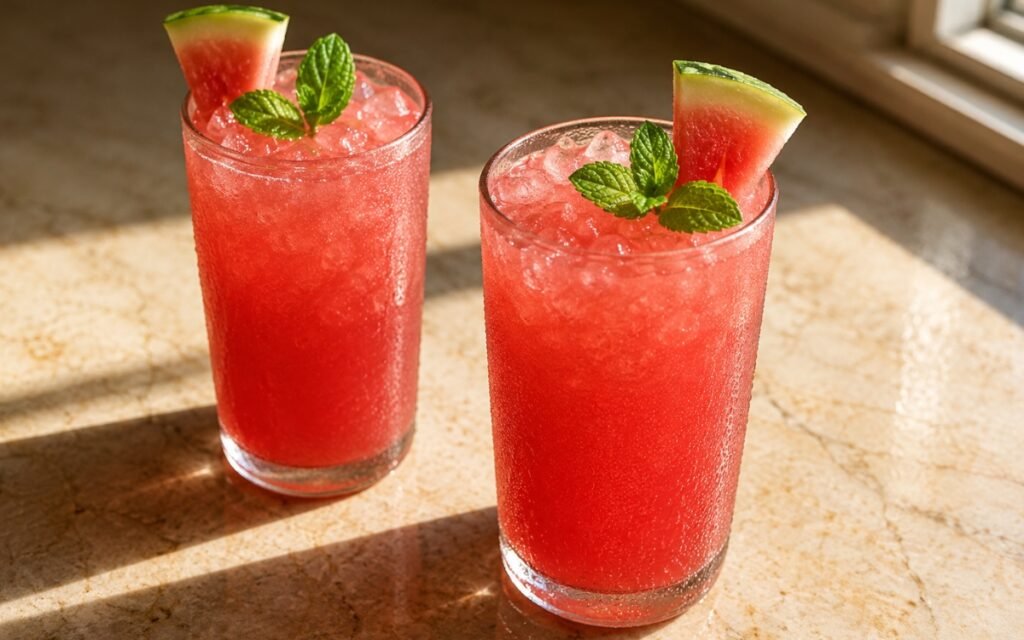
Fresh Watermelon Lemonade
Watermelon blended and strained cold, simple syrup separate — lemon juice, zest, and salt added cold, chilled. Vivid pink, crisp, and hydrating.
Yuzu Lemonade
Cold-extracted lemon zest and juice combined with yuzu juice and gently added sparkling water for a bright, lightly effervescent lemonade.
Peach Ginger Lemonade
Cold-extracted lemon zest and juice combined with raw-blended peaches and a gently extracted ginger infusion for a bright golden-orange lemonade.


You might also like
You might also like
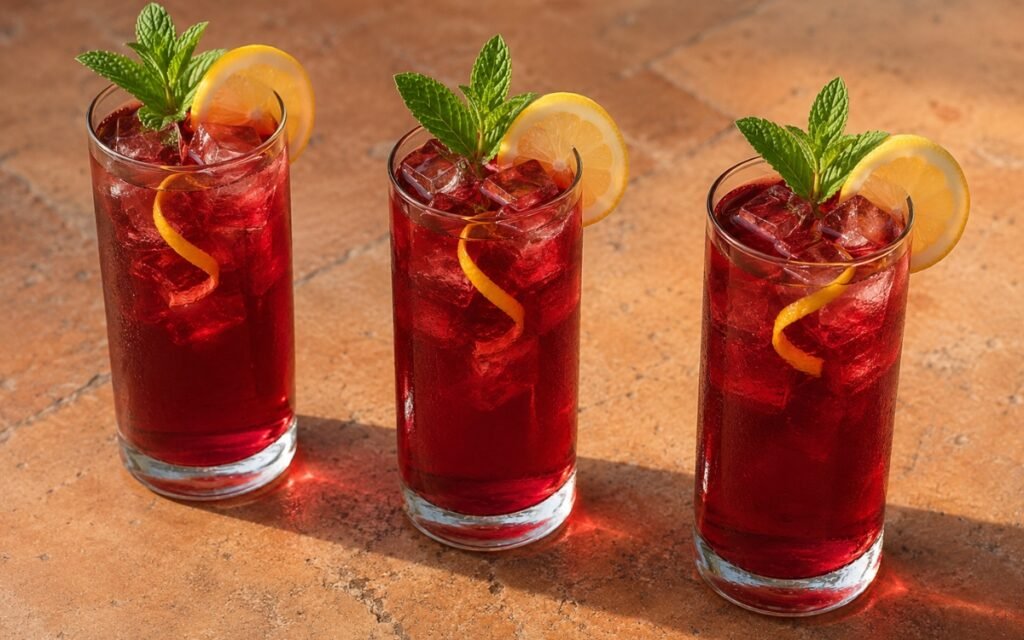
Hibiscus White Iced Tea
White tea at 75–80°C for 3–4 minutes, hibiscus infused 4–6 minutes for vivid ruby color — strained promptly, honey, chilled. Bright, tart, floral.
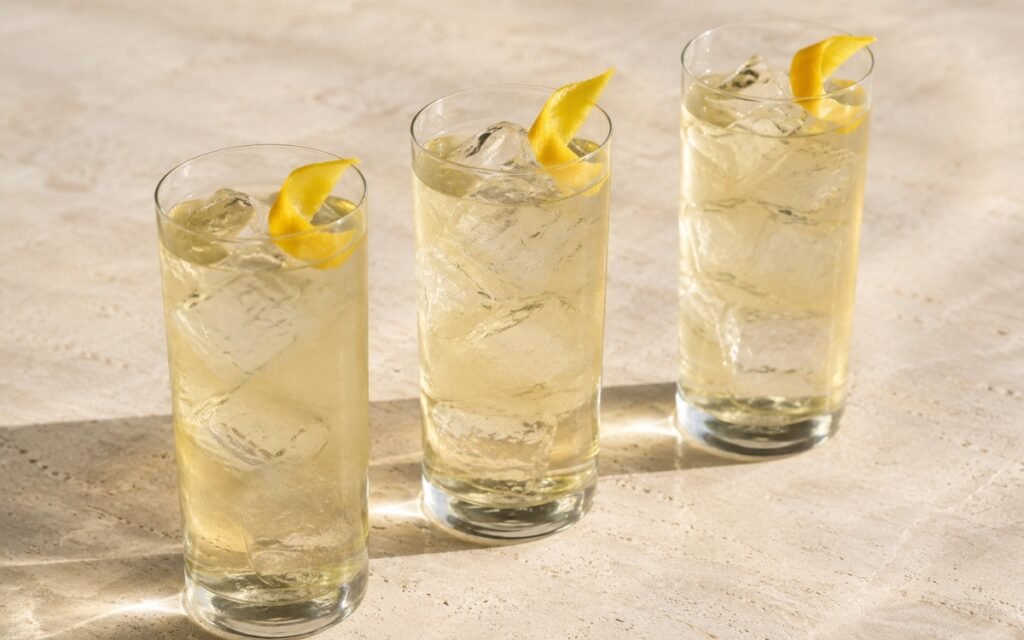
Cold Brew White Tea
White tea cold brewed 8–12 hours in cold filtered water — lemon peel infused 8–10 minutes, a touch of culinary rose water, honey loosened in warm water. Ultra-smooth and delicate.
Basil Lemon Iced Tea
Ceylon black tea at 90–95°C for 2½–3 minutes, basil clapped and infused cold 10–15 minutes — lemon peel and juice, honey, chilled. Dry, green, and fresh.

Meyer Lemon Lemonade
Ingredients
Method
- Combine the 180ml of water and 150g of white sugar in a small saucepan over medium heat. Stir until completely dissolved and clear. Remove from the heat immediately. Add the zest of 2 Meyer lemons — the coloured outer layer with minimal white pith, either finely grated or cut as strips with a vegetable peeler. Cover and steep for 8–10 minutes. The 8–10 minute window applies here for the same rate-of-extraction reasoning as orange and lime peel preparations, with an additional specific consideration for Meyer lemon’s unique peel character. Meyer lemon’s aromatic peel contains its primary flavour advantage over conventional lemon — the floral terpene compounds including higher proportions of geraniol, linalool, and various floral-citrus esters that are responsible for Meyer lemon’s specific warm, aromatic, floral character. These compounds extract quickly and pleasantly into the warm syrup within 8–10 minutes; Meyer lemon’s peel also contains its own complement of bitter limonoid compounds which, at 8–10 minutes, are still below an unpleasant threshold. The infusion window is the same technically but specifically more aromatics-forward in what it captures: the floral volatile compounds that make Meyer lemon distinctively itself. Strain the zest completely and cool.
- Section the 3 Meyer lemons, removing all seeds and tough membranes while keeping the juice-containing segment material. Meyer lemon’s pith removal is specifically important for a different reason than lime’s — not because Meyer lemon’s pith is aggressively harsh at a low pH (Meyer lemon’s pH is higher and less acidic than lime’s, meaning the pith’s bitter compounds are less aggressively expressed), but because the preparation’s entire appeal is the delicate, floral, soft citrus character that Meyer lemon’s pith-free segments provide. Any pith inclusion introduces a note of conventional citrus bitterness that specifically interrupts the smooth, elegantly soft character the fruit provides. Add the clean pulp to the pitcher. Mash very gently — more lightly than the lime or blood orange preparations — just until juice is released from the segments without significantly breaking down their structure. Meyer lemon’s softer flesh breaks down more readily than the firmer citrus varieties; the goal is light juice release and intact-ish segment pieces rather than any significant pulp breakdown.
- Add the 240ml of fresh Meyer lemon juice, 100ml of the cooled peel-infused syrup, 750ml of ice-cold water, and the pinch of fine sea salt to the pitcher. Stir thoroughly. The starting syrup quantity of 100ml is specifically lower than the 120ml starting point of all other citrus lemonade preparations in this collection. This reflects Meyer lemon’s natural sweetness — the fruit’s naturally higher fructose and glucose content means it requires less added sweetening to reach a pleasant balance point than conventional lemon, lime, or any of the more acidic citrus preparations. Adding 120ml of syrup to a Meyer lemon base produces a specifically sweet, slightly cloying result that masks the floral aromatic character rather than letting it express. Taste carefully and with specific attention to what Meyer lemon lemonade should taste like compared to conventional lemonade: the characteristic floral softness should be the primary impression — a gentle, specifically aromatic citrus brightness rather than the sharp, vivid tartness of lemon or the assertive edge of lime. If the flavour seems genuinely soft to the point of flatness, a small additional amount of Meyer lemon juice (not syrup, not conventional lemon juice) adds the needed brightness without disrupting the specific Meyer lemon character. If sweetness is insufficient for the specific batch of Meyer lemons — which can vary in natural sugar content — add syrup in 10ml increments up to 150ml maximum, tasting between each addition.
- Refrigerate for 1–2 hours. The chill specifically benefits this preparation: Meyer lemon’s floral aromatic character is at its most vivid at cold temperature, and the peel-infused syrup’s floral-citrus oil depth integrates with the juice during the refrigerator rest in a way that makes the chilled version specifically more aromatic and more cohesive than the immediate-combination result. Fill glasses with ice. Pour the chilled Meyer lemon lemonade over the ice, including some of the mashed pulp in each glass. Garnish with a Meyer lemon slice and a peel twist. Serve immediately.
Notes
- Meyer lemons are available seasonally in the Northern Hemisphere from approximately November through March — the peak season when the fruit is at its most aromatic, most specifically golden, and most specifically flavourful. Outside of peak season they are significantly more expensive, less aromatic, and sometimes replaced with conventional lemon in recipes where the distinction matters less. In this preparation, the distinction matters specifically and completely — the floral, soft, low-acid character is the entire basis of the drink’s appeal, and conventional lemon would produce a different, more aggressively tart preparation. If Meyer lemons are unavailable or out of season, the closest approximation is 200ml of conventional lemon juice combined with 40ml of fresh orange juice — the orange’s sweetness and floral character partially replicating the Meyer lemon’s hybrid character. The result is an acceptable but specifically different preparation.