
Classic Mimosa Mocktail
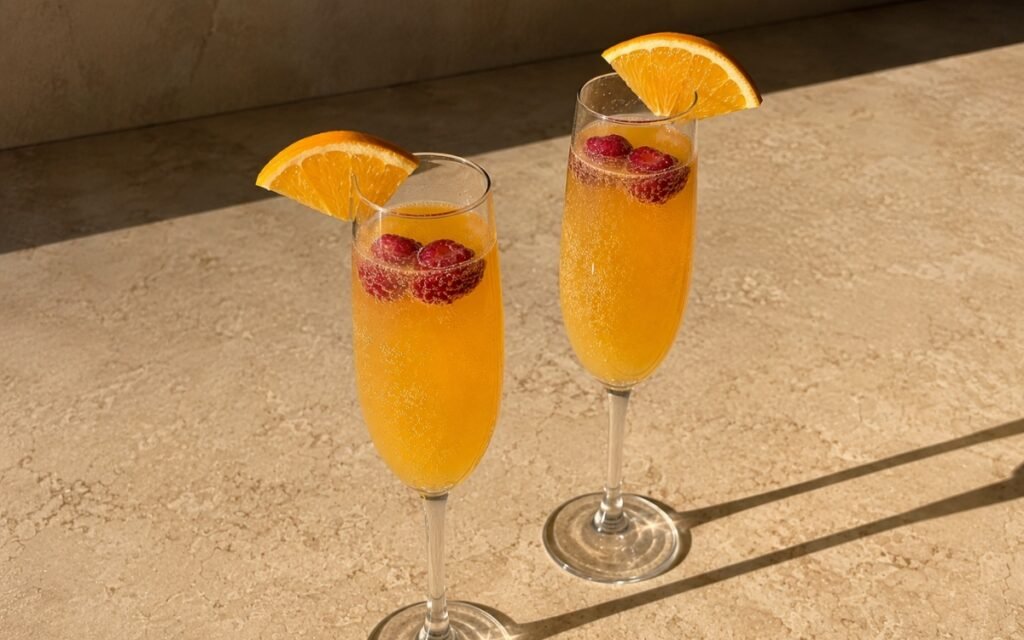
A crisp, minimalist mimosa mocktail built with fresh orange juice and either non-alcoholic sparkling wine or chilled ginger ale. Bright, lightly sweet, and perfectly balanced — brunch energy without the booze.
Prep Time : 5 min
Cook Time : 0 min
Servings : 4
5 min
0 min
4
Ingredients
Mimosa Base
• 400 ml fresh orange juice, well chilled
• 400 ml non-alcoholic sparkling wine — this one on Amazon
or
400 ml chilled ginger ale — this one on Amazon
• Pinch of fine sea salt (about 1/16 tsp total)
To Serve
• Ice (optional)
• Orange slices
• Fresh raspberries (optional)
This post may contain affiliate links. As an Amazon Associate I earn from qualifying purchases, at no additional cost to you.
Directions
- Chill the Components Properly
Place the fresh orange juice and the non-alcoholic sparkling wine or ginger ale in the refrigerator for at least 2 hours before assembling the drink. Proper chilling is critical — cold temperature preserves carbonation and keeps the flavor sharp and refreshing rather than flat or overly sweet. - Prepare the Serving Setup
Select clean glasses and, if using ice, fill them just before pouring. Pre-chilling the glasses for 10–15 minutes helps maintain fizz stability and ensures the drink stays crisp longer. Avoid wet or warm glassware, which immediately dulls structure. - Build the Mimosa Base
In a large pitcher or directly in serving glasses, combine the chilled orange juice and the sparkling component in a strict 1:1 ratio. Add the small pinch of fine sea salt and stir gently once or twice only. The goal is integration, not agitation — excessive stirring will flatten the drink before it reaches the table. - Adjust Balance if Needed
Taste the mixture briefly. If the orange juice is extremely sweet, add a small splash more sparkling component to maintain dryness. If the juice is sharply acidic, a few ice cubes or a thin orange slice in the glass can subtly soften perception without adding sugar. - Serve Immediately
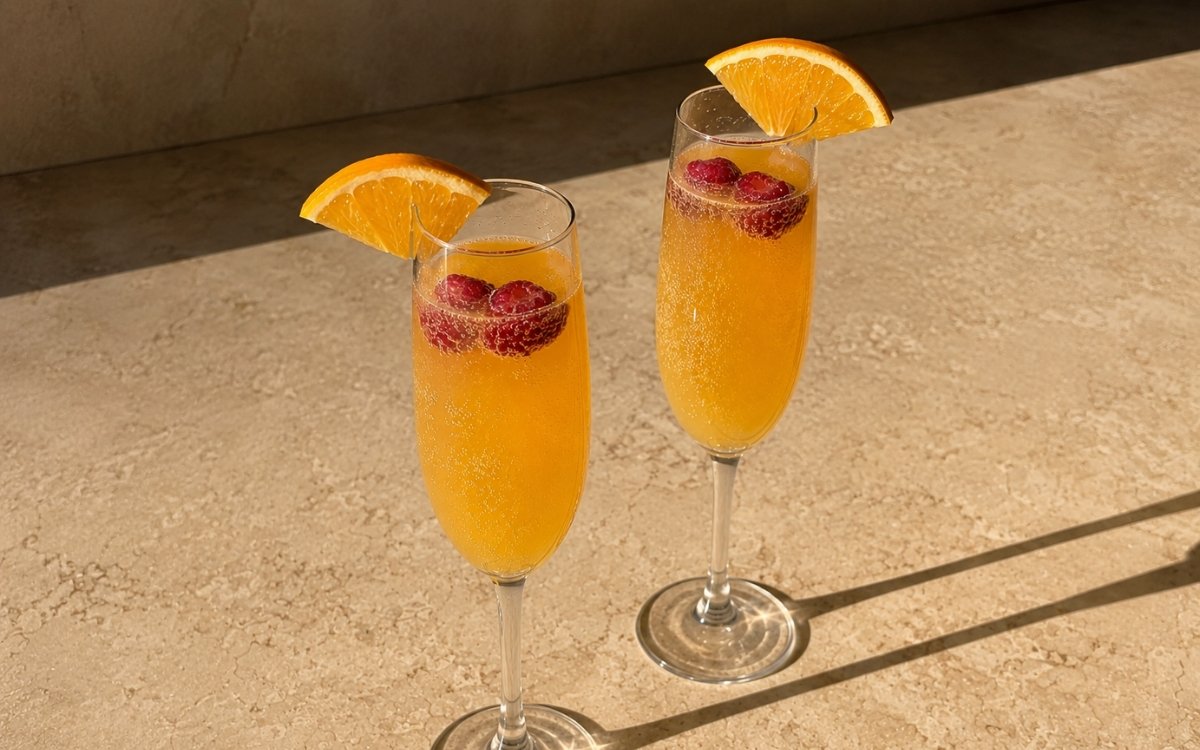
Pour into glasses, garnish with orange slices and optional raspberries, and serve right away while bubbles are lively and aromas are fresh. Timing matters — mimosa-style drinks lose their charm quickly once carbonation fades.
*Notes :
- Fresh orange juice defines the drink. Use ripe, sweet citrus and strain lightly if pulp texture feels heavy.
- Salt should never be noticeable. Its role is to enhance citrus brightness and lengthen the finish.
- Carbonation must be protected at every stage. Gentle handling keeps the drink light and energetic.
- The 50/50 ratio provides structure. Deviating too far in either direction disrupts balance and drinkability.
- Ice is optional but functional. It slightly dilutes sweetness and prolongs refreshment in warm environments.
- Serve immediately after mixing. Pre-batching sacrifices texture and aromatic lift.
Why This Mocktail Works
This mocktail succeeds because it relies on contrast rather than complexity. Natural orange sweetness is sharpened by carbonation, creating a drink that feels both indulgent and refreshing without heaviness.
Texture plays a central role. Fine bubbles add lift and perceived dryness, preventing the juice from tasting dense or sugary. This structural lightness is what makes mimosa-style drinks so easy to sip.
Minimal ingredients allow quality to shine. When fresh juice and good sparkling mixers are used, the result feels clean, bright, and intentionally simple rather than underdeveloped.
Ingredient Breakdown
Fresh orange juice
Forms the heart of the drink, delivering bright citrus acidity, natural juicy sweetness, and a full fruit body that gives the mocktail its genuine, vibrant character. Quality and freshness of the juice directly determines the overall success of the final drink.
Non-alcoholic sparkling wine or ginger ale
Provides the essential effervescence that transforms still juice into a proper celebratory drink. Sparkling wine keeps the profile elegant, dry, and classic, while ginger ale introduces a gentle warming spice that adds an approachable, subtly complex twist to the familiar mimosa format.
Fine sea salt
Amplifies the orange juice’s natural brightness and makes the citrus flavors taste more vivid and defined without any detectable saltiness. A small pinch also extends how long the flavors linger on the palate, adding a clean mineral quality that sharpens the overall finish noticeably.
Ice (optional)
Keeps the drink at an ideal serving temperature while gradually diluting as it melts, softening intensity and maintaining a refreshing, clean character. Particularly useful when serving over a longer period or when the juice and sparkling base haven’t been pre-chilled sufficiently.
Orange slices and raspberries
Contribute far more than decoration, releasing subtle aromatic compounds that gently reinforce the citrus character with every sip. The raspberries introduce a hint of berry fragrance and a pop of contrasting color that makes the drink feel festive, considered, and visually inviting.
Flavor Structure Explained
This mocktail follows a layered balance model:
- Juicy citrus body (fresh orange juice)
- Effervescent lift (sparkling component)
- Controlled sweetness (natural fruit sugars)
- Perceived dryness (carbonation texture)
- Mineral sharpness (pinch of salt)
Carbonation defines the backbone, while citrus aroma shapes the first impression. Cold temperature keeps the drink lively and prevents sweetness from dominating.
Common Mistakes to Avoid
- Using bottled orange juice — results in flat flavor and artificial sweetness.
- Over-stirring after adding fizz — destroys carbonation and texture.
- Incorrect juice-to-sparkling ratio — disrupts balance and drinkability.
- Serving warm — sweetness feels heavy and bubbles collapse quickly.
- Pre-mixing far in advance — causes immediate loss of structure.
- Skipping salt entirely — reduces flavor clarity and perceived freshness.
Variations
Berry Mimosa Mocktail
Add a few muddled raspberries or strawberries to each glass for gentle tartness and color contrast.
Herbal Citrus Version
Garnish with a sprig of fresh thyme or basil for aromatic complexity and a more refined brunch profile.
Extra-Dry Aperitif Style
Increase sparkling wine slightly and reduce juice by about 10–15% to create a sharper, more wine-like finish.
Tropical Mimosa Twist
Replace part of the orange juice with fresh pineapple or mango juice for softer fruit character while maintaining brightness.
Storage & Make-Ahead
Fresh orange juice can be prepared up to 6 hours ahead and stored chilled in an airtight container. Stir gently before use to redistribute natural separation.
The sparkling component must remain sealed and cold until the moment of serving to preserve carbonation strength.
The fully assembled mocktail does not store well. Mix only what will be consumed immediately for optimal texture and flavor.
Frequently Asked Questions
Can I use store-bought juice if I’m short on time?
It works in a pinch, but fresh juice delivers significantly better aroma and balance.
Should mimosas always be served without ice?
Traditionally yes, but ice is useful in warm settings to maintain structure.
What’s the best sparkling mixer to use?
Choose a dry-leaning non-alcoholic sparkling wine for classic style or ginger ale for added spice.
Why does my mimosa taste too sweet?
Your juice is likely very ripe — increase the sparkling ratio slightly or add more ice to correct balance.
Nutrition Facts
( per ~200 ml serving )
( using non-alcoholic sparkling wine )
Calories
~45 kcal
Protein
0 g
Fat
0 g
Carbs
~11 g
Calories
~45 kcal
Protein
0 g
Fat
0 g
Carbs
~11 g
Related Recipes
Related Recipes

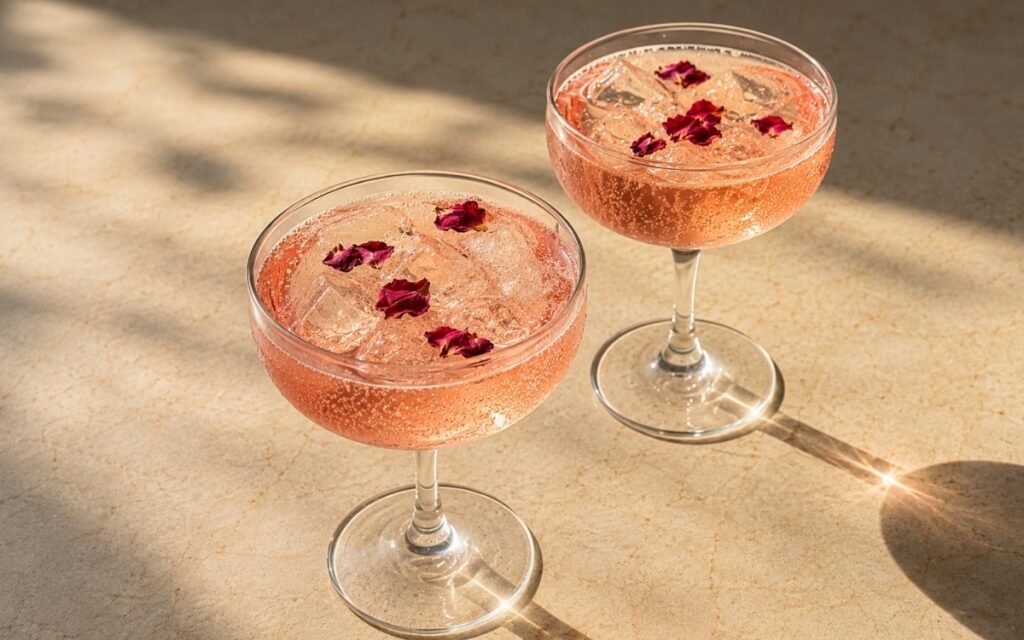
Rose Hibiscus Mocktail
Refined floral fizz with subtle orange peel, light tartness, crisp bubbles, elegant structure without sugary weight.
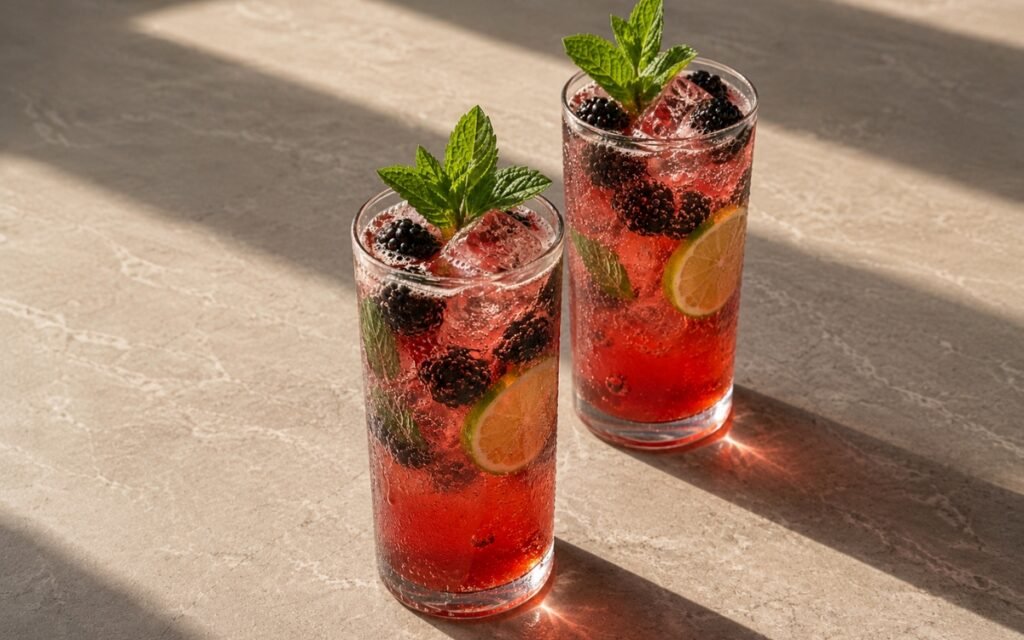
Blackberry Mojito Mocktail
Fresh mint and blackberry with lime and verjus create a bright, structured mocktail with convincing cocktail depth.
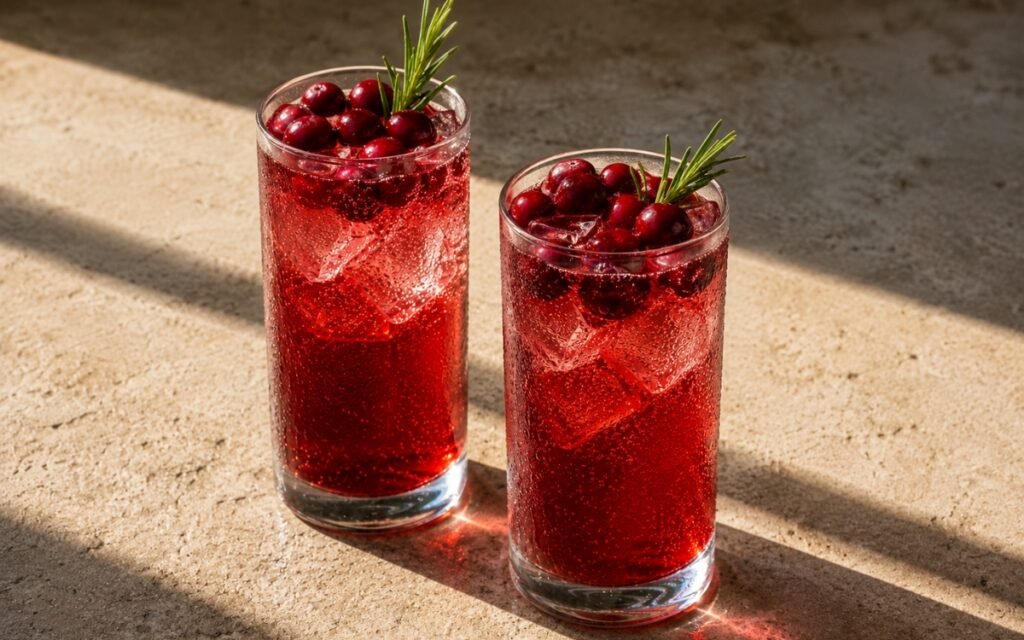
Cranberry Spritzer Mocktail
Bright cranberry spritzer with rosemary depth and orange balance, lightly bitter, festive, crisp, and refreshingly dry.
You might also like
You might also like
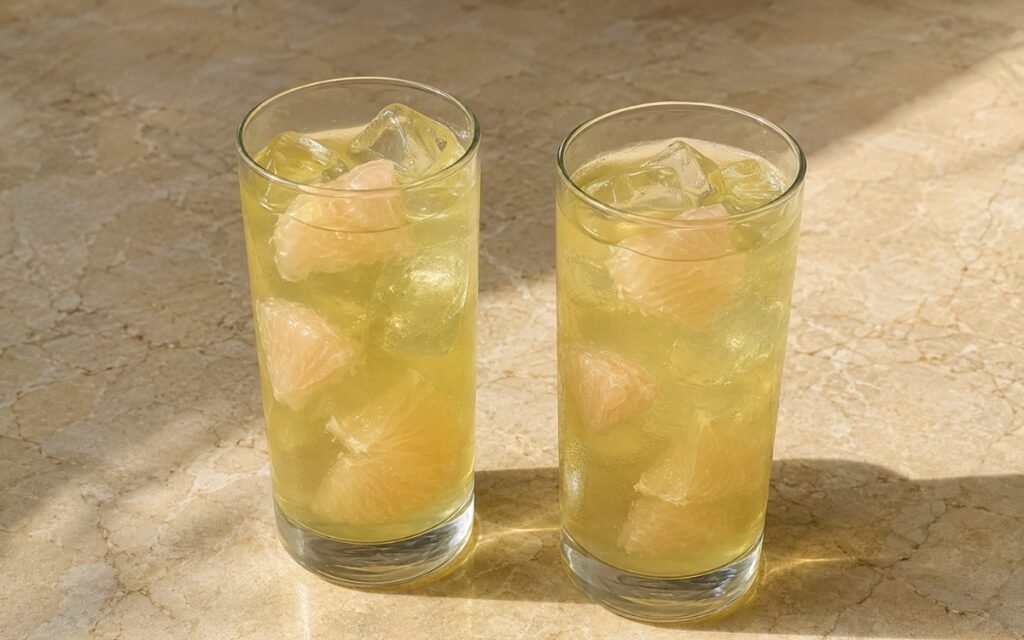
Pomelo Green Iced Tea
Green tea at 75–80°C for 2–3 minutes, pomelo segments infused cold 15–20 minutes — honey and a pinch of salt, strained, chilled. Light, aromatic, complex.
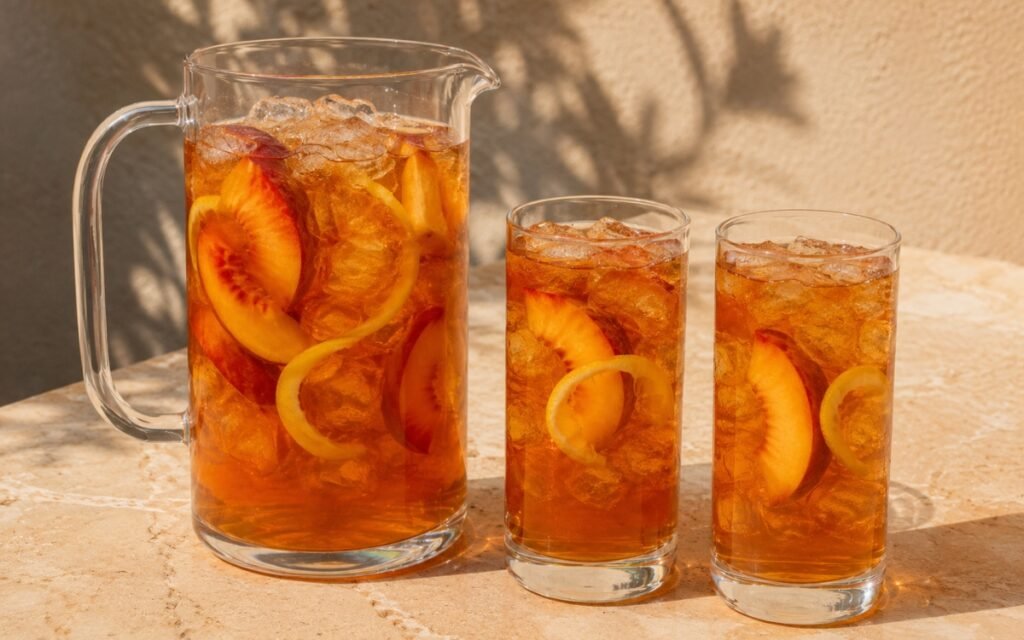
Peach Iced Tea Pitcher Drink
Ceylon tea at 90–95°C for 3 minutes, cooled to 70–75°C — skin-on peaches and lemon zest steeped 10–12 minutes in warm tea, strained, combined with cold water, chilled. Clean and peachy.
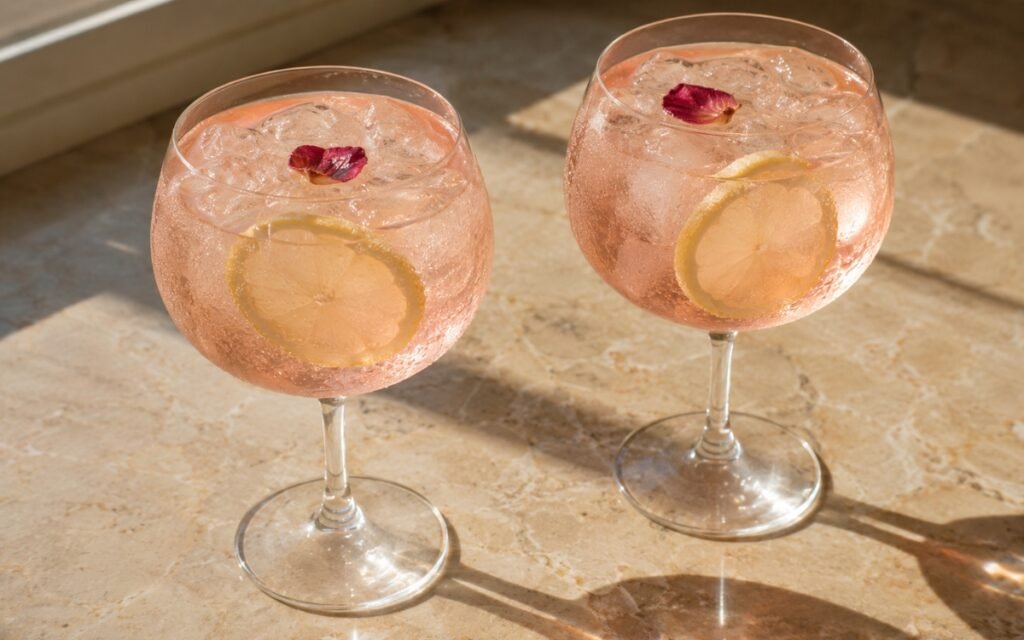
Rose Lemonade
Edible rose petals steeped in warm syrup exactly 6–8 minutes, strained with light pressing — fresh lemon juice, salt, cold water, chilled. Lemon first, rose warmly behind.
Classic Mimosa Mocktail
Ingredients
Method
- Place the fresh orange juice and the non-alcoholic sparkling wine or ginger ale in the refrigerator for at least 2 hours before assembling the drink. Proper chilling is critical — cold temperature preserves carbonation and keeps the flavor sharp and refreshing rather than flat or overly sweet.
- Select clean glasses and, if using ice, fill them just before pouring. Pre-chilling the glasses for 10–15 minutes helps maintain fizz stability and ensures the drink stays crisp longer. Avoid wet or warm glassware, which immediately dulls structure.
- In a large pitcher or directly in serving glasses, combine the chilled orange juice and the sparkling component in a strict 1:1 ratio. Add the small pinch of fine sea salt and stir gently once or twice only. The goal is integration, not agitation — excessive stirring will flatten the drink before it reaches the table.
- Taste the mixture briefly. If the orange juice is extremely sweet, add a small splash more sparkling component to maintain dryness. If the juice is sharply acidic, a few ice cubes or a thin orange slice in the glass can subtly soften perception without adding sugar.
- Pour into glasses, garnish with orange slices and optional raspberries, and serve right away while bubbles are lively and aromas are fresh. Timing matters — mimosa-style drinks lose their charm quickly once carbonation fades.