
Hibiscus Ginger Orange White Tea Cooler
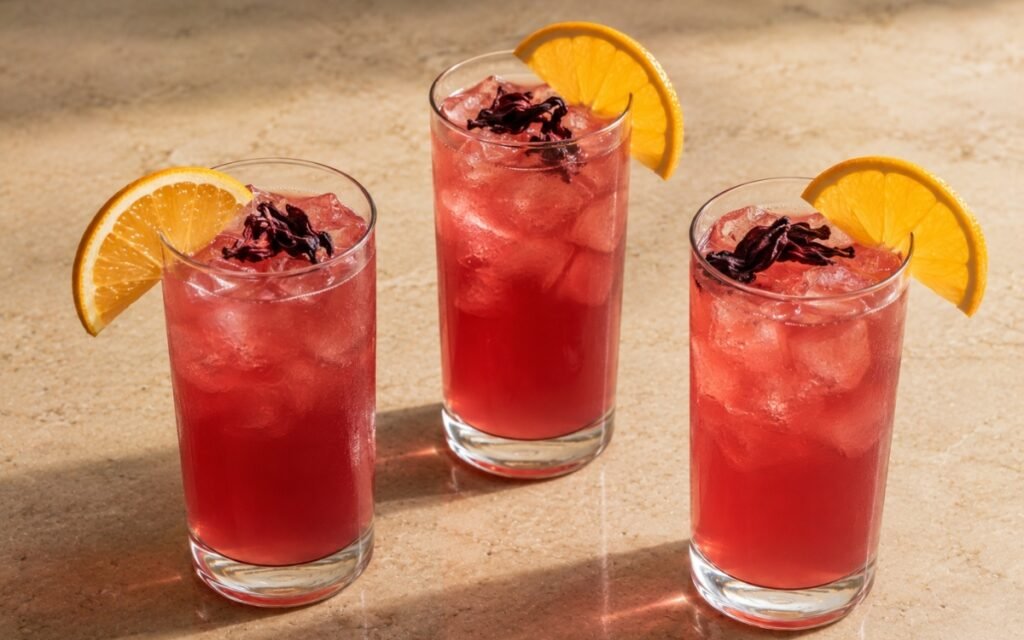
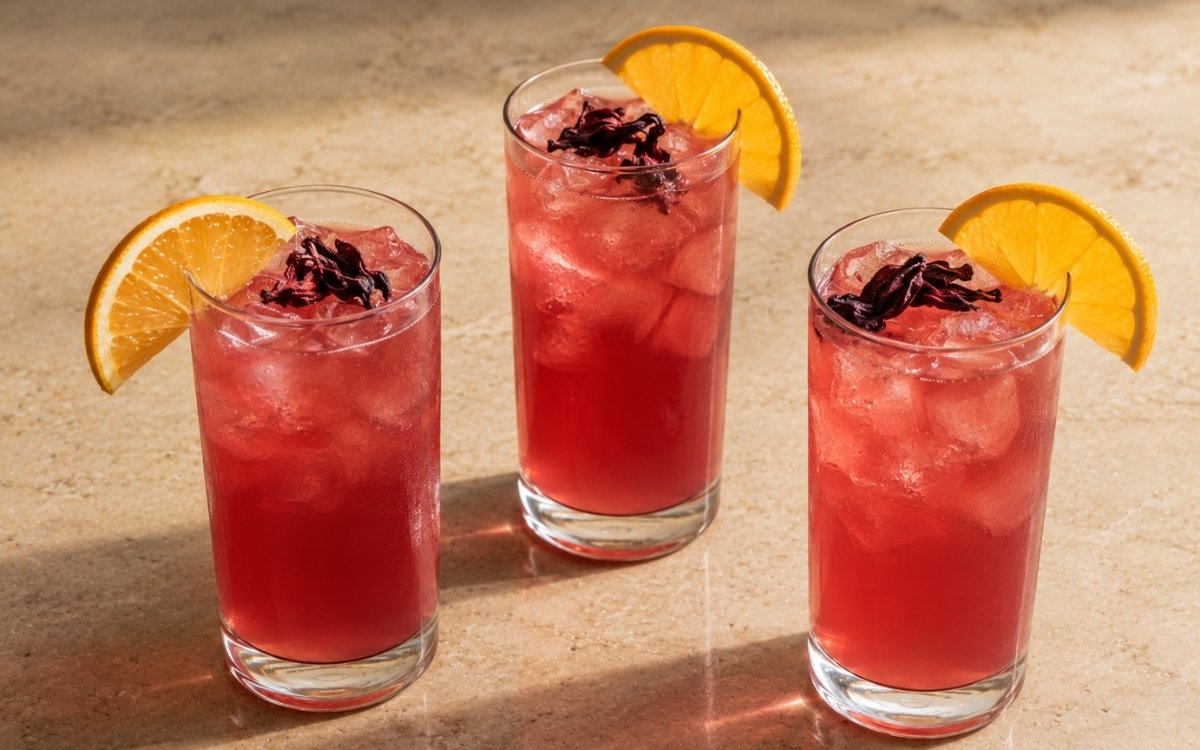
Hibiscus Ginger Orange White Tea Cooler is the most visually dramatic and the most potently botanical of the white tea preparations in this collection — a vibrant, ruby-coloured drink that balances three assertive elements on a base specifically chosen for its ability to remain present rather than disappear beneath them. The white tea brews at the same careful 75–80°C as every white tea preparation here, never reaching a full boil, because high temperatures extract an unwanted bitterness that would compete directly with the hibiscus and ginger rather than supporting them. Hibiscus and ginger infuse together, simultaneously, in the same warm tea — a deliberate efficiency that works because both botanicals need to be watched and pulled at the same approximate moment, somewhere around the 6–8 minute mark, before hibiscus turns sharply sour and ginger shifts from fragrant to throaty and hot. Orange juice, added last and only once the tea has cooled, plays a specific structural role rather than a simple flavouring one: its natural sweetness and mild acidity bridge hibiscus’s sharpness and ginger’s heat into something cohesive, a function lemon or lime juice cannot replicate without throwing the whole drink out of balance. The result looks stunning in the glass and tastes refreshingly complex — a make-ahead summer drink that feels genuinely special without being complicated.
Prep Time : 15 min
Cook Time : 10 min
Servings : 8
15 min
10 min
8
Ingredients
For the White Tea Base
• 1.65 litres water
• 6 white tea bags — Pai Mu Tan (White Peony) — this one on Amazon
For the Botanical & Citrus Flavoring
• 3 Tbsp dried hibiscus flowers — this one on Amazon
• 6–8 thin slices fresh ginger — about 10–12g; unpeeled is fine
• ¾ cup (180ml) fresh orange juice — strained
• 2–3 Tbsp mild honey — to taste; start with 2 Tbsp — this one on Amazon
For Serving
• Ice
• Orange wedges
• Dried hibiscus flowers — optional garnish
This post may contain affiliate links. As an Amazon Associate I earn from qualifying purchases, at no additional cost to you.
Directions
- Brew the White Tea Gently
Heat the 1.65 litres of water to 75–80°C. Do not allow the water to reach a full boil — white tea is fragile, and high temperatures extract an unwanted bitterness that will compete with the hibiscus and ginger that follow. Add the 6 white tea bags and steep for 3–4 minutes. Remove the bags carefully without squeezing, and allow the tea to cool to lukewarm before proceeding. - Infuse Hibiscus and Ginger Together
Add the dried hibiscus flowers and ginger slices directly to the warm tea. Allow both to infuse together for 6–8 minutes, checking the colour and aroma at the 6-minute mark. You’re looking for a deep, clear ruby colour and a gentle warming spice aroma — present but not aggressive. Strain out both the hibiscus and ginger promptly once that balance is reached. Hibiscus becomes sharply sour with extended infusion, and ginger shifts from fragrant to throaty and hot. Neither outcome serves this drink, and there’s no correcting either after the fact. - Sweeten While Warm
While the tea is still warm from the infusion, stir in 2 tablespoons of mild honey until fully dissolved. Taste and consider the balance — the hibiscus tartness should feel softened but still clearly present, not erased. Add up to 1 additional tablespoon of honey only if the drink tastes aggressively sour at this stage. Allow the sweetened tea to cool to room temperature before adding the citrus. - Add the Orange Juice
Stir in the ¾ cup (180ml) of freshly squeezed, strained orange juice. Orange plays a specific structural role here, not just a flavouring one — it contributes natural sweetness, mild acidity, and a soft fruit roundness that bridges the sharpness of hibiscus and the heat of ginger into a single, cohesive, balanced profile. Do not substitute lemon or lime juice, which would push the acidity too high and throw the entire drink out of balance. - Chill Fully
Refrigerate the finished tea for 1–2 hours until completely cold and the flavours are fully integrated. This step is essential, not optional — served warm or only partially chilled, the hibiscus acidity feels sharp and the ginger feels aggressive. Full chilling softens both and allows the white tea base to come forward, giving the drink its elegant, refined character. - Serve
Fill glasses generously with ice. Pour the chilled cooler over the ice and garnish with orange wedges and a few dried hibiscus flowers if desired. Serve immediately for the best colour, aroma, and structure.
*Notes :
- Hibiscus is one of the most potent botanicals used in cold drinks and must be treated with respect. Even a few extra minutes of infusion pushes the flavour from bright and tart into aggressively sour and one-dimensional. Always strain promptly and taste as you go — the 6-minute mark is a reliable starting point, but hibiscus flowers vary in intensity depending on brand and freshness.
- Ginger in this recipe is used for fragrance and gentle warmth, not heat. Thin slices kept in contact with the tea for only 6–8 minutes release their aromatic compounds without the throat-warming intensity that comes from longer infusion or more aggressive preparation. If the finished drink tastes noticeably spicy rather than gently warming, the ginger infused too long — reduce contact time on the next batch.
- White tea must remain a detectable presence in the finished drink. If the hibiscus completely dominates and the tea base has disappeared into the background, the botanical infusion went too far. Pai Mu Tan is specifically recommended here because it has enough body and natural sweetness to hold its own alongside assertive flavours — lighter white teas may struggle to remain present at all.
- Orange juice is not interchangeable with other citrus in this recipe. Its natural sweetness and mild acidity are precisely what softens both the hibiscus tartness and the ginger heat into something balanced and approachable. Fresh-squeezed juice also contributes aromatic compounds that bottled juice entirely lacks — always use fresh fruit for the best result.
- This cooler is best consumed within 24 hours. The hibiscus colour remains vivid and the flavour stays bright and clean on the first day. By the second day, the colour can deepen and the flavour may turn slightly flatter and more muted.
Why This Recipe Works
This recipe works because white tea is brewed at a strictly controlled, low temperature that lets it survive alongside two genuinely assertive botanicals rather than being overwhelmed before it even has a chance. Hibiscus and ginger infuse together and are pulled at the same critical moment, since both demand the same kind of vigilance.
Honey dissolves while the tea is warm. Orange juice — and specifically orange, not another citrus — provides the structural bridge that brings hibiscus’s tartness and ginger’s heat into a single cohesive flavour rather than three competing ones. And the full chill is what finally lets the white tea base reassert itself.
Ingredient Breakdown
White Tea Brewed at 75–80°C for 3–4 Minutes
The structural base — chosen specifically for body sturdy enough to remain present against hibiscus and ginger.
Hibiscus and Ginger Infused Together, 6–8 Minutes
The vivid colour and gentle warmth — a shared window where both must be watched and pulled at nearly the same moment.
Orange Juice as the Sole Bridging Citrus
The structural role — sweetness and mild acidity that softens hibiscus’s sharpness and ginger’s heat into one balanced profile.
2–3 Tbsp Mild Honey, Dissolved Warm
The rounding sweetener — softening hibiscus’s tartness without erasing it.
Flavor Structure Explained
This Hibiscus Ginger Orange White Tea Cooler follows a layered balance model:
- Vivid tart fruit-floral core (hibiscus)
- Gentle warming spice (ginger)
- Soft citrus bridge (orange juice)
- Delicate tea backbone (white tea)
- Refined refreshing finish (balanced flavor integration)
Hibiscus defines the foundation with bright tartness, floral depth, and the striking ruby character that immediately shapes both the appearance and flavor of the drink. Ginger provides a secondary layer of warmth, contributing aromatic spice and complexity without becoming noticeably hot or aggressive. Orange juice acts as the bridge between these two more assertive elements, supplying sweetness, citrus brightness, and roundness that unify the profile into a cohesive whole. Beneath the surface, white tea provides a subtle floral structure that becomes more apparent as the drink fully chills, adding refinement and preventing the brighter flavors from feeling one-dimensional. The result is a cooler built around vivid contrast, balanced by citrus softness and delicate tea-driven elegance.
Common Mistakes to Avoid
- Boiling the Water for White Tea – Extracts unwanted bitterness that competes with the hibiscus and ginger. Always 75–80°C.
- Leaving Hibiscus and Ginger Past 8 Minutes – Hibiscus turns sharply sour, ginger turns throaty and hot. Always check at 6 minutes and strain promptly.
- Substituting Lemon or Lime for the Orange Juice – Pushes acidity too high and throws the whole drink off balance. Always use orange specifically.
- Using Bottled Orange Juice – Lacks the aromatic compounds fresh-squeezed juice contributes. Always use fresh fruit.
- Serving Only Partially Chilled – Hibiscus feels sharp and ginger feels aggressive without the full chill. Always rest the full 1–2 hours.
Variations
With Mint
Add a small handful of lightly clapped fresh mint leaves during the final chill for a cooler finish, in the spirit of the Light Hibiscus Mint Cooler.
Without Ginger
Omit the ginger entirely and let the hibiscus and orange stand alone for a more straightforwardly tart, fruity direction, as in the Hibiscus White Iced Tea.
With Peach
Replace the ginger with a few slices of ripe peach during the infusion for a warmer, fruitier finish, in the direction of the Hibiscus Peach White Iced Tea.
Sparkling Version
Build the tea at a slightly higher concentration, chill, and top with cold sparkling water just before serving.
Storage & Make-Ahead
Brewed and sweetened white tea, before the orange juice is added, can be refrigerated for up to 2 days.
Once assembled, the cooler is best enjoyed within 24 hours, when its color is at its most vibrant and the flavor is at its brightest and cleanest. By the second day, the color deepens slightly and the flavor may become flatter and less lively.
Frequently Asked Questions
Why are hibiscus and ginger infused together rather than separately?
Both botanicals reach their ideal balance within roughly the same window — around 6–8 minutes — and both require prompt removal to avoid their respective failure points: hibiscus turning sharply sour, ginger turning throaty and hot. Infusing them together and checking at the same time is simply more efficient without sacrificing control over either.
Why does the recipe insist on orange juice specifically, rather than any citrus?
Orange’s natural sweetness and mild acidity are precisely calibrated to soften both hibiscus’s sharp tartness and ginger’s heat into a single cohesive profile. Lemon or lime juice would add acidity without the same sweetness, pushing the drink’s overall acid level too high and breaking the balance the recipe is built around.
How do I know if the white tea has disappeared too much into the background?
If the hibiscus completely dominates and the tea base isn’t detectable at all, the botanical infusion likely ran too long, or a white tea variety too delicate for this pairing was used. Pai Mu Tan is specifically recommended because it has enough natural body to remain present even against two assertive botanicals.
What other hibiscus and white tea preparations share this approach?
The Light Hibiscus Mint Cooler shares hibiscus’s vivid tartness with mint’s cooler, lighter finish in place of ginger’s warmth. The Hibiscus White Iced Tea shares the white tea and hibiscus foundation in its most straightforward form, without ginger or orange’s bridging structure. The Hibiscus Peach White Iced Tea shares the white tea and hibiscus base with peach’s warm fruitiness in place of ginger and orange.
Nutrition Facts
( per serving )
Calories
~40 kcal
Protein
0 g
Fat
0 g
Carbs
10 g
Calories
~40 kcal
Protein
0 g
Fat
0 g
Carbs
10 g
Related Recipes
Related Recipes

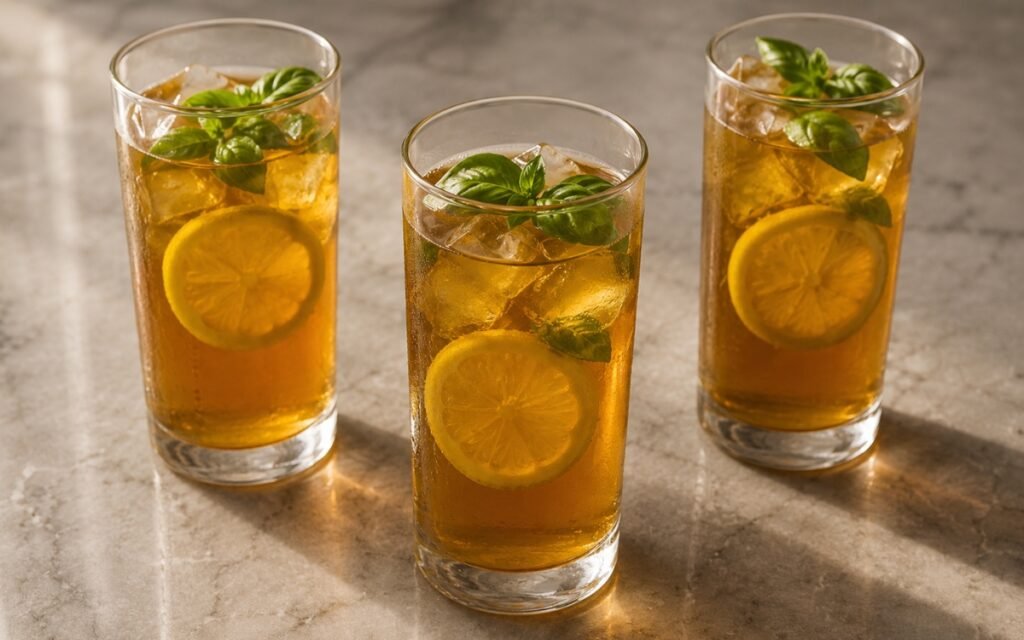
Basil Lemon Iced Tea
Ceylon black tea at 90–95°C for 2½–3 minutes, basil clapped and infused cold 10–15 minutes — lemon peel and juice, honey, chilled. Dry, green, and fresh.
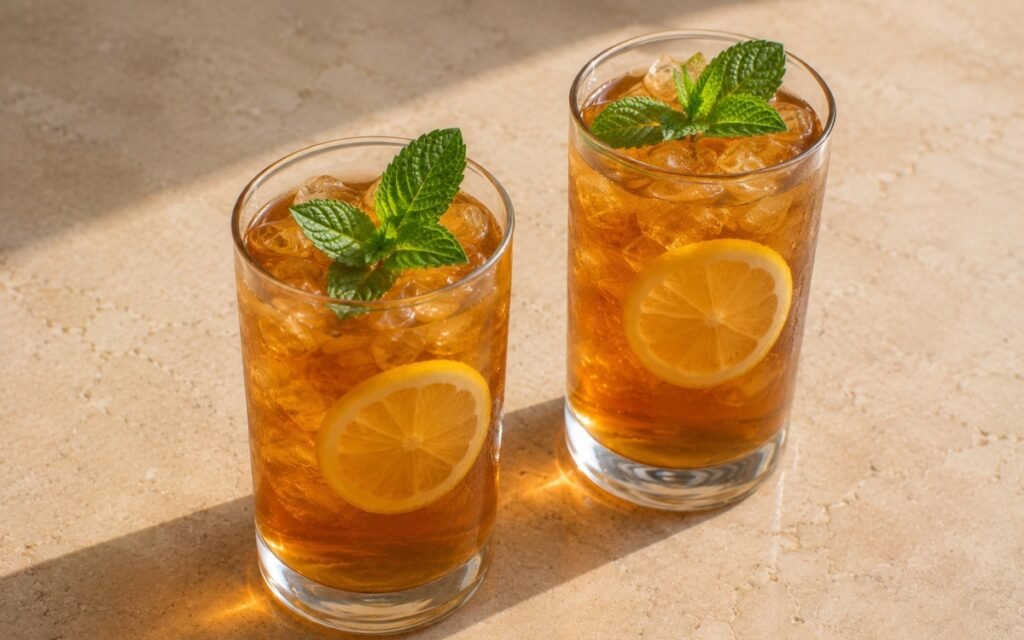
Light Lemon Mint Iced Black Tea
Black tea at 90–95°C for 2½–3 minutes, mint clapped and lemon zest infused cold 10–15 minutes — lemon juice and honey added lukewarm, chilled. Crisp and bright.
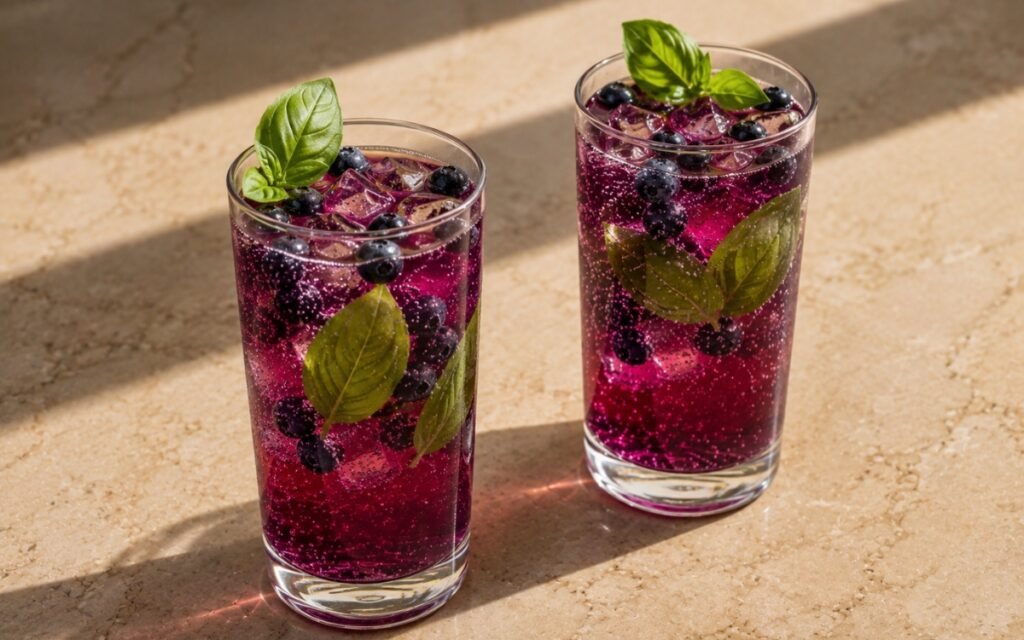
Basil Blueberry Sparkling Herbal Cooler
Concentrated white tea, basil blended into blueberries and strained — combined with the tea, finished with gentle club soda, chilled. Herbal and lively.
You might also like
You might also like
Yuzu Green Iced Tea (with Honey)
Green tea at 75–80°C for 2–3 minutes, yuzu peel infused cold 4–5 minutes — honey dissolved warm, yuzu juice for lift, chilled. Crisp, complex, citrus-forward.
Fresh Citrus Green Iced Tea
Green tea at 75–80°C for 2–3 minutes, thin peel-on citrus slices cold-infused 15–20 minutes — strained promptly, honey, chilled. Light, bright, and clean.
Grapefruit Cardamom Tonic Mocktail
Fresh grapefruit with cardamom warmth over tonic water — pale blush, bitter, and aromatic.
Hibiscus Ginger Orange White Tea Cooler
Ingredients
Method
- Heat the 1.65 litres of water to 75–80°C. Do not allow the water to reach a full boil — white tea is fragile, and high temperatures extract an unwanted bitterness that will compete with the hibiscus and ginger that follow. Add the 6 white tea bags and steep for 3–4 minutes. Remove the bags carefully without squeezing, and allow the tea to cool to lukewarm before proceeding.
- Add the dried hibiscus flowers and ginger slices directly to the warm tea. Allow both to infuse together for 6–8 minutes, checking the colour and aroma at the 6-minute mark. You’re looking for a deep, clear ruby colour and a gentle warming spice aroma — present but not aggressive. Strain out both the hibiscus and ginger promptly once that balance is reached. Hibiscus becomes sharply sour with extended infusion, and ginger shifts from fragrant to throaty and hot. Neither outcome serves this drink, and there’s no correcting either after the fact.
- While the tea is still warm from the infusion, stir in 2 tablespoons of mild honey until fully dissolved. Taste and consider the balance — the hibiscus tartness should feel softened but still clearly present, not erased. Add up to 1 additional tablespoon of honey only if the drink tastes aggressively sour at this stage. Allow the sweetened tea to cool to room temperature before adding the citrus.
- Stir in the ¾ cup (180ml) of freshly squeezed, strained orange juice. Orange plays a specific structural role here, not just a flavouring one — it contributes natural sweetness, mild acidity, and a soft fruit roundness that bridges the sharpness of hibiscus and the heat of ginger into a single, cohesive, balanced profile. Do not substitute lemon or lime juice, which would push the acidity too high and throw the entire drink out of balance.
- Refrigerate the finished tea for 1–2 hours until completely cold and the flavours are fully integrated. This step is essential, not optional — served warm or only partially chilled, the hibiscus acidity feels sharp and the ginger feels aggressive. Full chilling softens both and allows the white tea base to come forward, giving the drink its elegant, refined character.
- Fill glasses generously with ice. Pour the chilled cooler over the ice and garnish with orange wedges and a few dried hibiscus flowers if desired. Serve immediately for the best colour, aroma, and structure.