
Lavender Honey Green Iced Tea
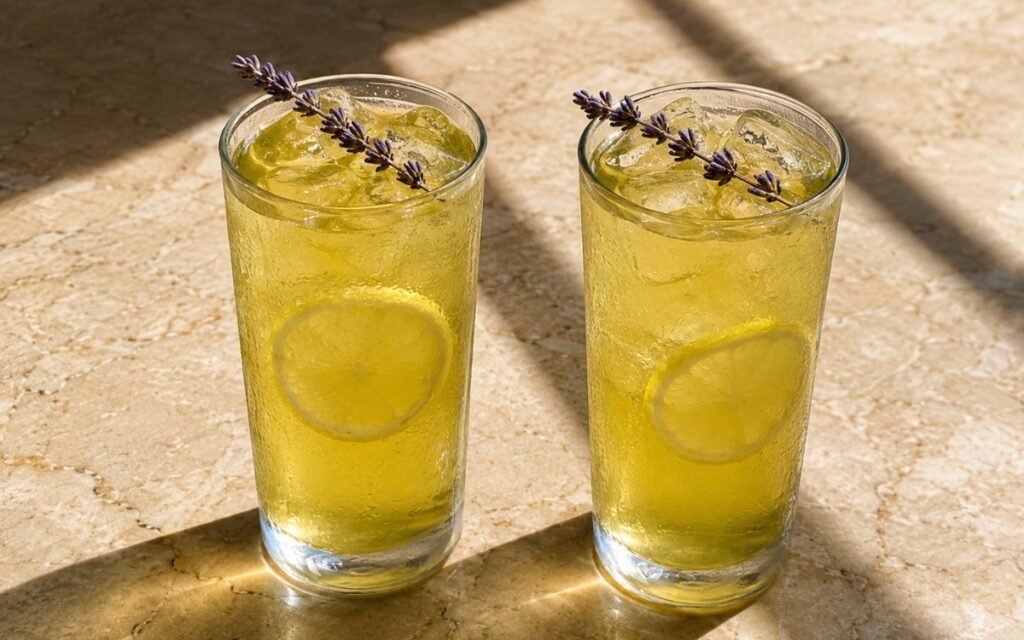
A pale golden-green iced tea made with gently brewed green tea and a carefully extracted lavender-honey infusion for a floral, lightly sweet finish without bitterness or a soapy lavender taste. Brewing the green tea at a genuinely controlled 78–82°C, never boiling, is the technique this whole drink depends on for staying clean rather than grassy or bitter — green tea’s own compounds extract harshly under sustained higher heat, the same below-boiling-extraction principle used throughout this collection whenever green tea’s delicate character needs protecting. Steeping the lavender only after the honey syrup has already cooled for a few minutes, and only for a specific controlled window, is what keeps its floral note clean rather than sharp, perfumed, or soapy. Using genuinely mild, culinary-grade honey and restrained lavender is what preserves the balance between tea, honey, and flower rather than letting any one dominate. The payoff is a tea that’s genuinely pale golden-green, delicately floral, and lightly sweet — green tea’s clean base meeting honey’s gentle sweetness and lavender’s soft, controlled aroma.
Prep Time : 15 min
Cook Time : 10 min
Servings : 8
15 min
10 min
8
Ingredients
For the Green Tea Base
• 20g loose green tea, or 8 green tea bags — this one on Amazon
• 1200ml water
• 1 small pinch fine sea salt
For the Lavender Honey Infusion
• 180g mild floral honey — this one on Amazon
• 300ml water
• 4 to 5g dried culinary lavender buds — this one on Amazon
• 1 tsp finely grated lemon zest, yellow part only, no white pith
To Finish
• 420 to 500ml cold water, as needed
• 30ml fresh lemon juice, optional, for brightness
For Serving
• Ice cubes
• 8 thin lemon wheels
• 8 small dried culinary lavender sprigs
This post may contain affiliate links. As an Amazon Associate I earn from qualifying purchases, at no additional cost to you.
Directions
- Brew the Green Tea
Heat 1200ml water to 78 to 82°C. Add the green tea and the pinch of salt, then steep for 2½ to 3 minutes. Strain immediately and let cool. Do not use boiling water and do not oversteep, or the tea will become dull, grassy, or bitter. Green tea’s tannins extract considerably faster and more harshly at higher temperatures, and continuing to steep even at the correct temperature draws out increasingly bitter compounds the longer it sits — the specific temperature and brief window together protect the tea’s clean character from both directions. - Make the Lavender Honey Infusion
In a small saucepan combine the honey and 300ml water. Warm over low heat just until the honey dissolves fully. Do not simmer hard or boil. Remove from the heat. Let the mixture cool for 5 minutes, then add the dried lavender buds and lemon zest. Cover and let infuse for 20 to 30 minutes at warm room temperature, or refrigerate for a gentler 30 to 45 minute infusion. This method keeps the lavender floral and clean instead of sharp, perfumed, or soapy. Waiting a full 5 minutes before the lavender and zest are added, rather than dropping them in immediately off the heat, gives the mixture genuine time to move away from any active cooking temperature — lavender’s own aromatic compounds can tip from pleasantly floral to soapy surprisingly fast under too much heat, and that short cooling buffer protects against exactly that outcome. - Strain the Infusion
Strain the lavender honey mixture through a fine sieve. Press very lightly, then discard the lavender and zest. You should have a smooth floral honey base with no gritty solids. Pressing only lightly, rather than forcing the liquid through firmly, protects the finished syrup from picking up any harsher, more concentrated flavour that a firmer press against the lavender buds could release. - Combine and Balance
In a large pitcher combine the cooled green tea with the strained lavender honey infusion. Add 420 to 500ml cold water to taste and stir well. If you want a slightly brighter finish, stir in the 30ml fresh lemon juice. The final yield should be about 2 liters. Taste and adjust: it should be delicately floral, lightly sweet, softly tea-forward, and refreshing, not heavy or perfumy. This tasting checkpoint matters directly given how much lavender’s own intensity and honey’s sweetness can both vary — building in that adjustment stage accounts for that natural variability rather than assuming a fixed recipe always lands at the same balance. - Chill
Refrigerate until fully cold, at least 1 hour. That resting period lets green tea’s clean base, honey’s sweetness, and lavender’s floral note fully integrate together, producing a more unified flavour than serving the drink immediately after mixing. - Serve
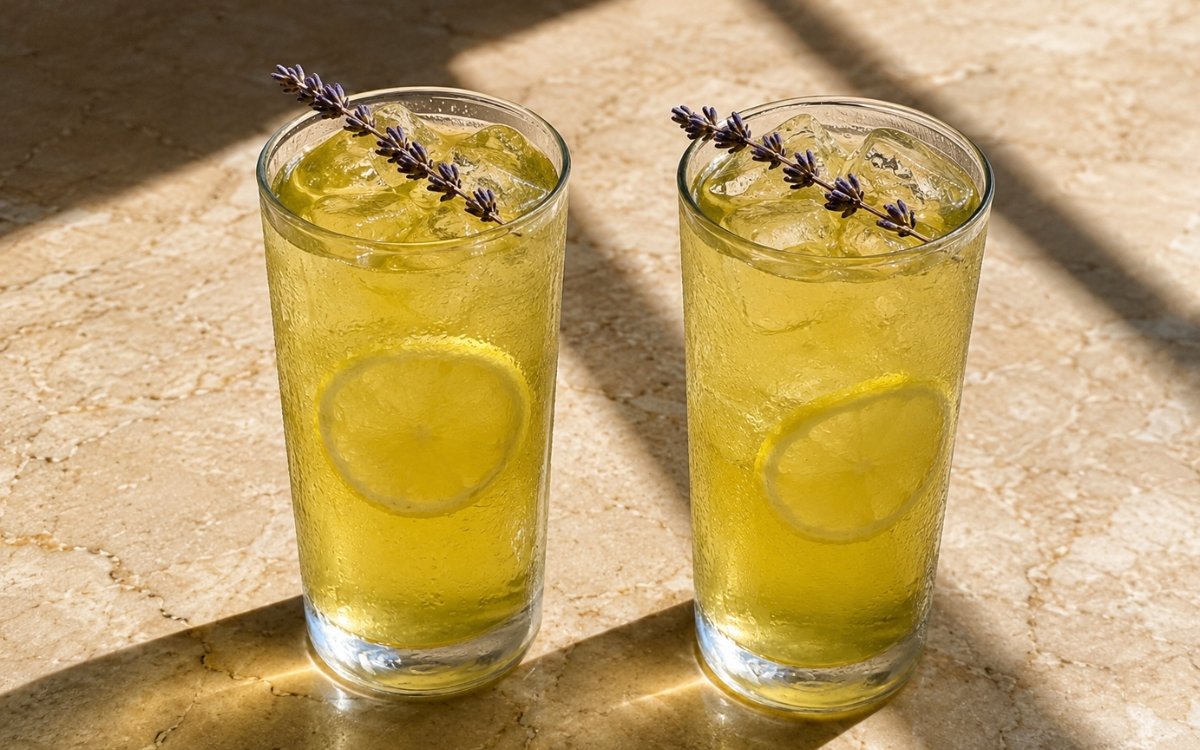
Fill tall glasses with ice. Place 1 thin lemon wheel inside each glass and rest 1 small dried lavender sprig across the ice. Pour in the chilled tea and serve immediately. Resting a small dried lavender sprig across the ice, rather than adding it directly into the tea, keeps that garnish purely visual and aromatic at the surface without introducing any further lavender flavour into the already-balanced drink.
*Notes :
- Brewing the green tea within that specific 78–82°C window deserves genuine respect as the single detail most responsible for whether this tea tastes properly clean or dull and bitter. Green tea’s compounds extract considerably faster and more aggressively at higher temperatures than black tea’s do — both the controlled temperature and the brief steep window work together to extract genuine flavour while staying well clear of that harsher territory.
- Letting the honey syrup cool for a full 5 minutes before the lavender and lemon zest are ever added deserves recognition as the technique responsible for this tea’s specifically clean, non-soapy floral character. Lavender’s aromatic compounds are genuinely prone to tipping from pleasantly floral toward something closer to soap under too much heat, and that short, deliberate cooling window is what protects the flower from that risk before it’s even introduced to the honey.
- Choosing genuinely mild, culinary-grade honey, and using lavender only in a restrained, specified amount, deserves the same attention this collection gives to every carefully balanced herbal or floral infusion. A very dark, robust honey would compete with and potentially bury both the green tea and the lavender, while too much lavender would quickly overpower the whole drink — both ingredient choices are calibrated specifically to keep every component in proportion.
- The small amount of lemon zest included in the infusion deserves understanding as a deliberate aromatic lift rather than a citrus flavour addition in its own right. That restrained amount is specifically calibrated to brighten the overall aroma without turning the finished drink into something resembling lemonade — a distinction the recipe’s own notes make explicitly clear.
Why This Recipe Works
This recipe works because the green tea is brewed within a genuinely controlled temperature and time window, protecting its clean character from both overheating and oversteeping. The honey syrup is allowed to cool for a full 5 minutes before the lavender and lemon zest are added, protecting the flower’s delicate aromatic compounds from the soapy character too much heat would cause.
Straining only lightly keeps the infusion smooth and clean. Genuinely mild honey and a restrained amount of lavender keep every component in careful proportion, and a final tasting checkpoint accounts for real variability in both lavender intensity and honey sweetness, bringing everything together into one pale, delicately floral, balanced iced tea.
Ingredient Breakdown
Properly Brewed Green Tea
The clean foundation — brewed within a specific temperature and time window to stay grassy-free and free of bitterness.
Mild, Culinary-Grade Honey
The sweetening base — chosen specifically for its gentle character, letting both green tea and lavender come through in proportion.
Cooling Buffer Before Lavender Is Added
The critical technique — a deliberate 5-minute wait protects lavender’s aroma from tipping toward soapiness under too much heat.
Restrained Culinary Lavender Buds
The floral element — used in a specific, controlled amount to keep the drink genuinely floral rather than overpowering.
Small Amount of Lemon Zest
The aromatic lift — calibrated to brighten the overall drink without turning it into a lemon-forward beverage.
Flavor Structure Explained
This lavender honey green iced tea follows a layered balance model:
- Clean tea foundation (properly brewed green tea)
- Gentle floral sweetness (mild honey, restrained lavender)
- Subtle citrus lift (small amount of lemon zest, optional lemon juice)
- Cool refreshing structure (cold water, ice)
Properly brewed green tea provides this drink’s clean, delicate foundation, its flavour protected by careful temperature and timing. Mild honey and restrained lavender together contribute gentle, genuinely floral sweetness without overwhelming the tea beneath it. A small amount of lemon zest, and an optional touch of fresh lemon juice, adds subtle citrus lift that brightens the drink without shifting its identity toward lemonade. Cold water and ice keep the whole tea properly refreshing, tying green tea’s clean base, honey’s sweetness, and lavender’s soft floral note together into one pale, balanced drink.
Common Mistakes to Avoid
- Brewing the Green Tea With Boiling Water – This produces a dull, grassy, or bitter base. Always heat the water to the specified 78–82°C.
- Oversteeping the Green Tea – This draws out increasingly bitter compounds. Always strain within the specified 2½ to 3 minute window.
- Adding the Lavender While the Syrup Is Still Hot – This risks tipping the floral note toward soapy. Always let the syrup cool for 5 minutes first.
- Using Non-Culinary Lavender – This can taste harsh or unpleasant. Always use genuinely culinary-grade lavender.
- Using Too Much Lavender or a Very Dark Honey – Either can quickly overpower the tea and each other. Always keep both restrained and mild.
Variations
Brighter Version
Include the optional fresh lemon juice for a touch more citrus lift alongside the floral sweetness.
Extra-Floral Version
Increase the lavender slightly, watching the infusion closely, for a more pronounced floral note.
Sweeter Version
Add a touch more honey to the infusion for a rounder, less restrained sweetness.
Sparkling Version
Top each glass with a splash of chilled soda water just before serving for light effervescence.
Storage & Make-Ahead
Keeps well refrigerated for up to 2 days. This recipe makes about 2 litres, enough for 8 servings.
The green tea base and lavender honey infusion can both be made a few hours ahead and refrigerated separately before combining.
Frequently Asked Questions
Why does the green tea need such a specific, lower brewing temperature?
Green tea’s compounds extract considerably faster and more aggressively at higher temperatures than black tea’s do. The specific 78–82°C range protects the tea’s clean, delicate character from turning dull, grassy, or bitter.
Why does the honey syrup need to cool for 5 minutes before the lavender is added?
Lavender’s aromatic compounds are genuinely prone to tipping from pleasantly floral toward something closer to soap under too much heat. That short cooling window protects the flower from that risk before it’s ever introduced to the honey.
Why does this recipe specifically call for culinary-grade lavender and mild honey?
Non-culinary lavender can taste harsh or unpleasant, while a very dark, robust honey would compete with and potentially bury both the green tea and the lavender. Both choices keep every component in proper proportion.
Why is only a small amount of lemon zest included rather than more for extra citrus flavour?
That restrained amount is specifically calibrated to brighten the overall aroma without turning the finished drink into something resembling lemonade, keeping the tea and lavender as the drink’s actual focus.
Are there other lavender, honey, or floral iced teas worth trying?
Lavender Lemon Iced Tea and Lavender Blueberry Iced Tea both offer other lavender-forward directions worth exploring. Honey Lemonade is also worth trying for a different, purely honey-and-citrus drink, and Chamomile Honey White Iced Tea offers another gentle, floral, honey-sweetened tea worth exploring.
Nutrition Facts
( per serving )
Calories
~70 kcal
Protein
0 g
Fat
0 g
Carbs
18 g
Calories
~70 kcal
Protein
0 g
Fat
0 g
Carbs
18 g
Related Recipes
Related Recipes

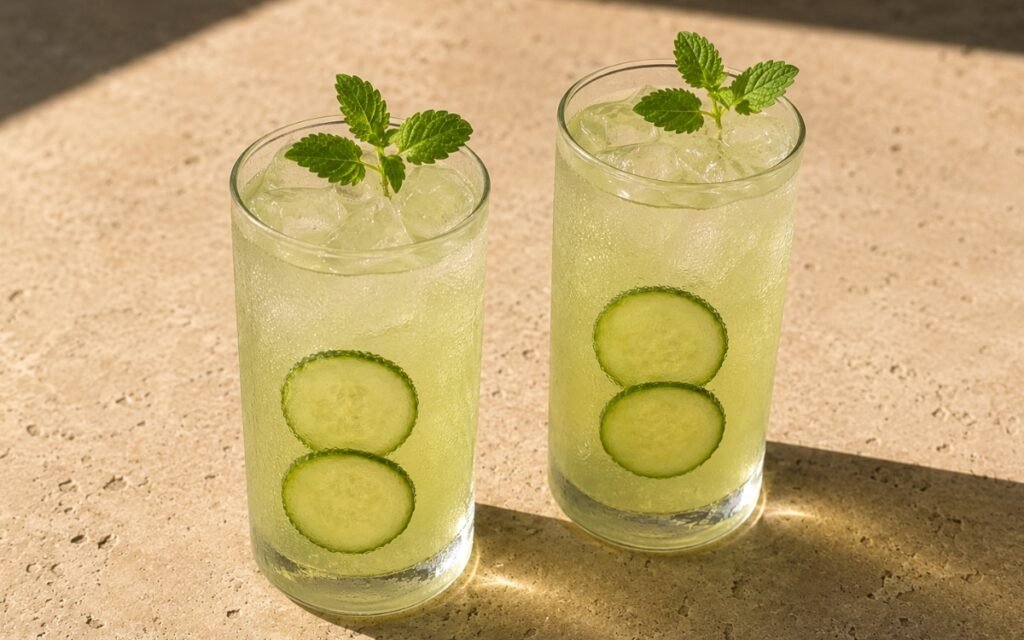
Cucumber Lemon Balm Green Iced Tea
Properly brewed green tea combined with strained cucumber juice and a gentle cold lemon balm infusion for a very pale, delicate, garden-fresh iced tea.
Thyme Lemon Orange Green Tea Cooler
Green tea at 75–80°C for 2–3 minutes, thyme clapped and infused cold — orange juice for softness, lemon juice for sharpness, honey, chilled. Bright and lightly herbal.
Light Raspberry Mint Iced Tea
White tea at 75–80°C, raspberries blended with lemon and water — honey while warm, mint cold-infused 10–15 minutes, chilled. Pale blush-pink and clean.


You might also like
You might also like
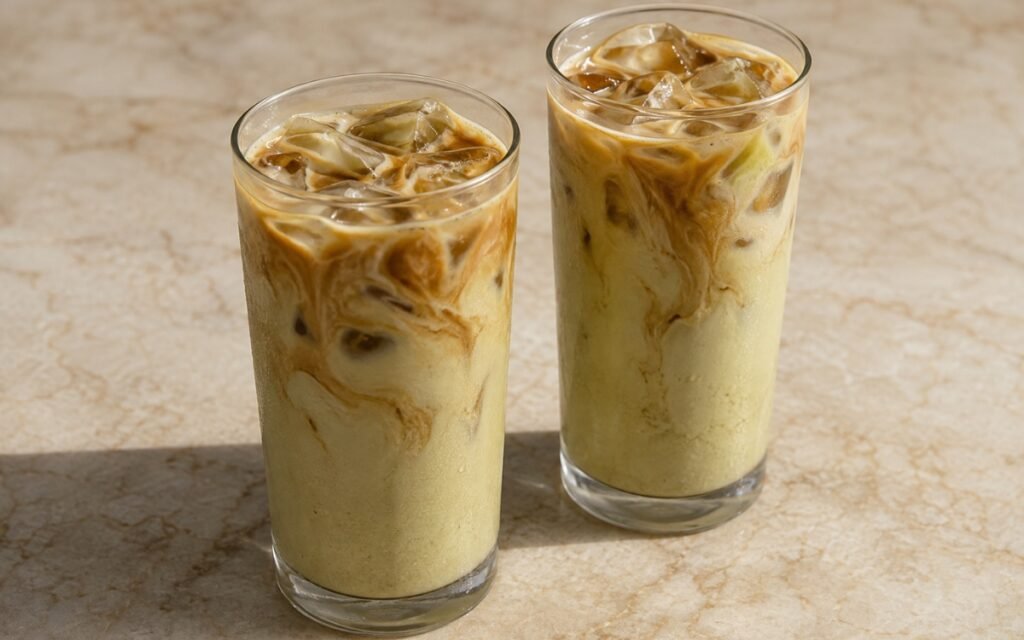
Iced Pistachio Latte
Smooth homemade pistachio syrup, cold milk, and ice topped with freshly brewed espresso, for a milk-forward, lightly nutty latte.
Pumpkin Spice Iced Latte
Pumpkin spice syrup left concentrated at the base, cold milk, and ice topped with freshly brewed espresso, finished with a light foam and spice dusting.
Pomegranate Orange Pitcher Drink
Pomegranate and orange juice combined with lightly bruised pomegranate arils, thin orange wheels, and a last-stage splash of sparkling water.


Lavender Honey Green Iced Tea
Ingredients
Method
- Heat 1200ml water to 78 to 82°C. Add the green tea and the pinch of salt, then steep for 2½ to 3 minutes. Strain immediately and let cool. Do not use boiling water and do not oversteep, or the tea will become dull, grassy, or bitter. Green tea’s tannins extract considerably faster and more harshly at higher temperatures, and continuing to steep even at the correct temperature draws out increasingly bitter compounds the longer it sits — the specific temperature and brief window together protect the tea’s clean character from both directions.
- In a small saucepan combine the honey and 300ml water. Warm over low heat just until the honey dissolves fully. Do not simmer hard or boil. Remove from the heat. Let the mixture cool for 5 minutes, then add the dried lavender buds and lemon zest. Cover and let infuse for 20 to 30 minutes at warm room temperature, or refrigerate for a gentler 30 to 45 minute infusion. This method keeps the lavender floral and clean instead of sharp, perfumed, or soapy. Waiting a full 5 minutes before the lavender and zest are added, rather than dropping them in immediately off the heat, gives the mixture genuine time to move away from any active cooking temperature — lavender’s own aromatic compounds can tip from pleasantly floral to soapy surprisingly fast under too much heat, and that short cooling buffer protects against exactly that outcome.
- Strain the lavender honey mixture through a fine sieve. Press very lightly, then discard the lavender and zest. You should have a smooth floral honey base with no gritty solids. Pressing only lightly, rather than forcing the liquid through firmly, protects the finished syrup from picking up any harsher, more concentrated flavour that a firmer press against the lavender buds could release.
- In a large pitcher combine the cooled green tea with the strained lavender honey infusion. Add 420 to 500ml cold water to taste and stir well. If you want a slightly brighter finish, stir in the 30ml fresh lemon juice. The final yield should be about 2 liters. Taste and adjust: it should be delicately floral, lightly sweet, softly tea-forward, and refreshing, not heavy or perfumy. This tasting checkpoint matters directly given how much lavender’s own intensity and honey’s sweetness can both vary — building in that adjustment stage accounts for that natural variability rather than assuming a fixed recipe always lands at the same balance.
- Refrigerate until fully cold, at least 1 hour. That resting period lets green tea’s clean base, honey’s sweetness, and lavender’s floral note fully integrate together, producing a more unified flavour than serving the drink immediately after mixing.
- Fill tall glasses with ice. Place 1 thin lemon wheel inside each glass and rest 1 small dried lavender sprig across the ice. Pour in the chilled tea and serve immediately. Resting a small dried lavender sprig across the ice, rather than adding it directly into the tea, keeps that garnish purely visual and aromatic at the surface without introducing any further lavender flavour into the already-balanced drink.