
Lemon Ginger Tonic Mocktail
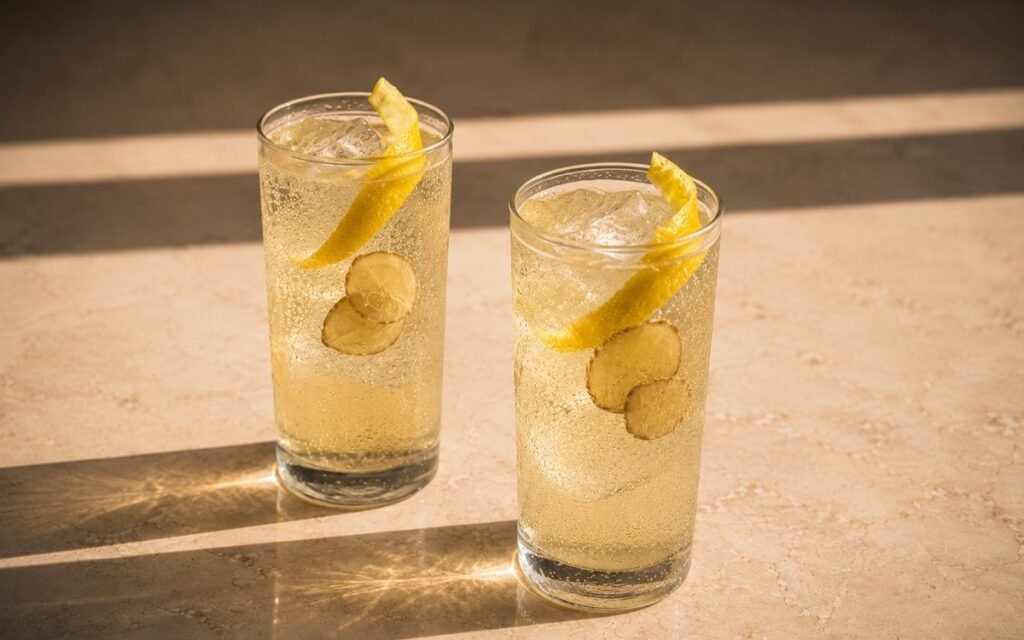
A crisp, elevated lemon–ginger tonic built with a bold house lemon peel ginger syrup and clean tonic water. Sharp, lightly sweet, and spicy — simple, structured, and grown-up.
Prep Time : 10 min
Cook Time : 5 min
Servings : 4
10 min
5 min
4
Ingredients
Lemon–Ginger Brown Sugar Syrup
• ½ cup (100 g) light brown sugar
• ½ cup (120 ml) water
• 2 strips lemon peel (yellow part only, no white pith)
• 20–25 g fresh ginger, finely grated
Mocktail Base
• 360–400 ml chilled tonic water — this one on Amazon
To Serve
• Ice
• Lemon peel twists
• Thin fresh ginger slices
This post may contain affiliate links. As an Amazon Associate I earn from qualifying purchases, at no additional cost to you.
Directions
- Make the Lemon–Ginger Syrup
In a small saucepan combine the brown sugar and water and heat gently over medium heat, stirring until the sugar fully dissolves. Do not allow the mixture to boil — boiling flattens aroma and creates heavy sweetness. Remove from heat and immediately add the lemon peel strips and finely grated ginger. Cover and let steep for about 6–8 minutes until the syrup smells bright, citrusy, and clearly spicy. Strain through a fine-mesh sieve, pressing lightly to extract liquid without forcing pulp through, then allow the syrup to cool completely. - Build the Structured Base
In a large pitcher add about 80 ml of the cooled lemon–ginger syrup along with plenty of ice. Stir briefly to chill and slightly dilute the syrup. Taste deliberately — the base should feel sharp, lightly sweet, and warming from ginger rather than sugary or flat. Adjust syrup gradually if needed. - Add Carbonation Carefully
Slowly pour in the chilled tonic water and stir once or twice only to integrate. Minimal agitation preserves carbonation and keeps the drink crisp rather than soft. - Serve Immediately
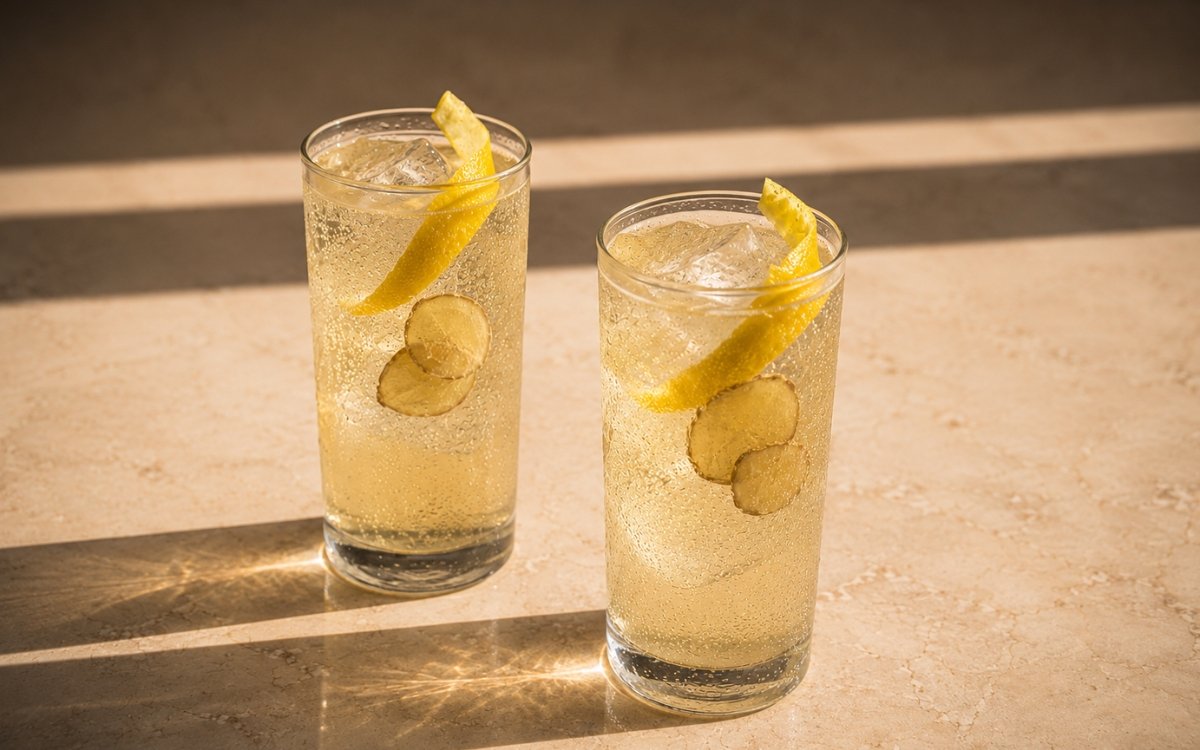
Pour into ice-filled glasses and garnish with lemon peel twists and thin fresh ginger slices. Serve right away while cold, lively, and structurally sharp.
*Notes :
- Fresh ginger potency varies widely. Always taste the syrup before building the drink and adjust steep time accordingly.
- Using only the yellow part of the lemon peel prevents harsh bitterness and keeps citrus aroma clean and focused.
- Tonic water contributes both bitterness and texture, so choosing a high-quality brand dramatically affects final balance.
- Brown sugar adds subtle caramel depth that supports ginger warmth without making the drink taste dessert-like.
- Salt is intentionally omitted here because tonic already carries mineral bitterness; over-seasoning would make the drink feel heavy.
- This drink is designed for immediate service. As carbonation fades, sweetness becomes more noticeable and spice loses lift.
Why This Mocktail Works
This mocktail works because it balances sharp citrus oils with warming ginger spice and the dry bitterness of tonic water. The lemon peel infusion delivers aromatic lift without adding sourness, keeping the drink bright but controlled.
Brown sugar syrup provides just enough roundness to prevent ginger heat from feeling aggressive. This creates a layered perception of warmth followed by refreshing bitterness rather than a one-note spicy hit.
Carbonation plays a structural role by sharpening perceived dryness and increasing drinkability. Together these elements produce a minimal yet complex drink that feels adult and intentional.
Ingredient Breakdown
Lemon peel
Contributes aromatic citrus oils drawn from the zest, delivering a clean, bright lift to the drink. Its natural bitterness and fragrant volatility sharpen the nose while adding a crisp, refreshing edge that balances richer, sweeter elements in the glass.
Fresh ginger
Brings a bold, warming spice that builds gradually on the palate. Its natural heat and earthy pungency add genuine depth and complexity, cutting through sweetness with a sharp, slightly peppery character that gives the drink real backbone and personality.
Light brown sugar
Dissolves easily and provides a soft, gentle sweetness without overwhelming the other ingredients. The molasses content lends a quiet caramel roundness, smoothing out sharper flavors and giving the drink a subtle, well-integrated sweetness that feels natural rather than added.
Tonic water
Acts as the structural foundation of the drink, contributing a pronounced quinine bitterness alongside lively carbonation. The bubbles carry aroma upward while the dry, mineral quality of the tonic creates a clean, refreshing finish that prevents the drink from feeling heavy or overly sweet.
Ice
Performs a dual role: chilling the drink to an ideal temperature while gradually diluting the mixture as it melts. This controlled dilution softens bold flavors, knits the ingredients together harmoniously, and keeps every sip tasting sharp, focused, and refreshing rather than concentrated or harsh.
Flavor Structure Explained
This mocktail follows a layered balance model:
- Aromatic citrus lift (lemon peel oils)
- Spiced warmth (fresh ginger infusion)
- Controlled sweetness (brown sugar syrup)
- Dry bitterness (quinine tonic)
- Textural refreshment (carbonation + cold dilution)
Ginger defines mid-palate intensity while tonic shapes the finish. The restrained sweetness ensures the drink remains sharp and grown-up rather than soft or soda-like.
Common Mistakes to Avoid
- Boiling ginger in the syrup — dulls spice and creates muddy flavor.
- Over-infusing lemon peel — introduces bitter pith notes.
- Using too much syrup — removes dryness and cocktail structure.
- Over-stirring after adding tonic — kills carbonation quickly.
- Using warm tonic water — results in flat, lifeless texture.
- Building the drink too early — fizz fades and balance shifts toward sweetness.
Variations
Herbal Ginger Lemon Tonic
Add a small thyme or basil sprig during serving for subtle aromatic complexity and a more botanical finish.
Extra-Spicy Aperitif Style
Increase ginger slightly or steep 1–2 minutes longer for a sharper warming profile suited to pre-dinner sipping.
Honey-Sweetened Version
Replace part of the brown sugar syrup with mild honey for softer floral sweetness and smoother mouthfeel.
Citrus Blend Twist
Add a splash of fresh grapefruit juice for additional bitterness and layered citrus depth.
Storage & Make-Ahead
The lemon–ginger syrup can be prepared up to 5 days in advance and stored refrigerated in a sealed jar. Shake or stir before using.
The finished drink should not be stored once mixed. If carbonation fades, rebuild with fresh tonic rather than attempting to revive it.
Always add club soda only at the moment of serving. Pre-mixed sangria loses carbonation rapidly and feels flat and less refreshing.
Frequently Asked Questions
Can I use ginger powder instead of fresh ginger?
No. Fresh ginger provides clean, bright heat and aroma that powdered ginger cannot replicate.
What tonic works best for this mocktail?
Choose a dry tonic with noticeable quinine bitterness — overly sweet tonics flatten structure.
Can I make this less bitter?
Yes. Reduce tonic slightly and increase syrup by small increments until balanced.
Is lemon juice interchangeable with lemon peel here?
Not really. Peel gives aroma without acidity, which is essential for this drink’s clean structure.
Nutrition Facts
( per ~200 ml serving )
Calories
~60 kcal
Protein
0 g
Fat
0 g
Carbs
~15 g
Calories
~60 kcal
Protein
0 g
Fat
0 g
Carbs
~15 g
Related Recipes
Related Recipes

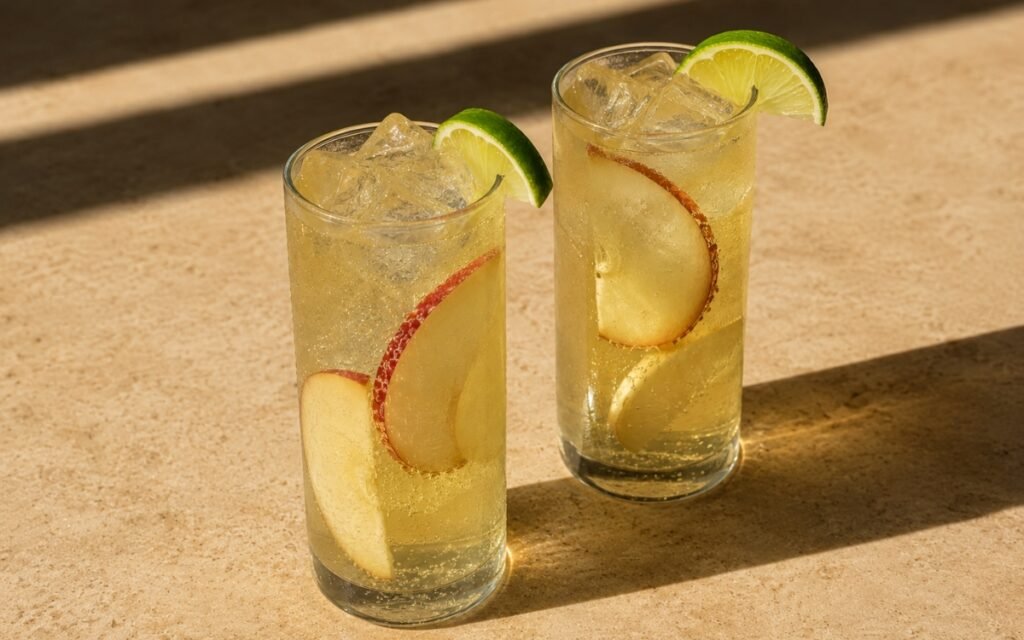
Fuji Apple Ginger Fizz Mocktail
Crisp Fuji apple and fresh ginger fizz with lively bubbles, clean aromatics, sharp bite, and restrained sweetness.
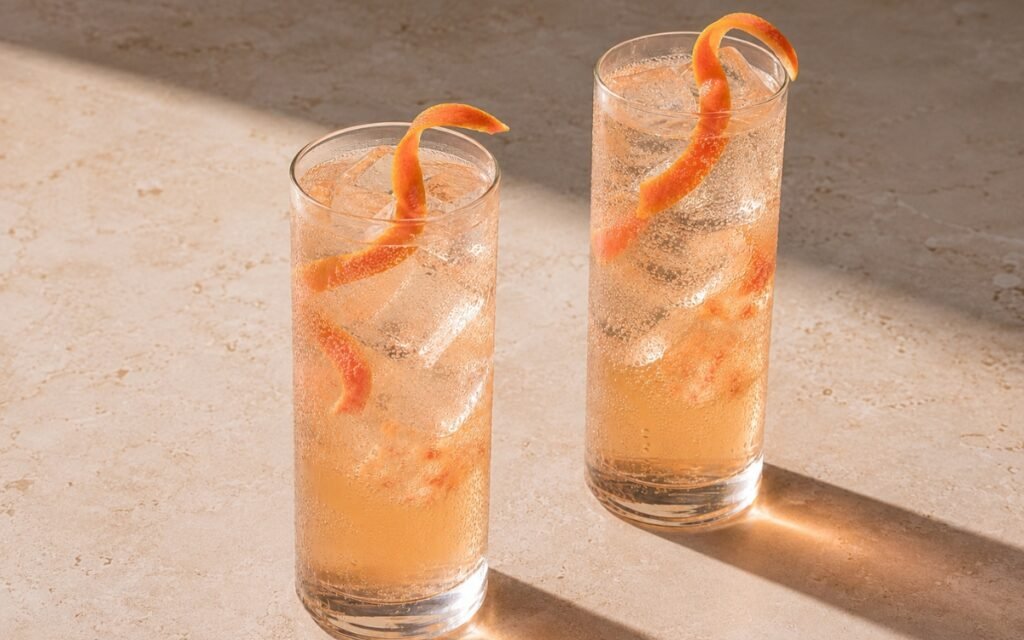
Grapefruit Tonic Mocktail
Bitter-leaning grapefruit tonic with peel syrup and pulp texture, dry, structured, and refreshingly grown-up.
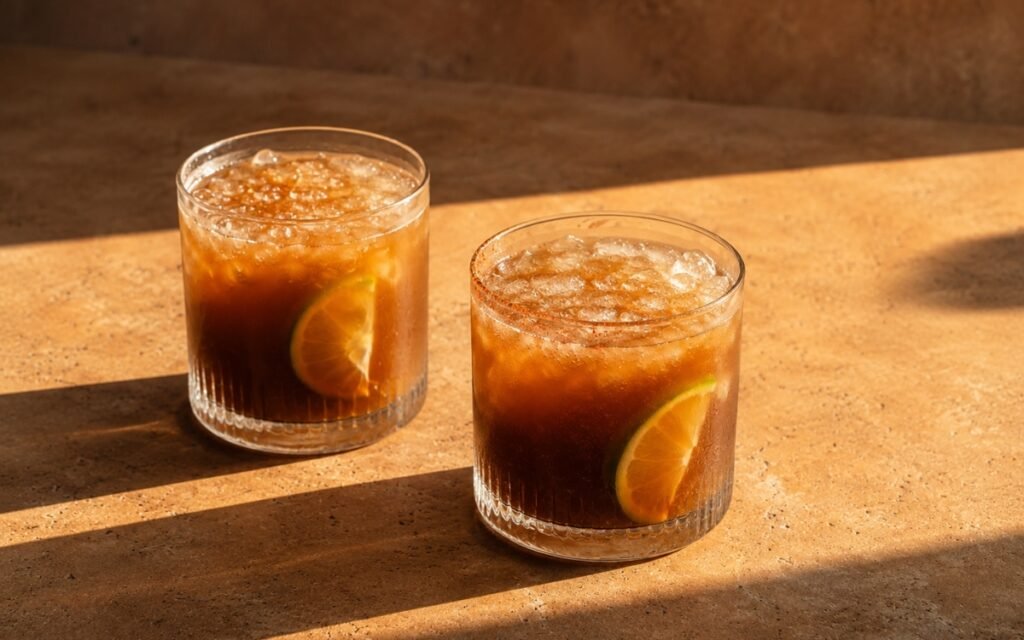
Tamarind Chili Agua Fresca Mocktail
Tamarind and chili with lime over crushed ice, partial chili-salt rim — bold and Mexican.
You might also like
You might also like
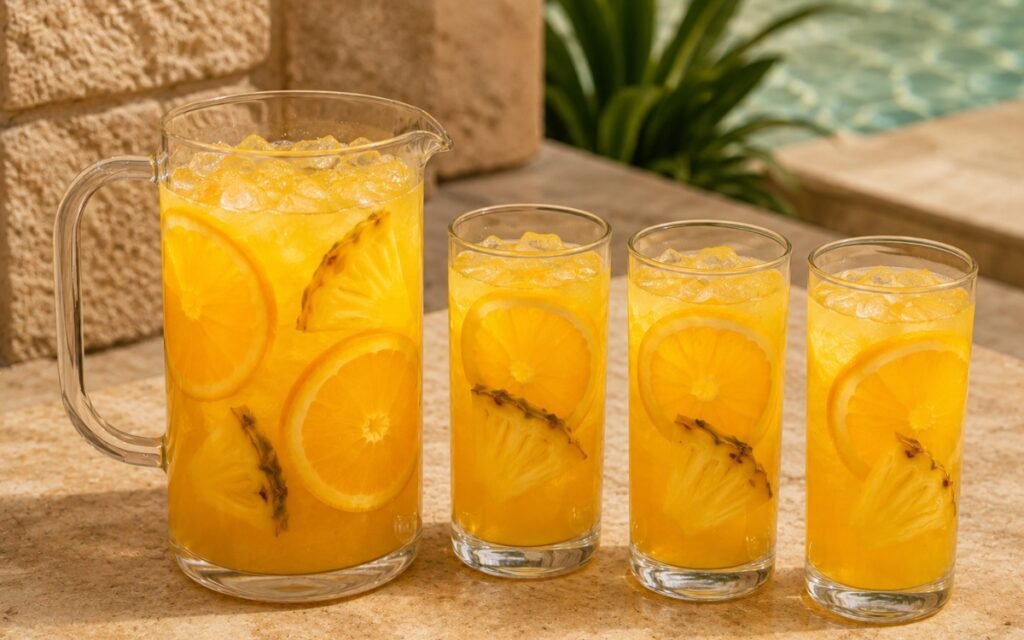
Pineapple Orange Pitcher Drink
Dual orange and lemon zest steeped in light brown sugar syrup — combined with pineapple juice, orange juice, lemon for brightness, salt, cold water, chilled. Tropical and vivid.
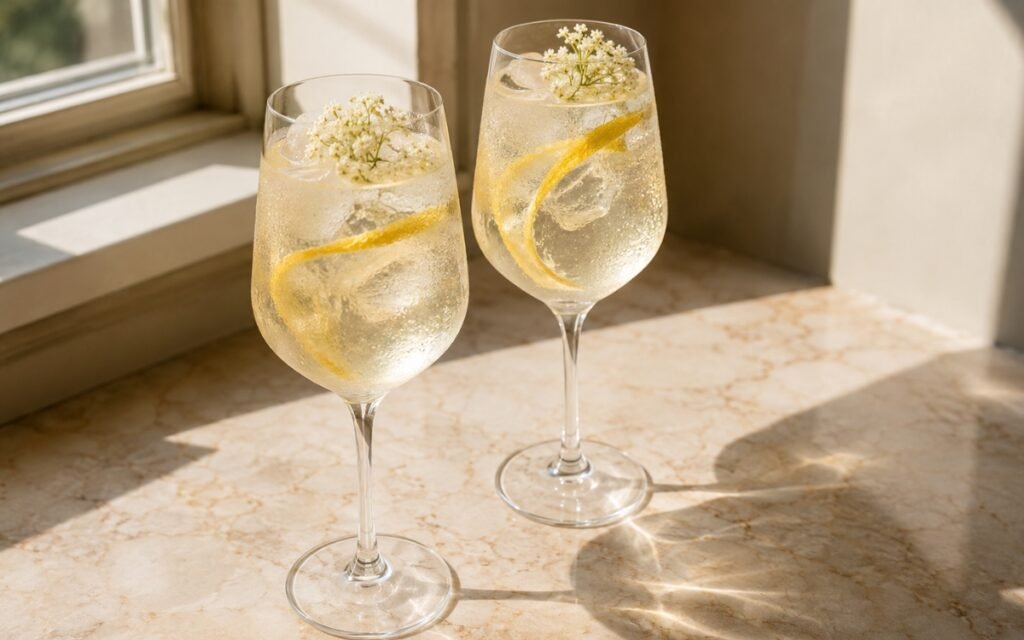
Elderflower Lemonade
Elderflower steeped in warm syrup exactly 6–8 minutes, lightly strained — fresh lemon juice, salt, cold water, chilled 1–2 hours. Honeyed-floral and elegantly clean.
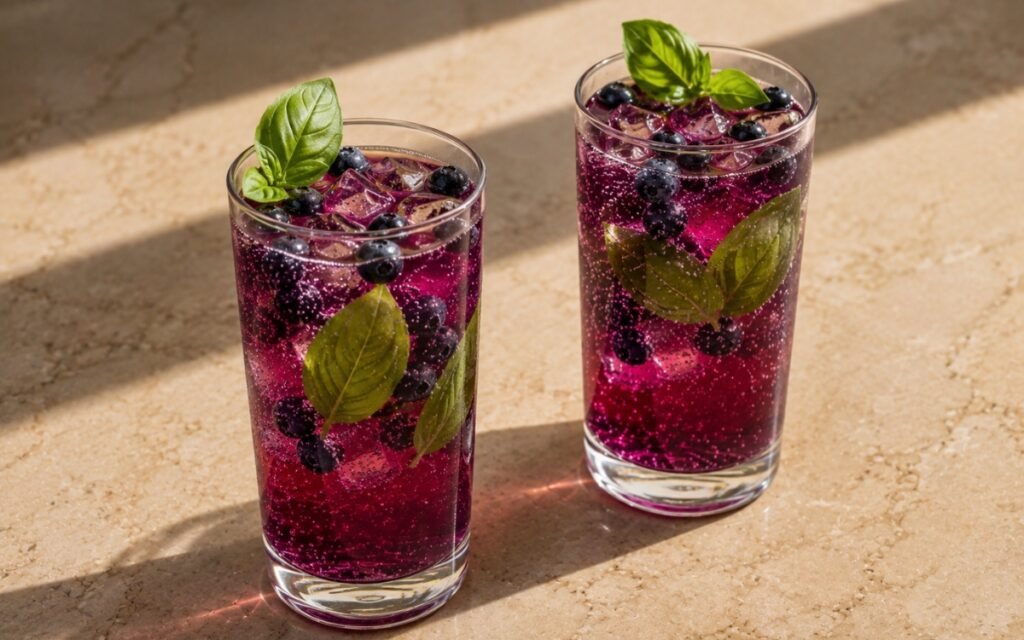
Basil Blueberry Sparkling Herbal Cooler
Concentrated white tea, basil blended into blueberries and strained — combined with the tea, finished with gentle club soda, chilled. Herbal and lively.
Lemon Ginger Tonic Mocktail
Ingredients
Method
- In a small saucepan combine the brown sugar and water and heat gently over medium heat, stirring until the sugar fully dissolves. Do not allow the mixture to boil — boiling flattens aroma and creates heavy sweetness. Remove from heat and immediately add the lemon peel strips and finely grated ginger. Cover and let steep for about 6–8 minutes until the syrup smells bright, citrusy, and clearly spicy. Strain through a fine-mesh sieve, pressing lightly to extract liquid without forcing pulp through, then allow the syrup to cool completely.
- In a large pitcher add about 80 ml of the cooled lemon–ginger syrup along with plenty of ice. Stir briefly to chill and slightly dilute the syrup. Taste deliberately — the base should feel sharp, lightly sweet, and warming from ginger rather than sugary or flat. Adjust syrup gradually if needed.
- Slowly pour in the chilled tonic water and stir once or twice only to integrate. Minimal agitation preserves carbonation and keeps the drink crisp rather than soft.
- Pour into ice-filled glasses and garnish with lemon peel twists and thin fresh ginger slices. Serve right away while cold, lively, and structurally sharp.