
Orange Mint Infused Water
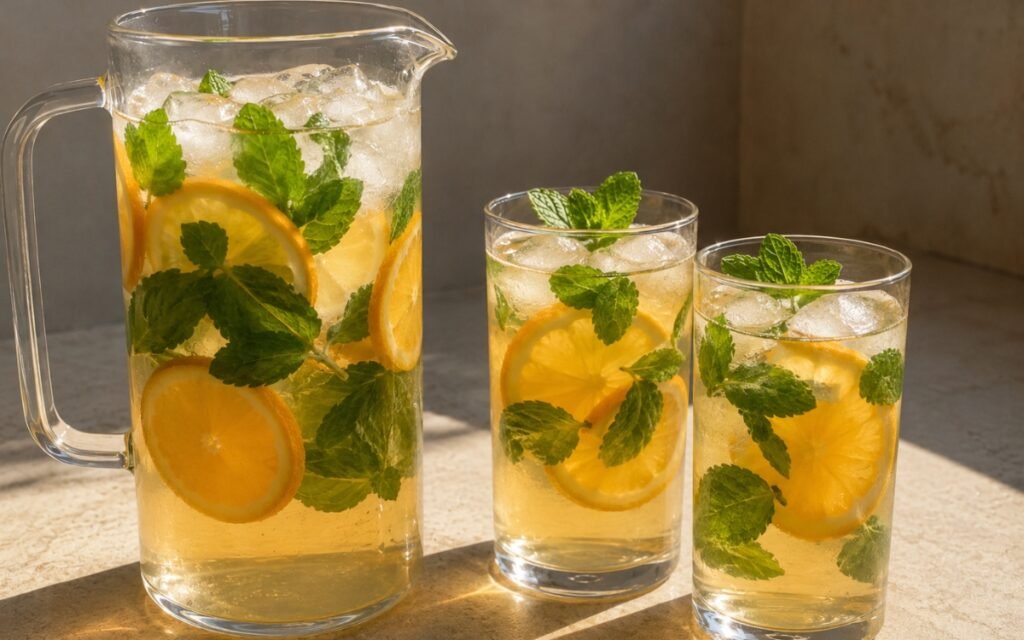
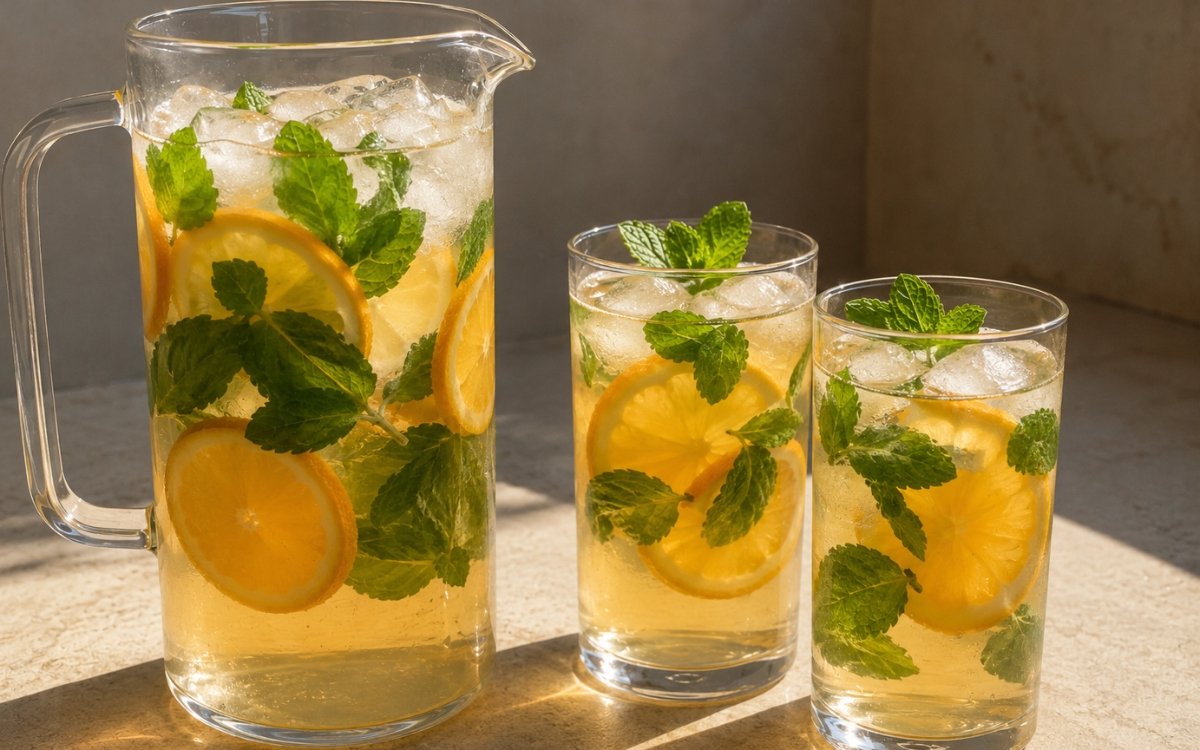
Orange mint infused water is the most specifically aromatic of the infused water preparations in this collection — combining orange’s warm, sweet, vivid citrus character with mint’s specifically cool, menthol-adjacent aromatic freshness in a combination that produces a specifically more complex sensory experience than any single-ingredient infusion. The combination is almost paradoxical in its aromatic character: orange’s warm, sweet citrus and mint’s specifically cool, fresh herbal notes exist in completely different sensory registers and yet amplify each other — the orange makes the mint taste more specifically cool; the mint makes the orange taste more specifically vivid. The mint handling is the preparation’s most important technique decision: clapped rather than muddled or torn, for the same reason applied throughout this collection’s mint preparations. Clapping between the palms provides a firm surface-contact bruise that releases the volatile aromatic oils from the leaf’s surface cells — primarily menthol, menthone, and the various menthol esters responsible for mint’s specifically cool, clean, aromatic character — without rupturing the inner cells that contain chlorophyll and the more bitter, more grassy compounds that muddling and tearing specifically release. The mint in neutral cold water (rather than an acidic medium like lemon juice) maintains its pleasant aromatic character for the full 1–4 hours without the accelerated grassy shift that acids produce — providing more flexibility in infusion timing than the acidic lemonade preparations.
Prep Time : 10 min
Infusion Time: 1–4 hr
Servings : 16
10 min
1–4 hr
16
Ingredients
For the Infusion Base
• Clean pulp or segments from 1 orange
• 20–30 fresh mint leaves — lightly clapped
• 15–30g honey — optional; must be pre-dissolved — this one on Amazon
• 1–2 small pinches fine sea salt
For the Final Build
• 3 litres ice-cold water
• 2–3 oranges — thinly sliced
• 10–12 fresh mint leaves — for light top infusion; added with the water and orange slices
This post may contain affiliate links. As an Amazon Associate I earn from qualifying purchases, at no additional cost to you.
Directions
- Prepare the Orange Pulp
Section 1 orange, removing seeds and tough membranes while retaining the juice-containing flesh. Place the clean segments in the large pitcher and mash gently with a fork or the back of a large spoon — pressing firmly enough to release juice from approximately half the segment pieces without reducing the orange to a fine purée. The mashed orange base provides the immediate aromatic and flavour contribution to the water from the first moment of infusion; the sliced oranges added in the final build provide both visual presence and progressive aromatic release from their surfaces. Orange’s primary aromatic compounds for this cold infusion context are the citrus esters and linalool from the juice-sac membrane cells, which release progressively into the surrounding cold water as the mashed pulp sits in the pitcher. The limonene from the orange peel is less available in this preparation because the pulp has been separated from the peel — primarily juice-sac aromatic compounds infuse from the mashed pulp, while the later-added orange slices contribute peel-surface aromatics from their cut edges and skin surface area. - Clap the Mint Leaves
Hold 20–30 fresh mint leaves between both palms with the hands flat. Bring the palms together firmly once — a single confident clap — pressing the leaves between the palms for approximately 2 seconds. Open the palms and add the clapped leaves to the pitcher immediately. The clap should produce a clearly audible sound and release a strong, immediately perceptible menthol aroma from the hands. The clapping technique’s function is the same as in every mint preparation in this collection: firm palm-to-palm contact bruises the mint leaf’s surface cells, rupturing the aromatic oil glands concentrated at the surface and releasing the volatile menthol and menthone compounds into the surrounding medium. It does not tear or rupture the inner cells’ chlorophyll-bearing structures, which is what muddling or tearing achieves and specifically avoids. The result is mint that infuses its pleasant, cool, clean aromatic character into the water over 1–4 hours without the bitter, grassy, chlorophyll-forward result of mechanically damaged mint. - Optional Honey and Salt
If using honey, pre-dissolve 15–30g in 2–3 tablespoons of warm water until completely fluid. Add the pre-dissolved honey to the pitcher. Add the 1–2 small pinches of fine sea salt. - Build and Infuse
Pour the 3 litres of ice-cold water into the pitcher. Add the 2–3 thinly sliced oranges and the 10–12 fresh mint leaves (not clapped — these surface-leaf additions provide a lighter top-note infusion from their natural surface oils without the more aggressive aromatic release of the clapped base leaves). Stir gently once or twice. Cover and refrigerate for 1–4 hours. Mint’s cold infusion in neutral water is specifically more gradual and more specifically clean than in acidic mediums — the pleasant menthol aromatic character develops progressively without the grassy shift that occurs in lemon juice’s acidity. At 1 hour the mint’s presence is subtle and specifically fresh; at 2 hours it is more present; at 4 hours it is at the pleasant maximum. The orange’s infusion develops simultaneously — warm, sweet, vivid citrus character building from both the mashed base and the surface of the sliced oranges. After 4 hours, remove all orange slices and mint leaves. The orange peel begins contributing bitter limonoid compounds beyond this point; the mint leaves, while slower to go grassy in neutral water than in acidic mediums, eventually develop the chlorophyll-forward, more bitter character with extended contact. Serve well chilled directly from the pitcher, or over ice. Add fresh orange slices and mint sprigs at the time of serving for visual freshness.
*Notes :
- The two-stage mint addition — 20–30 clapped leaves in the base plus 10–12 fresh unclapped leaves added with the water — is a deliberate aromatic layering approach. The clapped base leaves provide the primary, more intense aromatic release from their surface-bruised cells throughout the full infusion period. The unclapped surface leaves provide a lighter, more specifically fresh, more surface-level mint presence that complements the deeper base infusion without duplicating it. The combined result is a more specifically complex, more complete mint aromatic than a single addition technique achieves.
- Spearmint and peppermint are both appropriate for this preparation, producing noticeably different results. Peppermint (the more common supermarket fresh herb in most markets) has a higher menthol content and a more specifically intense, more assertively cool character. Spearmint has a more specifically sweet, more specifically fresh, lighter character from its higher carvone content and lower menthol. Both work well; the choice depends on whether a more intense, peppermint-forward cool character or a lighter, sweeter mint freshness is preferred.
Why This Recipe Works
This recipe works because the two-stage mint addition layers the aromatic contribution — clapped leaves for deep infusion, surface leaves for fresh top-note. The orange pulp mashing provides immediate aromatic and juice release while the sliced oranges provide both visual presence and progressive surface infusion.
The clapping technique rather than muddling preserves the specifically clean, cool mint aromatic throughout the infusion period. And the neutral pH cold water medium allows the mint to infuse cleanly for the full 4-hour window.
Ingredient Breakdown
Two-Stage Mint Addition (Clapped Base + Fresh Surface)
The aromatic layering technique — clapped leaves providing deeper infusion from disrupted surface cells; unclapped surface leaves providing lighter fresh mint top-note.
Orange Pulp Mashed Plus Orange Slices
The two-stage citrus approach — mashed pulp providing immediate juice-sac ester infusion; sliced oranges providing progressive surface aromatic release and visual presence.
Clapping Rather Than Muddling
The clean-aromatic preservation technique — surface cell bruising for pleasant menthol release without inner cell chlorophyll rupture.
Neutral pH Water (Not Acidic Medium)
The mint-stability advantage — mint’s grassy shift is slower in neutral water than in acidic lemon-based preparations, providing more flexibility in the 1–4 hour window.
Flavor Structure Explained
This Orange mint infused water follows a minimalist balance model:
- Warm citrus core (orange)
- Cool herbal freshness (mint)
- Contrasting aromatic interplay (warm vs. cool)
- Hydration-focused structure (cold water)
- Clean refreshing finish (light infusion)
Orange defines the foundation with soft sweetness and warm citrus aromatics that gently infuse the water without becoming juice-like. Mint provides the opposing element, contributing cool herbal freshness and subtle menthol-like lift. The defining feature of the drink is the interaction between these two contrasting aromatic directions: the orange makes the mint feel cooler, while the mint makes the orange feel brighter and more expressive. Despite these flavor accents, the primary experience remains the clean refreshment of cold water. The result is a lightly flavored, highly refreshing infusion built around balance, contrast, and hydration.
Common Mistakes to Avoid
- Muddling Rather Than Clapping the Mint – Muddling ruptures the inner cells, releasing chlorophyll and producing a bitter, grassy result that develops over the infusion period. Always a single clap between the palms.
- Leaving Ingredients Beyond 4 Hours – Orange peel’s limonoid bitterness and the eventual grassy shift of extended mint contact both develop. Always remove at the 4-hour maximum.
- Adding Honey Directly to Cold Water – Always pre-dissolve. Honey in cold water settles as undissolved deposits.
- Not Clapping the Mint Before Adding – Whole, unbruised mint leaves release their aromatic compounds very slowly into cold water. Always clap to initiate the aromatic release.
Variations
With Ginger
Add 4–5 thin slices of fresh ginger to the pitcher alongside the orange and mint — the ginger’s subtly warm, spicy aromatic note alongside orange and mint produces a specifically more complex, more warming-and-cooling contrast.
With Cucumber
Add 8–10 thin cucumber slices — the cucumber’s cool, clean, green character alongside orange’s warm sweetness and mint’s cool freshness produces a specifically more complex, more specifically spa-water direction.
With Lime Instead of Orange
Replace oranges with limes — lime’s sharper, more tropical character with the mint produces a specifically more assertive, more cooling combination.
With Vanilla
Add a split vanilla bean to the pitcher — the vanilla’s warm aromatic sweetness alongside orange’s citrus warmth produces a specifically more indulgent, more perfumed result.
Storage & Make-Ahead
Once the ingredients have been removed, the infused water can be refrigerated in a sealed pitcher for up to 24 hours.
Infused water should not be stored with the ingredients still present for longer than 4 hours. To maintain a fresh, balanced flavor and avoid over-extraction, remove the orange slices and mint after the 4-hour infusion period.
Frequently Asked Questions
Why clap rather than muddle the mint?
Muddling applies sustained mechanical pressure that ruptures the mint leaf’s inner cells, releasing chlorophyll and bitter cell contents alongside the pleasant aromatic compounds. A single clap bruises only the surface cells and their aromatic oil glands, releasing the menthol and menthone without damaging the inner cellular structure. The result is a specifically clean, cool, pleasant mint aromatic rather than the bitter, grassy, greenish result of muddled mint.
Why does mint work for a longer infusion time in this water than in lemonade preparations?
In acidic mediums (lemon juice, lime juice), mint’s aromatic character shifts toward grassy and bitter faster because the acidity accelerates the chemical breakdown of certain menthol esters into their less pleasant component compounds. In neutral or near-neutral cold water, this shift occurs much more slowly — mint can infuse for the full 4 hours in neutral water without the grassy development that would occur within 15–20 minutes in an acidic lemonade base.
Why two separate stages of mint addition?
The clapped base leaves (20–30) provide a primary, more complete aromatic infusion from their surface-bruised cells throughout the full cold infusion period. The unclapped surface leaves (10–12) provide a lighter, more specifically fresh, more surface-level mint presence from their natural surface oils and any minor cold diffusion. The two together produce a more specifically complete and layered mint aromatic than either alone.
What other mint and citrus infused waters share this direction?
The Raspberry Orange Infused Water shares the orange as primary citrus with raspberry’s vivid berry fruitiness rather than mint’s herbal coolness — a warmer, more specifically fruity water direction. The Pineapple Mint Infused Water shares the mint as the herbal component with pineapple’s tropical fruitiness — the most similar structural comparison in a different fruit direction. The Citrus Medley Infused Water shares orange as one of the citrus components in a multi-citrus format.
Nutrition Facts
( per serving )
Calories
~8 kcal
Protein
0 g
Fat
0 g
Carbs
2 g
Calories
~8 kcal
Protein
0 g
Fat
0 g
Carbs
2 g
Related Recipes
Related Recipes

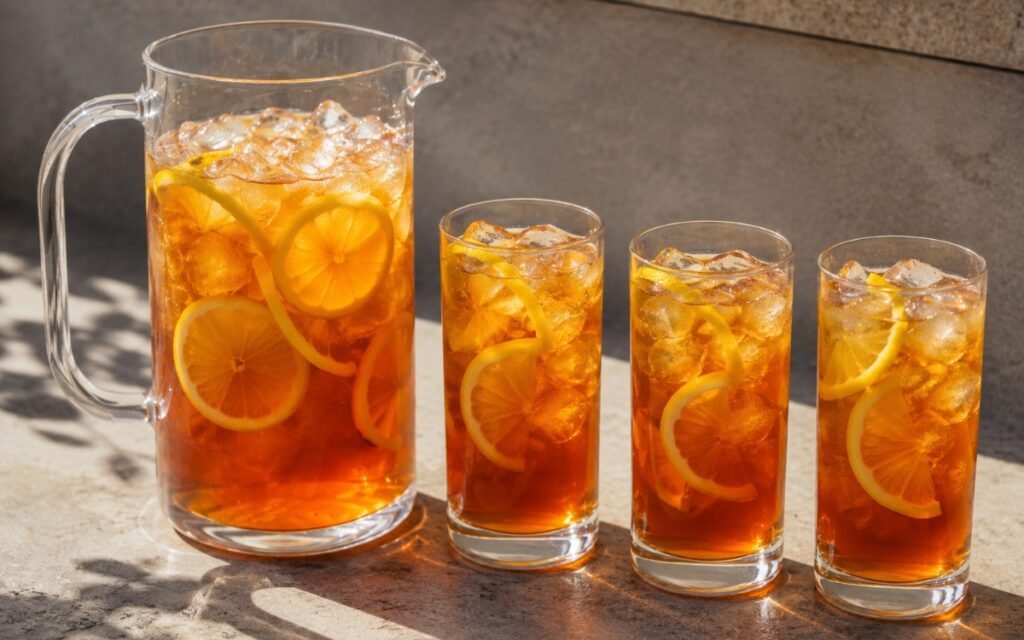
Lemon Iced Tea Pitcher Drink
Ceylon tea at 90–95°C for 3 minutes, lemon zest off heat for aromatic oils — cold lemon juice for structural acid, cold water, chilled. Tea-forward and lemon-bright.
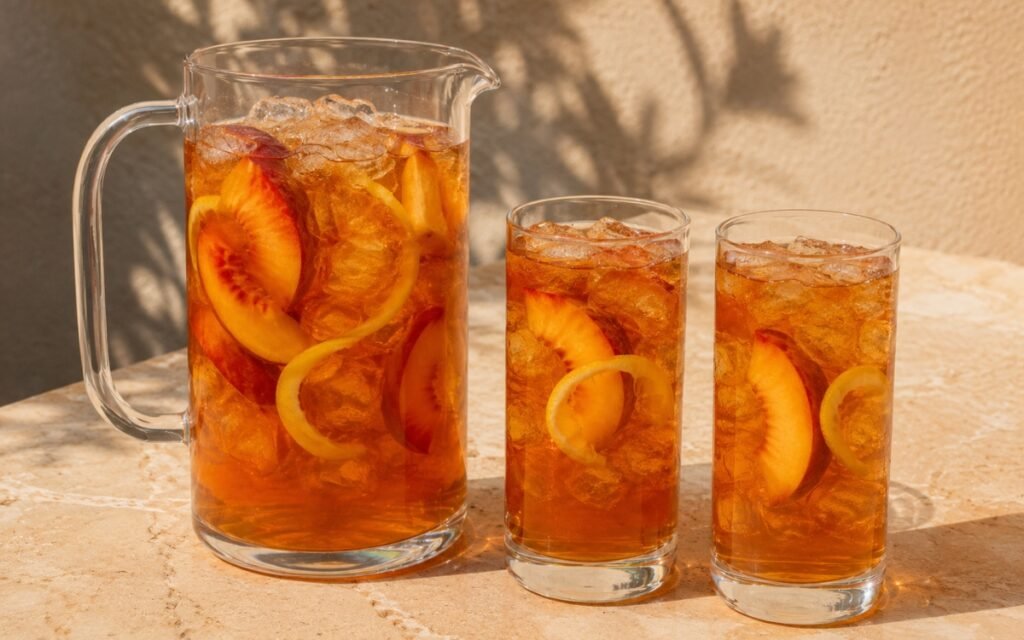
Peach Iced Tea Pitcher Drink
Ceylon tea at 90–95°C for 3 minutes, cooled to 70–75°C — skin-on peaches and lemon zest steeped 10–12 minutes in warm tea, strained, combined with cold water, chilled. Clean and peachy.
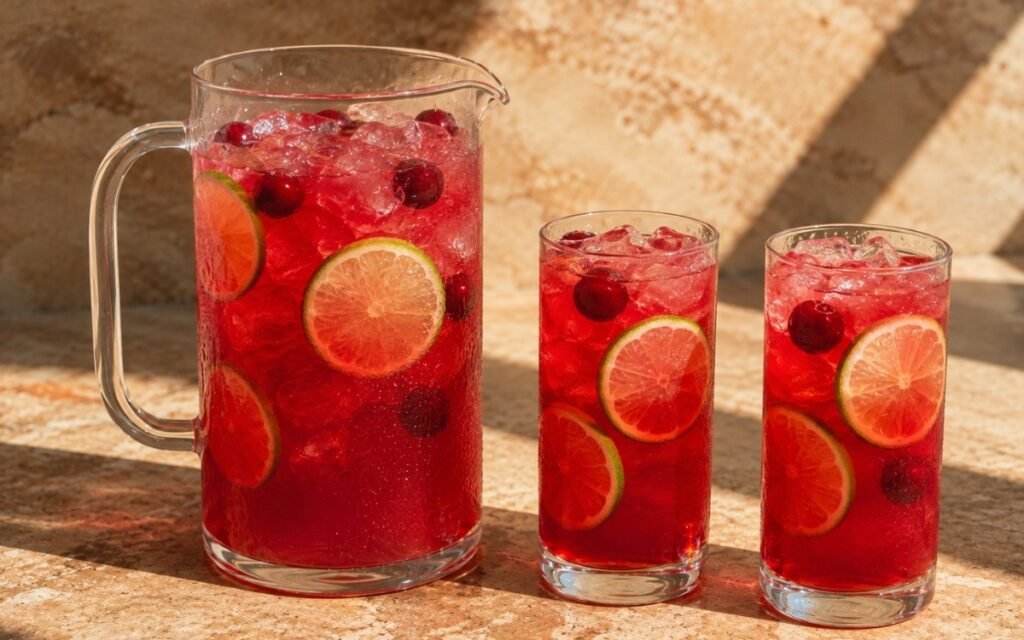
Cherry Limeade Pitcher Drink
Macerated, strained cherry-lime base combined with fresh lime juice and a second infusion of whole cherries and lime slices for a vivid red limeade.
You might also like
You might also like
Mint Lemonade — Blended
Lemon zest syrup off heat, mint added last to blender — blended 15–25 seconds maximum, served immediately for slushy icy texture. Aromatic, cool, and bright.
Lemon Peel Black Iced Tea (No Juice)
Black tea at 90–95°C for 2½–3 minutes, three strips lemon peel infused cold 4–5 minutes — honey and a pinch of salt, no juice, chilled. Crisp, aromatic, acid-free.
Classic Iced White Tea
White tea at 75–80°C for 3–4 minutes, honey dissolved while slightly warm, lemon peel infused cold 3–4 minutes — chilled. Pale, delicate, sophisticated.

Orange Mint Infused Water
Ingredients
Method
- Section 1 orange, removing seeds and tough membranes while retaining the juice-containing flesh. Place the clean segments in the large pitcher and mash gently with a fork or the back of a large spoon — pressing firmly enough to release juice from approximately half the segment pieces without reducing the orange to a fine purée. The mashed orange base provides the immediate aromatic and flavour contribution to the water from the first moment of infusion; the sliced oranges added in the final build provide both visual presence and progressive aromatic release from their surfaces. Orange’s primary aromatic compounds for this cold infusion context are the citrus esters and linalool from the juice-sac membrane cells, which release progressively into the surrounding cold water as the mashed pulp sits in the pitcher. The limonene from the orange peel is less available in this preparation because the pulp has been separated from the peel — primarily juice-sac aromatic compounds infuse from the mashed pulp, while the later-added orange slices contribute peel-surface aromatics from their cut edges and skin surface area.
- Hold 20–30 fresh mint leaves between both palms with the hands flat. Bring the palms together firmly once — a single confident clap — pressing the leaves between the palms for approximately 2 seconds. Open the palms and add the clapped leaves to the pitcher immediately. The clap should produce a clearly audible sound and release a strong, immediately perceptible menthol aroma from the hands. The clapping technique’s function is the same as in every mint preparation in this collection: firm palm-to-palm contact bruises the mint leaf’s surface cells, rupturing the aromatic oil glands concentrated at the surface and releasing the volatile menthol and menthone compounds into the surrounding medium. It does not tear or rupture the inner cells’ chlorophyll-bearing structures, which is what muddling or tearing achieves and specifically avoids. The result is mint that infuses its pleasant, cool, clean aromatic character into the water over 1–4 hours without the bitter, grassy, chlorophyll-forward result of mechanically damaged mint.
- If using honey, pre-dissolve 15–30g in 2–3 tablespoons of warm water until completely fluid. Add the pre-dissolved honey to the pitcher. Add the 1–2 small pinches of fine sea salt.
- Pour the 3 litres of ice-cold water into the pitcher. Add the 2–3 thinly sliced oranges and the 10–12 fresh mint leaves (not clapped — these surface-leaf additions provide a lighter top-note infusion from their natural surface oils without the more aggressive aromatic release of the clapped base leaves). Stir gently once or twice. Cover and refrigerate for 1–4 hours. Mint’s cold infusion in neutral water is specifically more gradual and more specifically clean than in acidic mediums — the pleasant menthol aromatic character develops progressively without the grassy shift that occurs in lemon juice’s acidity. At 1 hour the mint’s presence is subtle and specifically fresh; at 2 hours it is more present; at 4 hours it is at the pleasant maximum. The orange’s infusion develops simultaneously — warm, sweet, vivid citrus character building from both the mashed base and the surface of the sliced oranges. After 4 hours, remove all orange slices and mint leaves. The orange peel begins contributing bitter limonoid compounds beyond this point; the mint leaves, while slower to go grassy in neutral water than in acidic mediums, eventually develop the chlorophyll-forward, more bitter character with extended contact. Serve well chilled directly from the pitcher, or over ice. Add fresh orange slices and mint sprigs at the time of serving for visual freshness.