
Simple Beef Kofta Skewers
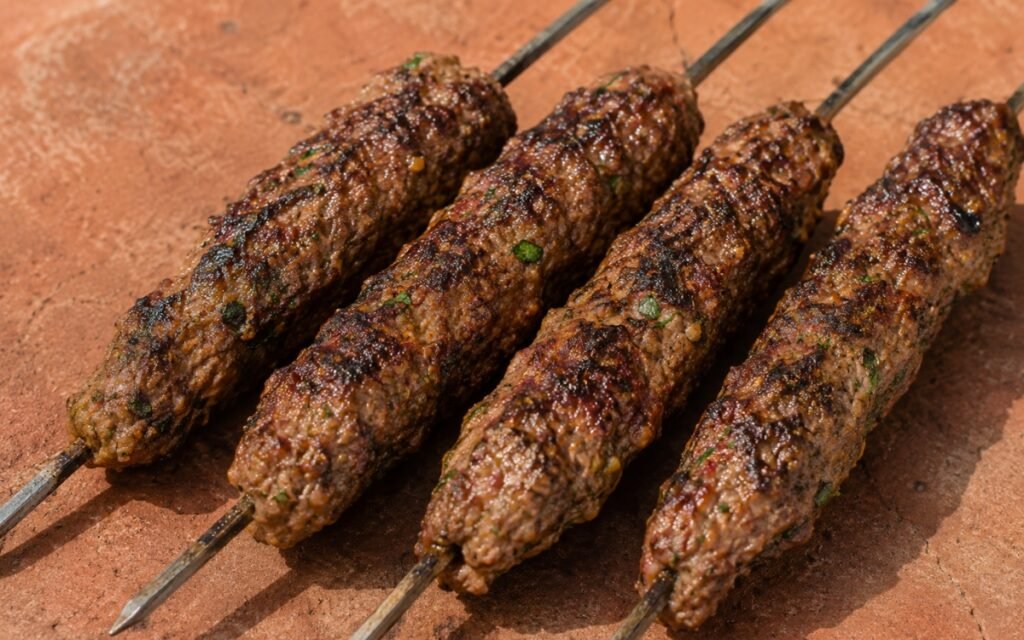
Simple Beef Kofta Skewers are built around proper meat binding, spice balance, and high-heat charring. Ground beef is mixed with grated onion, fresh herbs, and warm spices, then shaped tightly onto skewers and grilled until deeply browned. Juicy inside with a structured, slightly springy texture, this is how kofta should actually eat — not crumbly, not dry, and never bland. The thorough two-minute hand mixing is a genuinely different technique from the gentle handling used for meatballs elsewhere in this collection, and deliberately so: kofta needs to hold its shape around a skewer without any casing or crust to contain it, and that requires actively developing the meat’s myosin protein structure until the mixture turns tacky and cohesive rather than loose. Firm, deliberate pressure while shaping around the skewer is what eliminates the air gaps that cause kofta to fall apart on the grill — loose packing is the single most common cause of kofta failure. Chilling the formed skewers for a full 30 minutes firms the fat and further stabilizes that protein structure before the meat ever meets direct heat. Controlled rotation during grilling, rather than constant flipping, allows each exposed surface enough time to properly char before moving to the next. The result is kofta that’s structured, juicy, and genuinely holds together — exactly as it should.
Prep Time : 20 min
Cook Time : 12 min
Servings : 4
20 min
12 min
4
Ingredients
For the Kofta
• 700g ground beef (85/15 lean-to-fat ratio)
• 60g yellow onion, finely grated
• 4 garlic cloves, minced
• 30g fresh parsley, finely chopped
• 15g fresh mint, finely chopped
• 10g fine sea salt — this one on Amazon
• 4g freshly ground black pepper
For the Spice Blend
• 6g ground cumin — this one on Amazon
• 4g ground coriander
• 3g smoked paprika — this one on Amazon
• 2g ground cinnamon
• 1g cayenne pepper
For Grilling
• 20ml olive oil — this one on Amazon
This post may contain affiliate links. As an Amazon Associate I earn from qualifying purchases, at no additional cost to you.
Directions
- Mix the Kofta Base
Combine the ground beef, grated onion, garlic, parsley, mint, spices, salt, and pepper in a large bowl. Mix thoroughly using your hands for about 2 minutes until the mixture becomes cohesive and slightly sticky. This is not just combining — this step develops the protein structure (myosin binding) that allows the meat to hold together during cooking instead of crumbling. The mixture should feel tacky and uniform, not loose or grainy. - Form the Skewers
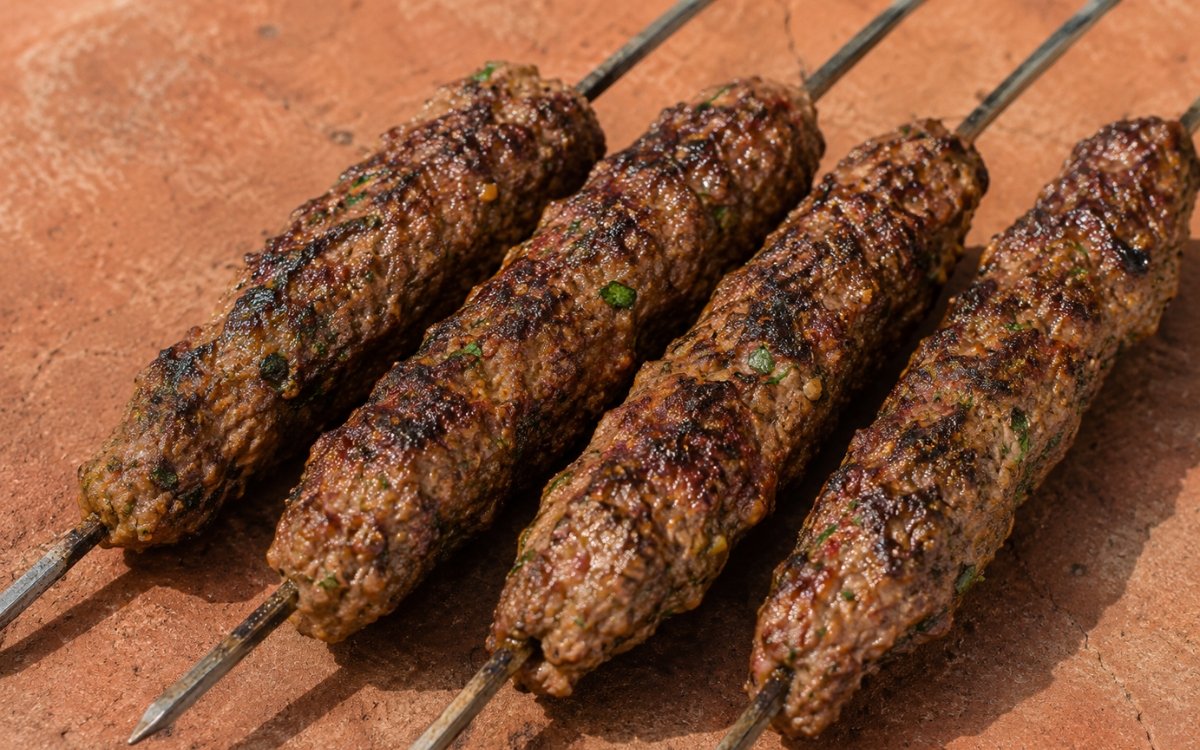
Divide the mixture into equal portions and press each one firmly around a flat skewer, shaping it into a long, even cylinder. Apply pressure as you shape — loose packing is the main reason kofta falls apart on the grill. The meat should fully grip the skewer with no air gaps. Slight ridges along the surface are beneficial, as they increase surface area for browning. - Chill the Kofta
Place the formed skewers in the refrigerator for at least 30 minutes. This step firms the fat and stabilizes the protein structure, making the kofta much more resistant to breaking during grilling. Skipping this step results in softer meat that struggles to hold shape under heat. - Preheat the Grill
Heat the grill or grill pan to high heat and allow it to fully stabilize. The surface must be hot enough to create immediate searing contact. Lightly oil the kofta rather than the grill — this ensures direct contact browning while preventing sticking. - Grill with Controlled Rotation
Place the skewers onto the grill and cook for 10–12 minutes, turning every 2–3 minutes. Each rotation should expose a new surface to direct heat, building even charring across all sides. Avoid constant flipping — controlled rotation allows proper crust formation while maintaining structure. The kofta should reach an internal temperature of 71°C (160°F), ensuring it is fully cooked while still juicy. - Rest and Serve
Transfer the kofta to a plate and let it rest for 3 minutes before serving. This allows juices to redistribute and the internal structure to stabilize slightly. Serve immediately while still hot, with visible char and a firm but juicy texture.
*Notes :
- The thorough two-minute hand mixing here is deliberately opposite to the gentle handling used for meatballs elsewhere in this collection, and that difference is intentional rather than inconsistent. Meatballs rely on a panade to stay tender and don’t need structural binding strong enough to hold a shape without support; kofta, formed directly around a bare skewer with nothing else containing it, genuinely needs that developed myosin structure to stay intact under its own weight and through grilling.
- Firm, deliberate pressure while shaping is what eliminates air gaps within the meat — any pocket of loose, unpacked mixture becomes a weak point that’s specifically prone to breaking apart once heat causes the meat to contract and the fat to render.
- Chilling for a full 30 minutes before grilling is a genuinely necessary step rather than a convenience one. Cold fat holds the meat’s shape more effectively than fat at room temperature, and skipping this step produces kofta that’s noticeably more fragile on the grill, at greater risk of slumping or breaking apart during the initial searing stage.
Why This Recipe Works
This recipe works because thorough mixing develops the protein structure kofta specifically needs to hold together without any casing. Firm shaping around the skewer eliminates the air gaps that cause breakage.
Chilling stabilizes both the fat and the protein structure before the meat meets heat. And controlled rotation during grilling builds even charring across every surface without disturbing the kofta’s structural integrity.
Ingredient Breakdown
85/15 Ground Beef
The foundation — a slightly leaner ratio than typical meatball beef, suited to kofta’s need for firmer structure.
Thorough Two-Minute Hand Mixing
The defining technique — developing myosin protein binding strong enough to hold shape without a casing.
Warm Spice Blend (Cumin, Coriander, Paprika, Cinnamon, Cayenne)
The signature Middle Eastern flavor profile — layered and complex.
30-Minute Chilling Before Grilling
The structural stabilization step — firming fat and protein before direct heat.
Flavor Structure Explained
This Simple Beef Kofta Skewers follows a layered balance model:
- Warm spiced core (cumin, coriander, smoked paprika, cinnamon, cayenne)
- Savory beef structure (ground beef)
- Fresh herbal lift (parsley and mint)
- Charred exterior finish (controlled grilling)
- Juicy interior contrast (proper skewer shaping and cooking)
The spice blend defines the foundation, giving the kofta its warm, aromatic depth and layered complexity. Cumin and coriander provide earthy warmth, smoked paprika adds gentle smokiness, cinnamon brings subtle sweetness, and cayenne contributes controlled heat. Fresh parsley and mint brighten the mixture, preventing the spices from feeling heavy and adding a clean herbal lift. Grilling develops the essential charred exterior, creating savory depth and textural contrast against the juicy interior. Controlled rotation keeps the skewers evenly cooked while preserving their structure and moisture. The result is a kofta built around warmth, char, and freshness, where bold spices, herbs, and grilled beef remain in clear balance.
Common Mistakes to Avoid
- Mixing Too Briefly or Too Gently – Fails to develop the protein binding kofta needs to hold together without a casing. Always mix thoroughly for the full 2 minutes.
- Packing the Meat Loosely Around the Skewer – Creates air gaps that cause breaking during grilling. Always apply firm, deliberate pressure while shaping.
- Skipping the Chilling Step – Produces softer, more fragile kofta that struggles to hold shape under heat. Always chill for at least 30 minutes.
- Flipping Constantly Instead of Rotating Controlled – Prevents proper crust formation on any single surface. Always rotate every 2–3 minutes rather than flipping continuously.
- Skipping the Rest Before Serving – Reduces juiciness. Always rest for at least 3 minutes.
Variations
With Lamb
For a related skewered ground meat preparation using lamb instead of beef, see the Grilled Lamb Kebabs.
With Chicken
For a marinated, skewered chicken alternative, see the Greek Chicken Souvlaki.
With Extra Heat
Increase the cayenne pepper for a spicier kofta.
Harissa-Style Kofta
Add chili paste or extra cayenne for a more aggressive, spicy profile.
With Pine Nuts
Fold finely chopped toasted pine nuts into the meat mixture for added texture and richness.
Storage & Make-Ahead
Formed, unchilled kofta can be shaped up to 24 hours in advance and refrigerated, covered, before grilling.
Cooked kofta can be refrigerated for up to 3 days. Reheat it gently to avoid drying it out.
Frequently Asked Questions
Why does this recipe require thorough mixing when other ground meat recipes warn against overmixing?
Kofta is formed directly around a bare skewer with no casing or panade to hold it together, so it genuinely needs a stronger, more developed protein structure than a meatball or patty does. The two minutes of thorough hand mixing develops the myosin binding specifically necessary for the meat to grip the skewer and hold its shape through grilling.
Why is chilling the formed skewers for 30 minutes so important?
Cold fat holds its structure far better than fat at room temperature, and chilling allows both the fat and the developed protein binding to firm up before the meat meets direct grill heat. Skipping this step results in kofta that’s noticeably more prone to slumping or breaking apart during the initial, most vulnerable stage of grilling.
Why rotate the skewers on a schedule instead of flipping them constantly?
Constant flipping doesn’t give any single surface enough uninterrupted contact time with the grill to develop a proper crust. Rotating every 2–3 minutes allows each exposed surface to char properly before moving to the next, building even, deep coloring across the entire kofta.
What should I serve alongside these kofta skewers?
Homemade Pita Flatbread is the classic pairing, and a spread of Turkish Ezme alongside a Sumac Onions Salad rounds out the dish with brightness and acidity that balances the kofta’s warm spice blend. For related skewered meat preparations, try the Grilled Lamb Kebabs or Greek Chicken Souvlaki.
Nutrition Facts
( per serving )
Calories
~340 kcal
Protein
30 g
Fat
22 g
Carbs
3 g
Calories
~340 kcal
Protein
30 g
Fat
22 g
Carbs
3 g
Related Recipes
Related Recipes

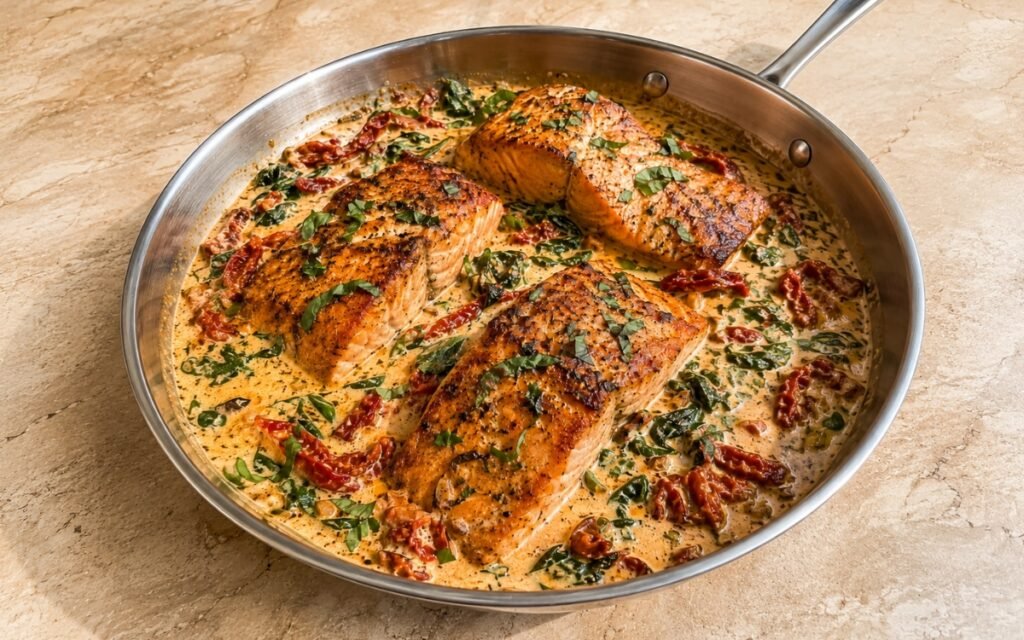
Creamy Tuscan Salmon
Deeply seared salmon finished gently in a rich garlic Parmesan cream sauce with sun-dried tomatoes, spinach, parsley, and basil.
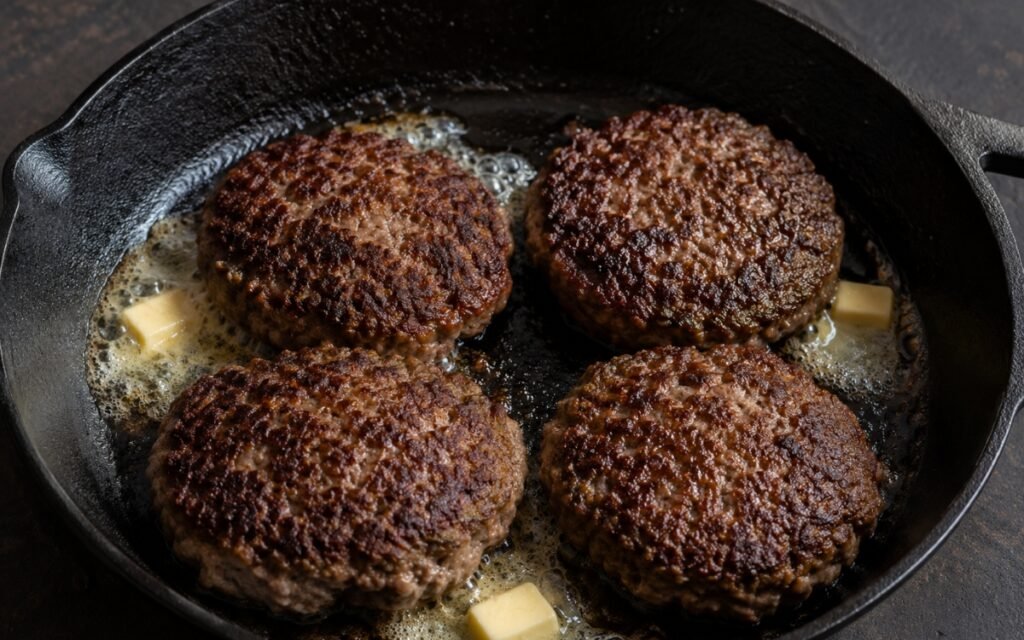
Easy Ground Beef Patties
Ground beef portioned gently, indented, seasoned late — seared undisturbed, butter-basted, and rested. Caramelized crust, juicy interior.
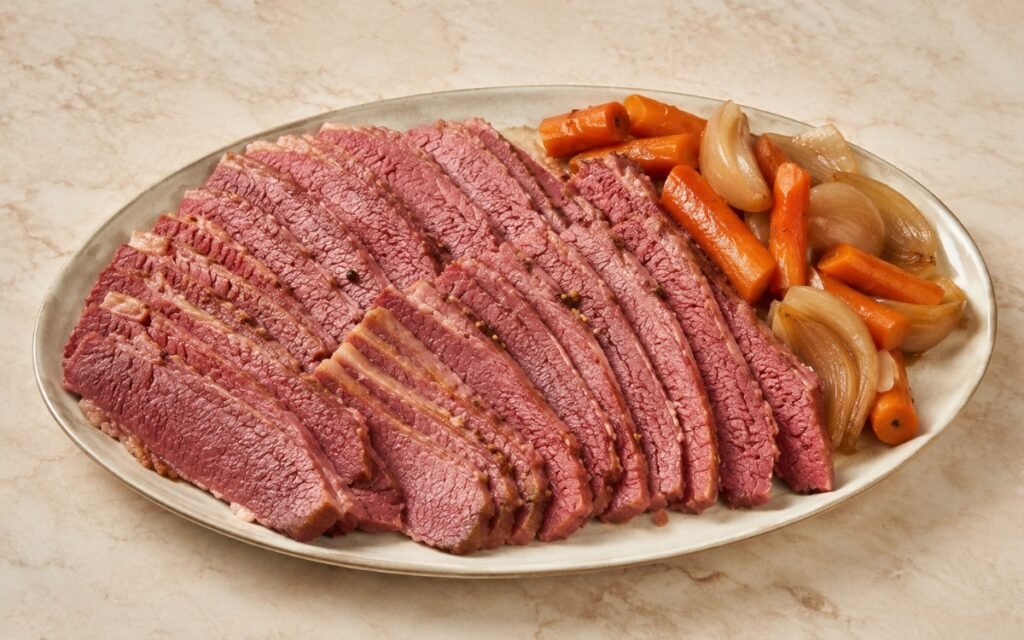
Homemade Corned Beef
Beef brisket cured in a spiced brine for a full week, then simmered gently until fork-tender, sliced thick against the grain.
You might also like
You might also like
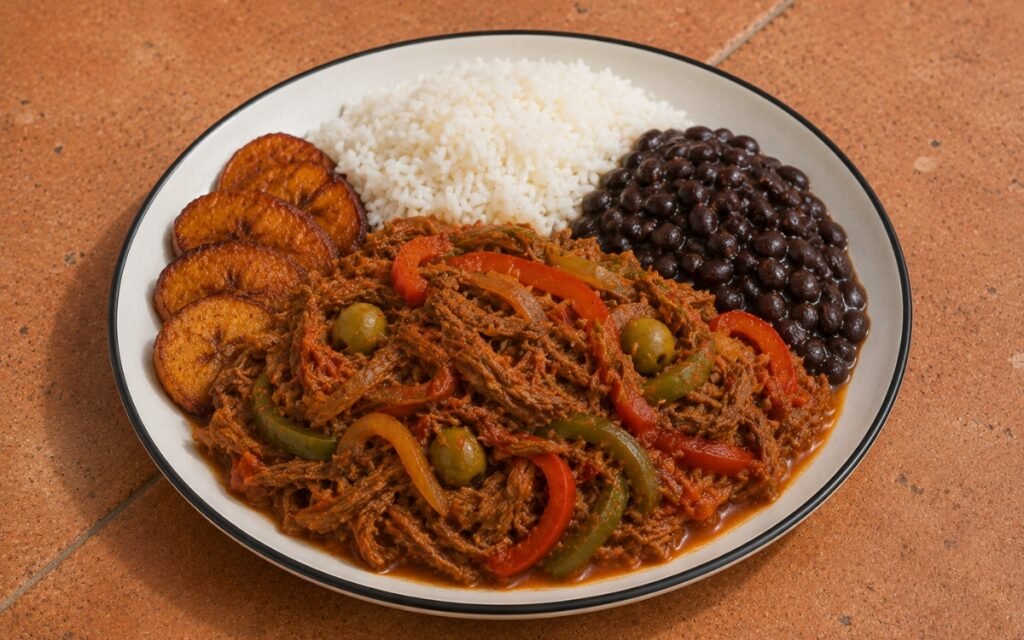
Ropa Vieja Cubana
Slow-braised, shredded beef simmered in a rich tomato sauce with peppers, onion, and green olives, served with white rice, black beans, and fried plantains.
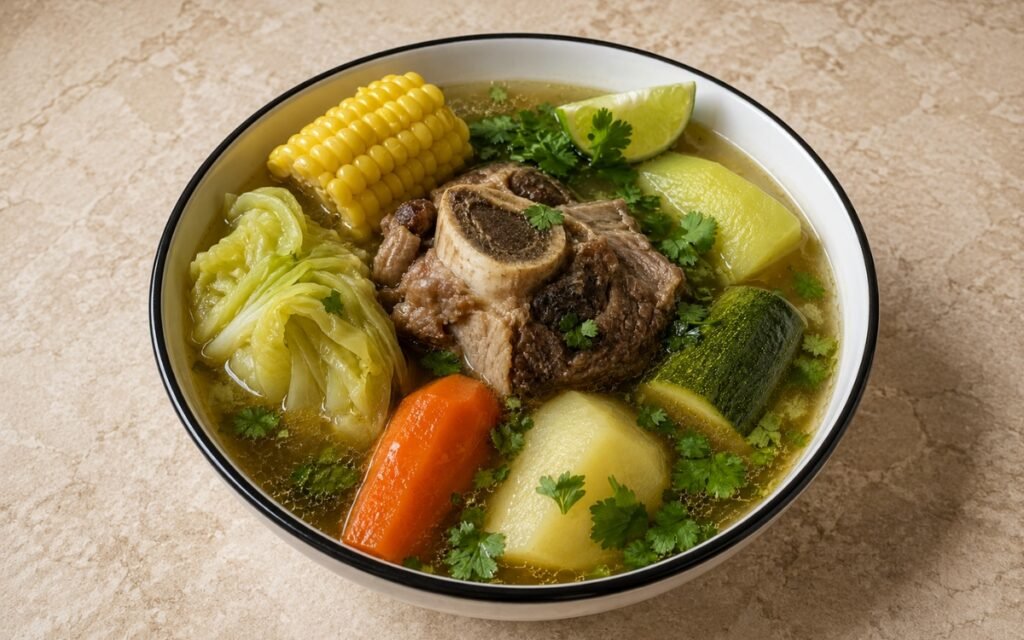
Caldo de Res
A clear, golden Mexican beef soup with gently simmered beef shank and large, staged vegetables — corn, potato, carrot, chayote, zucchini, and cabbage.
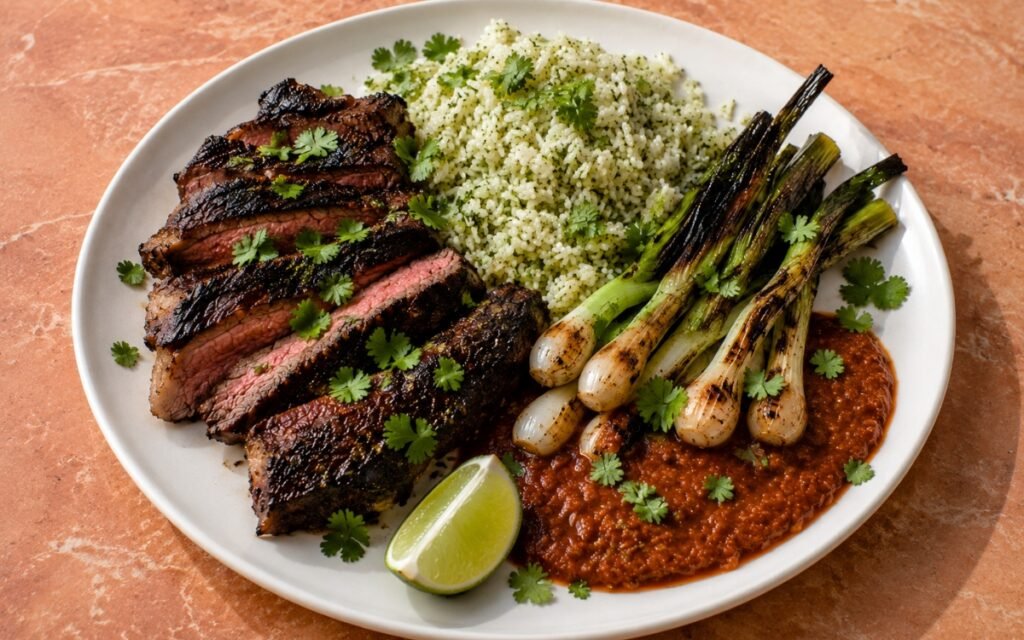
Carne Asada Plate
Citrus-soy marinated skirt steak grilled hard for deep char, rested, and sliced against the grain — served with cilantro-lime rice, salsa roja, and charred cebollitas.
Simple Beef Kofta Skewers
Ingredients
Method
- Combine the ground beef, grated onion, garlic, parsley, mint, spices, salt, and pepper in a large bowl. Mix thoroughly using your hands for about 2 minutes until the mixture becomes cohesive and slightly sticky. This is not just combining — this step develops the protein structure (myosin binding) that allows the meat to hold together during cooking instead of crumbling. The mixture should feel tacky and uniform, not loose or grainy.
- Divide the mixture into equal portions and press each one firmly around a flat skewer, shaping it into a long, even cylinder. Apply pressure as you shape — loose packing is the main reason kofta falls apart on the grill. The meat should fully grip the skewer with no air gaps. Slight ridges along the surface are beneficial, as they increase surface area for browning.
- Place the formed skewers in the refrigerator for at least 30 minutes. This step firms the fat and stabilizes the protein structure, making the kofta much more resistant to breaking during grilling. Skipping this step results in softer meat that struggles to hold shape under heat.
- Heat the grill or grill pan to high heat and allow it to fully stabilize. The surface must be hot enough to create immediate searing contact. Lightly oil the kofta rather than the grill — this ensures direct contact browning while preventing sticking.
- Place the skewers onto the grill and cook for 10–12 minutes, turning every 2–3 minutes. Each rotation should expose a new surface to direct heat, building even charring across all sides. Avoid constant flipping — controlled rotation allows proper crust formation while maintaining structure. The kofta should reach an internal temperature of 71°C (160°F), ensuring it is fully cooked while still juicy.
- Transfer the kofta to a plate and let it rest for 3 minutes before serving. This allows juices to redistribute and the internal structure to stabilize slightly. Serve immediately while still hot, with visible char and a firm but juicy texture.