
Garlic Herb Pork Tenderloin
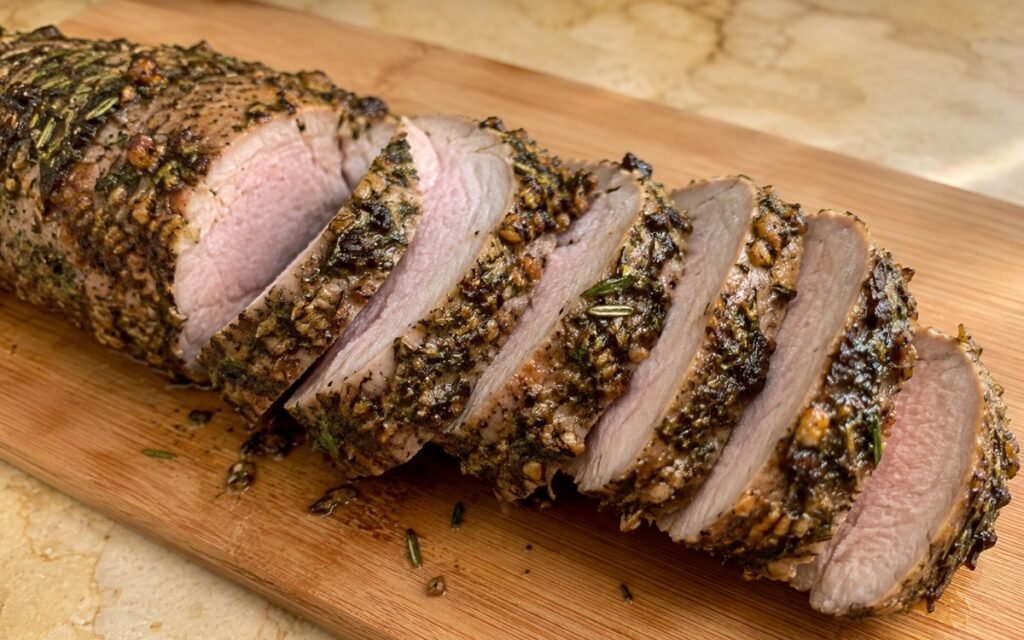
Garlic Herb Pork Tenderloin delivers tender, juicy pork tenderloin coated in an aromatic garlic-herb crust that’s both elegant and surprisingly easy to prepare. The Dijon mustard acts as the perfect adhesive for the fresh herb mixture, creating a golden, flavorful crust that seals in moisture. Removing the silver skin first is a small but essential structural step — left in place, that connective tissue contracts under heat and causes the tenderloin to curl, cooking unevenly as a result. Dijon mustard’s role goes beyond flavor: its texture and tang give the herb paste something to genuinely grip, rather than the coarsely chopped garlic, rosemary, thyme, and sage sliding off a bare, oiled surface. The sear-then-roast method mirrors the technique used across this collection’s other cuts — a hot skillet develops color and sets the herb crust before the gentler oven heat finishes the tenderloin through to a precise, juicy doneness. A restaurant-quality main course that’s ready in just 40 minutes.
Prep Time : 15 min
Cook Time : 25 min
Servings : 4
15 min
25 min
4
Ingredients
For the Pork
• 700g pork tenderloin (2 small or 1 large)
• 30g Dijon mustard — this one on Amazon
• 15ml olive oil (for searing)
For the Herb Crust
• 6 garlic cloves, minced
• 30g fresh rosemary, finely chopped
• 20g fresh thyme leaves
• 15g fresh sage, finely chopped
• 30ml olive oil — this one on Amazon
• 10g fine sea salt
• 4g freshly ground black pepper
This post may contain affiliate links. As an Amazon Associate I earn from qualifying purchases, at no additional cost to you.
Directions
- Preheat and Prepare
Preheat your oven to 200°C (400°F). Trim the silver skin from the pork tenderloin by sliding a sharp knife underneath it and angling the blade upward to remove it completely — this prevents the meat from curling during cooking. - Make the Herb Paste
Combine the 6 minced garlic cloves, 30g rosemary, 20g thyme leaves, 15g sage, 30ml olive oil, 10g sea salt, and 4g black pepper in a small bowl. Mix thoroughly to form a thick, aromatic paste. - Coat the Tenderloin
Brush the trimmed pork tenderloin evenly with the 30g Dijon mustard on all sides. Press the herb mixture firmly all over the mustard-coated surface, creating an even coating that adheres well — the mustard’s tackiness is specifically what allows the herb paste to grip the meat rather than falling away during searing. - Sear for Color
Heat the 15ml olive oil in an oven-safe skillet over high heat until shimmering. Carefully place the herb-crusted tenderloin in the hot skillet and sear for 2 minutes per side, turning gently, until the herb crust is golden brown. - Roast to Perfection
Transfer the skillet directly to the preheated oven. Roast for 15 to 18 minutes until the internal temperature reaches 63°C (145°F) when measured with an instant-read thermometer at the thickest part. - Rest and Slice
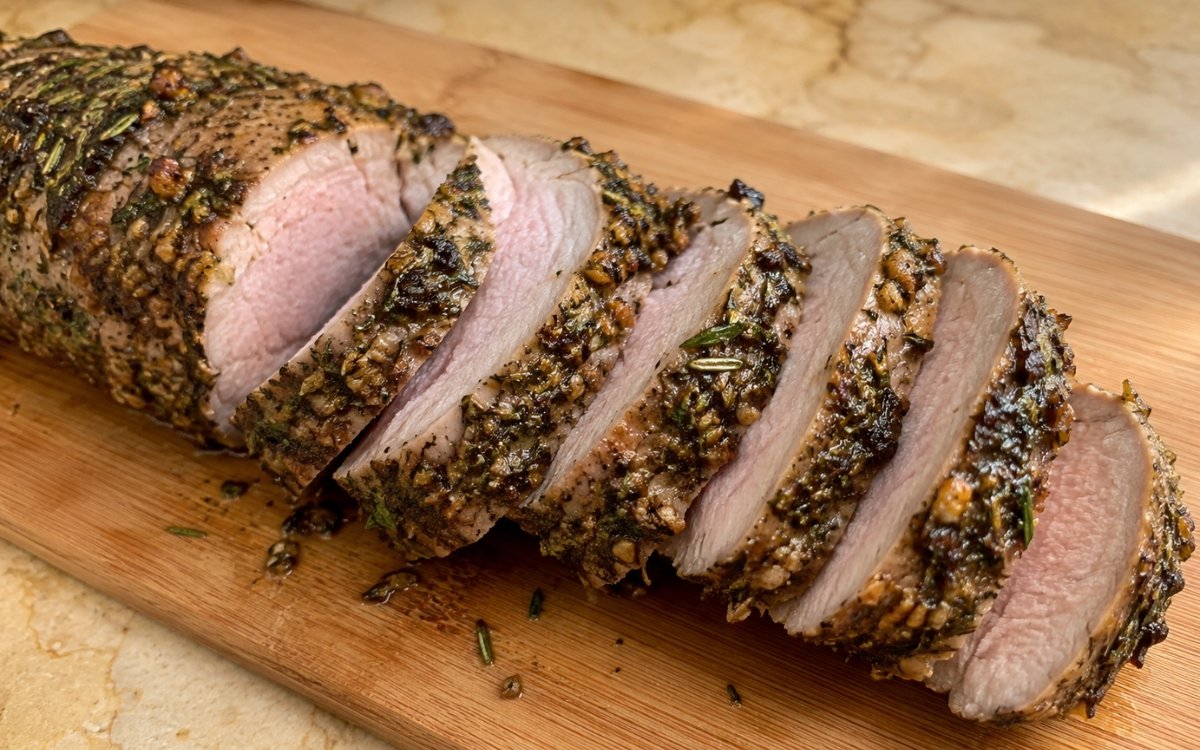
Remove from the oven and let the tenderloin rest on a cutting board for 8 minutes to allow the juices to redistribute. Slice crosswise into medallions and serve immediately.
*Notes :
- Removing the silver skin is a step that’s easy to skip but genuinely affects the final result. This thin, silvery membrane doesn’t break down during cooking the way fat or connective tissue in a slower-cooked cut would — it simply contracts under heat, pulling the tenderloin into an uneven curl that cooks inconsistently along its length.
- Dijon mustard’s function here is specifically adhesive rather than purely flavor-based, though it contributes both. Its texture is tacky enough to hold the coarsely chopped herb mixture in place through both the sear and the roast, where a plain oil coating would let much of that herb paste slide or fall away before the crust has a chance to set.
- Tenderloin’s naturally lean, quick-cooking structure means the sear-then-roast timing here is considerably shorter than a thicker cut like a pork chop — 15 to 18 minutes in the oven is enough to bring even a larger tenderloin to temperature, and pulling at 63°C followed by a genuine rest is what keeps the meat from drying out given how little fat this cut carries.
Why This Recipe Works
This recipe works because trimming the silver skin prevents the uneven curling that would otherwise disrupt consistent cooking. Dijon mustard provides genuine adhesion for the herb crust, holding it in place through both searing and roasting.
The sear-then-roast method develops color and sets the crust before finishing gently in the oven. And pulling the tenderloin at the correct temperature, followed by a full 8-minute rest, protects this lean cut’s juiciness.
Ingredient Breakdown
Pork Tenderloin, Silver Skin Removed
The foundation — a lean, quick-cooking cut that requires the membrane trimmed to cook evenly.
Dijon Mustard
The adhesive layer — tacky enough to hold the coarse herb paste in place through cooking.
Garlic, Rosemary, Thyme, Sage Paste
The aromatic crust — fresh herbs providing the dish’s defining flavor and texture.
Sear-Then-Roast Method
The two-stage cooking technique — color and crust development followed by gentle, even finishing.
Flavor Structure Explained
This Garlic Herb Pork Tenderloin follows a refined balance model:
- Lean tender core (pork tenderloin)
- Fresh herb crust (rosemary, thyme, sage)
- Savory aromatic depth (garlic)
- Subtle tangy base (Dijon mustard)
- Elegant roasted finish (seared herb coating)
Pork tenderloin defines the foundation with a mild, lean, and naturally tender structure that allows the herb crust to carry most of the dish’s character. Rosemary, thyme, and sage create the main aromatic register, becoming deeper and more savory as they toast during searing. Garlic reinforces that herb layer with warmth and savory intensity, giving the crust more depth without overwhelming the delicate cut. Dijon mustard sits beneath the herbs as a quiet sharp note, adding tang and helping balance the richness of the seared exterior. Because the tenderloin is lean and quick-cooking, the flavor structure stays elegant rather than heavy. The result is a pork preparation built around tenderness, herbs, and restraint, where the crust adds complexity while the meat remains clean and refined.
Common Mistakes to Avoid
- Leaving the Silver Skin On – Causes the tenderloin to curl and cook unevenly. Always trim it before coating.
- Skipping the Mustard Layer – Reduces the herb crust’s adhesion significantly. Always brush the mustard on before pressing the herbs.
- Overcooking Past 63°C – Produces noticeably dry results given the cut’s lean structure. Always pull at the correct temperature and rest.
- Skipping the Rest – Releases juices immediately rather than allowing redistribution. Always rest for the full 8 minutes.
- Slicing Too Thick – Tenderloin is best in relatively thin medallions that showcase the herb crust in each slice. Always slice crosswise at a moderate thickness.
Variations
With Honey Mustard
For a sweeter, tangier pork chop preparation using a related mustard-based approach, see the Honey Mustard Pork Chops.
As Medallions
For a related pan-seared pork preparation cut into individual portions before cooking, see the Pan-Seared Pork Medallions.
With Panko Crust
Add a light layer of panko breadcrumbs over the herb paste before searing for extra crunch.
With Lemon Zest
Add the zest of one lemon to the herb paste for a brighter, more citrus-forward crust.
Storage & Make-Ahead
Herb-coated raw tenderloin can be prepared up to 4 hours in advance and refrigerated uncovered before searing and roasting.
Cooked tenderloin can be refrigerated for up to 3 days. Reheat it gently to avoid drying it out further.
Frequently Asked Questions
Why is it important to remove the silver skin before cooking?
The silver skin is a thin membrane that doesn’t render or break down during the relatively short cooking time this cut requires. Left in place, it contracts under heat and pulls the tenderloin into a curled shape, which cooks unevenly along its length compared to a properly trimmed, straight tenderloin.
Why use Dijon mustard instead of just oil to coat the tenderloin?
Dijon mustard has a tacky texture that genuinely holds the coarsely chopped herb mixture in place through both searing and roasting. A plain oil coating doesn’t provide the same grip, and much of the herb paste would fall away before the crust has a chance to set and brown.
Why does tenderloin cook so much faster than a pork chop?
Tenderloin is a naturally lean, narrow, quick-cooking cut without the bone or thickness that slows a chop’s cooking time. Its roasting time here — 15 to 18 minutes — reflects that structure, and pulling it at the correct 63°C temperature is what keeps this particularly lean cut from drying out.
What should I serve alongside this tenderloin?
Classic Mashed Potatoes or Garlic Butter Roasted Potatoes both pair naturally with the herb-crusted pork’s savory richness. For related pork preparations, try the Honey Mustard Pork Chops or Pan-Seared Pork Medallions.
Nutrition Facts
( per serving )
Calories
~310 kcal
Protein
35 g
Fat
16 g
Carbs
2 g
Calories
~310 kcal
Protein
35 g
Fat
16 g
Carbs
2 g
Related Recipes
Related Recipes

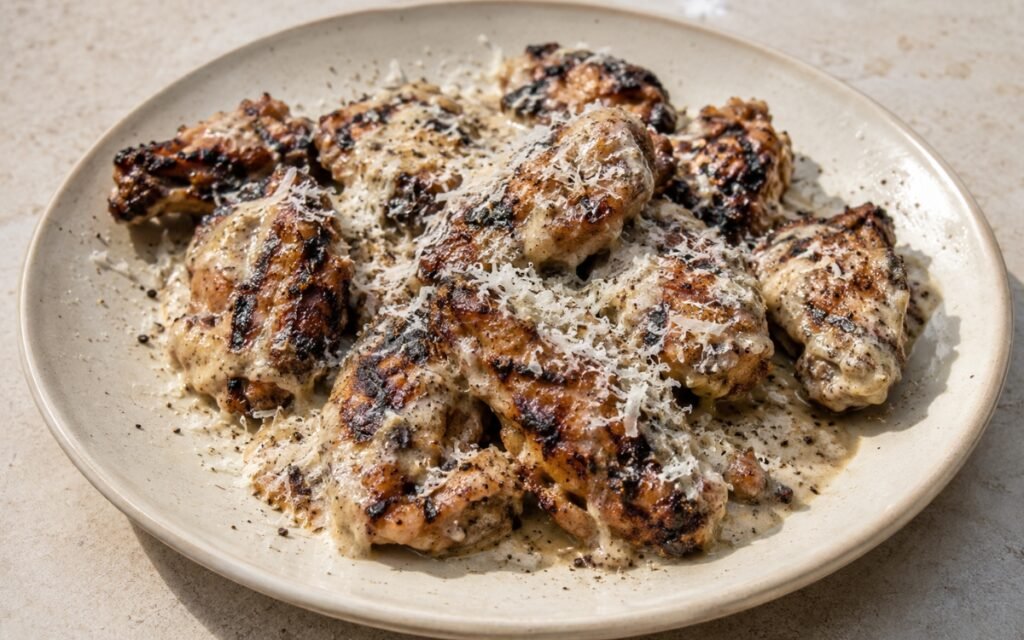
Grilled Cacio e Pepe Chicken Wings
Low-and-slow grilled chicken wings with crisp, rendered skin, tossed in a creamy off-heat Pecorino-Parmesan cacio e pepe sauce with black pepper.
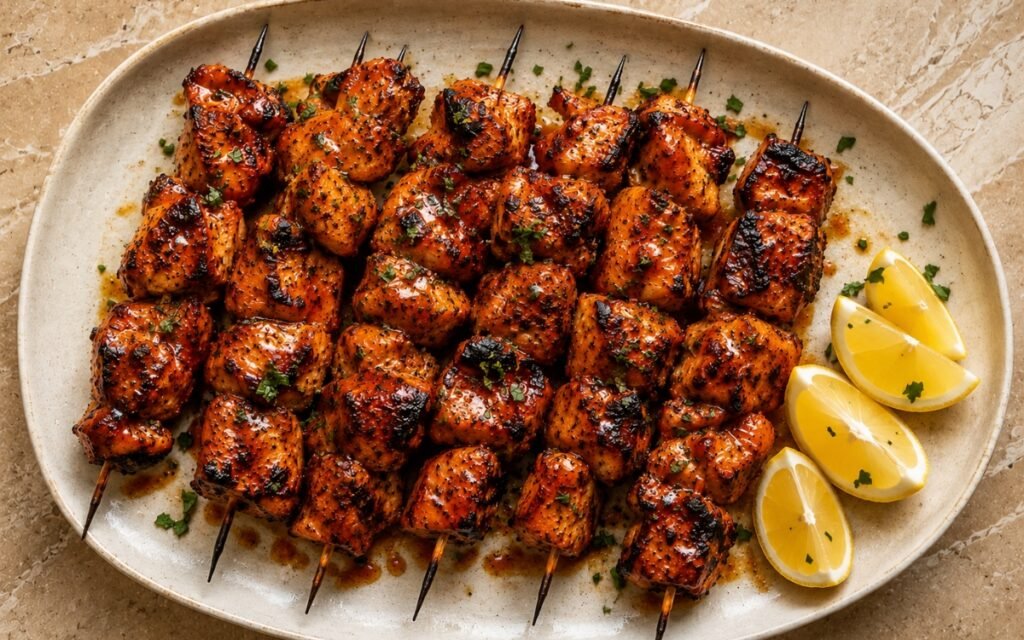
Grilled Chicken Skewers
Juicy grilled chicken skewers lacquered with caramelized honey–sriracha glaze for smoky, sticky heat.
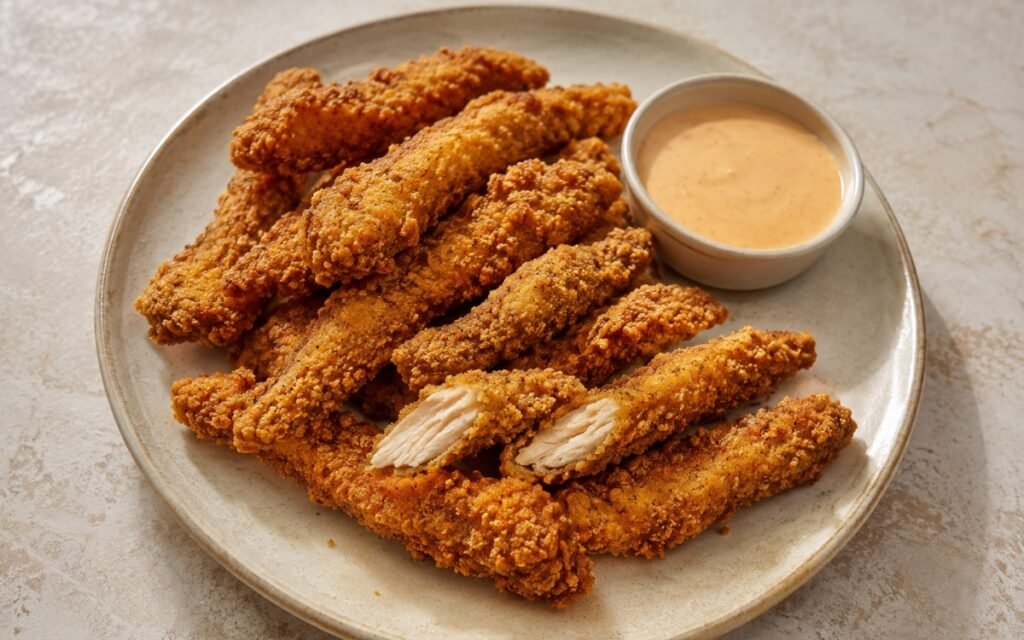
Chicken Fries
Long thin chicken breast strips coated in a craggy panko-breadcrumb crust, deep-fried until golden and crisp, served with a savoury dipping sauce.
You might also like
You might also like
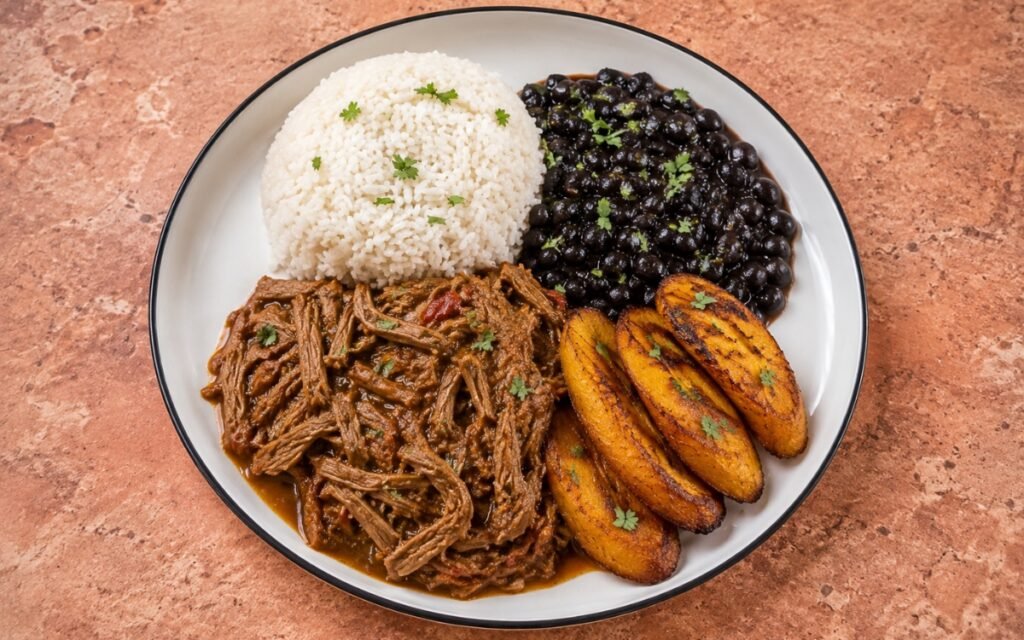
Pabellón Venezolano
Slow-braised, thinly shredded beef, fluffy white rice, glossy black beans, and sweet fried plantains, each kept distinct on the plate.
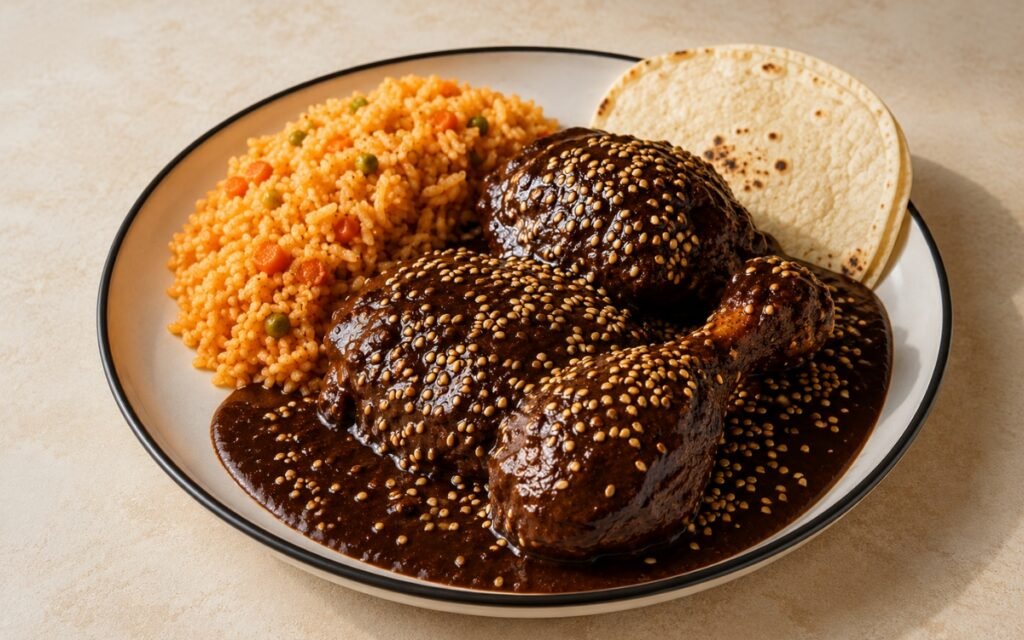
Chicken Mole Poblano
Gently poached chicken finished in deep, glossy mole poblano sauce, topped with toasted sesame seeds, served with Mexican rice and warm tortillas.
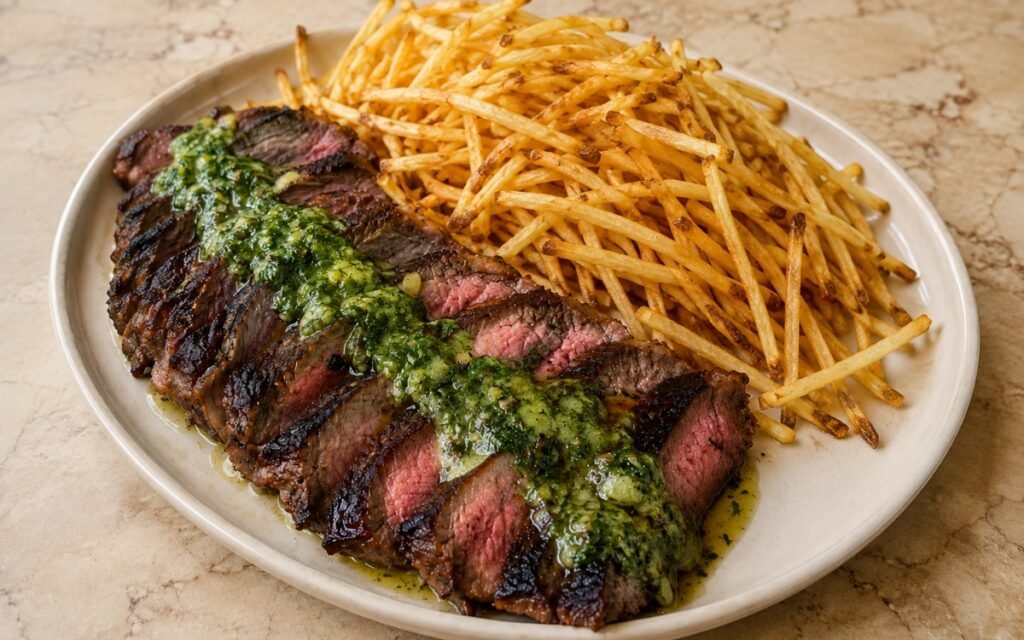
Paris Steak Frites
Seared medium-rare steak with a deep crust, double-fried shoestring frites, and a rich café de Paris-style herb butter sauce.
Garlic Herb Pork Tenderloin
Ingredients
Method
- Preheat your oven to 200°C (400°F). Trim the silver skin from the pork tenderloin by sliding a sharp knife underneath it and angling the blade upward to remove it completely—this prevents the meat from curling during cooking.
- Combine 6 minced garlic cloves, 30g rosemary, 20g thyme leaves, 15g sage, 30ml olive oil, 10g sea salt, and 4g black pepper in a small bowl. Mix thoroughly to form a thick, aromatic paste.
- Brush the trimmed pork tenderloin evenly with 30g Dijon mustard on all sides. Press the herb mixture firmly all over the mustard-coated surface, creating an even coating that adheres well.
- Heat 15ml olive oil in an oven-safe skillet over high heat until shimmering. Carefully place the herb-crusted tenderloin in the hot skillet and sear for 2 minutes per side, turning gently, until the herb crust is golden brown.
- Transfer the skillet directly to the preheated oven. Roast for 15 to 18 minutes until the internal temperature reaches 63°C (145°F) when measured with an instant-read thermometer at the thickest part.
- Remove from the oven and let the tenderloin rest on a cutting board for 8 minutes to allow the juices to redistribute. Slice crosswise into medallions and serve immediately.