
Pabellón Venezolano
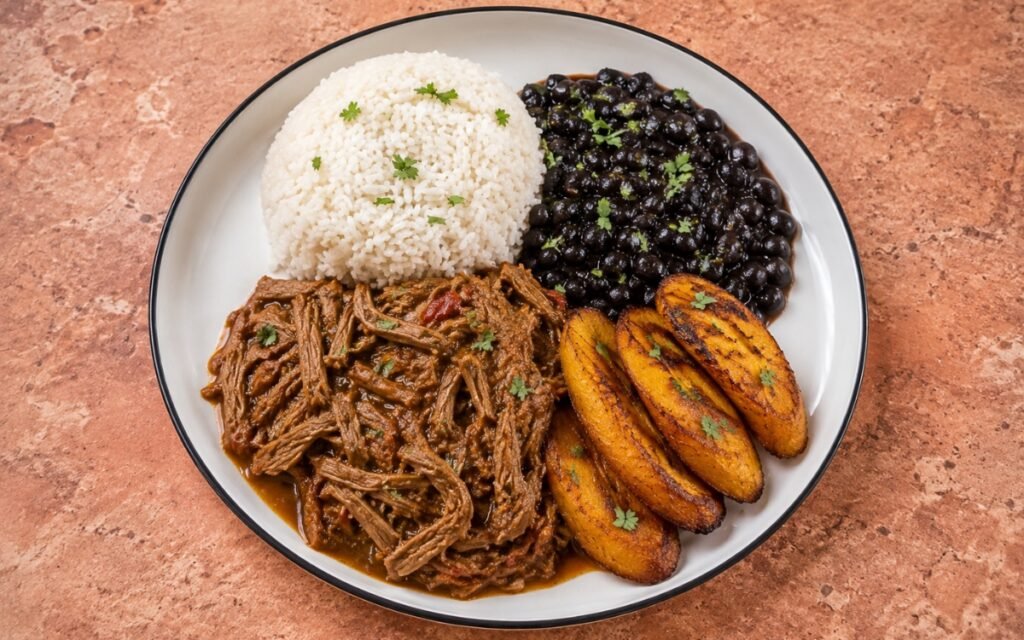
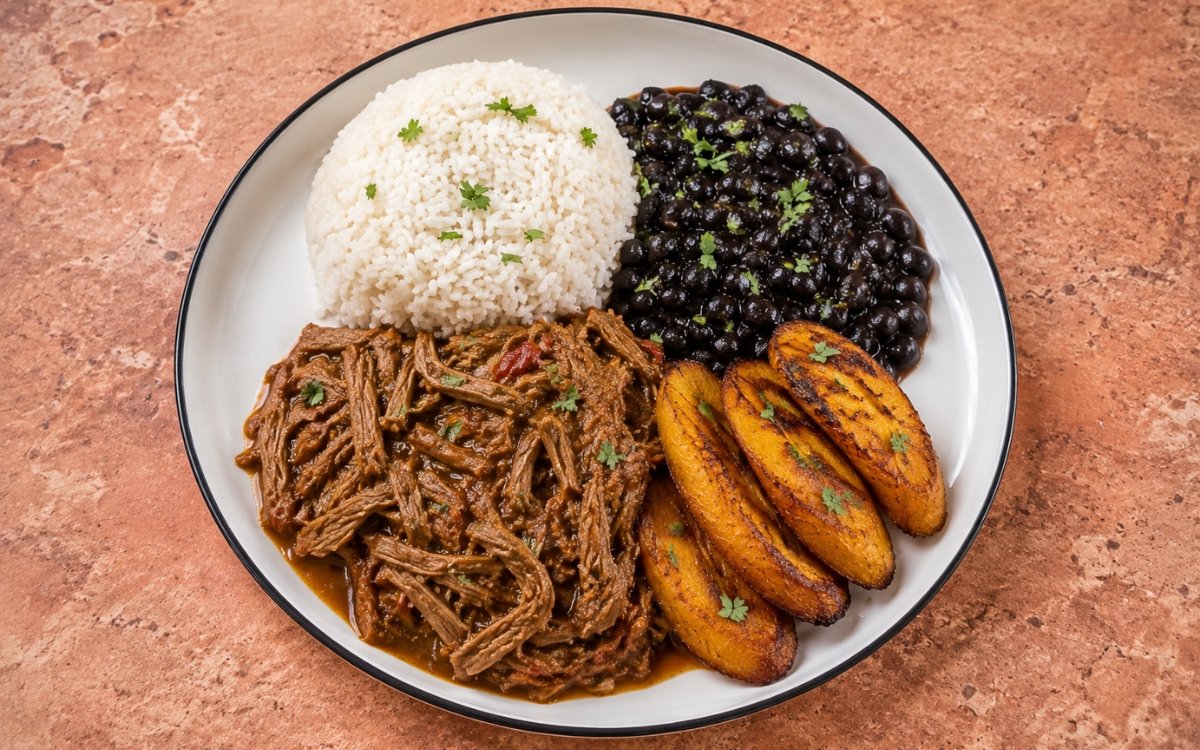
A classic Venezuelan plate of carne mechada-style shredded beef, fluffy white rice, stewed black beans, and sweet fried ripe plantains, with each component kept distinct on the plate for the traditional pabellón presentation. Searing the beef to a genuinely deep brown crust before it ever goes into the braise is the technique this whole dish depends on — that browning becomes part of the final sauce, contributing real depth that pale, unseared beef simply couldn’t provide, the same sear-first-for-the-sauce principle used elsewhere in this collection whenever a braise’s finished flavour depends on real Maillard development at the very first stage. Keeping the braising liquid at a genuine lazy simmer, never a hard boil, over its full multi-hour cook is what lets the beef become fork-tender without toughening. Shredding the beef into thin strands rather than chunky pieces, then finishing it uncovered in its own reduced sauce, is what gives it the proper moist, cohesive pabellón texture. The payoff is a plate built entirely around contrast — moist shredded beef, fluffy rice, silky black beans, and sweet caramelised plantains, each kept visibly, deliberately distinct.
Prep Time : 30 min
Cook Time : 3 hr, 15 min
Servings : 4
30 min
3 hr, 15 min
4
Ingredients
For the Shredded Beef
• 1.2kg beef flank steak, chuck roast, or brisket, cut into 2–3 large pieces
• 12g fine sea salt
• 1 tsp freshly ground black pepper
• 2 tbsp neutral oil
• 1 large white onion, thinly sliced
• 1 medium red bell pepper, thinly sliced
• 1 medium green bell pepper, thinly sliced
• 4 garlic cloves, finely chopped
• 2 medium tomatoes, finely chopped
• 2 tbsp tomato paste
• 1 tsp ground cumin — this one on Amazon
• 1 tsp dried oregano — this one on Amazon
• 1 bay leaf
• 500ml beef stock or water, plus more as needed
• 1 tbsp Worcestershire sauce, optional but useful for depth — this one on Amazon
For the White Rice
• 300g long-grain white rice
• 540ml water
• 1 tbsp neutral oil or butter
• 1 tsp fine sea salt
For the Black Beans
• 2 tbsp olive oil or neutral oil — this one on Amazon
• 1 small white onion, finely diced
• 3 garlic cloves, finely chopped
• 2 cans black beans, 400g each, undrained, or about 500g cooked black beans plus 250ml cooking liquid — this one on Amazon
• 1 bay leaf
• 1 tsp ground cumin
• ½ tsp dried oregano
• 1 tsp sugar
• 1 tbsp red wine vinegar or white vinegar — this one on Amazon
• 1 tsp fine sea salt, or to taste
• Freshly ground black pepper, to taste
• 60–120ml water, as needed
For the Fried Plantains
• 2 large very ripe plantains, yellow with heavy black spotting
• 3–4 tbsp neutral oil
• Pinch of fine sea salt, optional
For Finishing
• 1–2 tbsp chopped fresh parsley or cilantro, optional
This post may contain affiliate links. As an Amazon Associate I earn from qualifying purchases, at no additional cost to you.
Directions
- Braise the Beef
Pat the beef dry and season all over with the salt and black pepper. Heat the oil in a heavy pot or Dutch oven over medium-high heat. Sear the beef for 3–4 minutes per side until well browned. The goal is a deep brown crust, not just light coloring, because that browning becomes part of the final sauce. Transfer the beef to a plate. Lower the heat to medium. Add the sliced onion and both bell peppers and cook for 6–8 minutes, stirring occasionally, until softened and lightly caramelized at the edges. Add the garlic and cook for 30 seconds. Add the chopped tomatoes, tomato paste, cumin, oregano, and bay leaf. Cook for 3–4 minutes, stirring, until the tomato paste darkens slightly and the mixture becomes thick and fragrant. Return the beef to the pot along with any juices. Add the stock and Worcestershire sauce if using. The liquid does not need to fully cover the meat; it should come about halfway up the sides. Bring to a gentle simmer, cover, and cook over very low heat for 2½–3 hours, turning once or twice, until the beef is fork-tender and shreds easily with almost no resistance. The braising liquid should remain at a lazy simmer, never a hard boil. If it reduces too aggressively, add a splash of water. The beef is ready when a fork slips in easily and the fibers separate cleanly. Cooking the onion and peppers in the same pot right after searing the beef, rather than in a clean pan, means those vegetables pick up real flavour from the fond left behind — that residual browned residue gets scraped up and worked directly into the aromatic base as it softens. - Shred and Finish the Beef
Remove the beef from the pot and let it cool just enough to handle. Shred it finely with two forks or your fingers, discarding any heavy connective tissue. For proper pabellón texture, the beef should be shredded into thin strands rather than chunky pieces. If the sauce in the pot is very loose, simmer it uncovered for a few minutes until lightly thickened. Return the shredded beef to the pot and cook uncovered for 10–15 minutes, stirring occasionally, until the meat absorbs the sauce and becomes moist, cohesive, and deeply flavored. The finished beef should be juicy but not soupy. It should hold together in a mound on the plate, with just enough sauce to coat the strands and keep them glossy. Returning the shredded beef to its own sauce for this final uncovered simmer, rather than serving it straight from shredding, gives the thin strands genuine time to reabsorb concentrated flavour directly from the liquid they were braised in. - Cook the White Rice
Rinse the rice under cold water until the water runs mostly clear. Combine the rice, water, oil or butter, and salt in a saucepan. Bring to a boil over medium-high heat. Once boiling, stir once, reduce the heat to low, cover tightly, and cook for 15 minutes. Turn off the heat and let it rest, covered, for 10 minutes. Fluff gently with a fork before serving. The rice should be tender and separate, not wet or clumped. That final resting period, still covered off the heat, lets residual steam finish the cooking gently and evenly without the risk of scorching the bottom that continued direct heat would introduce. - Cook the Black Beans
Heat the oil in a saucepan over medium heat. Add the diced onion and cook for 4–5 minutes until softened. Add the garlic, cumin, and oregano and cook for 30 seconds until fragrant. Add the black beans with their liquid, bay leaf, sugar, vinegar, salt, and a few grinds of black pepper. Bring to a gentle simmer and cook for 15–20 minutes. Stir occasionally and add a splash of water if the beans become too thick. Mash a small portion of the beans against the side of the pan to thicken them slightly, but keep most of them whole. The finished beans should be glossy and spoonable, with a lightly thickened broth around them rather than being dry or fully mashed. Remove the bay leaf before serving. Mashing only a small portion, rather than the whole pot, thickens the surrounding liquid naturally while preserving most of the beans’ own texture — a deliberate middle ground between fully smooth and entirely loose. - Fry the Plantains
Peel the ripe plantains and cut them on a diagonal into long, thick slices about 1.5cm thick. Heat the oil in a large skillet over medium heat. Fry the plantains in batches for 2–3 minutes per side until deeply golden brown with caramelized edges. Transfer to a plate or rack. Lightly season with a tiny pinch of salt if desired. They should be soft and sweet inside with well-browned edges. If they are browning too fast before softening, lower the heat slightly. Genuinely ripe plantains, heavily spotted with black, carry the natural sugar content this caramelisation depends on — that same sugar is what lets the exterior brown deeply while the interior has time to soften into its characteristic sweet, custardy texture. - Plate the Pabellón
Spoon the rice onto one section of each plate. Add the black beans beside it, then a generous portion of shredded beef in its own section, and finally the fried plantains. Keep the four components visually separate in the classic pabellón style rather than mixing them together. Finish with a little chopped parsley or cilantro if desired and serve immediately while all components are hot. This deliberate, distinct plating is a genuine part of pabellón’s identity — the dish is specifically built around contrast between its four components, and keeping them visibly separate on the plate preserves that intended experience rather than blending everything into one mixed dish.
*Notes :
- Searing the beef to a genuinely deep brown crust, rather than just light colouring, deserves recognition as the step most responsible for this braise’s final depth. That browning isn’t simply a step to move past quickly — the fond it builds on the pot’s surface gets worked directly into the aromatic vegetables cooked afterward, and that concentrated flavour carries all the way through into the finished sauce the shredded beef eventually simmers in.
- Keeping the braising liquid at a genuine lazy simmer throughout its multi-hour cook, never letting it reach a hard boil, protects the beef’s texture in a way worth respecting despite how long this braise already takes. A harder boil agitates the liquid enough to toughen the meat’s connective tissue in a way that works against the tender, easily-shredding result this dish specifically calls for — patience at a gentle simmer is what that tenderness actually depends on.
- The decision to shred the beef into thin strands, then return it to its own sauce for a further uncovered simmer, reflects real understanding of what gives pabellón’s beef its characteristic texture. That final stage isn’t optional — it’s what lets the thin strands genuinely absorb concentrated flavour from the reduced braising liquid, producing meat that’s moist and cohesive rather than merely tender chunks sitting in a separate sauce.
- Keeping every component of the finished plate visually distinct — rice, beans, beef, plantains, each in its own section — is worth understanding as a genuine expression of this dish’s whole identity rather than simply a plating preference. Pabellón is specifically built around the contrast between these four different textures and flavours; mixing them together on the plate would lose exactly the experience this classic presentation is designed to deliver.
Why This Recipe Works
This recipe works because the beef is seared to a genuinely deep crust before braising, building fond that carries real flavour into the aromatic base and finished sauce. A genuine lazy simmer, maintained patiently over hours, keeps the connective tissue breaking down properly without toughening the meat.
Shredding into thin strands and returning them to a further reduced simmer in their own sauce is what gives the beef its characteristic moist, cohesive texture.
Genuinely ripe plantains caramelise properly, and partially mashed black beans strike the right balance between glossy sauce and intact texture. Keeping every component visually distinct on the plate delivers pabellón’s whole defining experience of contrast.
Ingredient Breakdown
Well-Seared Beef (Flank, Chuck, or Brisket)
The centrepiece — searing to a genuine deep crust builds fond that carries directly into the finished sauce’s flavour.
Genuinely Gentle, Patient Braise
The critical technique — a lazy simmer over hours, never a hard boil, is what produces tender, easily-shredding meat.
Thin-Shredded Beef, Finished in Reduced Sauce
he texture technique — a further uncovered simmer lets the strands genuinely absorb concentrated flavour, becoming moist and cohesive.
Genuinely Ripe, Heavily Spotted Plantains
he sweet component — real ripeness is what allows proper caramelisation during frying.
Deliberately Separated Plate Components
The presentation — keeps rice, beans, beef, and plantain distinct, preserving the dish’s core identity built around contrast.
Flavor Structure Explained
This pabellón venezolano follows a layered balance model:
- Deep savoury centre (seared, slow-braised, shredded beef)
- Hearty neutral body (fluffy white rice)
- Rich earthy depth (glossy black beans)
- Sweet caramelised finish (fried ripe plantains)
Seared, slow-braised, and finely shredded beef provides this plate’s deep, savoury centre, its flavour built up through hours of patient cooking and a final reduction. Fluffy white rice offers a neutral, hearty body distinct from the richer beef. Glossy, partially mashed black beans contribute earthy depth alongside the meat. Sweet, caramelised fried plantains finish the plate with a genuinely different note — real sweetness contrasting against the savoury beef and beans, all kept visually and texturally distinct on the plate.
Common Mistakes to Avoid
- Searing the Beef Only Lightly – This loses the fond responsible for the sauce’s real depth. Always sear to a genuinely deep brown crust.
- Boiling the Braise Hard Instead of Keeping It at a Lazy Simmer – This toughens the beef’s connective tissue. Always maintain a genuine gentle simmer throughout.
- Serving the Beef Straight From Shredding Without the Final Simmer – This misses the chance for the strands to absorb concentrated sauce. Always return it for a further uncovered simmer.
- Using Plantains That Aren’t Genuinely Ripe – These won’t caramelise properly. Always use plantains with heavy black spotting.
- Mixing the Components Together on the Plate – This loses pabellón’s defining contrast. Always keep rice, beans, beef, and plantain visually separate.
Variations
Chuck Roast Version
Use chuck roast instead of flank steak for a slightly easier, more evenly braising cut.
Extra-Rich Version
Include the optional Worcestershire sauce for additional depth in the braising liquid.
Milder Beans Version
Reduce the sugar and vinegar slightly in the black beans for a more savoury, less sweet-tangy result.
Extra-Herbal Finish
Add a more generous scatter of fresh cilantro or parsley over the finished plate.
Storage & Make-Ahead
The shredded beef reheats very well and often tastes even better the next day; refrigerate in an airtight container for up to 4 days, or freeze for longer storage.
The black beans and white rice can both be made ahead and reheated gently, with the rice loosened with a splash of water.
Fried plantains are best made fresh close to serving, since they lose their characteristic texture upon reheating.
Frequently Asked Questions
Why does the beef need to be seared to a genuinely deep crust before braising?
That browning isn’t just for colour — it builds fond directly on the pot’s surface, which is then worked into the aromatic vegetables and carries through into the finished sauce. Skipping a proper sear produces a noticeably flatter final flavour.
Why does the braising liquid need to stay at a genuine lazy simmer for so many hours?
A harder boil agitates the liquid enough to toughen the beef’s connective tissue rather than letting it break down gently. That patient, gentle simmer is what produces meat tender enough to shred with almost no resistance.
Why is the shredded beef returned to the pot for a further simmer instead of served right after shredding?
That final uncovered simmer lets the thin strands genuinely absorb concentrated flavour from the reduced sauce, producing meat that’s moist and cohesive rather than simply tender pieces sitting in a separate sauce.
Why does the plate need to keep every component visually separate rather than mixed together?
Pabellón’s whole identity is built around contrast between four distinct textures and flavours — moist beef, fluffy rice, silky beans, sweet plantain. Mixing them together would lose exactly the experience this classic presentation is meant to deliver.
Are there other classic Latin American shredded beef or plate-style dishes worth trying?
Arepas Reina Pepiada takes a related shredded protein in a different, stuffed-arepa direction, and Arepas con Queso offers another classic Venezuelan corn-based dish worth exploring. Ropa Vieja Cubana and Cuban Picadillo are both worth trying for other classic Latin American shredded or ground beef preparations, and La Bandera Dominicana offers a related Dominican plate built on a similar principle of distinct, contrasting components.
Nutrition Facts
( per serving )
Calories
~880 kcal
Protein
52 g
Fat
32 g
Carbs
92 g
Calories
~880 kcal
Protein
52 g
Fat
32 g
Carbs
92 g
Related Recipes
Related Recipes

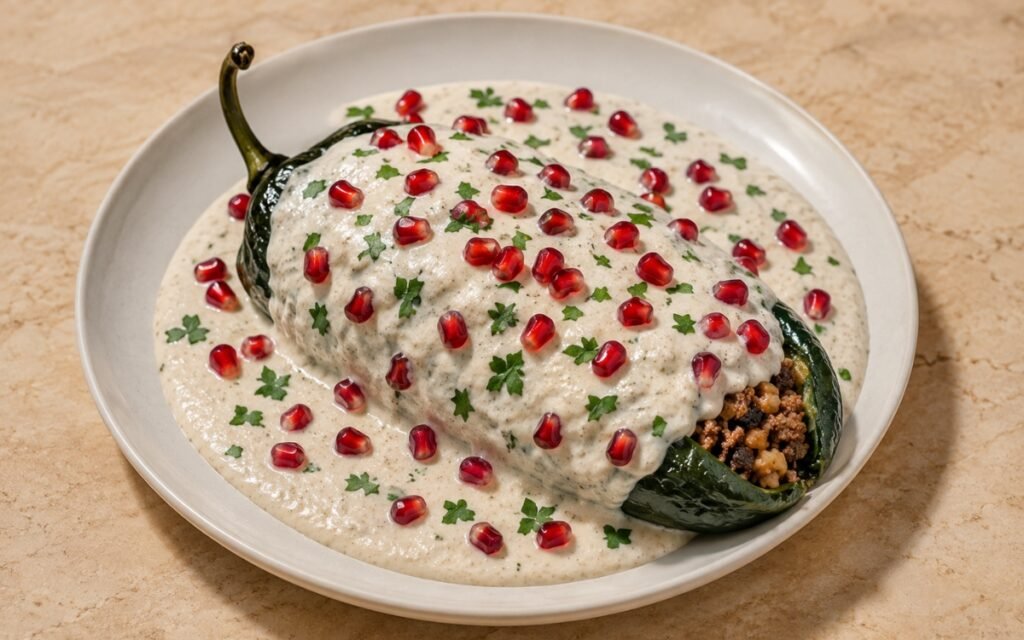
Chiles en Nogada
Roasted poblano peppers stuffed with a savoury-sweet pork and beef picadillo, covered in creamy white walnut sauce, and finished with pomegranate seeds.
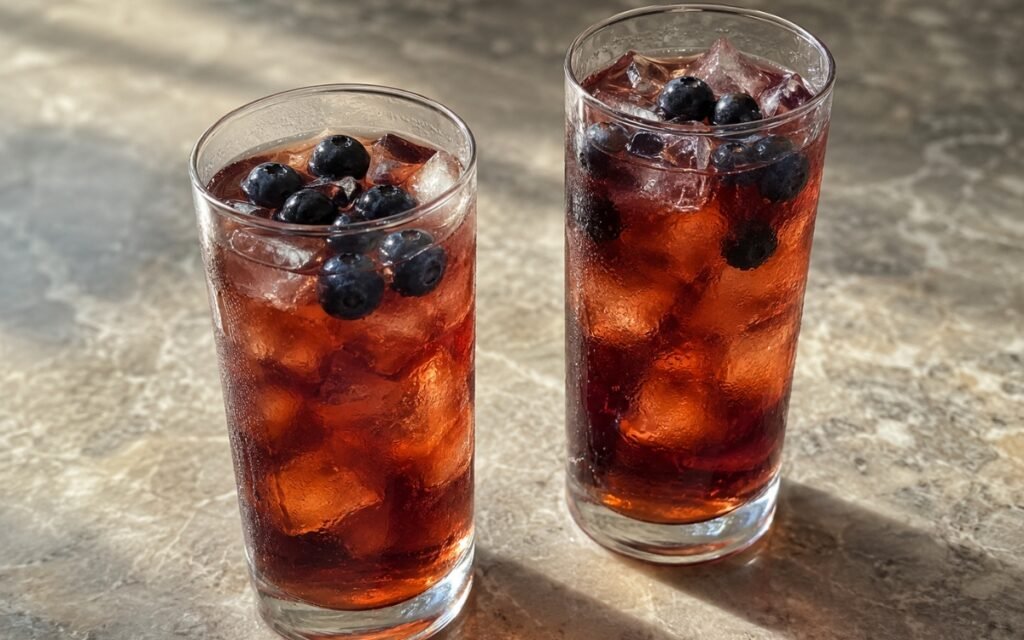
Blueberry Black Iced Tea
Black tea at 90–95°C for 2½–3 minutes, lemon peel infused cold, blueberries gently fork-mashed and lightly strained — added gradually, chilled. Bright and tea-forward.
Croque Madame
Toasted bread with ham, Gruyère, and thick béchamel, baked until bubbling and topped with a gently fried egg.

You might also like
You might also like
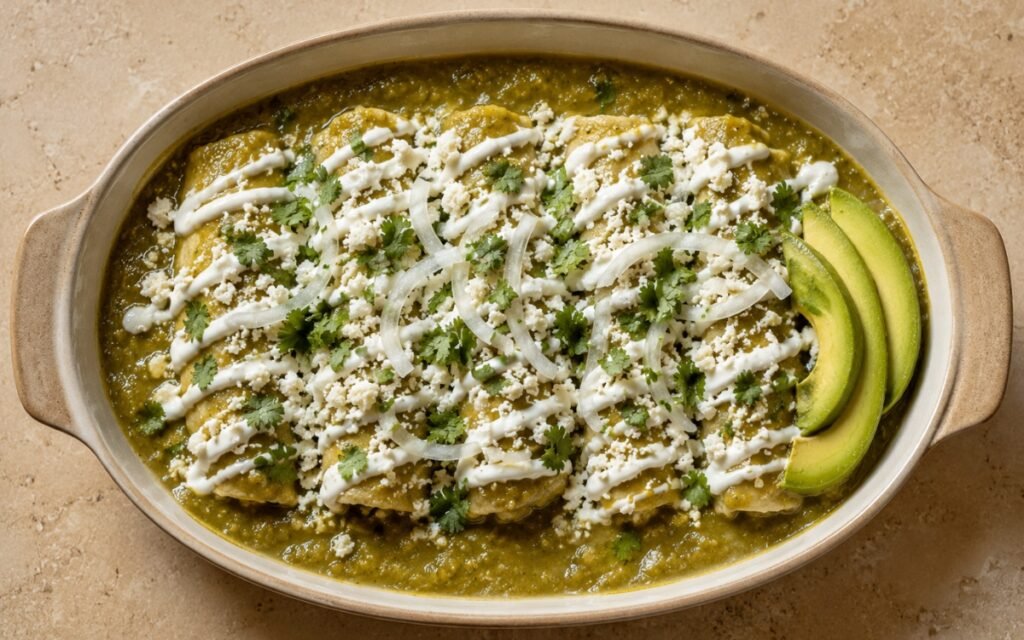
Enchiladas Verdes
Corn tortillas rolled with tender shredded chicken, coated in a vivid roasted tomatillo salsa verde, and topped with queso fresco and crema.
Garlic Butter Sirloin Steak
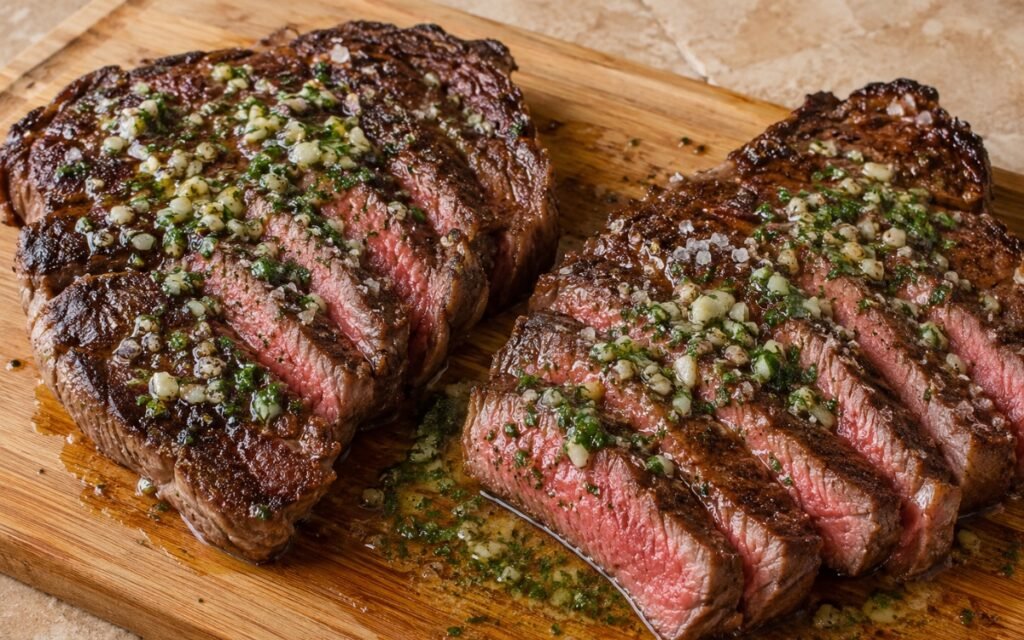
Sirloin steak tempered and seared 3 minutes per side, garlic parsley butter melted on off the heat — rested and sliced. Tender and restaurant-quality.
Shrimp Tacos with Lime Crema
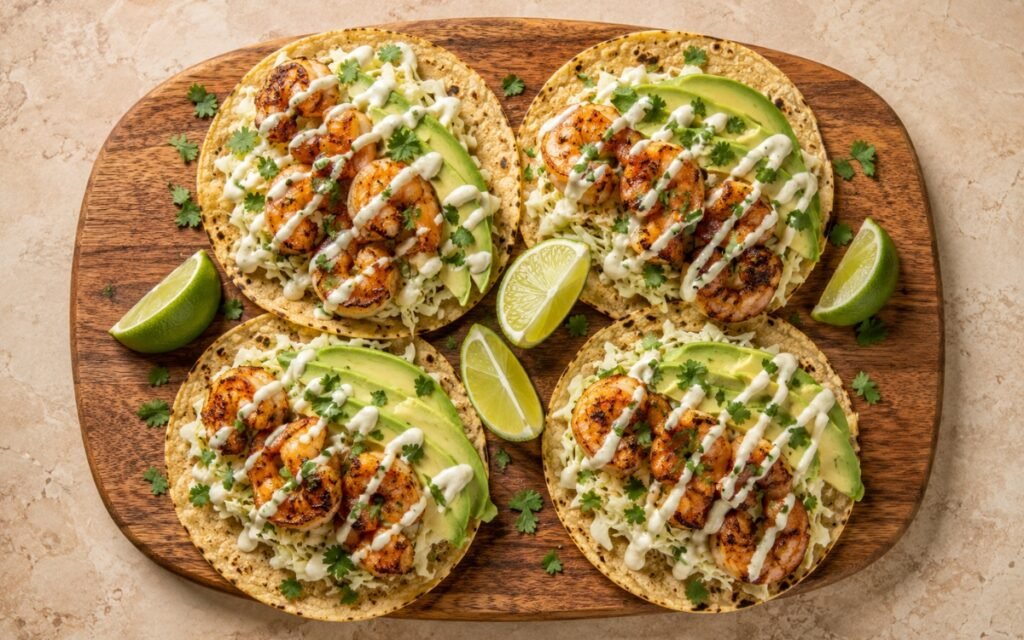
Large shrimp dried, spiced, and seared hot and fast, piled onto small corn tortillas with crisp cabbage, fanned avocado, and a thick lime crema drizzle.
Pabellón Venezolano
Ingredients
Method
- Pat the beef dry and season all over with the salt and black pepper. Heat the oil in a heavy pot or Dutch oven over medium-high heat. Sear the beef for 3–4 minutes per side until well browned. The goal is a deep brown crust, not just light coloring, because that browning becomes part of the final sauce. Transfer the beef to a plate. Lower the heat to medium. Add the sliced onion and both bell peppers and cook for 6–8 minutes, stirring occasionally, until softened and lightly caramelized at the edges. Add the garlic and cook for 30 seconds. Add the chopped tomatoes, tomato paste, cumin, oregano, and bay leaf. Cook for 3–4 minutes, stirring, until the tomato paste darkens slightly and the mixture becomes thick and fragrant. Return the beef to the pot along with any juices. Add the stock and Worcestershire sauce if using. The liquid does not need to fully cover the meat; it should come about halfway up the sides. Bring to a gentle simmer, cover, and cook over very low heat for 2½–3 hours, turning once or twice, until the beef is fork-tender and shreds easily with almost no resistance. The braising liquid should remain at a lazy simmer, never a hard boil. If it reduces too aggressively, add a splash of water. The beef is ready when a fork slips in easily and the fibers separate cleanly. Cooking the onion and peppers in the same pot right after searing the beef, rather than in a clean pan, means those vegetables pick up real flavour from the fond left behind — that residual browned residue gets scraped up and worked directly into the aromatic base as it softens.
- Remove the beef from the pot and let it cool just enough to handle. Shred it finely with two forks or your fingers, discarding any heavy connective tissue. For proper pabellón texture, the beef should be shredded into thin strands rather than chunky pieces. If the sauce in the pot is very loose, simmer it uncovered for a few minutes until lightly thickened. Return the shredded beef to the pot and cook uncovered for 10–15 minutes, stirring occasionally, until the meat absorbs the sauce and becomes moist, cohesive, and deeply flavored. The finished beef should be juicy but not soupy. It should hold together in a mound on the plate, with just enough sauce to coat the strands and keep them glossy. Returning the shredded beef to its own sauce for this final uncovered simmer, rather than serving it straight from shredding, gives the thin strands genuine time to reabsorb concentrated flavour directly from the liquid they were braised in.
- Rinse the rice under cold water until the water runs mostly clear. Combine the rice, water, oil or butter, and salt in a saucepan. Bring to a boil over medium-high heat. Once boiling, stir once, reduce the heat to low, cover tightly, and cook for 15 minutes. Turn off the heat and let it rest, covered, for 10 minutes. Fluff gently with a fork before serving. The rice should be tender and separate, not wet or clumped. That final resting period, still covered off the heat, lets residual steam finish the cooking gently and evenly without the risk of scorching the bottom that continued direct heat would introduce.
- Heat the oil in a saucepan over medium heat. Add the diced onion and cook for 4–5 minutes until softened. Add the garlic, cumin, and oregano and cook for 30 seconds until fragrant. Add the black beans with their liquid, bay leaf, sugar, vinegar, salt, and a few grinds of black pepper. Bring to a gentle simmer and cook for 15–20 minutes. Stir occasionally and add a splash of water if the beans become too thick. Mash a small portion of the beans against the side of the pan to thicken them slightly, but keep most of them whole. The finished beans should be glossy and spoonable, with a lightly thickened broth around them rather than being dry or fully mashed. Remove the bay leaf before serving. Mashing only a small portion, rather than the whole pot, thickens the surrounding liquid naturally while preserving most of the beans’ own texture — a deliberate middle ground between fully smooth and entirely loose.
- Peel the ripe plantains and cut them on a diagonal into long, thick slices about 1.5cm thick. Heat the oil in a large skillet over medium heat. Fry the plantains in batches for 2–3 minutes per side until deeply golden brown with caramelized edges. Transfer to a plate or rack. Lightly season with a tiny pinch of salt if desired. They should be soft and sweet inside with well-browned edges. If they are browning too fast before softening, lower the heat slightly. Genuinely ripe plantains, heavily spotted with black, carry the natural sugar content this caramelisation depends on — that same sugar is what lets the exterior brown deeply while the interior has time to soften into its characteristic sweet, custardy texture.
- Spoon the rice onto one section of each plate. Add the black beans beside it, then a generous portion of shredded beef in its own section, and finally the fried plantains. Keep the four components visually separate in the classic pabellón style rather than mixing them together. Finish with a little chopped parsley or cilantro if desired and serve immediately while all components are hot. This deliberate, distinct plating is a genuine part of pabellón’s identity — the dish is specifically built around contrast between its four components, and keeping them visibly separate on the plate preserves that intended experience rather than blending everything into one mixed dish.