
Cuban Picadillo
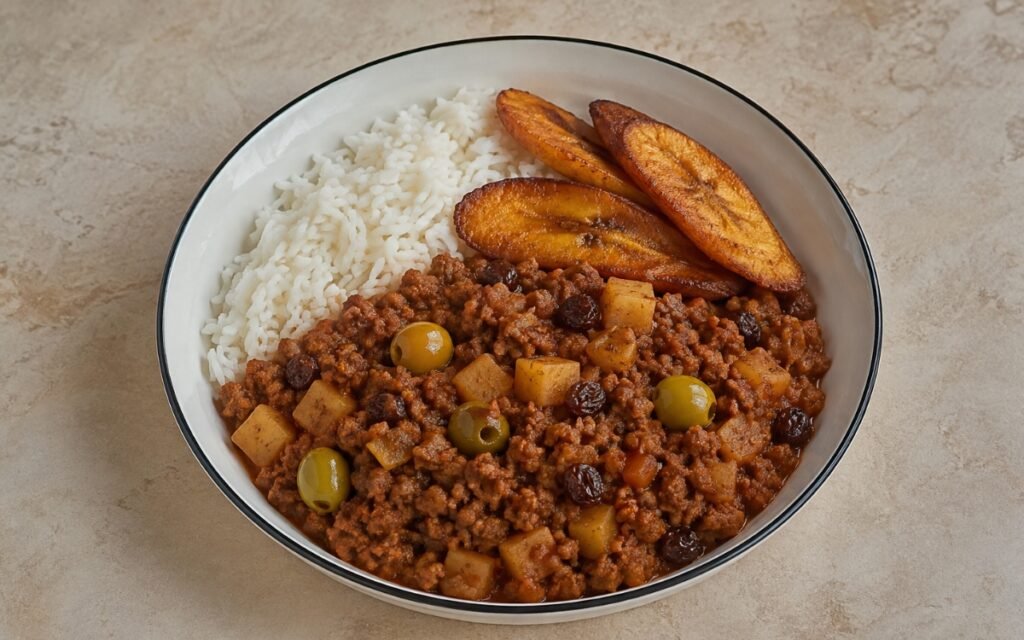
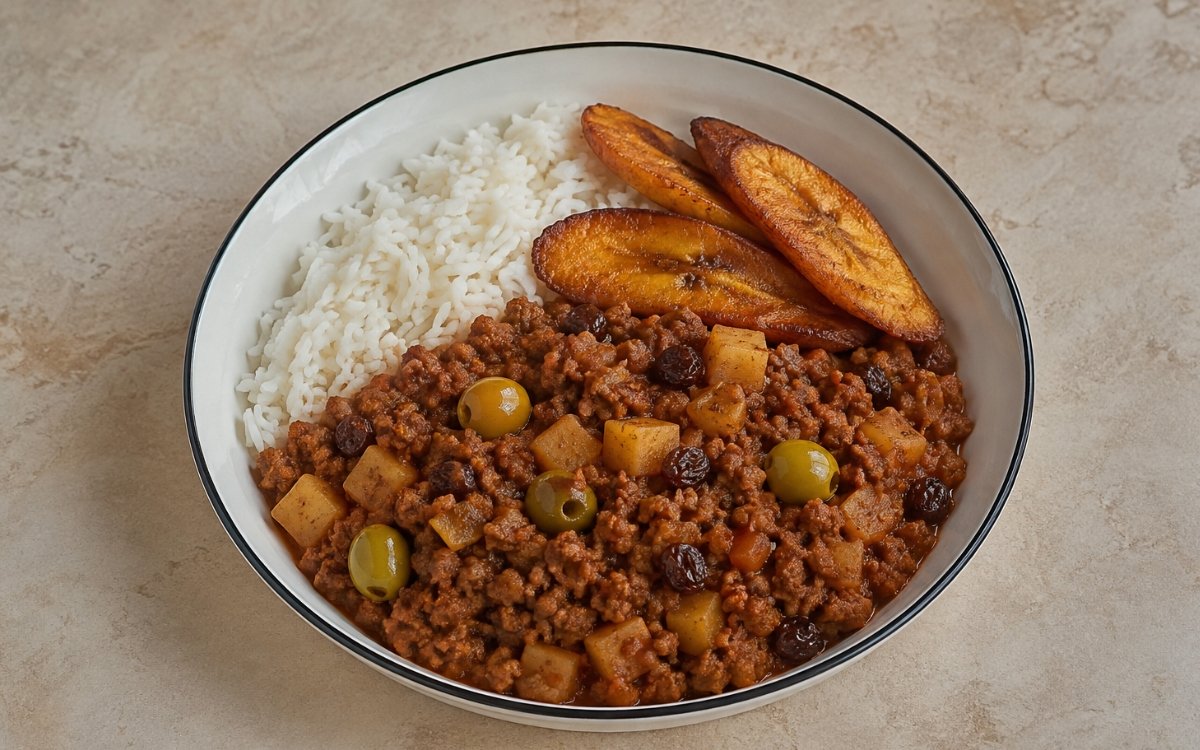
Classic Cuban picadillo made with seasoned ground beef simmered in a savory tomato sauce with green olives, raisins, and tender diced potatoes. Served with white rice and fried ripe plantains for the full traditional plate. Cooking the potatoes briefly in the aromatics before the beef is even added is the technique this whole dish depends on — that early start gives the potatoes a genuine head start on the longer cooking time they need, the same stagger-the-slow-cooking-ingredient principle used elsewhere in this collection whenever a dense vegetable needs extra time relative to a faster-cooking protein sharing the same pan. Simmering the finished sauce uncovered until it clings to the beef, rather than serving it loose, is what gives picadillo its proper moist-but-not-watery texture. Keeping the diced potato genuinely small and even, rather than left in larger pieces, is what lets it soften fully within the same simmering window the beef and sauce need. The payoff is a plate with real, deliberate texture — clearly defined beef crumbles, tender potato, visible olives and raisins, all coated in a rich sauce that clings rather than pools.
Prep Time : 25 min
Cook Time : 45 min
Servings : 4
25 min
45 min
4
Ingredients
For the Cuban Picadillo
• 700g ground beef, ideally 85–90% lean
• 20ml neutral oil or olive oil — this one on Amazon
• 1 medium yellow onion, finely diced, about 180g
• 1 medium green bell pepper, finely diced, about 140g
• 4 garlic cloves, finely minced
• 2 medium potatoes, peeled and cut into 1cm dice, about 300g
• 2 tbsp tomato paste, about 30g
• 1 can diced tomatoes, 400g
• 120ml tomato sauce or passata
• 120ml beef stock or water
• 60ml dry white wine
• 2 bay leaves
• 1½ tsp ground cumin — this one on Amazon
• 1 tsp dried oregano — this one on Amazon
• ½ tsp sweet paprika — this one on Amazon
• ½ tsp freshly ground black pepper
• 1½ tsp fine sea salt, plus more to taste
• 90g green olives, sliced or halved
• 40g raisins
• 1 tsp sugar, only if needed to balance acidity
For the White Rice
• 300g long-grain white rice
• 540ml water
• 1 tbsp neutral oil or butter
• 1 tsp fine sea salt
For the Fried Plantains
• 2 large very ripe plantains, yellow with black spots
• 3–4 tbsp neutral oil
• Pinch of fine sea salt, optional
This post may contain affiliate links. As an Amazon Associate I earn from qualifying purchases, at no additional cost to you.
Directions
- Start the Rice
Rinse the rice under cold water until the water runs mostly clear. Add the rice, water, oil or butter, and salt to a medium saucepan. Bring to a boil over medium-high heat. Once boiling, stir once, cover tightly, reduce the heat to very low, and cook for 15 minutes. Turn off the heat and leave it covered for another 10 minutes before fluffing with a fork. The finished rice should be tender, dry enough to mound on the plate, and the grains should stay separate rather than sticky. Rinsing away surface starch before cooking is what keeps the finished grains genuinely separate rather than clumping together. - Fry the Plantains
Peel the plantains and slice them on a diagonal into pieces about 1.5cm thick. Heat the oil in a skillet over medium heat. Fry the plantains in a single layer for 2–3 minutes per side until deeply golden brown with caramelized edges. Transfer to a plate or rack. They should be soft and sweet in the center with lightly crisp browned surfaces. Sprinkle with a tiny pinch of salt if desired. Set aside and keep warm. Genuinely ripe plantains, heavily spotted with black, carry the natural sugar content this caramelisation depends on for proper browning and sweetness. - Build the Picadillo Base
Heat the oil in a wide sauté pan or deep skillet over medium heat. Add the onion and green pepper and cook for 5–6 minutes, stirring occasionally, until softened and lightly translucent. Add the garlic and cook for 30 seconds, just until fragrant. Add the diced potatoes and cook for 3–4 minutes, stirring frequently. They do not need to brown deeply at this stage, but they should begin to take on some oil and lose their raw opaque look around the edges. Giving the potatoes this early head start in the pan, before the beef and sauce even join, matters directly for the timing that follows — potatoes need considerably longer to soften fully than the beef needs to brown, so starting them first is what lets both finish properly tender within the same simmering window. - Brown the Beef
Add the ground beef to the pan. Break it up with a wooden spoon into small crumbles and cook for 6–8 minutes until no pink remains and the meat has lightly browned in spots. Season with the cumin, oregano, paprika, black pepper, and salt. Stir well so the spices coat the meat evenly. If the beef has released a very large amount of fat, spoon off the excess, but leave a little behind for flavor. Leaving a modest amount of rendered fat behind, rather than removing it entirely, keeps real flavour in the pan that carries directly into the sauce built in the next stage. - Simmer the Picadillo
Add the tomato paste and cook for 1 minute, stirring constantly, until it darkens slightly and smells sweeter. Add the diced tomatoes, tomato sauce, beef stock or water, and white wine. Stir well, scraping up anything stuck to the bottom of the pan. Add the bay leaves, olives, and raisins. Bring the mixture to a gentle simmer, then reduce the heat to medium-low. Cook uncovered for 20–25 minutes, stirring every few minutes, until the potatoes are fully tender and the sauce has thickened. The finished picadillo should be moist and saucy, but not watery. The potatoes should be tender all the way through when pierced with a knife, the olives should stay visible and intact, and the beef should be coated in a rich warm red sauce. Taste and adjust with a little extra salt if needed. If the tomatoes taste sharp, add the 1 teaspoon sugar and simmer for another 1–2 minutes. Cooking the tomato paste briefly before any liquid is added is what darkens and deepens its flavour — that brief step, done properly, contributes real richness that skipping straight to adding the canned tomatoes would miss. - Final Texture Check
Remove the bay leaves. If the sauce is too loose, simmer for another few minutes until it tightens and clings to the beef. If it becomes too thick before the potatoes are fully tender, add a small splash of water or stock and continue cooking gently. You are aiming for a classic Cuban picadillo texture: juicy and spoonable, with clearly defined crumbles of beef, softened diced potatoes, visible olives and raisins, and enough sauce to sit neatly beside the rice without flooding the plate. This final check-and-adjust stage protects the dish’s specific target texture — a sauce that clings rather than pools is what separates properly made picadillo from something closer to a soupy ground beef stew. - Plate and Serve
Divide the rice among 4 plates. Spoon the picadillo alongside it and add the fried plantains on the side. Serve immediately while the picadillo is hot and the plantains are still warm and glossy.
*Notes :
- Giving the diced potatoes a genuine early start in the pan, before the beef is even browned, deserves recognition as a deliberate timing decision rather than an arbitrary order of operations. Potatoes need meaningfully more time to soften fully than ground beef needs to brown, and starting them earlier is what lets both components reach their proper doneness within the same overall cooking window, rather than forcing a compromise between undercooked potato and overcooked beef.
- Cooking the tomato paste briefly before any liquid joins it is worth respecting as a real, if quick, flavour-building step. That brief contact with direct heat darkens the paste and develops a rounder, sweeter flavour that simply adding it alongside the canned tomatoes would miss — a small step, but one with a genuine, noticeable effect on the finished sauce’s depth.
- The specific target texture described throughout this recipe — moist and saucy, but never watery, with a sauce that clings to the beef rather than pooling loosely — deserves to be checked for deliberately rather than assumed automatically from the specified simmering time. Given how tomatoes and stock vary in their own liquid content, the final texture check-and-adjust stage exists specifically because that target consistency isn’t always guaranteed by following the timing alone.
- Green olives and raisins together, as the recipe’s own notes emphasise, are genuinely essential to picadillo’s classic sweet-salty identity, not simply optional add-ins. Their combined presence — briny olives against sweet raisins — is what gives this dish its recognisable Cuban character; omitting either would leave the finished picadillo tasting notably less complete and less true to the classic profile.
Why This Recipe Works
This recipe works because the potatoes are given a genuine early start in the pan, letting them soften fully within the same window the beef needs to brown and the sauce needs to develop. Browning the tomato paste briefly before adding liquid builds real depth into the sauce.
The final uncovered simmer, checked and adjusted as needed, produces the specific clinging, moist-but-not-watery texture proper picadillo depends on. Green olives and raisins together deliver the dish’s signature sweet-salty Cuban character, and serving everything together — rice, picadillo, plantains — while hot completes the full traditional plate.
Ingredient Breakdown
Ground Beef (85–90% Lean)
The protein foundation — browned properly with a little fat retained for flavour that carries into the finished sauce.
Small, Evenly Diced Potato
The textural component — kept genuinely small and even, and given an early start, so it softens fully within the same cooking window as the beef.
Browned Tomato Paste
The flavour-building step — cooked briefly before liquid is added, developing real depth the canned tomatoes alone wouldn’t provide.
Green Olives and Raisins
The defining flavour pairing — briny and sweet together, genuinely essential to picadillo’s classic Cuban character.
Uncovered, Checked Final Simmer
The critical technique — produces the dish’s specific clinging, moist-but-not-watery texture rather than a soupy result.
Flavor Structure Explained
This Cuban picadillo follows a layered balance model:
- Savoury browned foundation (seasoned ground beef)
- Sweet aromatic depth (softened onion, pepper, browned tomato paste)
- Warm background spice (cumin, oregano, paprika)
- Briny-sweet signature contrast (green olives, raisins)
- Tender hearty body (diced potato)
Seasoned, properly browned ground beef provides this dish’s savoury foundation. Softened onion, green pepper, and browned tomato paste build sweet, aromatic depth throughout the sauce. Cumin, oregano, and paprika add warm background spice. Green olives and raisins together deliver picadillo’s signature briny-sweet contrast, genuinely essential to its Cuban identity. Tender, evenly diced potato adds hearty body, softened fully within the sauce alongside the beef.
Common Mistakes to Avoid
- Adding the Potatoes at the Same Time as the Beef – This doesn’t give them enough of a head start to soften fully. Always cook them briefly in the aromatics first.
- Skipping the Tomato Paste’s Browning Step – This misses real depth the paste develops under direct heat. Always cook it briefly before adding liquid.
- Omitting the Olives or Raisins – This leaves the dish missing its signature sweet-salty balance. Always include both for the classic Cuban profile.
- Serving the Sauce Too Loose – This produces something closer to soupy ground beef than proper picadillo. Always simmer until the sauce clings to the beef.
- Using Underripe Plantains – These won’t caramelise properly during frying. Always use plantains with heavy black spotting.
Variations
Extra-Savoury Version
Increase the beef stock slightly and reduce longer for a more concentrated, deeply savoury sauce.
Spicier Version
Add a pinch of red pepper flakes or a small diced jalapeño for background heat.
Wine-Free Version
Replace the white wine with additional stock plus 1 tsp white wine vinegar added near the end, per the recipe’s own substitution note.
Extra-Hearty Version
Increase the potato slightly for a more substantial, potato-forward version of the dish.
Storage & Make-Ahead
Leftovers reheat very well. The flavor is often even better the next day after the olives, raisins, tomato, and spices settle together.
Refrigerate in an airtight container for up to 4 days, or freeze for longer storage.
The white rice can be made ahead and reheated with a splash of water to restore its fluffy texture; fried plantains are best made fresh close to serving.
Frequently Asked Questions
Why do the potatoes need to go into the pan before the beef?
Potatoes need meaningfully more time to soften fully than ground beef needs to brown. Starting them earlier in the aromatics gives them a genuine head start, letting both components finish properly tender and cooked within the same overall simmering window.
Why does the tomato paste need to be cooked briefly before the other liquids are added?
That brief contact with direct heat darkens the paste and develops a rounder, sweeter flavour. Skipping straight to adding the canned tomatoes and stock would miss that extra depth the browning step provides.
Why are green olives and raisins described as essential rather than optional?
Their combined presence — briny olives against sweet raisins — is what gives Cuban picadillo its recognisable, classic sweet-salty character. Omitting either leaves the dish tasting noticeably less complete and less traditional.
Why does the sauce need a final check-and-adjust stage rather than just following the simmering time?
Tomatoes and stock vary in their own liquid content, so the specified simmering time alone doesn’t always guarantee the right final consistency. Checking and adjusting protects the dish’s specific target texture — clinging and moist, never watery.
Are there other classic Cuban or Latin American ground or shredded beef dishes worth trying?
Ropa Vieja Cubana, Cuban Bistec Empanizado, Pabellón Venezolano, and La Bandera Dominicana are all worth exploring for other classic Cuban and Latin American beef plates. Beef Burrito Rice Bowl is also worth trying for a different, more casual seasoned ground beef direction.
Nutrition Facts
( per serving )
Calories
~820 kcal
Protein
38 g
Fat
32 g
Carbs
96 g
Calories
~820 kcal
Protein
38 g
Fat
32 g
Carbs
96 g
Related Recipes
Related Recipes

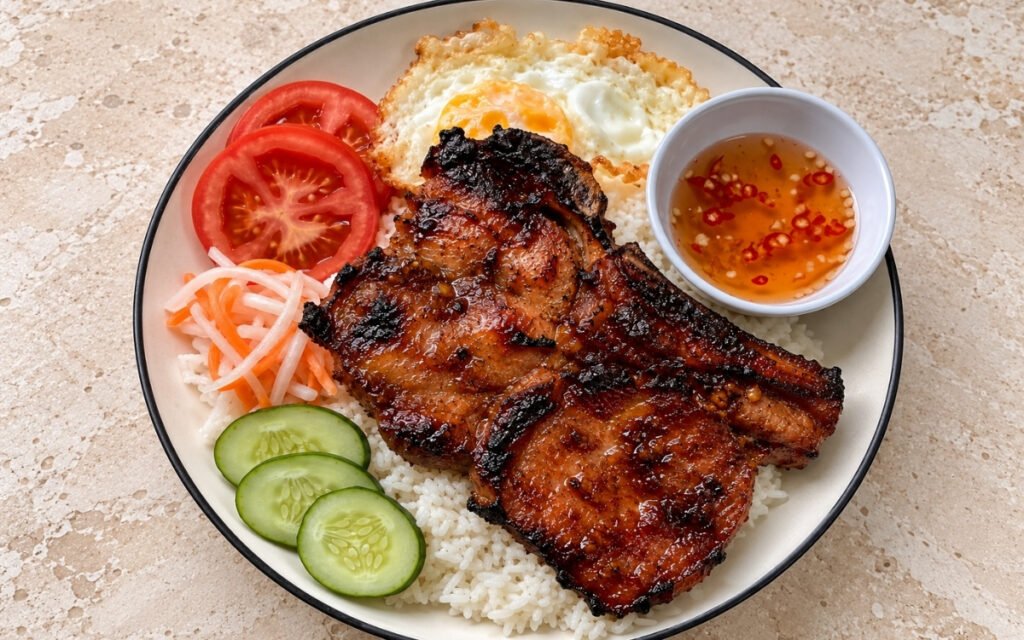
Broken Rice with Grilled Pork (Cơm Tấm)
Grilled lemongrass pork chop over broken rice with a fried egg, quick pickled carrot and daikon, cucumber, tomato, and nước chấm.
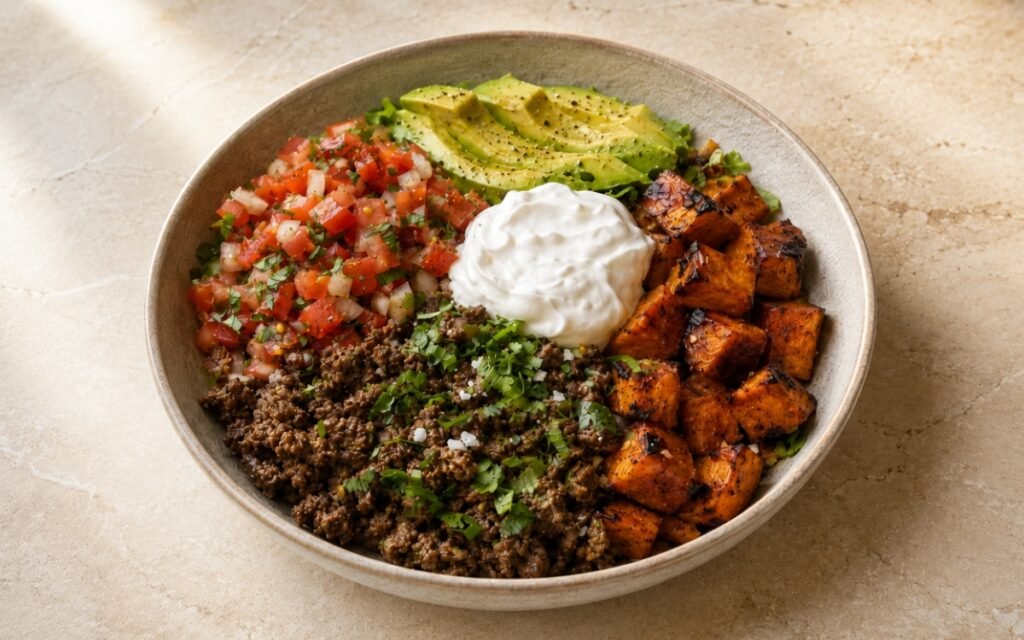
Sweet Potato Ground Beef Burrito Bowl
Crisp-edged roasted sweet potato and well-browned seasoned ground beef, topped with fresh pico de gallo, avocado, and sour cream.
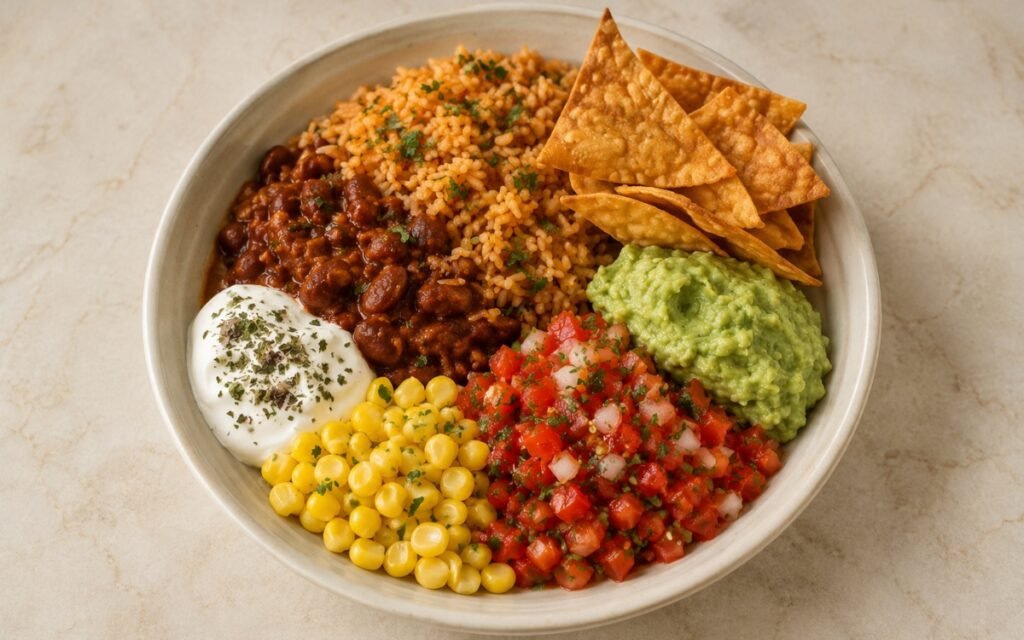
Loaded Mexican Taco Bowl
Toasted tomato rice, smoky chipotle red beans, fresh pico de gallo, plain guacamole, sour cream, and crispy tortilla chips, layered in one vibrant bowl.
You might also like
You might also like
Chicken Mole Poblano
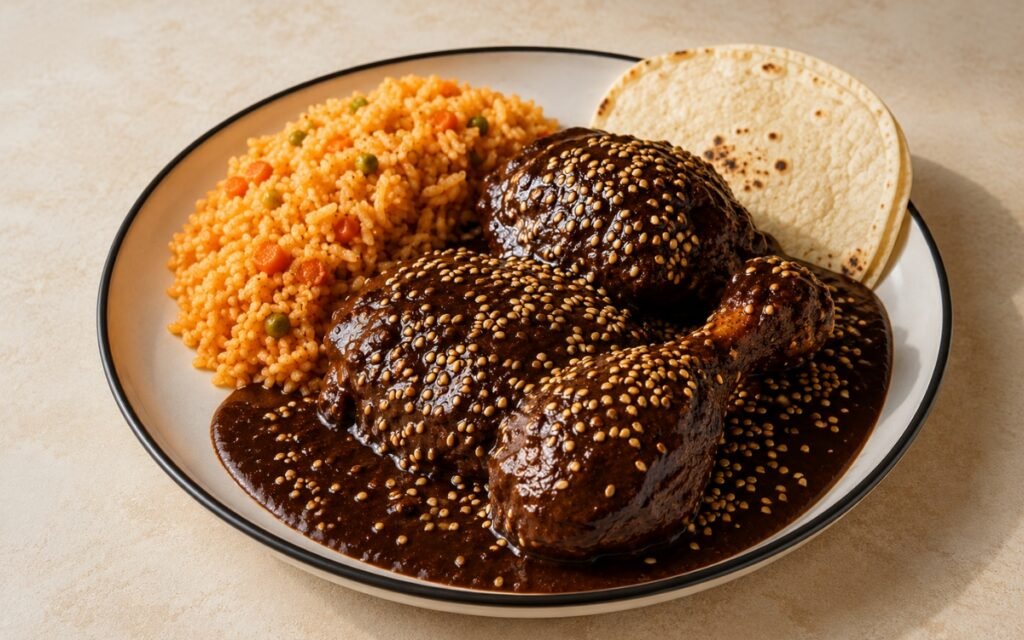
Gently poached chicken finished in deep, glossy mole poblano sauce, topped with toasted sesame seeds, served with Mexican rice and warm tortillas.
Birria Tacos with Consommé (Quesabirria)
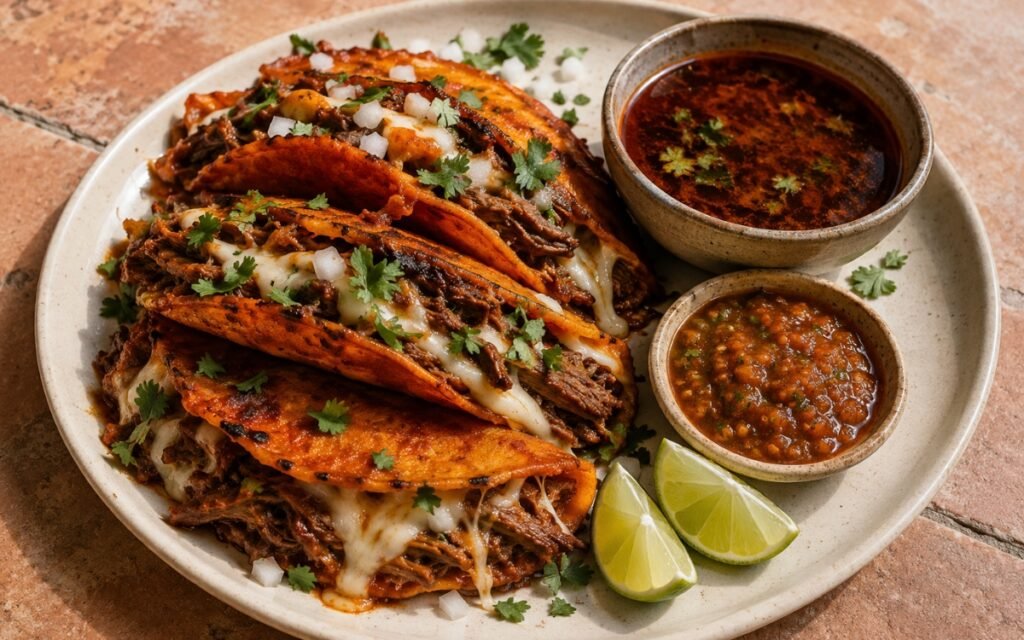
Three-cut beef braised into a deep chile consommé, shredded, stuffed into small tortillas with Oaxaca cheese, and fried in birria fat until crisp and red-orange.
Braised Beef Chuck Steak
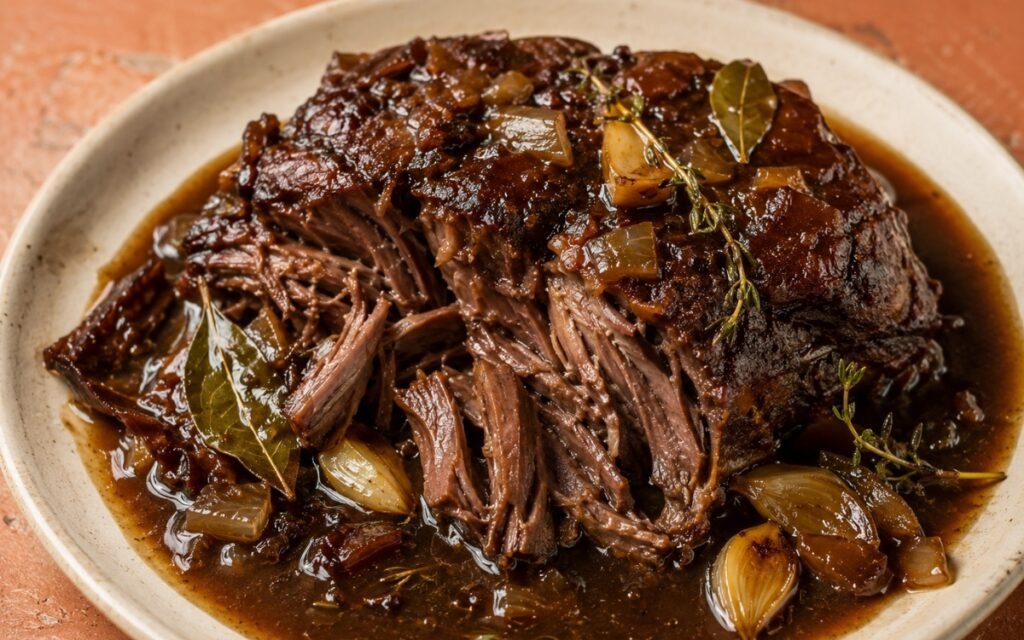
Tough chuck steak transforms into fork-tender perfection through slow braising with wine and aromatics.
Cuban Picadillo
Ingredients
Method
- Rinse the rice under cold water until the water runs mostly clear. Add the rice, water, oil or butter, and salt to a medium saucepan. Bring to a boil over medium-high heat. Once boiling, stir once, cover tightly, reduce the heat to very low, and cook for 15 minutes. Turn off the heat and leave it covered for another 10 minutes before fluffing with a fork. The finished rice should be tender, dry enough to mound on the plate, and the grains should stay separate rather than sticky. Rinsing away surface starch before cooking is what keeps the finished grains genuinely separate rather than clumping together.
- Peel the plantains and slice them on a diagonal into pieces about 1.5cm thick. Heat the oil in a skillet over medium heat. Fry the plantains in a single layer for 2–3 minutes per side until deeply golden brown with caramelized edges. Transfer to a plate or rack. They should be soft and sweet in the center with lightly crisp browned surfaces. Sprinkle with a tiny pinch of salt if desired. Set aside and keep warm. Genuinely ripe plantains, heavily spotted with black, carry the natural sugar content this caramelisation depends on for proper browning and sweetness.
- Heat the oil in a wide sauté pan or deep skillet over medium heat. Add the onion and green pepper and cook for 5–6 minutes, stirring occasionally, until softened and lightly translucent. Add the garlic and cook for 30 seconds, just until fragrant. Add the diced potatoes and cook for 3–4 minutes, stirring frequently. They do not need to brown deeply at this stage, but they should begin to take on some oil and lose their raw opaque look around the edges. Giving the potatoes this early head start in the pan, before the beef and sauce even join, matters directly for the timing that follows — potatoes need considerably longer to soften fully than the beef needs to brown, so starting them first is what lets both finish properly tender within the same simmering window.
- Add the ground beef to the pan. Break it up with a wooden spoon into small crumbles and cook for 6–8 minutes until no pink remains and the meat has lightly browned in spots. Season with the cumin, oregano, paprika, black pepper, and salt. Stir well so the spices coat the meat evenly. If the beef has released a very large amount of fat, spoon off the excess, but leave a little behind for flavor. Leaving a modest amount of rendered fat behind, rather than removing it entirely, keeps real flavour in the pan that carries directly into the sauce built in the next stage.
- Add the tomato paste and cook for 1 minute, stirring constantly, until it darkens slightly and smells sweeter. Add the diced tomatoes, tomato sauce, beef stock or water, and white wine. Stir well, scraping up anything stuck to the bottom of the pan. Add the bay leaves, olives, and raisins. Bring the mixture to a gentle simmer, then reduce the heat to medium-low. Cook uncovered for 20–25 minutes, stirring every few minutes, until the potatoes are fully tender and the sauce has thickened. The finished picadillo should be moist and saucy, but not watery. The potatoes should be tender all the way through when pierced with a knife, the olives should stay visible and intact, and the beef should be coated in a rich warm red sauce. Taste and adjust with a little extra salt if needed. If the tomatoes taste sharp, add the 1 teaspoon sugar and simmer for another 1–2 minutes. Cooking the tomato paste briefly before any liquid is added is what darkens and deepens its flavour — that brief step, done properly, contributes real richness that skipping straight to adding the canned tomatoes would miss.
- Remove the bay leaves. If the sauce is too loose, simmer for another few minutes until it tightens and clings to the beef. If it becomes too thick before the potatoes are fully tender, add a small splash of water or stock and continue cooking gently. You are aiming for a classic Cuban picadillo texture: juicy and spoonable, with clearly defined crumbles of beef, softened diced potatoes, visible olives and raisins, and enough sauce to sit neatly beside the rice without flooding the plate. This final check-and-adjust stage protects the dish’s specific target texture — a sauce that clings rather than pools is what separates properly made picadillo from something closer to a soupy ground beef stew.
- Divide the rice among 4 plates. Spoon the picadillo alongside it and add the fried plantains on the side. Serve immediately while the picadillo is hot and the plantains are still warm and glossy.