
Cuban Bistec Empanizado
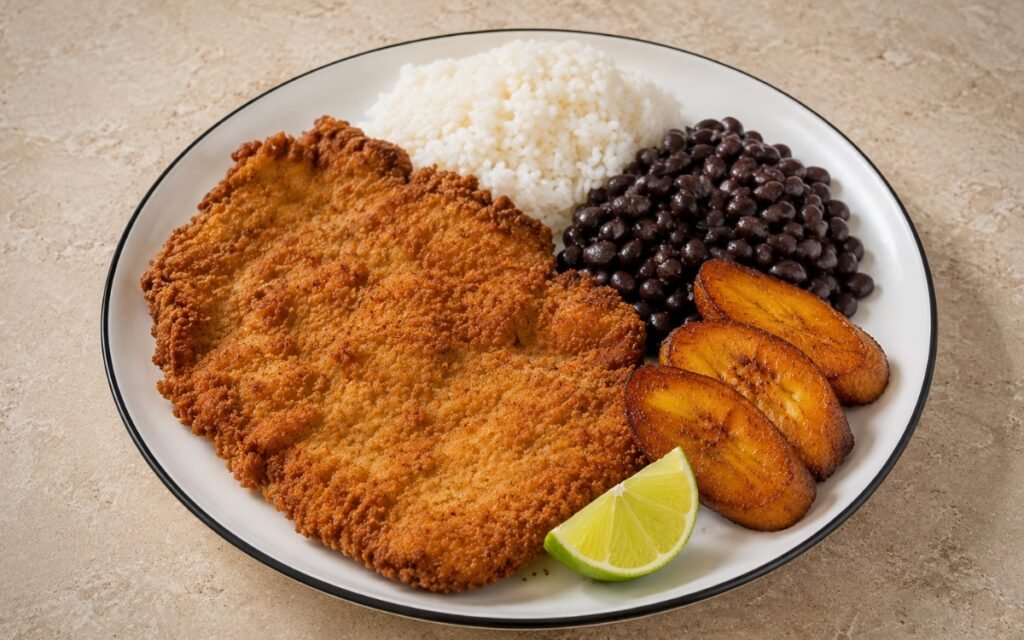
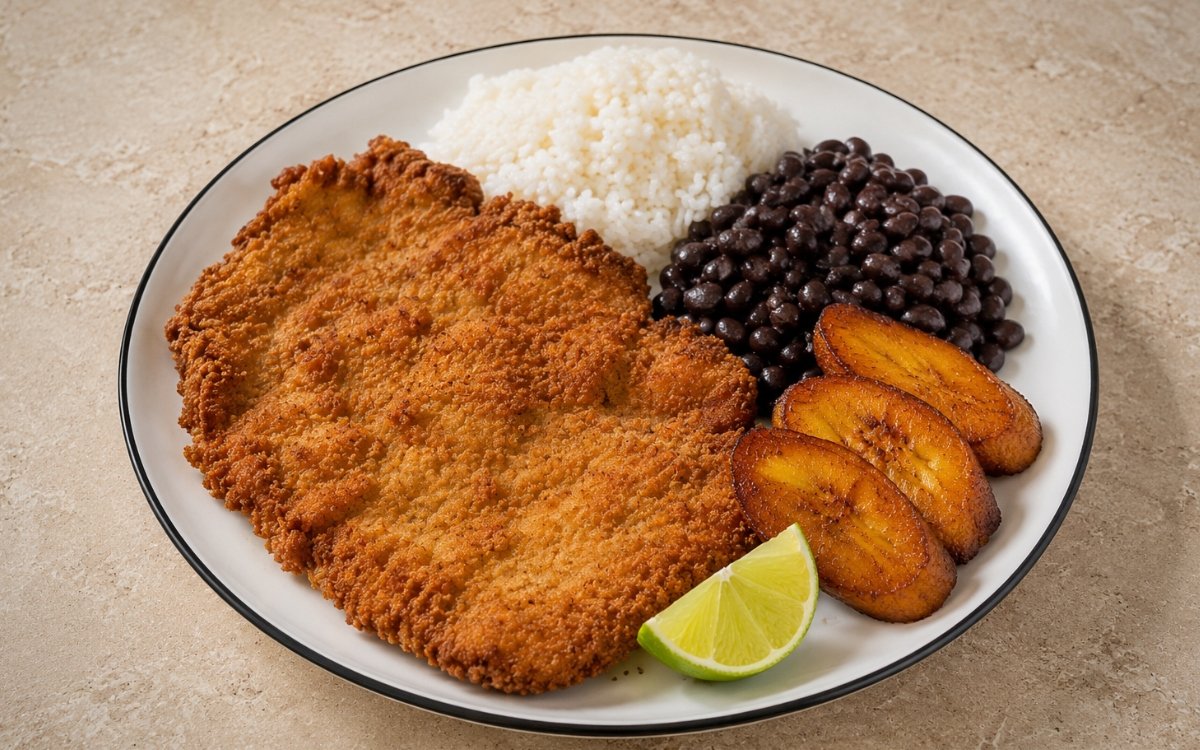
Thin Cuban-style beef cutlets marinated with garlic and citrus, breaded and fried until deeply golden and crisp, served with fluffy white rice, black beans, and sweet fried plantains for a classic Cuban plate. Pounding the beef to an even, thin thickness before it ever meets the marinade is the technique this whole dish depends on — that even thinness is what lets the crust crisp fully before the interior has any chance to overcook, the same pound-thin-and-even principle used elsewhere in this collection whenever a breaded cutlet needs both a crisp exterior and a properly cooked interior within a genuinely brief fry. Letting the breaded steaks rest briefly before frying is what gives the coating real time to hydrate and adhere, protecting it from slipping off in the hot oil. Draining the fried cutlets on a wire rack rather than paper towels is what keeps that crisp crust intact rather than softening from trapped steam. The payoff is a plate with real structural integrity across every component — a crisp, deeply golden cutlet alongside fluffy rice, glossy black beans, and sweet, caramelised plantains.
Prep Time : 35 min
Cook Time : 45 min
Servings : 4
35 min
45 min
4
Ingredients
For the Cuban Steak Marinade
• 700–800g beef top round, sirloin, or minute steak, sliced into 4 portions
• 4 garlic cloves, finely grated or crushed
• 60ml fresh lime juice, or 45ml sour orange juice if available
• 30ml neutral oil
• 4g fine sea salt
• 1g freshly ground black pepper
• 1g ground cumin — this one on Amazon
• 1g dried oregano — this one on Amazon
For the Breading
• 100g all-purpose flour — this one on Amazon
• 4g fine sea salt
• 1g freshly ground black pepper
• 2 large eggs
• 15ml water
• 140g fine dry breadcrumbs
• 30g plain breadcrumbs or panko, optional, for a slightly craggier crust
• Neutral oil, for frying, approximately 500–750ml depending on pan size
For the White Rice
• 280g long-grain white rice
• 500ml water
• 8g fine sea salt
• 15ml neutral oil or 15g butter
For the Black Beans
• 30ml olive oil — this one on Amazon
• 100g white onion, finely diced
• 3 garlic cloves, finely chopped
• 2 cans black beans, 400g each, undrained, or about 500g cooked black beans plus 250ml bean liquid — this one on Amazon
• 1 bay leaf
• 1g ground cumin
• 1g dried oregano
• 15ml red wine vinegar — this one on Amazon
• 4g fine sea salt, or to taste
• Freshly ground black pepper, to taste
• 60–120ml water, as needed
For the Fried Sweet Plantains
• 2 large very ripe plantains, yellow with heavy black spotting
• 30–45ml neutral oil
For Serving
• 4 lime wedges
This post may contain affiliate links. As an Amazon Associate I earn from qualifying purchases, at no additional cost to you.
Directions
- Prepare and Marinate the Steak
Lay each steak portion between sheets of baking paper or plastic wrap and pound to an even thickness of about 5–7mm. The steaks should be thin and wide, not ragged or torn. If any piece becomes uneven, trim or gently flatten the thicker areas so they fry evenly. In a shallow dish, mix the garlic, lime juice, oil, salt, pepper, cumin, and oregano. Add the steaks and turn to coat thoroughly. Cover and marinate for 30 minutes at room temperature, or refrigerate up to 2 hours if needed. The marinade should lightly season the meat without making it wet for too long. Too long in strong citrus can start to cure the surface and affect the final texture. Pounding to a genuinely even thickness across the whole piece, not just thin overall, is what matters most here — an unevenly pounded steak forces a compromise where the thinnest spots overcook before the thickest sections have finished, especially given how briefly these cutlets fry. - Start the White Rice
Rinse the rice under cold water until the water runs mostly clear. Combine the rice, water, salt, and oil or butter in a saucepan. Bring to a boil over medium-high heat. Once boiling, stir once, reduce the heat to low, cover tightly, and cook for 15 minutes. Turn off the heat and let it stand, covered, for 10 minutes. Fluff gently with a fork just before serving. The rice is ready when the grains are tender, separate, and no visible water remains at the bottom of the pan. Keep covered so it stays warm and steamy. Rinsing away surface starch before cooking is what keeps the finished grains separate and fluffy rather than clumping together into something stickier. - Cook the Black Beans
Heat the olive oil in a saucepan over medium heat. Add the onion and cook for 4–5 minutes until softened and lightly translucent. Add the garlic, cumin, and oregano and cook for 30 seconds, stirring constantly, until fragrant. Add the black beans with their liquid, the bay leaf, vinegar, salt, and a few grinds of black pepper. Bring to a gentle simmer and cook for 15–20 minutes, stirring occasionally. If the beans become too thick before they are fully seasoned, add a splash of water. Lightly mash a small portion of the beans against the side of the pan to thicken the liquid naturally, but keep most of the beans whole. The finished beans should be glossy and spoonable, not soupy and not dry. Remove the bay leaf before serving. Mashing only a small portion of the beans, rather than the whole batch, thickens the surrounding liquid naturally while still leaving most beans intact — that’s a deliberate middle ground between a fully smooth purée and a completely loose, brothy pot. - Fry the Sweet Plantains
Peel the ripe plantains and slice them on a slight diagonal into pieces about 1.5cm thick. Heat the oil in a skillet over medium heat. Fry the plantain slices in batches for about 2–3 minutes per side until deeply golden brown with caramelized edges. Transfer to a plate lined lightly with paper towel or a wire rack. The plantains should be soft and custardy in the center with deep brown edges. If the heat is too high, they burn before the inside softens, so keep the heat at medium rather than high. Genuinely ripe plantains, heavily spotted with black, carry the natural sugar content responsible for real caramelisation during this fry — that same sugar is what lets the exterior brown deeply while the interior has time to soften into its characteristic custardy texture. - Bread the Steaks
Remove the marinated steaks from the dish and pat them lightly with paper towel. They should remain seasoned but not dripping wet, or the breading will not adhere properly. Set up three shallow dishes: flour mixed with salt and pepper, eggs beaten with the water, and breadcrumbs with optional panko if using. Dredge each steak first in the flour, shaking off excess. Dip into the egg, letting the excess drip away, then press into the breadcrumbs until evenly coated on both sides. Place the breaded steaks on a tray and let them rest for 5 minutes so the coating hydrates and adheres better. That brief resting period lets the egg wash begin properly hydrating and binding to the breadcrumb layer before the coating faces the sudden shock of hot oil — skipping this pause is one of the more common reasons a breading sheds and slips off during frying. - Fry the Bistec Empanizado
Pour enough oil into a large skillet to come about 1cm up the sides. Heat to 175°C. If you do not have a thermometer, test with a breadcrumb — it should sizzle immediately but not darken too fast. Fry the steaks one or two at a time depending on pan size, without crowding, for about 2–3 minutes per side. Turn carefully once the first side is deep golden and the coating feels set. Fry until both sides are evenly browned and crisp. Transfer to a wire rack, not paper towels, so the crust stays crisp. Sprinkle very lightly with a pinch of salt while hot if needed. The steaks are done when the crust is crisp and deeply golden, and the beef inside is just cooked through. Because they are pounded thin, they cook quickly — overfrying will dry them out. Any hot, freshly fried item resting on a flat surface or absorbent paper traps steam directly beneath it — a wire rack’s open structure lets that steam escape freely instead, which is exactly what keeps the crust from softening within minutes of coming out of the oil. - Plate and Serve
Serve each plate with one bistec empanizado, a mound of white rice, a portion of black beans, and several fried sweet plantain slices. Add a lime wedge on the side. Serve immediately while the steak crust is still crisp, the rice is hot, the beans are silky, and the plantains are still warm and soft.
*Notes :
- Pounding the beef to a genuinely even thickness, not merely thin overall, deserves real attention as the technique responsible for whether this dish’s crust and interior finish together properly. Because these cutlets fry for such a short window, any thickness variation forces a compromise — the thinner sections finish and risk drying out before the thicker areas have even fully cooked through, undermining the whole point of pounding the meat thin in the first place.
- Letting the breaded steaks rest briefly before frying is worth respecting despite how minor it looks on paper. That short window gives the egg wash time to genuinely begin binding the breadcrumb layer to the meat beneath it — a coating that goes straight from dredging into hot oil, without that pause, is considerably more likely to shed and slip loose during frying rather than staying properly attached.
- Draining the fried cutlets on a wire rack rather than paper towels follows the same logic used throughout this collection’s other fried, breaded proteins. Trapped steam beneath a hot, freshly fried item softens its crust from below within minutes — a wire rack’s open structure is specifically what avoids that outcome, letting the crust stay genuinely crisp right up until serving.
- Using genuinely ripe plantains, with real black spotting rather than just yellow skin, is worth understanding as a real ingredient requirement specific to achieving proper caramelisation. That ripeness carries the natural sugar content the frying stage depends on — plantains that are merely yellow, without much black spotting, simply won’t caramelise the same way, staying starchier and less sweet regardless of frying technique.
Why This Recipe Works
This recipe works because the beef is pounded to a genuinely even thickness, letting the crust and interior finish together within the cutlets’ brief fry time. A short marinade seasons the meat without curing its surface, and a brief rest after breading lets the coating properly adhere before frying.
The black beans are only partially mashed, thickening naturally while keeping most beans intact, and genuinely ripe plantains caramelise properly under moderate heat.
Draining the fried cutlets on a wire rack protects their crisp crust, and serving everything together immediately delivers the full plate — crisp steak, hot rice, silky beans, warm plantains — at its best.
Ingredient Breakdown
Evenly Pounded Beef Cutlets
The centrepiece — pounded to a consistent thickness so the crust and interior finish together within a brief fry.
Brief Citrus-Garlic Marinade
The seasoning technique — kept short to flavour the meat without curing its surface texture.
Rested Breaded Coating
The critical technique — a brief pause after breading lets the coating properly adhere before facing hot oil.
Partially Mashed Black Beans
The side dish technique — thickens naturally while keeping most beans whole, avoiding either a soupy or overly dry result.
Genuinely Ripe, Heavily Spotted Plantains
The sweet side — their real ripeness is what allows proper caramelisation during frying.
Flavor Structure Explained
This Cuban plate follows a layered balance model:
- Crisp savoury foundation (breaded, fried beef cutlet)
- Bright citrus-garlic marinade (lime, garlic, cumin, oregano)
- Hearty neutral body (fluffy white rice)
- Rich earthy depth (glossy black beans)
- Sweet caramelised finish (fried ripe plantains)
The breaded, fried beef cutlet provides a crisp, savoury foundation, its brief citrus-garlic marinade adding brightness beneath the crust. Fluffy white rice offers a neutral, hearty body that supports the plate’s richer components. Glossy black beans, partially mashed for body, contribute deep, earthy flavour alongside the steak. Sweet, caramelised fried plantains finish the plate with real contrast — a classic sweet note against the savoury steak and beans.
Common Mistakes to Avoid
- Pounding the Beef Unevenly – This forces thinner sections to overcook before thicker ones finish. Always pound to a genuinely consistent thickness.
- Marinating the Steak Too Long in Citrus – Extended contact with strong acid can begin curing the meat’s surface, affecting texture. Always keep the marinade time within the specified window.
- Skipping the Rest After Breading – This risks the coating sliding off in the hot oil. Always let the breaded steaks rest briefly before frying.
- Draining the Fried Steaks on Paper Towels – This traps steam and softens the crust. Always use a wire rack instead.
- Using Plantains That Aren’t Genuinely Ripe – These won’t caramelise properly during frying. Always use plantains with heavy black spotting.
Variations
Extra-Crispy Version
Use the optional panko addition to the breadcrumbs for a slightly craggier, crunchier finished crust.
Sour Orange Version
Use sour orange juice instead of lime for a more traditionally Cuban citrus flavour if available.
Spicier Version
Add a small pinch of cayenne to the flour dredge for a subtle background heat in the crust.
Extra-Garlicky Beans Version
Increase the garlic slightly in the black beans for a more assertive, savoury finish.
Storage & Make-Ahead
The black beans can be made a day or two ahead and reheated gently, loosening with a splash of water if needed.
The white rice can be made ahead and reheated with a splash of water to restore its fluffy texture.
Breaded, unfried steaks can be refrigerated for a few hours before frying, but are best cooked fresh rather than fried and held, since the crust loses crispness quickly once fried and stored.
Frequently Asked Questions
Why does the beef need to be pounded to an even thickness rather than just thin overall?
Because these cutlets fry for such a short window, any thickness variation forces a compromise — thinner sections risk drying out before thicker areas finish cooking. A genuinely even thickness lets the crust and interior finish together properly.
Why shouldn’t the steak marinate for longer than the specified time?
Extended contact with strong citrus acid can begin curing the meat’s surface, changing its texture in a way that works against the tender result this dish depends on. Keeping the marinade brief avoids that effect.
Why does the breaded steak need to rest before frying?
That brief pause gives the egg wash time to genuinely begin binding the breadcrumb layer to the meat. Skipping it is one of the more common reasons a breading sheds and slips off during frying.
Why use a wire rack instead of paper towels after frying?
A hot, freshly fried item resting on a flat surface or absorbent paper traps steam beneath it, softening the crust within minutes. A wire rack lets that steam escape, keeping the crust genuinely crisp.
Are there other classic Cuban or Latin American beef dishes worth trying?
Ropa Vieja Cubana, Vaca Frita, and Cuban Picadillo all offer other classic Cuban beef preparations worth exploring. Pabellón Venezolano is also worth trying for a related Venezuelan shredded beef plate, and Argentine Milanesa Napolitana offers another classic breaded cutlet worth comparing directly.
Nutrition Facts
( per serving )
Calories
~920 kcal
Protein
48 g
Fat
38 g
Carbs
96 g
Calories
~920 kcal
Protein
48 g
Fat
38 g
Carbs
96 g
Related Recipes
Related Recipes

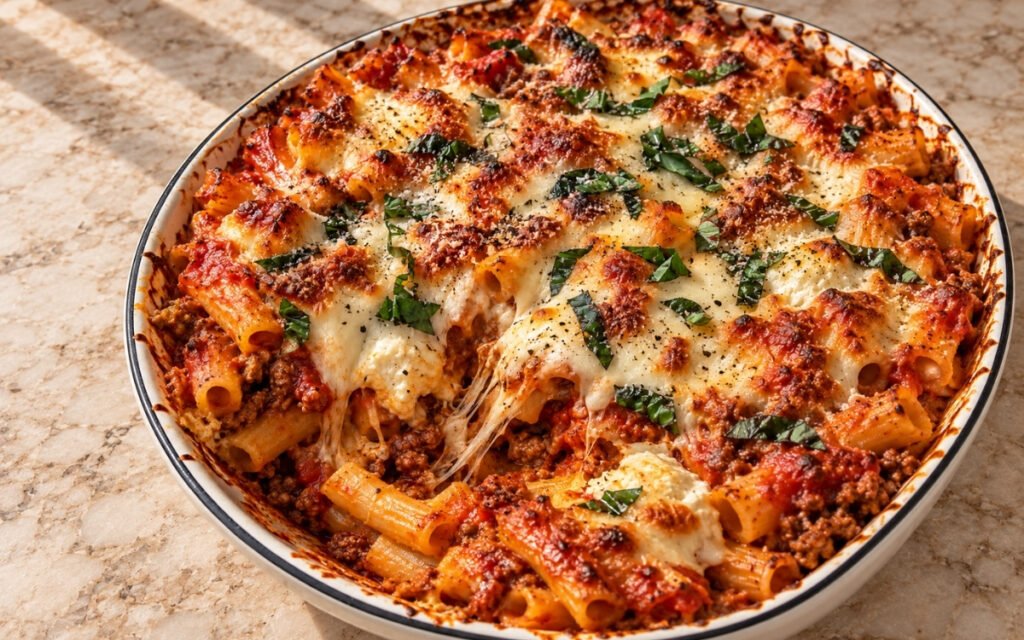
Baked Ziti
Ziti tossed in a rich beef and pork tomato sauce, layered with creamy ricotta pockets, mozzarella, and Parmesan, baked until bubbling.
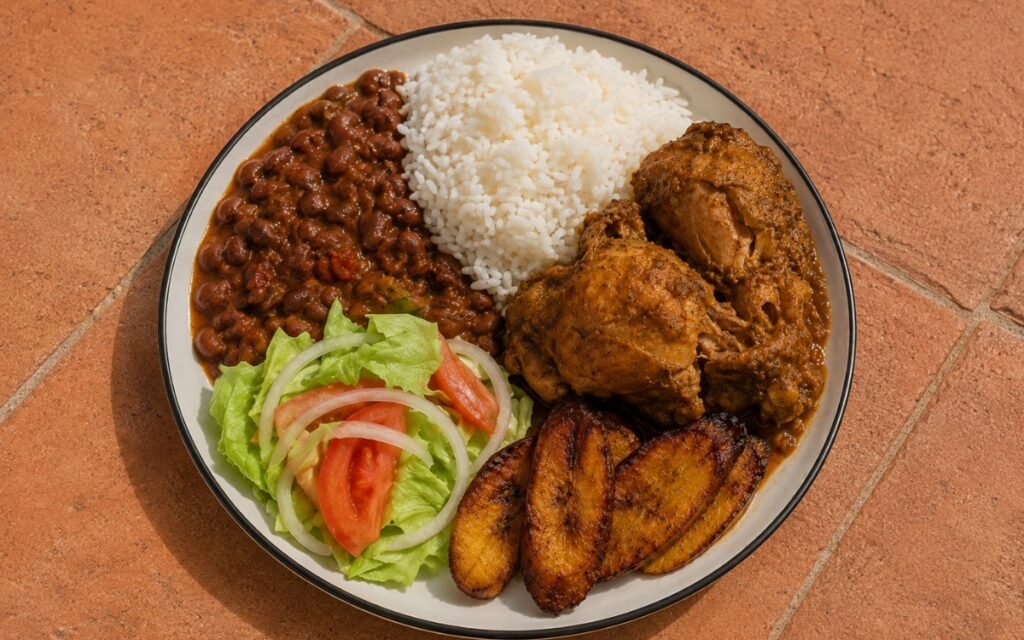
La Bandera Dominicana
Fluffy white rice, stewed red beans, caramelised braised chicken, sweet fried plantains, and fresh salad, each kept distinct on the plate.
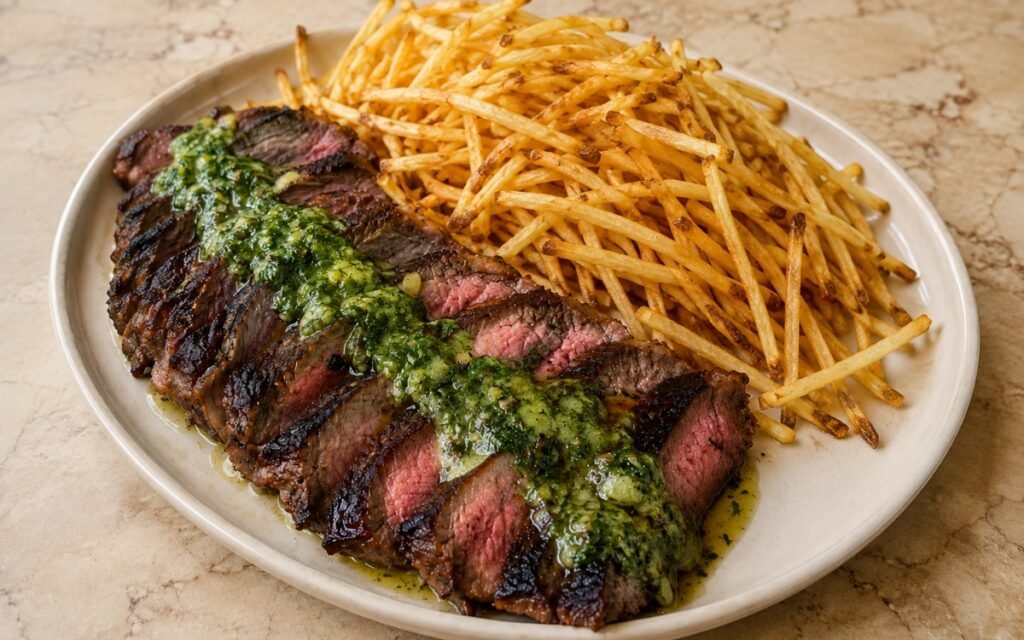
Paris Steak Frites
Seared medium-rare steak with a deep crust, double-fried shoestring frites, and a rich café de Paris-style herb butter sauce.
You might also like
You might also like
Enchiladas Rojas
Corn tortillas rolled with spiced ground beef and creamy black beans, coated in a glossy toasted-chile red sauce, and topped with queso fresco and crema.
Pabellón Venezolano
Slow-braised, thinly shredded beef, fluffy white rice, glossy black beans, and sweet fried plantains, each kept distinct on the plate.
Lasagne alla Bolognese
Beef and veal Bolognese slow-braised 3 hours on pancetta fat and soffritto — layered with ricotta, mozzarella, and Parmesan, baked golden. The weekend lasagne worth every hour.
Cuban Bistec Empanizado
Ingredients
Method
- Lay each steak portion between sheets of baking paper or plastic wrap and pound to an even thickness of about 5–7mm. The steaks should be thin and wide, not ragged or torn. If any piece becomes uneven, trim or gently flatten the thicker areas so they fry evenly. In a shallow dish, mix the garlic, lime juice, oil, salt, pepper, cumin, and oregano. Add the steaks and turn to coat thoroughly. Cover and marinate for 30 minutes at room temperature, or refrigerate up to 2 hours if needed. The marinade should lightly season the meat without making it wet for too long. Too long in strong citrus can start to cure the surface and affect the final texture. Pounding to a genuinely even thickness across the whole piece, not just thin overall, is what matters most here — an unevenly pounded steak forces a compromise where the thinnest spots overcook before the thickest sections have finished, especially given how briefly these cutlets fry.
- Rinse the rice under cold water until the water runs mostly clear. Combine the rice, water, salt, and oil or butter in a saucepan. Bring to a boil over medium-high heat. Once boiling, stir once, reduce the heat to low, cover tightly, and cook for 15 minutes. Turn off the heat and let it stand, covered, for 10 minutes. Fluff gently with a fork just before serving. The rice is ready when the grains are tender, separate, and no visible water remains at the bottom of the pan. Keep covered so it stays warm and steamy. Rinsing away surface starch before cooking is what keeps the finished grains separate and fluffy rather than clumping together into something stickier.
- Heat the olive oil in a saucepan over medium heat. Add the onion and cook for 4–5 minutes until softened and lightly translucent. Add the garlic, cumin, and oregano and cook for 30 seconds, stirring constantly, until fragrant. Add the black beans with their liquid, the bay leaf, vinegar, salt, and a few grinds of black pepper. Bring to a gentle simmer and cook for 15–20 minutes, stirring occasionally. If the beans become too thick before they are fully seasoned, add a splash of water. Lightly mash a small portion of the beans against the side of the pan to thicken the liquid naturally, but keep most of the beans whole. The finished beans should be glossy and spoonable, not soupy and not dry. Remove the bay leaf before serving. Mashing only a small portion of the beans, rather than the whole batch, thickens the surrounding liquid naturally while still leaving most beans intact — that’s a deliberate middle ground between a fully smooth purée and a completely loose, brothy pot.
- Peel the ripe plantains and slice them on a slight diagonal into pieces about 1.5cm thick. Heat the oil in a skillet over medium heat. Fry the plantain slices in batches for about 2–3 minutes per side until deeply golden brown with caramelized edges. Transfer to a plate lined lightly with paper towel or a wire rack. The plantains should be soft and custardy in the center with deep brown edges. If the heat is too high, they burn before the inside softens, so keep the heat at medium rather than high. Genuinely ripe plantains, heavily spotted with black, carry the natural sugar content responsible for real caramelisation during this fry — that same sugar is what lets the exterior brown deeply while the interior has time to soften into its characteristic custardy texture.
- Remove the marinated steaks from the dish and pat them lightly with paper towel. They should remain seasoned but not dripping wet, or the breading will not adhere properly. Set up three shallow dishes: flour mixed with salt and pepper, eggs beaten with the water, and breadcrumbs with optional panko if using. Dredge each steak first in the flour, shaking off excess. Dip into the egg, letting the excess drip away, then press into the breadcrumbs until evenly coated on both sides. Place the breaded steaks on a tray and let them rest for 5 minutes so the coating hydrates and adheres better. That brief resting period lets the egg wash begin properly hydrating and binding to the breadcrumb layer before the coating faces the sudden shock of hot oil — skipping this pause is one of the more common reasons a breading sheds and slips off during frying.
- Pour enough oil into a large skillet to come about 1cm up the sides. Heat to 175°C. If you do not have a thermometer, test with a breadcrumb — it should sizzle immediately but not darken too fast. Fry the steaks one or two at a time depending on pan size, without crowding, for about 2–3 minutes per side. Turn carefully once the first side is deep golden and the coating feels set. Fry until both sides are evenly browned and crisp. Transfer to a wire rack, not paper towels, so the crust stays crisp. Sprinkle very lightly with a pinch of salt while hot if needed. The steaks are done when the crust is crisp and deeply golden, and the beef inside is just cooked through. Because they are pounded thin, they cook quickly — overfrying will dry them out. Any hot, freshly fried item resting on a flat surface or absorbent paper traps steam directly beneath it — a wire rack’s open structure lets that steam escape freely instead, which is exactly what keeps the crust from softening within minutes of coming out of the oil.
- Serve each plate with one bistec empanizado, a mound of white rice, a portion of black beans, and several fried sweet plantain slices. Add a lime wedge on the side. Serve immediately while the steak crust is still crisp, the rice is hot, the beans are silky, and the plantains are still warm and soft.