
Paris Steak Frites
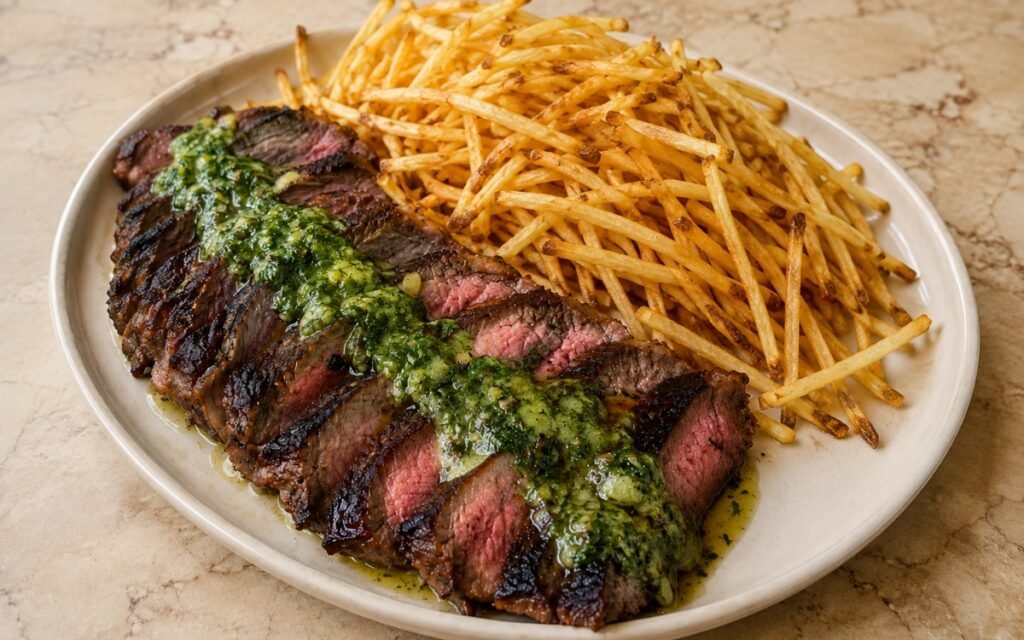
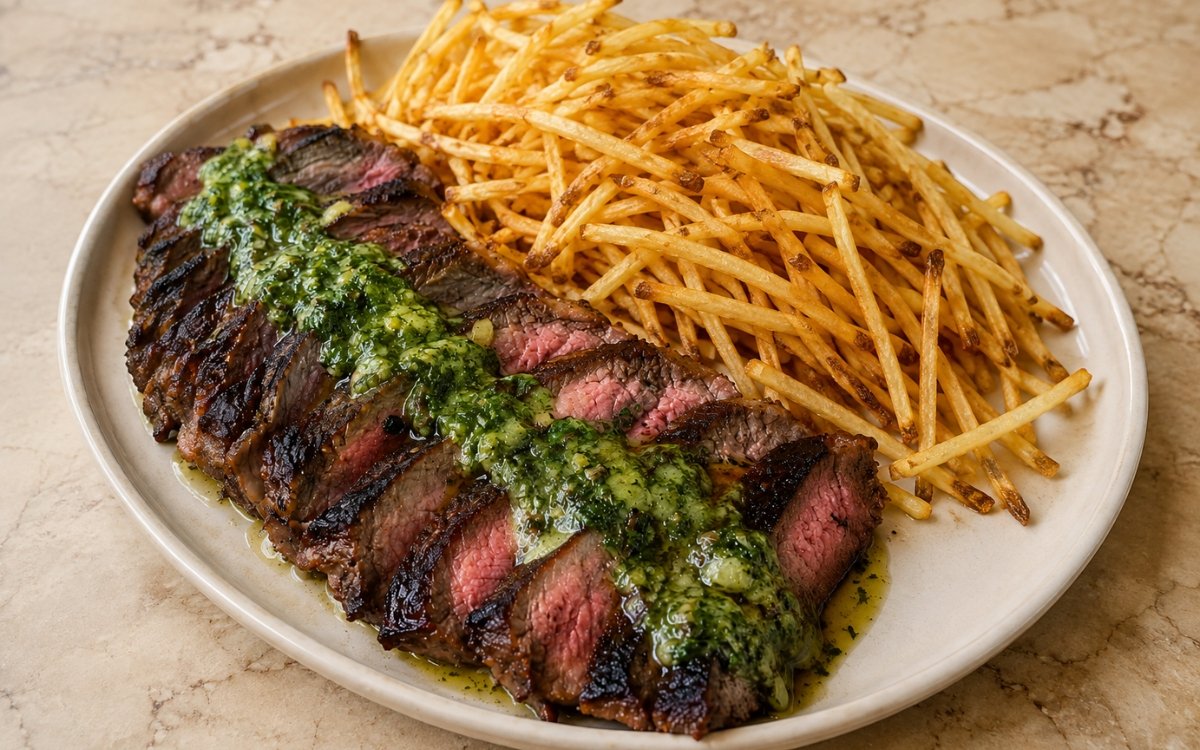
A classic Paris steak frites plate with seared medium-rare steaks, a dark flavorful crust, a generous pile of thin crispy shoestring frites, and a vivid café de Paris-style herb butter sauce spooned over the sliced steak. Simple, elegant, and built around proper steak searing, crisp fries, and a rich green herb finish. Double-frying the shoestring frites is the technique this whole plate depends on for genuinely crisp fries — a cooler first fry cooks the potato through and sets its structure, while a hotter second fry builds the deep golden colour and crunch, the same two-stage frying principle used throughout this collection whenever a fried potato needs both a properly cooked interior and a genuinely crisp exterior. Letting the steak sear undisturbed rather than moving it too early is what allows a proper, deep brown crust to actually form, since disturbing the meat before that crust has developed loses the whole point of searing. Building the café de Paris-style butter with real depth — anchovy, capers, Worcestershire, Dijon, curry powder — rather than treating it as simple garlic butter is what gives the sauce its authentic bistro-style complexity. The payoff is a plate that lands hot all at once — a rested, sliced steak fanned with glossy herb butter sauce, beside a generous pile of genuinely crisp shoestring frites.
Prep Time : 35 min
Cook Time : 35 min
Servings : 4
35 min
35 min
4
Ingredients
For the Steak
• 4 medium steaks, 200–250g each, sirloin or rib-eye
• Fine sea salt, to season generously
• Freshly ground black pepper, to season
• 1 tbsp neutral oil, plus more as needed
• 30g unsalted butter
• 2 garlic cloves, lightly crushed
• 2–3 thyme sprigs
For the Shoestring Frites
• 1kg potatoes, peeled, about 250g per serving
• Cold water, for soaking
• Fine sea salt, to season after frying
• Neutral frying oil, for deep frying
For the Café de Paris-Style Herb Sauce
• 120g unsalted butter, softened — this one on Amazon
• 1 small shallot, very finely minced
• 1 garlic clove, very finely grated
• 1 tsp Dijon mustard — this one on Amazon
• 1 tsp Worcestershire sauce — this one on Amazon
• 1 tsp lemon juice
• 1 tsp capers, very finely chopped
• 1 anchovy fillet, mashed to a paste, optional but very classical in character
• 2 tbsp flat-leaf parsley, very finely chopped
• 1 tbsp chives, finely chopped
• 1 tsp tarragon, finely chopped
• 1 small pinch sweet paprika
• 1 small pinch curry powder, optional but very traditional in café de Paris-style butter blends
• Fine sea salt, to taste
• Freshly ground black pepper, to taste
This post may contain affiliate links. As an Amazon Associate I earn from qualifying purchases, at no additional cost to you.
Directions
- Prepare the Frites
Cut the peeled potatoes into very thin 3mm julienne strips. Transfer them immediately to a large bowl of cold water and soak for 20–30 minutes to remove excess surface starch. Drain well, then dry thoroughly using clean kitchen towels or paper towels. The fries must be very dry before frying. Surface moisture causes splattering and prevents proper crisping. This cold soak draws out surface starch that would otherwise cause the thin sticks to clump together in the fryer — at this thinness, clumped potatoes fry considerably less evenly than a standard-cut fry would. - Make the Café de Paris-Style Herb Sauce
In a bowl, combine the softened butter, shallot, garlic, Dijon, Worcestershire, lemon juice, capers, and anchovy if using. Mix until smooth. Add the parsley, chives, tarragon, paprika, and curry powder if using. Season lightly with salt and black pepper. Mix until evenly combined. Set aside at room temperature if using soon, or chill and re-soften before finishing the steaks. The sauce should taste rich, savory, herbaceous, and slightly sharp. It should not be plain garlic butter — it needs depth and café-style complexity. Building the savoury base — anchovy, capers, Worcestershire, Dijon — before folding in the fresh herbs is what gives this sauce its genuine depth, since those umami-rich components need to be fully incorporated into the butter first for their flavour to distribute evenly rather than sitting as isolated pockets. - First Fry the Frites
Heat frying oil to 150°C. Fry the dried potato strips in batches for 3–4 minutes, just until softened and lightly cooked through without taking on much color. Lift out and drain on a rack or paper-lined tray. Let them rest for at least 10–15 minutes while you cook the steaks. This first fry cooks the interior and sets the structure. The second fry is what makes them golden and crisp. This lower-temperature first fry cooks the thin potato strips through gently without pushing toward colour — that colour-building is deliberately saved for the second, hotter fry, letting the interior finish cooking without the exterior overcooking or burning first. - Prepare and Sear the Steaks
Pat the steaks completely dry. Season both sides generously with fine sea salt and black pepper. Heat a heavy skillet or pan until very hot. Add a thin film of neutral oil. Sear the steaks for about 2–3 minutes per side, depending on thickness, until a deep brown crust forms. Add the butter, crushed garlic, and thyme during the final minute, then baste the steaks with the foaming butter. Cook to medium-rare, aiming for an internal temperature of about 52–54°C before resting. Transfer the steaks to a rack or plate and rest for 6–8 minutes. Do not move the steaks too early. A proper crust forms only after the meat has had time to brown undisturbed. Adding the butter, garlic, and thyme only in the final minute, rather than from the start, protects them from burning over the sear’s full cook time while still giving the foaming, aromatic butter enough time to baste real flavour into the steak’s surface. - Second Fry the Frites
Increase the frying oil temperature to 190°C. Fry the blanched fries a second time in batches for 1½–3 minutes, until deeply golden, crisp, and lightly blistered. Drain immediately and season with fine sea salt while still hot. Season the fries the second they come out of the oil. Salt sticks best while the surface is still hot and lightly oily. This second, hotter fry is what builds the genuinely rigid, crisp exterior the whole plate depends on — a fry that’s merely golden but still flexible won’t hold that crisp structure once it’s plated alongside the steak and warm sauce. - Finish the Herb Sauce
While the steaks rest or just before slicing, place the herb butter mixture into a small saucepan over very low heat. Warm only until melted and glossy. Do not boil. The sauce should become spoonable and shiny, not split or greasy. Low heat is enough. Genuinely gentle heat is what keeps this butter-based sauce properly emulsified — pushed to a boil, the butter’s fat and the sauce’s other liquid components risk separating into something greasy and broken rather than staying glossy and cohesive. - Slice and Plate
Slice the rested steaks against the grain and fan them across warm plates. Spoon or drizzle the café de Paris-style herb sauce over the steak so it settles into the slices. Add a generous pile of shoestring frites beside each steak. Serve immediately. This plate is best when everything lands hot at once — crisp fries, rested steak, and warm herb butter sauce. Slicing against the grain shortens the muscle fibres in each individual piece, which is what makes the steak noticeably more tender to bite through than slicing with the grain would.
*Notes :
- The two-stage frying method for the shoestring frites is worth understanding as two genuinely distinct jobs rather than the same process repeated twice. The first, cooler fry handles cooking the potato through completely, with colour deliberately kept minimal at this stage. The second, much hotter fry is reserved entirely for building the deep golden colour and crisp, blistered exterior — attempting to combine both jobs into a single fry would force a trade-off between an undercooked centre and an overly dark, potentially burnt exterior.
- Letting the steak sear fully undisturbed before it’s ever moved is worth treating as a genuinely non-negotiable step rather than a minor patience exercise. A proper, deep brown crust develops through sustained, uninterrupted contact between the meat’s surface and the hot pan — moving or flipping the steak before that contact has had time to build the crust interrupts the process and produces a paler, less flavourful sear regardless of how long the steak spends in the pan overall.
- The café de Paris-style butter’s specific composition — anchovy, capers, Worcestershire, Dijon mustard, alongside the fresh herbs — deserves recognition as what actually separates it from a simple compound garlic butter. Those savoury, umami-forward ingredients are what give the sauce its real depth and complexity; a version built only from butter, garlic, and herbs would taste noticeably flatter and less distinctly bistro-style, missing the layered richness this specific sauce is known for.
- Warming the finished herb sauce only very gently, stopping well short of a boil, protects a genuine structural vulnerability in any butter-based sauce. Butter’s fat content can separate from the sauce’s other liquid components under too much heat, breaking the emulsion into something visibly greasy rather than staying smooth and glossy — the low heat specified here is what keeps that structure intact right up until it’s spooned over the steak.
Why This Recipe Works
This recipe works because the frites are handled through a genuine two-stage fry — cooler first for interior doneness, hotter second for colour and crisp — rather than a single compromise fry.
The steak is seared with real patience, left undisturbed long enough to develop a proper crust before the butter, garlic, and thyme are added only in the final minute to avoid burning. The café de Paris-style butter is built with genuine savoury depth from anchovy, capers, and Worcestershire, then warmed only gently to protect its emulsion.
Slicing the rested steak against the grain and plating everything together while hot is what delivers the full plate — crisp fries, tender steak, glossy herb sauce — at its best.
Ingredient Breakdown
Very Thin Julienne Potatoes
The frites’ foundation — cut to 3mm, thin enough for the classic shoestring texture once properly double-fried.
Two-Stage Fried Frites
The critical technique — a cooler first fry cooks the interior, a hotter second fry builds the crisp, golden exterior.
Undisturbed-Seared Steak
The protein’s technique — real crust development depends on sustained, uninterrupted contact with the hot pan.
Café de Paris-Style Butter (With Anchovy and Capers)
The signature sauce — its savoury, umami-forward depth is what separates it from a simple garlic butter.
Gently Warmed, Never Boiled Sauce
The finishing step — low heat protects the butter emulsion from breaking into something greasy.
Flavor Structure Explained
This steak frites follows a layered balance model:
- Rich savoury foundation (seared steak with a deep crust)
- Crisp starchy body (double-fried shoestring frites)
- Bright herb-forward sauce (café de Paris-style butter)
- Sharp umami depth (anchovy, capers, Worcestershire, Dijon)
The seared steak, with its deep, well-developed crust, provides the plate’s rich, savoury foundation. Double-fried shoestring frites contribute crisp, starchy body alongside the steak, holding their own texture against the warm sauce. The café de Paris-style herb butter finishes the steak with bright, herb-forward complexity, layered with sharp, umami-rich depth from anchovy, capers, Worcestershire, and Dijon that distinguishes it clearly from a simple compound butter.
Common Mistakes to Avoid
- Not Drying the Potatoes Thoroughly Before Frying – Surface moisture causes splattering and prevents proper crisping. Always dry them extremely well after soaking.
- Skipping the Two-Stage Fry – A single fry forces a trade-off between an undercooked centre and a burnt exterior. Always fry twice, at two different temperatures.
- Moving the Steak Too Early – This interrupts crust development and produces a paler sear. Always let it sear undisturbed until a proper crust has formed.
- Boiling the Herb Butter Sauce – This risks breaking the emulsion into something greasy. Always warm it gently, never past a simmer.
- Slicing the Steak With the Grain Instead of Against It – This produces a noticeably tougher bite. Always slice against the grain.
Variations
Rib-Eye Version
Use rib-eye instead of sirloin for a richer, more luxurious result, per the recipe’s own note on the difference between the two cuts.
Extra-Herbaceous Sauce Version
Increase the fresh parsley, chives, and tarragon slightly for a more vividly green, herb-forward butter.
Oven-Finished Steak Version
For especially thick steaks, finish them briefly in a hot oven after searing to bring the centre up to temperature without overcooking the crust.
Simplified Butter Version
Omit the anchovy and curry powder for a milder, though less classically authentic, herb butter.
Storage & Make-Ahead
The café de Paris-style butter can be made a day or two ahead and refrigerated, softened again before use, or shaped into a log and frozen for longer storage.
Potatoes can be cut and soaked a few hours ahead, kept in the refrigerator in their soaking water, and dried thoroughly just before the first fry.
Steak is best seared fresh and rested properly rather than cooked ahead and reheated, which risks overcooking it past medium-rare.
Fully plated steak frites is not suitable for storage — assemble and serve only what will be eaten immediately.
Frequently Asked Questions
Why do the frites need to be fried twice instead of once?
A single fry forces a trade-off between a properly cooked interior and a genuinely crisp exterior. The cooler first fry cooks the potato through without much colour, and the hotter second fry builds the deep golden crispness, letting both happen without compromising either.
Why is it so important not to move the steak while it’s searing?
A proper, deep brown crust develops only through sustained, uninterrupted contact between the meat’s surface and the hot pan. Moving or flipping the steak too early interrupts that process and produces a paler, less developed sear.
Why does the café de Paris-style butter include anchovy, capers, and Worcestershire rather than staying a simple garlic-herb butter?
Those savoury, umami-forward ingredients are what give the sauce its genuine depth and bistro-style complexity. A version made only from butter, garlic, and herbs would taste noticeably flatter, missing the layered richness this specific sauce is known for.
Why can’t the finished herb butter sauce be brought to a boil to warm it faster?
Butter’s fat content can separate from the sauce’s other components under too much heat, breaking the emulsion into something visibly greasy. Gentle, low heat is what keeps the sauce smooth and glossy right up until it’s spooned over the steak.
Are there other steak or steak-and-fries recipes worth trying?
Argentine Chimichurri Steak offers a related grilled steak with a bright, herb-forward sauce in a different style. Thick-Cut Steak Fries provides another classic fries side worth trying. Garlic Butter Sirloin Steak and Classic Ribeye Steak both offer different takes on preparing the same cuts used here, each worth exploring for a simpler or differently seasoned approach.
Nutrition Facts
( per serving )
Calories
~920 kcal
Protein
46 g
Fat
62 g
Carbs
52 g
Calories
~920 kcal
Protein
46 g
Fat
62 g
Carbs
52 g
Related Recipes
Related Recipes

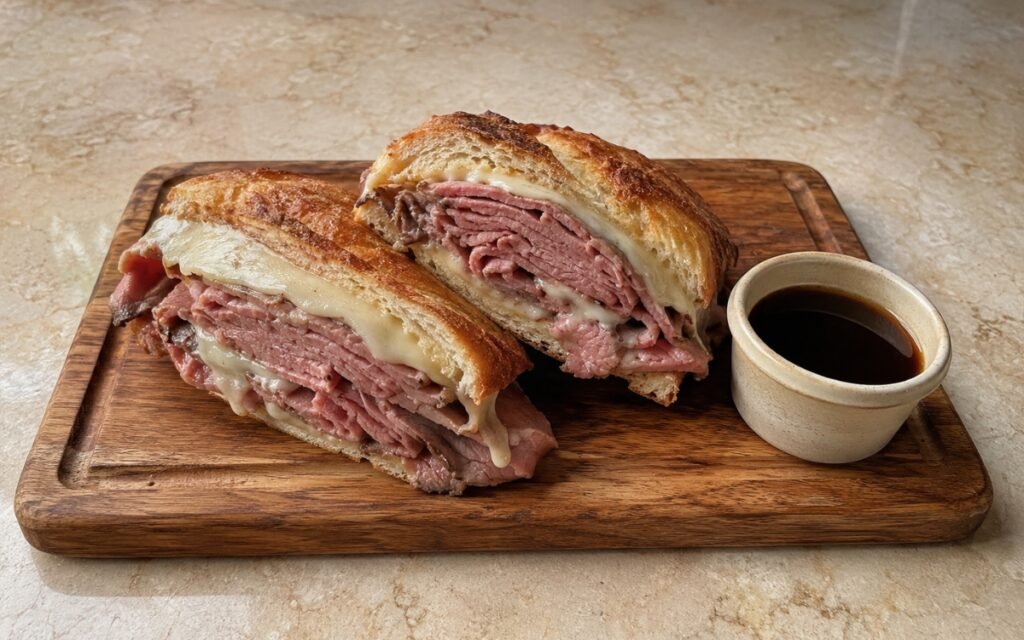
French Dip Sandwich
Thinly sliced, medium-rare roast beef and melted Swiss and provolone piled into a toasted homemade hoagie roll, served with savoury au jus for dipping.
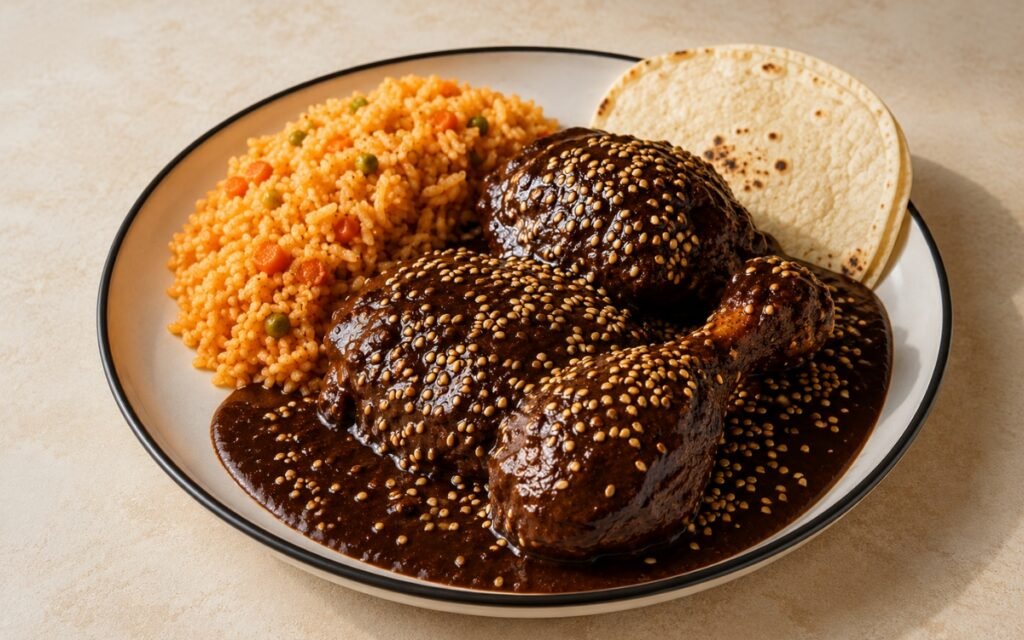
Chicken Mole Poblano
Gently poached chicken finished in deep, glossy mole poblano sauce, topped with toasted sesame seeds, served with Mexican rice and warm tortillas.
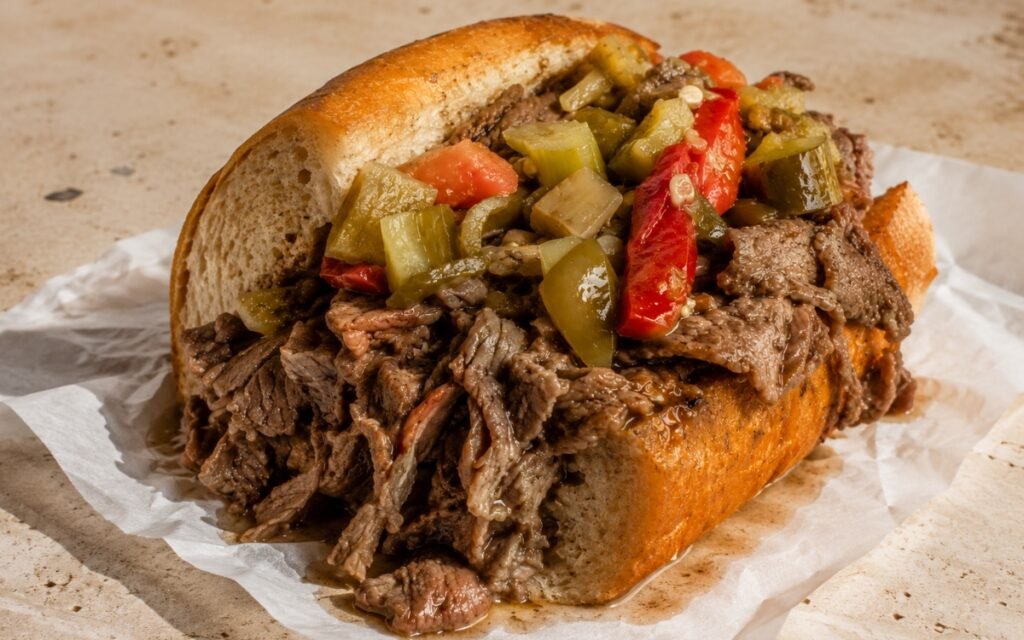
Italian Beef Sandwich
Thin-sliced roast beef warmed in a heavily seasoned au jus, piled into crusty homemade French rolls with sharp giardiniera and roasted peppers.
You might also like
You might also like
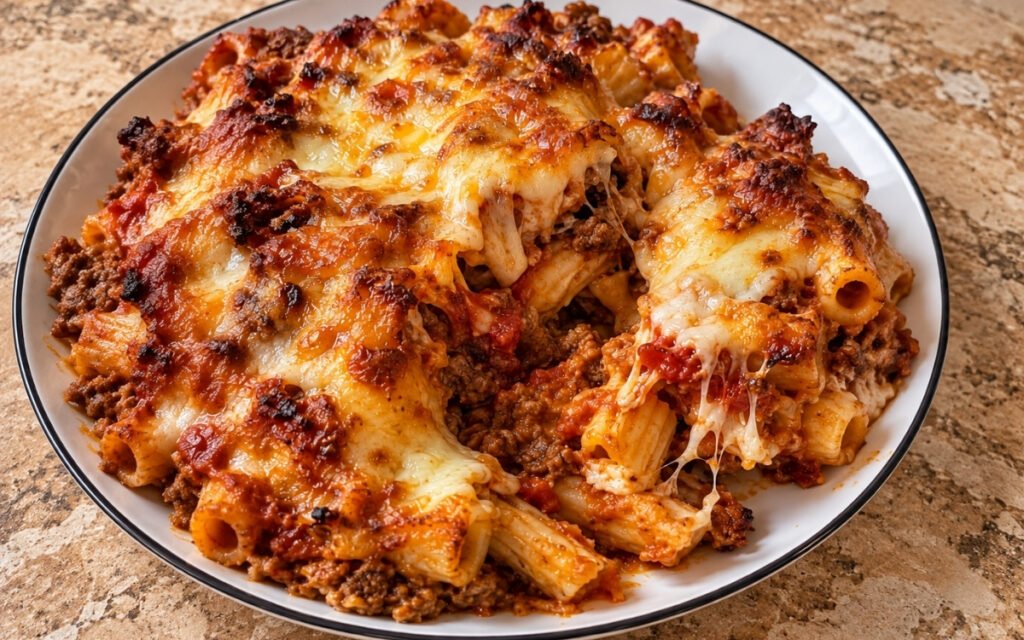
Pasta al Forno
Rigatoni or penne in a rich beef and pork tomato sauce with melted mozzarella and a browned cheesy top, baked until bubbling.
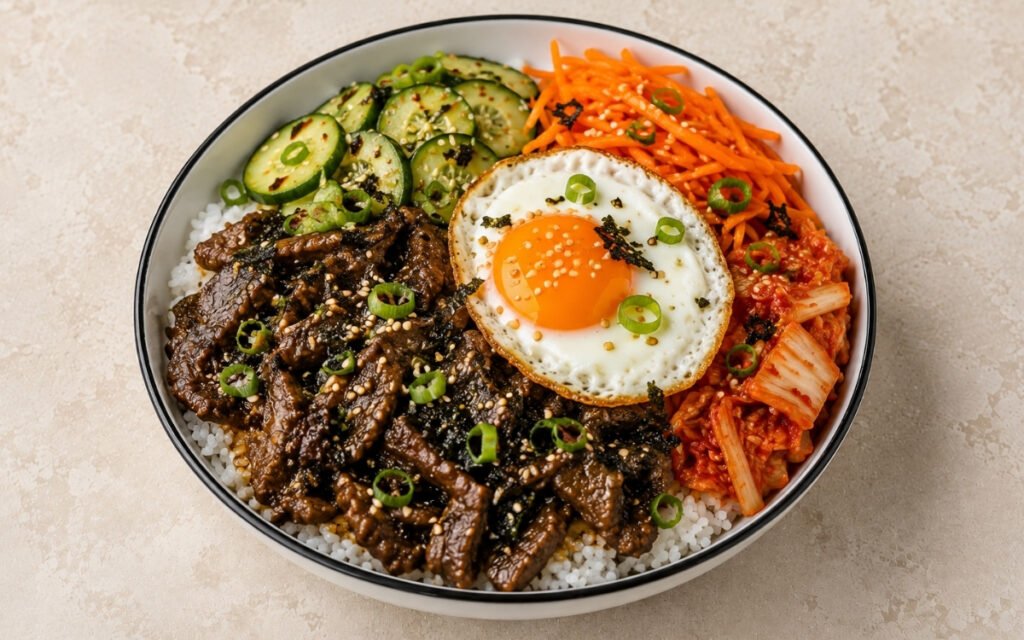
Korean Beef Bulgogi Rice Bowl
Paper-thin ribeye marinated with Asian pear and seared in two undisturbed batches for the caramelised bulgogi crust — over rice with pickled cucumbers, kimchi, and runny egg.
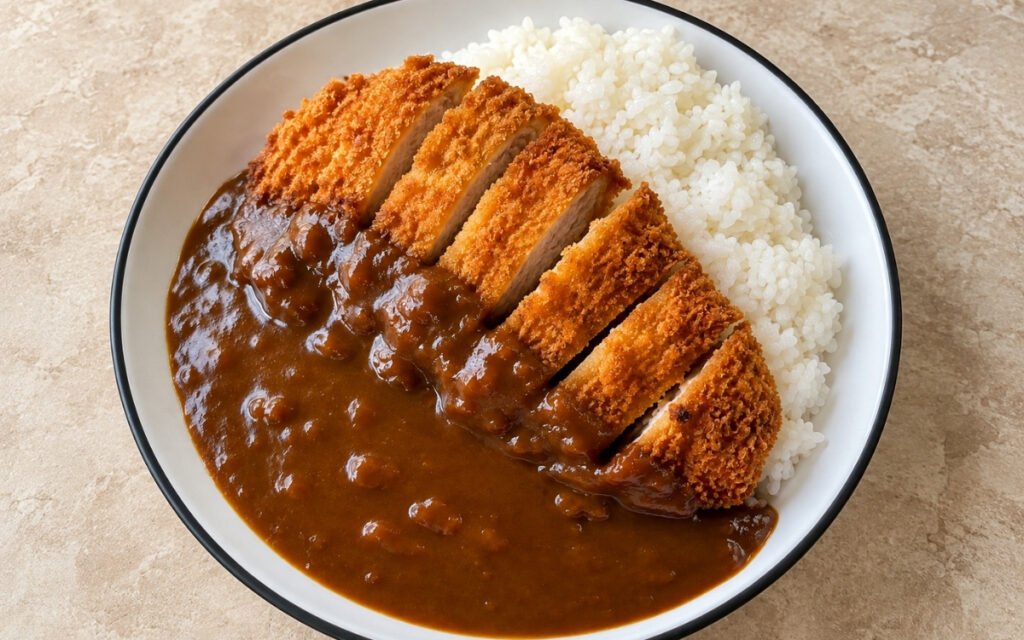
Katsu Curry — Japanese Pork Cutlet Curry
Crisp golden panko-breaded pork cutlets, fluffy white rice, and a thick glossy dark-brown curry sauce, savory-sweet and rich.
Paris Steak Frites
Ingredients
Method
- Cut the peeled potatoes into very thin 3mm julienne strips. Transfer them immediately to a large bowl of cold water and soak for 20–30 minutes to remove excess surface starch. Drain well, then dry thoroughly using clean kitchen towels or paper towels. The fries must be very dry before frying. Surface moisture causes splattering and prevents proper crisping. This cold soak draws out surface starch that would otherwise cause the thin sticks to clump together in the fryer — at this thinness, clumped potatoes fry considerably less evenly than a standard-cut fry would.
- In a bowl, combine the softened butter, shallot, garlic, Dijon, Worcestershire, lemon juice, capers, and anchovy if using. Mix until smooth. Add the parsley, chives, tarragon, paprika, and curry powder if using. Season lightly with salt and black pepper. Mix until evenly combined. Set aside at room temperature if using soon, or chill and re-soften before finishing the steaks. The sauce should taste rich, savory, herbaceous, and slightly sharp. It should not be plain garlic butter — it needs depth and café-style complexity. Building the savoury base — anchovy, capers, Worcestershire, Dijon — before folding in the fresh herbs is what gives this sauce its genuine depth, since those umami-rich components need to be fully incorporated into the butter first for their flavour to distribute evenly rather than sitting as isolated pockets.
- Heat frying oil to 150°C. Fry the dried potato strips in batches for 3–4 minutes, just until softened and lightly cooked through without taking on much color. Lift out and drain on a rack or paper-lined tray. Let them rest for at least 10–15 minutes while you cook the steaks. This first fry cooks the interior and sets the structure. The second fry is what makes them golden and crisp. This lower-temperature first fry cooks the thin potato strips through gently without pushing toward colour — that colour-building is deliberately saved for the second, hotter fry, letting the interior finish cooking without the exterior overcooking or burning first.
- Pat the steaks completely dry. Season both sides generously with fine sea salt and black pepper. Heat a heavy skillet or pan until very hot. Add a thin film of neutral oil. Sear the steaks for about 2–3 minutes per side, depending on thickness, until a deep brown crust forms. Add the butter, crushed garlic, and thyme during the final minute, then baste the steaks with the foaming butter. Cook to medium-rare, aiming for an internal temperature of about 52–54°C before resting. Transfer the steaks to a rack or plate and rest for 6–8 minutes. Do not move the steaks too early. A proper crust forms only after the meat has had time to brown undisturbed. Adding the butter, garlic, and thyme only in the final minute, rather than from the start, protects them from burning over the sear’s full cook time while still giving the foaming, aromatic butter enough time to baste real flavour into the steak’s surface.
- Increase the frying oil temperature to 190°C. Fry the blanched fries a second time in batches for 1½–3 minutes, until deeply golden, crisp, and lightly blistered. Drain immediately and season with fine sea salt while still hot. Season the fries the second they come out of the oil. Salt sticks best while the surface is still hot and lightly oily. This second, hotter fry is what builds the genuinely rigid, crisp exterior the whole plate depends on — a fry that’s merely golden but still flexible won’t hold that crisp structure once it’s plated alongside the steak and warm sauce.
- While the steaks rest or just before slicing, place the herb butter mixture into a small saucepan over very low heat. Warm only until melted and glossy. Do not boil. The sauce should become spoonable and shiny, not split or greasy. Low heat is enough. Genuinely gentle heat is what keeps this butter-based sauce properly emulsified — pushed to a boil, the butter’s fat and the sauce’s other liquid components risk separating into something greasy and broken rather than staying glossy and cohesive.
- Slice the rested steaks against the grain and fan them across warm plates. Spoon or drizzle the café de Paris-style herb sauce over the steak so it settles into the slices. Add a generous pile of shoestring frites beside each steak. Serve immediately. This plate is best when everything lands hot at once — crisp fries, rested steak, and warm herb butter sauce. Slicing against the grain shortens the muscle fibres in each individual piece, which is what makes the steak noticeably more tender to bite through than slicing with the grain would.