
Classic Ribeye Steak
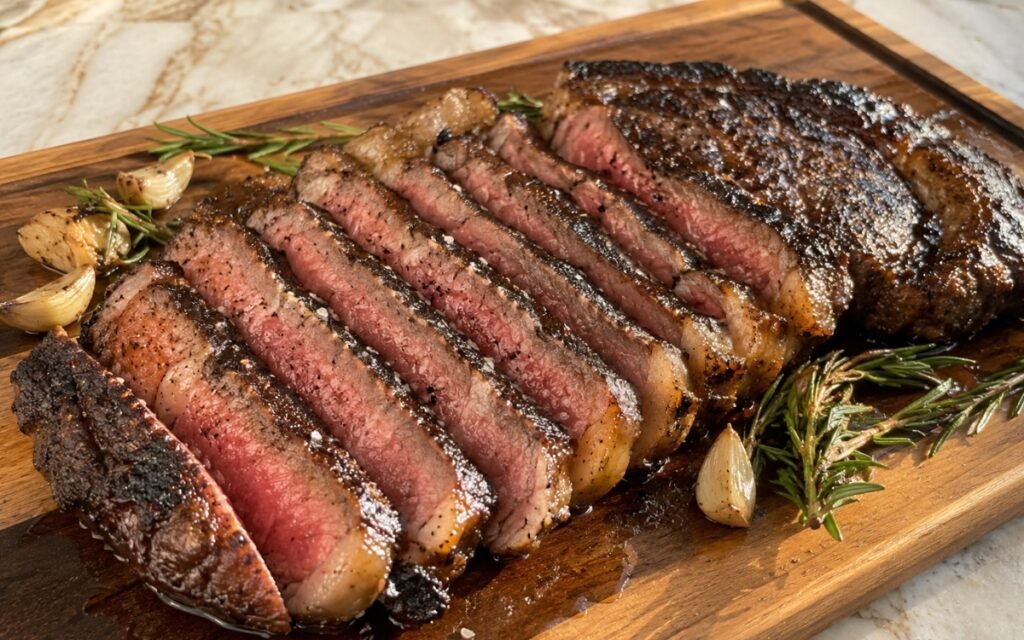
Classic Ribeye Steak is the most marbled, flavorful steak cut cooked simply to let the beef shine. A deeply caramelized crust gives way to a tender, buttery medium-rare interior that melts in your mouth. This steakhouse-level result comes down to heat control, timing, and understanding a few key mechanics that turn a premium cut into something exceptional. Tempering for a full 45 minutes matters more here than with a leaner cut, since ribeye’s thickness and marbling mean the temperature gradient between a cold center and warm exterior is more pronounced, and evening that gap is what prevents the outside from overcooking while the center lags behind. Seasoning aggressively — more heavily than instinct might suggest — is specifically necessary for a cut this thick, where under-seasoning is one of the easiest ways to waste an expensive piece of meat. Standing the steaks upright to render the fat cap is a step ribeye’s identity genuinely depends on, since this cut’s defining richness comes directly from that fat, and leaving it under-rendered is a technical failure rather than a stylistic choice. Pulling the steak at 52°C rather than waiting for the final target temperature accounts for carryover cooking during the rest, landing the interior precisely in the ideal medium-rare range once it’s rested and sliced.
Prep Time : 5 min
Cook Time : 12 min
Servings : 4
5 min
12 min
4
Ingredients
For Basting
• 40g unsalted butter — this one on Amazon
• 6 garlic cloves, smashed
• 4 sprigs fresh rosemary
This post may contain affiliate links. As an Amazon Associate I earn from qualifying purchases, at no additional cost to you.
Directions
- Temper the Steaks
Remove the steaks from the refrigerator 45 minutes before cooking and leave them uncovered on a tray. This step evens out the internal temperature gradient, allowing the steak to cook more evenly instead of burning on the outside while staying cold in the center. Pat the steaks thoroughly dry on all sides with paper towels — this is critical, because any surface moisture must evaporate before browning can begin, which would otherwise prevent a proper crust from forming. - Season Generously
Season the steaks aggressively with flaky salt and coarsely ground black pepper on all sides, including the edges and fat cap. The seasoning should be clearly visible and evenly distributed. Press it lightly into the surface so it adheres properly. Thick cuts require more seasoning than most people think — under-seasoning is one of the easiest ways to ruin an expensive steak. - Preheat the Pan
Place a heavy cast iron skillet over high heat and allow it to heat for at least 4 minutes until it is intensely hot and just beginning to smoke. This is not a suggestion — it is a requirement. High surface temperature is what drives the Maillard reaction, the chemical process that creates the complex browned crust and deep savory flavor associated with a properly cooked steak. - Sear the First Side
Add the avocado oil to the hot pan and immediately place the steaks down, laying them away from you to avoid splatter. Do not move them. Let the steak sit undisturbed for 4 minutes while the crust develops. During this time, moisture evaporates and the surface reaches the temperature required for browning, creating hundreds of new flavor compounds that define the steak’s taste. - Flip and Baste
Flip the steaks and immediately add butter, smashed garlic, and rosemary to the pan. As the butter melts and begins to foam, tilt the pan slightly and continuously spoon the hot butter over the steaks. Maintain a steady rhythm of basting for about 3 minutes, allowing the fat to carry aromatic compounds into the crust while gently finishing the surface cooking. Adjust heat if the butter begins to burn — it should foam, not darken aggressively. - Render the Fat Cap
Using tongs, stand the steaks on their fat edge and sear for 30–45 seconds. This step renders the external fat cap, transforming it from chewy to crisp and deeply flavorful. Ribeye’s identity comes from fat — leaving this part under-rendered is a technical mistake, not a stylistic choice. - Check Internal Temperature
Insert a meat thermometer into the thickest part of the steak and remove it from the pan when it reaches 52°C (125°F). The steak will continue cooking after removal due to residual heat, rising into the ideal medium-rare range of approximately 54–57°C. Pulling it early is not optional — it is how you avoid overcooking. - Rest the Steak
Transfer the steaks to a cutting board and let them rest for 8 minutes. During cooking, muscle fibers tighten and push liquid toward the center; resting allows those juices to redistribute throughout the meat instead of spilling out when cut. Do not skip or rush this step — it directly determines juiciness. - Slice and Serve
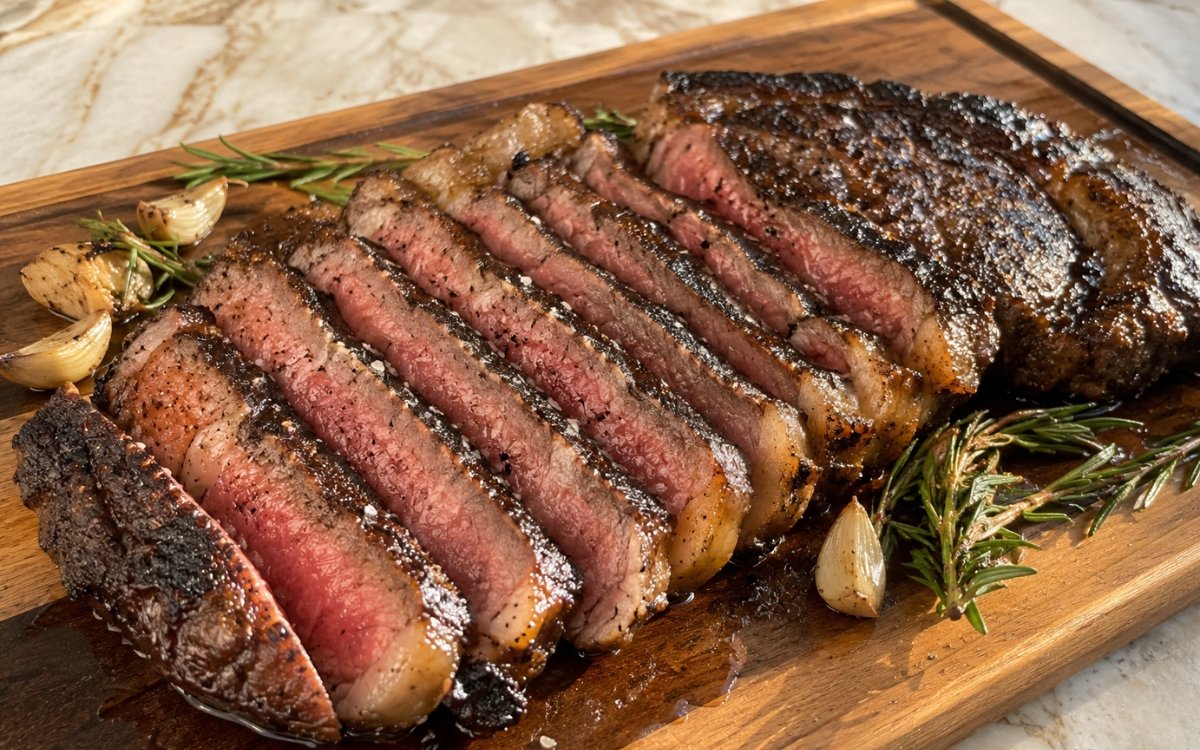
Slice the steak against the grain into thick slices and spoon over any resting juices from the board. These juices are concentrated flavor and should not be wasted. Finish with a light pinch of flaky salt if needed and serve immediately.
*Notes :
- Tempering for a full 45 minutes, longer than the tempering windows used for leaner cuts elsewhere in this collection, reflects ribeye’s greater thickness and its higher fat content, both of which slow the rate at which the interior equalizes with room temperature. Rushing this step risks the same overcooked-exterior, underdone-center problem tempering is specifically meant to solve.
- Aggressive seasoning matters proportionally more for a cut this substantial. A steak this thick has more surface area and more interior volume to season, and a light dusting that might suit a thin cutlet simply disappears against ribeye’s scale — visible, generous coverage on every surface, including the edges and fat cap, is what the cut actually requires.
- Rendering the fat cap by standing the steak upright is specifically non-negotiable for ribeye given how much of the cut’s character comes directly from that fat. Skipping this step leaves a meaningful portion of the steak’s defining richness chewy and underdeveloped rather than crisp and flavorful.
Why This Recipe Works
This recipe works because the longer tempering window accounts for ribeye’s thickness and marbling. Aggressive, visible seasoning matches the cut’s scale.
The undisturbed first sear builds a genuine crust through the Maillard reaction. Butter basting with garlic and rosemary infuses aromatic depth into that crust during the gentler finishing stage.
Standing the steak to render the fat cap addresses a defining structural element of the cut. And pulling at 52°C, followed by a full 8-minute rest, lands the interior precisely in the ideal medium-rare range.
Ingredient Breakdown
Ribeye Steak
A highly marbled cut where intramuscular fat renders during cooking, delivering juiciness and a rich, buttery flavor — the primary driver of the dish.
Avocado Oil
High smoke point fat used for initial searing — prevents burning while allowing aggressive heat for crust formation.
Flaky Sea Salt
Enhances surface browning and amplifies the natural beef flavor while improving crust texture.
Black Pepper
Adds mild heat and aromatic sharpness that cuts through the richness of the fat.
Unsalted Butter
Introduced during basting — its fat carries aromatics while milk solids contribute nutty, browned flavor.
Smashed Garlic
Releases flavor into the butter without burning — ideal for infusion during high-heat basting.
Fresh Rosemary
Provides a strong aromatic contrast to the richness of the steak, infusing the fat with herbal notes.
Flavor Structure Explained
This dish follows a simple but powerful structure:
- Deep savory base (rich, heavily marbled ribeye delivering concentrated beef flavor)
- Caramelized crust (high-heat sear creating a bitter-sweet, intensely browned exterior)
- Fat richness (butter basting layered over rendered intramuscular fat)
- Aromatic infusion (garlic and rosemary blooming in hot fat)
- Mineral seasoning lift (salt enhancing and sharpening every layer)
Ribeye dominates with deep, fatty umami that coats the palate. The crust introduces contrast — slightly bitter, intensely savory, and texturally firm against the soft interior. Butter doesn’t just add richness, it rounds off the aggressive sear and carries the aromatics directly onto the meat. Garlic and rosemary sit in the background, noticeable but not competing, while salt tightens the whole profile, preventing the fat from becoming heavy or dull.
Common Mistakes to Avoid
- Not drying the steak – Surface moisture delays browning, meaning you lose heat to evaporation instead of building a crust.
- Pan not hot enough – The steak releases liquid faster than it can evaporate, dropping the pan temperature and forcing the meat to steam instead of sear.
- Using steaks that are too thin – You lose the timing window needed to build a crust before the interior overcooks. Thickness is control.
- Overcrowding the pan – Multiple steaks drop surface temperature instantly, killing the sear and creating uneven cooking.
- Pulling the steak too late – By the time it “looks right,” it’s already overcooked due to carryover heat.
- Skipping proper rest – Cutting too early breaks the internal structure and releases juices that should stay inside the meat.
Variations
Garlic Butter Finish
Finish with a cold compound butter (butter, parsley, lemon zest, garlic) melted over the steak after resting to add brightness and a controlled layer of fat instead of relying only on pan basting.
Reverse Sear Method
Cook the steak in a low oven (90–110°C) until it reaches ~48–50°C internally, then finish with an aggressive high-heat sear. This gives you edge-to-edge doneness and maximum control.
Dry Brined Ribeye
Salt the steak 12–24 hours in advance and leave uncovered in the fridge. This improves seasoning penetration and dries the surface further, resulting in a significantly better crust.
Pepper-Crusted Steakhouse Style
Apply a heavier coat of coarse black pepper and press it firmly into the surface before cooking to create a more aggressive, textured crust.
Charcoal or Wood-Fired Finish
Finish the steak over open flame after searing to introduce smoke and add another layer of complexity that pan cooking alone cannot replicate.
Storage & Make-Ahead
Cooked steak can be refrigerated for up to 3 days. Reheat it gently to avoid cooking it further and losing its ideal texture.
Raw steak can be seasoned up to 24 hours in advance and refrigerated uncovered. This helps dry the surface and develops an even deeper crust when cooked.
Frequently Asked Questions
Why does ribeye need a longer tempering time than other steaks?
Ribeye’s greater thickness and higher fat content slow the rate at which the interior temperature equalizes with the surrounding air. A shorter tempering window, appropriate for a thinner or leaner cut, wouldn’t give a ribeye’s cold center enough time to warm sufficiently, risking an overcooked exterior by the time the interior reaches proper doneness.
Why is rendering the fat cap described as a technical requirement rather than optional?
Ribeye’s defining character comes directly from its substantial fat content, much of which sits in the visible fat cap along one edge. Left unrendered, that fat stays chewy and underdeveloped rather than crisp and flavorful, meaning a meaningful part of what makes ribeye specifically ribeye goes unrealized.
Why pull the steak at 52°C instead of the final target temperature?
Residual heat continues cooking the steak even after it’s removed from the pan, a phenomenon known as carryover cooking. Pulling at 52°C accounts for that continued rise, allowing the steak to land in the ideal 54–57°C medium-rare range by the time it’s rested and ready to slice, rather than overshooting that target.
Can I cook this on a grill?
Yes — use high direct heat for searing, then finish over indirect heat to control the interior temperature.
What should I serve alongside this steak?
Classic Mashed Potatoes or Thick-Cut Steak Fries both make satisfying, substantial pairings for a cut this rich. For other steak preparations, try the Pan-Seared Skirt Steak or Garlic Butter Sirloin Steak.
Nutrition Facts
( per serving )
Calories
~520 kcal
Protein
40 g
Fat
38 g
Carbs
1 g
Calories
~520 kcal
Protein
40 g
Fat
38 g
Carbs
1 g
Related Recipes
Related Recipes

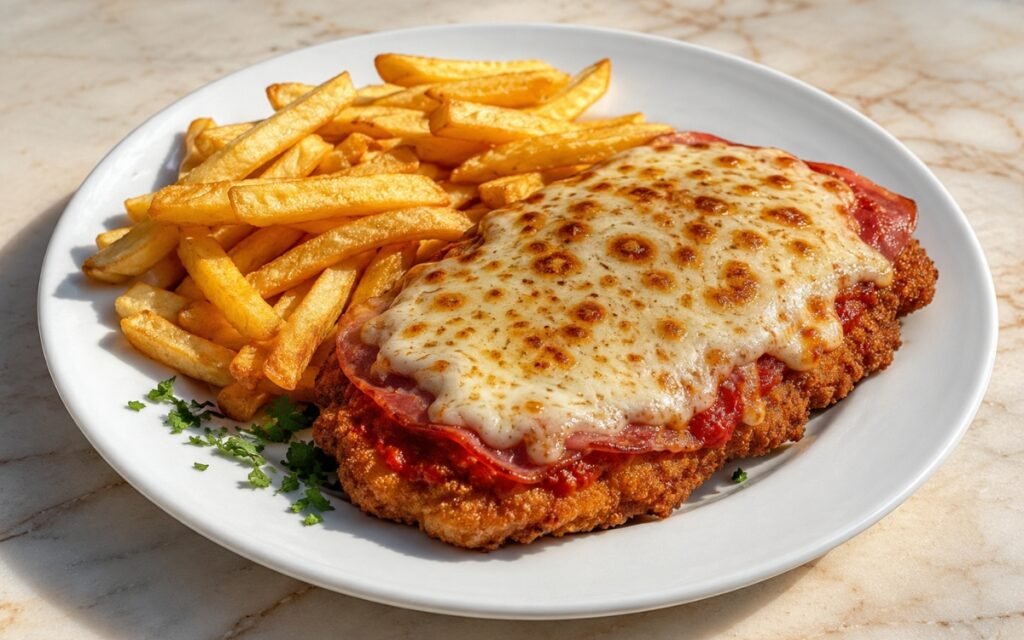
Argentine Milanesa Napolitana
Breaded, fried chicken cutlets topped with tomato sauce, smoked ham, and melted mozzarella, served with crispy double-fried fries.
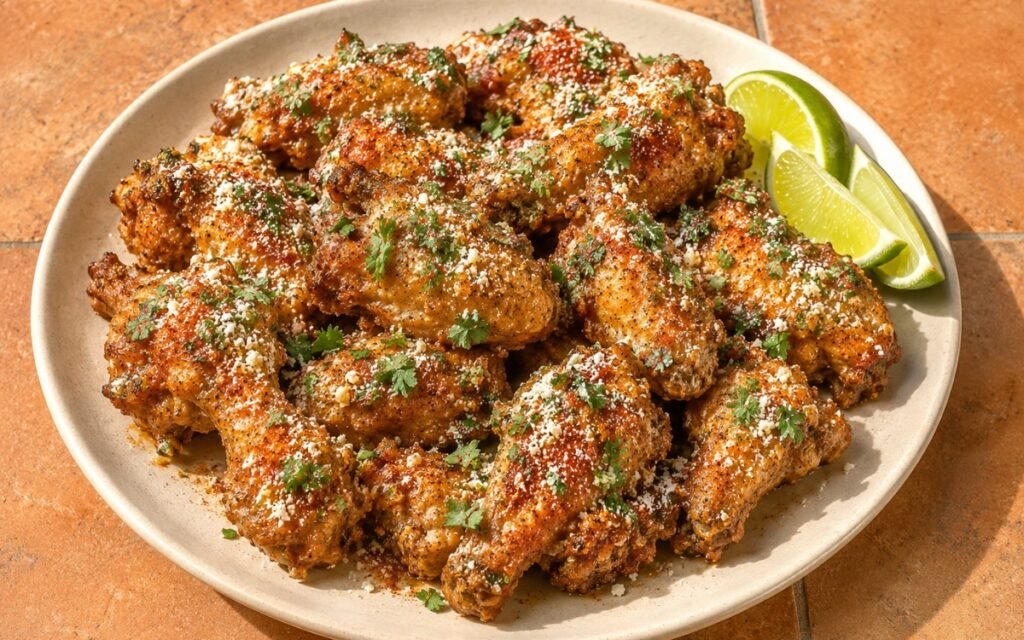
Elote-Style Chicken Wings
Oven-baked wings with crackling skin, tossed hot in a creamy mayo-crema elote sauce, then topped with crumbled cotija and chili powder.
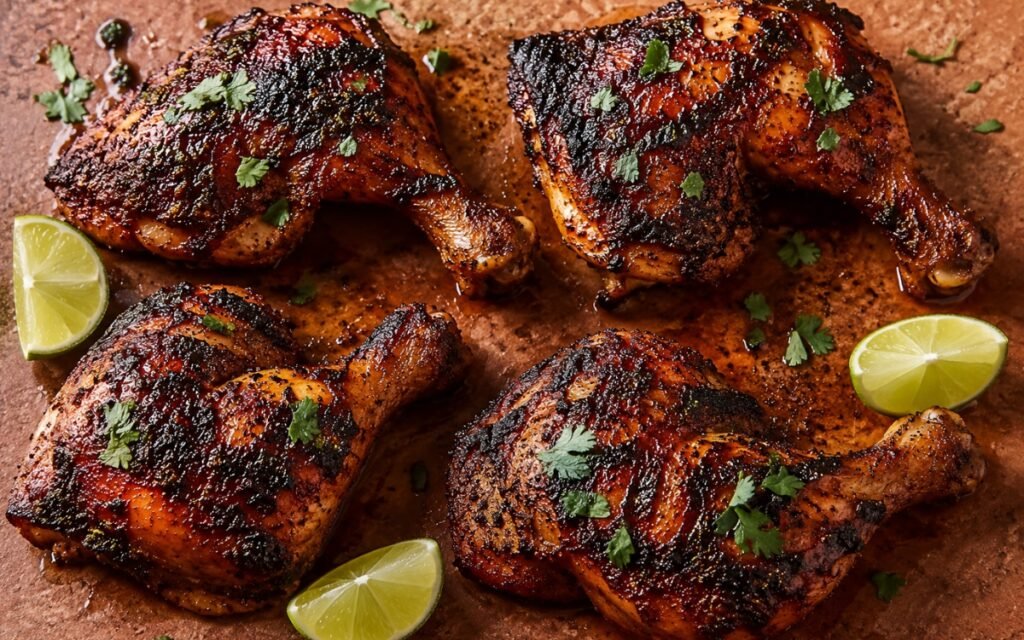
Chipotle Grilled Chicken Legs
Chicken leg quarters deeply scored and marinated in thick chipotle adobo paste — grilled two-zone style, rested, finished with cilantro and lime. Smoky and deeply charred.
You might also like
You might also like
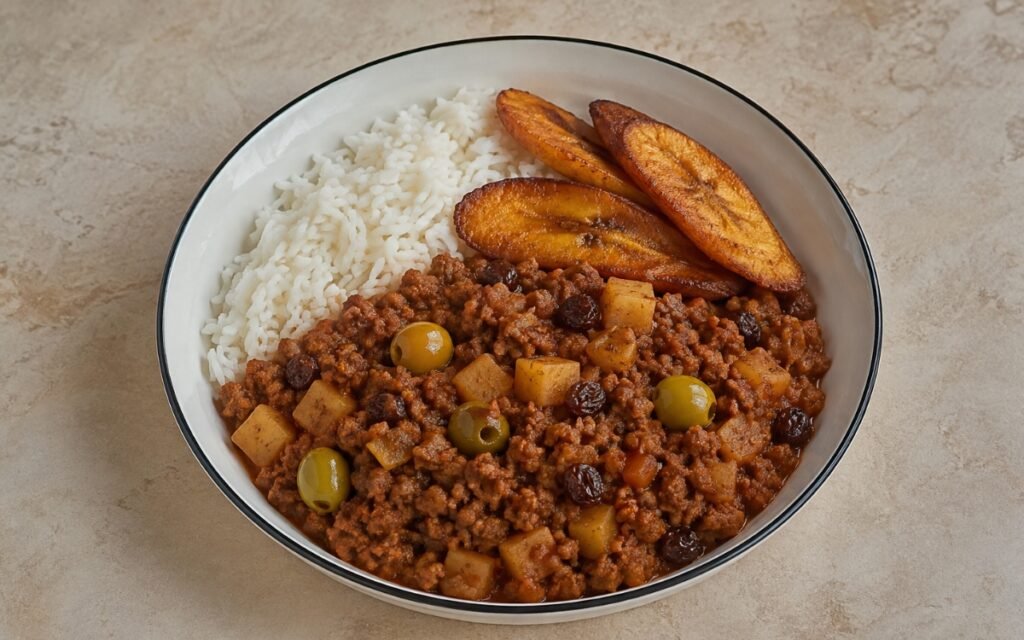
Cuban Picadillo
Seasoned ground beef simmered in a savory tomato sauce with green olives, raisins, and tender diced potatoes.
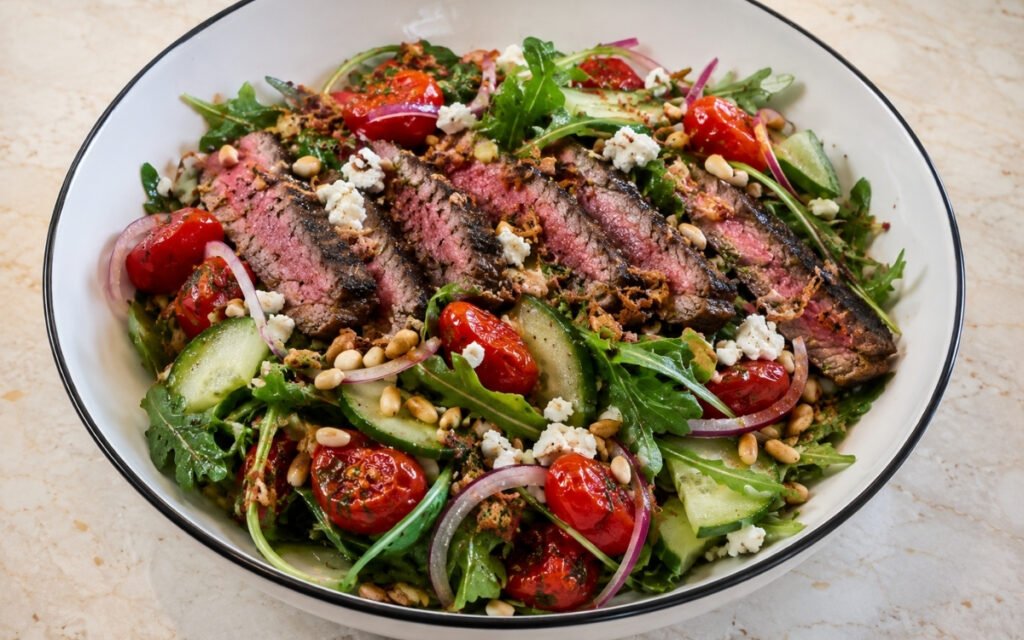
Steak Salad Bowl with Garlic Vinaigrette
Seared sirloin over fresh greens with roasted tomatoes, feta, and bold garlic vinaigrette.
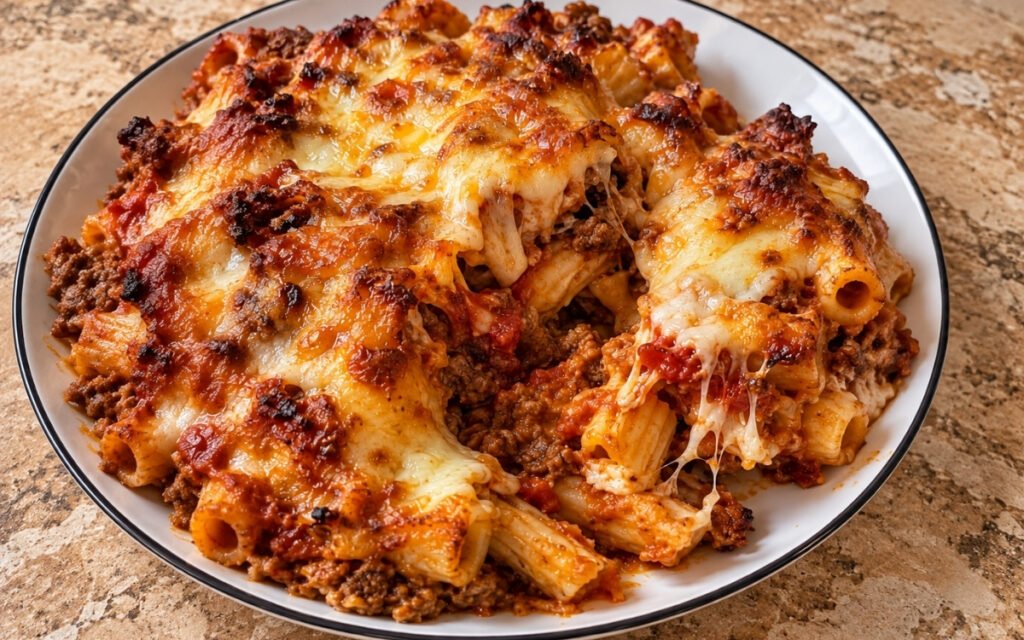
Pasta al Forno
Rigatoni or penne in a rich beef and pork tomato sauce with melted mozzarella and a browned cheesy top, baked until bubbling.
Classic Ribeye Steak
Ingredients
Method
- Remove the steaks from the refrigerator 45 minutes before cooking and leave them uncovered on a tray. This step evens out the internal temperature gradient, allowing the steak to cook more evenly instead of burning on the outside while staying cold in the center. Pat the steaks thoroughly dry on all sides with paper towels — this is critical, because any surface moisture must evaporate before browning can begin, which would otherwise prevent a proper crust from forming.
- Season the steaks aggressively with flaky salt and coarsely ground black pepper on all sides, including the edges and fat cap. The seasoning should be clearly visible and evenly distributed. Press it lightly into the surface so it adheres properly. Thick cuts require more seasoning than most people think — under-seasoning is one of the easiest ways to ruin an expensive steak.
- Place a heavy cast iron skillet over high heat and allow it to heat for at least 4 minutes until it is intensely hot and just beginning to smoke. This is not a suggestion — it is a requirement. High surface temperature is what drives the Maillard reaction, the chemical process that creates the complex browned crust and deep savory flavor associated with a properly cooked steak.
- Add the avocado oil to the hot pan and immediately place the steaks down, laying them away from you to avoid splatter. Do not move them. Let the steak sit undisturbed for 4 minutes while the crust develops. During this time, moisture evaporates and the surface reaches the temperature required for browning, creating hundreds of new flavor compounds that define the steak’s taste.
- Flip the steaks and immediately add butter, smashed garlic, and rosemary to the pan. As the butter melts and begins to foam, tilt the pan slightly and continuously spoon the hot butter over the steaks. Maintain a steady rhythm of basting for about 3 minutes, allowing the fat to carry aromatic compounds into the crust while gently finishing the surface cooking. Adjust heat if the butter begins to burn — it should foam, not darken aggressively.
- Using tongs, stand the steaks on their fat edge and sear for 30–45 seconds. This step renders the external fat cap, transforming it from chewy to crisp and deeply flavorful. Ribeye’s identity comes from fat — leaving this part under-rendered is a technical mistake, not a stylistic choice.
- Insert a meat thermometer into the thickest part of the steak and remove it from the pan when it reaches 52°C (125°F). The steak will continue cooking after removal due to residual heat, rising into the ideal medium-rare range of approximately 54–57°C. Pulling it early is not optional — it is how you avoid overcooking.
- Transfer the steaks to a cutting board and let them rest for 8 minutes. During cooking, muscle fibers tighten and push liquid toward the center; resting allows those juices to redistribute throughout the meat instead of spilling out when cut. Do not skip or rush this step — it directly determines juiciness.
- Slice the steak against the grain into thick slices and spoon over any resting juices from the board. These juices are concentrated flavor and should not be wasted. Finish with a light pinch of flaky salt if needed and serve immediately.