
Cuban Frita Burger
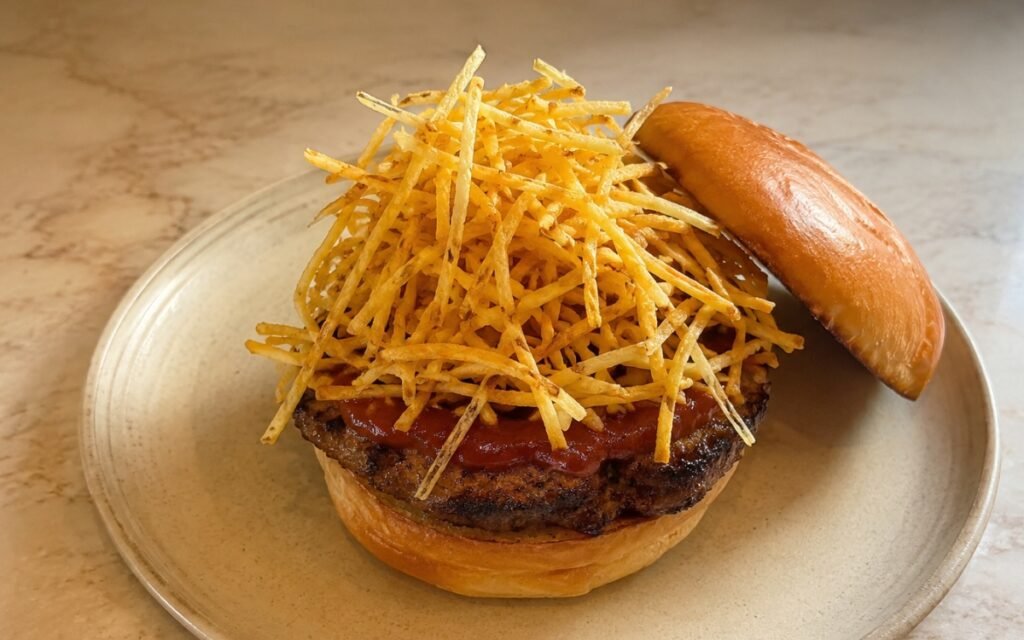
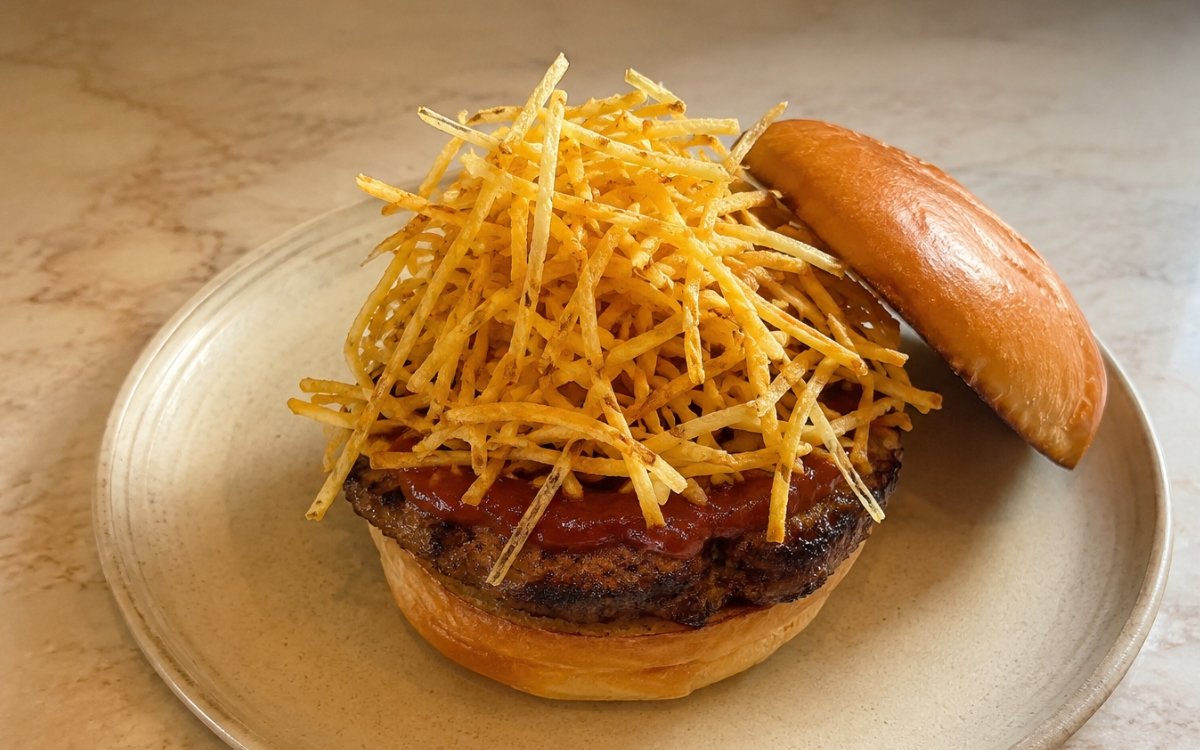
A classic Cuban frita-style burger made with a paprika-red chorizo-beef patty on a soft toasted brioche bun, finished with a ketchup-based frita sauce and a tall pile of crispy golden shoestring potatoes. Cutting the potatoes genuinely thin — 2–3mm matchsticks rather than standard fries — is the technique that defines this burger’s identity, since thick fries turn the whole dish into a normal burger with a side rather than a proper frita, the same thin-cut principle used elsewhere in this collection whenever a fried potato needs to be a defining texture rather than a side note. Because the patty contains raw chorizo alongside the beef, cooking it fully through to 71°C internally is genuinely non-negotiable, unlike a standard beef burger that might be pulled at a lower temperature — the same food-safety logic used elsewhere in this collection whenever raw pork sausage is blended directly into a patty. Glazing the patty with frita sauce only in the final minute of searing, rather than earlier, is what gives it a glossy, clinging red finish without turning it wet. The payoff is a burger with a genuinely striking silhouette — a deeply seared, paprika-red patty buried under an abundant, still-crisp pile of shoestring potatoes.
Prep Time : 35 min
Cook Time : 40 min
Servings : 4
35 min
40 min
4
Ingredients
For the Burger Buns
• 4 brioche burger buns, store-bought or homemade — see Brioche Burger Buns
• 30g unsalted butter, softened, for toasting — this one on Amazon
For the Chorizo-Beef Patties
• 500g ground beef, 85/15
• 200g raw fresh chorizo, casing removed
• 60g white onion, very finely grated or minced
• 2 garlic cloves, finely grated
• 8g fine sea salt
• 3g smoked paprika — this one on Amazon
• 2g sweet paprika — this one on Amazon
• 2g ground cumin — this one on Amazon
• 1g dried oregano — this one on Amazon
• 2g freshly cracked black pepper
• 1g cayenne pepper, optional
• 20g fine breadcrumbs or crushed saltine crackers
• 1 large egg
• 15ml neutral oil, for searing if needed
For the Frita Sauce
• 160g ketchup
• 30g tomato paste
• 30ml water
• 15ml apple cider vinegar or white vinegar
• 10g brown sugar
• 5g yellow mustard
• 3g smoked paprika
• 2g ground cumin
• 1g garlic powder
• 1g onion powder
• Pinch of cayenne pepper, optional
• Fine sea salt, to taste
For the Shoestring Potatoes
• 600g russet or other starchy potatoes
• 2 litres ice-cold water, for soaking
• Neutral oil, for frying
• Fine sea salt, for seasoning while hot
For Serving
• Extra frita sauce, for spooning over the patty
• Optional finely diced white onion, if you want a sharper classic finish
This post may contain affiliate links. As an Amazon Associate I earn from qualifying purchases, at no additional cost to you.
Directions
- Prepare the Shoestring Potatoes
Peel the potatoes and cut them into very thin matchsticks, about 2–3mm thick. A mandoline is the cleanest way to do this. Place the potatoes in ice-cold water and soak for 30 minutes to remove excess starch. Drain, rinse, and dry extremely well with towels. Do not half-dry them. Wet potatoes spit oil, fry unevenly, and turn limp instead of crisp. The cold soak draws out surface starch that would otherwise cause the thin sticks to clump together in the fryer — at this thinness, clumped potatoes fry unevenly in a way that’s much harder to correct than with a standard-cut fry. - Make the Frita Sauce
Add the ketchup, tomato paste, water, vinegar, brown sugar, mustard, smoked paprika, cumin, garlic powder, onion powder, cayenne if using, and salt to a small saucepan. Simmer over low heat for 5–7 minutes, stirring often, until glossy, slightly thicker, and smooth. Taste and adjust salt or vinegar. The sauce should be sweet, tangy, smoky, and spoonable. It should not taste like plain ketchup dumped on a burger. Simmering the ketchup base briefly with tomato paste, vinegar, and spices concentrates and rounds out its flavour in a way raw ketchup alone never would — this small amount of active cooking is what separates a genuine frita sauce from a squeeze-bottle condiment. - Mix the Patties
In a bowl, combine the ground beef, raw chorizo, grated onion, garlic, salt, smoked paprika, sweet paprika, cumin, oregano, black pepper, cayenne if using, breadcrumbs or crushed crackers, and egg. Mix only until evenly combined. Do not knead it into meat paste. Overworked patties turn dense and sausage-like in the wrong way. Mixing just until combined keeps the meat’s protein structure loose enough to stay tender once cooked — overworking it develops a tighter bind that produces a noticeably denser, chewier patty, closer to a sausage puck than a proper burger. - Shape the Patties
Divide the mixture into 4 equal patties. Shape them slightly wider than the buns because they will shrink during cooking. Make a shallow indentation in the centre of each patty so it stays flatter while searing. Chill the patties for 10–15 minutes while the potatoes finish drying and the oil heats. This helps them hold together. The centre indentation counters a common tendency for burger patties to puff up and dome in the middle as they cook — starting with a slight dip there produces a flatter, more even patty by the time it’s fully seared. - Fry the Shoestring Potatoes
Heat neutral oil to 170°C. Fry the potatoes in small batches for 2–3 minutes, stirring gently so they separate, until pale golden and crisping. Transfer to a rack. Increase the oil to 185°C and fry again for 60–90 seconds until deeply golden, crisp, and dry-looking. Season immediately with fine sea salt while hot. Do not fry one giant batch. That drops the oil temperature and gives you greasy potato straw. The papitas need to be crisp enough to pile high without collapsing. This double-fry follows the same cooler-then-hotter logic used for standard fries throughout this collection, adapted to the thinner cut here — the first fry cooks the potato through and begins crisping, while the second, hotter fry drives off remaining moisture for the genuinely dry, crackling texture a proper pile of papitas needs. - Toast the Buns
Butter the cut sides of the brioche buns. Toast cut-side down in a skillet or on a griddle for 1–2 minutes until golden and lightly crisp. The bun needs structure. An untoasted bun under sauce, chorizo fat, and potatoes will get soft fast. This toast gives the soft brioche real resistance against the combined moisture of the sauce, the patty’s rendered fat, and the substantial pile of potatoes stacked on top. - Sear the Frita Patties
Heat a cast-iron skillet or griddle over medium-high heat. Add a thin film of oil only if needed. Sear the patties for 3–4 minutes on the first side until a deep paprika-red crust forms. Flip and cook another 3–4 minutes, until browned, cooked through, and juicy. Because the patties contain pork chorizo, cook them fully to 71°C internally. Do not treat them like rare beef burgers. The smoked and sweet paprika in the mix are largely responsible for that deep red crust colour developing during the sear — this isn’t simply beef browning, but the paprika’s own pigments concentrating and darkening against the hot surface. - Glaze with Sauce
During the final minute, spoon a little frita sauce over each patty and let it bubble against the hot surface. This gives the patty a glossy red finish without making it wet. Do not drown the patty. The sauce should cling and shine, not slide everywhere. Adding the sauce only in this last minute, rather than earlier in the sear, means it briefly caramelises against the hot pan rather than simply sitting wet on top — that quick contact with direct heat is what produces the glossy, clinging glaze rather than a runny coating. - Assemble the Burgers
Spread frita sauce on the bottom buns. Add one hot chorizo-beef patty to each bun. Spoon a little more sauce over the patty. Add optional diced white onion if using. Pile the crispy shoestring potatoes high over the patty. Close with the top bun. Piling the potatoes generously rather than sparingly is deliberate — the frita’s signature silhouette depends on that abundant, visible pile of crisp potato straw rather than a token garnish. - Serve
Serve immediately while the patty is hot, the sauce is glossy, the bun is soft and toasted, and the potato sticks are still crisp. Once the hot sauce and steam hit the potato sticks, the clock is ticking. The thin, delicate shoestring potatoes lose their crackling crispness faster than a standard fry would once exposed to the patty’s residual heat and steam, making prompt serving especially important for this particular burger.
*Notes :
- The potato cut is genuinely the defining structural choice of this entire dish, and it’s worth resisting any temptation to cut them thicker for convenience. A frita’s identity depends specifically on a tall, abundant pile of thin, crackling potato straw sitting on top of the patty — cut to standard fry thickness, the same potatoes would simply read as a burger served with fries on the side, losing the frita’s specific visual and textural signature entirely.
- Because this patty blends raw chorizo directly into the ground beef, the cooking requirement here is genuinely different from a standard beef burger, and it’s worth taking that difference seriously rather than treating the internal temperature as a suggestion. Chorizo is raw pork sausage, and cooking the blended patty fully to 71°C is a food-safety requirement, not a matter of preferred doneness the way it might be for pure beef.
- The frita sauce’s brief simmer is a small step that pays off disproportionately in the final flavour. Ketchup straight from the bottle, even a good one, tastes noticeably flatter and one-dimensional compared to the same ketchup simmered briefly with tomato paste, vinegar, and warm spices. That short cooking time concentrates and rounds out the sauce into something that reads as a distinct condiment rather than a burger dressed with plain ketchup.
- Timing the sauce glaze to the final minute of searing, rather than adding it earlier, is a detail worth getting right for the specific glossy finish this burger is known for. Sauce added too early has time to simply sit and steam against the patty’s surface, producing a wetter, less defined coating — the brief final-minute glaze instead gets just enough direct heat contact to caramelise slightly and cling as a glossy, defined layer.
Why This Recipe Works
This recipe works because every component protects the frita’s specific identity: the potatoes are cut genuinely thin and double-fried for a crackling, abundant pile rather than standard fries, the chorizo-beef patty is cooked fully through given its raw pork content, and the frita sauce is briefly simmered rather than used straight from the bottle for real depth.
Glazing the patty only in the final minute of searing produces the glossy, clinging red finish that’s part of the dish’s visual signature, and assembling with a generous pile of still-crisp potatoes right before serving preserves the textural contrast the whole burger is built around.
Ingredient Breakdown
Very Thin-Cut Shoestring Potatoes
The defining texture — cut to 2–3mm rather than standard fry thickness, specifically what gives the frita its signature crackling pile.
Raw Chorizo Blended into the Beef:
The patty’s flavour base — contributes deep, smoky, paprika-forward flavour, but requires full cooking given its raw pork content.
Briefly Simmered Frita Sauce
The condiment — ketchup and tomato paste simmered with vinegar and spices for real depth rather than used straight from the bottle.
Final-Minute Sauce Glaze
The finishing technique — added only in the last minute of searing so it caramelises slightly and clings rather than sitting wet.
Double-Fried Potato Straw
The frying technique — a cooler first fry followed by a hotter second fry, adapted for the thinner cut, producing a genuinely dry, crisp result.
Flavor Structure Explained
This frita burger follows a layered balance model:
- Smoky spiced foundation (chorizo-beef patty)
- Sweet tangy glaze (frita sauce)
- Crisp starchy abundance (shoestring potatoes)
- Rich buttery base (toasted brioche bun)
- Sharp optional finish (diced onion)
The chorizo-beef patty defines the burger with deep, smoky, paprika-forward flavour and a juicy, well-seasoned centre. The frita sauce layers in sweet, tangy glaze that caramelises slightly against the hot patty. A tall, abundant pile of crisp shoestring potatoes contributes genuine starchy crunch and volume, the dish’s signature textural element. The toasted, buttery brioche bun provides a rich, sturdy base for everything piled on top. A scattering of diced white onion, if used, finishes the burger with a final sharp, raw bite that cuts through the richness.
Common Mistakes to Avoid
- Cutting the Potatoes Too Thick – This turns the frita into a standard burger with fries on the side, losing its defining silhouette. Always cut genuinely thin, 2–3mm matchsticks.
- Undercooking the Chorizo-Beef Patty – Because the patty contains raw pork chorizo, it must be cooked fully through. Always cook to 71°C internally, never treated like a rare beef burger.
- Using Frita Sauce Straight from the Bottle Without Simmering – This tastes flat and one-dimensional compared to a briefly simmered version. Always cook it down for 5–7 minutes first.
- Adding the Sauce Glaze Too Early – Sauce added before the final minute sits and steams rather than caramelising into a glossy finish. Always glaze only in the last minute of searing.
- Assembling Too Far Ahead of Serving – The thin potato straw loses its crispness quickly once exposed to the patty’s heat and steam. Always assemble and serve immediately.
Variations
Spicier Version
Increase the cayenne pepper in both the patty mix and the frita sauce for a noticeably sharper heat throughout.
With Melted Cheese
Add a slice of melted American or cheddar cheese directly on the patty before piling on the potatoes for a richer, cheese-forward version.
Smaller Slider-Style Fritas
Divide the patty mixture into 8 smaller portions for mini frita sliders, following the identical searing and assembly method
Extra-Crispy Potato Version
Increase the second fry time slightly, watching closely, for an even more shatter-crisp finish on the potato straw.
Storage & Make-Ahead
Raw chorizo-beef patties can be shaped and refrigerated for up to 24 hours before searing. The frita sauce can be refrigerated in a sealed container for up to 1 week.
Fried shoestring potatoes are best made fresh close to serving; they lose their crisp texture within a short time and don’t hold or reheat well.
Cooked patties can be refrigerated for up to 2 days; reheat gently in a skillet before assembling with fresh potatoes.
Fully assembled fritas are not suitable for storage — assemble and serve only what will be eaten immediately.
Frequently Asked Questions
Why do the potatoes need to be cut so thin compared to a standard fry?
A frita’s specific identity depends on a tall, abundant pile of thin, crackling potato straw on top of the patty. Cut to a standard fry thickness, the dish loses that signature silhouette and simply becomes a burger served with fries alongside it rather than piled on top.
Why does the chorizo-beef patty need to be cooked fully through rather than left slightly pink?
Because raw fresh chorizo is blended directly into the ground beef, the finished patty carries the same food-safety requirements as raw pork sausage. Cooking it to 71°C internally is necessary regardless of how a pure beef patty might otherwise be cooked.
Why simmer the frita sauce instead of using ketchup straight from the bottle?
A brief simmer with tomato paste, vinegar, and warm spices concentrates and rounds out the ketchup’s flavour considerably compared to using it raw. The result reads as a distinct, purpose-built condiment rather than plain ketchup dressed up slightly.
Why glaze the patty with sauce only in the final minute of searing?
Sauce added earlier has more time to sit and steam against the patty’s surface, producing a wetter, less defined coating. Adding it only at the end gives it just enough direct heat contact to caramelise slightly and cling as a glossy finish instead.
Are there other Cuban or smash-style burger recipes worth trying?
The Cuban Sandwich (Cubano) is worth exploring if you enjoy Cuban flavours in a different sandwich format — built around citrus-marinated roast pork, ham, and Swiss cheese rather than a chorizo-beef patty. For a different burger technique entirely, the Double Smash Burger applies a hard, immediate smash to thin beef patties for a completely different style of crust and texture.
Nutrition Facts
( per serving )
Calories
~920 kcal
Protein
38 g
Fat
60 g
Carbs
58 g
Calories
~920 kcal
Protein
38 g
Fat
60 g
Carbs
58 g
Related Recipes
Related Recipes

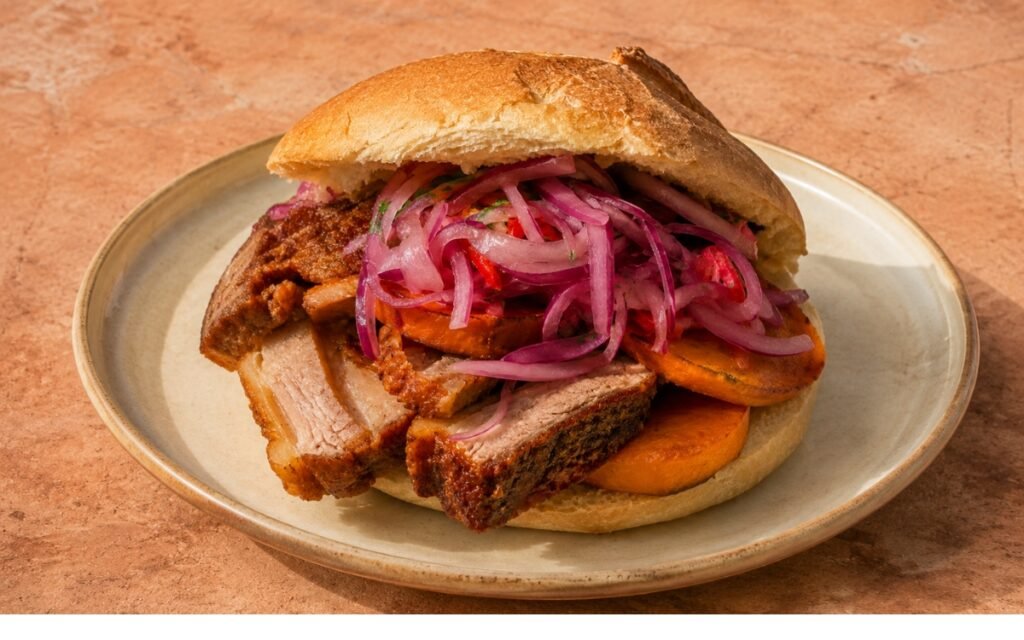
Pan con Chicharrón
Crispy pork belly chicharrón, golden fried sweet potato, and bright pickled red onion piled into a crusty roll.
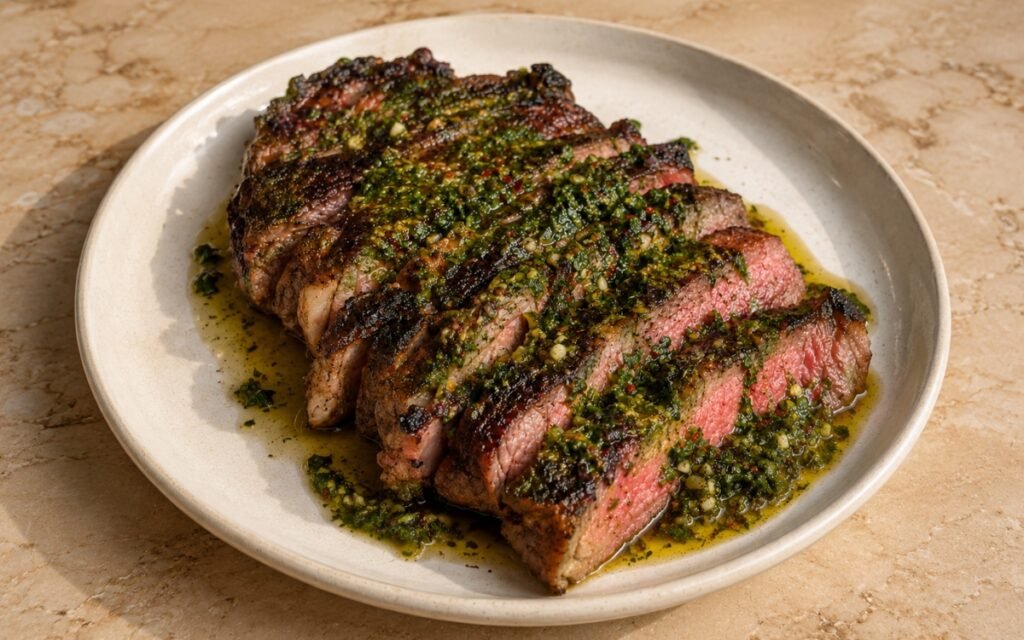
Argentine Chimichurri Steak
Thick, dry-brined steak grilled until deeply charred with a pink medium-rare centre, finished with loose, hand-chopped chimichurri.
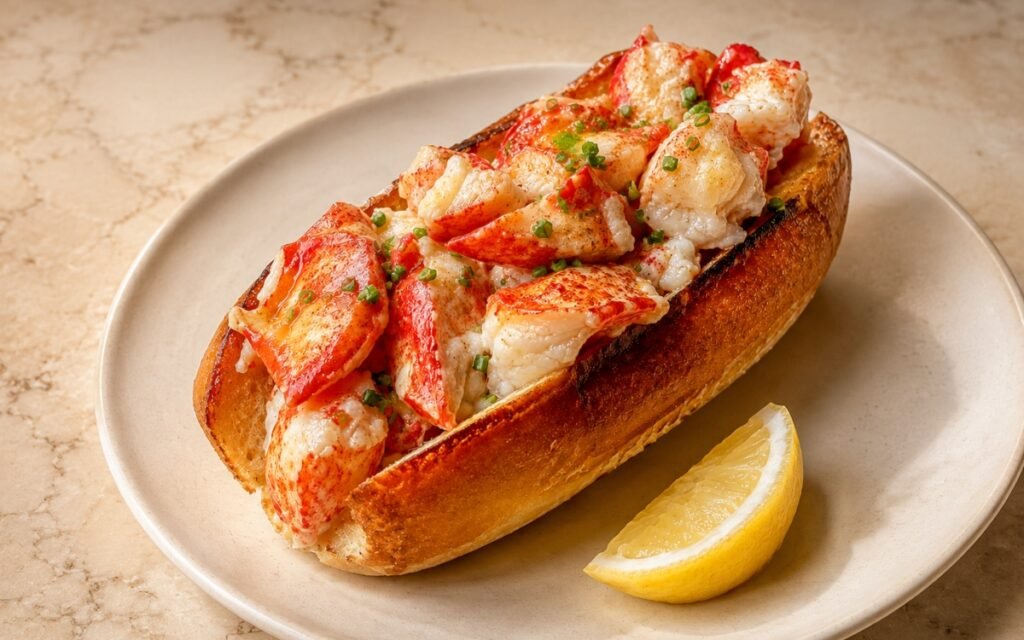
Lobster Roll (Connecticut Style)
Large chunky pieces of warm lobster meat gently coated in melted butter, piled into buttery griddled split-top brioche buns with chives and lemon.
You might also like
You might also like
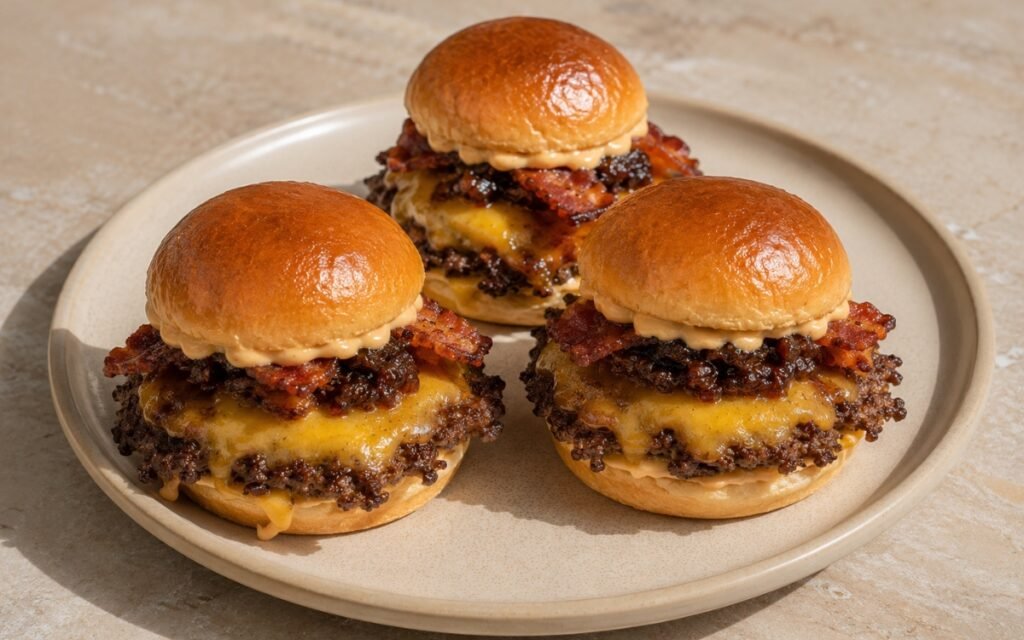
Slider Beef Burgers
Thin, lacy-edged smash-burger patties on toasted brioche slider buns with melted American cheese, crispy bacon, and sticky bacon-onion jam.
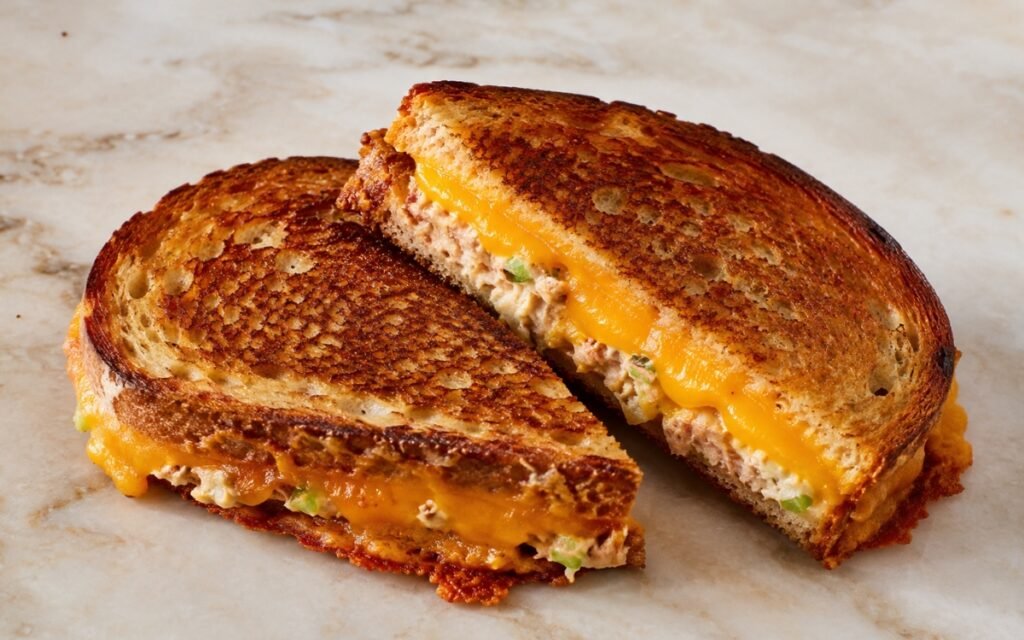
Tuna Melt
Creamy tuna salad and sharp melted cheddar griddled between buttery sourdough until deeply golden and crisp.
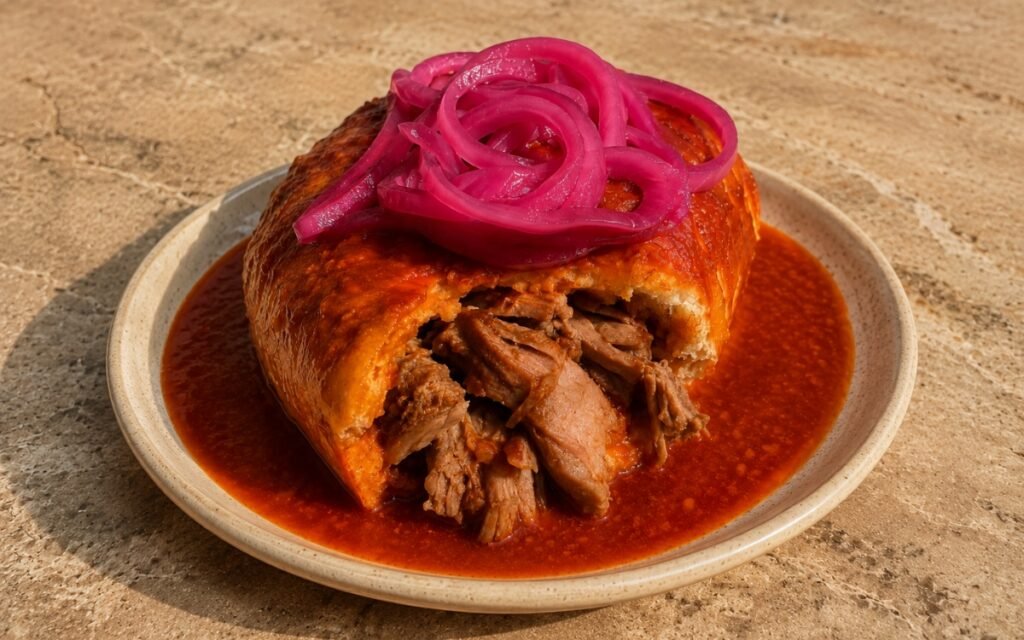
Sándwich Ahogado (Torta Ahogada)
Crusty birote rolls filled with juicy carnitas, drowned in a vivid, pourable chile de árbol sauce and topped with bright pickled onion.
Cuban Frita Burger
Ingredients
Method
- Peel the potatoes and cut them into very thin matchsticks, about 2–3mm thick. A mandoline is the cleanest way to do this. Place the potatoes in ice-cold water and soak for 30 minutes to remove excess starch. Drain, rinse, and dry extremely well with towels. Do not half-dry them. Wet potatoes spit oil, fry unevenly, and turn limp instead of crisp. The cold soak draws out surface starch that would otherwise cause the thin sticks to clump together in the fryer — at this thinness, clumped potatoes fry unevenly in a way that’s much harder to correct than with a standard-cut fry.
- Add the ketchup, tomato paste, water, vinegar, brown sugar, mustard, smoked paprika, cumin, garlic powder, onion powder, cayenne if using, and salt to a small saucepan. Simmer over low heat for 5–7 minutes, stirring often, until glossy, slightly thicker, and smooth. Taste and adjust salt or vinegar. The sauce should be sweet, tangy, smoky, and spoonable. It should not taste like plain ketchup dumped on a burger. Simmering the ketchup base briefly with tomato paste, vinegar, and spices concentrates and rounds out its flavour in a way raw ketchup alone never would — this small amount of active cooking is what separates a genuine frita sauce from a squeeze-bottle condiment.
- In a bowl, combine the ground beef, raw chorizo, grated onion, garlic, salt, smoked paprika, sweet paprika, cumin, oregano, black pepper, cayenne if using, breadcrumbs or crushed crackers, and egg. Mix only until evenly combined. Do not knead it into meat paste. Overworked patties turn dense and sausage-like in the wrong way. Mixing just until combined keeps the meat’s protein structure loose enough to stay tender once cooked — overworking it develops a tighter bind that produces a noticeably denser, chewier patty, closer to a sausage puck than a proper burger.
- Divide the mixture into 4 equal patties. Shape them slightly wider than the buns because they will shrink during cooking. Make a shallow indentation in the centre of each patty so it stays flatter while searing. Chill the patties for 10–15 minutes while the potatoes finish drying and the oil heats. This helps them hold together. The centre indentation counters a common tendency for burger patties to puff up and dome in the middle as they cook — starting with a slight dip there produces a flatter, more even patty by the time it’s fully seared.
- Heat neutral oil to 170°C. Fry the potatoes in small batches for 2–3 minutes, stirring gently so they separate, until pale golden and crisping. Transfer to a rack. Increase the oil to 185°C and fry again for 60–90 seconds until deeply golden, crisp, and dry-looking. Season immediately with fine sea salt while hot. Do not fry one giant batch. That drops the oil temperature and gives you greasy potato straw. The papitas need to be crisp enough to pile high without collapsing. This double-fry follows the same cooler-then-hotter logic used for standard fries throughout this collection, adapted to the thinner cut here — the first fry cooks the potato through and begins crisping, while the second, hotter fry drives off remaining moisture for the genuinely dry, crackling texture a proper pile of papitas needs.
- Butter the cut sides of the brioche buns. Toast cut-side down in a skillet or on a griddle for 1–2 minutes until golden and lightly crisp. The bun needs structure. An untoasted bun under sauce, chorizo fat, and potatoes will get soft fast. This toast gives the soft brioche real resistance against the combined moisture of the sauce, the patty’s rendered fat, and the substantial pile of potatoes stacked on top.
- Heat a cast-iron skillet or griddle over medium-high heat. Add a thin film of oil only if needed. Sear the patties for 3–4 minutes on the first side until a deep paprika-red crust forms. Flip and cook another 3–4 minutes, until browned, cooked through, and juicy. Because the patties contain pork chorizo, cook them fully to 71°C internally. Do not treat them like rare beef burgers. The smoked and sweet paprika in the mix are largely responsible for that deep red crust colour developing during the sear — this isn’t simply beef browning, but the paprika’s own pigments concentrating and darkening against the hot surface.
- During the final minute, spoon a little frita sauce over each patty and let it bubble against the hot surface. This gives the patty a glossy red finish without making it wet. Do not drown the patty. The sauce should cling and shine, not slide everywhere. Adding the sauce only in this last minute, rather than earlier in the sear, means it briefly caramelises against the hot pan rather than simply sitting wet on top — that quick contact with direct heat is what produces the glossy, clinging glaze rather than a runny coating.
- Spread frita sauce on the bottom buns. Add one hot chorizo-beef patty to each bun. Spoon a little more sauce over the patty. Add optional diced white onion if using. Pile the crispy shoestring potatoes high over the patty. Close with the top bun. Piling the potatoes generously rather than sparingly is deliberate — the frita’s signature silhouette depends on that abundant, visible pile of crisp potato straw rather than a token garnish.
- Serve immediately while the patty is hot, the sauce is glossy, the bun is soft and toasted, and the potato sticks are still crisp. Once the hot sauce and steam hit the potato sticks, the clock is ticking. The thin, delicate shoestring potatoes lose their crackling crispness faster than a standard fry would once exposed to the patty’s residual heat and steam, making prompt serving especially important for this particular burger.