
Chicago-Style Hot Dog
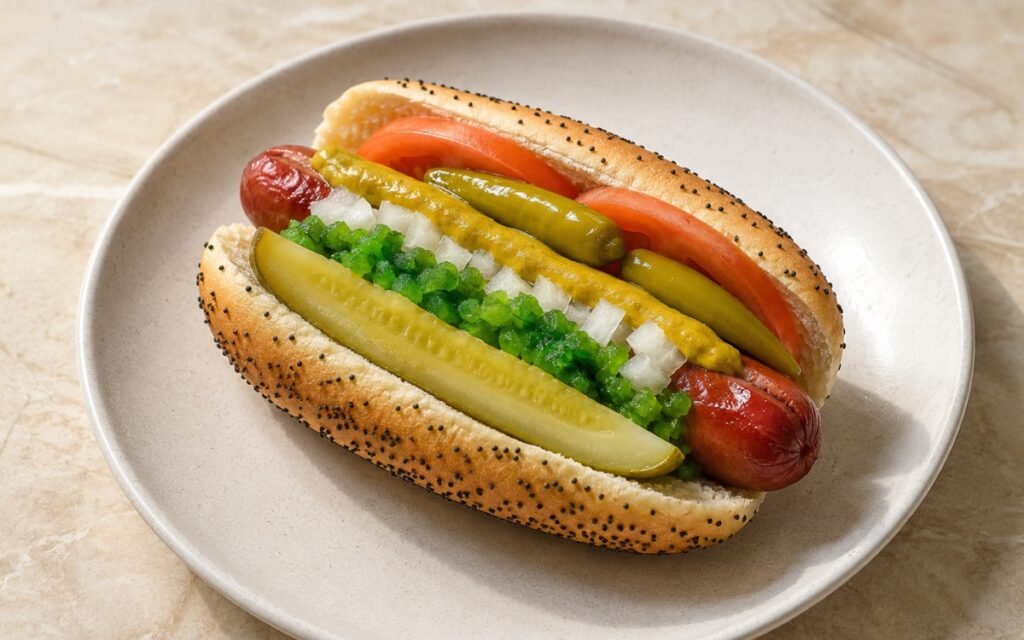
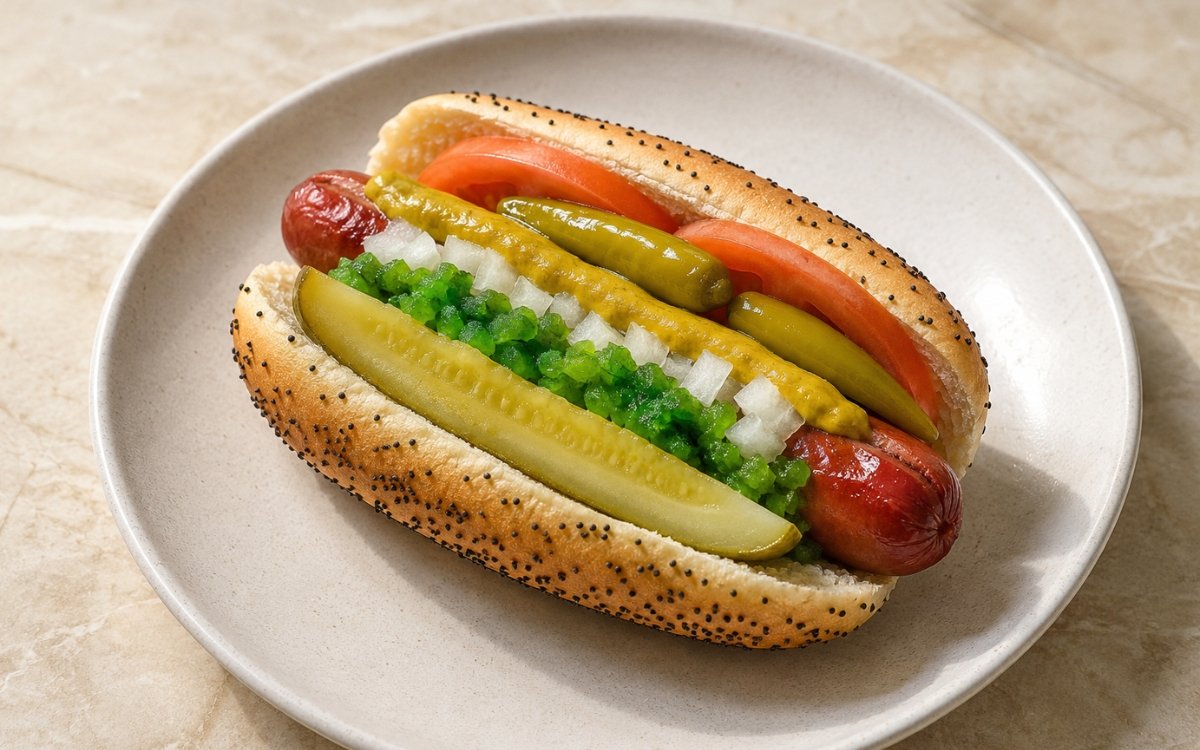
A classic Chicago-style hot dog with a natural-casing all-beef frankfurter tucked into a soft poppy-seed bun and dressed with yellow-brown Düsseldorf mustard, bright green sweet pickle relish, diced white onion, tomato strips, a dill pickle spear, sport peppers, and celery salt. No ketchup. Gently steaming rather than toasting the bun is the technique that defines this hot dog’s specific character — a Chicago-style bun is meant to stay soft and pliable, never crisp like a grilled sandwich roll, the same soft-steam-only principle that distinguishes this build from most other regional hot dog styles in this collection. Simmering the frankfurter gently rather than boiling it hard matters just as much, since aggressive boiling risks splitting the natural casing and losing the firm, glossy snap that’s part of the eating experience. Lightly draining the wetter toppings — relish, pickle spears, sport peppers — before they go on the bun protects the same vulnerable structure every loaded hot dog shares, a soft bun with limited tolerance for excess liquid. The payoff is a hot dog built on deliberate colour and textural contrast: green relish, white onion, red tomato, yellow mustard, and bright green sport peppers arranged around a glossy, snappy frankfurter.
Prep Time : 15 min
Cook Time : 10 min
Servings : 4
15 min
10 min
4
Ingredients
For the Hot Dogs
• 4 natural-casing all-beef frankfurters
• 4 poppy-seed hot dog buns, store-bought or homemade — use Classic Hot Dog Buns finished with poppy seeds before baking, or Brioche Hot Dog Buns for a richer buttery version
• Water, for steaming or simmering
For the Chicago-Style Toppings
• 80g Düsseldorf mustard or yellow mustard — this one on Amazon
• 100g bright green sweet pickle relish — this one on Amazon
• 100g white onion, finely diced
• 2 Roma tomatoes, cut into 8 long julienne-style strips
• 4 dill pickle spears, quartered lengthwise if very thick
• 8 pickled sport peppers — this one on Amazon
• Celery salt, to finish
This post may contain affiliate links. As an Amazon Associate I earn from qualifying purchases, at no additional cost to you.
Directions
- Prepare the Toppings
Dice the white onion finely. Cut the tomatoes into long strips that can sit neatly along the side of the frankfurter. Drain the relish, pickle spears, and sport peppers lightly so they do not flood the bun. This matters. Wet toppings turn a soft bun into a soggy mess fast. A soft, steamed bun has considerably less structural resistance to moisture than a toasted one, which is exactly why draining every jarred or brined topping here matters more than it might for a hot dog built on a crisper roll. - Warm the Buns
Steam the poppy-seed buns gently for 30–60 seconds, or warm them covered in a low oven until soft and flexible. Do not toast them hard. A Chicago-style hot dog bun should be soft and steamed, not crisp like a grilled sandwich roll. This soft, steamed texture is a defining, non-negotiable characteristic of the style rather than a matter of preference — a toasted or crisped bun changes the entire eating experience away from what a genuine Chicago dog is meant to be. - Cook the Frankfurters
Bring a pot of water to a gentle simmer. Add the frankfurters and heat for 5–7 minutes until hot all the way through. Do not boil aggressively. Hard boiling can split the casing and make the sausage look busted. You want a glossy hot frankfurter with a firm snap. That characteristic snap comes directly from an intact natural casing under gentle, even heat — a hard boil agitates the frankfurter enough to risk splitting the casing, which both looks wrong and loses the specific bite this style is known for. - Assemble the Hot Dogs
Place one hot frankfurter into each warm poppy-seed bun. Add a stripe of Düsseldorf mustard along the top. Spoon bright green relish beside it. Scatter diced white onion generously over the top. Tuck two tomato strips along one side of the dog. Add one dill pickle spear along the other side. Place two sport peppers over or beside the toppings. This specific arrangement — mustard first, then relish, onion, and the remaining toppings layered in sequence — is the traditional Chicago build, and it’s worth following closely both for authenticity and because it distributes each topping’s flavour evenly rather than clumping everything together. - Finish
Dust lightly with celery salt. Serve immediately. No ketchup. Not negotiable. Celery salt is the final, signature seasoning that ties the whole build together — its slightly savoury, aromatic quality is specific enough to the style that omitting it leaves the finished hot dog tasting genuinely incomplete rather than merely simplified.
*Notes :
- The decision to keep the bun soft and steamed rather than toasted is worth understanding as central to this hot dog’s identity rather than an arbitrary preference. Many other hot dog and sausage sandwich styles lean on a toasted or grilled bun for structural crispness, but the Chicago style specifically calls for the opposite — a soft, warm, pliable bun that yields easily around the frankfurter and its toppings. Toasting it, even lightly, moves the finished result away from what a genuine Chicago dog is supposed to be.
- Simmering rather than boiling the frankfurter protects a texture detail that matters more here than in many other applications — the casing’s snap. Natural-casing frankfurters are specifically prized for that firm, audible bite, and it depends on the casing staying fully intact through cooking. A hard boil’s more vigorous agitation puts real stress on that casing, risking splits that both look wrong on the plate and compromise the texture the whole dish is built around.
- Draining the wetter toppings — relish, pickle spears, sport peppers — before assembly is a small step that protects the soft, steamed bun specifically because that bun has so little tolerance for excess moisture compared to a toasted alternative. Every component in this build carries some brine or liquid, and while a small amount is expected and even desirable, letting all of it go untouched onto a soft bun risks a structurally compromised hot dog well before it’s finished being eaten.
- The specific, traditional list of toppings — and the explicit absence of ketchup — reflects a set of conventions taken seriously rather than a loose suggestion. Each topping here plays a distinct visual and flavour role: yellow mustard, green relish, white onion, red tomato, a dill pickle spear, and sport peppers together create both the dish’s signature colour palette and its specific flavour profile. Substituting or omitting any of them moves the result further from what’s recognised as an authentic Chicago-style hot dog.
Why This Recipe Works
This recipe works because every technical choice protects the style’s specific, well-established character: the bun stays soft through gentle steaming rather than toasting, the frankfurter is simmered rather than boiled to preserve its casing and snap, and every wetter topping is lightly drained before it meets the bun.
The traditional topping list, arranged in its established order and finished with celery salt, gives the dish both its recognisable visual identity and its complete flavour profile — and the deliberate absence of ketchup is as much a part of that identity as any ingredient that is included.
Ingredient Breakdown
Natural-Casing All-Beef Frankfurter
The specified sausage — its casing is what provides the firm, characteristic snap central to the eating experience.
Poppy-Seed Bun (Steamed, Not Toasted)
The defining bread choice — kept soft and pliable through gentle steaming rather than crisped, a core identifier of the style.
Drained Wet Toppings
The moisture-management step — relish, pickle spears, and sport peppers lightly drained to protect the soft bun’s structure.
Julienne Tomato Strips
The specified cut — long strips rather than diced, so the tomato stays visually distinct rather than disappearing into the relish and onion.
Celery Salt Finish
The signature seasoning — a small final touch specific enough to the style that its absence leaves the dish feeling incomplete.
Flavor Structure Explained
This Chicago-style hot dog follows a layered balance model:
- Savoury snappy foundation (natural-casing frankfurter)
- Tangy sharp mustard (Düsseldorf or yellow mustard)
- Sweet vivid relish (green pickle relish)
- Sharp fresh crunch (onion, tomato, dill pickle)
- Warm aromatic finish (sport peppers, celery salt)
The natural-casing frankfurter defines the eating experience with a firm, snappy bite and deep, savoury beef flavour. Tangy mustard and sweet, vivid relish layer in sharp acidity and brightness right against the sausage. Diced onion, tomato strips, and a dill pickle spear each contribute their own distinct crunch and freshness, keeping the build from feeling one-note. Sport peppers add a pickled, gently spicy warmth, while a final dusting of celery salt ties every component together with its characteristic aromatic finish.
Common Mistakes to Avoid
- Toasting the Bun Instead of Steaming It – This moves the hot dog away from the soft, pliable texture that defines the Chicago style. Always steam or gently warm the bun rather than crisping it.
- Boiling the Frankfurters Hard – Aggressive boiling risks splitting the natural casing and losing its characteristic snap. Always simmer gently instead.
- Adding Undrained Wet Toppings – Excess relish brine or pickle liquid soaks straight into the soft bun. Always drain lightly before assembling.
- Dicing the Tomato Instead of Cutting Strips – Diced tomato disappears visually into the relish and onion. Always cut it into long, distinct strips.
- Adding Ketchup – This is considered a genuine departure from the authentic Chicago style rather than a minor variation. Always leave it out entirely.
Variations
Depression Dog
For a leaner, more historical version, omit the tomato and use only mustard, onion, and relish.
Extra-Spicy Version
Add an extra sport pepper or two per hot dog, and lightly crush one over the toppings for a sharper, more distributed heat.
Vienna Beef Style
Seek out Vienna Beef brand frankfurters specifically if available, as they’re the traditional choice most closely associated with the classic Chicago build.
Poppy-Seed Bun from Scratch
Brush Classic Hot Dog Buns with egg wash and scatter poppy seeds generously before baking for a fully homemade version of the traditional bun.
Storage & Make-Ahead
Diced onion and cut tomato strips can be prepped a few hours ahead and refrigerated in separate containers.
Frankfurters are best simmered fresh right before serving rather than cooked ahead and reheated, which risks drying them out or compromising the casing.
Buns can be steamed just before assembly; steaming ahead of time and letting them sit will make them go soggy rather than staying pleasantly soft.
Fully assembled Chicago-style hot dogs are not suitable for storage — assemble and serve only what will be eaten immediately.
Frequently Asked Questions
Why does the bun need to be steamed instead of toasted?
A soft, steamed bun is a defining characteristic of the Chicago style rather than a matter of preference. Toasting it, even lightly, shifts the texture away from what’s recognised as an authentic build, so steaming or gently warming it is treated as essential rather than optional.
Why simmer the frankfurter instead of boiling it more vigorously?
A hard boil agitates the sausage enough to risk splitting its natural casing, which both looks wrong and compromises the firm, characteristic snap that’s part of the eating experience. A gentle simmer heats the frankfurter through without that same risk.
Why does the tomato need to be cut into strips rather than diced?
Diced tomato blends visually into the relish and onion, losing its distinct presence in the build. Long, julienne-style strips instead stay clearly visible and hold their own place among the other toppings.
Why is ketchup specifically excluded from this recipe?
Its absence is considered a core, non-negotiable part of the authentic Chicago-style build rather than an arbitrary rule. The dish’s flavour profile is built entirely around mustard, relish, and the other traditional toppings, and ketchup is generally seen as working against that established balance.
Are there other loaded hot dog styles worth trying?
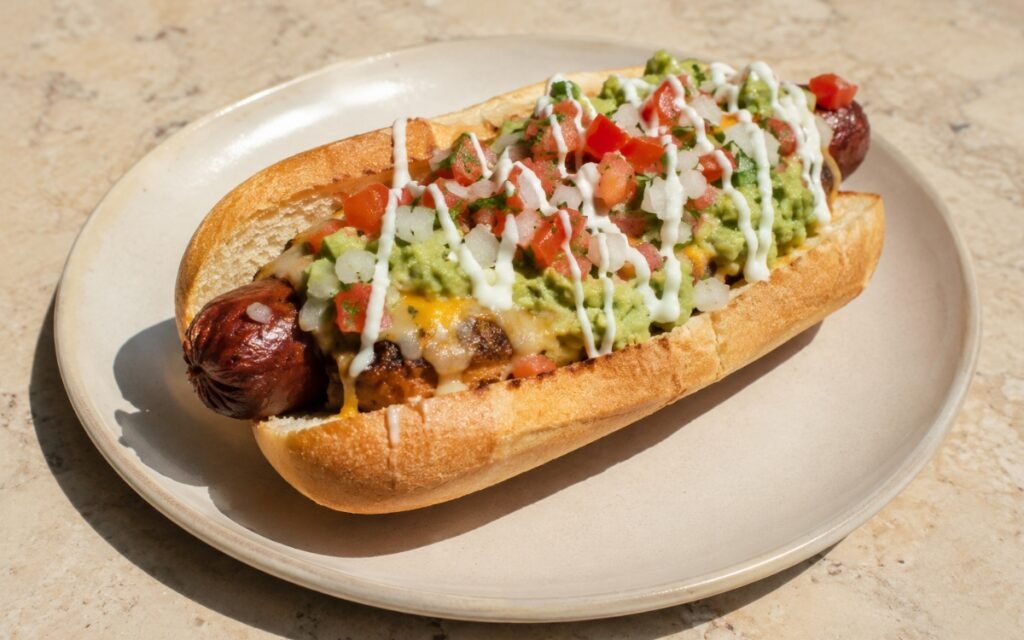
Mexican Hot Dog follows a completely different direction worth exploring if you enjoy hot dogs built around a specific regional identity — a bacon-wrapped sausage topped with melted cheese, guacamole, pico de gallo, and crema, rather than the classic mustard-relish-onion build used here.
Nutrition Facts
( per serving )
Calories
~480 kcal
Protein
18 g
Fat
26 g
Carbs
44 g
Calories
~480 kcal
Protein
18 g
Fat
26 g
Carbs
44 g
Related Recipes
Related Recipes

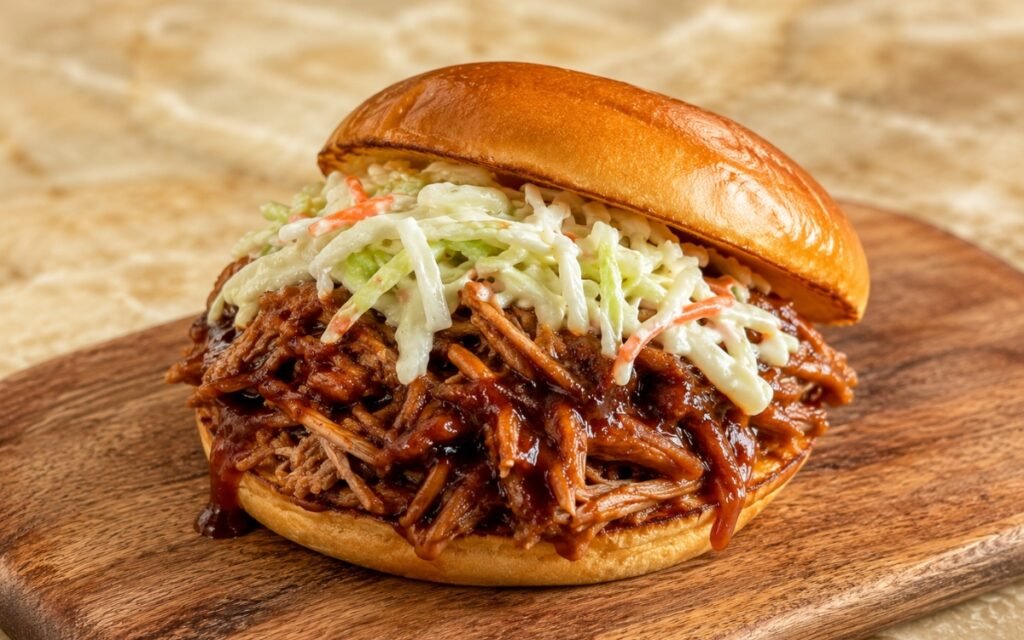
Pulled Pork Sandwich
Slow-braised pork shoulder shredded and tossed in a reduced, glossy barbecue glaze, piled onto toasted brioche buns with fresh coleslaw.
Garlic Butter Shrimp Skillet
Hard-seared shrimp finished gently in a glossy garlic butter sauce with lemon, parsley, and chili flakes.
Blueberry Black Iced Tea
Black tea at 90–95°C for 2½–3 minutes, lemon peel infused cold, blueberries gently fork-mashed and lightly strained — added gradually, chilled. Bright and tea-forward.


You might also like
You might also like
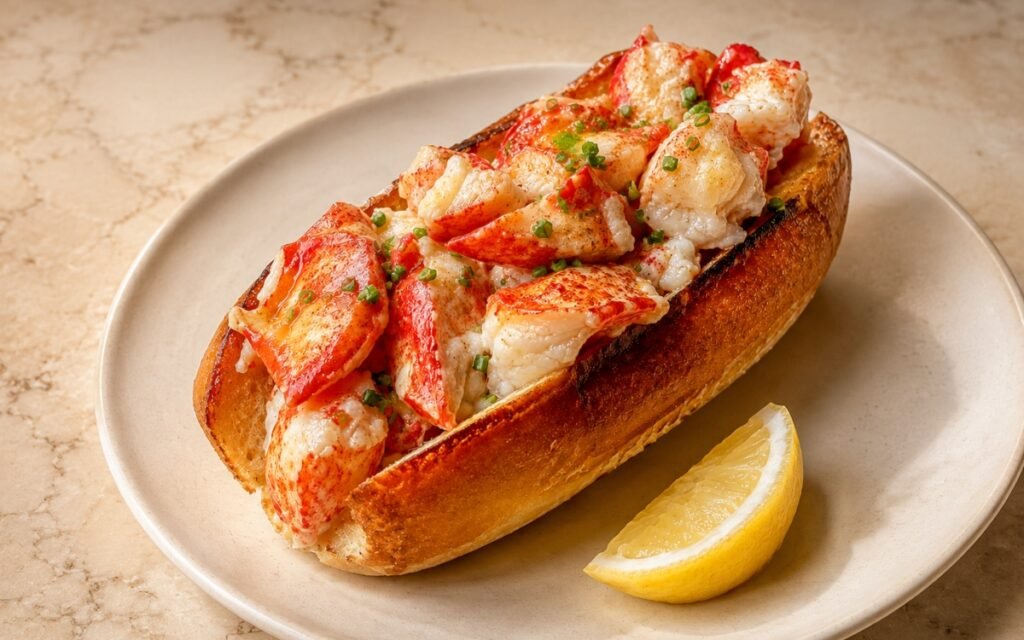
Lobster Roll (Connecticut Style)
Large chunky pieces of warm lobster meat gently coated in melted butter, piled into buttery griddled split-top brioche buns with chives and lemon.
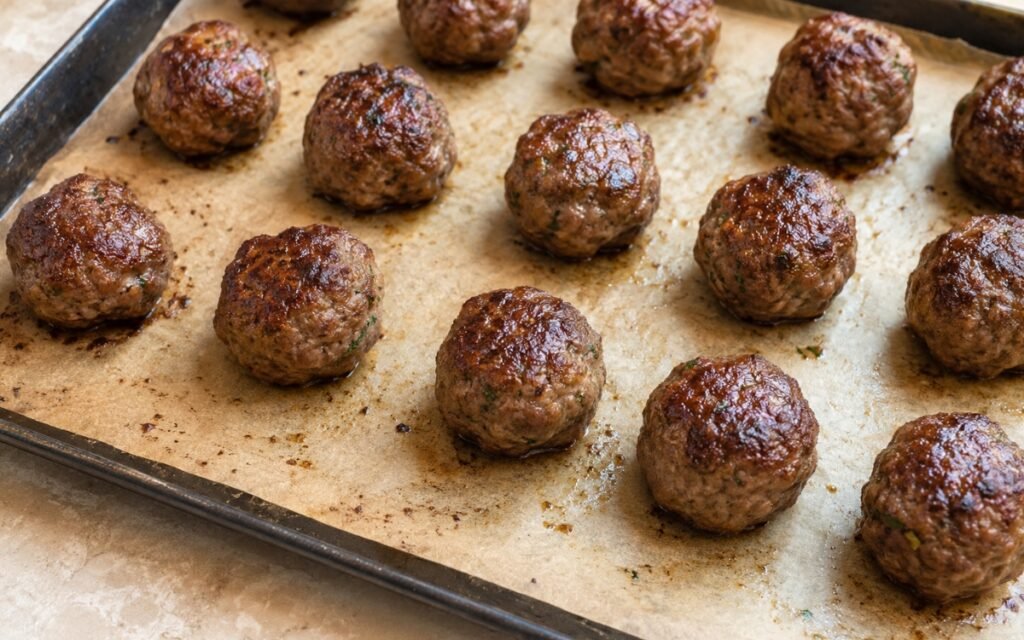
Juicy Beef Meatballs
Ground beef combined with a breadcrumb-milk panade, mixed gently, portioned consistently, baked and rested. Tender and juicy.
Mexican Hot Dog
Bacon-wrapped smoked frankfurters seared crisp, topped with melted Mexican cheese, guacamole, fresh pico de gallo, and a crema drizzle.
Chicago-Style Hot Dog
Ingredients
Method
- Dice the white onion finely. Cut the tomatoes into long strips that can sit neatly along the side of the frankfurter. Drain the relish, pickle spears, and sport peppers lightly so they do not flood the bun. This matters. Wet toppings turn a soft bun into a soggy mess fast. A soft, steamed bun has considerably less structural resistance to moisture than a toasted one, which is exactly why draining every jarred or brined topping here matters more than it might for a hot dog built on a crisper roll.
- Steam the poppy-seed buns gently for 30–60 seconds, or warm them covered in a low oven until soft and flexible. Do not toast them hard. A Chicago-style hot dog bun should be soft and steamed, not crisp like a grilled sandwich roll. This soft, steamed texture is a defining, non-negotiable characteristic of the style rather than a matter of preference — a toasted or crisped bun changes the entire eating experience away from what a genuine Chicago dog is meant to be.
- Bring a pot of water to a gentle simmer. Add the frankfurters and heat for 5–7 minutes until hot all the way through. Do not boil aggressively. Hard boiling can split the casing and make the sausage look busted. You want a glossy hot frankfurter with a firm snap. That characteristic snap comes directly from an intact natural casing under gentle, even heat — a hard boil agitates the frankfurter enough to risk splitting the casing, which both looks wrong and loses the specific bite this style is known for.
- Place one hot frankfurter into each warm poppy-seed bun. Add a stripe of Düsseldorf mustard along the top. Spoon bright green relish beside it. Scatter diced white onion generously over the top. Tuck two tomato strips along one side of the dog. Add one dill pickle spear along the other side. Place two sport peppers over or beside the toppings. This specific arrangement — mustard first, then relish, onion, and the remaining toppings layered in sequence — is the traditional Chicago build, and it’s worth following closely both for authenticity and because it distributes each topping’s flavour evenly rather than clumping everything together.
- Dust lightly with celery salt. Serve immediately. No ketchup. Not negotiable. Celery salt is the final, signature seasoning that ties the whole build together — its slightly savoury, aromatic quality is specific enough to the style that omitting it leaves the finished hot dog tasting genuinely incomplete rather than merely simplified.