
Austrian Pork Schnitzel
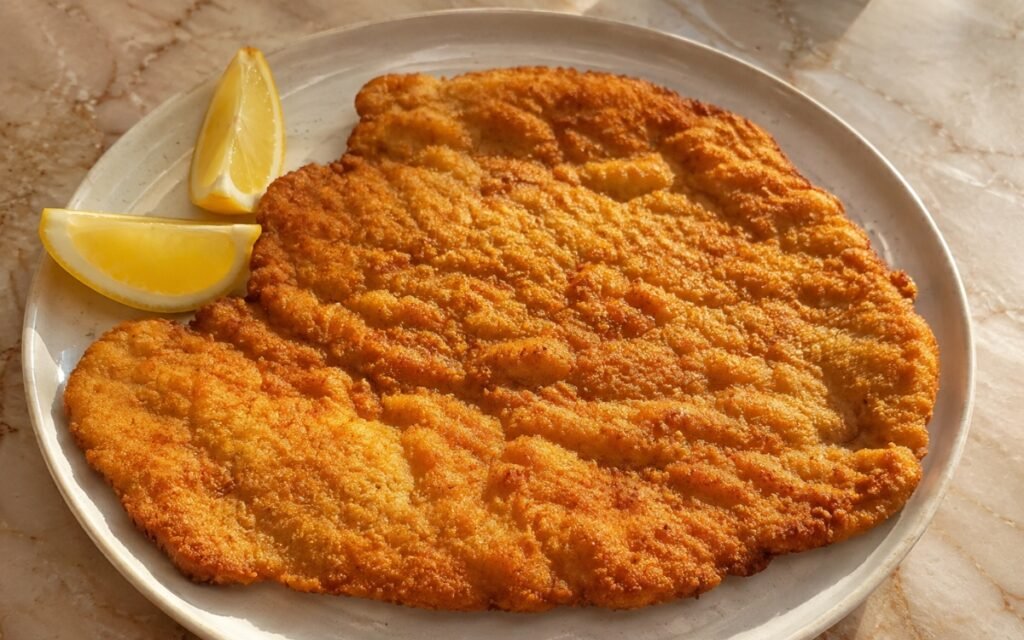
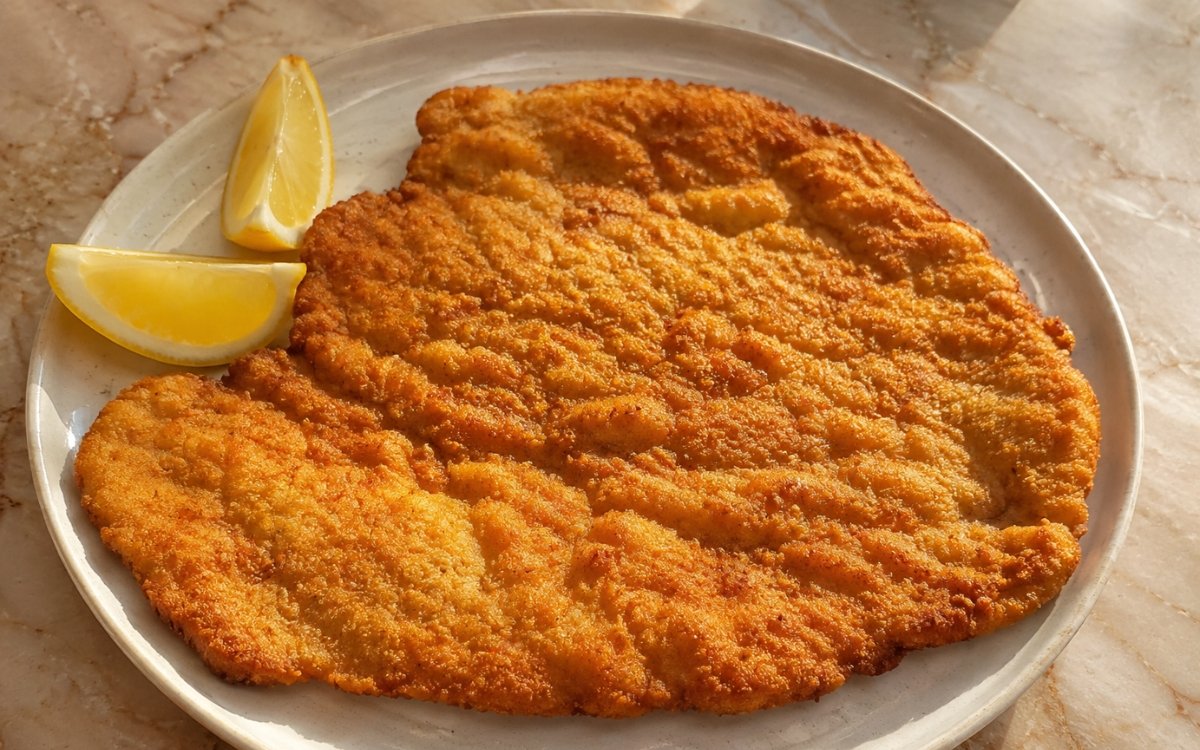
Austrian Pork Schnitzel is golden, crispy-coated pork cutlets pounded thin and shallow-fried using classic Viennese technique. The signature wavy, puffed coating separates slightly from the meat, creating a delicate, shattering crust over a tender interior. This is a technique-driven dish — when done correctly, it’s light, structured, and far from greasy. Uniform thickness is the foundation everything else depends on: pounding from the centre outward to an even 5mm produces meat that cooks evenly through, since uneven thickness leads directly to overcooked edges and undercooked centres. The breading itself is deliberately applied loosely rather than pressed in — compacted breadcrumbs produce a dense, adherent coating, while breadcrumbs left to sit loosely on the surface are what allow the coating to lift and separate from the meat during frying, forming the characteristic wavy structure this dish is known for. Frying in enough combined oil and butter that the schnitzel effectively floats, rather than sits dry against the pan, is what cooks the coating evenly on all sides simultaneously. The result is light, structured, and genuinely far from greasy when the technique is respected.
Prep Time : 25 min
Cook Time : 10 min
Servings : 4
25 min
10 min
4
Ingredients
For the Schnitzel
• 600g pork loin, cut into 4 portions
• 10g fine sea salt — this one on Amazon
• 4g freshly ground black pepper
For the Breading Station
• 100g all-purpose flour
• 3 large eggs
• 180g fine breadcrumbs (not panko) — this one on Amazon
For Frying
• 150ml vegetable oil
• 40g unsalted butter — this one on Amazon
This post may contain affiliate links. As an Amazon Associate I earn from qualifying purchases, at no additional cost to you.
Directions
- Pound for Structure
Place each pork portion between sheets of plastic wrap and pound evenly to about 5mm thickness. Work from the center outward to avoid tearing. This step defines the dish — schnitzel is not just thin meat, it is uniformly thin meat. Uneven thickness leads to overcooked edges and undercooked centers. - Season and Prepare Surface
Season both sides with salt and pepper and allow the meat to sit briefly. This draws out slight surface moisture, which helps the flour adhere more effectively and contributes to the later puffing of the crust during frying. - Build the Breading System
Set up three stations: flour, beaten eggs, and fine breadcrumbs. Dredge each cutlet first in flour, then egg, then breadcrumbs. Do not press the breadcrumbs into the meat — they should sit loosely on the surface. This is critical, because compacted breadcrumbs create a dense coating instead of the characteristic light, wavy crust. - Heat the Frying Fat
Heat oil and butter together in a wide skillet until the fat is hot but stable. The schnitzel should effectively “float” in the fat, not sit dry on the pan. Proper frying requires enough fat to surround the coating and cook it evenly. - Fry with Movement
Place the schnitzel into the hot fat and cook for 2–3 minutes on the first side. While frying, gently swirl the pan and spoon hot fat over the top. This movement causes the coating to lift and separate slightly from the meat, forming the signature wavy structure. - Flip and Finish
Carefully turn the schnitzel and cook the second side for another 2–3 minutes until golden and crisp. Handle gently — piercing or pressing the meat will damage the coating and release moisture. - Drain and Serve Immediately
Transfer to paper towels briefly, then serve immediately with lemon wedges. Waiting too long allows steam to soften the crust and destroy the texture.
*Notes :
- Uniform pounding thickness is the single most consequential technical step in this recipe. Working from the centre outward rather than pounding erratically produces meat that’s genuinely even across its whole surface, which is what allows the cutlet to cook through consistently rather than leaving thick spots undercooked while thin edges overcook.
- The loose breadcrumb application is what separates true schnitzel from a standard breaded cutlet. Pressing breadcrumbs firmly into the meat, as many breading techniques encourage, produces a coating that adheres tightly and stays flat against the surface — schnitzel’s signature is the opposite: a coating that lifts and puffs away from the meat, creating pockets of air and the light, shattering texture the dish is known for.
- The swirling and basting motion during the first side of frying is specifically what encourages that separation to happen. The hot fat lifting and moving around the coating as it fries is a mechanical action, not just a flavor step — it’s actively helping create the wavy structure.
Why This Recipe Works
This recipe works because uniform pounding ensures even cooking across the whole cutlet. The loosely applied breadcrumb coating, rather than one pressed firmly onto the meat, is specifically what allows the characteristic puffed, wavy crust to form.
Frying in enough fat for the schnitzel to essentially float cooks the coating evenly on all sides. And serving immediately, rather than letting the schnitzel rest and steam under its own residual heat, preserves the crust’s delicate, shattering texture.
Ingredient Breakdown
Pork Loin, Pounded to Uniform 5mm Thickness
The structural foundation — even thickness prevents overcooked edges and undercooked centres.
Loosely Applied Flour-Egg-Breadcrumb Coating
The defining technique — deliberately not pressed in, allowing the characteristic separation and puffing during frying.
Combined Oil and Butter, Deep Enough to Float the Schnitzel
The frying medium — cooking the coating evenly on all sides rather than only the pan-contact side.
Immediate Serving
The texture-preservation step — steam under residual heat softens the crust quickly if the schnitzel sits too long.
Lemon Wedges
Provide acidity that cuts through fat and balances the dish.
Flavor Structure Explained
This Austrian Pork Schnitzel follows a technique-driven balance model:
- Tender pork core (thin pounded pork loin)
- Light crisp coating (wavy schnitzel crust)
- Clean savory base (simple seasoning)
- Rich fried exterior (shallow frying)
- Bright finishing lift (lemon)
The pork loin defines the foundation with a lean, tender structure that cooks quickly because it is pounded thin and evenly. The coating provides the dish’s main identity, forming a delicate, wavy, shattering crust rather than a dense or heavy breading. This texture comes from technique more than seasoning, relying on proper dredging, frying, and movement in the pan to create lightness. The fried exterior brings richness and crunch, while the pork underneath stays juicy and mild. Lemon provides the only major flavor contrast, cutting through the richness with clean brightness at the very end. The result is a schnitzel built around precision, texture, and restraint, where crisp coating, tender pork, and a sharp lemon finish remain in classic balance.
Common Mistakes to Avoid
- Pounding the Meat Unevenly – Produces overcooked edges and undercooked centres. Always work from the centre outward for consistent thickness.
- Pressing the Breadcrumbs Firmly Into the Meat – Produces a dense, flat coating instead of the signature wavy, puffed crust. Always let the breadcrumbs sit loosely.
- Frying With Insufficient Fat – Prevents the coating from cooking evenly and from separating properly. Always use enough oil and butter for the schnitzel to essentially float.
- Piercing or Pressing the Meat During Frying – Damages the coating and releases moisture. Always handle gently with tongs or a spatula.
- Letting the Schnitzel Sit Before Serving – Allows steam to soften the crust. Always serve immediately.
Variations
With Chicken
For a chicken-based version of a similarly breaded, fried cutlet, see the Italian Fried Chicken Cutlets.
As Chicken Parmigiana
For a breaded cutlet finished with tomato sauce and cheese rather than served plain with lemon, see the Chicken Parmigiana.
With Veal
Substitute veal cutlets, pounded the same way, for the traditional Wiener Schnitzel variation.
With Herb-Infused Breadcrumbs
Add finely chopped fresh parsley to the breadcrumb mixture for a subtle herbal note.
Oven-Finished Schnitzel
Start in pan, finish in oven for more controlled cooking (less traditional, but safer).
Storage & Make-Ahead
Breaded, unfried cutlets can be refrigerated for up to 4 hours before frying, arranged on a tray without stacking.
Cooked schnitzel is best eaten immediately. Reheating it in a low oven can partially restore crispness, but it will not fully replicate the fresh texture.
Frequently Asked Questions
Why is it so important not to press the breadcrumbs into the meat?
Pressing breadcrumbs firmly creates tight, direct contact between the coating and the meat’s surface, producing a flat, dense crust once fried. Schnitzel’s defining characteristic is a coating that separates and puffs slightly away from the meat during frying, creating light air pockets — that only happens when the breadcrumbs are left loose rather than compacted.
Why does the schnitzel need to essentially float in the fat rather than just pan-fry normally?
A shallow layer of fat cooks mainly the side in direct pan contact, leaving the coating uneven in color and texture across the cutlet. Enough fat to surround the schnitzel cooks the entire coating simultaneously and evenly, which is essential for the characteristic uniform golden crust.
Why does schnitzel need to be served immediately rather than resting like a steak?
Unlike a seared steak, where resting helps redistribute juices, schnitzel’s coating is delicate and porous by design. Any delay allows residual steam from the hot meat to soften that crust from the inside, undoing the light, shattering texture the entire technique is built to achieve.
What should I serve this with?
Classic Mashed Potatoes or Paprika Roasted Baby Potatoes both make traditional, satisfying pairings alongside schnitzel’s crisp coating. For other breaded cutlet preparations, try the Italian Fried Chicken Cutlets or Chicken Parmigiana.
Nutrition Facts
( per serving )
Calories
~430 kcal
Protein
32 g
Fat
26 g
Carbs
20 g
Calories
~430 kcal
Protein
32 g
Fat
26 g
Carbs
20 g
Related Recipes
Related Recipes

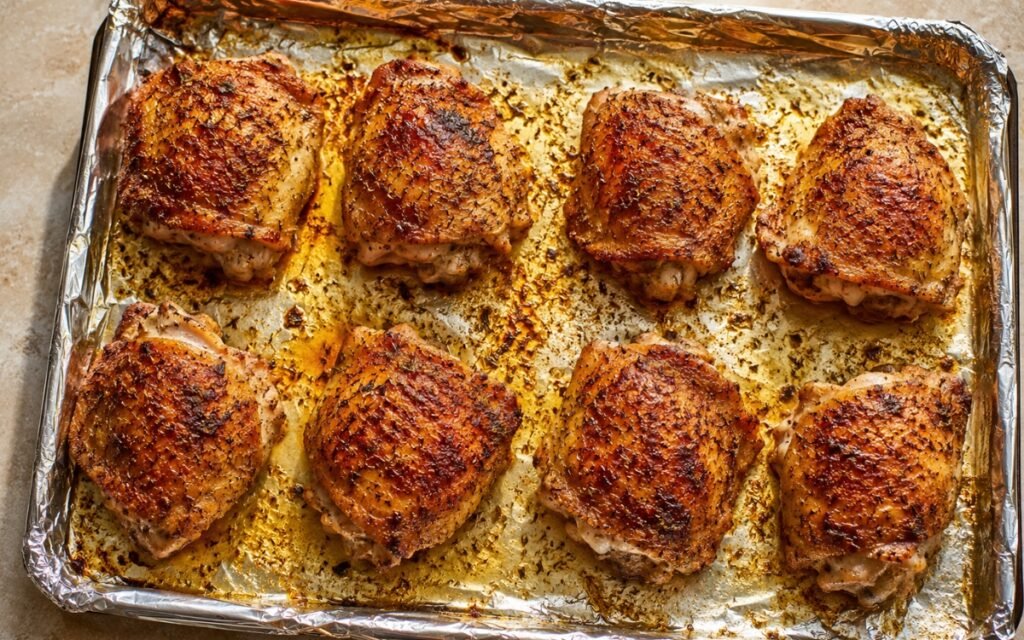
Cripsy Oven-Baked Chicken Thighs
Crispy-skinned chicken thighs baked with simple spices—the most forgiving and flavorful cut.
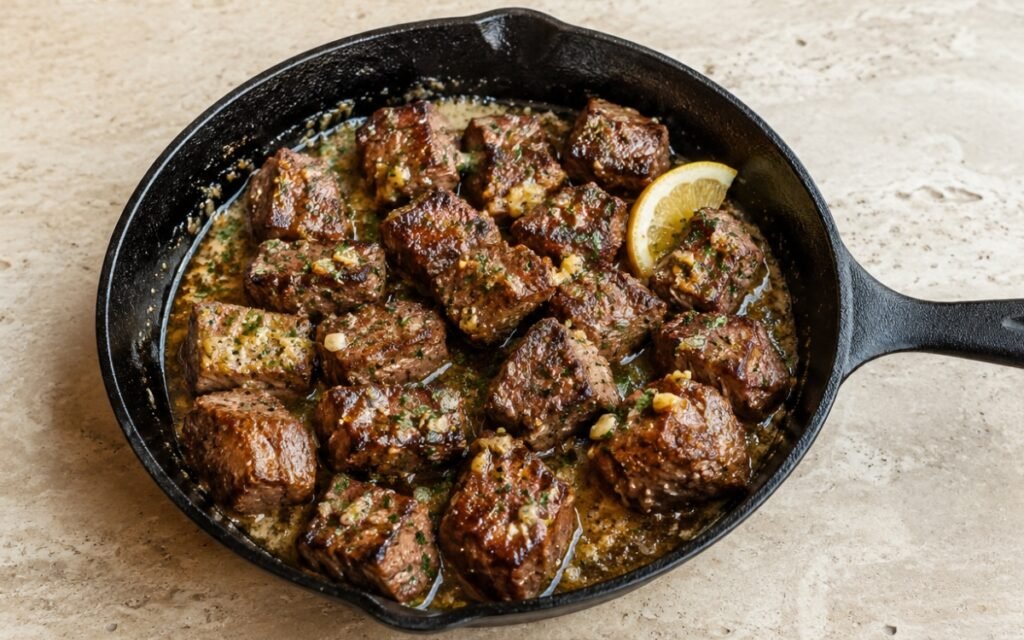
Garlic Butter Steak Bites
Large seared steak cubes with dark crust and juicy centers, tossed in glossy garlic butter with parsley, lemon, and black pepper.
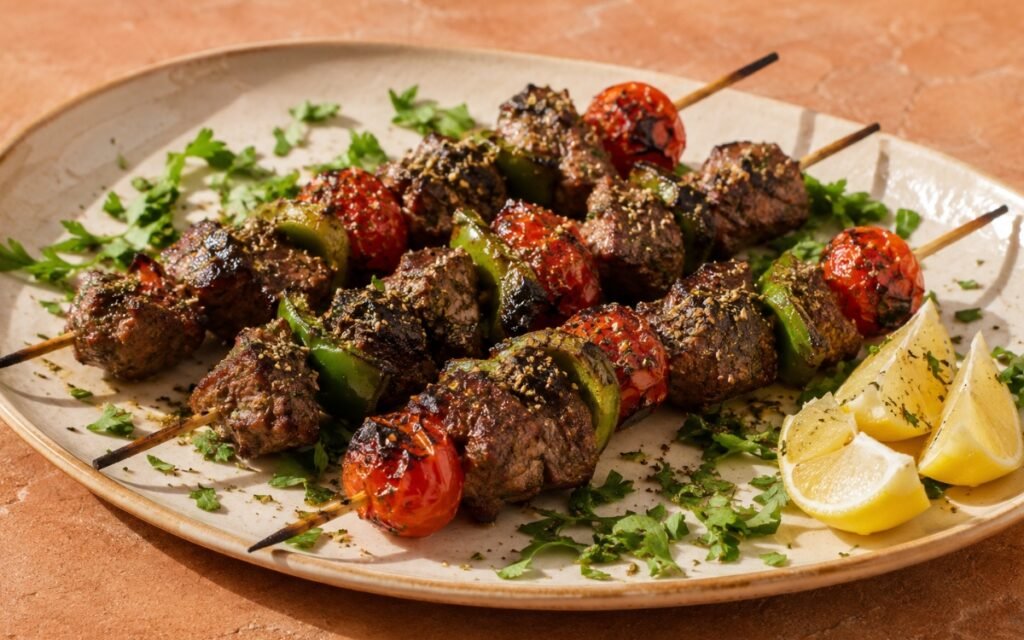
Grilled Lamb Kebabs with Charred Veggies
Lamb shoulder in a blended lemon-onion-za’atar marinade — threaded with bell peppers and cherry tomatoes, grilled until charred and juicy. Za’atar and parsley at finish. Serve with lavash, toum, and labneh.
You might also like
You might also like
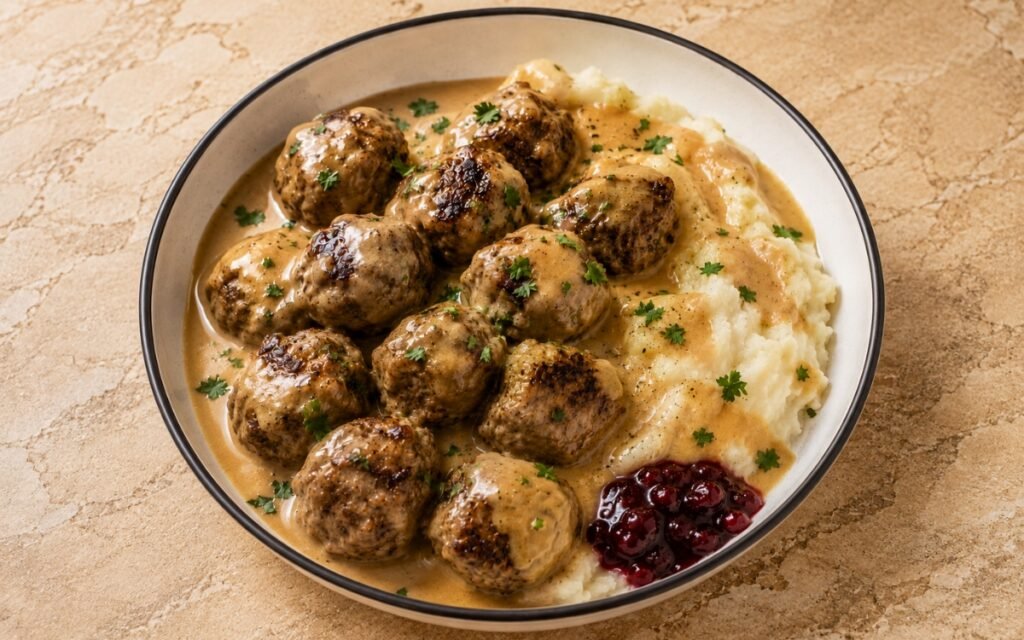
Swedish Meatballs
Tender panade-enriched beef and pork meatballs, gently spiced with allspice and nutmeg, in a creamy brown gravy over mashed potatoes.
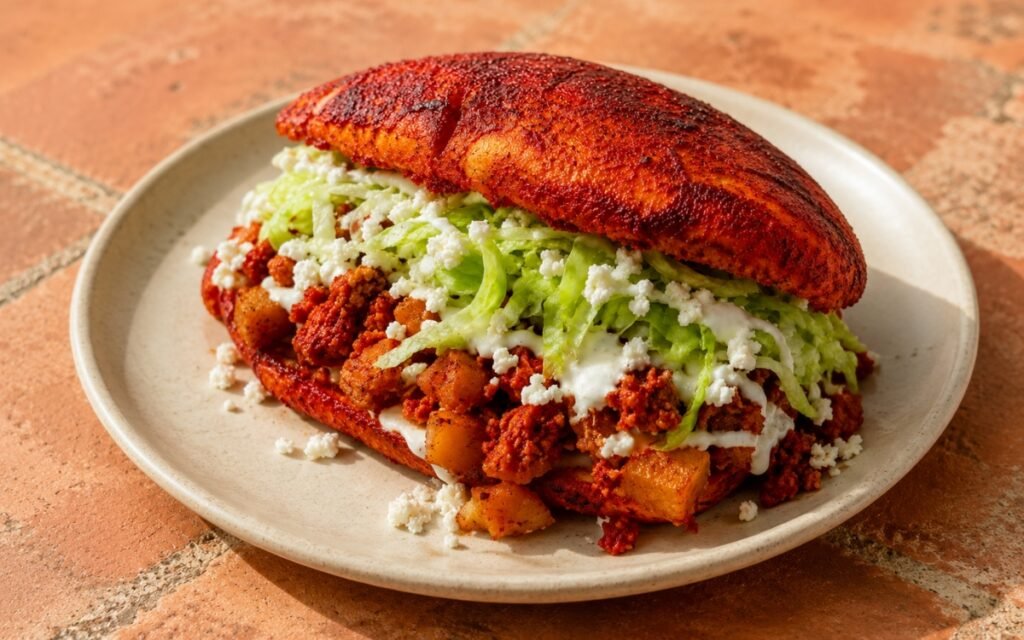
Pambazo Sandwich
Rolls dipped in vivid guajillo chili sauce and griddled deep red and lightly crisp, filled with savory potato-and-chorizo, and finished with crema and queso fresco.
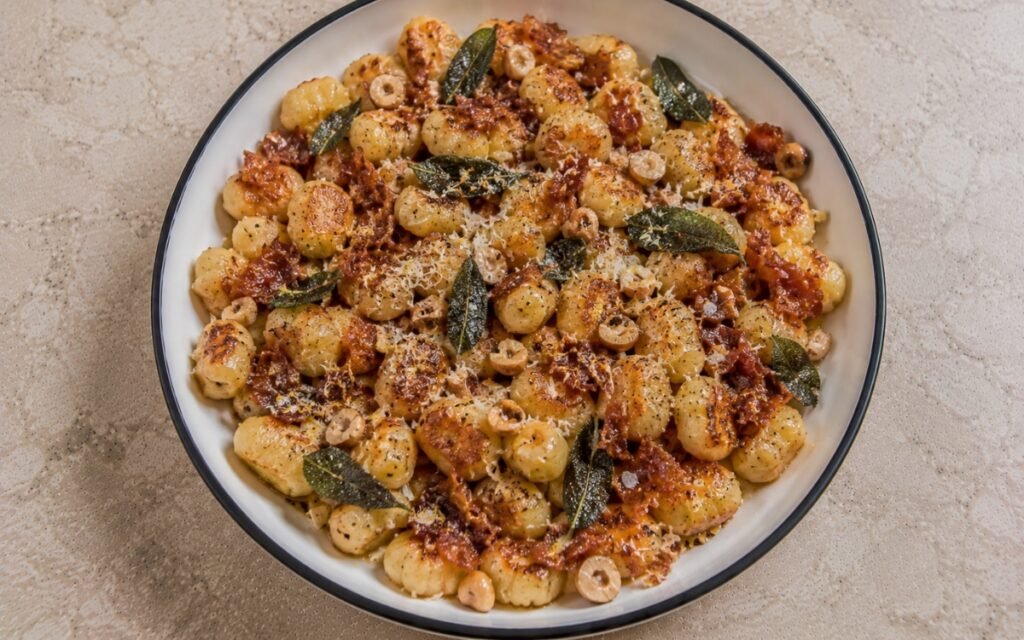
Brown Butter Sage Gnocchi with Crispy Prosciutto
Gnocchi tossed in brown butter with fried sage until golden-edged, emulsified with gnocchi water, finished with crispy prosciutto and Parmigiano — 25 minutes.
Austrian Pork Schnitzel
Ingredients
Method
- Place each pork portion between sheets of plastic wrap and pound evenly to about 5mm thickness. Work from the center outward to avoid tearing. This step defines the dish — schnitzel is not just thin meat, it is uniformly thin meat. Uneven thickness leads to overcooked edges and undercooked centers.
- Season both sides with salt and pepper and allow the meat to sit briefly. This draws out slight surface moisture, which helps the flour adhere more effectively and contributes to the later puffing of the crust during frying.
- Set up three stations: flour, beaten eggs, and fine breadcrumbs. Dredge each cutlet first in flour, then egg, then breadcrumbs. Do not press the breadcrumbs into the meat — they should sit loosely on the surface. This is critical, because compacted breadcrumbs create a dense coating instead of the characteristic light, wavy crust.
- Heat oil and butter together in a wide skillet until the fat is hot but stable. The schnitzel should effectively “float” in the fat, not sit dry on the pan. Proper frying requires enough fat to surround the coating and cook it evenly.
- Place the schnitzel into the hot fat and cook for 2–3 minutes on the first side. While frying, gently swirl the pan and spoon hot fat over the top. This movement causes the coating to lift and separate slightly from the meat, forming the signature wavy structure.
- Carefully turn the schnitzel and cook the second side for another 2–3 minutes until golden and crisp. Handle gently — piercing or pressing the meat will damage the coating and release moisture.
- Transfer to paper towels briefly, then serve immediately with lemon wedges. Waiting too long allows steam to soften the crust and destroy the texture.