
Spicy Tuna Rice Bowl
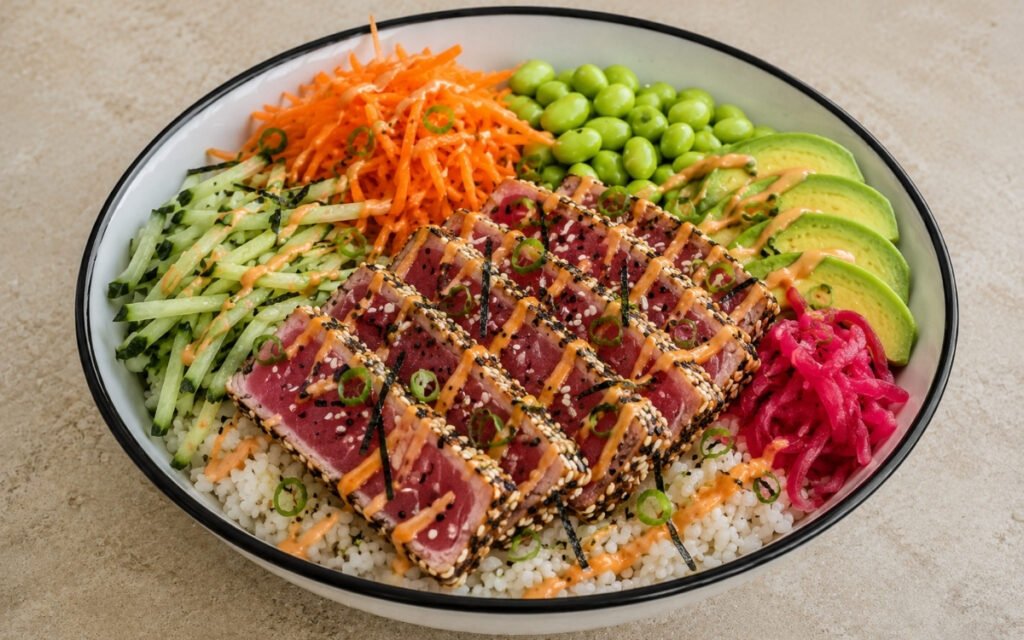
Sushi-grade tuna pressed on all surfaces in mixed white and black sesame seeds, seared for 45–60 seconds per side in a screaming-hot skillet so the sesame crust toasts and sets while the interior remains completely raw — producing the specific raw-centred, crust-edged tuna slice that is the visual and textural centrepiece of the bowl. Sushi rice spread on a baking sheet to cool while being fanned and folded with the vinegar-sugar-salt mixture — the technique that produces the characteristic sushi rice gloss rather than simply stirred seasoned rice. A gochugaru mayo made from Kewpie, Korean chili flakes, sriracha, lime, and garlic — specifically more complex than plain spicy mayo because the gochugaru’s fruity, building warmth layers differently from sriracha alone. Forty-five minutes from start to bowl.
Prep Time : 25 min
Cook Time : 20 min
Servings : 4
25 min
20 min
4
Ingredients
For the Sushi Rice
• 300g sushi rice (uncooked)
• 480ml water
• 45ml rice vinegar
• 15g granulated sugar
• 7g kosher salt
For the Sesame Crusted Tuna
• 600g sushi-grade tuna steaks
• 4g kosher salt
• 2g freshly ground black pepper
• 40g mixed sesame seeds — white and black combined
• 20ml neutral cooking oil — grapeseed or canola
For the Gochugaru Mayo
• 80g Japanese mayonnaise — this one on Amazon
• 15g gochugaru (Korean chili flakes) — this one on Amazon
• 10ml sriracha sauce
• 5ml fresh lime juice
• 3g garlic, minced
For the Toppings
• 200g Persian cucumber, julienned
• 160g carrots, shredded
• 120g shelled edamame, cooked
• 240g ripe avocado, sliced — approximately 2 medium avocados
• 20g pickled ginger — this one on Amazon
• 10g scallions, thinly sliced
• 8g nori sheets, cut into thin strips — this one on Amazon
• 5g toasted sesame seeds, for garnish
This post may contain affiliate links. As an Amazon Associate I earn from qualifying purchases, at no additional cost to you.
Directions
- Prepare the Seasoned Sushi Rice
Rinse the 300g of sushi rice under cold running water 4–6 times — more rinse cycles than other rice types because sushi rice has an exceptionally high surface starch content, and incomplete rinsing produces visibly cloudy water that turns into a gummy, over-sticky cooked rice rather than the slightly sticky but individually glossy grains that sushi rice requires. Rinse until the water running through the rice is nearly clear — a slight cloudiness at the final rinse is acceptable. Combine the rinsed rice with 480ml of cold water in a medium saucepan, bring to a full boil over high heat, reduce immediately to the lowest possible setting, cover tightly, and simmer for 15 minutes. Remove from heat and rest covered for 5 minutes. In a small bowl, combine the 45ml of rice vinegar, 15g of sugar, and 7g of salt — stir until the sugar and salt are fully dissolved before applying to the rice. Transfer the cooked rice to a large, wide non-metallic bowl — a wooden sushi tub if available, otherwise glass or ceramic. Pour the dissolved vinegar seasoning evenly over the rice and begin folding it through using a rice paddle or flat wooden spoon with a cutting-and-folding motion. Simultaneously fan the rice — a hand fan, a magazine, or the lid of the pot all work — while folding. The fanning is the technique element that separates correctly prepared sushi rice from simply vinegar-seasoned rice: the moving air rapidly evaporates the surface moisture from each grain as the vinegar is absorbed, producing the specific glossy, slightly tacky surface that is the visual characteristic of properly seasoned sushi rice and that prevents the grains from feeling wet. Spread the seasoned rice onto a baking sheet in an even layer and continue fanning intermittently while it cools to room temperature. Do not refrigerate — cold destroys sushi rice’s texture irreversibly. - Make the Gochugaru Mayo
In a small bowl, whisk together the 80g of Japanese Kewpie mayonnaise, 15g of gochugaru, 10ml of sriracha, 5ml of lime juice, and 3g of minced garlic until completely smooth and uniform. The two-chili combination — gochugaru and sriracha — produces a more layered heat than either alone: gochugaru’s fruity, slightly sweet, building Korean warmth provides the background heat that develops progressively through each bite; sriracha’s sharper, more immediate, garlic-forward heat provides the front note. Together they produce a spicy mayo with significantly more aromatic complexity than plain sriracha mayo. Kewpie’s egg-yolk-only, rice-vinegar-and-MSG composition makes it specifically richer, creamier, and more deeply flavoured than standard mayonnaise in this application — the resulting gochugaru mayo tastes specifically Japanese in character. Adjust: more gochugaru for deeper fruity warmth, more sriracha for sharper direct heat. Refrigerate until assembly. - Prepare and Sear the Tuna
Pat the 600g of sushi-grade tuna steaks completely dry on all surfaces with paper towels. Any residual moisture on the tuna’s surface will immediately create steam on contact with the hot oil — preventing the sesame seeds from toasting and adhering rather than forming the firm, golden crust the recipe requires. Season both sides and all edges generously with the 4g of salt and 2g of black pepper. Pour the 40g of mixed sesame seeds — white and black combined — onto a flat plate and press each tuna steak firmly into the seeds on all surfaces, turning to coat every face and edge. Press with your palm rather than simply rolling the steak — pressing compacts the seeds into the seasoned surface and produces a more adherent, more complete crust that will not fall off during the sear. Heat the 20ml of neutral oil in a heavy-bottomed skillet — cast iron or stainless steel — over the absolute highest available heat until shimmering and just beginning to show wisps of heat. The oil must be genuinely at smoking-heat temperature when the tuna enters — if the temperature is insufficient, the sesame seeds will absorb oil and become greasy rather than toasting crisply. Place the tuna steaks in the pan and leave completely undisturbed for 45–60 seconds for rare — the correct doneness for sushi-grade tuna that produces a raw, deep-red-pink centre — or 90 seconds for medium-rare. Do not touch, press, or move the steaks during this time. The sesame seeds toast and set against the surface during the undisturbed contact; any movement before they have set will pull the crust off the tuna. Flip each steak carefully and sear the second side for the same time. Transfer immediately to a cutting board and rest for 2 minutes. Slice against the grain into 1cm thick pieces — the cross-section of each slice should show the raw, deep-red interior surrounded by the toasted sesame-and-seared exterior. - Assemble the Bowls
Divide the cooled sushi rice among four wide bowls — approximately 200g of cooked rice per bowl, spread across the base. Arrange the sliced tuna pieces in overlapping or fanned formation over each rice portion so the raw red interior and toasted sesame crust are both visible. Distribute the toppings in distinct sections around the tuna: the 200g of julienned Persian cucumber, 160g of shredded carrot, 120g of cooked edamame, and 240g of sliced avocado each in their own section — arranged rather than mixed, so each component retains its individual visual identity until eaten. Slice the avocado immediately before assembly — avocado’s oxidation is rapid once cut. Drizzle approximately 25g of the gochugaru mayo over each bowl — extending it across the tuna and reaching the rice, so every component is within reach of the sauce in each spoonful. Add 5g of pickled ginger per bowl — its bright magenta colour and sharp vinegary freshness provide both visual contrast and the palate-cleansing function it serves in traditional sushi service. Scatter the sliced scallions, toasted nori strips, and toasted sesame seeds over each bowl. Serve immediately with additional soy sauce on the side.
*Notes :
- The dual-sesame coating — white and black sesame seeds combined — is both visually and culinarily deliberate. White sesame seeds have a slightly sweeter, more neutral character and develop a pale golden colour when toasted against the hot surface. Black sesame seeds have a slightly more bitter, more intensely nutty character and remain visually dark against the seared tuna’s surface. The contrast of colours produces the distinctive, visually striking crust that is the bowl’s visual centrepiece, and the slight flavour difference between the two types produces a more complex toasted sesame character than either alone.
- The fanning-while-folding technique for sushi rice is one of the most valuable Japanese cooking techniques to understand and practise. The folding motion distributes the vinegar seasoning evenly without crushing the starch-swollen grains. The simultaneous fanning rapidly evaporates the surface moisture that the vinegar solution brings to each grain’s surface — without fanning, this moisture remains and the rice feels wet and slightly soggy even after absorbing the vinegar. With fanning, the moisture evaporates within 3–5 minutes of application and the grains develop their characteristic slightly dry but glossy surface that is the tactile signature of correctly prepared sushi rice.
Why This Recipe Works
This recipe works because every component is prepared with the specific technique its character requires: the sushi rice fanned-while-folded for the correct glossy-tacky surface; the tuna left completely undisturbed during searing so the sesame crust sets rather than pulling off; the gochugaru mayo using two distinct chili sources for layered heat rather than a single chili.
The bowl’s composition is balanced — the raw-centred tuna’s coolness against the room-temperature rice, the pickled ginger’s acid against the avocado’s richness, and the gochugaru mayo’s building heat against the cucumber’s cool freshness.
Ingredient Breakdown
Sushi-Grade Tuna (Sesame-Crusted, 45-Second Sear)
The bowl’s centrepiece — sushi-grade for safe rare service; mixed sesame crust pressed firmly for adhesion; undisturbed sear for crust formation.
Mixed White and Black Sesame Seeds
The visual and flavour contrast crust — white for sweet golden toast, black for more bitter nutty character; combined for the striking two-tone crust.
Gochugaru and Sriracha Combined Mayo
The layered heat element — gochugaru for fruity building warmth, sriracha for sharper immediate heat; together producing more aromatic complexity than either alone.
Fanned Sushi Rice
The properly prepared base — fanning-while-folding produces the glossy, slightly-tacky surface that distinguishes correctly made sushi rice.
Pickled Ginger
The palate-cleansing element — placed as a distinct component in the palate-cleansing tradition of sushi service.
Avocado (Sliced at Assembly)
The creamy cooling richness — sliced immediately before serving to prevent oxidation.
Flavor Structure Explained
This Spicy tuna rice bowl follows a layered balance model:
- Clean marine core (raw tuna, toasted sesame)
- Bright acidic foundation (seasoned sushi rice)
- Layered spicy heat (gochugaru, sriracha mayo)
- Fresh cooling contrast (cucumber, carrot, edamame)
- Umami aromatic finish (Kewpie, nori, sesame, soy)
Tuna defines the central experience with cool, clean sweetness contrasted against the toasted nuttiness of the sesame crust. Sushi rice creates the foundational brightness through its sweet-acidic vinegar seasoning, sharpening every other flavor. Gochugaru and sriracha build layered heat — fruity and warm beneath sharper chili intensity. Fresh vegetables provide cooling crunch and sweetness that balance the spice and richness. Kewpie, nori, sesame, and soy complete the bowl with savory umami and Japanese aromatic depth, while pickled ginger refreshes the palate between bites.
Common Mistakes to Avoid
- Not Drying the Tuna Thoroughly – Surface moisture prevents the sesame crust from forming and produces sesame seeds that fall off the wet surface rather than adhering.
- Moving the Tuna During the Sear – The sesame seeds require sustained undisturbed contact to toast and adhere. Any movement before they have set pulls the crust off.
- Not Pressing the Sesame Seeds Firmly – Rolling the tuna in seeds without pressing produces a loose, incomplete crust. Always press firmly with the palm on all surfaces.
- Fanning Without Folding – The folding distributes the vinegar; the fanning evaporates the moisture. Both are required simultaneously — neither alone produces correctly prepared sushi rice.
- Refrigerating the Sushi Rice – Cold temperature irreversibly hardens sushi rice. Always keep at room temperature under a damp cloth.
- Using Standard Mayonnaise Instead of Kewpie – The resulting mayo lacks the richness, depth, and specifically Japanese character of the Kewpie version.
Variations
Spicy Salmon Rice Bowl
Reduce the fettuccine to 300g for a slightly lighter serving while keeping all other quantities the same — the sauce-to-pasta ratio becomes slightly more generous, which many people prefer. The dish remains fully satisfying and the protein per serving remains almost unchanged.
With Tobiko
Add 20g of flying fish roe scattered over each assembled bowl — the small, slightly crunchy, mildly briny eggs add the specifically sushi-restaurant visual and textural element.
With Mango
Replace or supplement the cucumber with 150g of diced fresh mango — its tropical sweetness provides a fruit-forward counterpoint to the spiced mayo and savoury tuna.
Extra Heat Version
Increase gochugaru to 25g in the mayo and add a few drops of toasted chili oil over each finished bowl — the double application of Korean and chili oil heat produces a specifically warming result.
Storage & Make-Ahead
Sushi rice can be kept at room temperature for up to 2 hours if covered with a damp cloth. It should not be refrigerated, since cold storage negatively affects its texture.
Gochugaru mayo can be refrigerated in a sealed jar for up to 3 days. Stir it before using.
Seared tuna is best served immediately, because rare tuna firms up and loses its ideal raw-centered texture during refrigeration. If you need to make it ahead, slightly undercook it so it stays more tender after reheating or resting.
The bowl components can mostly be prepared in advance. Julienned cucumber, shredded carrot, and edamame can be prepared up to 2 hours ahead and refrigerated. The avocado, however, should be sliced only immediately before assembly.
Frequently Asked Questions
What is sushi-grade tuna and where do I find it?
Sushi-grade tuna has been handled, processed, and frozen (the FDA recommends freezing at -20°C for 7 days to kill parasites) to make it safe to eat raw or rare. Available at reputable fishmongers, Japanese grocery stores, and quality seafood counters. If unavailable, fully cook the tuna to 63°C throughout.
What is gochugaru and how does it differ from regular chili flakes?
Gochugaru is Korean coarse red pepper flakes made from sun-dried, deseeded red chilies — fruity, moderately spiced, and slightly sweet, with a building rather than sharp heat. Standard chili flakes are more aggressive and less fruity. Available at Korean grocery stores and Asian supermarkets.
Why press the sesame seeds rather than roll?
Pressing compacts the seeds directly into the seasoned, slightly tacky surface of the tuna — producing a more adherent, more complete crust that maintains its integrity during the hot sear. Rolling deposits seeds more loosely that fall off when the crust is disturbed.
How do I know the tuna is seared correctly?
The sesame crust should be visibly golden-brown and fragrant — toasted rather than burnt. At 45–60 seconds per side, the interior will be raw and deep red when sliced. At 90 seconds per side, the interior will be medium-rare with a small pink centre. The tuna should feel firm at the exterior and yield slightly at the centre when pressed.
Why fan the sushi rice during seasoning?
The fanning rapidly evaporates the surface moisture that the vinegar mixture brings to each grain, producing the characteristic slightly dry but glossy surface of correctly prepared sushi rice. Without fanning, the moisture remains and the rice feels wet and slightly tacky in an unpleasant way rather than the correct slightly tacky-but-dry glossy surface.
Nutrition Facts
( per serving )
Calories
~860 kcal
Protein
43 g
Fat
40 g
Carbs
81 g
Calories
~860 kcal
Protein
43 g
Fat
40 g
Carbs
81 g
Related Recipes
Related Recipes

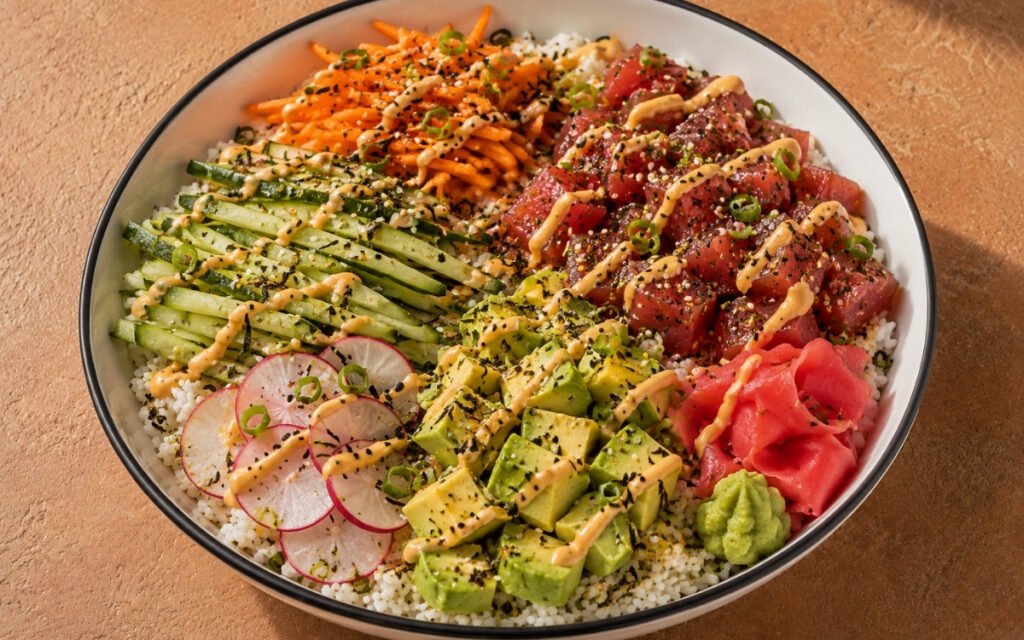
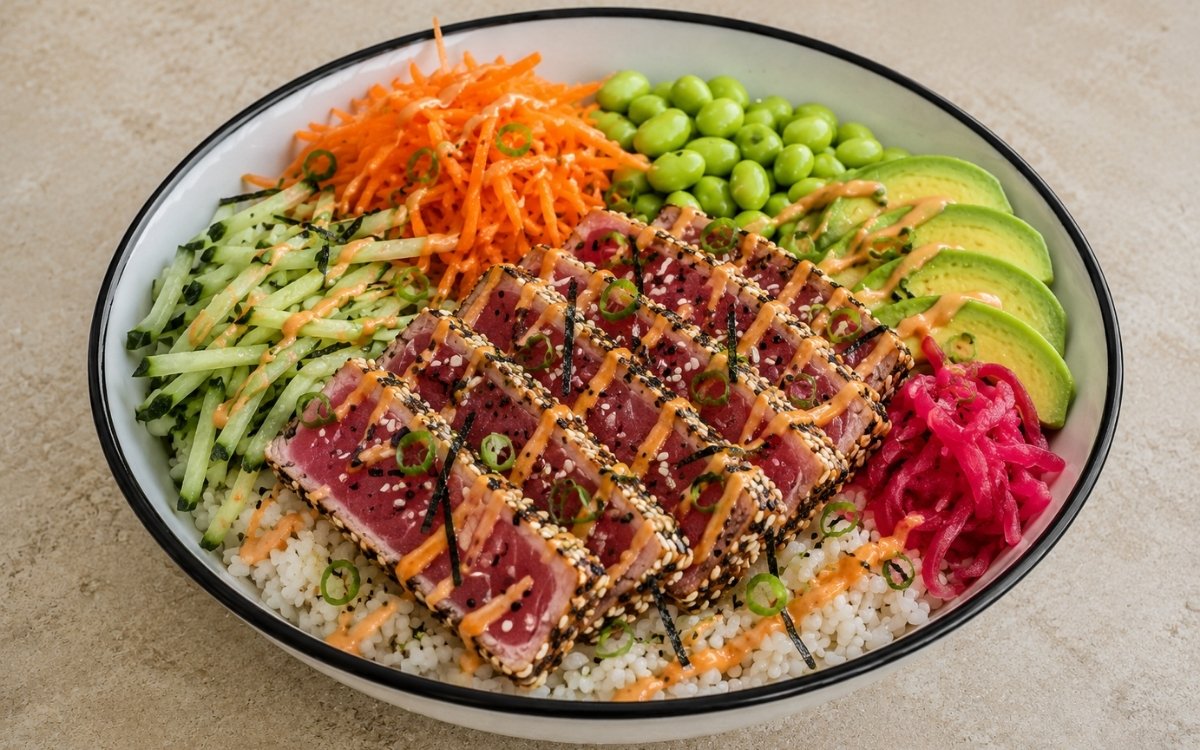
Tuna Poke Bowl
Authentic Hawaiian tuna poke bowl with marinated ahi, seasoned rice, vegetables, and spicy mayo.
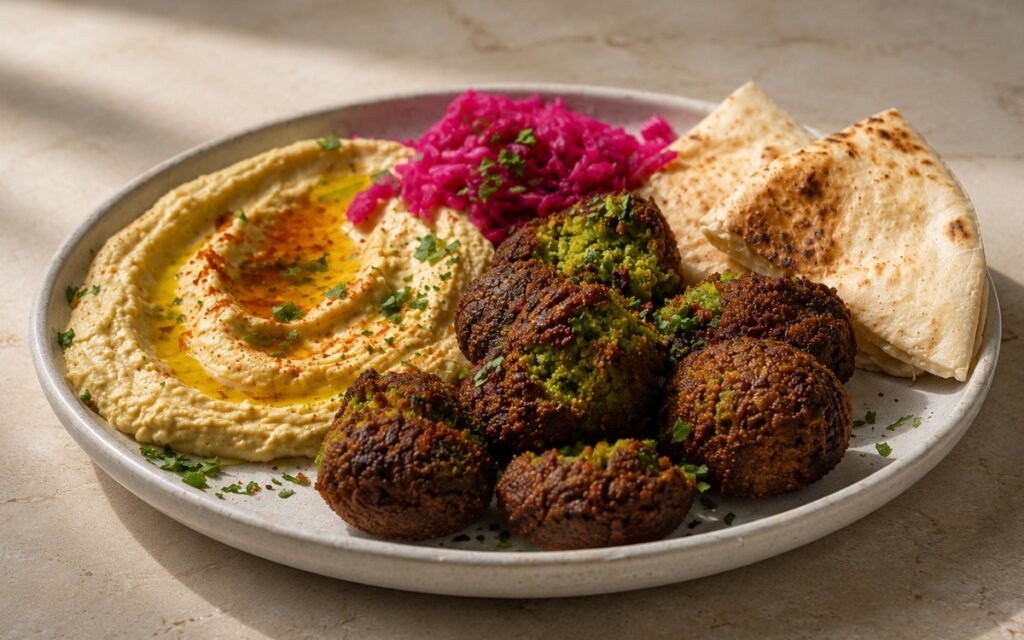
Crispy Falafel Plate
Golden shallow-fried falafel discs with a green herb centre, creamy hummus, pink pickled red cabbage and warm pita.
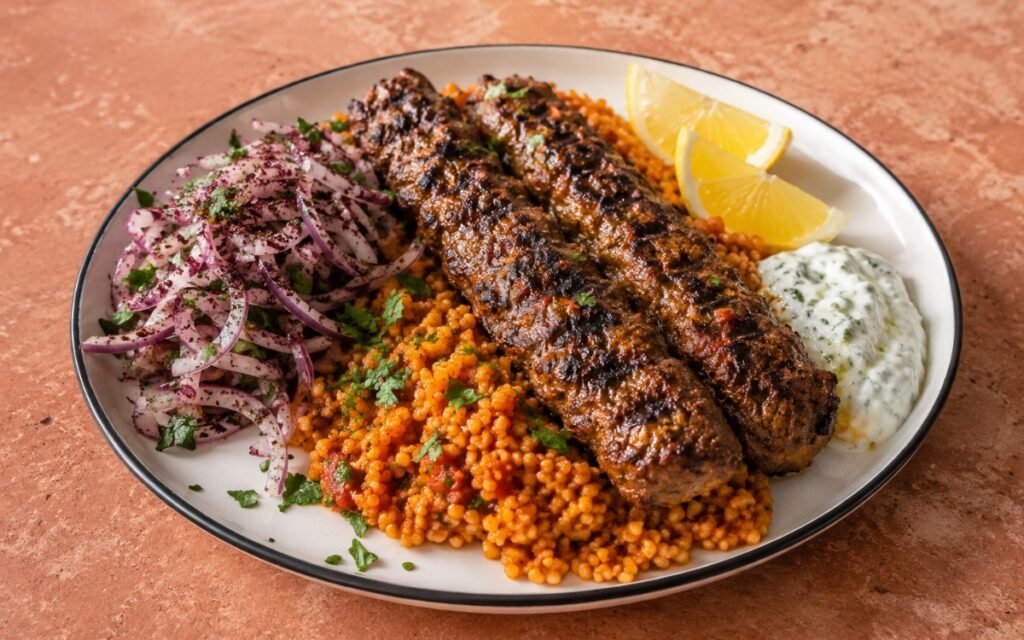
Turkish Adana Kebab with Tomato Couscous
Charred ground lamb Adana kebabs with pul biber on flat skewers, served over spiced tomato couscous with sumac onions.
You might also like
You might also like
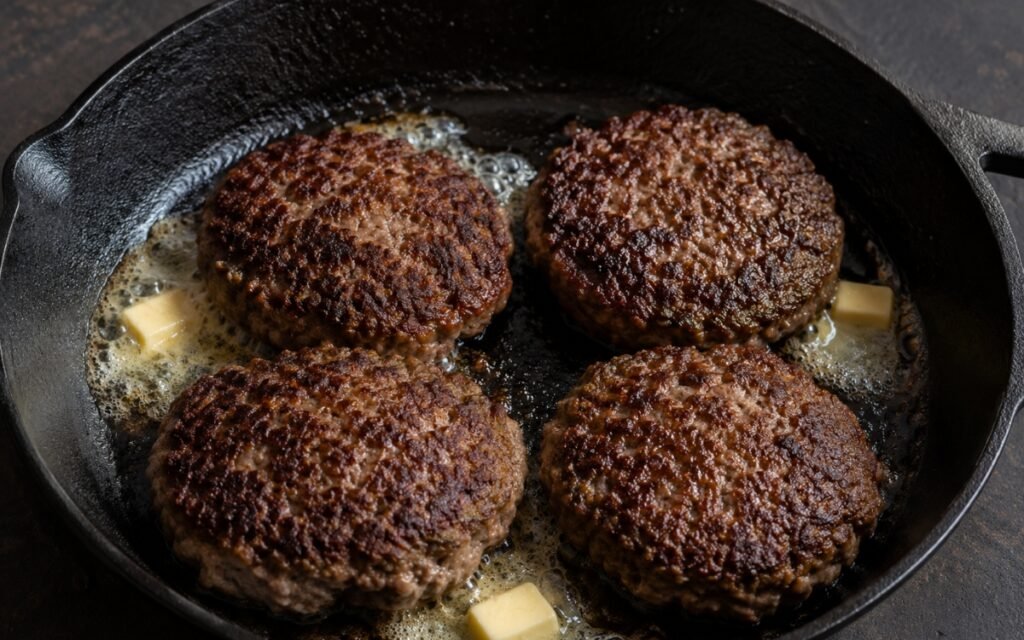
Easy Ground Beef Patties
Ground beef portioned gently, indented, seasoned late — seared undisturbed, butter-basted, and rested. Caramelized crust, juicy interior.
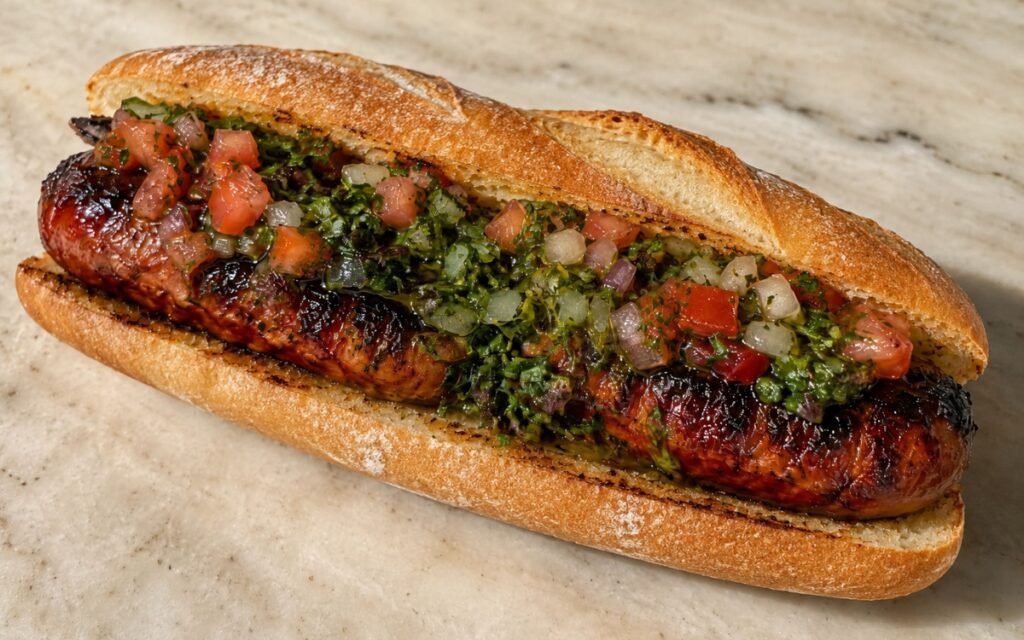
Argentine Choripán
Butterflied Argentinian chorizo seared until deeply charred and glossy, stuffed into a toasted roll with generous chimichurri and tomato-shallot salsa.
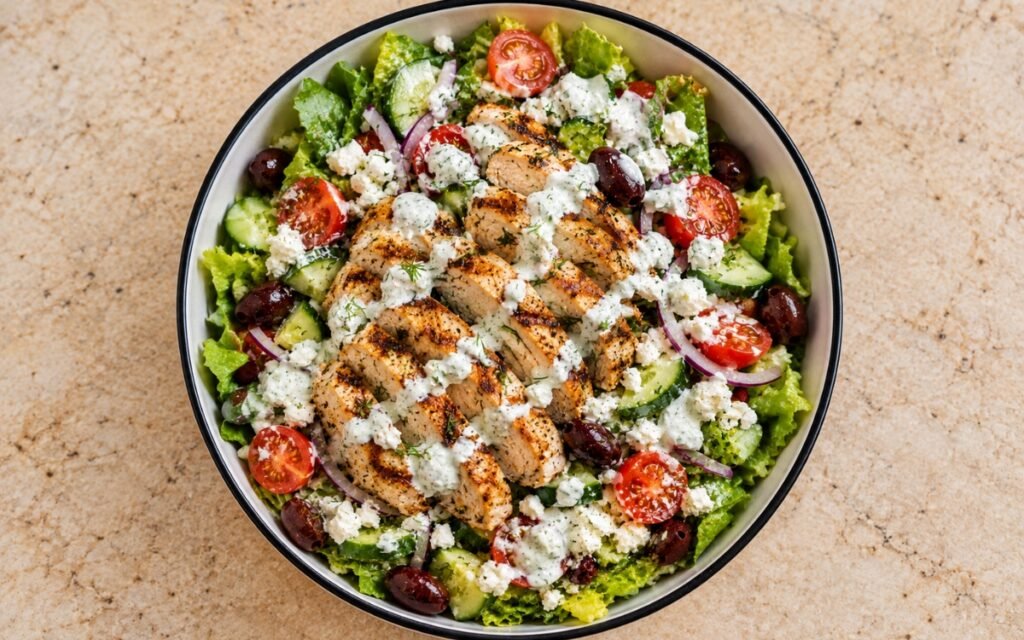
Greek Chicken Salad with Tzatziki Dressing
Grilled Greek-marinated chicken breast over crisp greens with cucumber, cherry tomatoes, Kalamata olives, feta, and creamy tzatziki dressing.
Spicy Tuna Rice Bowl
Ingredients
Method
- Rinse the 300g of sushi rice under cold running water 4–6 times — more rinse cycles than other rice types because sushi rice has an exceptionally high surface starch content, and incomplete rinsing produces visibly cloudy water that turns into a gummy, over-sticky cooked rice rather than the slightly sticky but individually glossy grains that sushi rice requires. Rinse until the water running through the rice is nearly clear — a slight cloudiness at the final rinse is acceptable. Combine the rinsed rice with 480ml of cold water in a medium saucepan, bring to a full boil over high heat, reduce immediately to the lowest possible setting, cover tightly, and simmer for 15 minutes. Remove from heat and rest covered for 5 minutes. In a small bowl, combine the 45ml of rice vinegar, 15g of sugar, and 7g of salt — stir until the sugar and salt are fully dissolved before applying to the rice. Transfer the cooked rice to a large, wide non-metallic bowl — a wooden sushi tub if available, otherwise glass or ceramic. Pour the dissolved vinegar seasoning evenly over the rice and begin folding it through using a rice paddle or flat wooden spoon with a cutting-and-folding motion. Simultaneously fan the rice — a hand fan, a magazine, or the lid of the pot all work — while folding. The fanning is the technique element that separates correctly prepared sushi rice from simply vinegar-seasoned rice: the moving air rapidly evaporates the surface moisture from each grain as the vinegar is absorbed, producing the specific glossy, slightly tacky surface that is the visual characteristic of properly seasoned sushi rice and that prevents the grains from feeling wet. Spread the seasoned rice onto a baking sheet in an even layer and continue fanning intermittently while it cools to room temperature. Do not refrigerate — cold destroys sushi rice’s texture irreversibly.
- In a small bowl, whisk together the 80g of Japanese Kewpie mayonnaise, 15g of gochugaru, 10ml of sriracha, 5ml of lime juice, and 3g of minced garlic until completely smooth and uniform. The two-chili combination — gochugaru and sriracha — produces a more layered heat than either alone: gochugaru’s fruity, slightly sweet, building Korean warmth provides the background heat that develops progressively through each bite; sriracha’s sharper, more immediate, garlic-forward heat provides the front note. Together they produce a spicy mayo with significantly more aromatic complexity than plain sriracha mayo. Kewpie’s egg-yolk-only, rice-vinegar-and-MSG composition makes it specifically richer, creamier, and more deeply flavoured than standard mayonnaise in this application — the resulting gochugaru mayo tastes specifically Japanese in character. Adjust: more gochugaru for deeper fruity warmth, more sriracha for sharper direct heat. Refrigerate until assembly.
- Pat the 600g of sushi-grade tuna steaks completely dry on all surfaces with paper towels. Any residual moisture on the tuna’s surface will immediately create steam on contact with the hot oil — preventing the sesame seeds from toasting and adhering rather than forming the firm, golden crust the recipe requires. Season both sides and all edges generously with the 4g of salt and 2g of black pepper. Pour the 40g of mixed sesame seeds — white and black combined — onto a flat plate and press each tuna steak firmly into the seeds on all surfaces, turning to coat every face and edge. Press with your palm rather than simply rolling the steak — pressing compacts the seeds into the seasoned surface and produces a more adherent, more complete crust that will not fall off during the sear. Heat the 20ml of neutral oil in a heavy-bottomed skillet — cast iron or stainless steel — over the absolute highest available heat until shimmering and just beginning to show wisps of heat. The oil must be genuinely at smoking-heat temperature when the tuna enters — if the temperature is insufficient, the sesame seeds will absorb oil and become greasy rather than toasting crisply. Place the tuna steaks in the pan and leave completely undisturbed for 45–60 seconds for rare — the correct doneness for sushi-grade tuna that produces a raw, deep-red-pink centre — or 90 seconds for medium-rare. Do not touch, press, or move the steaks during this time. The sesame seeds toast and set against the surface during the undisturbed contact; any movement before they have set will pull the crust off the tuna. Flip each steak carefully and sear the second side for the same time. Transfer immediately to a cutting board and rest for 2 minutes. Slice against the grain into 1cm thick pieces — the cross-section of each slice should show the raw, deep-red interior surrounded by the toasted sesame-and-seared exterior.
- Divide the cooled sushi rice among four wide bowls — approximately 200g of cooked rice per bowl, spread across the base. Arrange the sliced tuna pieces in overlapping or fanned formation over each rice portion so the raw red interior and toasted sesame crust are both visible. Distribute the toppings in distinct sections around the tuna: the 200g of julienned Persian cucumber, 160g of shredded carrot, 120g of cooked edamame, and 240g of sliced avocado each in their own section — arranged rather than mixed, so each component retains its individual visual identity until eaten. Slice the avocado immediately before assembly — avocado’s oxidation is rapid once cut. Drizzle approximately 25g of the gochugaru mayo over each bowl — extending it across the tuna and reaching the rice, so every component is within reach of the sauce in each spoonful. Add 5g of pickled ginger per bowl — its bright magenta colour and sharp vinegary freshness provide both visual contrast and the palate-cleansing function it serves in traditional sushi service. Scatter the sliced scallions, toasted nori strips, and toasted sesame seeds over each bowl. Serve immediately with additional soy sauce on the side.