
Spicy Calabrian Chili Penne Arrabbiata
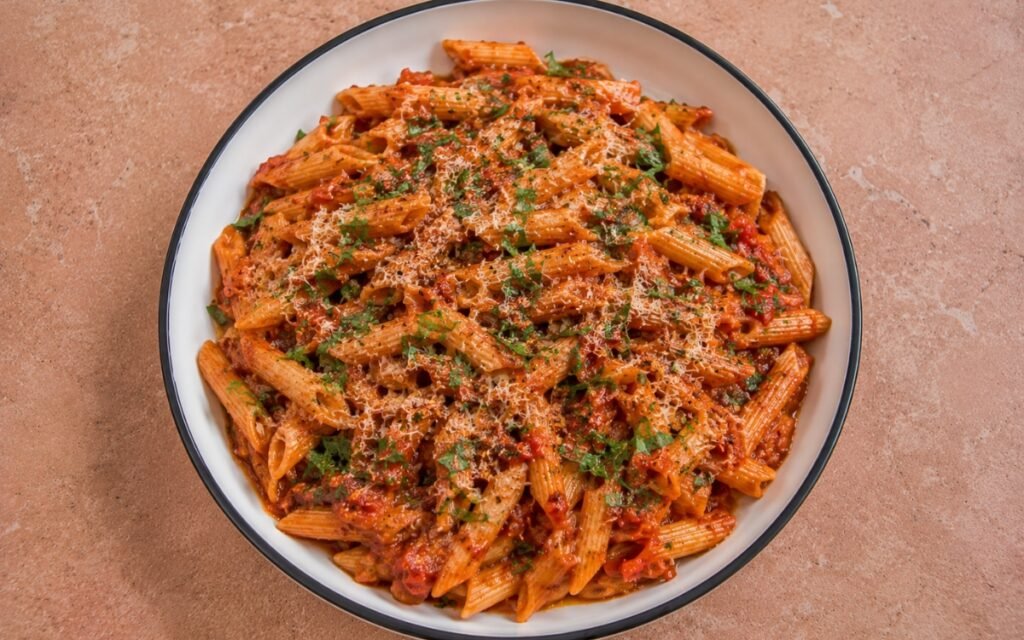
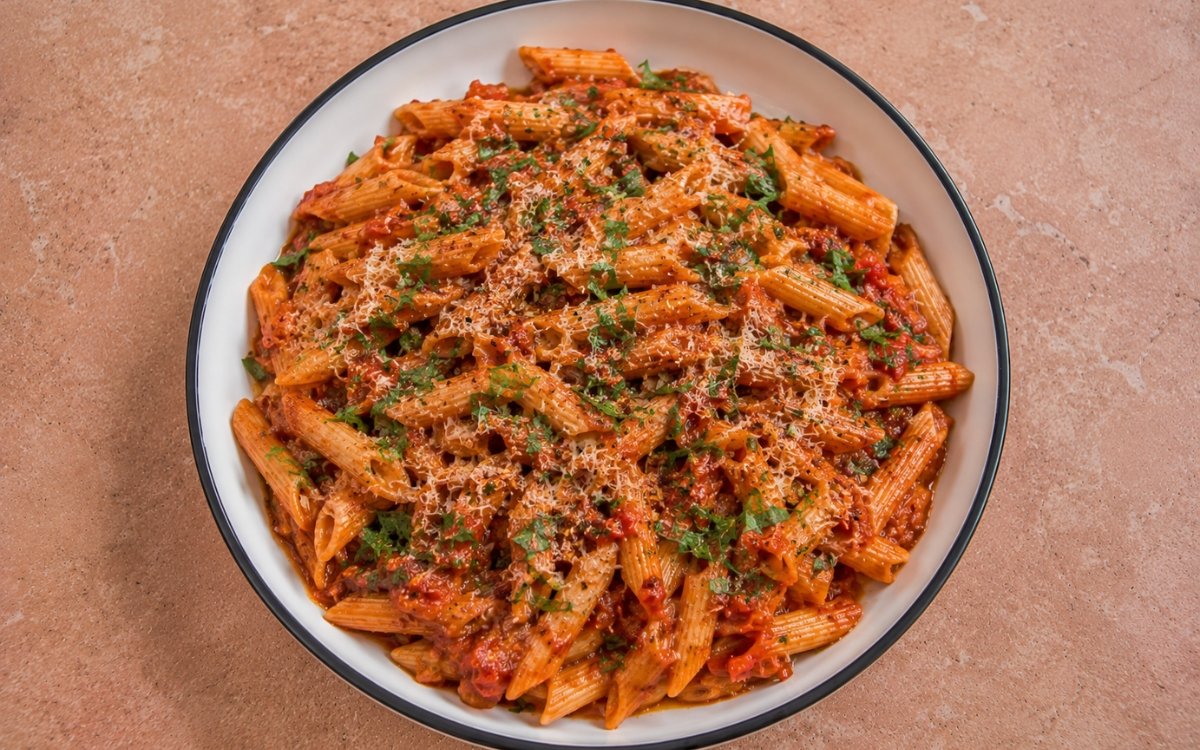
Arrabbiata means angry — and this version earns the name with Calabrian chili paste bloomed in olive oil alongside thinly sliced garlic kept deliberately pale rather than golden, producing a heat that builds warmly rather than shocking. The tomatoes go in hand-crushed for body, simmer for 8–10 minutes until the raw edge cooks off and the sauce turns glossy and concentrated, then the penne finishes directly in the pan where the pasta water starch emulsifies the olive oil and tomato into the coating that makes every ridged tube worth eating. Parmigiano goes in off the heat. Twenty-five minutes, four ingredients in the sauce, the kind of heat that makes you keep eating.
Prep Time : 10 min
Cook Time : 15 min
Servings : 4
10 min
15 min
4
Ingredients
For the Pasta
• 400 g penne rigate — this one on Amazon
• 12g kosher salt, for the pasta water
• 240 ml pasta water, reserved
For the Calabrian Arrabbiata Sauce
• 75 ml extra virgin olive oil — this one on Amazon
• 20g garlic, about 5 cloves, thinly sliced
• 2g red pepper flakes, about 1 tsp
• 30 g Calabrian chili paste — this one on Amazon
• 800 g canned whole peeled tomatoes, hand-crushed
• 1 teaspoon (6 g) kosher salt, plus more to taste
For Finishing
• 60 g finely grated Parmigiano-Reggiano, plus more for serving — this one on Amazon
• 30 g fresh parsley, finely chopped
• Extra-virgin olive oil, for finishing drizzle
This post may contain affiliate links. As an Amazon Associate I earn from qualifying purchases, at no additional cost to you.
Directions
- Cook the Pasta
Bring a large pot of water to a full rolling boil and add the 12g of kosher salt — the water should taste assertively seasoned, and at this salt level it will. Add the penne rigate and cook, stirring occasionally, until exactly 1–2 minutes shy of the package’s al dente time. The pasta finishes cooking in the sauce, which is why the earlier-than-usual pull is important — pasta at full al dente entering the sauce step will be overcooked by the time the sauce has coated every tube. Before draining, reserve 240ml of the starchy pasta water in a heatproof jug and keep it warm throughout. Drain without rinsing — the surface starch on the pasta contributes to the sauce’s emulsification. - Bloom the Garlic and Chili in Olive Oil
Place a large skillet over medium heat and add the 75ml of extra-virgin olive oil. Allow to warm — not hot, but warm, at the temperature where a garlic slice added would begin a gentle sizzle rather than a violent splatter. Add the thinly sliced garlic and 2g of red pepper flakes simultaneously. Cook for 3–4 minutes, stirring frequently, until the garlic is very lightly golden and fragrant — consistently pale-golden throughout, with no brown patches anywhere. The distinction between pale-golden and browned garlic in arrabbiata is the difference between a sauce with sweet, toasted, aromatic garlic character and one with a bitter, acrid note that dominates every other flavour. In a sauce this simple — four ingredients — there is nowhere for browned garlic’s bitterness to hide. Control the heat throughout and stir frequently. Add the 30g of Calabrian chili paste and stir for approximately 30 seconds, pressing the paste against the pan surface and working it into the surrounding oil. This brief blooming distributes the chili’s fat-soluble aromatic and capsaicin compounds through the oil evenly — the paste’s heat becomes pervasive and warm rather than concentrated and harsh. Calabrian chili paste rather than additional dried chili flakes is the specific ingredient choice for this sauce: the fermented, oil-packed Calabrian chilies produce a heat that is fruity, slightly sweet, and building rather than the sharp, immediate intensity of dried flakes. The combination of both — the bloomed flakes adding background warmth, the paste adding the specific Calabrian fruity heat — produces a more complex, more layered heat than either alone. - Add Tomatoes and Simmer
Add the 800g of hand-crushed whole peeled tomatoes with all their juices. Hand-crushing — squeezing each whole tomato over the pan until it breaks open — produces a varied texture with small, distinct tomato chunks alongside the sauce body. Pre-crushed tomatoes produce a uniformly fine sauce without this textural variation. Add the 6g of salt and stir to combine everything. Bring to a steady, gentle simmer over medium heat. Cook uncovered for 8–10 minutes, stirring occasionally — the sauce should thicken slightly, deepen slightly in colour, and lose the raw tomato sharpness that freshly added canned tomatoes have. By the end of the simmer the sauce should taste bright, concentrated, specifically spicy with the building warmth of the Calabrian chili, and well-balanced between the tomato’s acidity and the olive oil’s richness. Taste at 8 minutes and adjust with additional salt if needed. - Finish the Pasta in the Sauce
Add the drained penne directly to the skillet with the simmering arrabbiata sauce. Pour in 120ml of the reserved pasta water immediately. Increase the heat to medium-high. Toss and stir vigorously for 1–2 minutes — the pasta finishes cooking in the sauce during this tossing period, absorbing the spiced tomato character from the outside in while the pasta’s own surface starch releases into the surrounding sauce. The starch-and-olive oil emulsification that occurs during vigorous tossing at this temperature produces the glossy, coating consistency that makes every ridged tube of penne rigate worth choosing — the ridges are not decorative but functional, providing the maximum surface area for the coating sauce to adhere to. The correct finished consistency is glossy and cohesive — the sauce clings to the pasta as a film rather than pooling at the bottom of the skillet. If the sauce tightens beyond this point, add the remaining pasta water in 30ml increments while tossing aggressively. A sauce that won’t cling is a starch-and-tossing problem, not a more-cheese problem. - Add Parmigiano and Parsley, Serve
Remove the skillet from the heat completely. Add the 60g of finely grated Parmigiano-Reggiano and the 30g of chopped fresh parsley. Toss quickly — the residual heat of the pasta and sauce melts the Parmigiano smoothly without seizing, the cheese adding savoury, umami-rich depth that grounds the spice and acidity of the arrabbiata. The parsley adds the clean, fresh herbal top note that is the aromatic counterpoint to the chili’s heat. Divide among four warm bowls immediately — arrabbiata’s brightness and heat intensity are at their best in the first 2–3 minutes of plating; the sauce dulls slightly as it cools. Finish with additional Parmigiano and a drizzle of the best olive oil available over each bowl.
*Notes :
- Arrabbiata — literally “angry” in Italian — is a Roman sauce of disputed origin but undisputed simplicity: olive oil, garlic, tomatoes, and chili. The traditional preparation uses only dried red chilies — no Calabrian paste, no additional components. This recipe’s addition of Calabrian chili paste alongside the dried flakes is a deliberate regional upgrade: Calabrian chilies, fermented and packed in olive oil, produce a heat character that is specifically fruity, rounded, and building — the product of the chili’s natural sugars caramelising slightly during fermentation and the oil-packing softening the capsaicin’s impact. The combination of dried flakes for background warmth and Calabrian paste for the specific fruity-spiced Calabrian character produces a more layered, more specifically Italian-spiced heat than standard arrabbiata.
- The olive oil quantity — 75ml for four servings — is generous and deliberate. Arrabbiata is an olive oil-forward sauce: the garlic and chili bloom in the oil, the tomatoes simmer in the oil-infused base, and the finished sauce’s gloss comes from the emulsification of the olive oil and pasta starch. Reducing the olive oil produces a thinner, less coating, less richly flavoured sauce. Good-quality extra-virgin olive oil is worth using here — it is not a cooking medium that disappears but a primary flavour ingredient.
Why This Recipe Works
This recipe works because it applies the correct technique to each of the sauce’s two most critical steps. The garlic is cooked at medium heat with frequent stirring specifically to maintain pale-golden rather than allowing any browning — in a sauce this simple, browned garlic cannot be masked.
The Calabrian chili paste is bloomed in the oil before the tomatoes are added, distributing its fat-soluble aromatics and capsaicin uniformly through the oil that the tomatoes will subsequently simmer in.
The pasta finishes in the sauce at high heat with aggressive tossing to create the starch-oil emulsification. And the Parmigiano goes in off the heat for smooth incorporation. Every decision is in service of the sauce being glossy, hot, bright, and coating.
Ingredient Breakdown
Calabrian Chili Paste (30g, Bloomed in Oil)
The defining heat ingredient — fruity, slightly sweet, and building; bloomed in olive oil to distribute its capsaicin and aromatics evenly through the sauce before the tomatoes are added.
Red Pepper Flakes (2g, Bloomed with Garlic)
The background heat layer — added alongside the garlic for the base warmth that the Calabrian paste builds upon.
Thinly Sliced Garlic (Kept Pale-Golden)
The aromatic foundation — pale-golden produces sweet, toasted character; any browning produces bitterness that a sauce this simple cannot mask.
Whole Peeled Tomatoes (Hand-Crushed)
The sauce body — hand-crushing produces varied texture and distinct tomato pieces rather than the uniform purée of pre-crushed tomatoes.
Extra-Virgin Olive Oil (75ml)
The flavour medium and emulsification fat — generous quantity because the sauce’s gloss comes from olive oil and pasta starch combining.
Pasta Water (Starchy, Added at Tossing)
The emulsifier — starch bridges the olive oil and tomato into the glossy, coating consistency that defines well-made arrabbiata.
Parmigiano-Reggiano (Off-Heat)
The savoury balancing finish — added last, off heat, to melt smoothly and ground the chili’s heat.
Flavor Structure Explained
This penne arrabbiata follows a layered balance model:
- Building heat core (chili flakes, Calabrian chili paste)
- Sweet-acidic body (tomato)
- Smooth fat base (olive oil)
- Savory finish (Parmesan)
- Fresh herbal lift (parsley)
Chili defines the dominant character with layered heat — dried flakes providing steady warmth while Calabrian chili adds fruity, progressive intensity. Tomato forms the body, balancing the spice with sweetness and acidity developed through reduction. Olive oil carries the heat evenly, softening the edges and giving the sauce a smooth, coating texture. Parmesan adds savory depth at the finish, grounding the brightness and spice. Parsley lifts the entire structure with fresh herbal contrast, ensuring the dish stays vivid rather than purely aggressive.
Common Mistakes to Avoid
- Browning the Garlic – The single most consequential error for this sauce — bitterness from browned garlic has nowhere to hide in four ingredients. Keep it pale-golden throughout.
- Not Blooming the Chili Paste – Adding the paste directly to the tomatoes without the 30-second oil bloom produces raw, unevenly distributed heat rather than the pervasive, warm spice character of properly bloomed chili.
- Not Finishing the Pasta in the Sauce – Pasta plated separately with sauce poured over it produces a fundamentally different dish — the starch-oil emulsification that creates the coating gloss only happens when the pasta and sauce are tossed together at medium-high heat.
- Adding Parmigiano Over Direct Heat – Seizing and clumping rather than smooth melting. Always remove from heat first.
- Using Pre-Crushed Tomatoes – The uniform fine texture lacks the body and textural variation of hand-crushed whole tomatoes. Always hand-crush.
- Serving Late – Arrabbiata’s brightness and heat intensity dull as it cools. Always serve immediately.
Variations
All-Calabrian, No Flakes
Increase the Calabrian chili paste to 50g and omit the red pepper flakes entirely for a sauce where all the heat comes from the specifically fruity, fermented Calabrian character — a different heat profile but equally compelling.
Arrabbiata With Anchovies
Add 4 minced anchovy fillets alongside the garlic at the blooming step — they dissolve completely and invisibly into the oil, adding a deep savoury umami depth that amplifies the tomato’s character without adding any detectable anchovy flavour. The version that restaurants serve without listing anchovies.
Arrabbiata With Capers and Olives
Add 40g of rinsed capers and 80g of pitted Kalamata olives alongside the tomatoes for a version that crosses into puttanesca territory — briny, salty, and specifically Southern Italian.
Arrabbiata Without Cheese
Traditional arrabbiata in Rome is often served without any cheese — the chili and tomato are considered sufficient. Omit the Parmigiano entirely and increase the finishing olive oil for a more specifically traditional result.
Storage & Make-Ahead
The assembled pasta arrabbiata is best served immediately, since the brightness of arrabbiata fades over time and the pasta continues to absorb the sauce during storage. It can be refrigerated for up to 2 days. To reheat it, warm it in a pan over medium heat with a splash of water, tossing vigorously to bring the sauce back together.
Arrabbiata sauce without the pasta is one of the best make-ahead pasta sauces in this collection. It can be refrigerated for up to 5 days, and the heat deepens overnight as the compounds in the Calabrian chili continue to develop. Reheat it to a gentle simmer, then finish it with freshly cooked pasta when you are ready to serve.
Frequently Asked Questions
What is Calabrian chili paste and where do I find it?
Calabrian chili paste is made from fermented, oil-packed Calabrian chilies from the Calabria region of Southern Italy — ground or roughly pureed with their oil into a paste. The fermentation produces a fruity, rounded, building heat that distinguishes it from fresh or dried chili. Available at Italian specialty stores, good supermarkets in the international foods section, and online.
How spicy is this?
With the full quantities — 2g of red pepper flakes and 30g of Calabrian chili paste — the heat is moderate to high: clearly present, building through each bite, but accessible for most palates. For a milder version, start with 15g of Calabrian paste and add more after tasting the simmered sauce.
Why penne rigate rather than smooth penne?
The ridges on penne rigate capture and hold the sauce along their surface — significantly more sauce per bite than smooth penne, which the sauce slides off more easily. Always the ridged version for this specific sauce.
Can I use fresh tomatoes?
Yes — 800g of ripe, in-season plum tomatoes, roughly crushed by hand, produces a brighter, more acidic result than canned. Extend the simmering time to 12–15 minutes for fresh tomatoes to concentrate sufficiently.
Why is traditional arrabbiata sometimes made without cheese?
Some Roman purists consider Parmigiano incompatible with the chili’s specific character — the dairy’s richness moderating the heat in a way that diminishes the point of the sauce. Both approaches are correct; the cheese version is richer and more rounded, the no-cheese version is sharper and more austere.
Nutrition Facts
( per serving )
Calories
~655 kcal
Protein
20 g
Fat
25 g
Carbs
84 g
Calories
~655 kcal
Protein
20 g
Fat
25 g
Carbs
84 g
Related Recipes
Related Recipes

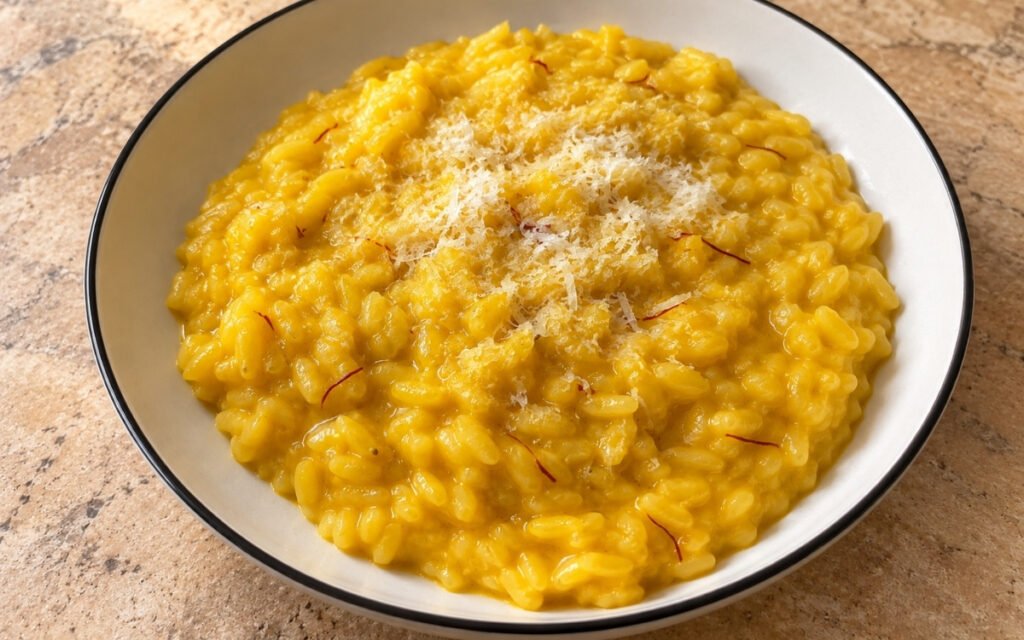
Risotto alla Milanese
Deep golden Carnaroli rice with saffron, white wine, and a Parmigiano-Reggiano mantecatura, finished to a loose, glossy all’onda texture.
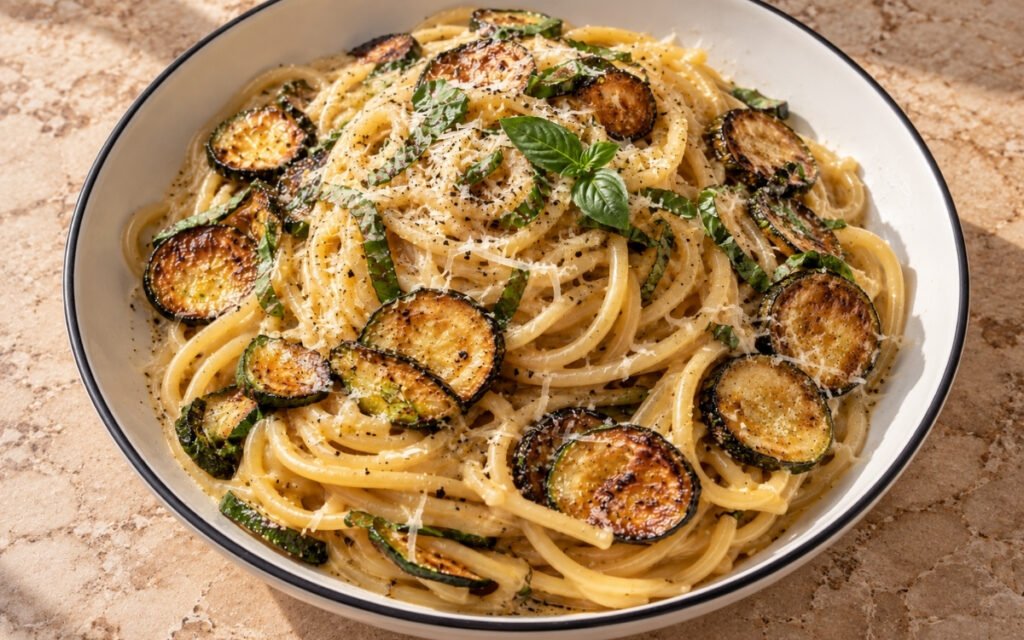
Spaghetti alla Nerano
Fried zucchini rounds tossed with spaghetti in a glossy, emulsified Pecorino Romano sauce, finished with black pepper and fresh basil.
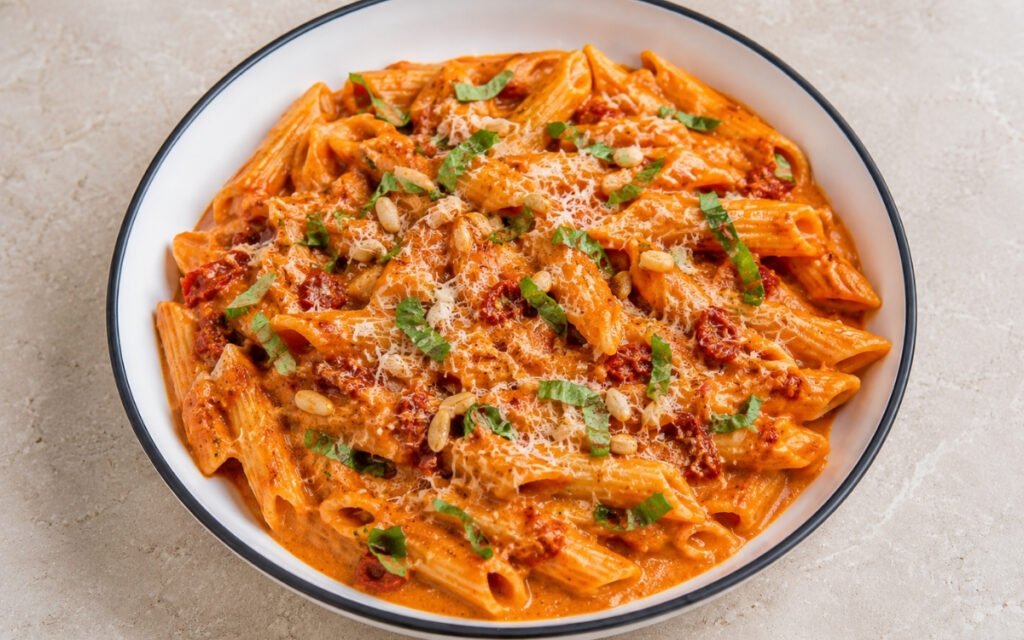
Roasted Red Pepper Cream Pasta
Completely blackened peppers blended with mascarpone and smoked paprika — vivid, silky, and smoky over penne in 50 minutes.
You might also like
You might also like
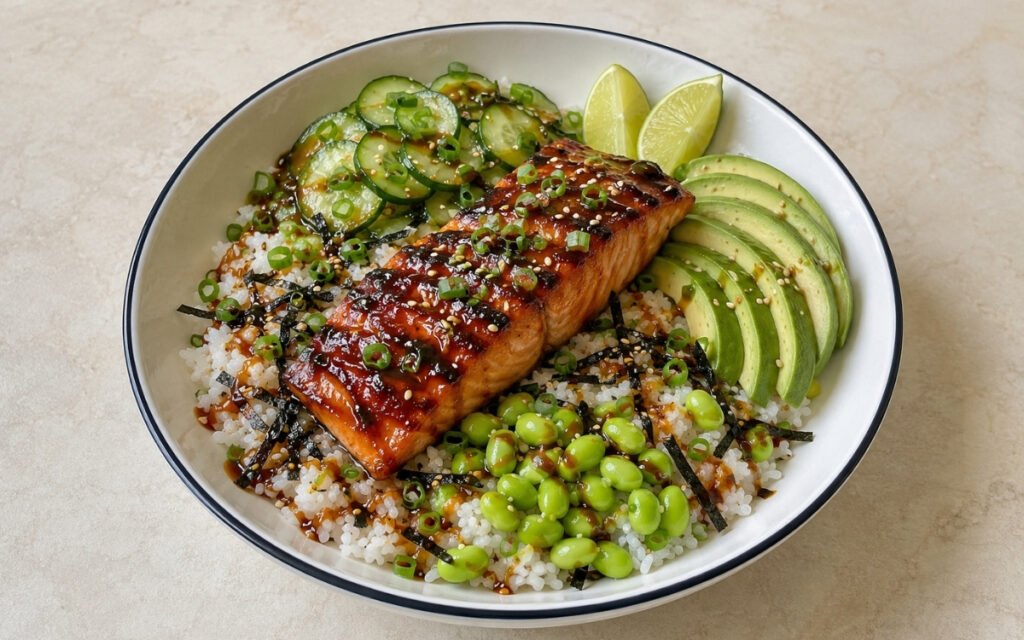
Miso Glazed Salmon Rice Bowl
Miso-glazed salmon with caramelized edges over sushi rice, paired with avocado, edamame, and pickled cucumber.
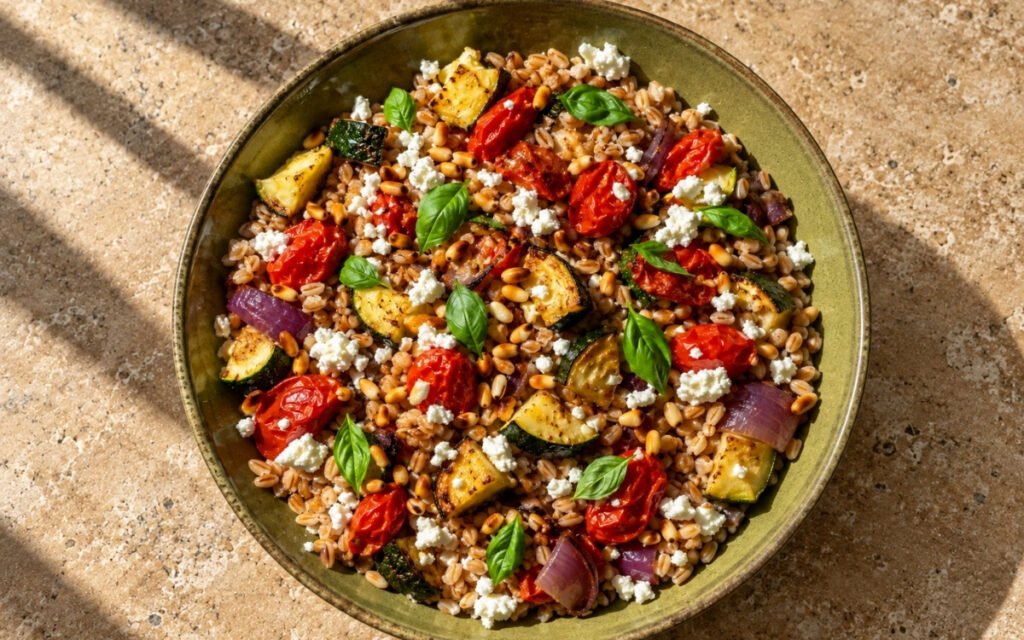
Italian Farro Salad with Roasted Vegetables
Chewy nutty farro with roasted zucchini, burst cherry tomatoes, roasted red onion, fresh basil, toasted pine nuts, and crumbled ricotta salata.
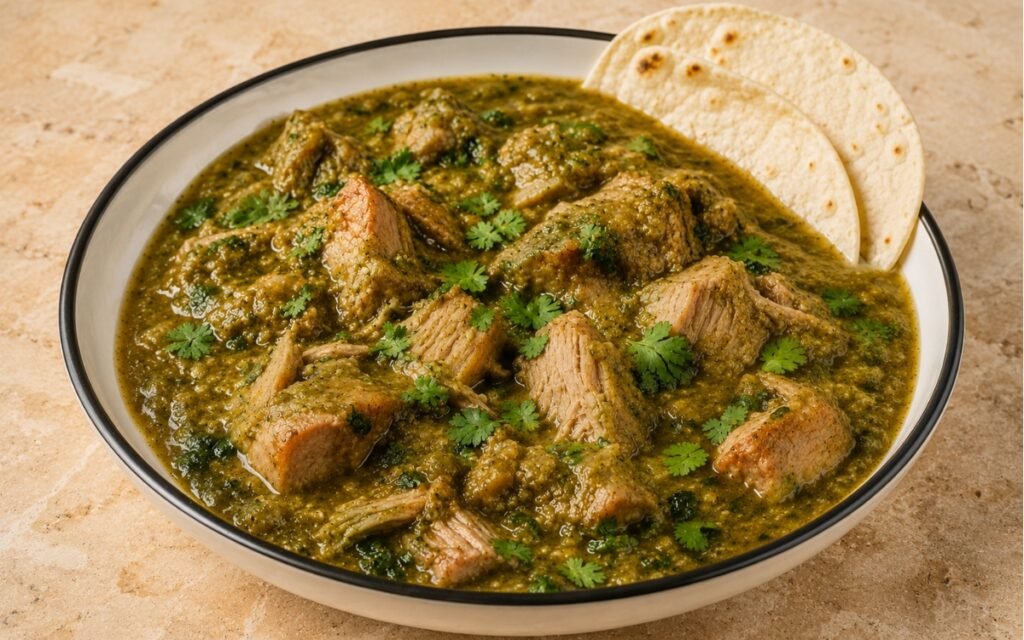
Pork Chile Verde
Browned pork shoulder braised tender in a roasted tomatillo-green chile sauce, thick and glossy with poblano body.
Spicy Calabrian Chili Penne Arrabbiata
Ingredients
Method
- Bring a large pot of water to a full rolling boil and add the 12g of kosher salt — the water should taste assertively seasoned, and at this salt level it will. Add the penne rigate and cook, stirring occasionally, until exactly 1–2 minutes shy of the package’s al dente time. The pasta finishes cooking in the sauce, which is why the earlier-than-usual pull is important — pasta at full al dente entering the sauce step will be overcooked by the time the sauce has coated every tube. Before draining, reserve 240ml of the starchy pasta water in a heatproof jug and keep it warm throughout. Drain without rinsing — the surface starch on the pasta contributes to the sauce’s emulsification.
- Place a large skillet over medium heat and add the 75ml of extra-virgin olive oil. Allow to warm — not hot, but warm, at the temperature where a garlic slice added would begin a gentle sizzle rather than a violent splatter. Add the thinly sliced garlic and 2g of red pepper flakes simultaneously. Cook for 3–4 minutes, stirring frequently, until the garlic is very lightly golden and fragrant — consistently pale-golden throughout, with no brown patches anywhere. The distinction between pale-golden and browned garlic in arrabbiata is the difference between a sauce with sweet, toasted, aromatic garlic character and one with a bitter, acrid note that dominates every other flavour. In a sauce this simple — four ingredients — there is nowhere for browned garlic’s bitterness to hide. Control the heat throughout and stir frequently. Add the 30g of Calabrian chili paste and stir for approximately 30 seconds, pressing the paste against the pan surface and working it into the surrounding oil. This brief blooming distributes the chili’s fat-soluble aromatic and capsaicin compounds through the oil evenly — the paste’s heat becomes pervasive and warm rather than concentrated and harsh. Calabrian chili paste rather than additional dried chili flakes is the specific ingredient choice for this sauce: the fermented, oil-packed Calabrian chilies produce a heat that is fruity, slightly sweet, and building rather than the sharp, immediate intensity of dried flakes. The combination of both — the bloomed flakes adding background warmth, the paste adding the specific Calabrian fruity heat — produces a more complex, more layered heat than either alone.
- Add the 800g of hand-crushed whole peeled tomatoes with all their juices. Hand-crushing — squeezing each whole tomato over the pan until it breaks open — produces a varied texture with small, distinct tomato chunks alongside the sauce body. Pre-crushed tomatoes produce a uniformly fine sauce without this textural variation. Add the 6g of salt and stir to combine everything. Bring to a steady, gentle simmer over medium heat. Cook uncovered for 8–10 minutes, stirring occasionally — the sauce should thicken slightly, deepen slightly in colour, and lose the raw tomato sharpness that freshly added canned tomatoes have. By the end of the simmer the sauce should taste bright, concentrated, specifically spicy with the building warmth of the Calabrian chili, and well-balanced between the tomato’s acidity and the olive oil’s richness. Taste at 8 minutes and adjust with additional salt if needed.
- Add the drained penne directly to the skillet with the simmering arrabbiata sauce. Pour in 120ml of the reserved pasta water immediately. Increase the heat to medium-high. Toss and stir vigorously for 1–2 minutes — the pasta finishes cooking in the sauce during this tossing period, absorbing the spiced tomato character from the outside in while the pasta’s own surface starch releases into the surrounding sauce. The starch-and-olive oil emulsification that occurs during vigorous tossing at this temperature produces the glossy, coating consistency that makes every ridged tube of penne rigate worth choosing — the ridges are not decorative but functional, providing the maximum surface area for the coating sauce to adhere to. The correct finished consistency is glossy and cohesive — the sauce clings to the pasta as a film rather than pooling at the bottom of the skillet. If the sauce tightens beyond this point, add the remaining pasta water in 30ml increments while tossing aggressively. A sauce that won’t cling is a starch-and-tossing problem, not a more-cheese problem.
- Remove the skillet from the heat completely. Add the 60g of finely grated Parmigiano-Reggiano and the 30g of chopped fresh parsley. Toss quickly — the residual heat of the pasta and sauce melts the Parmigiano smoothly without seizing, the cheese adding savoury, umami-rich depth that grounds the spice and acidity of the arrabbiata. The parsley adds the clean, fresh herbal top note that is the aromatic counterpoint to the chili’s heat. Divide among four warm bowls immediately — arrabbiata’s brightness and heat intensity are at their best in the first 2–3 minutes of plating; the sauce dulls slightly as it cools. Finish with additional Parmigiano and a drizzle of the best olive oil available over each bowl.