
Brown Butter Sage Gnocchi with Crispy Prosciutto
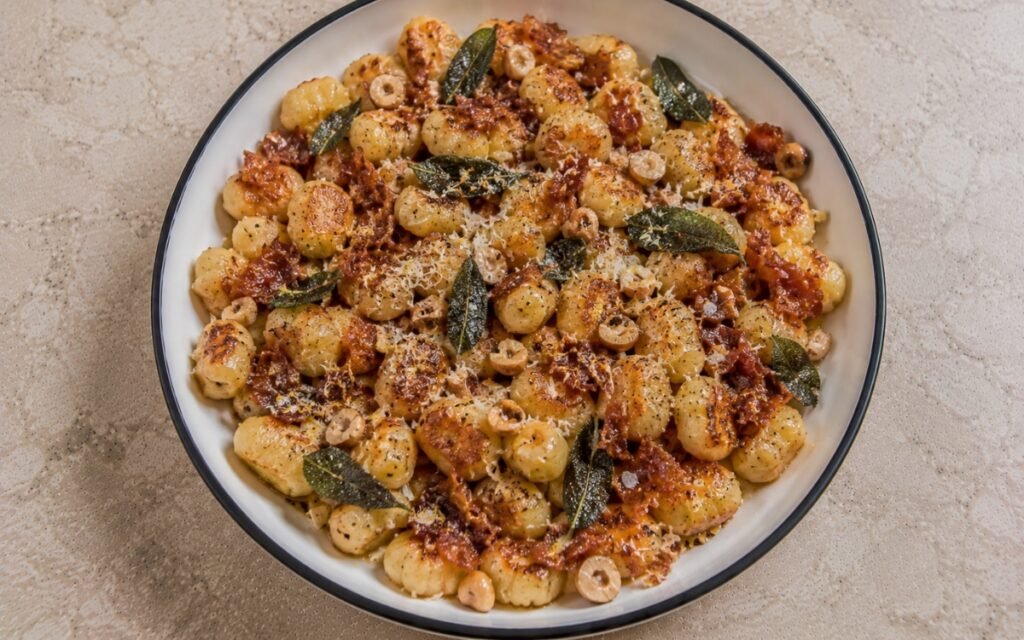
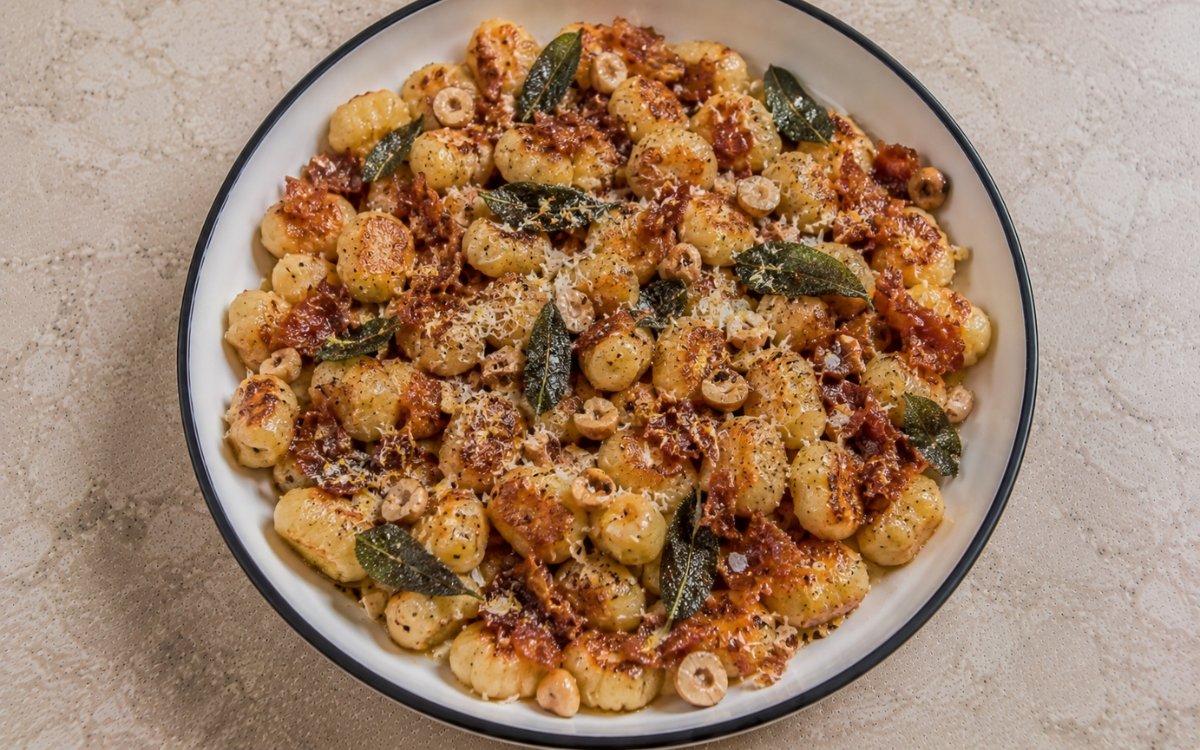
Potato gnocchi cooked until they float, drained, and tossed directly into browned butter with fried sage until some pieces develop golden, slightly crisped edges — then gnocchi water added to emulsify the browned butter into a glossy, coating sauce that clings rather than pooling. Crispy prosciutto crumbled over the top for salt and crunch. Lemon zest and Parmigiano off the heat to finish. The entire dish is about the brown butter — the specific nutty, caramelised complexity that milk solids produce at the exact moment between golden and burnt, and the starchy gnocchi water that converts it from flavoured fat into an actual sauce. Twenty-five minutes from start to bowl.
Prep Time : 10 min
Cook Time : 15 min
Servings : 4
10 min
15 min
4
Ingredients
For the Crispy Prosciutto
• 100 g prosciutto, thinly sliced
• Freshly ground black pepper, to taste
For the Gnocchi
• 500 g shelf-stable potato gnocchi — this one on Amazon
• Salt, for gnocchi water
• 180 ml gnocchi cooking water, reserved
For the Brown Butter Sage Sauce
• 90 g unsalted butter
• 12 fresh sage leaves, approximately 6g
• 2 small garlic cloves, approximately 10g, smashed
• Zest of 1 lemon
• 60g Parmigiano-Reggiano, finely grated — this one on Amazon
For Finishing
• 30g toasted hazelnuts, roughly chopped — optional
• Flaky sea salt, to taste — optional
This post may contain affiliate links. As an Amazon Associate I earn from qualifying purchases, at no additional cost to you.
Directions
- Crisp the Prosciutto
Place a large skillet over medium heat without any oil — prosciutto contains sufficient fat to render and crisp in a dry pan. Lay the prosciutto slices in a single layer without overlapping — any overlap produces steaming between the slices rather than the crisp, rendered result the recipe requires. Cook for 2–3 minutes, turning once at the midpoint, until the fat has visibly rendered and the slices have darkened and crisped at their edges. The prosciutto will continue crisping on residual heat after being removed from the pan — pull it slightly before it appears completely done. Transfer to a paper towel-lined plate to absorb the rendered fat. Add a few grinds of black pepper over the warm prosciutto if desired. As the prosciutto cools on the plate it will develop maximum crispness — this is the correct result. Set aside and use the same skillet for the brown butter step. - Cook the Gnocchi
Bring a large pot of generously salted water to a full rolling boil. Add the 500g of shelf-stable potato gnocchi and stir once immediately to prevent the pieces from sticking together on the pot floor. Cook until the gnocchi float to the surface, then continue cooking for 60 additional seconds — floating indicates the internal temperature has risen enough for the potato starch to expand, but the extra 60 seconds ensures the centres are heated thoroughly. Before draining, reserve 180ml of the starchy gnocchi water — this water is the emulsifying agent that converts the browned butter from a fat coating into a glossy, cohesive sauce that clings to each piece. Drain immediately and set aside. - Brown the Butter and Fry the Sage
This step requires full, uninterrupted attention — brown butter moves from perfect to burnt in under 30 seconds at the correct temperature and cannot be saved once overcooked. Wipe the skillet clean of any prosciutto residue and return it to medium heat. Add the 90g of unsalted butter and the 2 smashed garlic cloves. A light-coloured or stainless steel skillet is specifically useful here — the colour of the butter’s developing milk solids is the primary visual indicator of doneness, and a dark-coloured non-stick surface obscures this colour change. Allow the butter to melt, foam, and then continue heating beyond the foam stage. The foam represents the water in the butter evaporating and the milk solids beginning to separate — allow it. Add the 12 fresh sage leaves when the butter is foaming and fragrant. The sage leaves will sizzle immediately and begin crisping. The butter’s colour beneath the foam will begin shifting during the next 3–5 minutes through pale gold to a deeper golden-amber as the milk solids toast against the pan surface — it is the milk solids’ toasting that produces the specific nutty, slightly caramelised complexity of true brown butter. Swirl the pan frequently rather than stirring — swirling moves the butter continuously and prevents the milk solids from sitting stationary long enough to burn. The correct moment to pull the pan off the heat is when the butter is visibly deep golden, the milk solids visible at the bottom of the pan are amber-coloured, and the aroma shifts to a specifically nutty, toasted-hazelnut character. Remove the smashed garlic cloves once they are fragrant and lightly golden — they have contributed their aromatic depth and should not remain in the sauce. - Toss the Gnocchi in Brown Butter and Emulsify
Immediately add the drained gnocchi to the pan with the browned butter and fried sage — immediately, because every second off the heat after reaching the correct brown butter colour is a second closer to burning. Toss to coat all surfaces in the browned butter. Allow the gnocchi to sit briefly in the pan — 20–30 seconds between each toss — so some pieces develop light golden contact marks against the hot pan surface. These crisped edges provide the textural contrast between the slightly crunchy exterior and the pillowy interior that distinguishes properly pan-finished gnocchi from simply warmed gnocchi. Add 60ml of the reserved gnocchi water to the pan and toss vigorously — the starchy water and the browned butter combine immediately under the mechanical action of tossing into a partially emulsified, glossy coating. The transformation is visible within 30 seconds: the separated fat and water become a cohesive, slightly thick sauce that coats each piece. Continue tossing for 1–2 minutes, adding more gnocchi water in 30ml increments if the sauce looks tight or greasy rather than glossy and flowing. - Add Parmigiano and Lemon Off the Heat, Finish
Remove the skillet from the heat completely. Add the lemon zest and the 60g of finely grated Parmigiano-Reggiano simultaneously. Toss quickly — the cheese must be added off heat to melt smoothly into the sauce rather than seizing and clumping, as it would at direct high heat. The Parmigiano’s fat and protein combine with the starchy, emulsified brown butter sauce to produce a final, unified glossy coating. Crumble the crispy prosciutto over the gnocchi and fold gently to distribute — the prosciutto’s salty crunch is the contrasting element that makes each forkful more interesting than the sauce alone. Scatter the toasted hazelnuts over the finished dish if using — their earthy, slightly bitter nuttiness mirrors and amplifies the brown butter’s toasted hazelnut character. Finish with a pinch of flaky sea salt and a confident crack of fresh black pepper. Serve immediately — gnocchi loses its crisped edges within minutes of resting and the dish is at its best in the first 2–3 minutes after leaving the pan.
*Notes :
- Brown butter — beurre noisette — is one of the fundamental French and Italian building blocks, and its specific complexity comes entirely from the Maillard reaction in the milk solids. The milk solids in butter are a small but flavour-critical component — they toast at high temperatures into a range of compounds including furanones, pyrazines, and diacetyl, collectively producing the characteristic hazelnut-caramel aroma that no amount of regular melted butter can produce. The critical temperature range is narrow: below approximately 160°C the milk solids are still pale and undeveloped; above approximately 180°C they burn. The 3–5 minutes of active swirling at medium heat in this recipe is the window in which the milk solids pass through the correct golden-amber stage where their flavour is fully developed without bitterness.
- The starchy gnocchi cooking water is the technique element that elevates this dish above simply tossing gnocchi in melted butter. Brown butter is fat — it coats but does not emulsify, and fat alone produces a greasy, separated result that pools at the bottom of the bowl rather than clinging to each piece. The starch dissolved in the cooking water acts as an emulsifier: it bridges the fat molecules and the water molecules, allowing them to combine into a stable emulsion that produces the specific glossy, coating, slightly thick sauce that makes the dish feel unified rather than buttery.
- Shelf-stable gnocchi is specified because it is widely available, requires no advance preparation, and holds up well to the pan-tossing step without disintegrating. Fresh gnocchi also works excellently — cook for the same float-plus-60-seconds timing, though fresh gnocchi typically floats in 2–3 minutes versus the longer time for shelf-stable versions.
Why This Recipe Works
This recipe works because it applies the brown butter at exactly the right moment — when the gnocchi are freshly drained and warm enough to develop crisped contact marks in the pan — and uses the starchy gnocchi water to emulsify the fat into a sauce rather than simply coating.
The prosciutto is crisped in the dry pan first so the same pan provides the correct, fat-free surface for the Maillard-reaction browning of the butter’s milk solids. The Parmigiano and lemon go in off the heat to finish cleanly without the risk of seizing or bitterness. Every step is in service of the brown butter’s specific flavour and the coating sauce’s specific texture.
Ingredient Breakdown
Brown Butter (90g, Monitored Continuously)
The entire flavour identity of the dish — milk solid Maillard reaction compounds producing the specific nutty, toasted-hazelnut complexity that no other fat produces.
Fresh Sage (12 Leaves, Fried in Butter)
The aromatic companion — fried until crispy in the browning butter, its camphor-sweet character amplifies and complements the brown butter’s nuttiness.
Gnocchi Cooking Water (180ml, Added Incrementally)
The emulsifying agent — starch bridges the fat and water into the glossy, cohesive coating sauce that prevents the brown butter from being simply a greasy film.
Prosciutto (Crisped Dry)
The saline, textural topping — salty, crunchy contrast against the smooth, rich sauce and pillowy gnocchi.
Parmigiano-Reggiano (Off-Heat)
The savoury finishing emulsifier — adds depth and body to the coating sauce without the clumping risk of on-heat addition.
Lemon Zest
The aromatic brightness — added at the last moment, its volatile oils cut through the brown butter’s richness and prevent the dish from feeling heavy.
Flavor Structure Explained
This brown butter gnocchi follows a layered balance model:
- Nutty rich core (brown butter)
- Aromatic herbal layer (fried sage)
- Savory umami depth (prosciutto, Parmesan)
- Crisp-soft texture contrast (gnocchi, prosciutto)
- Caramelized richness (toasted milk solids)
Brown butter defines the foundation with deep, toasted nuttiness and caramelised richness that coats every piece of gnocchi. Fried sage adds a distinctive aromatic layer — earthy, resinous, and naturally aligned with browned butter. Prosciutto and Parmesan anchor the dish with salt and umami, preventing the richness from becoming dull or overly heavy. Texture is central to the structure: soft gnocchi interiors contrast with crisped surfaces and crunchy prosciutto. The result is a balanced combination of richness, savoriness, and contrast rather than simple butter-driven heaviness.
Common Mistakes to Avoid
- Using a Dark-Coloured Skillet – The brown butter’s milk solid colour is the primary doneness indicator — in a dark pan it is invisible until the butter burns. Always use a light-coloured or stainless steel skillet.
- Leaving the Pan Unattended – Brown butter moves from perfect to burnt in under 30 seconds at the correct temperature. It requires continuous attention and continuous swirling from the first sign of golden colour.
- Adding Cheese Over Direct Heat – Parmigiano added to a hot pan seizes into clumps rather than melting smoothly. Always remove from heat completely before adding.
- Not Reserving Enough Gnocchi Water – Without the starchy water, the brown butter remains separate fat rather than emulsifying into a sauce. Reserve the full 180ml and keep it warm.
- Not Allowing Gnocchi to Develop Contact Edges – Continuous tossing from the moment the gnocchi enters the pan prevents the crisped contact surfaces. Allow brief stationary periods between each toss.
- Serving Late – The gnocchi’s crisped edges soften within minutes. Serve immediately — within 2–3 minutes of finishing.
Variations
With Butternut Squash
Add 300g of roasted butternut squash cubes alongside the gnocchi at the tossing step — the squash’s sweetness is specifically well-matched with brown butter and sage.
Without Prosciutto
The dish is complete without prosciutto — replace with an additional generous scatter of toasted hazelnuts and a pinch of flaky sea salt for the savoury-crunchy contrast element.
With Pancetta
Replace the prosciutto with 100g of finely diced pancetta, rendered in the dry skillet until crispy. The result is slightly richer and less delicate than prosciutto but equally effective.
Extra Nutty Version
Use beurre noisette taken slightly darker than the standard — the milk solids at a deeper amber produce a more intensely nutty, more bitter-edged character that works particularly well with the hazelnut topping.
Storage & Make-Ahead
Brown butter sage gnocchi is not a dish that works well for storage or make-ahead preparation. The crisped edges of the gnocchi soften almost immediately once stored, and the brown butter sauce tends to separate in the refrigerator. It is best to make only as much as you need and serve it right away.
Prosciutto can be crisped up to 2 hours in advance and kept at room temperature on a paper towel. It will stay crisp during that time without needing refrigeration.
Toasted hazelnuts can be prepared up to 3 days ahead and stored in an airtight container at room temperature.
Frequently Asked Questions
What is brown butter and how do I know it’s ready?
Brown butter is butter heated beyond melting until the milk solids toast — the visual indicator is a shift from foaming pale butter to golden-amber liquid with darker amber flecks visible at the bottom. The aroma indicator is a distinctive toasted hazelnut, caramelised character rather than simply the smell of melted butter. Both the colour and the aroma must be present simultaneously — colour without aroma means incomplete development; aroma beginning to turn sharp or acrid means overcooking.
Why shelf-stable gnocchi rather than fresh?
Shelf-stable gnocchi holds up better to the pan-tossing step — its firmer structure produces the crisped contact edges more reliably than fresh gnocchi’s softer structure. Both work; shelf-stable is more forgiving.
Can I use dried sage instead of fresh?
Dried sage cannot be fried in butter the way fresh leaves can, and its character is significantly different — dusty and medicinal rather than the crispy, aromatic fried fresh leaf. Fresh sage is essential for this preparation.
Why smash rather than mince the garlic?
A smashed clove is removed whole before serving — it contributes its aromatic depth to the butter during browning without leaving pieces in the finished sauce. Minced garlic would brown unevenly and cannot be removed cleanly.
What can I substitute for hazelnuts?
Toasted pine nuts or toasted walnuts both work well. Pine nuts produce a milder, butterier crunch; walnuts produce a more assertive, slightly bitter contrast. Both complement the brown butter character, though in different directions.
Nutrition Facts
( per serving )
Calories
~675 kcal
Protein
24 g
Fat
43 g
Carbs
52 g
Calories
~675 kcal
Protein
24 g
Fat
43 g
Carbs
52 g
Related Recipes
Related Recipes

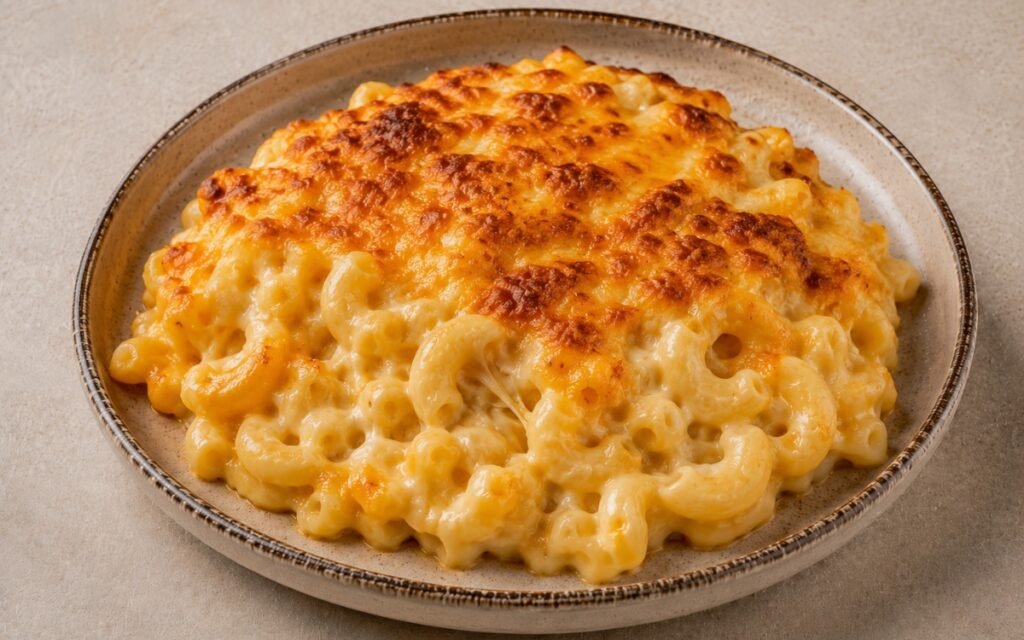
Baked Mac and Cheese
Cheddar, Gruyère, and mozzarella melted into a béchamel off the heat — layered with underdone macaroni, baked bubbling, broiled golden. Serves 12.
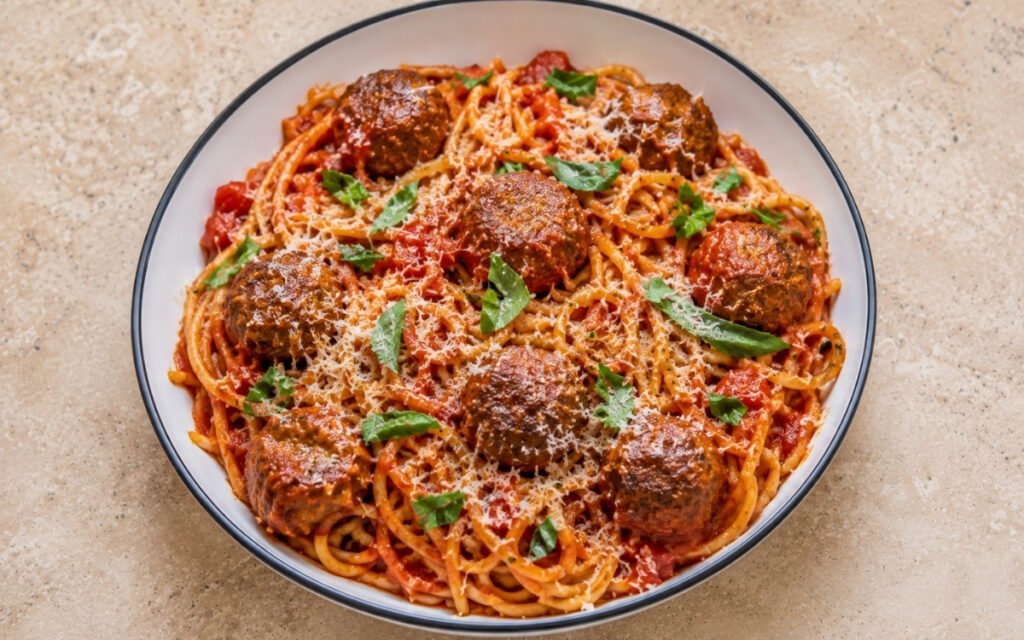
Easy Spaghetti and Meatballs
Beef and pork meatballs on a panade, deeply browned, simmered in San Marzano marinara — 60 minutes.
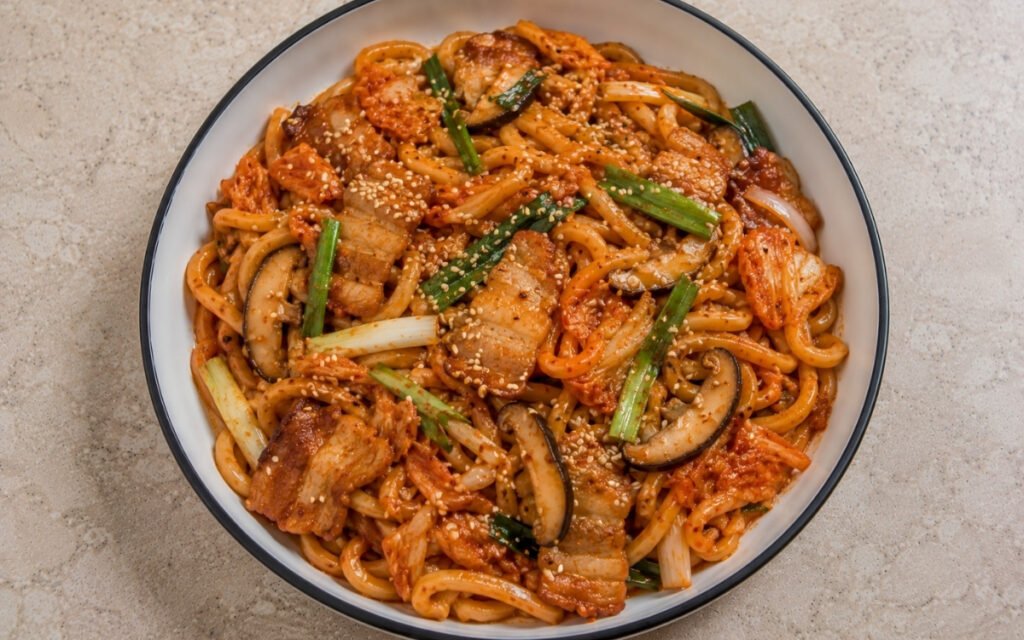
Kimchi Udon Stir-Fry Noodles
Pork belly and aged kimchi charred in a smoking-hot wok with shiitake and udon — kimchi juice sauce, butter finish, 27 minutes.
You might also like
You might also like
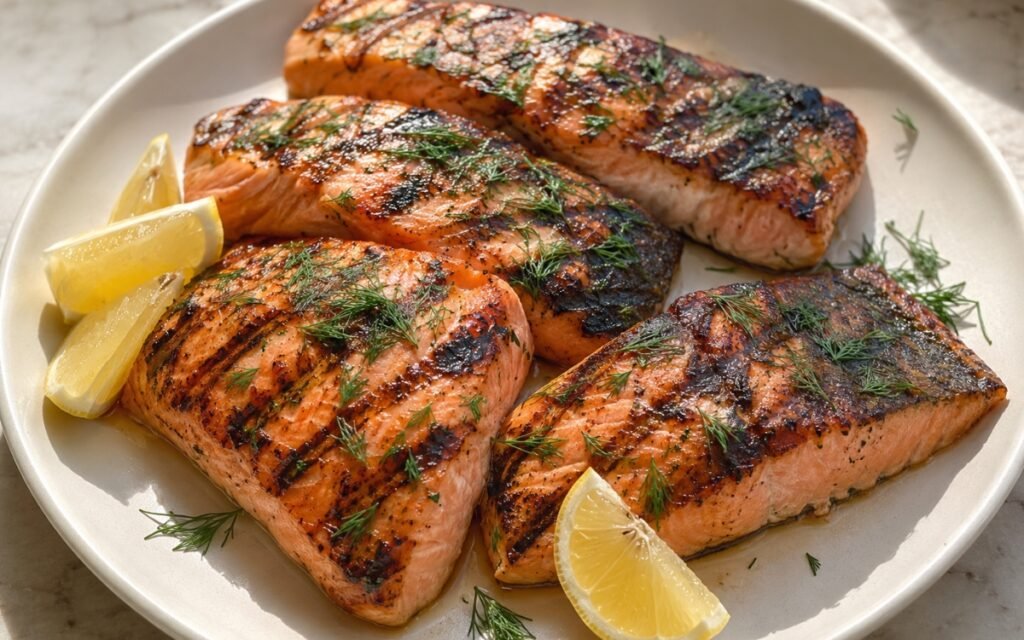
Grilled Salmon Fillets
Salmon skin dried thoroughly, flesh seasoned, grilled skin-side down undisturbed until crisp. Finished with dill and lemon. Clean and moist.
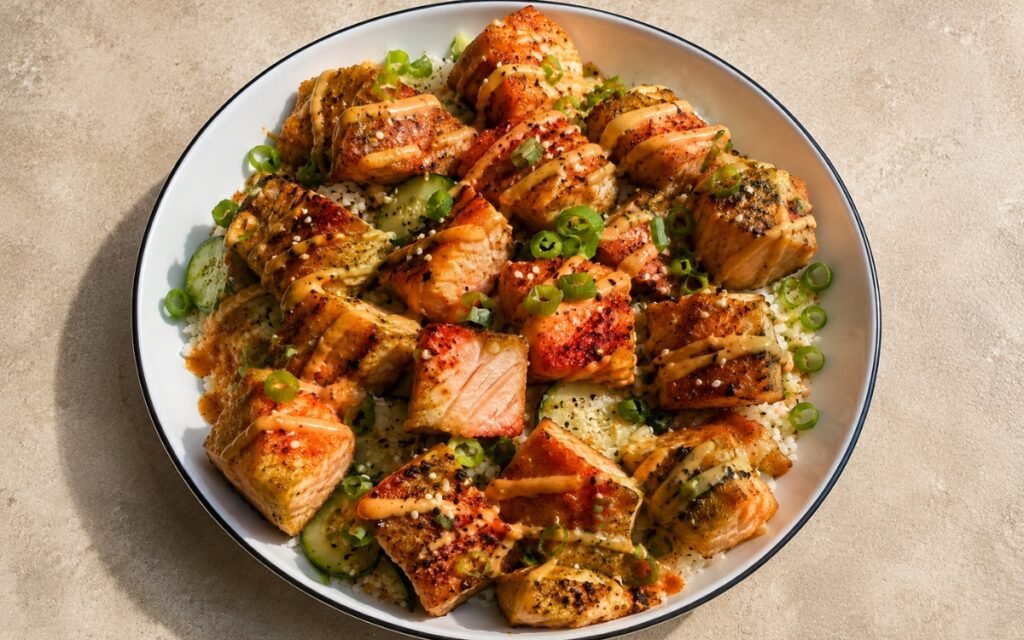
Crispy Salmon Bites with Spicy Mayo
Golden, caramelized salmon bites over jasmine rice with cucumber, scallions, sesame seeds, and a generous drizzle of spicy mayo.
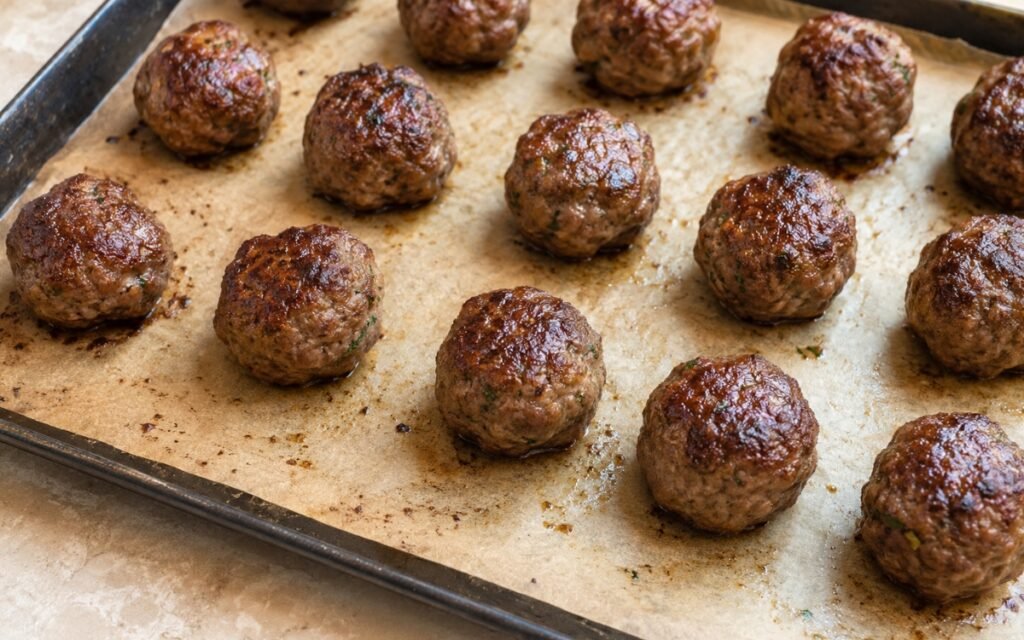
Juicy Beef Meatballs
Ground beef combined with a breadcrumb-milk panade, mixed gently, portioned consistently, baked and rested. Tender and juicy.
Brown Butter Sage Gnocchi with Crispy Prosciutto
Ingredients
Method
- Place a large skillet over medium heat without any oil — prosciutto contains sufficient fat to render and crisp in a dry pan. Lay the prosciutto slices in a single layer without overlapping — any overlap produces steaming between the slices rather than the crisp, rendered result the recipe requires. Cook for 2–3 minutes, turning once at the midpoint, until the fat has visibly rendered and the slices have darkened and crisped at their edges. The prosciutto will continue crisping on residual heat after being removed from the pan — pull it slightly before it appears completely done. Transfer to a paper towel-lined plate to absorb the rendered fat. Add a few grinds of black pepper over the warm prosciutto if desired. As the prosciutto cools on the plate it will develop maximum crispness — this is the correct result. Set aside and use the same skillet for the brown butter step.
- Bring a large pot of generously salted water to a full rolling boil. Add the 500g of shelf-stable potato gnocchi and stir once immediately to prevent the pieces from sticking together on the pot floor. Cook until the gnocchi float to the surface, then continue cooking for 60 additional seconds — floating indicates the internal temperature has risen enough for the potato starch to expand, but the extra 60 seconds ensures the centres are heated thoroughly. Before draining, reserve 180ml of the starchy gnocchi water — this water is the emulsifying agent that converts the browned butter from a fat coating into a glossy, cohesive sauce that clings to each piece. Drain immediately and set aside.
- This step requires full, uninterrupted attention — brown butter moves from perfect to burnt in under 30 seconds at the correct temperature and cannot be saved once overcooked. Wipe the skillet clean of any prosciutto residue and return it to medium heat. Add the 90g of unsalted butter and the 2 smashed garlic cloves. A light-coloured or stainless steel skillet is specifically useful here — the colour of the butter’s developing milk solids is the primary visual indicator of doneness, and a dark-coloured non-stick surface obscures this colour change. Allow the butter to melt, foam, and then continue heating beyond the foam stage. The foam represents the water in the butter evaporating and the milk solids beginning to separate — allow it. Add the 12 fresh sage leaves when the butter is foaming and fragrant. The sage leaves will sizzle immediately and begin crisping. The butter’s colour beneath the foam will begin shifting during the next 3–5 minutes through pale gold to a deeper golden-amber as the milk solids toast against the pan surface — it is the milk solids’ toasting that produces the specific nutty, slightly caramelised complexity of true brown butter. Swirl the pan frequently rather than stirring — swirling moves the butter continuously and prevents the milk solids from sitting stationary long enough to burn. The correct moment to pull the pan off the heat is when the butter is visibly deep golden, the milk solids visible at the bottom of the pan are amber-coloured, and the aroma shifts to a specifically nutty, toasted-hazelnut character. Remove the smashed garlic cloves once they are fragrant and lightly golden — they have contributed their aromatic depth and should not remain in the sauce.
- Immediately add the drained gnocchi to the pan with the browned butter and fried sage — immediately, because every second off the heat after reaching the correct brown butter colour is a second closer to burning. Toss to coat all surfaces in the browned butter. Allow the gnocchi to sit briefly in the pan — 20–30 seconds between each toss — so some pieces develop light golden contact marks against the hot pan surface. These crisped edges provide the textural contrast between the slightly crunchy exterior and the pillowy interior that distinguishes properly pan-finished gnocchi from simply warmed gnocchi. Add 60ml of the reserved gnocchi water to the pan and toss vigorously — the starchy water and the browned butter combine immediately under the mechanical action of tossing into a partially emulsified, glossy coating. The transformation is visible within 30 seconds: the separated fat and water become a cohesive, slightly thick sauce that coats each piece. Continue tossing for 1–2 minutes, adding more gnocchi water in 30ml increments if the sauce looks tight or greasy rather than glossy and flowing.
- Remove the skillet from the heat completely. Add the lemon zest and the 60g of finely grated Parmigiano-Reggiano simultaneously. Toss quickly — the cheese must be added off heat to melt smoothly into the sauce rather than seizing and clumping, as it would at direct high heat. The Parmigiano’s fat and protein combine with the starchy, emulsified brown butter sauce to produce a final, unified glossy coating. Crumble the crispy prosciutto over the gnocchi and fold gently to distribute — the prosciutto’s salty crunch is the contrasting element that makes each forkful more interesting than the sauce alone. Scatter the toasted hazelnuts over the finished dish if using — their earthy, slightly bitter nuttiness mirrors and amplifies the brown butter’s toasted hazelnut character. Finish with a pinch of flaky sea salt and a confident crack of fresh black pepper. Serve immediately — gnocchi loses its crisped edges within minutes of resting and the dish is at its best in the first 2–3 minutes after leaving the pan.