
Spicy Italian ‘Nduja Pasta
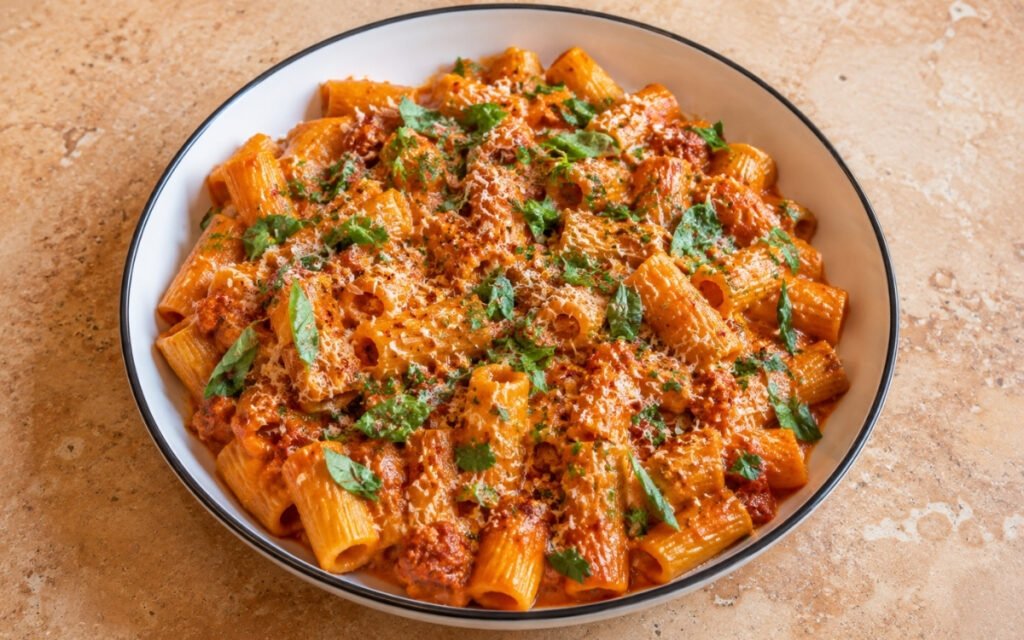
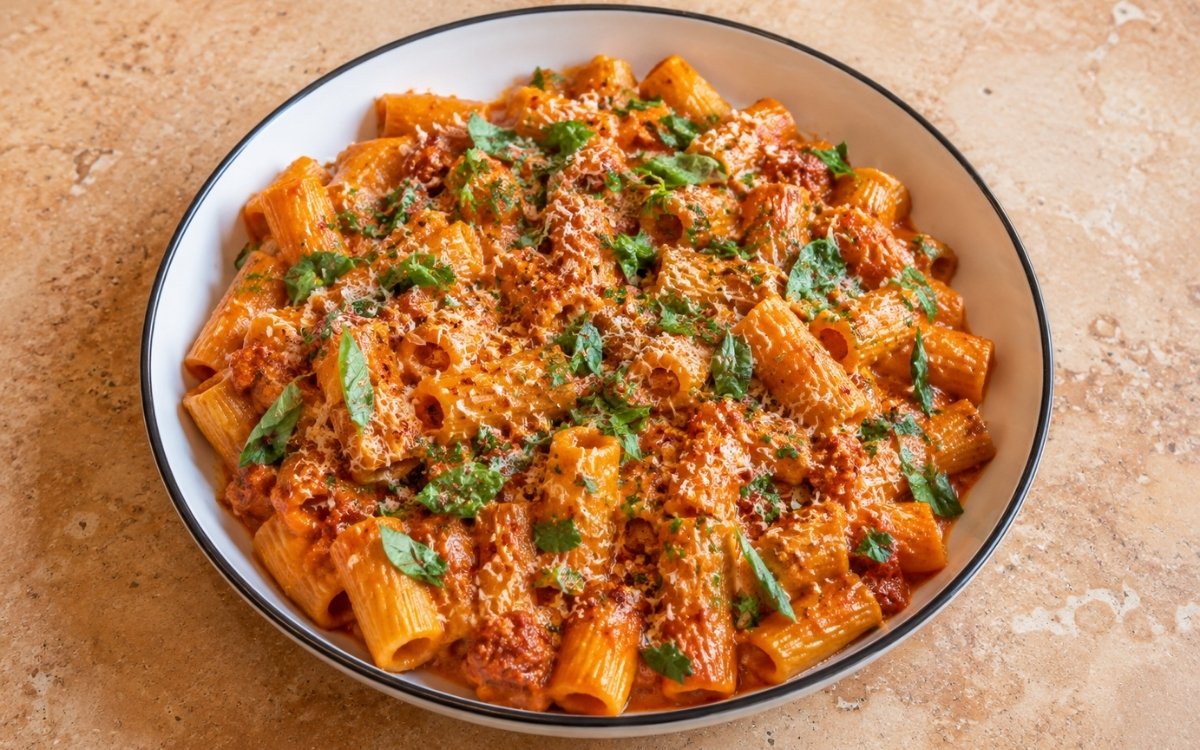
‘Nduja is the Calabrian spreadable salami that does something no other ingredient quite does — it melts entirely into the oil when heated, turning itself into a sauce. The fat-soluble spice compounds distribute through the olive oil as the ‘nduja renders, producing a vibrant, deeply red, intensely aromatic base before a single other ingredient has been added. White wine deglazes, San Marzano tomatoes build the body, and then mascarpone and Pecorino Romano go in off the heat to create the creamy, luxurious finish that makes this a restaurant-quality bowl in 30 minutes. Rigatoni’s ridges and tubes capture every layer of the sauce simultaneously. This is the pasta for people who want heat, depth, and genuine Southern Italian character with minimal effort.
Prep Time : 10 min
Cook Time : 20 min
Servings : 4
10 min
20 min
4
Ingredients
For the Pasta
• 400g rigatoni or penne pasta — this one on Amazon
• 8g sea salt for pasta water
• 50g reserved pasta cooking water
For the ‘Nduja Sauce
• 180g ‘nduja, Calabrian spicy spreadable salami — this one on Amazon
• 60ml extra virgin olive oil
• 4 garlic cloves, approximately 20g, thinly sliced
• 150ml dry white wine
• 400g canned San Marzano tomatoes, hand-crushed — this one on Amazon
• 2g red pepper flakes (optional, for extra heat)
• 3g freshly ground black pepper
For Finishing
• 120g mascarpone cheese
• 100g Pecorino Romano, finely grated — this one on Amazon
• 30g fresh basil leaves, torn
• 15g fresh parsley, roughly chopped
• Extra virgin olive oil for drizzling
This post may contain affiliate links. As an Amazon Associate I earn from qualifying purchases, at no additional cost to you.
Directions
- Cook the Pasta
Bring a large pot of water to a full rolling boil and add the 8g of fine sea salt. Add the rigatoni and cook, stirring occasionally to prevent the tubes from sticking together, until exactly 1 minute shy of the package directions’ al dente time. The pasta finishes cooking in the sauce during the tossing step — pulling it 1 minute early accounts for this carry-over and produces correctly textured pasta rather than over-cooked, slightly soft rigatoni by the time the dish is plated. Before draining, reserve 50ml of the starchy pasta cooking water. This is a smaller reserve than most pasta dishes in this collection because the mascarpone provides significant sauce body independently — the pasta water is needed primarily for the sauce-finishing toss rather than as the primary emulsifying agent. Drain without rinsing. - Build the ‘Nduja Base
Heat a large, deep skillet over medium heat. Add the 60ml of olive oil and the thinly sliced garlic simultaneously — starting in oil that is not yet at high temperature gives the garlic the 1–2 minutes it needs to reach pale golden without burning. Cook, stirring occasionally, for 1–2 minutes until the garlic is fragrant and shows lightly golden edges. Add the 180g of ‘nduja to the pan, breaking it into rough pieces with a wooden spoon as it goes in. Allow it to sizzle for 2–3 minutes, stirring frequently and continuing to break it down with the spoon. This is the defining technique step of the recipe and the one that makes ‘nduja specifically extraordinary as a pasta ingredient. Unlike conventional sausage or guanciale, which render fat while remaining structurally intact, ‘nduja is soft enough to fully disintegrate during heating — its fat and water content separate and the solids break down completely into the surrounding olive oil. The result is a vivid, deeply red, visibly glossy oil infused with ‘nduja’s concentrated pork fat, Calabrian chili heat, and smoky, fermented spice compounds. This enriched, spiced oil becomes the flavour carrier for everything added subsequently — every component of the sauce is cooked in ‘nduja-infused oil, meaning its character permeates the entire dish rather than being one ingredient among many. After 2–3 minutes the ‘nduja should have fully melted into the oil, producing a deeply reddish-orange, glossy, aromatic mixture with no large solid pieces remaining. - Deglaze with White Wine and Add Tomatoes
Increase the heat to medium-high and pour in the 150ml of dry white wine. The wine will bubble vigorously on contact with the hot ‘nduja-infused oil — this is correct and expected. Allow it to bubble for 2 minutes without stirring initially, then scrape the bottom of the pan to incorporate any caramelised garlic and ‘nduja bits. The alcohol evaporates during this vigorous reduction, leaving the wine’s fruity acidity and depth as its flavour contribution. The wine deglaze is important for two reasons beyond flavour: it dissolves any ‘nduja solids that have caramelised against the pan surface into the sauce, and it dilutes the intensity of the ‘nduja-infused oil slightly, tempering its heat to a more manageable level before the tomatoes are added. Once reduced by approximately half, add the 400g of hand-crushed San Marzano tomatoes with all their juices. Hand-crushing — squeezing each whole tomato directly over the pan — produces a varied texture with some identifiable tomato pieces and some sauce, more visually interesting and texturally engaging than uniformly pre-crushed tomatoes. Reduce the heat to medium-low and simmer uncovered for 8–10 minutes, stirring occasionally, until the sauce has thickened slightly and become rich, glossy, and cohesive — the tomato solids and the ‘nduja-infused oil should look unified rather than separated. - Finish the Pasta in the Sauce
Add the drained rigatoni directly to the sauce along with the 50ml of reserved pasta water. Toss vigorously over medium heat for 1–2 minutes — turning the rigatoni through the sauce continuously to coat every external surface and ensure the sauce penetrates into the hollow centres of each tube. The rigatoni finishes cooking during this tossing and the pasta’s surface starch releases slightly into the sauce, thickening and enriching it further. Rigatoni is specified rather than spaghetti or linguine for this sauce specifically because its ridged exterior and hollow interior both function as sauce-capture surfaces — the ridges hold the chunky, slightly coarse ‘nduja tomato sauce on the exterior, while the hollow centres trap the sauce inside, producing a bite where you taste the sauce from outside and inside simultaneously. Bronze-die extruded rigatoni, with its rough, porous surface, captures the sauce even more effectively than smooth Teflon-die pasta. - Create the Creamy Mascarpone Finish
Remove the pan from the heat completely. Add the 120g of mascarpone and 50g of the finely grated Pecorino Romano. Toss continuously — lifting the rigatoni from the bottom and folding it over the top in a circular motion — until the mascarpone melts completely into the sauce. The mascarpone’s fat and protein melt smoothly into the warm sauce at this off-heat temperature, creating a creamy, slightly thickened coating that envelops every grain of the sauce without breaking into separated fat and water. The combination of mascarpone and Pecorino Romano is the specific pairing that makes this finish work: the mascarpone provides the smooth, rich, slightly sweet dairy creaminess; the Pecorino provides the sharp, salty, assertive flavour that prevents the mascarpone from making the sauce feel heavy and one-dimensionally rich. The two together produce the luxurious coating consistency that is the dish’s textural signature — thicker and creamier than a simple tomato sauce, more structured and less heavy than a standard cream sauce. Season with the 3g of freshly ground black pepper. Taste carefully before adding any additional salt — the ‘nduja, Pecorino Romano, and pasta water together typically provide sufficient salt. Add the torn basil leaves and roughly chopped parsley and toss gently for 10 seconds — the residual heat wilts the basil slightly while keeping it bright green rather than dark. - Serve
Divide immediately among four warm shallow bowls — warmed bowls maintain the mascarpone’s creamy consistency significantly longer than room-temperature crockery. Scatter the remaining 50g of finely grated Pecorino Romano over each bowl. Drizzle a small amount of your best extra-virgin olive oil over each portion — the raw oil’s fresh, fruity character provides a top note that the cooked oil in the sauce does not. For those who specifically want more heat, scatter the optional 2g of additional red pepper flakes over the surface. Serve immediately.
*Notes :
- ‘Nduja is a Calabrian speciality from the town of Spilinga in the toe of Italy’s boot — a soft, spreadable sausage made from finely ground pork (including tripe, fatback, and offal), roasted Calabrian chili peppers, and salt, packed into natural casings and cured. Its defining characteristic is its spreading consistency — achieved through its high fat content and the proportion of soft cuts used — which makes it unique among Italian salumi as an ingredient that can melt entirely into a cooking fat, effectively becoming a sauce. The Calabrian chili peppers used in authentic ‘nduja are moderately to intensely spicy with a fruity, slightly smoky depth that distinguishes them from generic chili. ‘Nduja is increasingly available outside Italy — in Italian specialty stores, quality delicatessens, and online — and the authentic product is worth seeking for a preparation where it is the entire flavour identity of the sauce.
- Mascarpone is specified rather than heavy cream for a specific structural reason. Heavy cream requires reduction to build body and can break under high heat or vigorous stirring. Mascarpone has a much higher fat content — approximately 75% compared to heavy cream’s 36% — and its cream proteins are already partially stabilised by the lactic acid used in its production. It melts into warm sauce smoothly and immediately without requiring reduction time, produces a thicker, more coating, more luxurious consistency than cream at equivalent volumes, and is significantly more stable during tossing. The flavour contribution is also different — mascarpone’s slightly sweet, very mild, extraordinarily creamy character is the specific counterpoint to ‘nduja’s intense spice and Pecorino’s sharpness.
Why This Recipe Works
This recipe works because it understands ‘nduja’s specific behaviour — that it is not an ingredient that stays in the sauce but one that becomes the sauce — and builds every subsequent step on that foundation. The ‘nduja-infused oil is the flavour carrier for the garlic, the wine reduction, and the tomato.
The mascarpone and Pecorino added off the heat provide the creamy finish without requiring a separate cream sauce stage. The rigatoni’s format captures the sauce in two ways simultaneously. And the fresh basil and Pecorino at serving provide the aromatic and savoury finishing layers that make each bowl feel complete.
Ingredient Breakdown
‘Nduja (180g, Melted into Oil)
The defining ingredient — spreadable Calabrian salami that fully melts into the olive oil when heated, transforming itself into a spiced, vibrant red oil that becomes the flavour base for every other component.
San Marzano Tomatoes (Hand-Crushed)
The sauce body — low acidity and concentrated sweetness that balance the ‘nduja’s intense spice, with varied texture from hand-crushing.
Dry White Wine
The deglaze and secondary acid layer — lifts the fond, tempers the ‘nduja’s intensity slightly, and adds fruity depth to the sauce base.
Mascarpone (120g, Off-Heat)
The creamy finish — high fat content melts smoothly into the warm sauce without breaking, producing a luxurious, thick coating that does not require reduction.
Pecorino Romano (Split Between Sauce and Serving)
The sharp, salty counterpoint to the mascarpone’s creaminess — assertive enough to balance both the mascarpone’s richness and the ‘nduja’s spice simultaneously.
Rigatoni (Bronze-Die Preferred)
The structurally correct format — ridges capture the sauce externally, hollow centres capture it internally, rough bronze-die surface provides maximum adhesion.
Flavor Structure Explained
This pasta follows a layered balance model:
- Spicy smoky core (‘nduja)
- Sweet-acidic body (tomato)
- Creamy dairy balance (mascarpone, Pecorino)
- Fresh herbal lift (basil, parsley)
- Rich integrated base (oil + fat distribution)
‘Nduja defines the core with intense, smoky, fermented heat that permeates the entire dish through the oil. Tomato provides the necessary counterbalance, adding sweetness and acidity that prevent the spice from overwhelming. Mascarpone and Pecorino create a creamy, sharp layer that softens and rounds the heat into something cohesive. Herbs finish the profile with fresh, clean aromatics that lift the richness. The structure is built on intensity controlled by contrast — bold, rich, and tightly integrated rather than subtle or restrained.
Common Mistakes to Avoid
- Not Fully Rendering the ‘Nduja – Partially melted ‘nduja leaves large pieces that deliver concentrated, uneven heat rather than the pervasive, evenly distributed spice character that defines the dish. Render fully for 2–3 minutes until the oil is uniformly red and no large solid pieces remain.
- Burning the Garlic – At medium heat with olive oil, thin garlic slices move quickly. Add to the oil before it is at high temperature and stir frequently — pale golden only.
- Adding Mascarpone to a Boiling Pan – Mascarpone added to direct, boiling heat breaks into separated fat and whey rather than melting smoothly. Always remove the pan from heat completely before adding.
- Not Hand-Crushing the Tomatoes – Pre-crushed tomatoes produce a uniformly fine sauce without textural interest. Hand-crushing takes 30 seconds and produces a more varied, more interesting result.
- Over-salting – ‘Nduja, Pecorino Romano, and salted pasta water together provide significant salt. Always taste before adding any additional salt — the dish may need none at all.
- Using Smooth Pasta Rather Than Rigatoni – Smooth pasta loses the dual sauce-capture mechanism of rigatoni’s ridges and hollow centre. Bronze-die rigatoni is the optimal format.
Variations
Extra Spicy Version
Add the optional 2g of red pepper flakes to the oil alongside the garlic at the beginning, in addition to the finishing scatter. The early addition blooms the capsaicin into the oil for pervasive background heat; the finishing addition provides sharp surface heat. For serious heat enthusiasts only.
Without Tomatoes
Omit the San Marzano tomatoes entirely and reduce the wine to 80ml — the sauce becomes a pure ‘nduja cream preparation where the mascarpone and Pecorino provide all the body. More intensely spiced and richer than the tomato version, best suited to small portions as a primo.
‘Nduja Pasta Bake
After the pasta and sauce tossing step but before adding the mascarpone, transfer to a baking dish. Dot with mascarpone, scatter additional Pecorino, and bake at 200°C for 10 minutes until the top is golden and slightly crisped.
Seafood Addition
Add 300g of large peeled shrimp to the pan immediately after the tomatoes, simmering for 3–4 minutes until just cooked through. The shrimp’s sweetness is a specifically natural counterpoint to ‘nduja’s spice — a classic Calabrian combination.
Storage & Make-Ahead
The assembled pasta can be refrigerated for up to 3 days. During storage, the pasta will absorb some of the sauce, so when reheating, warm it gently in a pan over low heat with 2 to 3 tablespoons of water or stock per portion. Add a small extra amount of mascarpone at the end to bring back the creamy consistency. Do not microwave it on high power, since the mascarpone may separate.
The rendered ’nduja tomato sauce, without the pasta or mascarpone, can be refrigerated for up to 5 days or frozen for up to 2 months. This is the most practical make-ahead approach for entertaining: prepare the sauce base in advance, then cook the pasta fresh and finish it with mascarpone when you are ready to serve.
Any leftover ’nduja can be kept refrigerated for several weeks in an airtight container. The ’nduja-infused oil that collects around it is also worth saving, since it makes an excellent finishing drizzle for pizza, bruschetta, or eggs.
Frequently Asked Questions
What is ‘nduja and where do I find it?
‘Nduja is a soft, spreadable Calabrian salami from southern Italy — made from finely ground pork, roasted Calabrian chili peppers, and salt, with a consistency that melts completely when heated. Available at Italian specialty stores, quality delicatessens, and increasingly online. The authentic Calabrian product is worth seeking — substitutes work but lack the specific fermented, smoky, fruity depth of genuine ‘nduja.
How spicy is this dish?
With 180g of ‘nduja and no additional pepper flakes, the heat level is moderate to high — building and clearly present throughout every bite, but balanced by the mascarpone and tomato. With the optional red pepper flakes added, it becomes genuinely hot. ‘Nduja heat levels vary by brand and producer — taste a small amount of your ‘nduja before starting and calibrate accordingly.
Can I substitute the ‘nduja?
The most functional substitute is 150g of spicy Italian sausage with casings removed, mixed with 1 tablespoon of tomato paste and 1 teaspoon of smoked paprika, cooked until browned. The result lacks ‘nduja’s melting quality and specific fermented depth but still produces a well-flavoured, spiced pasta. The dish is fundamentally different without genuine ‘nduja.
Can I use ricotta instead of mascarpone?
Ricotta produces a grainier, less smooth, less rich finish — it does not melt as seamlessly as mascarpone and produces a slightly dry, crumbly coating rather than the luxurious, smooth creaminess that mascarpone provides. Crème fraîche is a closer substitute than ricotta — its fat content and consistency are more comparable.
Why Pecorino Romano rather than Parmigiano?
Pecorino Romano’s specific sharpness — saltier, more assertive, and more distinctly Southern Italian — is the correct flavour pairing for ‘nduja’s Calabrian heat. Parmigiano-Reggiano produces a milder, less specifically Italian-South result. A 50/50 blend works well for those who prefer a more moderate cheese character.
Nutrition Facts
( per serving )
Calories
~975 kcal
Protein
34 g
Fat
58 g
Carbs
76 g
Calories
~975 kcal
Protein
34 g
Fat
58 g
Carbs
76 g
Related Recipes
Related Recipes

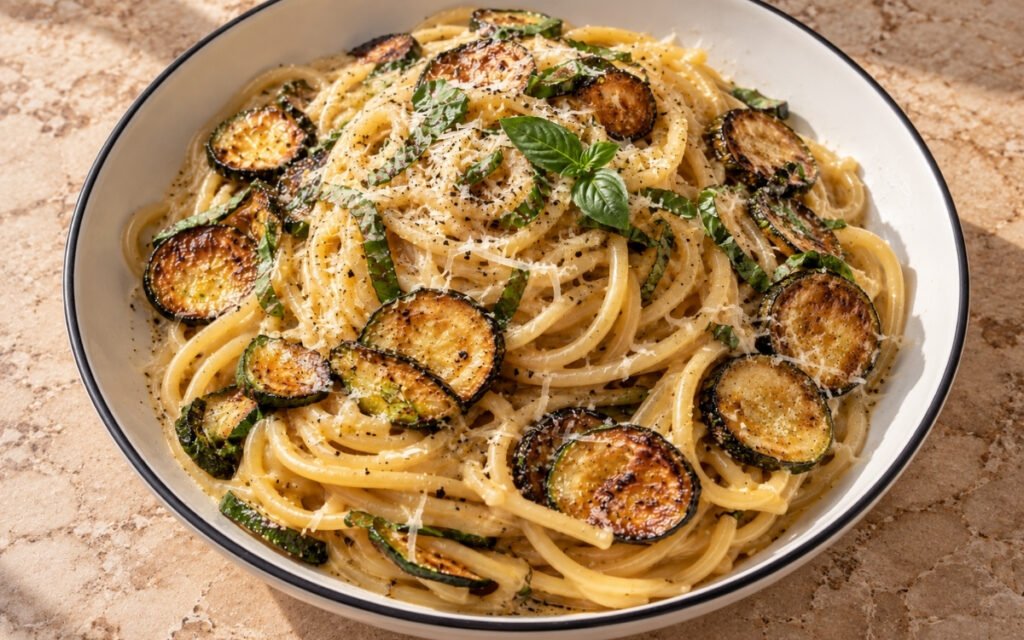
Spaghetti alla Nerano
Fried zucchini rounds tossed with spaghetti in a glossy, emulsified Pecorino Romano sauce, finished with black pepper and fresh basil.
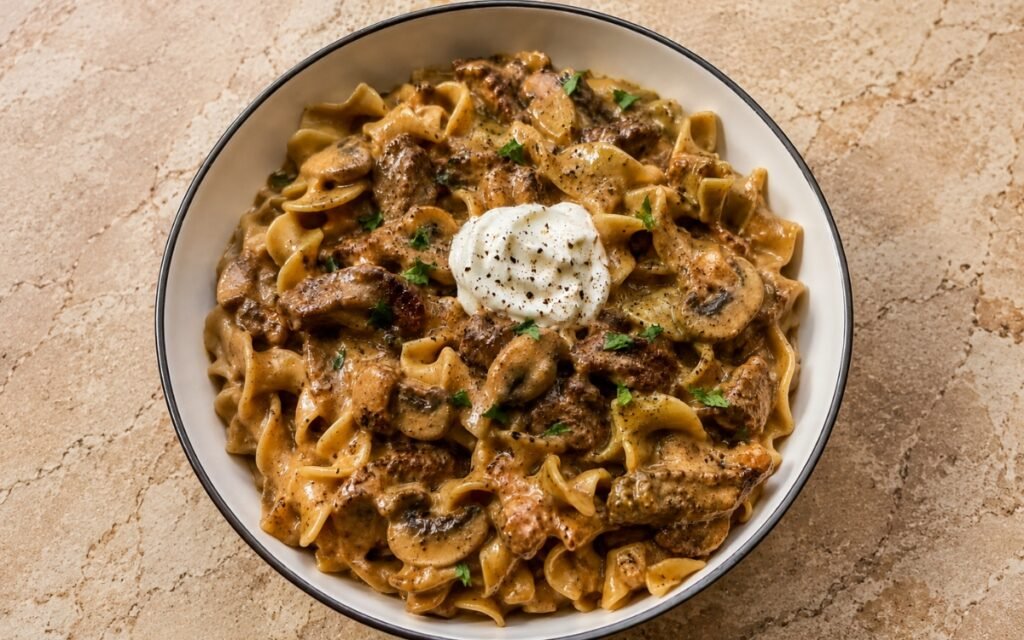
Beef Stroganoff
Tender seared beef, properly browned mushrooms, and a rich, glossy sour cream sauce over buttery egg noodles.
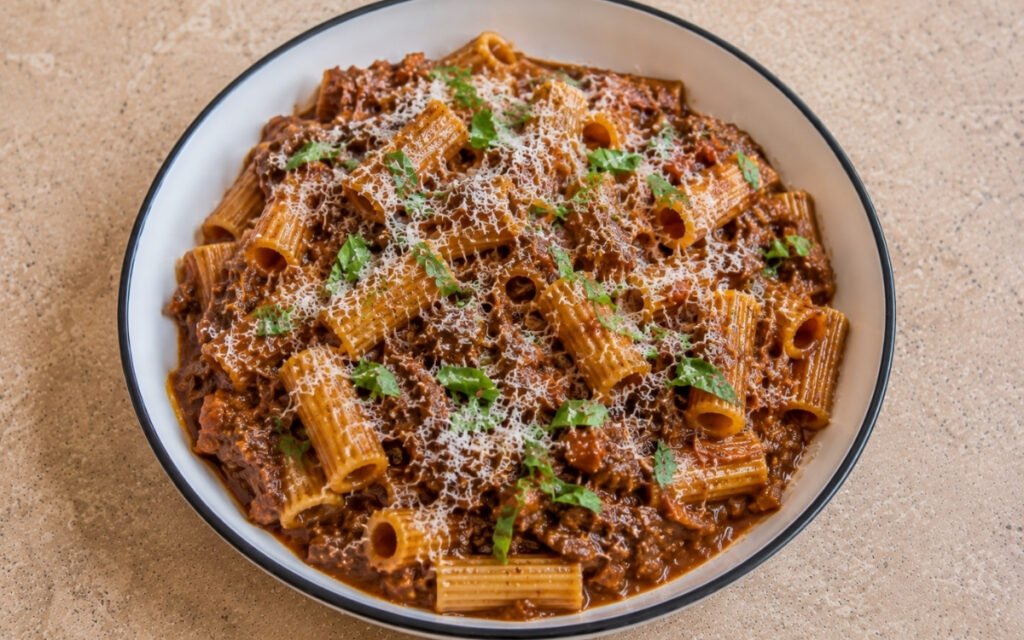
Slow-Simmered Beef Ragù Pasta
Beef chuck, soffritto, Chianti, and San Marzano tomatoes simmered 2.5 hours — finished with whole milk over rigatoni.
You might also like
You might also like
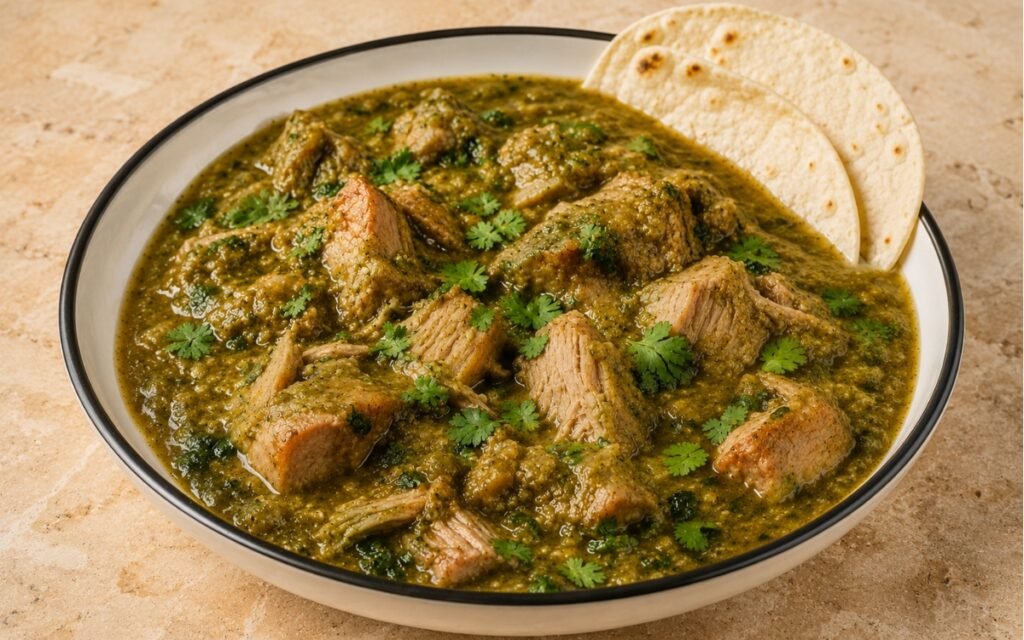
Pork Chile Verde
Browned pork shoulder braised tender in a roasted tomatillo-green chile sauce, thick and glossy with poblano body.
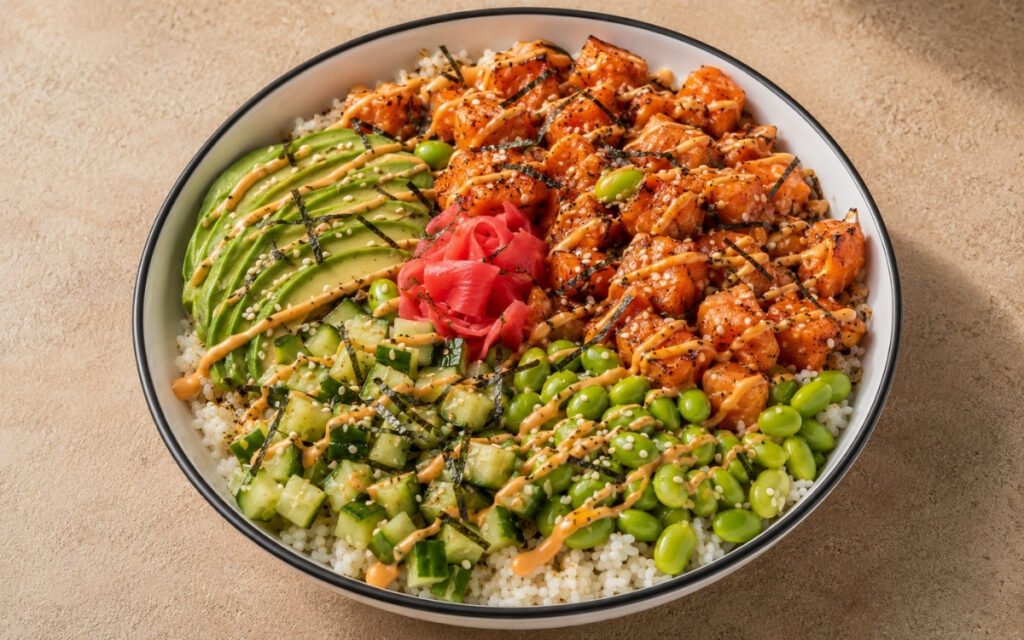
Spicy Salmon Sushi Bowl
Soy-honey marinated salmon seared 90 seconds for caramelised medium-rare — over seasoned sushi rice with spicy Kewpie mayo, avocado, edamame, nori, and pickled ginger. 45 minutes.
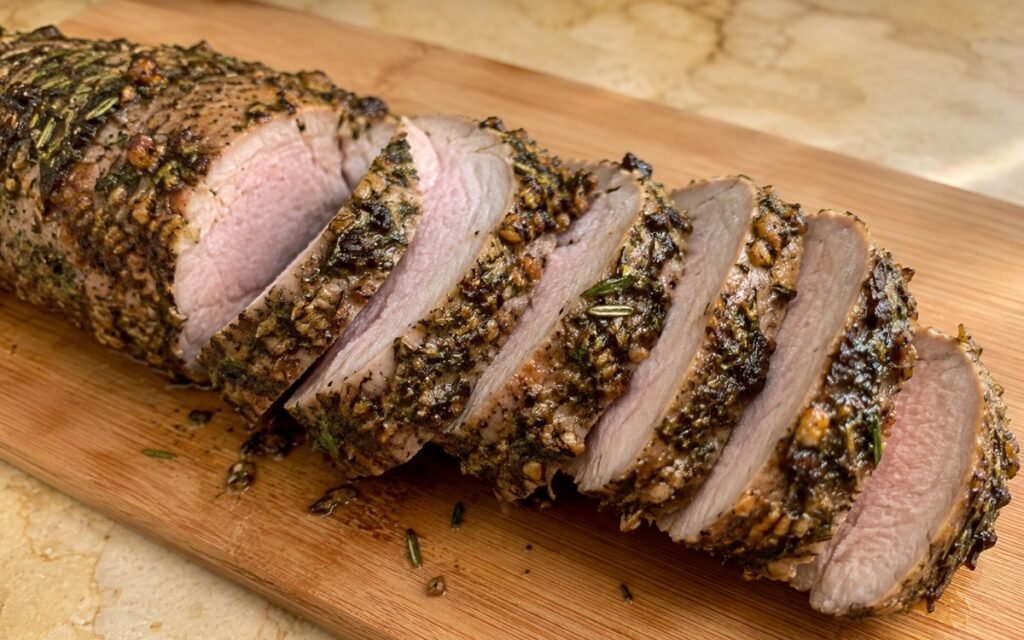
Garlic Herb Pork Tenderloin
Pork tenderloin trimmed, coated in Dijon mustard and fresh herb paste — seared for color, roasted precisely, rested and sliced. Elegant and aromatic.
Spicy Italian ‘Nduja Pasta
Ingredients
Method
- Bring a large pot of water to a full rolling boil and add the 8g of fine sea salt. Add the rigatoni and cook, stirring occasionally to prevent the tubes from sticking together, until exactly 1 minute shy of the package directions’ al dente time. The pasta finishes cooking in the sauce during the tossing step — pulling it 1 minute early accounts for this carry-over and produces correctly textured pasta rather than over-cooked, slightly soft rigatoni by the time the dish is plated. Before draining, reserve 50ml of the starchy pasta cooking water. This is a smaller reserve than most pasta dishes in this collection because the mascarpone provides significant sauce body independently — the pasta water is needed primarily for the sauce-finishing toss rather than as the primary emulsifying agent. Drain without rinsing.
- Heat a large, deep skillet over medium heat. Add the 60ml of olive oil and the thinly sliced garlic simultaneously — starting in oil that is not yet at high temperature gives the garlic the 1–2 minutes it needs to reach pale golden without burning. Cook, stirring occasionally, for 1–2 minutes until the garlic is fragrant and shows lightly golden edges. Add the 180g of ‘nduja to the pan, breaking it into rough pieces with a wooden spoon as it goes in. Allow it to sizzle for 2–3 minutes, stirring frequently and continuing to break it down with the spoon. This is the defining technique step of the recipe and the one that makes ‘nduja specifically extraordinary as a pasta ingredient. Unlike conventional sausage or guanciale, which render fat while remaining structurally intact, ‘nduja is soft enough to fully disintegrate during heating — its fat and water content separate and the solids break down completely into the surrounding olive oil. The result is a vivid, deeply red, visibly glossy oil infused with ‘nduja’s concentrated pork fat, Calabrian chili heat, and smoky, fermented spice compounds. This enriched, spiced oil becomes the flavour carrier for everything added subsequently — every component of the sauce is cooked in ‘nduja-infused oil, meaning its character permeates the entire dish rather than being one ingredient among many. After 2–3 minutes the ‘nduja should have fully melted into the oil, producing a deeply reddish-orange, glossy, aromatic mixture with no large solid pieces remaining.
- Increase the heat to medium-high and pour in the 150ml of dry white wine. The wine will bubble vigorously on contact with the hot ‘nduja-infused oil — this is correct and expected. Allow it to bubble for 2 minutes without stirring initially, then scrape the bottom of the pan to incorporate any caramelised garlic and ‘nduja bits. The alcohol evaporates during this vigorous reduction, leaving the wine’s fruity acidity and depth as its flavour contribution. The wine deglaze is important for two reasons beyond flavour: it dissolves any ‘nduja solids that have caramelised against the pan surface into the sauce, and it dilutes the intensity of the ‘nduja-infused oil slightly, tempering its heat to a more manageable level before the tomatoes are added. Once reduced by approximately half, add the 400g of hand-crushed San Marzano tomatoes with all their juices. Hand-crushing — squeezing each whole tomato directly over the pan — produces a varied texture with some identifiable tomato pieces and some sauce, more visually interesting and texturally engaging than uniformly pre-crushed tomatoes. Reduce the heat to medium-low and simmer uncovered for 8–10 minutes, stirring occasionally, until the sauce has thickened slightly and become rich, glossy, and cohesive — the tomato solids and the ‘nduja-infused oil should look unified rather than separated.
- Add the drained rigatoni directly to the sauce along with the 50ml of reserved pasta water. Toss vigorously over medium heat for 1–2 minutes — turning the rigatoni through the sauce continuously to coat every external surface and ensure the sauce penetrates into the hollow centres of each tube. The rigatoni finishes cooking during this tossing and the pasta’s surface starch releases slightly into the sauce, thickening and enriching it further. Rigatoni is specified rather than spaghetti or linguine for this sauce specifically because its ridged exterior and hollow interior both function as sauce-capture surfaces — the ridges hold the chunky, slightly coarse ‘nduja tomato sauce on the exterior, while the hollow centres trap the sauce inside, producing a bite where you taste the sauce from outside and inside simultaneously. Bronze-die extruded rigatoni, with its rough, porous surface, captures the sauce even more effectively than smooth Teflon-die pasta.
- Remove the pan from the heat completely. Add the 120g of mascarpone and 50g of the finely grated Pecorino Romano. Toss continuously — lifting the rigatoni from the bottom and folding it over the top in a circular motion — until the mascarpone melts completely into the sauce. The mascarpone’s fat and protein melt smoothly into the warm sauce at this off-heat temperature, creating a creamy, slightly thickened coating that envelops every grain of the sauce without breaking into separated fat and water. The combination of mascarpone and Pecorino Romano is the specific pairing that makes this finish work: the mascarpone provides the smooth, rich, slightly sweet dairy creaminess; the Pecorino provides the sharp, salty, assertive flavour that prevents the mascarpone from making the sauce feel heavy and one-dimensionally rich. The two together produce the luxurious coating consistency that is the dish’s textural signature — thicker and creamier than a simple tomato sauce, more structured and less heavy than a standard cream sauce. Season with the 3g of freshly ground black pepper. Taste carefully before adding any additional salt — the ‘nduja, Pecorino Romano, and pasta water together typically provide sufficient salt. Add the torn basil leaves and roughly chopped parsley and toss gently for 10 seconds — the residual heat wilts the basil slightly while keeping it bright green rather than dark.
- Divide immediately among four warm shallow bowls — warmed bowls maintain the mascarpone’s creamy consistency significantly longer than room-temperature crockery. Scatter the remaining 50g of finely grated Pecorino Romano over each bowl. Drizzle a small amount of your best extra-virgin olive oil over each portion — the raw oil’s fresh, fruity character provides a top note that the cooked oil in the sauce does not. For those who specifically want more heat, scatter the optional 2g of additional red pepper flakes over the surface. Serve immediately.