
Fish Taco-Style Bowl
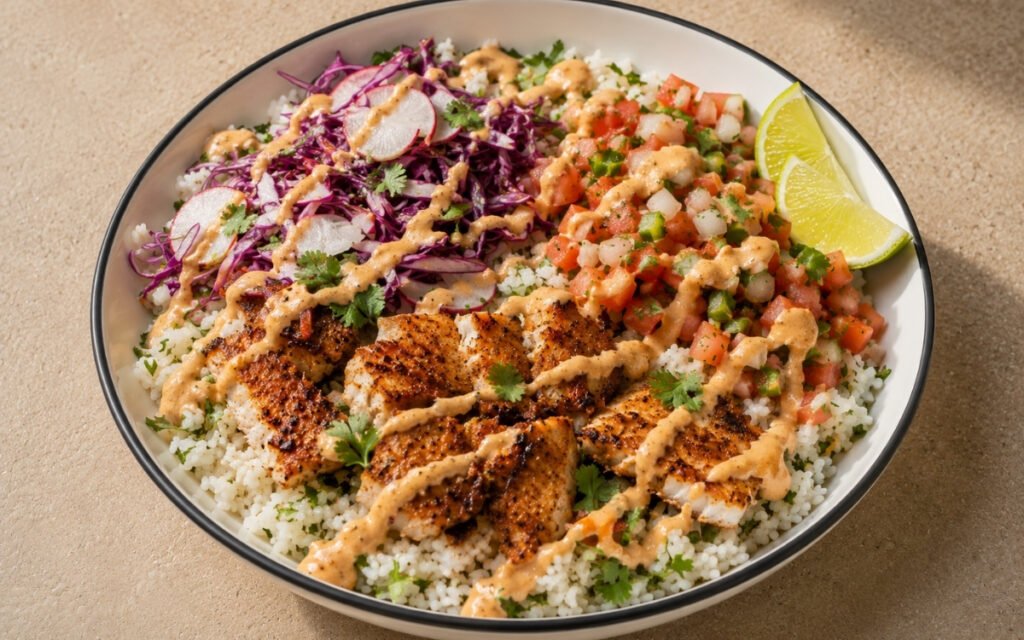
Everything that makes a fish taco worth ordering — the seasoned, crisped fish, the crunchy slaw, the smoky crema — assembled in a bowl with cilantro-lime rice, pico de gallo, guacamole, and black beans. The chipotle crema is the specific element that distinguishes this from a generic fish bowl: adobo sauce from canned chipotle peppers stirred into sour cream with lime and garlic, producing a smoky, slightly spiced, creamy drizzle that ties every other component together under a single connecting flavour. The fish is cooked undisturbed in a hot cast iron until the spice crust caramelises before the flip — flaked into large pieces at serving. Forty minutes, coastal Mexican in a bowl.
Prep Time : 20 min
Cook Time : 20 min
Servings : 4
20 min
20 min
4
Ingredients
For the Seasoned Fish
• 680g white fish fillets — cod, mahi-mahi, or tilapia
• 8g ground cumin — this one on Amazon
• 6g smoked paprika — this one on Amazon
• 4g garlic powder
• 4g kosher salt
• 3g freshly ground black pepper
• 20ml extra-virgin olive oil
For the Cabbage Slaw
• 300g purple cabbage, thinly shredded
• 100g radishes, thinly sliced
• 80g red onion, julienned
• 15ml fresh lime juice
• 20ml extra virgin olive oil — this one on Amazon
• 15ml honey
• 2g kosher salt
For the Chipotle Crema
• 240g sour cream
• 20ml adobo sauce from canned chipotle peppers — this one on Amazon
• 15ml fresh lime juice
• 1 clove garlic, minced
• 2g kosher salt
For the Cilantro-Lime Jasmine Rice (Full recipe — see Cilantro-Lime Jasmine Rice)
• 300g jasmine rice, uncooked
• 450ml water
• 3g kosher salt
• 30ml fresh lime juice
• 15g fresh cilantro, finely chopped
• 15ml olive oil or unsalted butter
For the Pico de Gallo (Full recipe — see Pico de Gallo)
• 4 Roma tomatoes, finely diced
• ½ white onion, finely diced
• 1 jalapeño, finely diced
• 30g fresh cilantro, roughly chopped
• 30ml fresh lime juice
• 3g fine salt
For the Classic Guacamole (Full recipe — see Classic Guacamole)
• 3 ripe avocados
• 30ml fresh lime juice
• ½ white onion, finely diced
• 1 jalapeño, finely diced
• 20g fresh cilantro, roughly chopped
• 3g fine salt
• 1 garlic clove, minced
For Finishing
• 240g canned black beans, drained and rinsed
• 15g fresh cilantro leaves, for garnish
• Lime wedges, for serving
This post may contain affiliate links. As an Amazon Associate I earn from qualifying purchases, at no additional cost to you.
Directions
- Cook the Cilantro-Lime Jasmine Rice
For the complete technique — including the rinsing method, the resting period, and the cilantro-lime finish — follow the full Cilantro-Lime Jasmine Rice recipe. Summary: rinse the 300g of jasmine rice under cold running water until completely clear. Combine with 450ml of water and 3g of salt in a medium saucepan. Bring to a full rolling boil, reduce immediately to the lowest heat, cover tightly, and simmer for 15 minutes without lifting the lid. Remove from heat and rest covered for 5 minutes — do not open the lid during this period. After the full rest, uncover and fluff with a fork. While the rice is still warm, stir in the 30ml of lime juice, 15g of chopped fresh cilantro, and 15ml of olive oil or butter — both are absorbed more effectively by warm grains than cold. The rice should taste specifically of lime and cilantro throughout, providing an actively flavoured base that contributes to the bowl’s coastal Mexican character rather than being a neutral carrier. - Make the Cabbage Slaw
While the rice cooks, prepare the slaw. Combine the 300g of finely shredded purple cabbage, 100g of thinly sliced radishes, and 80g of julienned red onion in a large bowl. In a separate small bowl, whisk together the 15ml of lime juice, 20ml of olive oil, 15ml of honey, and 2g of salt until fully emulsified — the honey dissolves into the lime juice rather than sitting in pools, and the oil distributes evenly through the dressing. Pour the dressing over the vegetables and toss thoroughly to coat every shred and slice. Refrigerate immediately. The cabbage slaw benefits from a minimum of 15 minutes of marinating time before serving — the lime juice begins a very light pickling process that softens the cabbage’s rawness slightly and mellows the red onion’s sharp bite, producing a more cohesive, more balanced slaw than one served immediately after dressing. The purple cabbage is specified rather than green for its specific slightly bitter, more robust character that holds up through the marinating period without wilting excessively, and for its vivid colour that provides the most visual contrast in the assembled bowl. - Make the Chipotle Crema
In a small bowl, combine the 240g of sour cream, 10ml of adobo sauce from canned chipotle peppers in adobo, 15ml of fresh lime juice, the minced garlic clove, and 2g of salt. Whisk vigorously until completely smooth and uniform — no visible adobo streaks remaining, no garlic clumps, a uniform pale orange-pink cream. The adobo sauce is the specific ingredient that makes this crema distinctly chipotle rather than simply spiced sour cream — the adobo sauce is the thick, slightly sweet, deeply smoky and spiced red sauce in which the chipotle peppers are canned, carrying all the chipotle’s complexity without the pepper’s direct heat and texture. At 10ml it produces a moderately smoky, warmly spiced crema without aggressiveness — increase to 15ml for a more prominently chipotle flavour if preferred. Taste the finished crema — it should be simultaneously smoky from the chipotle, bright from the lime, garlicky, and well-salted. Refrigerate until assembly. - Make the Pico de Gallo
For the complete technique — including the correct dice size, the salting and resting method, and the balance — follow the full Pico de Gallo recipe. Summary: finely dice the 4 Roma tomatoes, ½ white onion, and 1 jalapeño into uniform, approximately 5mm pieces. Combine in a bowl with the 30g of roughly chopped cilantro, 30ml of lime juice, and 3g of salt. Toss and allow to rest for at least 10 minutes — the resting period draws moisture from the tomatoes and onion and mellows the raw sharpness into a cohesive, balanced salsa. Taste and adjust with additional lime or salt. - Make the Guacamole
For the complete technique — including the correct avocado preparation, the mashing method, and the balance — follow the full Classic Guacamole recipe. Make this step last among the cold preparations to minimise oxidation time before serving. Summary: halve the 3 ripe avocados, remove the stones, and scoop the flesh into a bowl. Add the 30ml of lime juice immediately — the acid slows the enzymatic browning from the moment of contact. Add the minced garlic, finely diced onion, diced jalapeño, chopped cilantro, and 3g of salt. Mash to a partially chunky consistency with some avocado pieces remaining — the correct texture for a bowl component that provides creamy pockets rather than a smooth spread. Taste and adjust. Press plastic wrap directly against the surface if not serving immediately. - Season and Cook the Fish
Pat the 680g of fish fillets completely dry on all surfaces with paper towels — thorough drying is the most important preparation step for a properly crisped, caramelised fish surface. Any surface moisture converts to steam on contact with the hot oil, preventing the Maillard crust that produces both the visual golden colour and the textural contrast between the crispy exterior and the flaking interior. In a small bowl, combine the 8g of cumin, 6g of smoked paprika, 4g of garlic powder, 4g of salt, and 3g of black pepper and stir to a uniform spice blend. Season both sides of each fillet generously, pressing the spice blend gently against the fish surface to help it adhere. Heat a large cast iron skillet or heavy-bottomed non-stick skillet over medium-high heat. Add the 20ml of olive oil and allow to heat until shimmering — at shimmering the oil is at the correct temperature for a proper sear without burning the spices. Add the fish fillets with space between each — work in two batches if needed to prevent crowding. Place skin-side down if the fillets have skin. Cook completely undisturbed for 4–5 minutes — the spice crust caramelises against the hot oil and pan surface during this sustained contact, producing the deeply golden, slightly charred exterior that is the visual and flavour signature of properly cooked taco fish. Any movement before the crust forms tears the developing surface. Flip gently using a thin spatula once the fish releases naturally from the surface. Cook the second side for 3–4 minutes until the fish flakes easily when pressed with a fork and reads 63°C internal temperature. Remove from heat and allow to rest for 2 minutes, then break into large, irregular chunks — large enough to provide textural identity in the assembled bowl rather than fine flakes that disappear into the other components. - Warm the Black Beans and Assemble
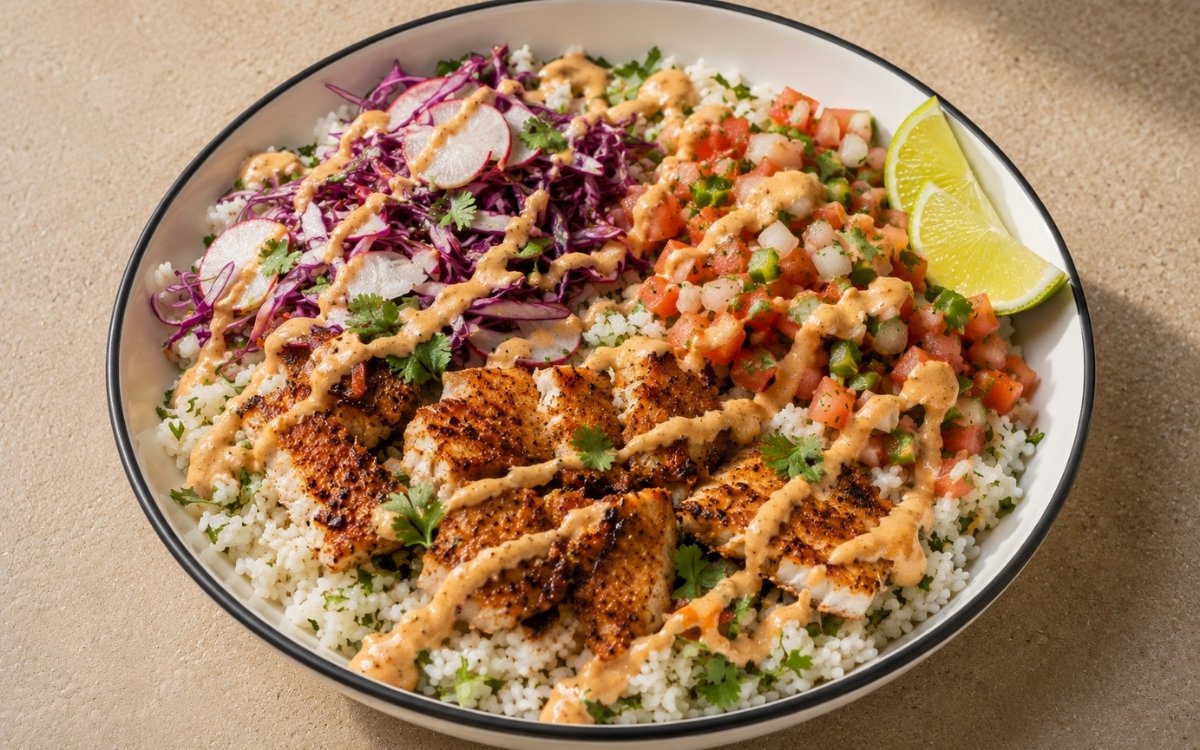
Warm the 240g of drained and rinsed black beans in a small saucepan over medium heat with a splash of water for 2–3 minutes until heated through. Season with a pinch of salt. Assemble all four bowls in rapid succession — the fish is at its best warm and the guacamole begins to oxidise once exposed. Divide the cilantro-lime rice as the base of each bowl. Working around the rice, place each component in its own distinct section: the flaked fish pieces in the largest section, the cabbage slaw alongside, the pico de gallo in its own area, the guacamole in the remaining section, and the warm black beans distributed evenly. Drizzle the chipotle crema generously over each bowl — it should reach every component, extending from the fish across the rice to the edges of the bowl. Scatter fresh cilantro leaves over each bowl. Place lime wedges alongside for squeezing at the table. Serve immediately.
*Notes :
- The chipotle crema is the single component that most defines this bowl’s coastal Mexican character and distinguishes it from a generic spiced fish preparation. Chipotle peppers in adobo — smoked, dried jalapeños rehydrated and canned in a spiced tomato-vinegar sauce — produce an adobo sauce with a specifically complex, smoky-sweet, lightly spiced character that neither plain chili powder nor cayenne can replicate. The adobo sauce rather than the chipotle pepper itself is used in this crema because the sauce carries the chipotle’s full aromatic and flavour complexity in a liquid form that blends instantly and uniformly into the sour cream, whereas chopped chipotle pepper produces uneven heat and texture. A can of chipotle peppers in adobo — available at most supermarkets in the Mexican foods section — provides both the peppers for other recipes and the sauce for this crema. The remaining peppers and sauce keep refrigerated in a sealed container for up to 2 weeks and are used in the Chili Lime Chicken Rice Bowl marinade and numerous other preparations.
- The purple cabbage slaw prepared with lime, olive oil, and honey rather than a mayonnaise base is the specifically Mexican-coastal approach — lighter, more acidic, and with the slight pickling character from the lime juice that provides the fresh crunch contrast the fish and creamy components require. The 15-minute minimum marinating period in the refrigerator is the technique that converts the raw vegetable mixture into a cohesive slaw.
Why This Recipe Works
This recipe works because each of the bowl’s three distinct flavour registers — the spiced, crisped fish; the cool, acidic slaw; and the smoky, creamy crema — is prepared with the specific technique its character requires. The fish sears undisturbed so the spice crust forms completely before the flip.
The slaw marinates so the lime’s light pickling produces the correct cohesive texture rather than a raw vegetable combination. And the chipotle crema uses the adobo sauce rather than a generic chili for the specific coastal Mexican smoky complexity. The pico de gallo’s fresh acidity and the guacamole’s creamy richness complete the bowl’s composition with the same care.
Ingredient Breakdown
White Fish (Spiced, Undisturbed Sear)
The bowl’s protein — cumin and smoked paprika caramelise into the specific golden crust; undisturbed contact with the hot surface is the technique requirement.
Chipotle Crema (Adobo Sauce)
The defining connecting drizzle — adobo sauce’s smoky-sweet complexity provides the specific coastal Mexican flavour that plain chili powder cannot replicate; drizzled over every component.
Purple Cabbage Slaw (Marinated 15 Minutes)
The crunchy acid contrast — lime-honey dressing and 15-minute marinating produces the light-pickled slaw character that balances the rich fish and creamy crema.
Cilantro-Lime Jasmine Rice
The active base — lime and cilantro folded through warm rice making it a flavour contributor rather than a neutral carrier.
Pico de Gallo (Rested 10 Minutes)
The fresh tomato-acid element — resting converts raw assembled ingredients into a cohesive, balanced salsa.
Classic Guacamole (Made Last)
The creamy cooling richness — made last to minimise oxidation; lime added immediately to the cut avocado.
Black Beans
The protein-and-substance element — warmed simply without heavy seasoning to provide clean flavour alongside the more assertively spiced fish and crema.
Flavor Structure Explained
This fish taco-style bowl follows a layered balance model:
- Warm smoky core (spiced fish)
- Smoky creamy layer (chipotle crema)
- Bright citrus freshness (pico de gallo, cilantro-lime rice)
- Cool crunchy contrast (purple cabbage slaw)
- Creamy rich balance (guacamole)
Fish defines the primary flavor with cumin earthiness and smoked paprika caramelised into a lightly charred crust. Chipotle crema spreads smoky, slightly spicy richness across the bowl, connecting all components under a unified flavor profile. Pico de gallo and citrus-seasoned rice provide sharp freshness and acidity that keep the richness vivid and lively. Purple cabbage slaw introduces crunch and coolness that contrast the fish’s soft texture. Guacamole rounds the structure with creamy richness, balancing smoke, acid, spice, and freshness into a cohesive whole.
Common Mistakes to Avoid
- Not Drying the Fish Thoroughly – Surface moisture prevents the spice crust from forming and produces a steamed, pale fish without the golden Maillard surface.
- Moving the Fish Before the Crust Forms – The 4–5 minute undisturbed sear is what produces the caramelised spice crust. Any movement before the fish releases naturally tears the developing surface.
- Not Marinating the Slaw – Freshly dressed slaw tastes raw and aggressively sharp. The minimum 15-minute refrigeration is the step that produces the light-pickled, cohesive character.
- Using the Chipotle Pepper Rather Than the Adobo Sauce – The pepper provides direct heat and uneven texture; the sauce provides uniform smoky-sweet-spiced complexity that blends smoothly into the sour cream.
- Making the Guacamole Too Early – Always make last among the cold components to minimise oxidation.
- Overcooking the Fish – At 63°C the fish just flakes — overcooking beyond this produces dry, crumbling pieces that have no textural identity in the bowl.
Variations
With Mango Salsa
Replace the pico de gallo with 300g of diced fresh mango combined with red onion, jalapeño, cilantro, and lime juice — the mango’s tropical sweetness amplifies the coastal Mexican character and pairs specifically well with the smoky chipotle crema.
With Fried Fish
Coat the seasoned fillets in a light batter of cold sparkling water and flour before pan-frying in 2cm of neutral oil for 3–4 minutes per side — producing a crispy-battered taco fish that provides more textural contrast.
With Shrimp
Replace the white fish with 680g of large peeled shrimp seasoned with the same spice blend, seared for 90 seconds per side until just pink. The shrimp’s sweetness is specifically compatible with the chipotle crema and pico.
Lighter Crema
Replace the sour cream with 240g of full-fat Greek yogurt — the same technique and ratios apply. The yogurt provides comparable tang and creaminess with significantly lower fat content.
Storage & Make-Ahead
Chipotle crema can be refrigerated in a sealed jar for up to 5 days, and its flavor actually deepens and improves overnight. It is also one of the most versatile make-ahead components in this collection and works well on tacos, burgers, and roasted vegetables in addition to these bowls.
Cabbage slaw can be refrigerated for up to 4 hours after it has been dressed, but beyond that point it becomes too soft. If stored undressed, shredded cabbage will keep in the refrigerator for up to 3 days. For the best texture, add the dressing within 4 hours of serving.
Pico de gallo can be refrigerated for up to 3 days if stored properly. Guacamole, however, is best made fresh and should not be prepared too far in advance.
Cooked fish is best served immediately, though it can be refrigerated for up to 2 days. Reheat it gently in a dry skillet for about 2 minutes or serve it cold over freshly prepared rice. Cilantro-lime rice can be refrigerated for up to 4 days and should be reheated covered with a splash of water.
Frequently Asked Questions
What fish works best for this bowl?
Cod is the most widely available and produces a clean, mild, flaky result that absorbs the spice blend without competing with it. Mahi-mahi has a firmer, slightly more flavourful flesh that holds its chunk shape better after flaking. Tilapia is the leanest and most budget-friendly option with a very mild flavour. All three work well — the spice blend’s character is consistent across all varieties.
What is adobo sauce?
Adobo sauce is the thick, deeply spiced, slightly sweet tomato-vinegar sauce in which chipotle peppers are canned. It carries all the chipotle’s smoky, complex flavour in liquid form — used here for its ability to blend uniformly into the sour cream without adding the chipotle pepper’s direct heat and texture.
Why purple cabbage rather than green?
Purple cabbage has a slightly more robust, more bitter character than green that holds up well through the lime marinade without becoming waterlogged. Its vivid purple colour also provides the most visual contrast in the assembled bowl — fish tacos’ characteristic visual vibrancy comes largely from the purple slaw against the golden fish.
Can I grill the fish instead of pan-searing?
Yes — grill over medium-high heat for 3–4 minutes per side on a well-oiled grate. The grill’s smoke adds an additional char character that specifically complements the chipotle crema’s smoky depth.
How do I prevent the fish from sticking to the pan?
Ensure the fish is completely dry before seasoning, the pan is fully hot before the fish enters, and there is sufficient oil. The most important rule: do not attempt to move the fish until it releases naturally — premature movement is almost always what causes sticking rather than the pan or oil.
Nutrition Facts
( per serving )
Calories
~1060 kcal
Protein
44 g
Fat
51 g
Carbs
107 g
Calories
~1060 kcal
Protein
44 g
Fat
51 g
Carbs
107 g
Related Recipes
Related Recipes

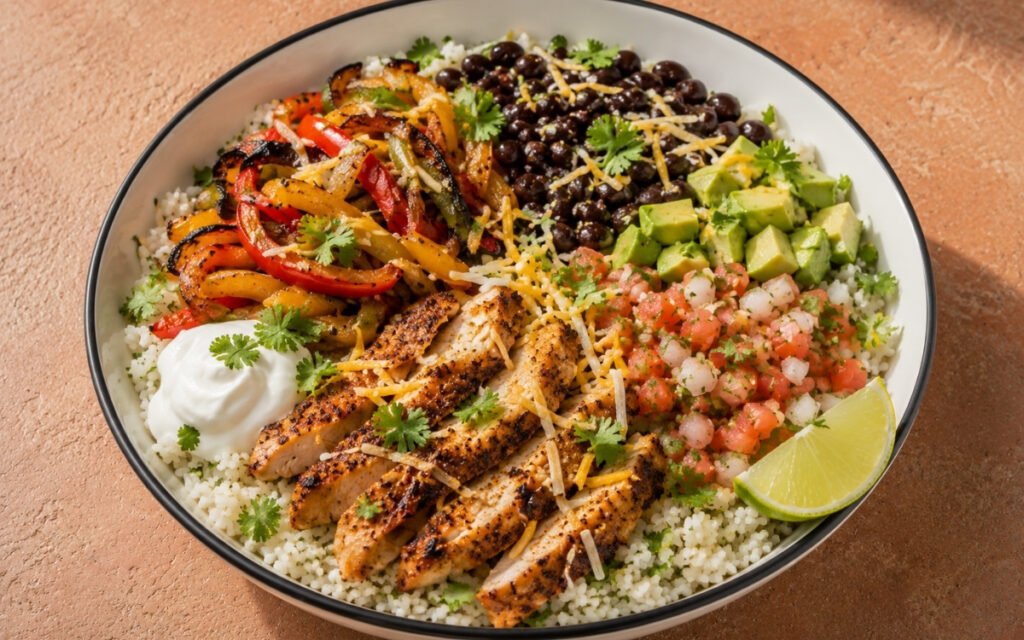
Chicken Fajita Rice Bowl
Charred chicken and peppers over cilantro-lime rice with black beans and fresh toppings.
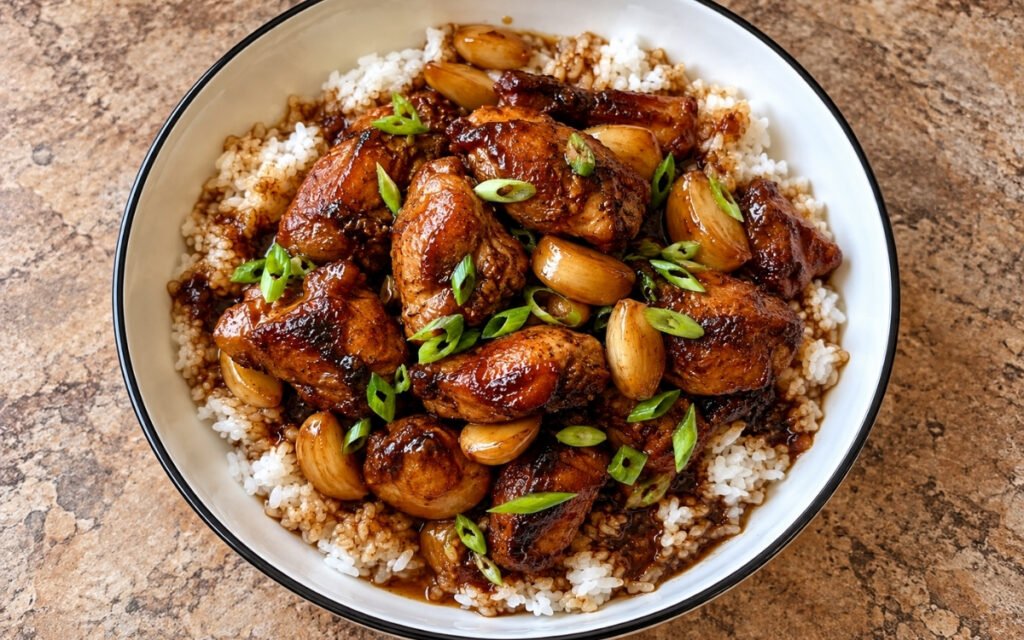
Chicken Adobo Rice Bowl
Boneless chicken thighs braised in soy sauce, vinegar, garlic, bay leaf and black pepper until deeply savory and glossy, spooned over rice.
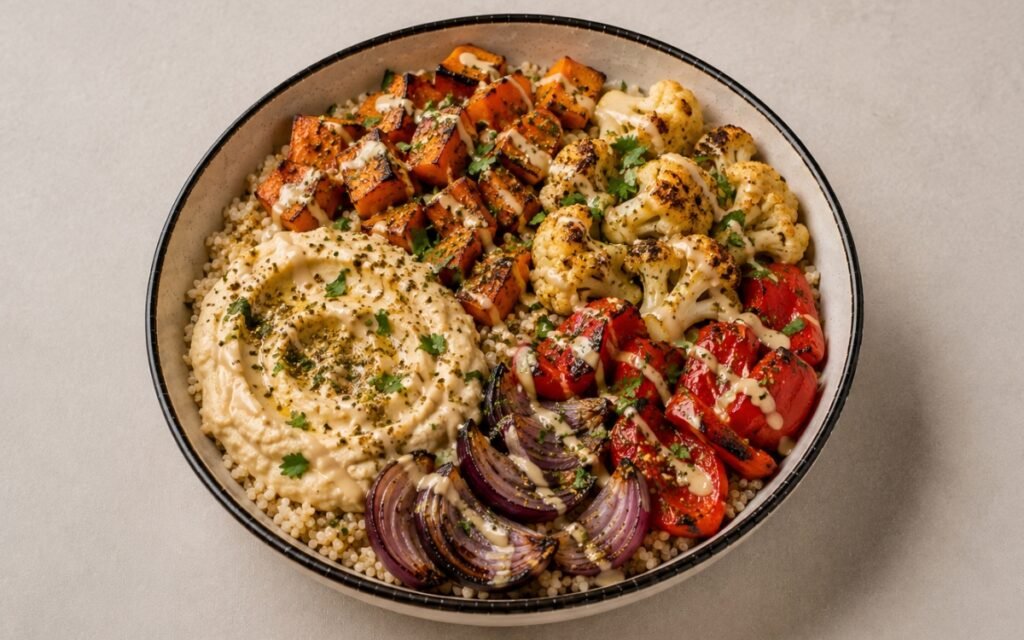
Roasted Veggie Quinoa Bowl
Za’atar-roasted sweet potatoes, cauliflower, and peppers over quinoa with creamy hummus and lemon-tahini drizzle.
You might also like
You might also like
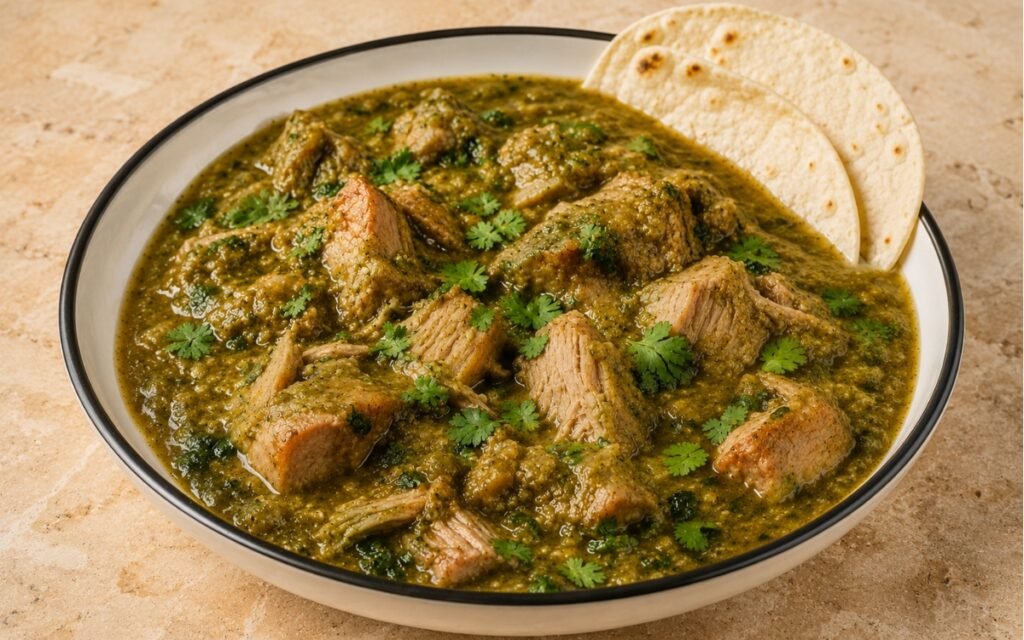
Pork Chile Verde
Browned pork shoulder braised tender in a roasted tomatillo-green chile sauce, thick and glossy with poblano body.
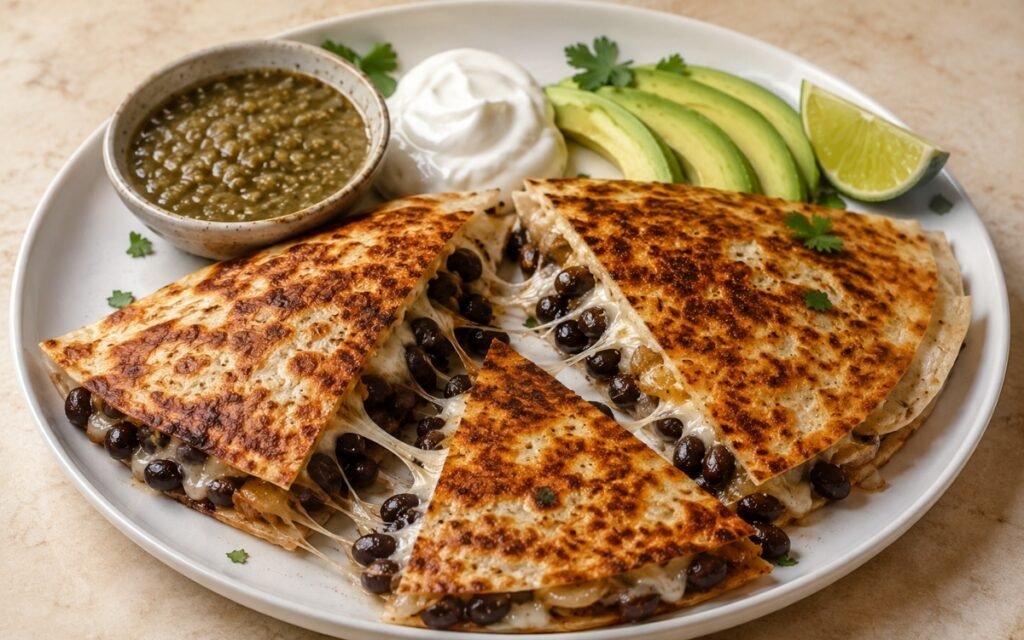
Mexican Black Bean Quesadilla
Seasoned black beans, slowly caramelised onion, and melted mozzarella-cotija crisped golden in flour tortillas, served with salsa verde and avocado.
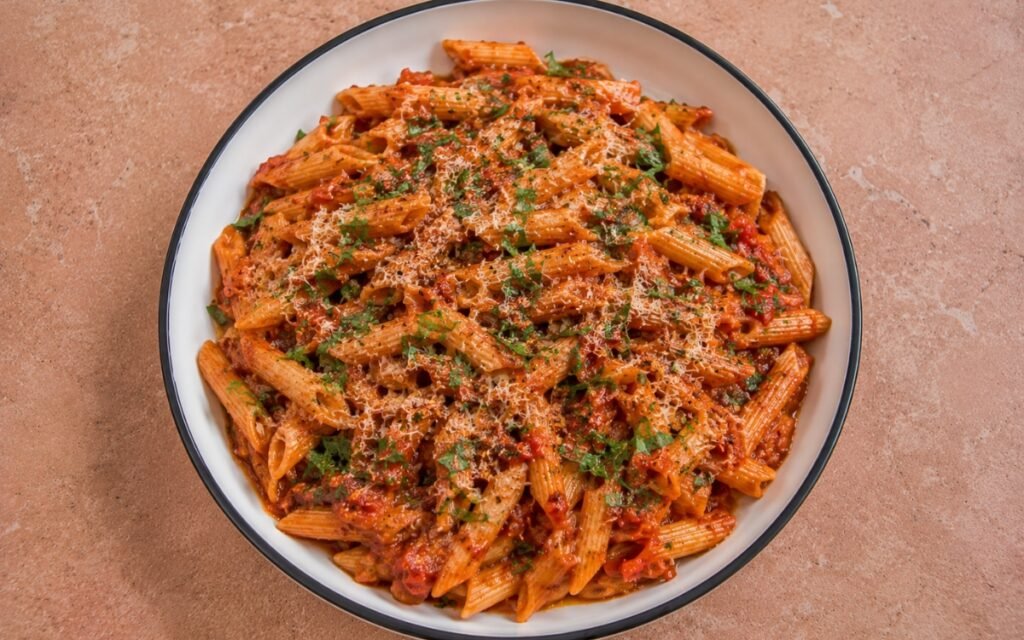
Calabrian Chili Penne Arrabbiata
Calabrian chili paste bloomed in olive oil with pale-golden garlic, hand-crushed tomatoes simmered glossy — penne finished in the sauce, 25 minutes.
Fish Taco-Style Bowl
Ingredients
Method
- For the complete technique — including the rinsing method, the resting period, and the cilantro-lime finish — follow the full Cilantro-Lime Jasmine Rice recipe. Summary: rinse the 300g of jasmine rice under cold running water until completely clear. Combine with 450ml of water and 3g of salt in a medium saucepan. Bring to a full rolling boil, reduce immediately to the lowest heat, cover tightly, and simmer for 15 minutes without lifting the lid. Remove from heat and rest covered for 5 minutes — do not open the lid during this period. After the full rest, uncover and fluff with a fork. While the rice is still warm, stir in the 30ml of lime juice, 15g of chopped fresh cilantro, and 15ml of olive oil or butter — both are absorbed more effectively by warm grains than cold. The rice should taste specifically of lime and cilantro throughout, providing an actively flavoured base that contributes to the bowl’s coastal Mexican character rather than being a neutral carrier.
- While the rice cooks, prepare the slaw. Combine the 300g of finely shredded purple cabbage, 100g of thinly sliced radishes, and 80g of julienned red onion in a large bowl. In a separate small bowl, whisk together the 15ml of lime juice, 20ml of olive oil, 15ml of honey, and 2g of salt until fully emulsified — the honey dissolves into the lime juice rather than sitting in pools, and the oil distributes evenly through the dressing. Pour the dressing over the vegetables and toss thoroughly to coat every shred and slice. Refrigerate immediately. The cabbage slaw benefits from a minimum of 15 minutes of marinating time before serving — the lime juice begins a very light pickling process that softens the cabbage’s rawness slightly and mellows the red onion’s sharp bite, producing a more cohesive, more balanced slaw than one served immediately after dressing. The purple cabbage is specified rather than green for its specific slightly bitter, more robust character that holds up through the marinating period without wilting excessively, and for its vivid colour that provides the most visual contrast in the assembled bowl.
- In a small bowl, combine the 240g of sour cream, 10ml of adobo sauce from canned chipotle peppers in adobo, 15ml of fresh lime juice, the minced garlic clove, and 2g of salt. Whisk vigorously until completely smooth and uniform — no visible adobo streaks remaining, no garlic clumps, a uniform pale orange-pink cream. The adobo sauce is the specific ingredient that makes this crema distinctly chipotle rather than simply spiced sour cream — the adobo sauce is the thick, slightly sweet, deeply smoky and spiced red sauce in which the chipotle peppers are canned, carrying all the chipotle’s complexity without the pepper’s direct heat and texture. At 10ml it produces a moderately smoky, warmly spiced crema without aggressiveness — increase to 15ml for a more prominently chipotle flavour if preferred. Taste the finished crema — it should be simultaneously smoky from the chipotle, bright from the lime, garlicky, and well-salted. Refrigerate until assembly.
- For the complete technique — including the correct dice size, the salting and resting method, and the balance — follow the full Pico de Gallo recipe. Summary: finely dice the 4 Roma tomatoes, ½ white onion, and 1 jalapeño into uniform, approximately 5mm pieces. Combine in a bowl with the 30g of roughly chopped cilantro, 30ml of lime juice, and 3g of salt. Toss and allow to rest for at least 10 minutes — the resting period draws moisture from the tomatoes and onion and mellows the raw sharpness into a cohesive, balanced salsa. Taste and adjust with additional lime or salt.
- For the complete technique — including the correct avocado preparation, the mashing method, and the balance — follow the full Classic Guacamole recipe. Make this step last among the cold preparations to minimise oxidation time before serving. Summary: halve the 3 ripe avocados, remove the stones, and scoop the flesh into a bowl. Add the 30ml of lime juice immediately — the acid slows the enzymatic browning from the moment of contact. Add the minced garlic, finely diced onion, diced jalapeño, chopped cilantro, and 3g of salt. Mash to a partially chunky consistency with some avocado pieces remaining — the correct texture for a bowl component that provides creamy pockets rather than a smooth spread. Taste and adjust. Press plastic wrap directly against the surface if not serving immediately.
- Pat the 680g of fish fillets completely dry on all surfaces with paper towels — thorough drying is the most important preparation step for a properly crisped, caramelised fish surface. Any surface moisture converts to steam on contact with the hot oil, preventing the Maillard crust that produces both the visual golden colour and the textural contrast between the crispy exterior and the flaking interior. In a small bowl, combine the 8g of cumin, 6g of smoked paprika, 4g of garlic powder, 4g of salt, and 3g of black pepper and stir to a uniform spice blend. Season both sides of each fillet generously, pressing the spice blend gently against the fish surface to help it adhere. Heat a large cast iron skillet or heavy-bottomed non-stick skillet over medium-high heat. Add the 20ml of olive oil and allow to heat until shimmering — at shimmering the oil is at the correct temperature for a proper sear without burning the spices. Add the fish fillets with space between each — work in two batches if needed to prevent crowding. Place skin-side down if the fillets have skin. Cook completely undisturbed for 4–5 minutes — the spice crust caramelises against the hot oil and pan surface during this sustained contact, producing the deeply golden, slightly charred exterior that is the visual and flavour signature of properly cooked taco fish. Any movement before the crust forms tears the developing surface. Flip gently using a thin spatula once the fish releases naturally from the surface. Cook the second side for 3–4 minutes until the fish flakes easily when pressed with a fork and reads 63°C internal temperature. Remove from heat and allow to rest for 2 minutes, then break into large, irregular chunks — large enough to provide textural identity in the assembled bowl rather than fine flakes that disappear into the other components.
- Warm the 240g of drained and rinsed black beans in a small saucepan over medium heat with a splash of water for 2–3 minutes until heated through. Season with a pinch of salt. Assemble all four bowls in rapid succession — the fish is at its best warm and the guacamole begins to oxidise once exposed. Divide the cilantro-lime rice as the base of each bowl. Working around the rice, place each component in its own distinct section: the flaked fish pieces in the largest section, the cabbage slaw alongside, the pico de gallo in its own area, the guacamole in the remaining section, and the warm black beans distributed evenly. Drizzle the chipotle crema generously over each bowl — it should reach every component, extending from the fish across the rice to the edges of the bowl. Scatter fresh cilantro leaves over each bowl. Place lime wedges alongside for squeezing at the table. Serve immediately.