
Spicy Peanut Butter Noodles
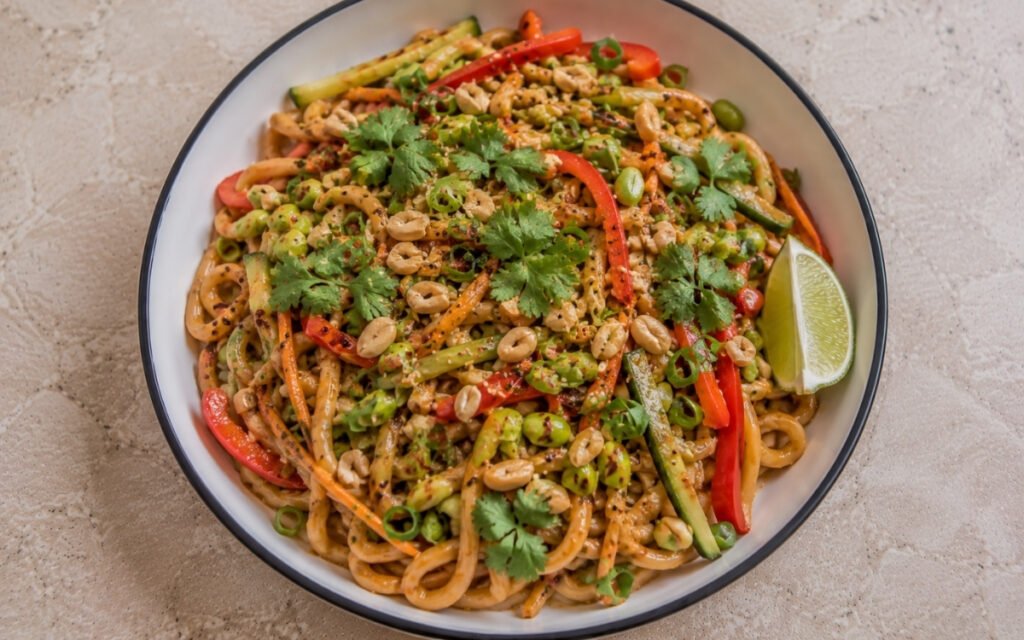
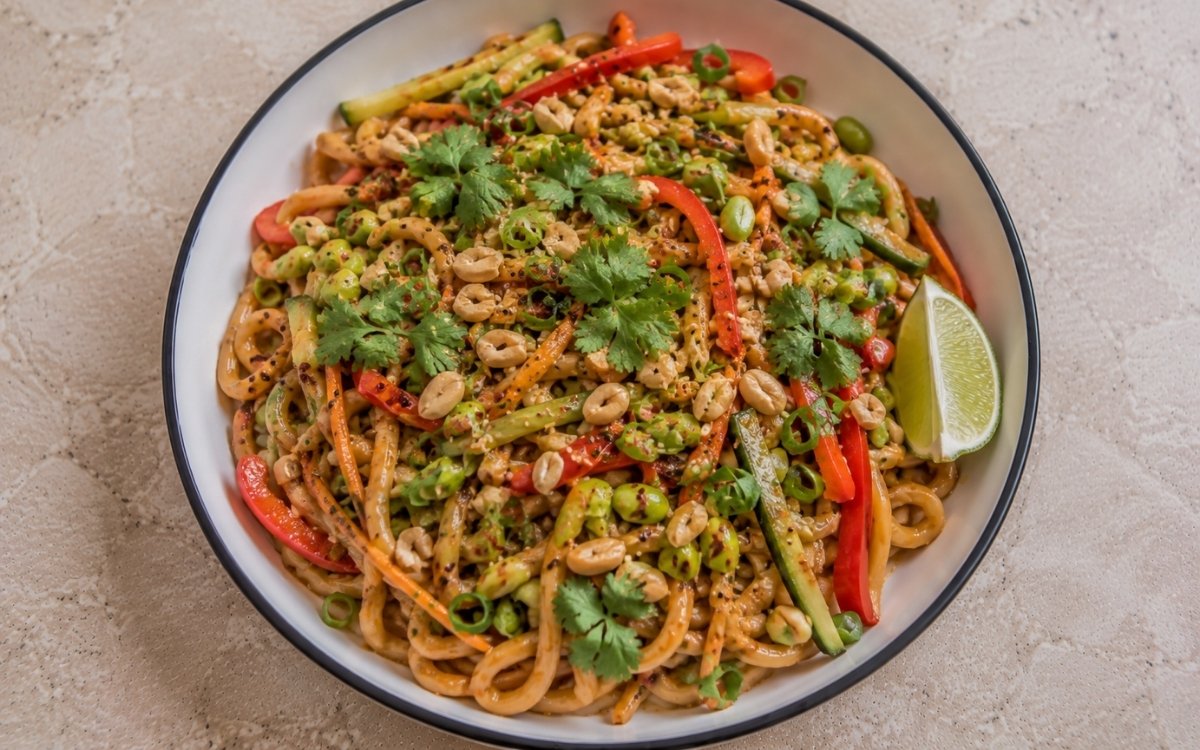
A peanut sauce that is genuinely spiced rather than simply flavoured — natural peanut butter as the base, with soy, rice vinegar, sesame oil, fresh ginger, garlic, Thai bird’s eye chilies, and ground Sichuan peppercorns producing the specific combination of direct heat and numbing tingle that makes this sauce specifically more interesting than standard peanut noodles. Thick udon noodles carry the sauce with more presence than thin noodles, and the combination of stir-fried bell pepper, carrot, and edamame alongside cold-added cucumber provides the textural contrast between warm and cool, cooked and fresh, that makes every forkful more varied. This is one of the rare pasta dishes that genuinely improves after an hour at room temperature as the noodles absorb the sauce — meaning it is as good for meal prep as it is served immediately.
Prep Time : 15 min
Cook Time : 12 min
Servings : 4
15 min
12 min
4
Ingredients
For the Noodles
• 400g dried udon noodles or thick wheat noodles
• 5ml sesame oil (for tossing)
For the Spicy Peanut Sauce
• 180g natural peanut butter (smooth)
• 60ml soy sauce — this one on Amazon
• 45ml rice vinegar
• 25ml sesame oil — this one on Amazon
• 25g light brown sugar
• 20g fresh ginger, peeled and grated
• 20g garlic, about 4 cloves, minced
• 8g Thai bird’s eye chilies (2-3), finely chopped
• 15g Sichuan peppercorns, toasted and ground — this one on Amazon
• 60ml hot water
For the Vegetables and Toppings
• 200g red bell pepper, julienned
• 120g carrots, julienned
• 100g edamame, shelled and cooked
• 150g cucumber, julienned
• 60g roasted peanuts, roughly chopped
• 40g fresh cilantro, chopped
• 60g green onions (4 stalks), thinly sliced
• 15ml chili oil — this one on Amazon
• 10g black sesame seeds
• 1 lime, cut into wedges
This post may contain affiliate links. As an Amazon Associate I earn from qualifying purchases, at no additional cost to you.
Directions
- Toast and Grind the Sichuan Peppercorns
Before any other preparation begins, toast the Sichuan peppercorns — their aromatic transformation through dry-heat toasting is significant and cannot be skipped. Place the 15g of Sichuan peppercorns in a small dry skillet over medium heat and toast for 2–3 minutes, shaking or stirring continuously, until they are noticeably more fragrant and show very light additional darkening on their surface. The toasting drives off moisture and activates the peppercorns’ volatile aromatic compounds — the specific citrus-floral, slightly resinous aroma of Sichuan peppercorn is most fully present when the peppercorns have been dry-toasted. Remove immediately when the aroma intensifies — toasted beyond this point, Sichuan peppercorns develop a slightly bitter, ashy character. Allow to cool for 2 minutes, then grind to a coarse powder in a spice grinder, mortar and pestle, or under the flat side of a heavy knife. Coarse rather than fine grinding is preferred for this sauce — fine powder distributes more evenly but loses some of the direct textural impact of the spice; coarse ground particles provide occasional concentrated hits of the numbing-tingle alongside its background presence throughout the sauce. Set aside. - Cook the Noodles
Bring a large pot of water to a full rolling boil. Add the 400g of udon noodles and cook according to package directions until just tender — typically 8–10 minutes. Udon noodles’ thickness and dense, chewy structure require longer cooking than thinner Asian noodles, and they should be fully cooked through with no raw, hard centre when bitten, as they will not receive any further heat beyond warming in the sauce. Unlike Italian pasta where pulling al dente is essential before finishing in sauce, udon cooked to full tenderness is correct here because the sauce is not a cooking medium. Drain and rinse immediately under cold running water — the cold rinse stops cooking instantly and removes the excess surface starch that would cause the thick udon to clump together during the preparation time before sauce coating. Shake off excess water thoroughly and toss with the 5ml of sesame oil, coating every noodle. Set aside. - Make the Spicy Peanut Sauce
In a medium bowl, combine the 180g of natural peanut butter — natural peanut butter is specified because it contains only peanuts and salt, without the added sugar and stabilising hydrogenated oils in commercial peanut butter that produce a sweeter, more solidified sauce that does not emulsify as smoothly. Add the 60ml of soy sauce, 45ml of rice vinegar, 25ml of sesame oil, 25g of light brown sugar, 20g of finely grated fresh ginger, 20g of minced garlic, 8g of finely chopped bird’s eye chilies, and the ground Sichuan peppercorns. Begin whisking. At this stage the mixture will be thick and difficult to combine — the peanut butter’s fat resists uniform integration with the water-based soy and vinegar before the hot water is added. Whisk for 30 seconds to partially combine the ingredients, then add the 60ml of hot water gradually while whisking continuously. The hot water performs the critical emulsification — it dissolves the peanut butter’s fat into the surrounding liquid by reducing the fat’s viscosity at elevated temperature, producing a smooth, uniform, pourable sauce rather than a separated, oily-and-watery mixture. Continue whisking until the sauce is completely smooth, uniform, and drops slowly from the whisk in a thick ribbon. Taste the finished sauce — it should be simultaneously rich, salty, sour, sweet, garlicky, gingery, and spicy with the background numbing tingle of the Sichuan peppercorn beginning to develop. Adjust: more rice vinegar for brightness, more soy for saltiness, more brown sugar for sweetness, more chili for heat. - Stir-Fry the Vegetables
Heat a large wok or deep skillet over medium-high heat until hot. Add the 200g of julienned red bell pepper and 120g of julienned carrot directly to the dry or very lightly oiled wok. Stir-fry for 2–3 minutes, keeping the vegetables moving and allowing brief direct contact with the hot surface — the brief stationary contact produces the slight char at the edges that distinguishes stir-fried vegetables from simply softened ones. The target texture is tender-crisp: clearly cooked through but retaining a clean, pleasant crunch rather than being soft throughout. The bell pepper and carrot are the cooked-warm element of this dish’s textural composition — they provide warmth and slight char alongside the cooler, raw crunch of the cucumber added at the end. Add the 100g of edamame and cook for 1 minute, stirring, to heat through. - Combine Noodles and Sauce
Reduce the heat to medium-low. Add the sesame-tossed udon noodles to the wok with the stir-fried vegetables. Pour the entire peanut sauce over the noodles. Using tongs, toss everything together for 2–3 minutes, turning the noodles through the sauce continuously to coat every strand. The medium-low heat during this step warms the noodles through and loosens the peanut sauce slightly — at room temperature the sauce is thicker than at gentle wok warmth, and the slight heat from the wok makes the sauce flow more fluidly around each noodle. If the sauce is too thick to flow freely during tossing, add additional hot water one tablespoon at a time while tossing — the sauce should cling to the noodles as a glossy, thick coating rather than sitting in a pool at the bottom of the wok. - Add the Fresh Elements
Remove from the heat completely. Add the 150g of julienned cucumber, half of the chopped peanuts, half of the cilantro, and half of the green onions. Toss gently to distribute — the cucumber goes in off the heat specifically to preserve its crunch and fresh, cool character. Cucumber cooked in the wok would release its moisture into the sauce, diluting it, and lose the structural crispness that provides the textural contrast this dish specifically needs. The cold cucumber against the warm noodles is part of the intended eating experience — do not add it earlier. - Serve
Divide among four bowls. Top each bowl with the remaining chopped peanuts, cilantro, and green onions. Drizzle the 15ml of chili oil over all four bowls — this finishing chili oil adds an additional aromatic, slightly smoky heat on top of the integrated sauce’s more distributed spice. Scatter the 10g of black sesame seeds across all four portions. Place lime wedges alongside each bowl for squeezing at the table — the lime’s bright citrus acidity cuts through the peanut sauce’s richness and amplifies the sauce’s other acid elements in a way that makes the dish taste more complete. Serve immediately if eating hot, or allow to rest at room temperature for 30–60 minutes for the version where the noodles have absorbed the sauce and the flavours have deepened and integrated.
*Notes :
- The room-temperature serving option for this dish is not simply a convenience note — it is a genuinely different and specifically better version of the dish for some people and occasions. When peanut sauce noodles are served immediately, the sauce is at maximum viscosity and all flavour components are at maximum individual distinctiveness. When the same dish rests for 30–60 minutes, the udon noodles absorb a significant portion of the sauce’s liquid components, the peanut butter’s fat distributes more completely through every noodle, and the garlic, ginger, and Sichuan peppercorn’s aromatic compounds deepen and integrate with the surrounding peanut-sesame base. The chili heat also mellows and distributes more evenly. The result is a more unified, more deeply flavoured noodle dish where the individual components are less distinct and the overall sauce character is more completely present. Both are excellent — choose based on intention.
- Natural peanut butter — ground peanuts with nothing else, or with only salt — is the only correct peanut butter for this sauce. Commercial peanut butters with added sugar and stabilising palm oil produce a sweeter, more solid sauce that does not emulsify properly with the hot water and soy, producing a grainy, slightly cloying result. Natural peanut butter emulsifies smoothly because its fat is un-stabilised and responds directly to hot-water dilution.
- The bird’s eye chili and Sichuan peppercorn combination produces a two-register heat profile that is specifically different from either alone. Bird’s eye chilies provide direct, sharp, immediate heat from capsaicin. Sichuan peppercorns provide the tingling, numbing, slightly citrus-floral mala sensation. Together they produce alternating impressions — sharp heat followed by numbing tingle — that make the spice experience more interesting and more specifically Asian in character than any single chili or peppercorn alone.
Why This Recipe Works
This recipe works because the peanut sauce is made as a complete, properly emulsified preparation before it contacts the noodles — using hot water to dissolve the peanut butter’s fat uniformly throughout the sauce rather than adding the sauce components piecemeal to the wok. This produces a sauce that coats the noodles as a unified, glossy coating rather than a separated mixture of oil and soy.
The vegetable composition — stir-fried bell pepper, carrot, and edamame for warmth and char; cucumber added off-heat for crunch and coolness — provides the textural contrast that makes each bowl satisfying beyond the sauce’s flavour. And the Sichuan peppercorn’s numbing sensation alongside the bird’s eye chili’s direct heat produces the specific combination that makes this dish more compelling than standard peanut noodles.
Ingredient Breakdown
Natural Peanut Butter (180g)
The sauce base — fat-rich, protein-present, and un-stabilised for proper hot-water emulsification. Natural only.
Sichuan Peppercorns (Toasted and Ground)
The numbing spice — hydroxy-alpha-sanshool produces the tingling, citrus-floral mala sensation alongside the bird’s eye chili’s direct heat.
Bird’s Eye Chilies
The direct sharp heat — immediate, high-intensity capsaicin presence alongside the Sichuan peppercorn’s numbing tingle.
Fresh Ginger and Garlic
The aromatic backbone — combined in the raw sauce, their sharp, pungent characters mellow slightly when the hot water is added and become the sauce’s dominant aromatic identity.
Chinese Rice Vinegar
The acid balance — milder and cleaner than black vinegar, producing the bright counterpoint to the peanut butter’s richness.
Udon Noodles
The thick, chewy format that carries the dense peanut sauce with sufficient presence per strand — thinner noodles get lost under the sauce’s weight.
Cucumber (Cold-Added)
The fresh, cool textural contrast — added off heat to preserve its crunch and cool temperature against the warm noodles.
Flavor Structure Explained
This noodle bowl follows a layered balance model:
- Rich nutty core (peanut sauce)
- Sharp-numbing heat (chili, Sichuan peppercorn)
- Bright acidity (rice vinegar, lime)
- Aromatic depth (ginger, garlic, sesame oil, cilantro)
- Textural contrast (vegetables, cucumber, peanuts)
Peanut sauce defines the foundation with deep, slightly sweet, savory richness that coats every bite. Chili and peppercorn build a layered heat — sharp and numbing — that keeps the richness dynamic. Vinegar and lime cut through the fat with acidity, lifting the profile and preventing heaviness. Aromatics add complexity and identity, shaping the sauce beyond simple richness and spice. Textural elements create contrast, ensuring the dish stays engaging from bite to bite rather than dense or uniform.
Common Mistakes to Avoid
- Using Commercial Peanut Butter with Added Sugar and Stabilisers – This produces a sweeter, grainier sauce that does not emulsify properly. Natural peanut butter only.
- Not Toasting the Sichuan Peppercorns – Untoasted Sichuan peppercorns have muted aromatic character compared to their toasted form. The 2–3 minute dry toast is quick and makes a significant difference to the sauce’s complexity.
- Adding Cucumber During the Wok Step – Cucumber cooked in the wok releases its moisture, dilutes the sauce, and loses its crunch. Always add off-heat.
- Making the Sauce Too Thick – Peanut butter sauce that is too thick to flow during tossing coats unevenly and produces dense, cloying noodles. The finished sauce should drop in a slow, thick ribbon from the whisk — add additional hot water in tablespoon increments if it is stiffer than this.
- Not Rinsing the Noodles – Unreinforced udon clumps into a solid mass within minutes of draining. Always rinse under cold water and toss with sesame oil immediately.
- Not Tasting and Adjusting the Sauce Before Tossing – The sauce’s balance between salt, acid, sweet, and heat should taste correct before it contacts the noodles — correction after tossing is significantly harder and less effective.
Variations
Spicy Peanut Butter Noodles with Chicken
Add 300g of cooked, shredded chicken breast or thigh — tossed with a small amount of soy and sesame oil — to the noodles alongside the vegetables during the wok step. The chicken’s neutral protein works specifically well with the assertive peanut sauce.
Spicy Peanut Butter Noodles with Tofu
Press and cube 300g of extra-firm tofu and pan-fry until deeply golden on all sides before the vegetable stir-fry. Return to the wok at the noodle tossing step. Provides the protein element in the vegetarian version.
With Soba Noodles
Replace the udon with 400g of soba noodles — cook for 4–5 minutes, rinse thoroughly (soba must be very thoroughly rinsed to remove the buckwheat surface starch that makes the noodles sticky), and toss with sesame oil. The soba’s earthy buckwheat character adds a different dimension to the peanut sauce.
Milder Version
Reduce bird’s eye chilies to one and reduce Sichuan peppercorns to 8g for a noticeably less intense heat level that still has clear warmth without the aggressive numbing tingle of the full quantity.
Storage & Make-Ahead
Assembled noodles keep well in the refrigerator for up to 3 days and are one of the best make-ahead noodle dishes in this collection. In fact, the flavor improves over the first 24 hours as the noodles absorb the sauce and the aromatic ingredients continue to meld. They can be served cold or at room temperature straight from the refrigerator, so reheating is not necessary and is often not even the best option. If you do want to reheat them, add a splash of water or soy sauce and toss gently.
The peanut sauce can be stored separately in the refrigerator for up to 1 week. Because natural peanut butter tends to separate as it sits, whisk the sauce vigorously before using it, or stir in a tablespoon of hot water to loosen it.
For meal prep, make the full recipe and store it without the cucumber and fresh herb garnishes. Add those just before serving each portion so the dish keeps its best texture and contrast.
Frequently Asked Questions
What makes Sichuan peppercorns different from regular pepper?
Sichuan peppercorns are not related to black pepper — they are the dried husks of the prickly ash tree. The compound hydroxy-alpha-sanshool activates mechanoreceptors rather than heat receptors in the mouth, producing a tingling, numbing, slightly citrus-floral sensation rather than burning heat. Combined with chili heat, the two sensations reinforce each other into the mala (numbing-spicy) combination specific to Sichuan cooking.
Can I use tahini instead of peanut butter?
Tahini produces a different sauce — sesame-forward, slightly bitter, less sweet, with a different emulsification behaviour. Still excellent and specifically Middle Eastern in character rather than Asian. The technique is identical: whisk with soy, vinegar, sesame oil, and hot water.
Is this better warm or at room temperature?
Both versions are genuinely good — warm serves the sauce at maximum individual flavour expression; room temperature serves the noodles after they have absorbed the sauce and the flavours have integrated more completely. The recipe note about this being ideal for meal prep is accurate — the refrigerator version, allowed to come to room temperature for 15 minutes before serving, is arguably the best version of the dish.
What vegetables can I substitute?
The vegetable composition is flexible. Snap peas, thinly sliced cabbage, bean sprouts, shaved fennel, and blanched bok choy all work well. The principle — cooked warm vegetables for warmth and char, raw crisp vegetables added off heat for texture — should be maintained regardless of which specific vegetables are used.
Why lime at serving rather than in the sauce?
Lime squeezed at the table by each person provides fresh citrus acidity at the exact moment of eating — its volatile aromatic compounds are at maximum intensity before the juice has had time to integrate into the sauce. Lime in the sauce during preparation produces a cooked, slightly muted citrus note rather than the vivid, bright finish of fresh-squeezed at serving.
Nutrition Facts
( per serving )
Calories
~910 kcal
Protein
30 g
Fat
43 g
Carbs
105 g
Calories
~910 kcal
Protein
30 g
Fat
43 g
Carbs
105 g
Related Recipes
Related Recipes

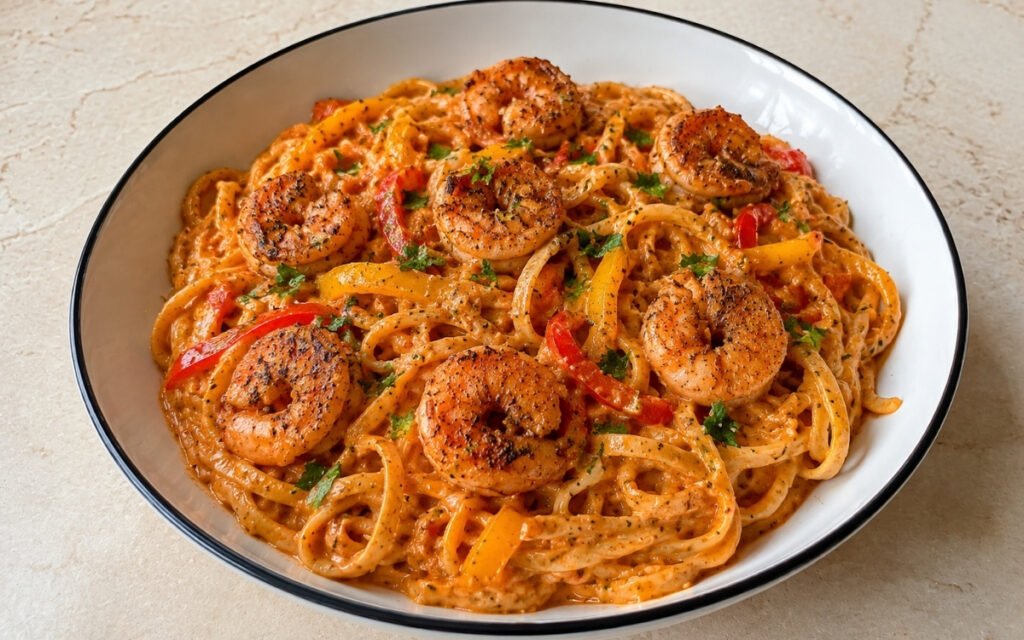
Creamy Cajun Shrimp Pasta
Cajun-seared shrimp and charred peppers in a cream cheese-stabilised Parmesan sauce — bold and spiced in 35 minutes.
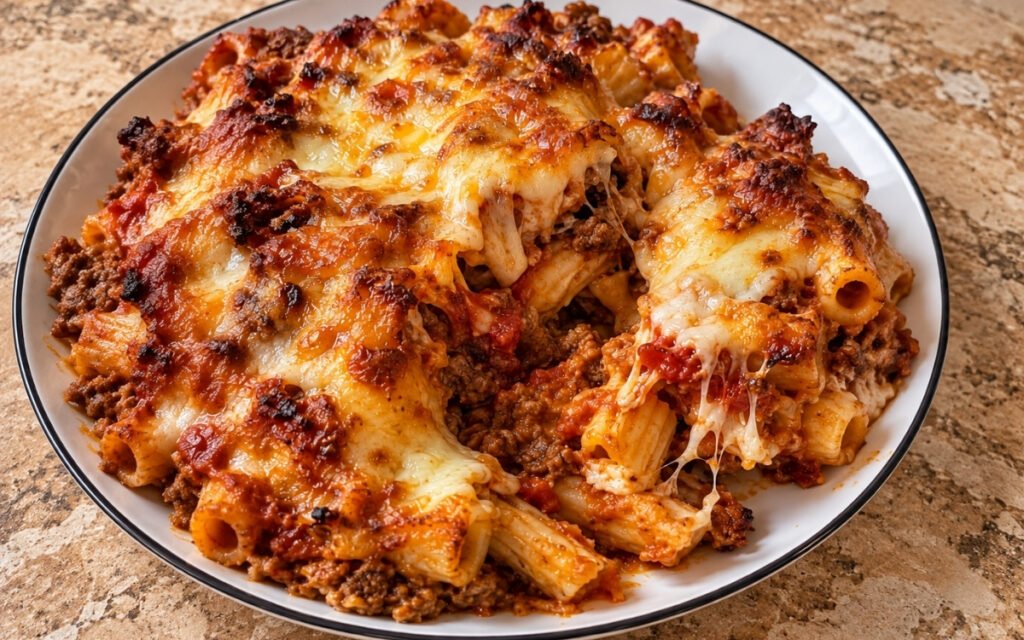
Pasta al Forno
Rigatoni or penne in a rich beef and pork tomato sauce with melted mozzarella and a browned cheesy top, baked until bubbling.
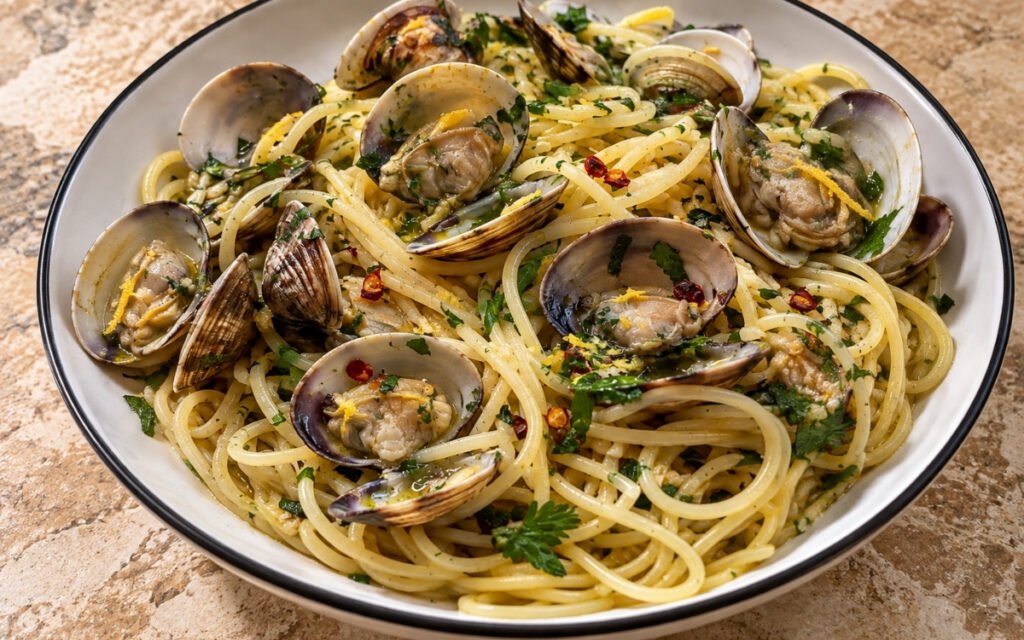
Spaghetti alle Vongole
Fresh clams in a light olive-oil, white wine, and garlic emulsion with parsley and lemon zest, tossed with al dente spaghetti.
You might also like
You might also like
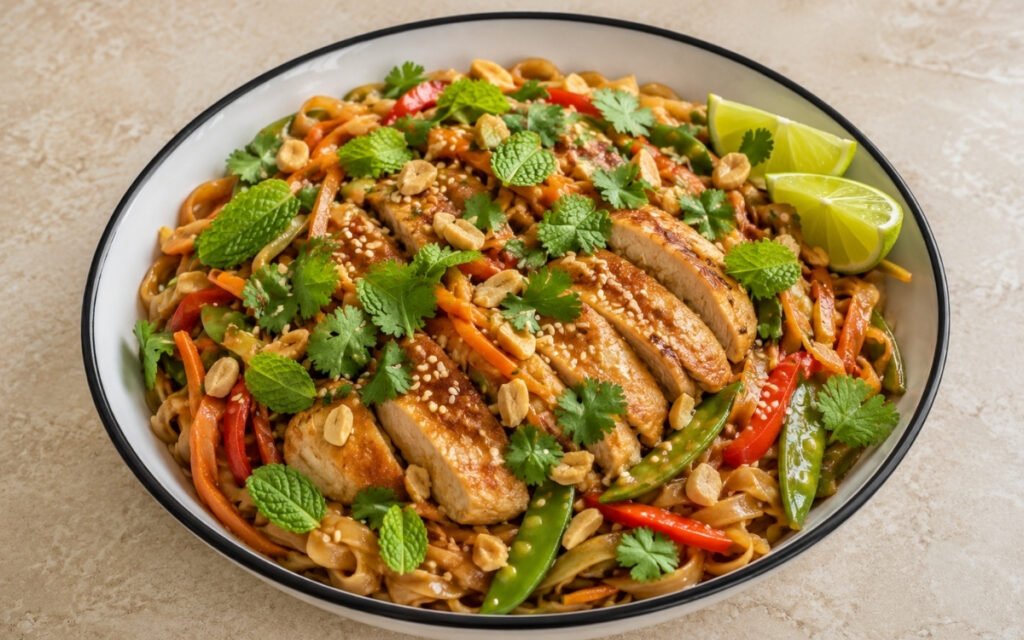
Thai Peanut Chicken Noodle Bowl
Seared chicken and flat rice noodles tossed in sriracha-ginger peanut sauce with stir-fried vegetables — cilantro, mint, crushed peanuts, and lime over the top. 45 minutes.
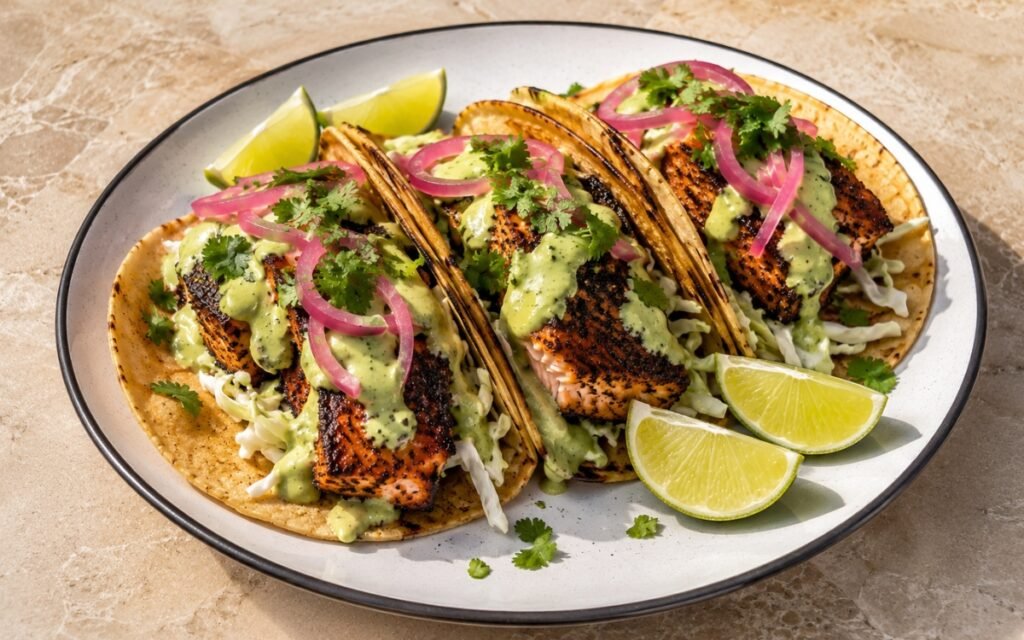
Blackened Salmon Tacos
Homemade corn tortillas filled with flaky blackened salmon, cabbage, avocado crema, pickled red onion, and cilantro.
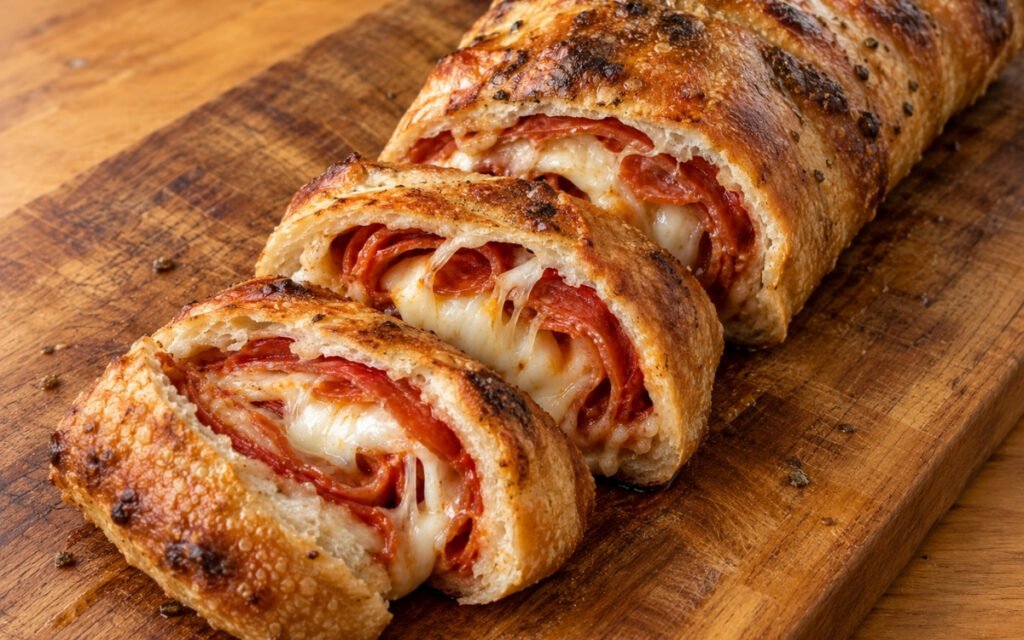
Stromboli with Pepperoni and Cheese
Pizza dough rolled tightly around pepperoni, low-moisture mozzarella, thick tomato sauce, and Parmesan, baked until deeply golden and crisp.
Spicy Peanut Butter Noodles
Ingredients
Method
- Before any other preparation begins, toast the Sichuan peppercorns — their aromatic transformation through dry-heat toasting is significant and cannot be skipped. Place the 15g of Sichuan peppercorns in a small dry skillet over medium heat and toast for 2–3 minutes, shaking or stirring continuously, until they are noticeably more fragrant and show very light additional darkening on their surface. The toasting drives off moisture and activates the peppercorns’ volatile aromatic compounds — the specific citrus-floral, slightly resinous aroma of Sichuan peppercorn is most fully present when the peppercorns have been dry-toasted. Remove immediately when the aroma intensifies — toasted beyond this point, Sichuan peppercorns develop a slightly bitter, ashy character. Allow to cool for 2 minutes, then grind to a coarse powder in a spice grinder, mortar and pestle, or under the flat side of a heavy knife. Coarse rather than fine grinding is preferred for this sauce — fine powder distributes more evenly but loses some of the direct textural impact of the spice; coarse ground particles provide occasional concentrated hits of the numbing-tingle alongside its background presence throughout the sauce. Set aside.
- Bring a large pot of water to a full rolling boil. Add the 400g of udon noodles and cook according to package directions until just tender — typically 8–10 minutes. Udon noodles’ thickness and dense, chewy structure require longer cooking than thinner Asian noodles, and they should be fully cooked through with no raw, hard centre when bitten, as they will not receive any further heat beyond warming in the sauce. Unlike Italian pasta where pulling al dente is essential before finishing in sauce, udon cooked to full tenderness is correct here because the sauce is not a cooking medium. Drain and rinse immediately under cold running water — the cold rinse stops cooking instantly and removes the excess surface starch that would cause the thick udon to clump together during the preparation time before sauce coating. Shake off excess water thoroughly and toss with the 5ml of sesame oil, coating every noodle. Set aside.
- In a medium bowl, combine the 180g of natural peanut butter — natural peanut butter is specified because it contains only peanuts and salt, without the added sugar and stabilising hydrogenated oils in commercial peanut butter that produce a sweeter, more solidified sauce that does not emulsify as smoothly. Add the 60ml of soy sauce, 45ml of rice vinegar, 25ml of sesame oil, 25g of light brown sugar, 20g of finely grated fresh ginger, 20g of minced garlic, 8g of finely chopped bird’s eye chilies, and the ground Sichuan peppercorns. Begin whisking. At this stage the mixture will be thick and difficult to combine — the peanut butter’s fat resists uniform integration with the water-based soy and vinegar before the hot water is added. Whisk for 30 seconds to partially combine the ingredients, then add the 60ml of hot water gradually while whisking continuously. The hot water performs the critical emulsification — it dissolves the peanut butter’s fat into the surrounding liquid by reducing the fat’s viscosity at elevated temperature, producing a smooth, uniform, pourable sauce rather than a separated, oily-and-watery mixture. Continue whisking until the sauce is completely smooth, uniform, and drops slowly from the whisk in a thick ribbon. Taste the finished sauce — it should be simultaneously rich, salty, sour, sweet, garlicky, gingery, and spicy with the background numbing tingle of the Sichuan peppercorn beginning to develop. Adjust: more rice vinegar for brightness, more soy for saltiness, more brown sugar for sweetness, more chili for heat.
- Heat a large wok or deep skillet over medium-high heat until hot. Add the 200g of julienned red bell pepper and 120g of julienned carrot directly to the dry or very lightly oiled wok. Stir-fry for 2–3 minutes, keeping the vegetables moving and allowing brief direct contact with the hot surface — the brief stationary contact produces the slight char at the edges that distinguishes stir-fried vegetables from simply softened ones. The target texture is tender-crisp: clearly cooked through but retaining a clean, pleasant crunch rather than being soft throughout. The bell pepper and carrot are the cooked-warm element of this dish’s textural composition — they provide warmth and slight char alongside the cooler, raw crunch of the cucumber added at the end. Add the 100g of edamame and cook for 1 minute, stirring, to heat through.
- Reduce the heat to medium-low. Add the sesame-tossed udon noodles to the wok with the stir-fried vegetables. Pour the entire peanut sauce over the noodles. Using tongs, toss everything together for 2–3 minutes, turning the noodles through the sauce continuously to coat every strand. The medium-low heat during this step warms the noodles through and loosens the peanut sauce slightly — at room temperature the sauce is thicker than at gentle wok warmth, and the slight heat from the wok makes the sauce flow more fluidly around each noodle. If the sauce is too thick to flow freely during tossing, add additional hot water one tablespoon at a time while tossing — the sauce should cling to the noodles as a glossy, thick coating rather than sitting in a pool at the bottom of the wok.
- Remove from the heat completely. Add the 150g of julienned cucumber, half of the chopped peanuts, half of the cilantro, and half of the green onions. Toss gently to distribute — the cucumber goes in off the heat specifically to preserve its crunch and fresh, cool character. Cucumber cooked in the wok would release its moisture into the sauce, diluting it, and lose the structural crispness that provides the textural contrast this dish specifically needs. The cold cucumber against the warm noodles is part of the intended eating experience — do not add it earlier.
- Divide among four bowls. Top each bowl with the remaining chopped peanuts, cilantro, and green onions. Drizzle the 15ml of chili oil over all four bowls — this finishing chili oil adds an additional aromatic, slightly smoky heat on top of the integrated sauce’s more distributed spice. Scatter the 10g of black sesame seeds across all four portions. Place lime wedges alongside each bowl for squeezing at the table — the lime’s bright citrus acidity cuts through the peanut sauce’s richness and amplifies the sauce’s other acid elements in a way that makes the dish taste more complete. Serve immediately if eating hot, or allow to rest at room temperature for 30–60 minutes for the version where the noodles have absorbed the sauce and the flavours have deepened and integrated.