
Fettuccine alla Vodka
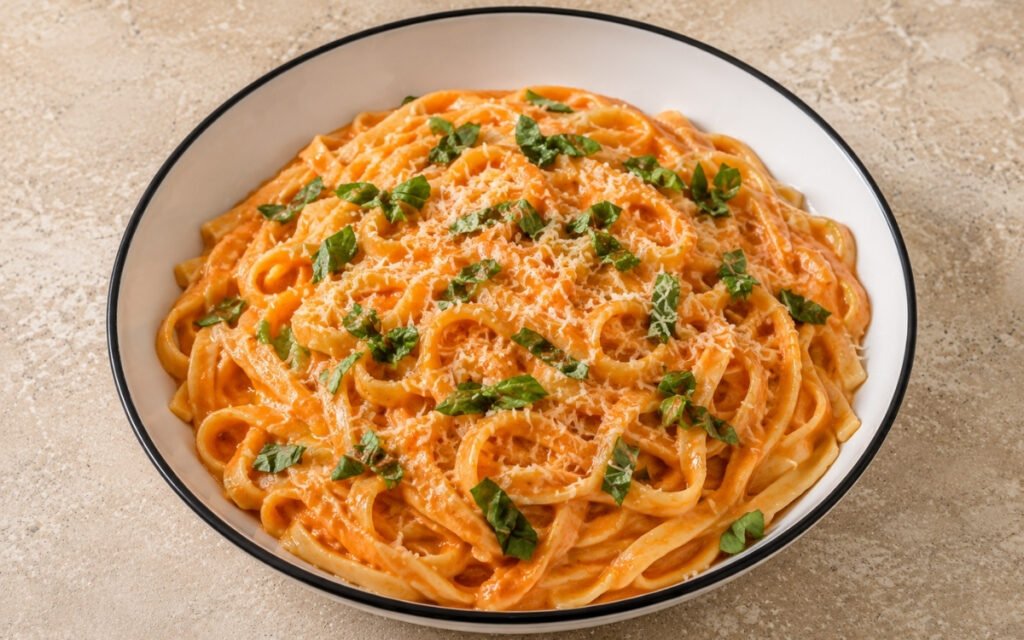
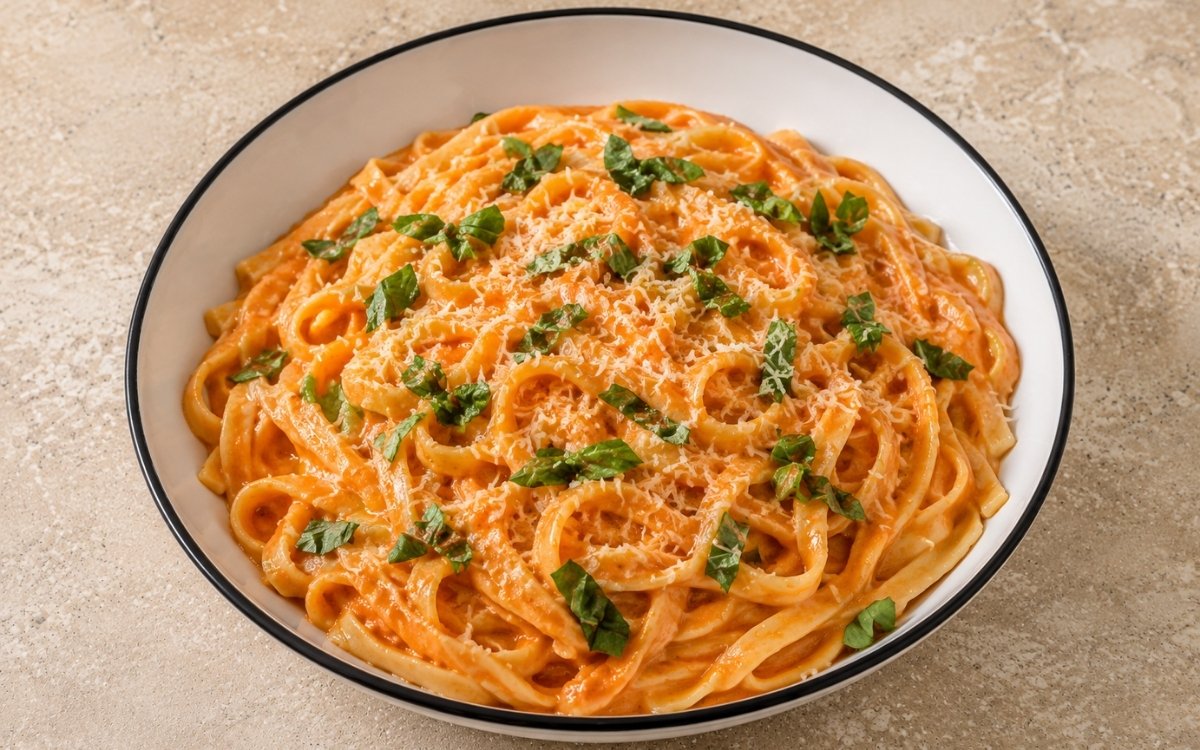
The vodka sauce is one of the most misunderstood preparations in Italian-American cooking — widely dismissed as a gimmick and just as widely loved without anyone being entirely sure why it works. The answer is straightforward chemistry: alcohol extracts flavour compounds from tomatoes that neither water nor fat can reach independently, producing a sauce with a more complete, more rounded tomato character than any cream-tomato combination made without it. The vodka itself disappears during reduction; what remains is a coral-pink, silky, slightly sweet, slightly spiced sauce that coats fettuccine with a specific richness and depth that makes it taste more complex than its ingredient list explains. Thirty-five minutes and one pan.
Prep Time : 10 min
Cook Time : 25 min
Servings : 4
10 min
25 min
4
Ingredients
For the Pasta
• 400g dried fettuccine — this one on Amazon
• 6g fine sea salt (for pasta water)
• 4 liters water
For the Vodka Sauce
• 400g canned San Marzano tomatoes, crushed by hand — this one on Amazon
• 200ml heavy cream (35% fat)
• 60ml vodka
• 60g unsalted butter — this one on Amazon
• 30ml extra-virgin olive oil — this one on Amazon
• 4 cloves garlic (20g), thinly sliced
• 1/2 teaspoon red pepper flakes (1g)
• 2g fine sea salt
• 2g freshly ground black pepper
For Finishing
• 80g Parmigiano-Reggiano, finely grated, plus extra for serving — this one on Amazon
• 15g fresh basil leaves, torn
• Extra-virgin olive oil for drizzling
This post may contain affiliate links. As an Amazon Associate I earn from qualifying purchases, at no additional cost to you.
Directions
- Boil the Pasta
Bring 4 litres of water to a full rolling boil in a large pot and add the 6g of fine sea salt. Add the fettuccine and cook, stirring for the first 60 seconds to prevent the wide ribbons from sticking together, until exactly 2 minutes shy of the package directions’ al dente time. The pasta finishes in the sauce and carries-over cooks during the 2-minute tossing step — pulling it significantly underdone accounts for this and produces correctly textured fettuccine at the moment of serving rather than overcooked, soft ribbons. Before draining, reserve 240ml of the starchy pasta water in a heatproof jug. Drain without rinsing. - Build the Aromatic Base
While the pasta cooks, heat the 30ml of olive oil and 60g of butter together in a large, deep sauté pan over medium heat. The combination of butter and olive oil is the specific fat base for this sauce — the butter provides sweet, rich dairy fat and the foam it produces as it heats indicates when the temperature is correct for the garlic; the olive oil moderates the butter’s temperature and prevents it from burning, and its fruity character contributes a secondary flavour note to the base. When the butter is fully melted and beginning to foam, add the 20g of thinly sliced garlic. Cook, stirring constantly, for approximately 90 seconds until the garlic is golden and fragrant. Constant stirring is necessary at this stage — thin garlic slices in foaming butter move quickly toward browning and the 90-second window between pale golden and bitter-brown is shorter than it appears. Add the red pepper flakes immediately when the garlic reaches pale golden and stir for 15 seconds — the brief contact with the hot fat blooms the capsaicin and aromatic compounds into the surrounding butter and oil, distributing the heat evenly through the sauce base rather than leaving it concentrated in individual flakes. - Add the Vodka and Reduce
Remove the pan from the heat before adding the vodka — this is a precautionary step rather than a strictly necessary one, but vodka added to a pan over direct flame can ignite, and the sputter of cold vodka in hot fat can be aggressive. With the pan off the heat, pour in the 60ml of vodka. Return to medium-high heat and allow the vodka to bubble vigorously for approximately 2 minutes, stirring once or twice, until reduced by approximately half and the sharp, harsh raw alcohol aroma has mellowed significantly — a clean, faint spirit note rather than the aggressive raw alcohol smell of uncooked vodka. Use a decent quality vodka — not premium, but not harsh bargain-brand spirit. Vodka that tastes harsh raw produces a sauce that retains some of that harshness even after reduction. The vodka’s role here is not to add vodka flavour to the sauce — it adds no perceptible vodka taste — but to solubilise and extract the specific aromatic and flavour compounds in the San Marzano tomatoes that are neither water-soluble nor fat-soluble, requiring an alcohol medium for extraction. These compounds contribute to the more complex, more rounded, more complete tomato flavour character of a properly made vodka sauce compared to the same sauce made without vodka. - Add Tomatoes and Simmer
Add the 400g of hand-crushed San Marzano tomatoes with all their juices and the 2g of salt. Hand-crushing — squeezing each whole tomato over the pan until it breaks open — produces a varied texture with some identifiable tomato pieces alongside the sauce, more visually interesting and more texturally engaging than uniformly fine pre-crushed tomatoes. Reduce the heat to medium-low and simmer uncovered, stirring occasionally, for approximately 12 minutes until the sauce has thickened slightly, lost its raw tomato edge, and coats the back of a spoon clearly — a line drawn through the sauce on the back of the spoon should hold its edges. This 12-minute simmer is where the vodka’s extraction work happens: the alcohol remaining in the sauce from the partial reduction continues to dissolve and release the tomato’s alcohol-soluble compounds throughout the simmer. By the end of the simmer, most of the alcohol has evaporated but its extraction effect has already occurred and the released compounds have become part of the sauce’s flavour profile. - Add the Cream
Reduce the heat to low and pour in the 200ml of heavy cream in a slow, steady stream while stirring continuously. The slow addition while stirring prevents the cream from temporarily curdling against the hot, acidic tomato surface — a risk that pouring cold cream all at once directly into hot tomato sauce creates. Allow to simmer gently for 3 minutes, stirring occasionally, until the cream has fully incorporated into the tomato and the sauce has turned the characteristic coral-pink colour of a properly made vodka sauce — the colour shift from red tomato to coral is the visual indicator that the cream and tomato have combined into a unified sauce rather than layering separately. The sauce should now taste distinctly creamy, slightly sweet, gently spiced, and deeply tomato-flavoured simultaneously. Season with the 2g of black pepper. - Finish the Pasta in the Sauce
Add the drained, underdone fettuccine directly to the sauce along with 120ml of the reserved pasta water. Increase the heat to medium. Toss vigorously with tongs for 2 minutes — lifting the fettuccine from the bottom and folding it over the top in a continuous motion. The fettuccine finishes cooking during this tossing period, absorbing the vodka-cream-tomato sauce into the pasta’s structure rather than simply being coated externally. The pasta water’s starch releases into the sauce during the tossing and combines with the cream’s fat and the tomato’s pectin to produce an emulsified, clingy coating that is the textural signature of properly made vodka pasta. Remove from the heat. Add the 80g of finely grated Parmigiano-Reggiano and toss continuously until the cheese has fully melted into the sauce — the residual heat of the pasta and sauce is sufficient if the pan is off direct heat, preventing the protein seizing that occurs when Parmigiano contacts a boiling sauce. If the sauce has tightened beyond the correct flowing, silky consistency, add the remaining pasta water in 30ml increments while tossing until it flows correctly. - Serve
Divide among four warm bowls immediately — the cream sauce continues to thicken as it cools and the dish is at its best within the first few minutes of being plated. Tear the fresh basil leaves over each bowl — torn rather than cut for the same reason as in every basil application in this collection, preserving colour and aromatic freshness. Scatter additional finely grated Parmigiano over each portion. Finish with a small drizzle of extra-virgin olive oil. Serve with additional Parmigiano at the table.
*Notes :
- The scientific basis for vodka’s role in this sauce is well established in food chemistry and worth understanding because it explains why the sauce genuinely tastes different — more complex, more rounded — than the same sauce made without vodka. Tomatoes contain aromatic compounds that exist in three categories based on their solubility: water-soluble, fat-soluble, and alcohol-soluble. A standard cream-tomato sauce extracts the water-soluble and fat-soluble compounds through the simmering process but leaves the alcohol-soluble compounds unextracted. The 60ml of vodka in the sauce provides the alcohol medium that dissolves and releases these remaining compounds during the simmer. Once released, these compounds are retained in the sauce even after most of the alcohol has evaporated — meaning the sauce contains all three categories of tomato flavour compound rather than only two. The perceptible result is a tomato flavour that tastes more complete, more rounded, and more complex than cream-tomato without vodka at the same ingredient ratio.
- The coral-pink colour of a properly made vodka sauce is the visual indicator of successful cream-tomato emulsification. When cream and tomato are combined correctly — cream added slowly to a reduced, concentrated tomato base over low heat — the two liquids form a stable emulsion where the cream’s fat droplets are dispersed through the tomato’s water-based pectin matrix. The resulting colour — between the red of the tomato and the white of the cream — is the visual expression of this emulsification. A sauce that looks streaky red and white has not emulsified; a sauce that is uniformly coral has.
- Fettuccine is the specifically correct pasta format for vodka sauce in a way that spaghetti or rigatoni is not. The wide, flat ribbon of fettuccine provides maximum surface area contact with the creamy sauce — each strand carries a thick, even coating of the sauce when twirled on a fork, and the eating experience is specifically about the sauce-to-pasta ratio in each forkful. A tubular pasta or a spaghetti would change the fundamental character of the dish.
Why This Recipe Works
This recipe works because it applies the vodka at the correct stage — before the tomatoes, during the reduction, so the alcohol has time to extract the tomato’s aromatic compounds during the subsequent simmer — rather than adding it at the end as a flavouring. The butter-and-olive-oil fat base provides both dairy richness and the fruity complexity of good olive oil. The cream is added slowly after the tomato has reduced, preventing curdling and ensuring a stable emulsion.
The pasta finishes in the sauce rather than being added pre-cooked, absorbing the sauce’s character from the inside. And the Parmigiano goes in off the heat to prevent seizing. Each decision serves the same outcome: the specific coral, silky, deeply flavoured vodka sauce that makes this one of the most loved Italian-American preparations.
Ingredient Breakdown
Vodka (60ml, Reduced by Half)
The alcohol-soluble flavour compound extractor — adds no vodka flavour but unlocks the tomato’s third category of aromatic compounds, producing a more complete tomato flavour than cream-tomato without it.
San Marzano Tomatoes (Hand-Crushed)
The flavour foundation — sweet, low-acid, and concentrated enough to produce a rich sauce in 12 minutes of simmering.
Heavy Cream (200ml, Added Slowly)
The emulsifying dairy component — added slowly to the reduced tomato base to produce the stable coral-pink emulsion that is the sauce’s visual and textural identity.
Butter and Olive Oil Fat Base
The aromatic cooking medium — butter for sweet dairy richness, olive oil for fruity secondary flavour and temperature moderation.
Thinly Sliced Garlic
Background savoury aromatic — cooked to pale golden for sweet, toasted character rather than sharp rawness.
Parmigiano-Reggiano (Off-Heat)
The finishing savoury and emulsifying element — added off heat to melt smoothly rather than seizing in a boiling sauce.
Reserved Pasta Water
The consistency adjustment and final emulsification tool — added during the pasta tossing step and at the Parmigiano addition if needed.
Flavor Structure Explained
This pasta follows a layered balance model:
- Sweet-acidic core (tomato, vodka extraction)
- Creamy rich body (cream)
- Fat bridge (butter, olive oil)
- Background heat (red pepper flakes, black pepper)
- Savory-aromatic finish (Parmesan, basil)
Tomato defines the foundation with deep, sweet-acidic flavor enhanced by vodka’s extraction of aromatic compounds. Cream builds a smooth, coating richness that softens and rounds the acidity. Butter and olive oil act as the bridge, integrating tomato and cream into a unified structure. Chili and pepper add subtle heat that keeps the profile from feeling flat. Parmesan and basil finish the dish with savory depth and fresh aromatics, completing a balanced, cohesive sauce.
Common Mistakes to Avoid
- Adding Cream to Hot, Unreduced Tomato Sauce – Cold cream poured into a thin, hot tomato sauce can curdle from the temperature differential and the tomato’s acidity. Always reduce the tomato to a thickened, concentrated base before adding cream slowly over low heat.
- Not Reducing the Vodka Sufficiently – Insufficiently reduced vodka leaves a harsh, raw spirit note in the finished sauce. The sharp alcohol aroma should be almost entirely gone before the tomatoes are added.
- Adding Parmigiano to a Boiling Sauce – Boiling temperature causes the Parmigiano’s proteins to seize into granular clumps. Always remove from heat before adding the cheese.
- Using Pre-Crushed Tomatoes – Pre-crushed produce a uniformly fine, featureless sauce. Hand-crushing takes 60 seconds and produces a more varied, more interesting texture.
- Not Pulling the Pasta 2 Minutes Early – Pasta at full al dente going into the sauce tossing step will be over-cooked by the time it is served. Always pull 2 minutes early.
- Under-seasoning – The vodka sauce requires assertive seasoning — salt at both the tomato addition and the final tasting step, and generous black pepper before serving.
Variations
Rigatoni alla Vodka
Replace the fettuccine with 400g of rigatoni — the traditional tubular format found in many Italian-American restaurants. The hollow centres trap sauce inside each tube, producing a more concentrated sauce-per-bite experience than fettuccine. Equally classic and specifically well-suited to the chunky tomato pieces in a hand-crushed sauce.
Spicier Version
Increase the red pepper flakes to 3g and add 1 small dried chili to the oil alongside the garlic, removed before serving, for a more assertively spiced vodka sauce.
Pancetta Addition
Add 100g of finely diced pancetta rendered from cold in the pan before the butter and olive oil step. The cured pork adds a savoury, slightly smoky dimension and its rendered fat enriches the vodka sauce base. A common restaurant version of the dish.
Lighter Version
Replace 100ml of the heavy cream with reserved pasta water and reduce the butter to 30g — the sauce will be thinner, less rich, and slightly more tomato-forward. Still coating and well-flavoured, with a meaningful calorie reduction.
Storage & Make-Ahead
The assembled pasta alla vodka can be refrigerated for up to 3 days. During storage, the pasta will absorb some of the cream sauce, so to reheat it, warm it gently in a pan over low heat with 2 to 3 tablespoons of cream or water per portion, stirring until the sauce becomes smooth again. Adding a small extra amount of Parmigiano after reheating will help restore its savory finish.
The vodka sauce on its own, without the pasta, can be refrigerated for up to 5 days or frozen for up to 3 months. The cream-and-tomato base holds up well in both the refrigerator and the freezer. Reheat it gently over low heat, then toss it with freshly cooked pasta when you are ready to serve. This is the most practical make-ahead method for entertaining.
Frequently Asked Questions
Does vodka really make a difference in this sauce?
Yes — measurably and perceptibly. The alcohol extracts aromatic compounds from the tomatoes that neither water nor fat can access, producing a more complete, more rounded tomato flavour. The vodka itself evaporates during cooking and adds no vodka taste. A side-by-side comparison between the same sauce with and without vodka consistently shows a more complex result in the vodka version.
What vodka should I use?
A decent middle-tier vodka — something you would drink but not something that feels wasteful to cook with. Harsh or bargain-brand vodka retains some of its harshness even after reduction. Premium vodka beyond a certain quality level produces no additional improvement in the sauce. Standard Smirnoff, Ketel One, or any clean neutral vodka works well.
Why fettuccine rather than spaghetti or penne?
Fettuccine’s wide, flat ribbon provides maximum surface area contact with the creamy sauce, producing the most generous coating per strand. Penne alla vodka is the most common tubular alternative — its hollow format traps sauce inside. Both are legitimate. Spaghetti’s narrow, round format provides less sauce surface area per strand and is less suited to this specific, coating-focused sauce.
Can I omit the vodka?
Yes, and the result is still a good cream-tomato pasta. But it will taste noticeably less complex and less rounded than the version with vodka — the specific depth that makes vodka sauce taste more than the sum of its cream and tomato parts is the vodka’s compound extraction at work.
Why is the sauce coral rather than red or pink?
The coral colour is the visual indicator of a properly emulsified cream-tomato sauce — the cream’s fat droplets dispersed through the tomato’s pectin matrix produce the specific intermediate colour between red and white. A sauce that looks too red has insufficient cream incorporation; one that looks too pale has too much cream relative to tomato.
Nutrition Facts
( per serving )
Calories
~793 kcal
Protein
30 g
Fat
39 g
Carbs
76 g
Calories
~793 kcal
Protein
30 g
Fat
39 g
Carbs
76 g
Related Recipes
Related Recipes

Creamy Pea & Asparagus Orzo
Seared asparagus and blended pea-ricotta sauce folded into stock-cooked orzo — bright, creamy, no cream needed, 40 minutes.
Yaki Udon Stir-Fry Noodles
Pork belly, shiitake, and udon in a smoking-hot wok — soy-mirin sauce, bonito flakes, pickled ginger, 27 minutes.
Lemon Garlic Shrimp Pasta
Golden-seared shrimp in a white wine, lemon, and butter sauce — one pan, 30 minutes.
You might also like
You might also like
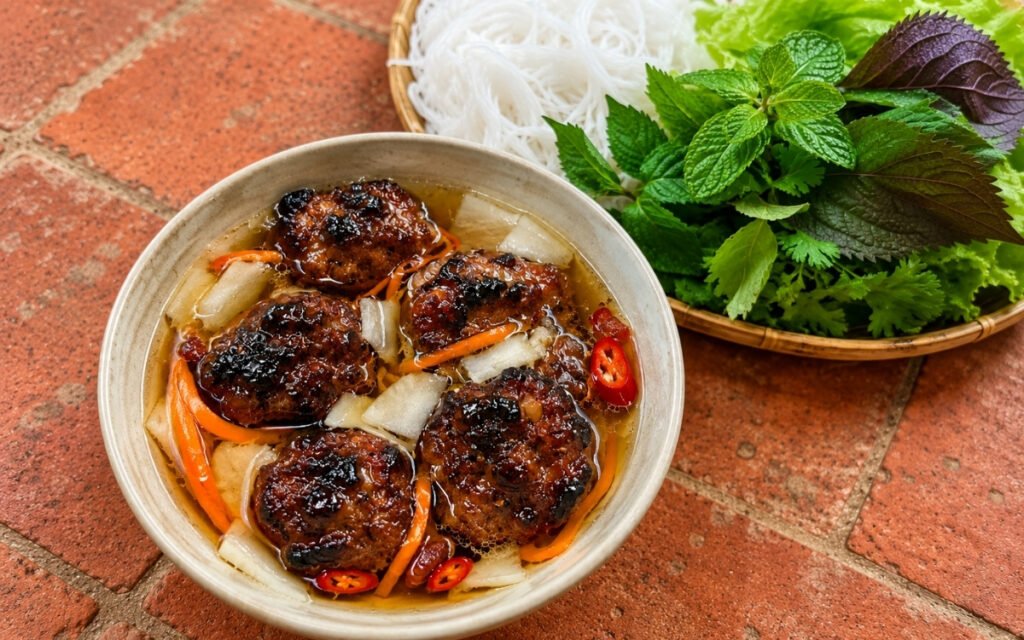
Bún Chả — Vietnamese Grilled Pork Noodle Bowl
Charred grilled pork patties in a warm sweet-sour-salty nước chấm broth with quick pickled carrot and daikon, cold rice vermicelli, and fresh herbs.
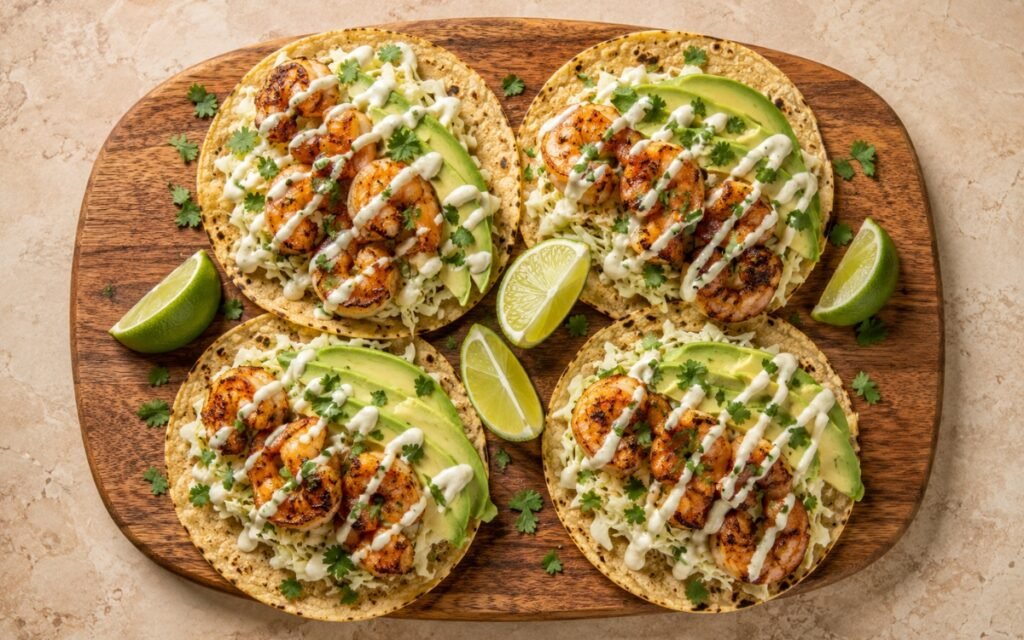
Shrimp Tacos with Lime Crema
Large shrimp dried, spiced, and seared hot and fast, piled onto small corn tortillas with crisp cabbage, fanned avocado, and a thick lime crema drizzle.
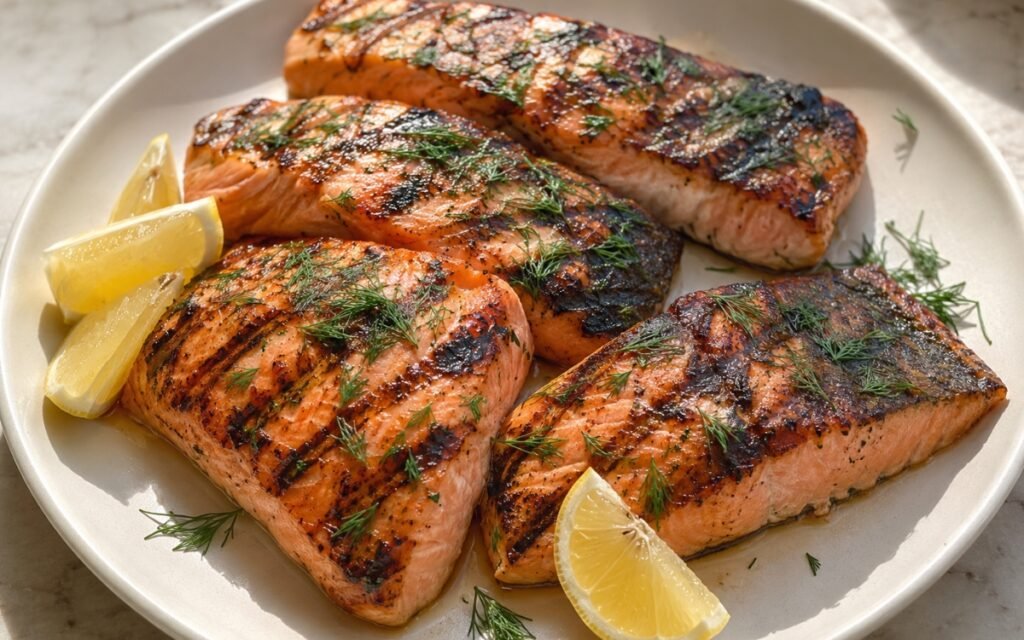
Grilled Salmon Fillets
Salmon skin dried thoroughly, flesh seasoned, grilled skin-side down undisturbed until crisp. Finished with dill and lemon. Clean and moist.
Fettuccine alla Vodka
Ingredients
Method
- Bring 4 litres of water to a full rolling boil in a large pot and add the 6g of fine sea salt. Add the fettuccine and cook, stirring for the first 60 seconds to prevent the wide ribbons from sticking together, until exactly 2 minutes shy of the package directions’ al dente time. The pasta finishes in the sauce and carries-over cooks during the 2-minute tossing step — pulling it significantly underdone accounts for this and produces correctly textured fettuccine at the moment of serving rather than overcooked, soft ribbons. Before draining, reserve 240ml of the starchy pasta water in a heatproof jug. Drain without rinsing.
- While the pasta cooks, heat the 30ml of olive oil and 60g of butter together in a large, deep sauté pan over medium heat. The combination of butter and olive oil is the specific fat base for this sauce — the butter provides sweet, rich dairy fat and the foam it produces as it heats indicates when the temperature is correct for the garlic; the olive oil moderates the butter’s temperature and prevents it from burning, and its fruity character contributes a secondary flavour note to the base. When the butter is fully melted and beginning to foam, add the 20g of thinly sliced garlic. Cook, stirring constantly, for approximately 90 seconds until the garlic is golden and fragrant. Constant stirring is necessary at this stage — thin garlic slices in foaming butter move quickly toward browning and the 90-second window between pale golden and bitter-brown is shorter than it appears. Add the red pepper flakes immediately when the garlic reaches pale golden and stir for 15 seconds — the brief contact with the hot fat blooms the capsaicin and aromatic compounds into the surrounding butter and oil, distributing the heat evenly through the sauce base rather than leaving it concentrated in individual flakes.
- Remove the pan from the heat before adding the vodka — this is a precautionary step rather than a strictly necessary one, but vodka added to a pan over direct flame can ignite, and the sputter of cold vodka in hot fat can be aggressive. With the pan off the heat, pour in the 60ml of vodka. Return to medium-high heat and allow the vodka to bubble vigorously for approximately 2 minutes, stirring once or twice, until reduced by approximately half and the sharp, harsh raw alcohol aroma has mellowed significantly — a clean, faint spirit note rather than the aggressive raw alcohol smell of uncooked vodka. Use a decent quality vodka — not premium, but not harsh bargain-brand spirit. Vodka that tastes harsh raw produces a sauce that retains some of that harshness even after reduction. The vodka’s role here is not to add vodka flavour to the sauce — it adds no perceptible vodka taste — but to solubilise and extract the specific aromatic and flavour compounds in the San Marzano tomatoes that are neither water-soluble nor fat-soluble, requiring an alcohol medium for extraction. These compounds contribute to the more complex, more rounded, more complete tomato flavour character of a properly made vodka sauce compared to the same sauce made without vodka.
- Add the 400g of hand-crushed San Marzano tomatoes with all their juices and the 2g of salt. Hand-crushing — squeezing each whole tomato over the pan until it breaks open — produces a varied texture with some identifiable tomato pieces alongside the sauce, more visually interesting and more texturally engaging than uniformly fine pre-crushed tomatoes. Reduce the heat to medium-low and simmer uncovered, stirring occasionally, for approximately 12 minutes until the sauce has thickened slightly, lost its raw tomato edge, and coats the back of a spoon clearly — a line drawn through the sauce on the back of the spoon should hold its edges. This 12-minute simmer is where the vodka’s extraction work happens: the alcohol remaining in the sauce from the partial reduction continues to dissolve and release the tomato’s alcohol-soluble compounds throughout the simmer. By the end of the simmer, most of the alcohol has evaporated but its extraction effect has already occurred and the released compounds have become part of the sauce’s flavour profile.
- Reduce the heat to low and pour in the 200ml of heavy cream in a slow, steady stream while stirring continuously. The slow addition while stirring prevents the cream from temporarily curdling against the hot, acidic tomato surface — a risk that pouring cold cream all at once directly into hot tomato sauce creates. Allow to simmer gently for 3 minutes, stirring occasionally, until the cream has fully incorporated into the tomato and the sauce has turned the characteristic coral-pink colour of a properly made vodka sauce — the colour shift from red tomato to coral is the visual indicator that the cream and tomato have combined into a unified sauce rather than layering separately. The sauce should now taste distinctly creamy, slightly sweet, gently spiced, and deeply tomato-flavoured simultaneously. Season with the 2g of black pepper.
- Add the drained, underdone fettuccine directly to the sauce along with 120ml of the reserved pasta water. Increase the heat to medium. Toss vigorously with tongs for 2 minutes — lifting the fettuccine from the bottom and folding it over the top in a continuous motion. The fettuccine finishes cooking during this tossing period, absorbing the vodka-cream-tomato sauce into the pasta’s structure rather than simply being coated externally. The pasta water’s starch releases into the sauce during the tossing and combines with the cream’s fat and the tomato’s pectin to produce an emulsified, clingy coating that is the textural signature of properly made vodka pasta. Remove from the heat. Add the 80g of finely grated Parmigiano-Reggiano and toss continuously until the cheese has fully melted into the sauce — the residual heat of the pasta and sauce is sufficient if the pan is off direct heat, preventing the protein seizing that occurs when Parmigiano contacts a boiling sauce. If the sauce has tightened beyond the correct flowing, silky consistency, add the remaining pasta water in 30ml increments while tossing until it flows correctly.
- Divide among four warm bowls immediately — the cream sauce continues to thicken as it cools and the dish is at its best within the first few minutes of being plated. Tear the fresh basil leaves over each bowl — torn rather than cut for the same reason as in every basil application in this collection, preserving colour and aromatic freshness. Scatter additional finely grated Parmigiano over each portion. Finish with a small drizzle of extra-virgin olive oil. Serve with additional Parmigiano at the table.