
Gochujang Honey Sauce
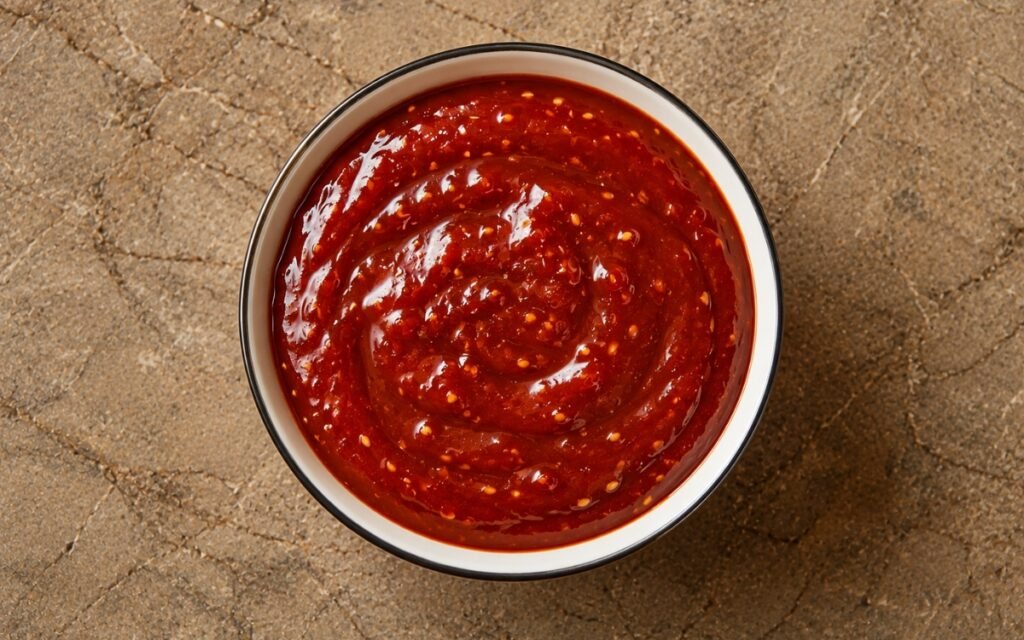
This Korean-inspired sweet-spicy sauce harnesses the complex, fermented heat of gochujang and balances it with honey, sesame, and soy for a deeply satisfying glaze that works on chicken, vegetables, noodles, and rice bowls. Bold, addictive, and ready in 10 minutes.
Prep Time : 5 min
Cook Time : 5 min
Servings : 4
5 min
5 min
4
Ingredients
Savory Elements
• 20ml soy sauce or tamari
• 15ml rice vinegar — this one on Amazon
• 10ml toasted sesame oil — this one on Amazon
Aromatics
• 10g garlic, 2 cloves, finely grated
• 5g fresh ginger, finely grated
Finishing
• 5g toasted sesame seeds
• 15ml water to adjust consistency
This post may contain affiliate links. As an Amazon Associate I earn from qualifying purchases, at no additional cost to you.
Directions
- Understand the Role of Gochujang
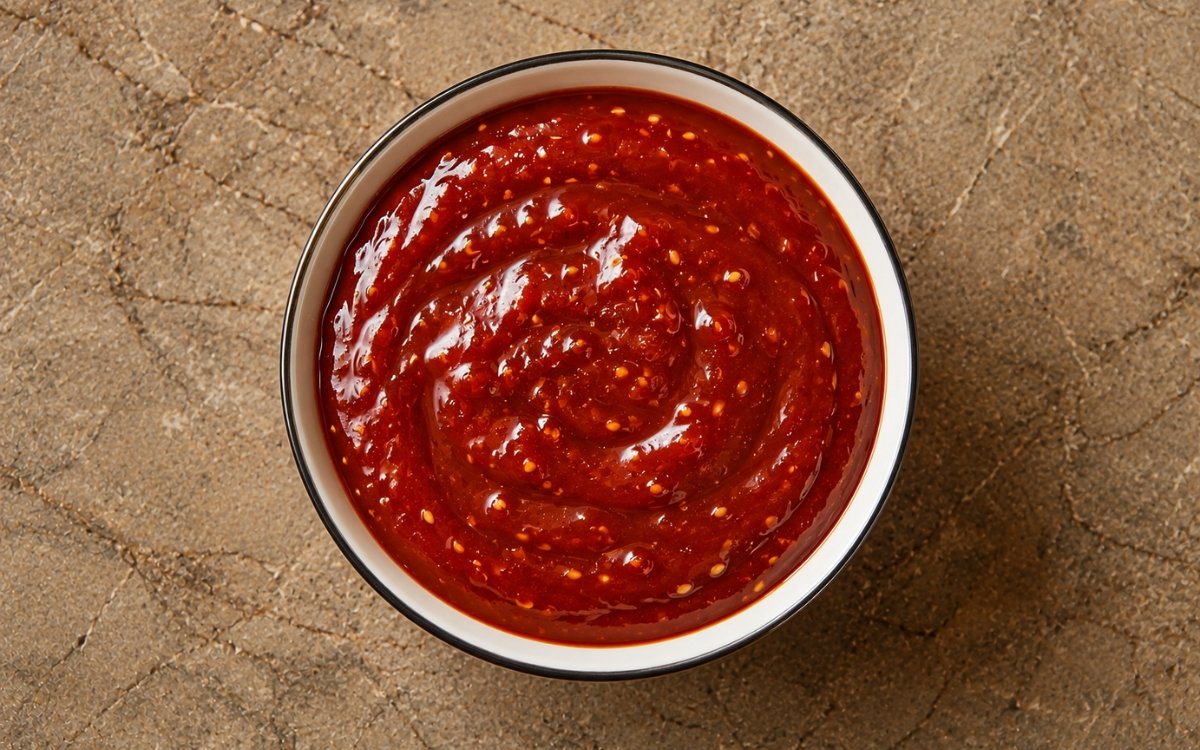
Gochujang is a Korean fermented chili paste made from dried red chilies, glutinous rice, fermented soybeans, and salt; many commercial brands also contain wheat or barley malt. Its character is layered — spicy, savory, slightly sweet, and deeply umami from fermentation. Good gochujang is thick, glossy, brick-red, and complex rather than sharply hot or one-dimensional. Choosing a quality Korean brand makes a noticeable difference because the paste itself is the structural backbone of the sauce. - Combine the Base Ingredients
In a small bowl for a raw sauce — or a saucepan for a cooked glaze — combine the gochujang, honey, soy sauce, rice vinegar, toasted sesame oil, grated garlic, and grated ginger. Whisk thoroughly until completely smooth and uniform with no streaks of paste remaining. At this stage the sauce should already taste bold, intense, and slightly thick. - Optional Warm Reduction for Glazing
For a glaze that clings better to proteins, place the mixture over medium-low heat and cook for about 3–4 minutes, stirring constantly. The sauce will darken slightly, become glossier, and thicken as moisture evaporates. This gentle reduction deepens the fermented sweetness and improves caramelization when brushed onto chicken, pork, or wings. - Adjust Consistency Gradually
Add water one tablespoon at a time until the sauce reaches the intended texture. Keep it thicker for dipping or grain bowls; thin it to a pourable consistency for marinades or drizzling. Because gochujang brands vary in thickness, this step ensures predictable results. - Finish, Taste, and Balance
Stir in toasted sesame seeds just before serving for nuttiness and texture. Taste carefully and adjust: more honey softens heat, more rice vinegar sharpens brightness, and more soy sauce deepens umami and salt. The final profile should feel sweet-spicy-savory and cohesive, with no single element dominating.
*Notes :
- Gochujang’s heat level varies significantly between brands and product lines. Some gochujang products are marketed specifically as ‘mild’, ‘medium’, or ‘hot’, and within these categories there is still further variation. A gochujang that seems moderately spicy when sampled straight from the tub will produce a noticeably spicier sauce than expected when combined with only honey and vinegar. Calibrate the quantity to your specific product and heat preference.
- Rice vinegar is the correct acidic element in this sauce — its mild, slightly sweet acidity has a natural affinity with fermented Korean ingredients that sharper vinegars like white wine vinegar or apple cider vinegar lack. It brightens without competing. If rice vinegar is unavailable, a small amount of fresh lemon juice is an acceptable substitute that shifts the flavor slightly but maintains the required brightness.
- This sauce doubles as an excellent marinade for chicken and pork. Marinate for 2–4 hours in the refrigerator, then grill, bake, or pan-sear. The natural sugars in the honey and gochujang will caramelize beautifully during cooking, creating a lacquered, sticky exterior with remarkable depth of flavor.
Why This Recipe Works
This recipe works because gochujang is already a complex, multi-dimensional ingredient before any additional flavors are added — it provides heat, umami, sweetness, and fermented depth simultaneously. The recipe’s role is to extend and balance these qualities rather than to create complexity from scratch. Honey amplifies the natural sweetness while tempering the heat. Soy sauce deepens the umami. Rice vinegar adds brightness. Sesame oil and seeds contribute the nutty aromatic signature of Korean cooking.
Ingredient Breakdown
Gochujang
The defining ingredient — fermented Korean chili paste providing heat, umami, sweet complexity, and depth.
Honey
Balances and amplifies gochujang’s natural sweetness while moderating its heat.
Soy Sauce
Deepens umami and provides the salty savory foundation.
Rice Vinegar
Mild brightness that lifts the fermented, sweet elements without competing.
Toasted Sesame Oil
Provides the nutty, distinctively Korean aromatic finish.
Garlic and Ginger
Essential Korean aromatics that add savory warmth and complexity.
Flavor Structure Explained
This sauce follows a layered balance model:
- Sweet foundation (honey, fermented rice in gochujang)
- Slow-building heat (gochujang chilies)
- Deep savory core (gochujang, soy sauce)
- Bright acidity (rice vinegar)
- Nutty aromatic finish (toasted sesame)
Sweetness establishes the base, softening and balancing stronger elements from the start. Gochujang delivers both heat and depth — a gradual, building spice layered over a fermented savory core. Soy sauce reinforces the umami, adding weight and cohesion. Rice vinegar lifts the profile with brightness, preventing heaviness. Toasted sesame finishes the structure with a nutty, aromatic note that rounds the entire composition into a balanced, multi-dimensional sauce.
Common Mistakes to Avoid
- Using a Low-Quality Gochujang – Cheap gochujang lacks the fermented complexity that makes this sauce special. Invest in a quality Korean brand.
- Overheating When Reducing – The honey and gochujang sugars can scorch quickly if the heat is too high. Use medium-low heat and stir constantly.
- Not Adjusting for Gochujang Variation – Different gochujang products vary widely in heat and sweetness. Always taste and adjust before finalizing.
Variations
Gochujang Wings Sauce
Double the recipe, reduce by one-third on the stovetop until very thick and glossy, then toss with fried or baked chicken wings.
Gochujang Mayo Sauce
Whisk 30g gochujang honey sauce into 60g mayonnaise for a Korean-inspired aioli excellent on burgers and sandwiches.
Spicier Version
Add 5g gochugaru (Korean chili flakes) in addition to the gochujang paste for a hotter, more chili-forward sauce.
Miso Gochujang Sauce
Add 15g white miso paste for added fermented depth and complexity.
Storage & Make-Ahead
Store in an airtight container in the refrigerator for up to 2 weeks. The sauce thickens considerably when cold — stir well and bring to room temperature before using, or thin with a small amount of warm water. The flavor deepens and improves over the first 2–3 days as the garlic and ginger infuse further. This sauce is an excellent candidate for batch preparation.
Frequently Asked Questions
Where can I buy gochujang?
Korean grocery stores carry the widest selection. Most mainstream supermarkets now stock it in the Asian foods section. Online retailers carry all major brands.
Can I use this sauce for stir-fry?
Yes — add 2–3 tablespoons to any stir-fry at the end of cooking, tossing quickly over high heat. It caramelizes beautifully and coats vegetables and proteins evenly.
Is gochujang gluten-free?
Usually not. Many commercial gochujang pastes contain wheat or barley malt as well as glutinous rice (which, despite its name, is naturally gluten-free). If you need this sauce to be gluten-free, choose a gochujang that is clearly labelled gluten-free, and use tamari labelled gluten-free instead of soy sauce. Always check the label of the specific product you buy.
How spicy is this sauce?
With 60g of standard gochujang, the sauce is moderately spicy — pleasantly warm with building heat. Reduce gochujang to 40g and increase honey to 40g for a milder, sweeter version.
Nutrition Facts
( per serving )
Calories
~85 kcal
Protein
2 g
Fat
3 g
Carbs
14 g
Calories
~85 kcal
Protein
2 g
Fat
3 g
Carbs
14 g
Related Recipes
Related Recipes

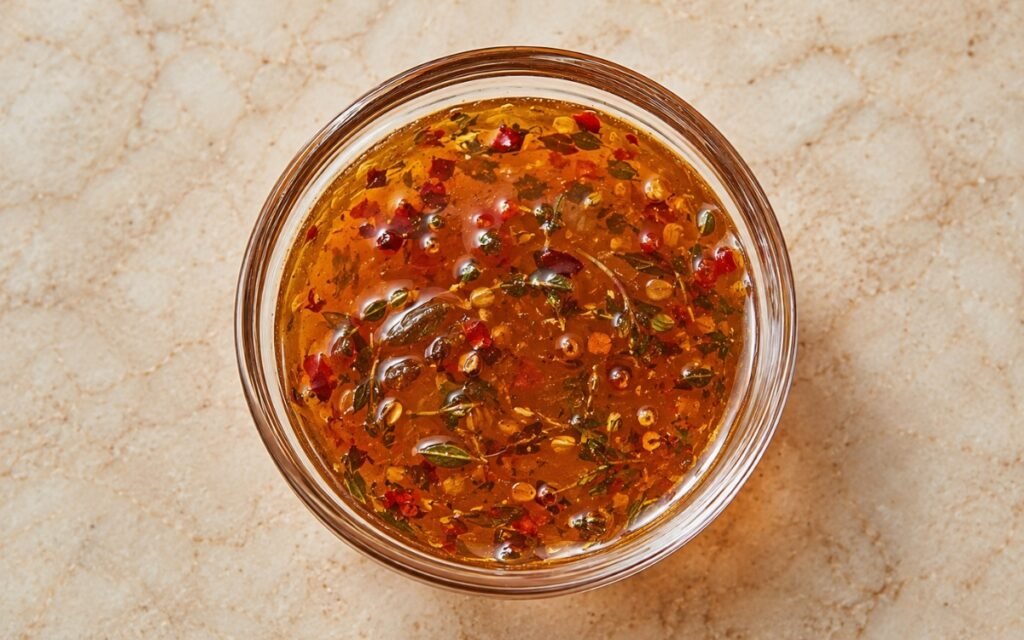
Spicy Honey Drizzle
Honey infused with chili heat and vinegar — 10-minute sweet-heat drizzle for everything.
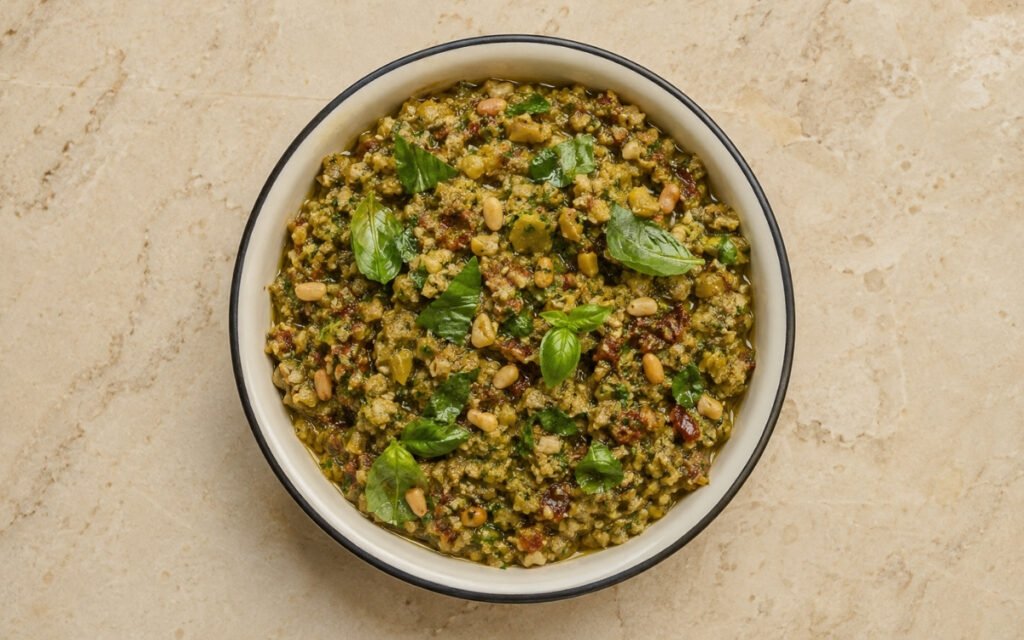
Green Olive Tapenade
Pine nuts toasted golden, olives and sun-dried tomatoes pulsed to coarse texture — basil added last with 5 brief pulses to stay green, Parmesan folded by hand. Rested 20 minutes. Bright, herbaceous, and distinctly Italian.
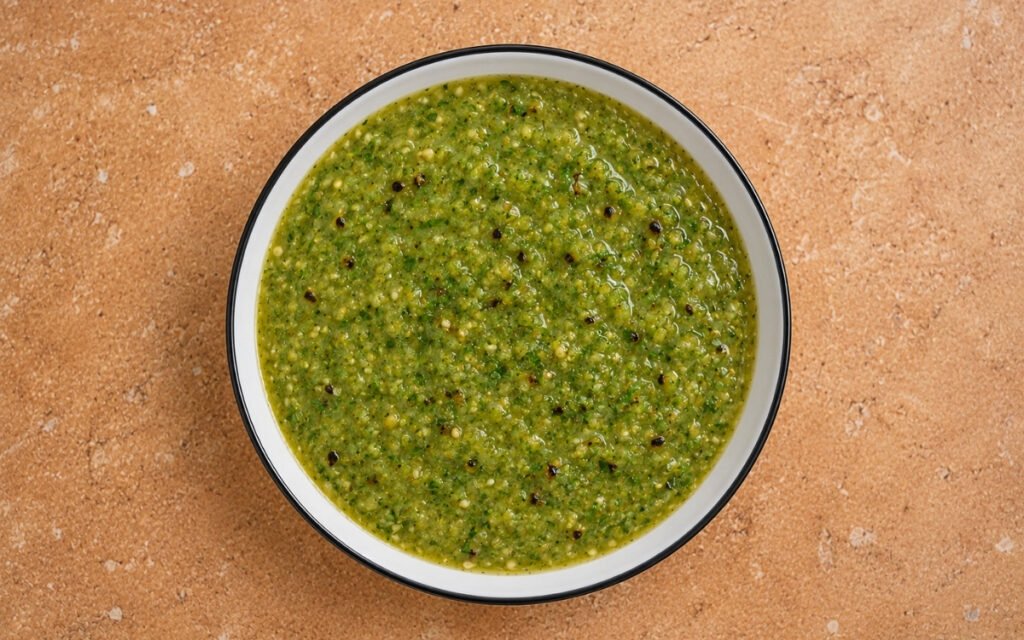
Salsa Verde
Broiled tomatillos and sweet onion blended with jalapeño, garlic, and fresh cilantro — rich, smoky, herby Mexican salsa verde ready in 30 minutes.
You might also like
You might also like
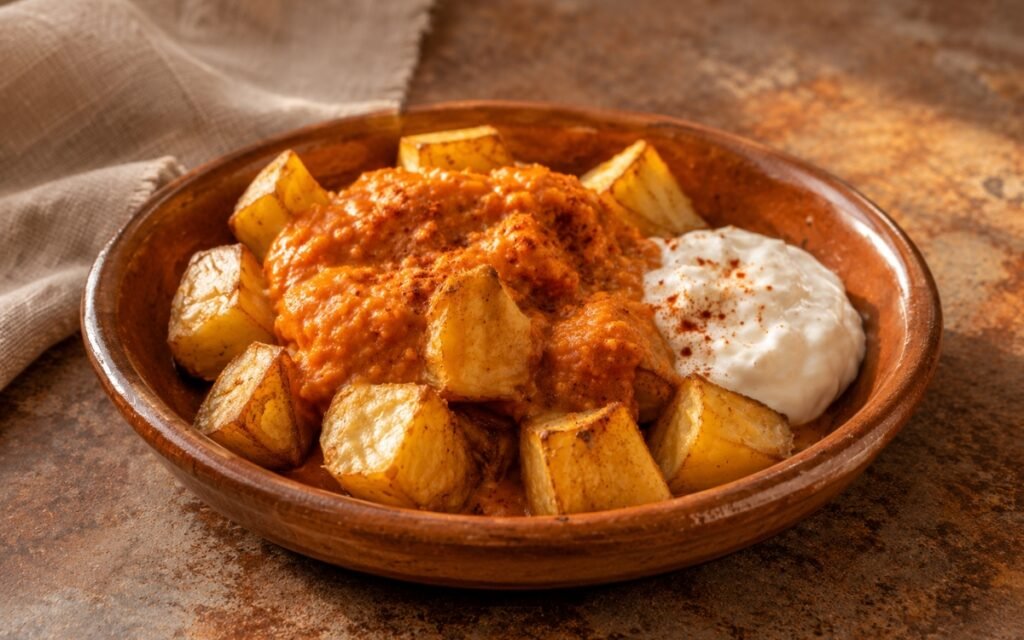
Patatas Bravas with Mayonnaise-Style Aioli
Potatoes parboiled, shaken rough, roasted on a preheated tray — smoky bravas sauce with sherry vinegar, creamy garlic aioli.
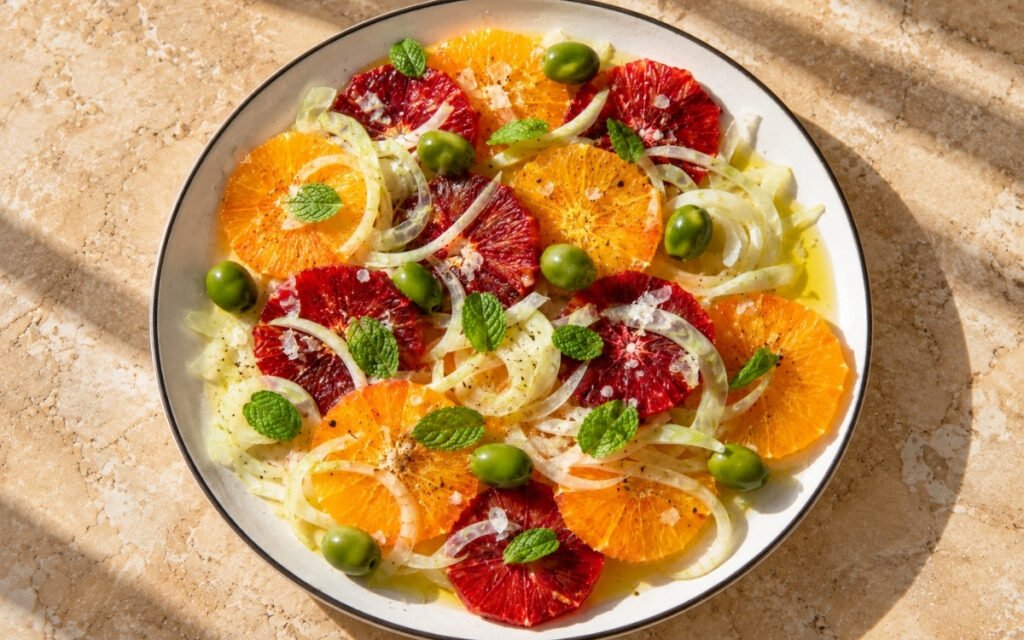
Sicilian Orange and Fennel Salad
Sweet navel and blood oranges with thinly shaved fennel, olives, mint, olive oil, flaky salt, and black pepper.
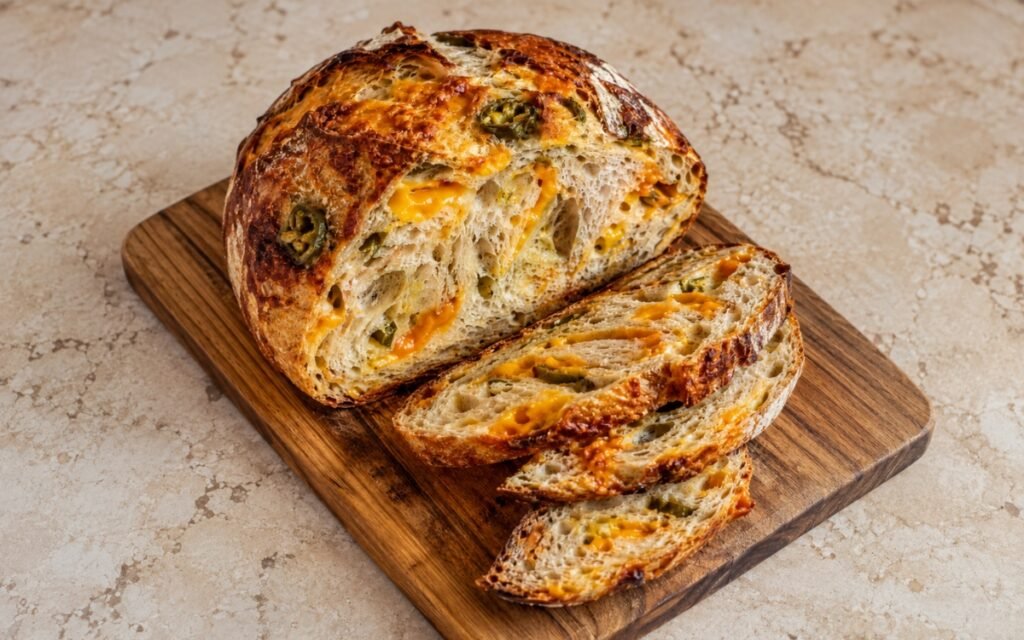
Jalapeño Cheddar Sourdough Bread
A round sourdough loaf studded with 1cm sharp cheddar chunks and fresh jalapeño, baked deeply golden with melted cheese pockets throughout.
Gochujang Honey Sauce
Ingredients
Method
- Gochujang is a Korean fermented chili paste made from dried red chilies, glutinous rice, fermented soybeans, and salt; many commercial brands also contain wheat or barley malt.. Its character is layered — spicy, savory, slightly sweet, and deeply umami from fermentation. Good gochujang is thick, glossy, brick-red, and complex rather than sharply hot or one-dimensional. Choosing a quality Korean brand makes a noticeable difference because the paste itself is the structural backbone of the sauce.
- In a small bowl for a raw sauce — or a saucepan for a cooked glaze — combine the gochujang, honey, soy sauce, rice vinegar, toasted sesame oil, grated garlic, and grated ginger. Whisk thoroughly until completely smooth and uniform with no streaks of paste remaining. At this stage the sauce should already taste bold, intense, and slightly thick.
- For a glaze that clings better to proteins, place the mixture over medium-low heat and cook for about 3–4 minutes, stirring constantly. The sauce will darken slightly, become glossier, and thicken as moisture evaporates. This gentle reduction deepens the fermented sweetness and improves caramelization when brushed onto chicken, pork, or wings.
- Add water one tablespoon at a time until the sauce reaches the intended texture. Keep it thicker for dipping or grain bowls; thin it to a pourable consistency for marinades or drizzling. Because gochujang brands vary in thickness, this step ensures predictable results.
- Stir in toasted sesame seeds just before serving for nuttiness and texture. Taste carefully and adjust: more honey softens heat, more rice vinegar sharpens brightness, and more soy sauce deepens umami and salt. The final profile should feel sweet-spicy-savory and cohesive, with no single element dominating.