
Korean BBQ Chicken Wings
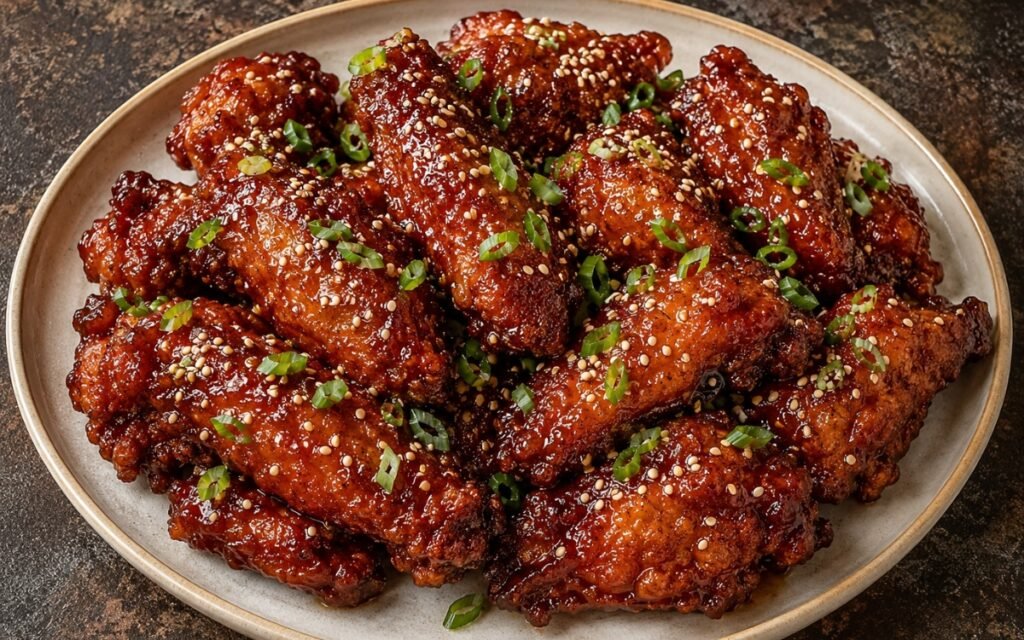
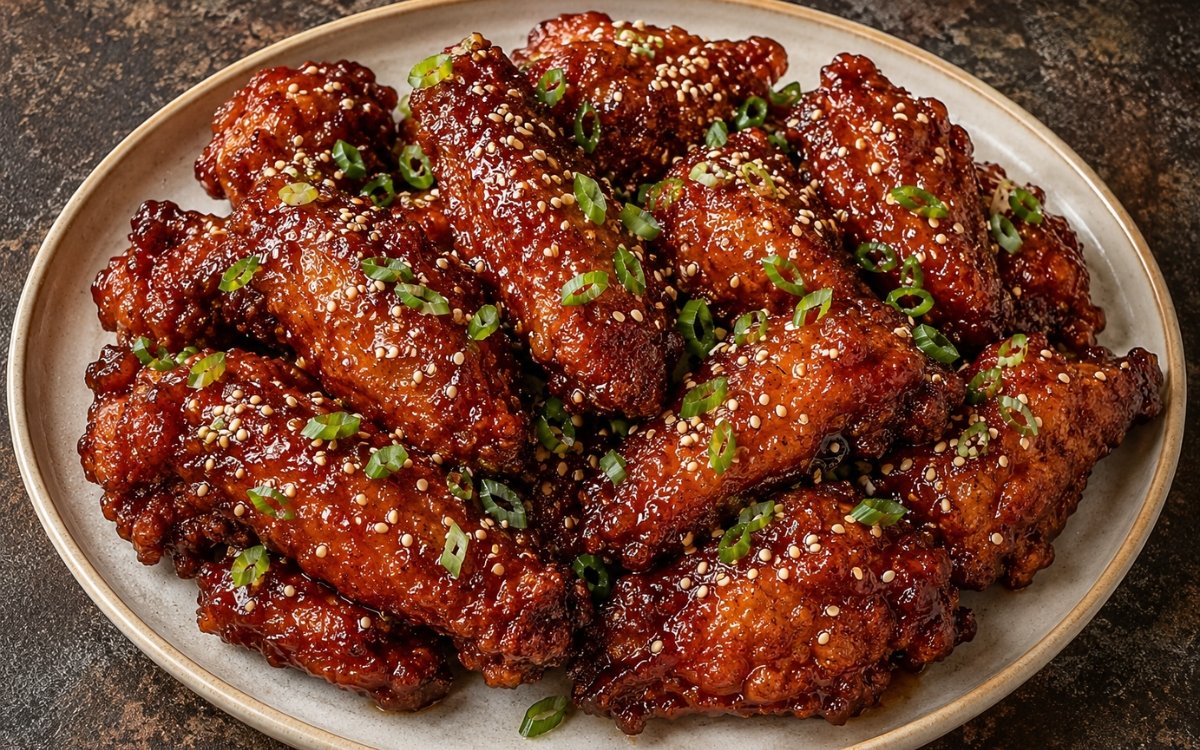
Ultra-crispy double-fried chicken wings coated in a bold Korean BBQ glaze built on gochujang, soy, honey, and garlic. Sweet, spicy, savory, and deeply aromatic — designed to serve as the protein component of a balanced meal.
Prep Time : 25 min
Cook Time : 25 min
Servings : 4
25 min
25 min
4
Ingredients
Korean BBQ Glaze
• 200 g gochujang — this one on Amazon
• 80 ml honey — this one on Amazon
• 110 ml dark soy sauce — this one on Amazon
• 110 ml white distilled vinegar
• 110 ml sweet soy sauce
• 120 g ketchup
• 15 g garlic (5 cloves), very finely minced
Chicken
• 1 kg chicken wings (drums and flats separated)
• 8 g kosher salt
• 4 g granulated sugar
• 3 g MSG (optional)
• 3 g ground black pepper
• 20 g fresh ginger, peeled and finely grated
Dry Coating
• 300 g potato starch — this one on Amazon
• 120 g all-purpose flour
• 8 g kosher salt
• 2 g sugar
• 3 g MSG (optional)
• 8 g garlic powder
• 3 g ground white pepper
Wet Batter
• 60 g dry coating mix (taken from above)
• 5 g baking powder
• 200 ml very cold water
Frying
• 2.5 L neutral vegetable oil
Garnish
• 8 g toasted sesame seeds
• 25 g green onions, thinly sliced
This post may contain affiliate links. As an Amazon Associate I earn from qualifying purchases, at no additional cost to you.
Directions
- Prepare the Korean BBQ Glaze
In a medium saucepan, combine the gochujang, honey, dark soy sauce, vinegar, sweet soy sauce, and ketchup and place over medium heat, stirring continuously until the mixture reaches a gentle boil. Reduce the heat to low and allow it to simmer steadily for exactly three minutes so the sugars begin to integrate and the sauce slightly thickens while remaining fluid and glossy. Remove the saucepan from the heat and immediately stir in the finely minced garlic so the residual heat releases its aroma without dulling its sharpness, then allow the glaze to cool at room temperature where it will naturally thicken to a smooth, lacquer-like consistency. - Season and Marinate the Wings
If using whole wings, separate them cleanly at the joints into drums and flats and discard the tips or reserve them for stock, then pat the wings completely dry with paper towels to eliminate surface moisture which interferes with crisping. Place the wings into a large mixing bowl and add the kosher salt, sugar, MSG if using, black pepper, and freshly grated ginger, then massage the seasoning thoroughly into the skin for one to two minutes to ensure full and even coverage. Cover the bowl and refrigerate for a minimum of one hour to allow the seasoning to penetrate the meat, or up to twelve hours for deeper flavor development, then remove from refrigeration fifteen minutes before frying to allow the chill to dissipate slightly. - Prepare the Dry Coating
In a large bowl, combine the potato starch, flour, salt, sugar, MSG, garlic powder, and white pepper and whisk thoroughly until the mixture is completely uniform and free of clumps, ensuring every ingredient is evenly distributed so the coating crisps consistently during frying. Remove 60 g of this mixture and set it aside in a separate bowl to form the base of the wet batter. - Prepare the Wet Batter
To the reserved 60 g of dry coating, add the baking powder and whisk to combine before gradually pouring in the very cold water while stirring continuously until a smooth batter forms that is thick enough to cling lightly to the chicken but fluid enough to drip slowly back into the bowl. Adjust the consistency with small additions of cold water only if necessary, being careful not to overmix which would develop excess gluten and toughen the coating. - Heat the Oil
Pour the vegetable oil into a heavy-bottomed pot to a depth of at least seven centimeters and heat steadily to 163°C, using a thermometer to maintain accuracy and prevent overheating which would darken the coating prematurely. Prepare a wire rack set over a tray near the stove so the fried wings can drain properly without trapping steam underneath. - Coat the Wings
Remove the wings from the marinade and pat them dry once more if any moisture has accumulated, then flick two or three spoonfuls of wet batter into the dry coating and stir lightly to create small clusters that will attach to the surface and enhance texture. Dip each wing fully into the wet batter, allowing excess to drip away for several seconds before transferring it into the dry coating and pressing firmly so the mixture adheres completely, then place the coated wings onto a tray while finishing the batch. - First Fry
Carefully lower the coated wings into the oil in small batches to avoid overcrowding and maintain oil temperature, frying them at 163°C for eight to nine minutes until the coating turns pale golden and the internal temperature of the chicken reaches 74°C. Transfer the wings to the prepared rack and allow the oil to return fully to temperature before frying additional batches to ensure even cooking. - Second Fry
Increase the oil temperature to 177°C and return the wings to the oil in batches, frying for two additional minutes until the exterior becomes deeply golden brown and audibly crisp while remaining rigid to the touch. Remove the wings and place them back onto the rack for two minutes so excess oil drains and the crust sets properly without softening. - Glaze the Wings
Transfer the hot wings to a large mixing bowl and pour the Korean BBQ glaze gradually over them, beginning with most of the sauce and tossing gently but thoroughly so every surface is evenly coated in a thin, glossy layer without oversaturating the crust. Add additional glaze only if necessary so the wings appear lacquered rather than drenched. - Finish and Serve
Arrange the glazed wings on a serving platter and immediately sprinkle with toasted sesame seeds and thinly sliced green onions, serving them hot while the exterior remains crisp and the glaze retains its sheen.
*Notes :
- Double frying is essential for structural crispness. The first fry cooks the chicken through and begins moisture evaporation, while the second fry rapidly dehydrates the surface starch, creating a rigid crust that can hold glaze without softening immediately. Skipping the second fry results in noticeably weaker texture.
- Patting the wings completely dry before seasoning is critical. Surface moisture prevents proper adhesion of the coating and reduces frying efficiency, leading to uneven browning and potential coating separation.
- Maintain strict oil temperature control. Frying below 160°C causes excessive oil absorption, while overheating above 180°C darkens the coating before the interior fully reheats. Use a thermometer and allow the oil to return to temperature between batches.
- The glaze should remain fluid and glossy, not thick and sticky like syrup. If it becomes overly viscous while cooling, reheat gently with 10–20 ml hot water and whisk until smooth. Over-reduction leads to harsh sweetness and uneven coating.
- Glaze only immediately before serving. Even perfectly fried wings will soften if coated too early, as steam from the hot interior gradually weakens the crust.
Why These Korean BBQ Wings Work
These wings are built on structural contrast. The double-fry method removes surface moisture during the first cook and then rapidly dehydrates the exterior during the second, creating a rigid, shattering crust that can withstand a sticky glaze without collapsing. This ensures the wings stay crisp even after saucing, which is essential for texture balance.
The glaze is calibrated for tension. Gochujang provides fermented heat and umami depth, honey adds controlled sweetness, vinegar sharpens the finish, and soy sauce delivers salinity. The result is a sauce that is bold but not cloying, sweet but not syrupy, and spicy without overwhelming the palate.
Finally, the wings are glazed after frying rather than simmered in sauce. This preserves the integrity of the crust while allowing the glaze to cling in a thin lacquered layer instead of soaking into the breading.
Ingredient Breakdown
Chicken Wings
Wings are ideal for this preparation because the combination of skin, fat, and connective tissue produces maximum crisp potential during double frying. The skin renders and tightens while the interior remains juicy. Drums and flats should be separated before cooking to ensure even frying and consistent texture.
Gochujang
Gochujang is the structural backbone of the glaze. It delivers fermented depth, controlled heat, mild sweetness, and umami complexity. It should be thick and brick-red in color. Thin or overly sweet versions will produce a flat sauce.
Honey
Honey adds sweetness and gloss while helping the glaze cling to the wings. It should balance the vinegar and soy, not dominate. Excess honey results in an overly sticky coating and increases burn risk during reduction.
Dark Soy Sauce & Sweet Soy Sauce
Dark soy deepens color and enhances savory backbone, while sweet soy contributes subtle caramel notes and body. If using only regular soy sauce, expect a slightly lighter and sharper glaze.
Fresh Ginger & Garlic
Ginger provides subtle heat and aromatic lift in the seasoning phase, while garlic added off-heat to the glaze preserves brightness without bitterness.
Common Mistakes to Avoid
- Adding too many wings at once drops oil temperature dramatically, causing the coating to absorb excess oil instead of crisping. Always fry in controlled batches and allow the oil to recover between rounds.
- The second fry is not optional. It removes residual surface moisture and strengthens the crust. Without it, the wings will soften almost immediately after glazing.
- If the wings are not thoroughly dried before dredging, the coating will not adhere properly and may separate during frying. Moisture is the enemy of crispness.
- Adding soda too early — carbonation fades quickly.
Over-reducing thickens the glaze into a sticky paste that coats unevenly and tastes overly sweet. The glaze should remain fluid enough to pour but thick enough to cling.Adding soda too early — carbonation fades quickly. - Frying below 160°C leads to oil absorption and greasy texture. Frying above 180°C darkens the coating before the interior reheats. Temperature control is critical.
Variations
Oven-Baked Version
For a lighter approach, bake coated wings at 220°C on a wire rack for 35–40 minutes, flipping halfway through. While the texture will be slightly less aggressive than deep frying, the flavor remains intact.
Air Fryer Method
Cook coated wings at 190°C for 18–22 minutes, turning once, until crisp and cooked through. Finish at 200°C for the final 2 minutes to deepen color.
Extra-Spicy Version
Increase gochujang by 30 g and add 5 g Korean chili flakes to the glaze during simmering for a sharper heat profile.
Garlic-Forward Version
Double the garlic to 30 g and allow it to steep in the warm glaze for 10 minutes before straining for a smoother but more aromatic finish.
Boneless Alternative
Use 900 g boneless chicken thighs cut into large chunks. Fry for 5–6 minutes in the first stage and 90 seconds in the second stage.
Storage & Reheating
For best results, store the wings and glaze separately. Allow the wings to cool completely before transferring them to an airtight container and refrigerate for up to three days. The glaze can be stored in a sealed jar in the refrigerator for up to five days.
To reheat, place the wings on a wire rack over a baking tray and heat in a preheated oven at 200°C for 8–10 minutes until hot and crisp. Alternatively, use an air fryer at 190°C for 5–6 minutes. Avoid microwaving, as this traps steam and softens the crust.
Reheat the glaze gently in a small saucepan over low heat until fluid but not boiling. Toss the wings in the warm glaze immediately before serving to restore shine and flavor without sacrificing crispness.
These wings are not ideal for freezing once fried, as the coating texture degrades upon thawing.
Frequently Asked Questions
Can I skip the second fry?
Technically yes, but the crust will be noticeably less crisp and more prone to softening after glazing. The second fry is what creates long-lasting texture.
Why did my coating fall off during frying?
The wings were either too wet before coating or the oil temperature dropped too low. Always pat the chicken dry and fry in small batches to maintain temperature stability.
Why is my glaze too thick?
It likely reduced too long or over high heat. Add 10–20 ml of hot water and whisk gently over low heat until fluid again.
Can I marinate the wings in the glaze?
No. The glaze contains sugars that burn during frying. Always fry first, glaze after.
What should I serve with these wings?
These wings work best as the protein element in a balanced meal alongside steamed jasmine rice, lightly dressed cabbage slaw, or roasted vegetables.
Nutrition Facts
( per serving )
Calories
~545 kcal
Protein
34 g
Fat
31 g
Carbs
36 g
Calories
~545 kcal
Protein
34 g
Fat
31 g
Carbs
36 g
Related Recipes
Related Recipes

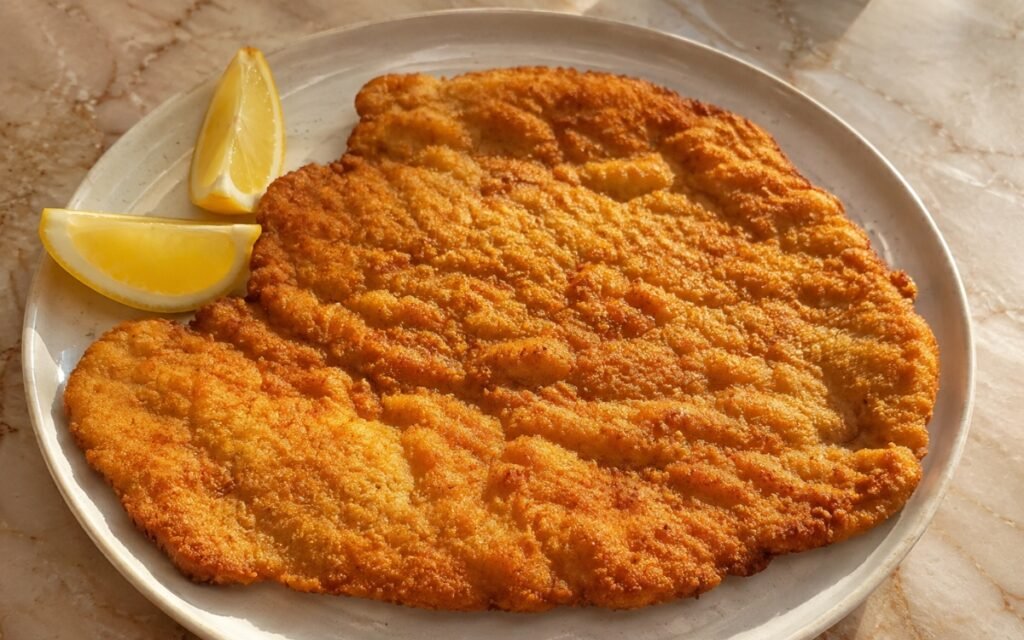
Austrian Pork Schnitzel
Pork loin pounded uniformly, breaded loosely for a wavy crust, fried in floating fat until golden — served immediately with lemon. Light and crispy.
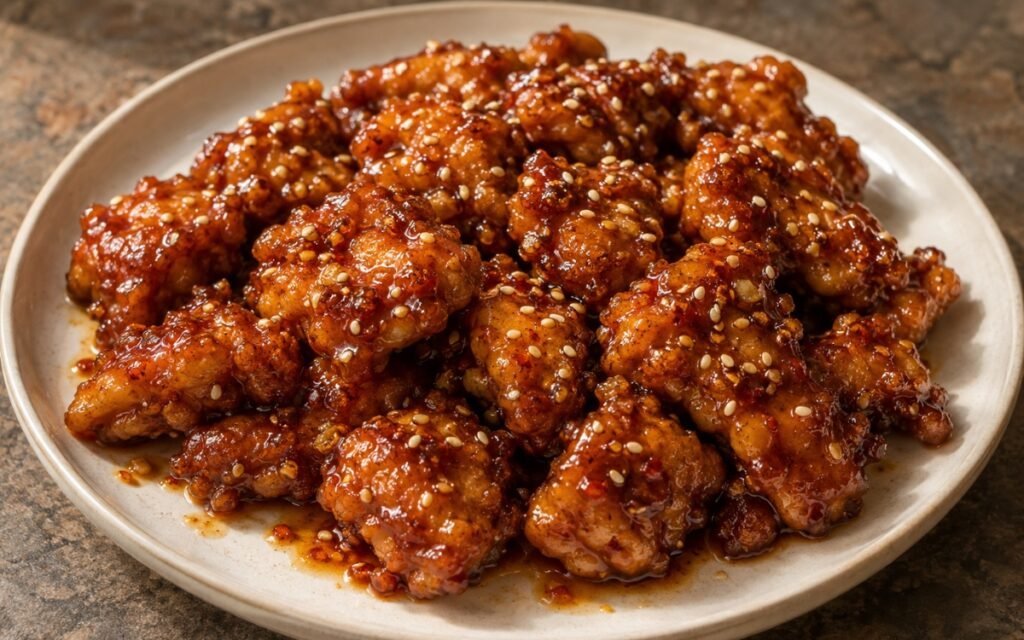
Crispy Honey Garlic Chicken
Chicken coated in cornstarch, partially seared for crust, finished in a honey soy garlic glaze that clings. Crisp and sticky.
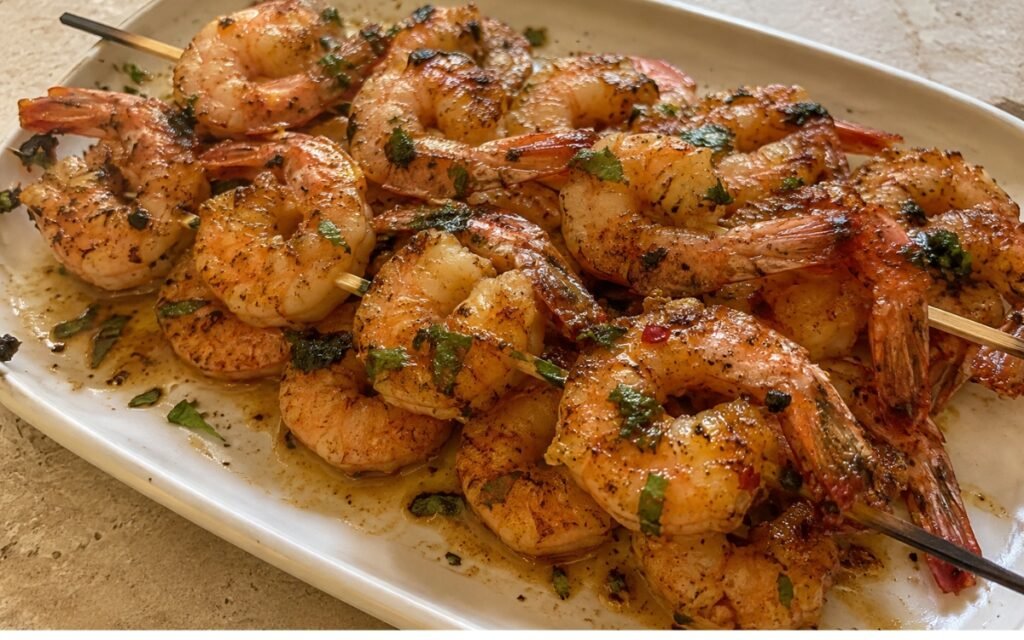
Garlic Shrimp Skewers
Shrimp marinated 30 minutes in garlic herb butter, threaded on double skewers, grilled fast with fresh butter basting until charred. Juicy and garlicky.
You might also like
You might also like
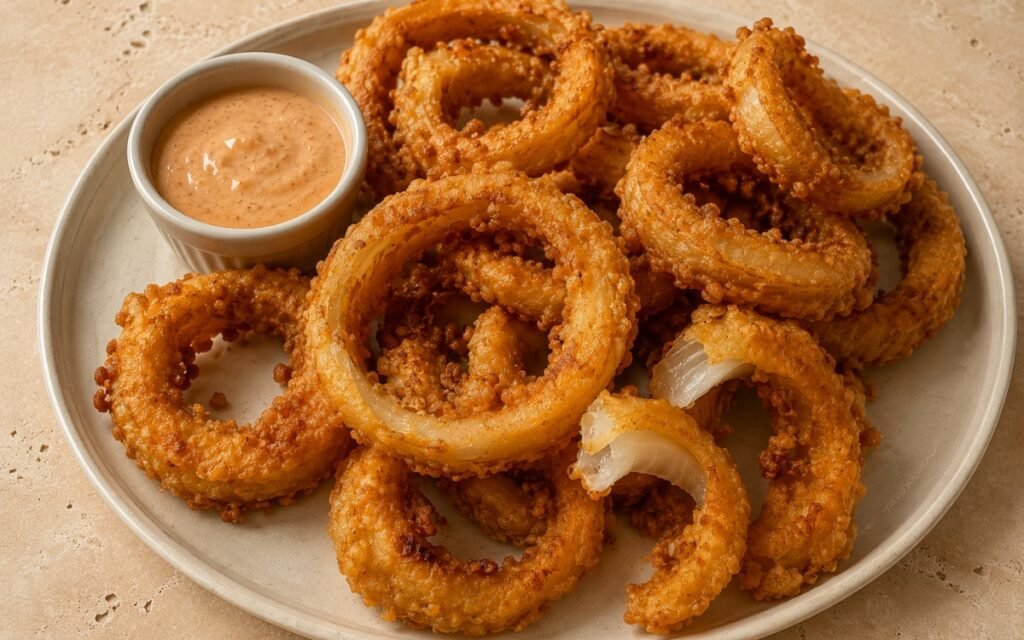
Homemade Onion Rings
Three-stage breaded onion rings — flour, spiced baking-powder batter, panko — fried at 185°C for maximum shatter, served with a spicy mushroom-powder dipping sauce. 35 minutes.
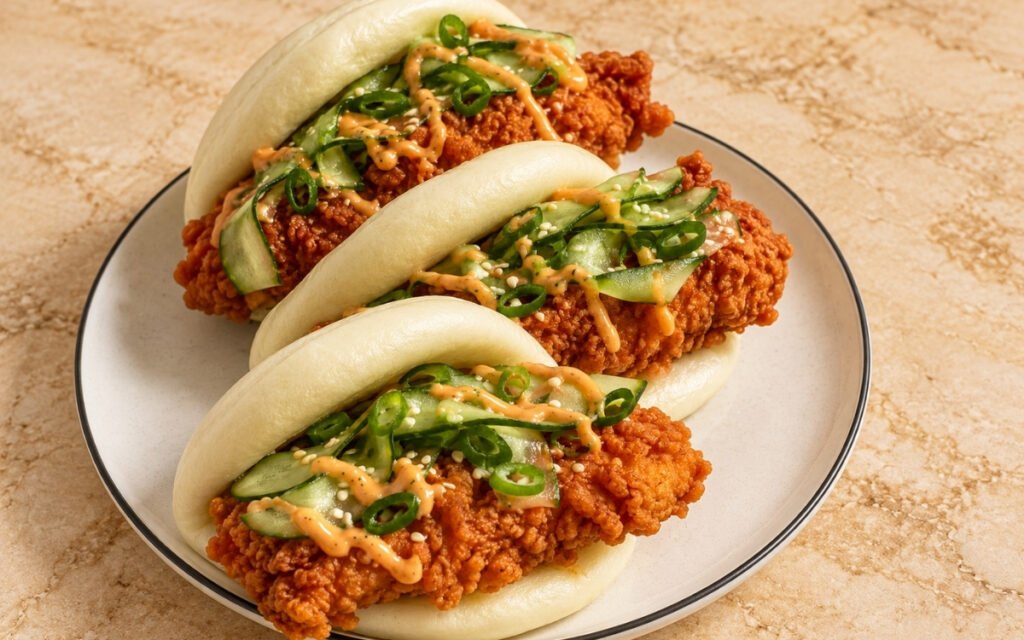
Bao Buns with Crispy Fried Chicken
Soft steamed bao buns filled with extremely crisp fried chicken, quick-pickled cucumber ribbons, scallions, sesame seeds, and glossy sriracha mayo.
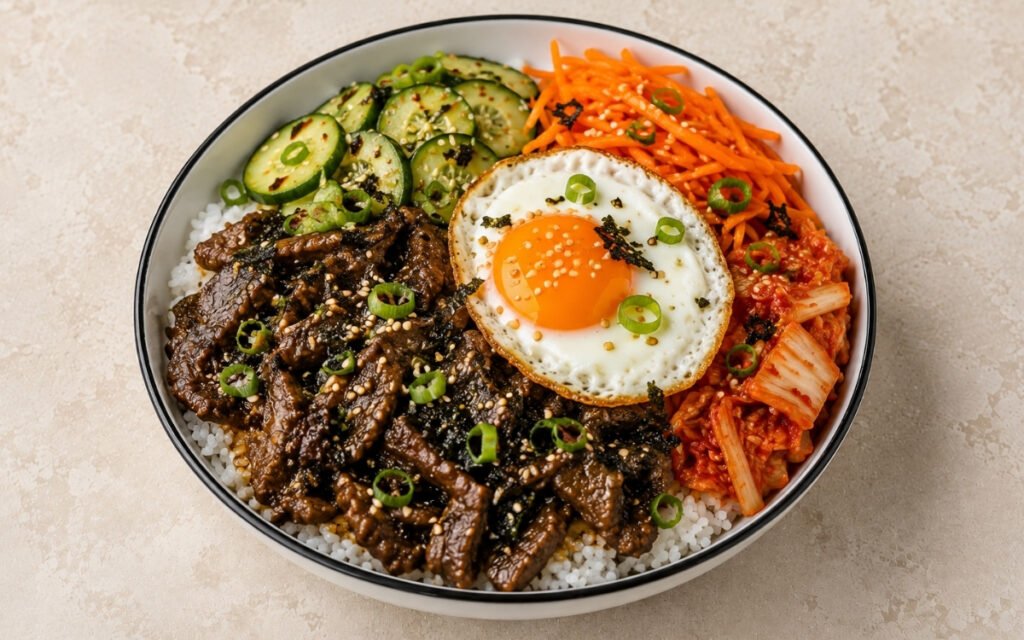
Korean Beef Bulgogi Rice Bowl
Caramelized beef bulgogi over rice with kimchi, pickled cucumber, carrots, a fried egg, scallions, and sesame.
Korean BBQ Chicken Wings
Ingredients
Method
- In a medium saucepan, combine the gochujang, honey, dark soy sauce, vinegar, sweet soy sauce, and ketchup and place over medium heat, stirring continuously until the mixture reaches a gentle boil. Reduce the heat to low and allow it to simmer steadily for exactly three minutes so the sugars begin to integrate and the sauce slightly thickens while remaining fluid and glossy. Remove the saucepan from the heat and immediately stir in the finely minced garlic so the residual heat releases its aroma without dulling its sharpness, then allow the glaze to cool at room temperature where it will naturally thicken to a smooth, lacquer-like consistency.
- If using whole wings, separate them cleanly at the joints into drums and flats and discard the tips or reserve them for stock, then pat the wings completely dry with paper towels to eliminate surface moisture which interferes with crisping. Place the wings into a large mixing bowl and add the kosher salt, sugar, MSG if using, black pepper, and freshly grated ginger, then massage the seasoning thoroughly into the skin for one to two minutes to ensure full and even coverage. Cover the bowl and refrigerate for a minimum of one hour to allow the seasoning to penetrate the meat, or up to twelve hours for deeper flavor development, then remove from refrigeration fifteen minutes before frying to allow the chill to dissipate slightly.
- In a large bowl, combine the potato starch, flour, salt, sugar, MSG, garlic powder, and white pepper and whisk thoroughly until the mixture is completely uniform and free of clumps, ensuring every ingredient is evenly distributed so the coating crisps consistently during frying. Remove 60 g of this mixture and set it aside in a separate bowl to form the base of the wet batter.
- To the reserved 60 g of dry coating, add the baking powder and whisk to combine before gradually pouring in the very cold water while stirring continuously until a smooth batter forms that is thick enough to cling lightly to the chicken but fluid enough to drip slowly back into the bowl. Adjust the consistency with small additions of cold water only if necessary, being careful not to overmix which would develop excess gluten and toughen the coating.
- Pour the vegetable oil into a heavy-bottomed pot to a depth of at least seven centimeters and heat steadily to 163°C, using a thermometer to maintain accuracy and prevent overheating which would darken the coating prematurely. Prepare a wire rack set over a tray near the stove so the fried wings can drain properly without trapping steam underneath.
- Remove the wings from the marinade and pat them dry once more if any moisture has accumulated, then flick two or three spoonfuls of wet batter into the dry coating and stir lightly to create small clusters that will attach to the surface and enhance texture. Dip each wing fully into the wet batter, allowing excess to drip away for several seconds before transferring it into the dry coating and pressing firmly so the mixture adheres completely, then place the coated wings onto a tray while finishing the batch.
- Carefully lower the coated wings into the oil in small batches to avoid overcrowding and maintain oil temperature, frying them at 163°C for eight to nine minutes until the coating turns pale golden and the internal temperature of the chicken reaches 74°C. Transfer the wings to the prepared rack and allow the oil to return fully to temperature before frying additional batches to ensure even cooking.
- Increase the oil temperature to 177°C and return the wings to the oil in batches, frying for two additional minutes until the exterior becomes deeply golden brown and audibly crisp while remaining rigid to the touch. Remove the wings and place them back onto the rack for two minutes so excess oil drains and the crust sets properly without softening.
- Transfer the hot wings to a large mixing bowl and pour the Korean BBQ glaze gradually over them, beginning with most of the sauce and tossing gently but thoroughly so every surface is evenly coated in a thin, glossy layer without oversaturating the crust. Add additional glaze only if necessary so the wings appear lacquered rather than drenched.
- Arrange the glazed wings on a serving platter and immediately sprinkle with toasted sesame seeds and thinly sliced green onions, serving them hot while the exterior remains crisp and the glaze retains its sheen.
Notes
- Double frying is essential for structural crispness. The first fry cooks the chicken through and begins moisture evaporation, while the second fry rapidly dehydrates the surface starch, creating a rigid crust that can hold glaze without softening immediately. Skipping the second fry results in noticeably weaker texture.
- Patting the wings completely dry before seasoning is critical. Surface moisture prevents proper adhesion of the coating and reduces frying efficiency, leading to uneven browning and potential coating separation.
- Maintain strict oil temperature control. Frying below 160°C causes excessive oil absorption, while overheating above 180°C darkens the coating before the interior fully reheats. Use a thermometer and allow the oil to return to temperature between batches.
- The glaze should remain fluid and glossy, not thick and sticky like syrup. If it becomes overly viscous while cooling, reheat gently with 10–20 ml hot water and whisk until smooth. Over-reduction leads to harsh sweetness and uneven coating.
- Glaze only immediately before serving. Even perfectly fried wings will soften if coated too early, as steam from the hot interior gradually weakens the crust.