
Chipotle Grilled Chicken Legs
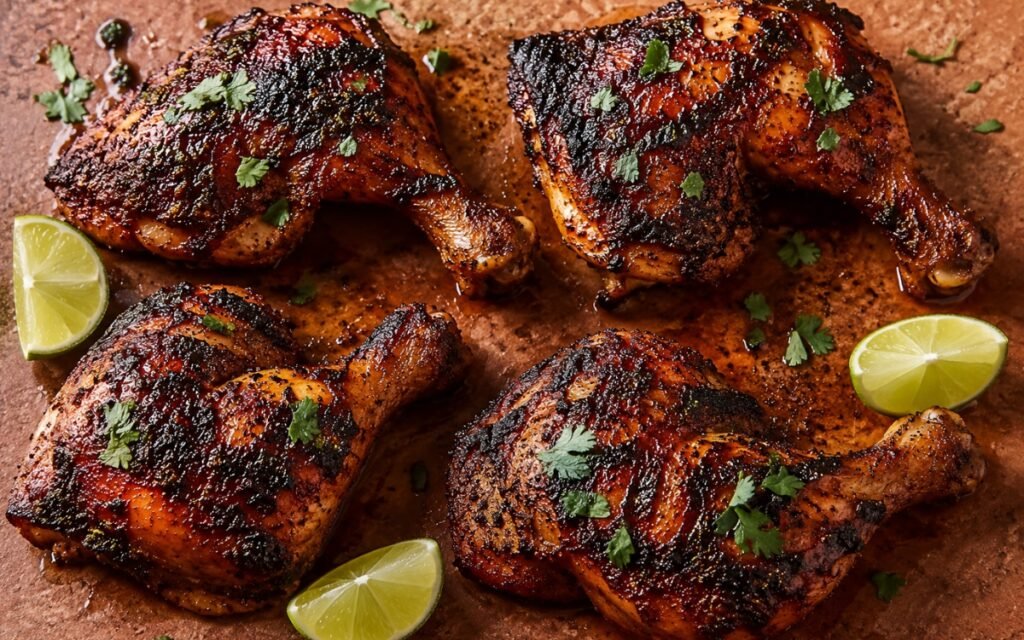
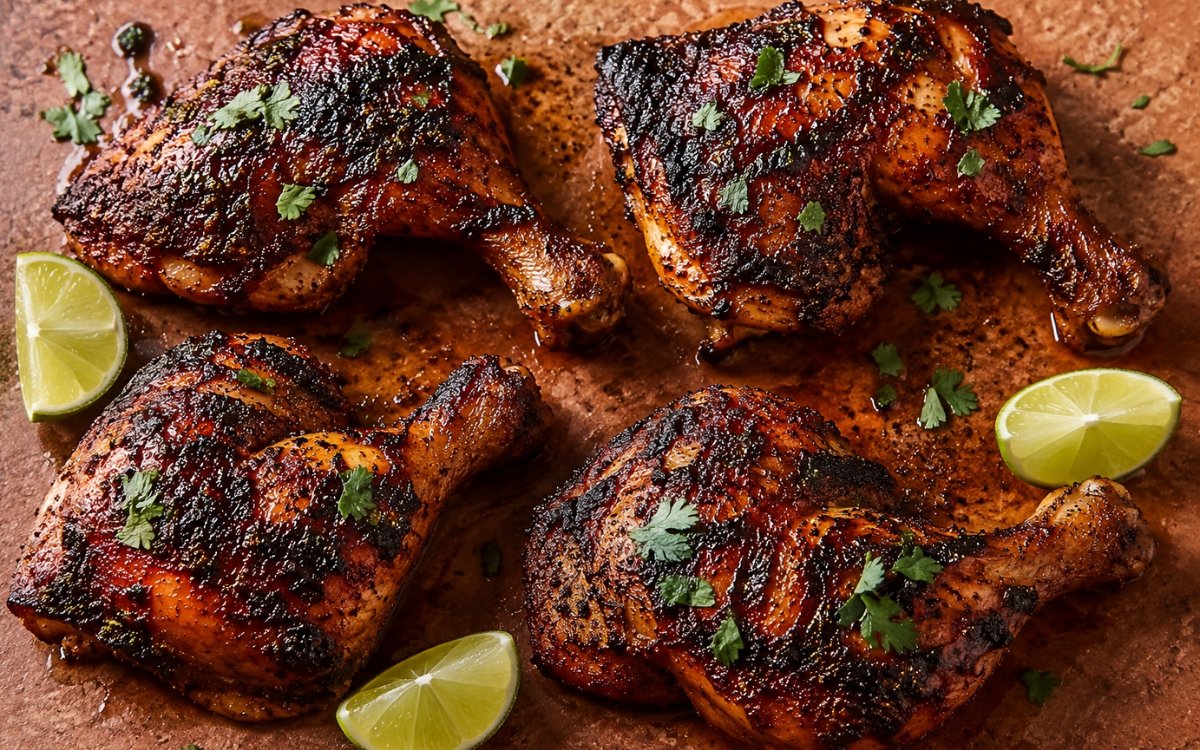
Chipotle Grilled Chicken Legs delivers smoky, spicy chicken leg quarters marinated in chipotle peppers and adobo, then grilled until deeply charred with crisp skin and juicy, tender meat. This method focuses on flavor penetration, fat rendering, and controlled grilling zones to build intensity without burning — delivering bold, structured flavor in every bite. The marinade itself is built as a thick, uniform paste rather than a thin liquid specifically so it clings to the chicken and stays in place through both the marinating period and the grill, rather than dripping away before it has a chance to work. Deep cuts sliced down to the bone create genuine channels for that marinade to penetrate well beyond the surface, while the two-zone grill setup gives real control over a dish that would otherwise burn its sugar- and fat-rich marinade under sustained direct heat. Starting skin-side up over indirect heat lets fat render slowly and the marinade set before any direct flame touches it, and only then does the chicken move to direct heat to develop genuine char. The result is bold, layered flavor built through sequence and control rather than intensity alone.
Prep Time : 15 min
Cook Time : 35 min
Servings : 4
15 min
35 min
4
Ingredients
For the Chicken
• 1200g chicken leg quarters (4 pieces)
For the Chipotle Marinade
• 60g chipotle peppers in adobo sauce, minced — this one on Amazon
• 30ml adobo sauce from can
• 30ml olive oil — this one on Amazon
• 30ml lime juice
• 4 garlic cloves, minced
• 10g ground cumin
• 5g dried oregano
• 10g fine sea salt — this one on Amazon
• 4g black pepper
For Serving
• Fresh cilantro for garnish
• Lime wedges
This post may contain affiliate links. As an Amazon Associate I earn from qualifying purchases, at no additional cost to you.
Directions
- Build the Marinade Base
Combine minced chipotle peppers, adobo sauce, olive oil, lime juice, garlic, cumin, oregano, salt, and black pepper in a bowl and mix into a thick, uniform paste. The marinade should be dense and cling to a spoon — not watery. This consistency ensures it adheres to the chicken and stays in place during cooking instead of dripping off. - Score and Load Flavor
Using a sharp knife, make deep cuts into the chicken legs, slicing down to the bone at regular intervals. This is not cosmetic — it creates channels for the marinade to penetrate beyond the surface. Rub the marinade aggressively over the chicken, pressing it into every cut and working it under the skin where possible. The goal is full coverage, not a light coating. - Marinate for Penetration
Cover and refrigerate for at least 2 hours, ideally longer. During this time, salt and acid begin penetrating the outer layers while the fat-soluble compounds in the chipotle and spices settle into the meat. This step builds depth — without it, the flavor remains superficial. - Bring to Temperature
Remove the chicken from the refrigerator 30 minutes before grilling. This reduces the temperature gap between the exterior and interior, allowing the chicken to cook more evenly and preventing the outside from burning before the inside is done. - Set Up a Two-Zone Grill
Preheat the grill to medium-high heat (around 200°C / 400°F) and create two zones — one direct heat area and one cooler indirect zone. This setup gives you control. Direct heat builds char, while indirect heat finishes cooking without burning the marinade. - Start Skin-Side Up
Place the chicken on the grill skin-side up over indirect heat and close the lid. Cook undisturbed for about 15 minutes. Starting away from direct heat allows the fat under the skin to begin rendering slowly while the marinade sets instead of burning immediately. - Flip and Develop Char
Move the chicken to direct heat and flip skin-side down. Grill for another 15–20 minutes, turning occasionally to control flare-ups and ensure even charring. The skin should blister, crisp, and darken in spots, but not burn completely. If flames spike from dripping fat, move the chicken back to the cooler zone. - Monitor Internal Temperature
Cook until the thickest part of the chicken reaches 74°C (165°F). Dark meat is forgiving, but proper temperature ensures safety and optimal texture. The meat should feel tender, not tight, and juices should run clear. - Rest and Finish
Transfer the chicken to a plate and rest for 5 minutes. This allows the juices to redistribute and the structure to stabilize. Finish with fresh cilantro and a squeeze of lime just before serving to cut through the richness and spice.
*Notes :
- The marinade’s thick, paste-like consistency is a deliberate structural decision rather than an incidental result of the ingredient list. A watery marinade slides off the chicken during both refrigeration and grilling, contributing far less flavor than a dense paste that clings to every scored cut and stays in place under direct heat.
- Scoring down to the bone matters specifically for leg quarters, since their size and bone structure mean surface marinating alone would leave the deepest parts of the meat essentially unseasoned. The channels created by deep cuts are what let the chipotle, garlic, and spice blend actually reach that depth.
- The two-zone grill setup is the technique that makes this whole dish possible without burning. Chipotle and adobo carry both sugar and fat, both of which scorch quickly under sustained direct heat — starting over indirect heat lets the fat render and the marinade set before the chicken ever meets direct flame, and moving back to the cooler zone if flare-ups spike protects the dish through the entire cook.
Why This Recipe Works
This recipe works because the marinade is built with the right consistency to stay on the chicken rather than drip away.
Deep scoring creates genuine channels for that marinade to reach well past the surface. The full 2-hour marinating window gives salt, acid, and fat-soluble compounds real time to penetrate.
And the two-zone grilling method sequences fat rendering, marinade setting, and char development in the correct order, producing deep flavor and genuine crispness without burning.
Ingredient Breakdown
Chicken Leg Quarters
The structural foundation — bone-in, skin-on pieces that hold up well to both long marinating and extended grilling.
Chipotle Peppers in Adobo, Thick Paste Consistency
The defining smoky heat — built dense specifically to cling to the meat rather than drip away.
Deep Scoring to the Bone
The penetration technique — creating real channels for marinade to reach beyond the surface.
Two-Zone Grill Setup
The controlled cooking method — indirect heat for rendering and setting, direct heat for char, without burning.
Lime Wedges
Final acidity that sharpens and balances the entire dish.
Flavor Structure Explained
This Chipotle Grilled Chicken Legs follows a sequence-driven balance model:
- Smoky spicy core (chipotle and adobo)
- Tender marinated structure (scored chicken legs)
- Charred exterior finish (two-zone grilling)
- Fresh herbal lift (cilantro)
- Bright citrus finish (lime)
Chipotle and adobo define the main flavor identity, bringing smoky depth, layered heat, and savory richness that penetrate the chicken through scoring and marination. The marinating period is essential because it allows the spice and smoke to season the meat beyond the surface, giving the legs a deeper, more integrated flavor. Two-zone grilling creates the dish’s defining texture, allowing the chicken to cook through gently before developing crisp, blistered, lightly charred skin over direct heat. This contrast between tender meat and smoky char is the core of the preparation. Cilantro and lime finish the dish with freshness, cutting through the richness and spice without disrupting the grilled character. The result is a chicken leg preparation built around smoke, heat, char, and freshness, where each stage contributes directly to the final balance.
Common Mistakes to Avoid
- Making a Thin, Watery Marinade – Slides off the chicken instead of clinging and penetrating. Always build a thick, dense paste.
- Skipping the Deep Scoring – Leaves the interior of the leg quarters essentially unseasoned. Always cut down to the bone at regular intervals.
- Marinating for Less Than 2 Hours – Doesn’t give salt, acid, and fat-soluble compounds enough time to penetrate. Always allow the full minimum.
- Starting Directly Over High Heat – Burns the sugar- and fat-rich marinade before the chicken has a chance to render and cook through. Always start skin-side up over indirect heat.
- Ignoring Flare-Ups – Dripping fat over direct heat can scorch the skin quickly. Always move the chicken to the cooler zone if flames spike.
Variations
With Honey
Add a small amount of honey to the marinade for a sweeter, more glazed finish, in the spirit of the Grilled Hot Honey Chicken.
As Skewers
For a faster-cooking, smaller-format version using a similar bold marinade approach, see the Grilled Chicken Skewers.
With Extra Lime Zest
Add the zest of one lime to the marinade for a brighter, more citrus-forward top note.
Boneless Chicken Version
Use boneless thighs for faster cooking and easier handling, though with slightly less flavor depth.
Oven-Roasted Version
Sear the chicken skin-side down in an oven-safe skillet, then finish in a 200°C oven for 25–30 minutes if grilling isn’t an option.
Storage & Make-Ahead
Marinated raw chicken can be refrigerated, covered, for up to 24 hours before cooking.
Cooked chicken can be refrigerated for up to 3 days. Reheat it gently to help preserve the texture of the skin.
Frequently Asked Questions
Why does the marinade need to be thick rather than a thin liquid marinade?
A thin marinade drips off the chicken during both refrigeration and grilling, delivering far less flavor to the meat. A thick, paste-like consistency clings to every scored cut and stays in place under direct heat, ensuring the chipotle and spice blend actually stays in contact with the chicken long enough to penetrate.
Why score the chicken down to the bone specifically?
Leg quarters are large enough that surface marinating alone leaves the deepest parts of the meat essentially unseasoned. Cutting down to the bone at regular intervals creates real channels that let the marinade reach that depth, rather than flavor staying confined to the outer layer.
Why start the chicken over indirect heat instead of direct heat?
Chipotle and adobo marinade carries both sugar and fat, both of which burn quickly under sustained direct heat. Starting skin-side up over indirect heat lets the fat under the skin render slowly and the marinade set before the chicken ever meets direct flame, protecting it from burning while still building toward genuine char later in the cook.
What should I serve alongside this chicken?
Homemade Pita Flatbread makes an excellent pairing, perfect for wrapping around pieces of the smoky, charred chicken. For other bold grilled chicken preparations, try the Grilled Hot Honey Chicken for a sweeter, spicier direction, or the Grilled Chicken Skewers for a faster-cooking, smaller-format version.
Nutrition Facts
( per serving )
Calories
~430 kcal
Protein
38 g
Fat
27 g
Carbs
4 g
Calories
~430 kcal
Protein
38 g
Fat
27 g
Carbs
4 g
Related Recipes
Related Recipes

Classic Pork Chops
Bone-in pork chops tempered and seared undisturbed, basted with garlic thyme browned butter, fat cap rendered, rested. Juicy and aromatic.
Crispy Lemon Garlic Chicken Wings
Oven-baked wings with crackling, deeply golden skin, tossed hot in a rich lemon-garlic butter sauce built mostly on zest.
Greek Chicken Souvlaki
Yogurt-marinated chicken thighs with Za’atar, cumin, and fresh herbs — cooked hot for real char and served with pita and tzatziki or as a bowl protein.
You might also like
You might also like
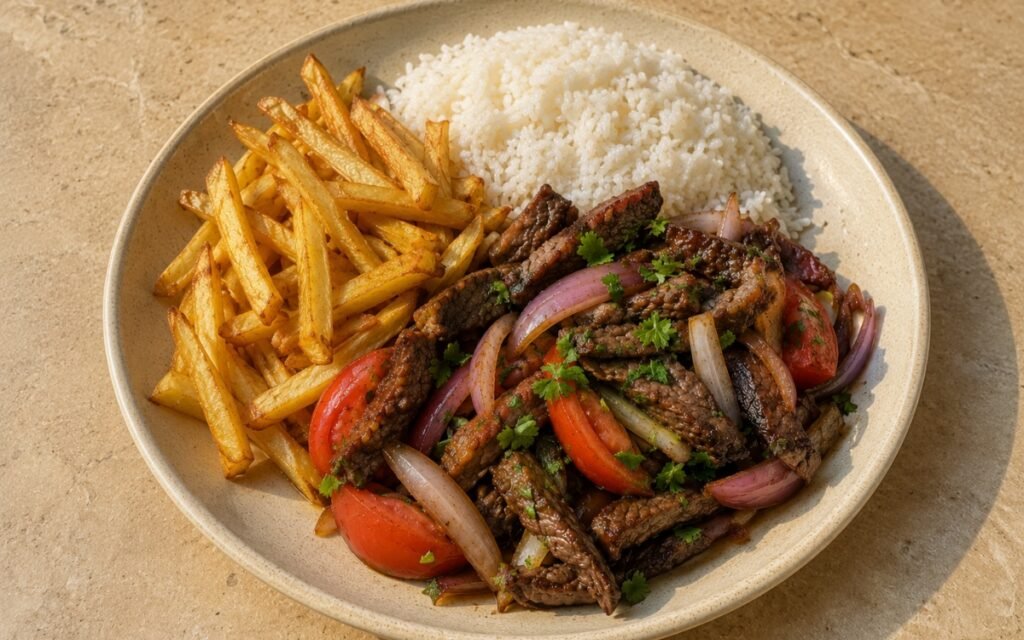
Peruvian Lomo Saltado
Deeply seared beef strips tossed fast with feathered shallots, tomato wedges, and a glossy soy-vinegar sauce, served with double-fried fries and rice.
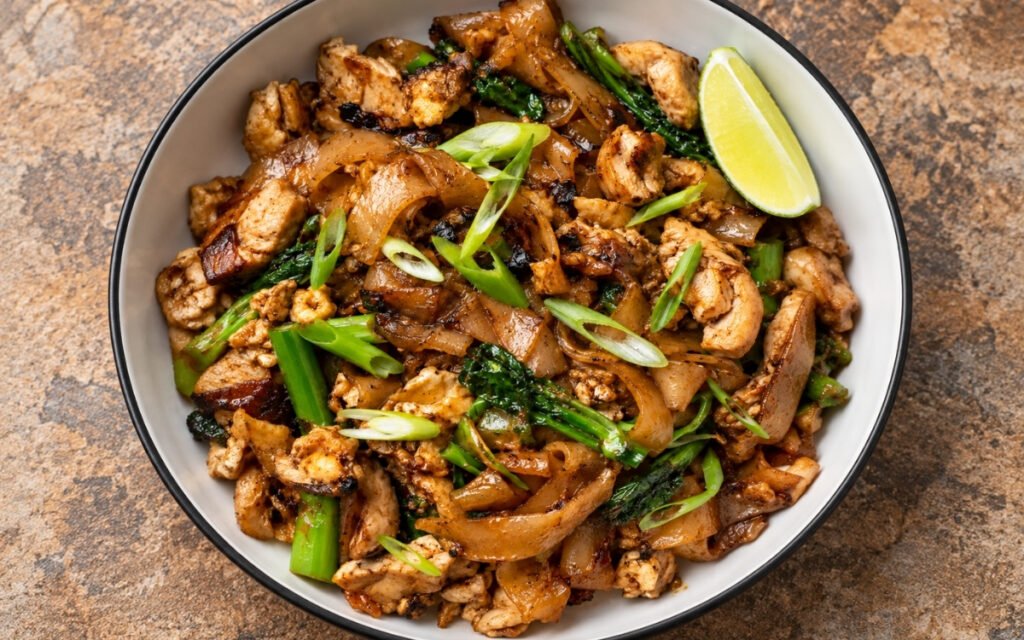
Pad See Ew — Thai Stir-Fried Wide Noodles
Wide rice noodles stir-fried with dark soy sauce, Chinese broccoli, sliced chicken, and egg over high heat for smoky wok-hei char.
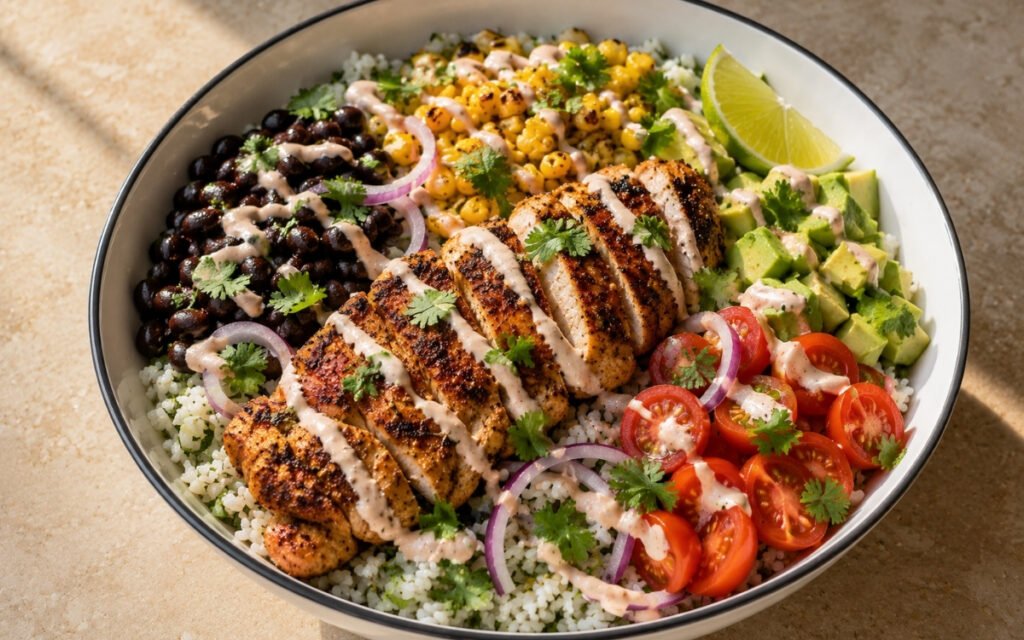
Chili Lime Chicken Rice Bowl
Chili-lime marinated chicken and charred corn over cilantro-lime rice with black beans, avocado, and Greek yogurt crema — vibrant, balanced, 45 minutes.
Chipotle Grilled Chicken Legs
Ingredients
Method
- Combine minced chipotle peppers, adobo sauce, olive oil, lime juice, garlic, cumin, oregano, salt, and black pepper in a bowl and mix into a thick, uniform paste. The marinade should be dense and cling to a spoon — not watery. This consistency ensures it adheres to the chicken and stays in place during cooking instead of dripping off.
- Using a sharp knife, make deep cuts into the chicken legs, slicing down to the bone at regular intervals. This is not cosmetic — it creates channels for the marinade to penetrate beyond the surface. Rub the marinade aggressively over the chicken, pressing it into every cut and working it under the skin where possible. The goal is full coverage, not a light coating.
- Cover and refrigerate for at least 2 hours, ideally longer. During this time, salt and acid begin penetrating the outer layers while the fat-soluble compounds in the chipotle and spices settle into the meat. This step builds depth — without it, the flavor remains superficial.
- Remove the chicken from the refrigerator 30 minutes before grilling. This reduces the temperature gap between the exterior and interior, allowing the chicken to cook more evenly and preventing the outside from burning before the inside is done.
- Preheat the grill to medium-high heat (around 200°C / 400°F) and create two zones — one direct heat area and one cooler indirect zone. This setup gives you control. Direct heat builds char, while indirect heat finishes cooking without burning the marinade.
- Place the chicken on the grill skin-side up over indirect heat and close the lid. Cook undisturbed for about 15 minutes. Starting away from direct heat allows the fat under the skin to begin rendering slowly while the marinade sets instead of burning immediately.
- Move the chicken to direct heat and flip skin-side down. Grill for another 15–20 minutes, turning occasionally to control flare-ups and ensure even charring. The skin should blister, crisp, and darken in spots, but not burn completely. If flames spike from dripping fat, move the chicken back to the cooler zone.
- Cook until the thickest part of the chicken reaches 74°C (165°F). Dark meat is forgiving, but proper temperature ensures safety and optimal texture. The meat should feel tender, not tight, and juices should run clear.
- Transfer the chicken to a plate and rest for 5 minutes. This allows the juices to redistribute and the structure to stabilize. Finish with fresh cilantro and a squeeze of lime just before serving to cut through the richness and spice.