
Juicy Beef Meatballs
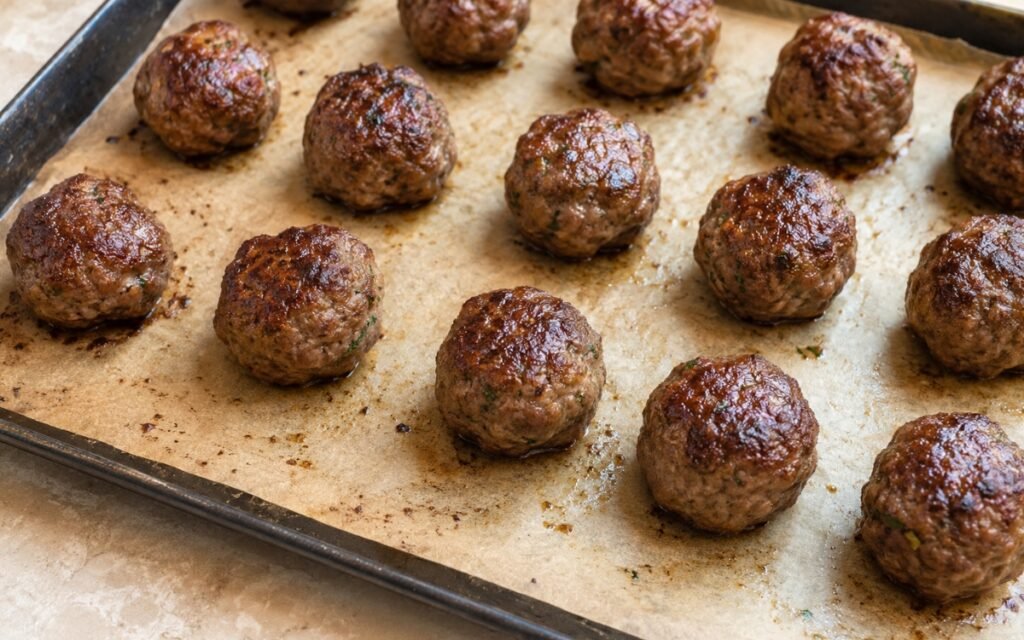
Juicy Beef Meatballs delivers tender, evenly seasoned beef meatballs with a browned exterior and a soft, juicy interior built on one critical technique: the panade. This method prevents dense, dry meatballs and instead creates a structured but tender bite that holds moisture throughout cooking. Versatile, consistent, and repeatable — this is the baseline method that actually works. The panade — a simple mixture of breadcrumbs soaked in milk until fully absorbed and mashed into a soft paste — is the single technical decision this entire recipe is built around. That starch-liquid mixture forms a gel within the meat that actively retains moisture during cooking, doing the work that ground beef alone can’t accomplish on its own, especially through the drier heat of baking. Mixing gently and only until combined, rather than kneading or working the mixture aggressively, protects the meatballs from a second, equally common failure point: overworked proteins bind too tightly and produce a dense, rubbery texture regardless of how good the panade is. Consistent portioning at roughly 40g each ensures every meatball reaches doneness at the same time rather than some finishing before others. The result is a genuinely reliable baseline method — tender, structured, and repeatable every time.
Prep Time : 20 min
Cook Time : 20 min
Servings : 4
20 min
20 min
4
Ingredients
For the Panade
• 60g breadcrumbs
• 60ml whole milk
For the Beef Meatballs
• 3 lbs (700g ground beef (80/20)
• 1 large egg
• 4 garlic cloves, minced
• 40g yellow onion, finely grated
• 30g fresh parsley, finely chopped
• 8g fine sea salt
• 3g freshly ground black pepper
• 2g dried oregano
• 30ml olive oil — this one on Amazon
This post may contain affiliate links. As an Amazon Associate I earn from qualifying purchases, at no additional cost to you.
Directions
- Preheat for Even Cooking
Preheat the oven to 200°C (400°F) and line a baking sheet with parchment paper. High heat is required to develop browning quickly while minimizing the time the meat spends drying out. - Build the Panade
Combine breadcrumbs and milk in a bowl and let sit for 5 minutes until fully absorbed. Mash lightly into a soft paste. This step creates a panade — a starch-liquid mixture that acts as a moisture-retaining system within the meat. The starch absorbs liquid and forms a gel that keeps the meat tender during cooking. - Combine the Base Mixture
Add ground beef, panade, egg, garlic, grated onion, parsley, salt, pepper, and oregano into a bowl. Distribute everything evenly before mixing — this reduces the need for aggressive mixing later. - Mix with Control
Mix gently using your hands just until combined. Do not knead or overwork the mixture. Overmixing causes the proteins to bind too tightly, resulting in dense, rubbery meatballs instead of a tender structure. - Shape with Consistency
Form evenly sized meatballs (around 40g each) using lightly wet hands. Consistent size ensures even cooking across all pieces. Avoid compressing too tightly — the mixture should hold together but remain slightly soft. - Prepare for Baking
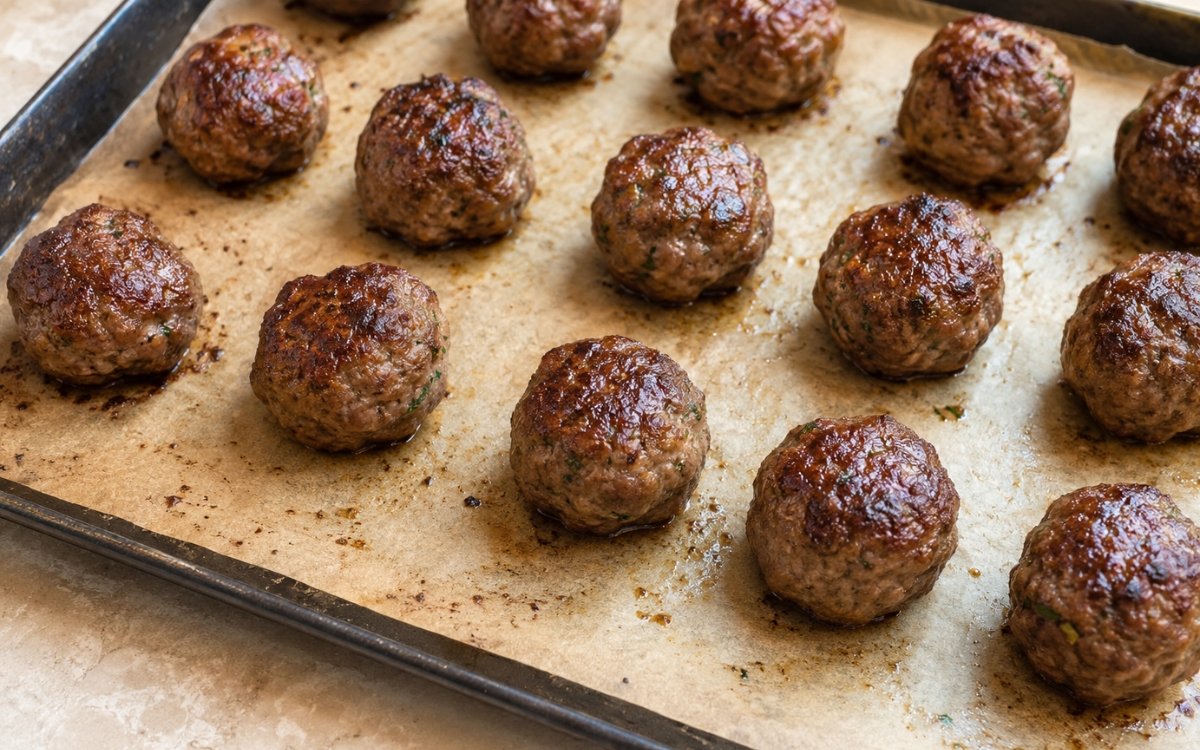
Place the meatballs on the lined tray with space between each piece. Drizzle lightly with olive oil. This promotes surface browning and prevents dryness during oven cooking. - Bake and Develop Structure
Bake for 18–20 minutes until browned and cooked through to 74°C (165°F). During cooking, the exterior browns while the interior sets gently. The panade prevents excessive shrinkage and moisture loss, keeping the texture soft instead of tight. - Optional Broil for Crust
For a more pronounced crust, switch to broil for the final 2 minutes. This step adds additional Maillard browning, enhancing both texture and flavor without overcooking the interior. - Rest Before Serving
Allow the meatballs to rest for 3 minutes before serving. This stabilizes internal juices and prevents moisture loss when cut or bitten into.
*Notes :
- The panade is genuinely the foundation this whole recipe depends on. Breadcrumbs soaked fully in milk and mashed into a paste form a starch-based gel once mixed into the meat, and that gel structure is specifically what allows the meatballs to retain moisture through baking’s relatively dry heat — ground beef without a panade loses considerably more moisture and shrinks more aggressively during the same cooking time.
- Mixing gently rather than kneading protects the meat’s protein structure from overworking. Ground beef’s proteins bind together more the more they’re handled, and while some binding is necessary to hold the meatballs together, too much produces the dense, rubbery texture that a panade alone cannot fully counteract if the mixing itself goes too far.
- Consistent 40g portioning is a small detail with a real effect. Meatballs of noticeably different sizes on the same tray finish cooking at different times, meaning some risk overcooking while waiting for larger ones to reach a safe internal temperature.
Why This Recipe Works
This recipe works because the panade actively retains moisture within the meat during baking’s drier heat, addressing the single biggest cause of dense, dry meatballs. Gentle mixing protects the meat’s protein structure from overworking.
Consistent portioning ensures even cooking across the whole batch. And a brief rest at the end stabilizes the internal juices before serving.
Ingredient Breakdown
Breadcrumb-and-Milk Panade
The defining technique — a starch-liquid gel that retains moisture within the meat throughout baking.
80/20 Ground Beef
The foundation — enough fat for flavor and juiciness, balanced by the panade’s additional moisture retention.
Gentle Mixing
The texture-protection method — avoiding the overworked proteins that produce dense, rubbery meatballs.
Consistent 40g Portioning
The even-cooking technique — ensuring all meatballs reach doneness together.
Flavor Structure Explained
This Juicy Beef Meatballs follows a layered balance model:
- Savory beef core (ground beef)
- Moist tender structure (panade)
- Aromatic seasoning base (garlic, onion, oregano)
- Fresh herbal lift (parsley)
- Browned exterior finish (high-heat baking and broiling)
The beef defines the foundation with a simple, savory character supported by classic aromatics and herbs. Garlic, onion, oregano, parsley, salt, and pepper season the meat clearly without overwhelming its natural richness. The panade is the key structural element, holding moisture inside the mixture and creating a tender, soft interior rather than a dense or dry texture. High oven heat develops a browned exterior that adds savory depth and light textural contrast. An optional final broil intensifies that surface browning, giving the meatballs a more pronounced roasted finish. The result is a meatball built around tenderness, moisture, and clean savory flavor, where the panade protects the interior while the exterior develops just enough browned complexity.
Common Mistakes to Avoid
- Skipping the Panade – Produces meatballs that dry out and shrink more aggressively during baking. Always let the breadcrumbs fully absorb the milk first.
- Overmixing the Meat Mixture – Produces dense, rubbery meatballs. Always mix gently and only until combined.
- Forming Meatballs of Inconsistent Size – Causes uneven cooking across the batch. Always portion consistently at around 40g each.
- Compressing the Meatballs Too Tightly – Works against the panade’s tenderizing effect. Always shape gently, keeping the mixture slightly soft.
- Skipping the Rest Before Serving – Loses moisture immediately upon cutting. Always rest for at least 3 minutes.
Variations
As Patties
For a related ground beef technique in a different shape, see the Easy Ground Beef Patties.
As Kofta Skewers
For a spiced, skewered ground meat preparation, see the Simple Beef Kofta Skewers.
With Parmesan
Add finely grated Parmesan to the meat mixture for additional savory depth.
With Marinara
Simmer the finished meatballs briefly in warmed marinara sauce for an Italian-American classic presentation.
Storage & Make-Ahead
Raw, formed meatballs can be refrigerated, covered, for up to 1 day. They can also be frozen on a tray, then transferred to a bag and stored for up to 2 months.
Cooked meatballs can be refrigerated for up to 3 days. Reheat them gently to avoid drying them out.
Frequently Asked Questions
Why is the panade so essential to this recipe?
The panade — breadcrumbs fully soaked in milk and mashed into a paste — forms a starch-based gel once mixed into the ground beef, and that gel structure is specifically what retains moisture during baking’s relatively dry heat. Without it, ground beef loses considerably more moisture and shrinks more noticeably over the same cooking time, producing a denser, drier result.
Why does overmixing ruin the texture even with a proper panade?
Ground beef’s proteins bind together more tightly the more they’re handled, regardless of whether a panade is present. While some binding is necessary to hold the meatballs together, overworking the mixture pushes that binding too far, producing a dense, rubbery texture that the panade’s moisture retention cannot fully offset.
Why does consistent meatball size matter so much?
Meatballs of different sizes on the same tray reach their target internal temperature at different times. Smaller meatballs finish first and risk drying out while larger ones catch up, while portioning consistently at around 40g each ensures the entire batch reaches doneness together.
What should I serve alongside these meatballs?
Classic Mashed Potatoes or Garlic Butter Roasted Potatoes both pair naturally with these tender, savory meatballs. For related ground beef preparations, try the Easy Ground Beef Patties or Simple Beef Kofta Skewers.
Nutrition Facts
( per serving )
Calories
~390 kcal
Protein
27 g
Fat
28 g
Carbs
7 g
Calories
~390 kcal
Protein
27 g
Fat
28 g
Carbs
7 g
Related Recipes
Related Recipes

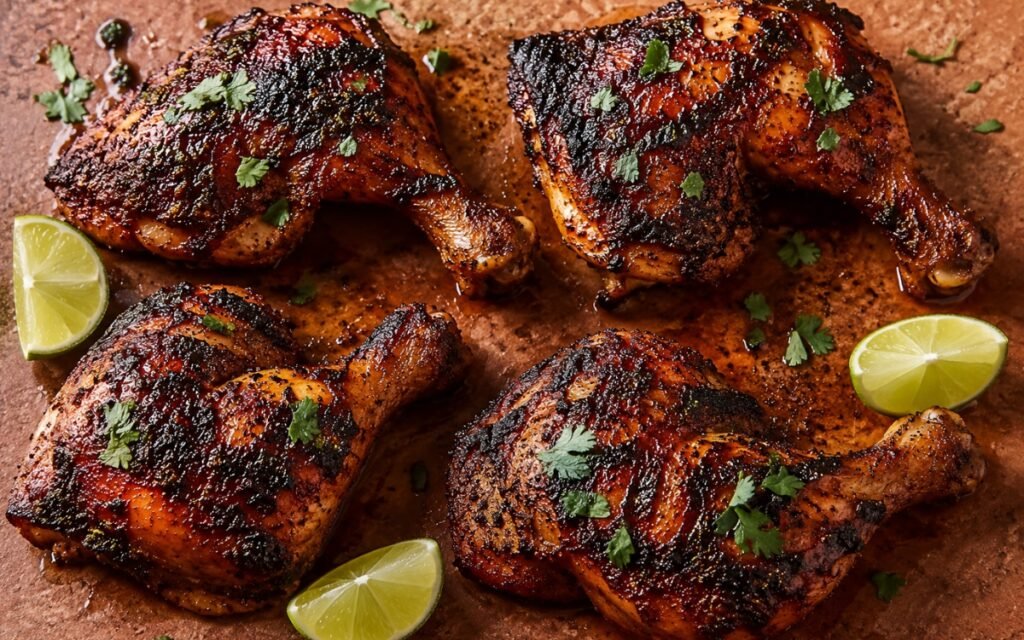
Chipotle Grilled Chicken Legs
Chicken leg quarters deeply scored and marinated in thick chipotle adobo paste — grilled two-zone style, rested, finished with cilantro and lime. Smoky and deeply charred.
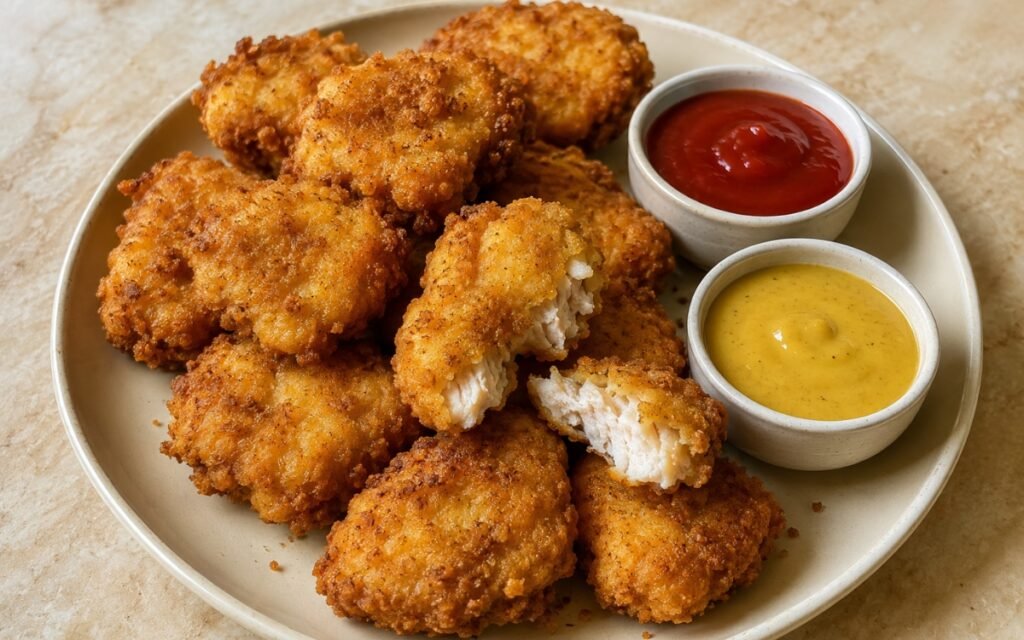
Homemade Chicken Nuggets
A juicy chicken-and-pork blend shaped into hand-formed nuggets, coated in a craggy panko-breadcrumb crust, and fried until deeply golden.
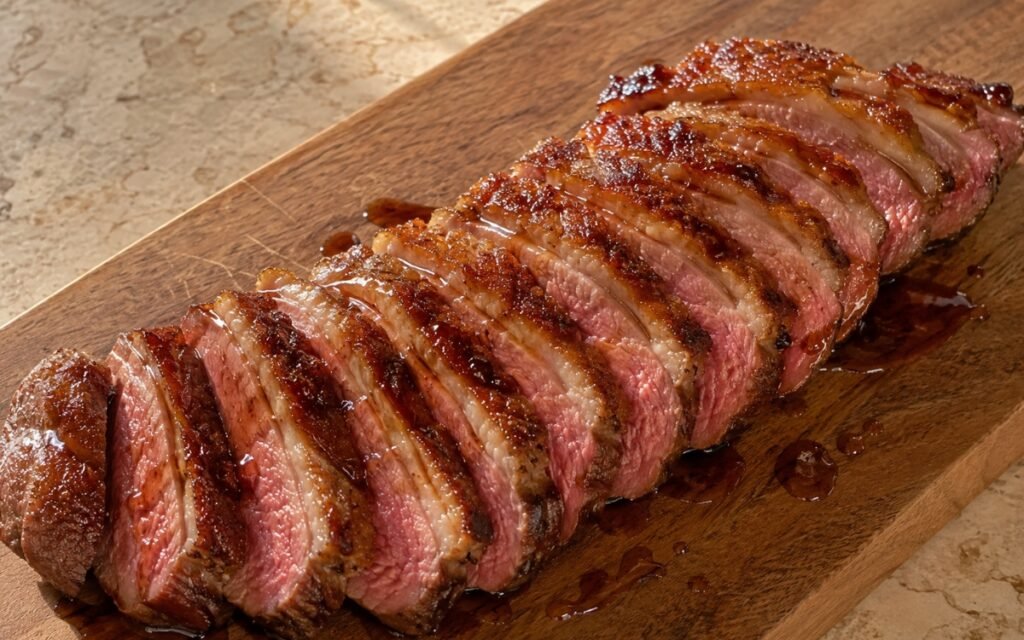
Pan-Seared Duck Breast
Duck breast scored crosshatch, slow-rendered skin-side down in a cold pan, crisped, seared briefly. Finished with honey-balsamic sauce. Crisp and tender.
You might also like
You might also like
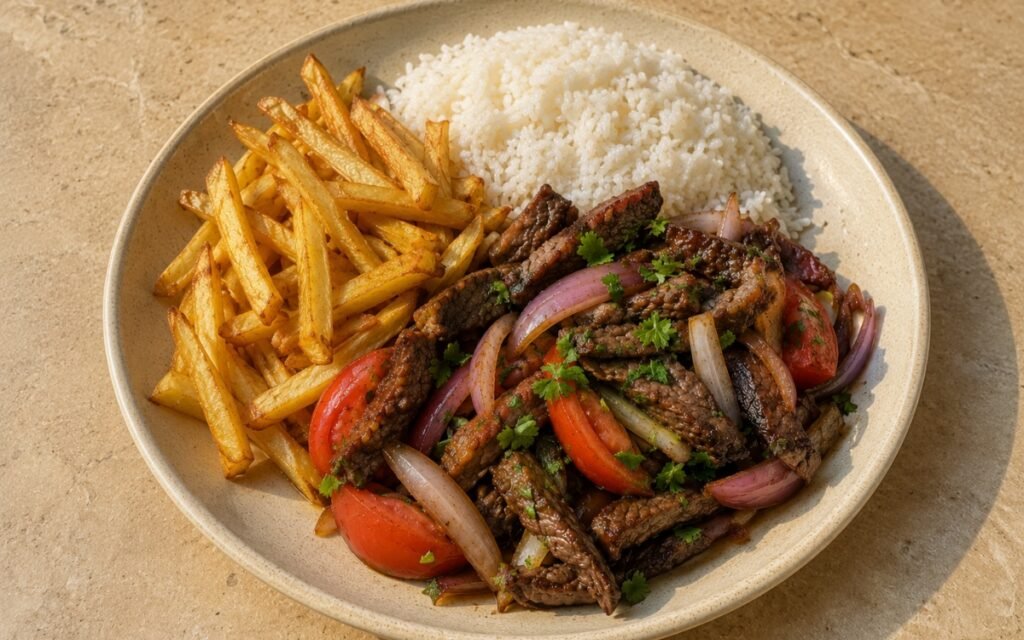
Peruvian Lomo Saltado
Deeply seared beef strips tossed fast with feathered shallots, tomato wedges, and a glossy soy-vinegar sauce, served with double-fried fries and rice.
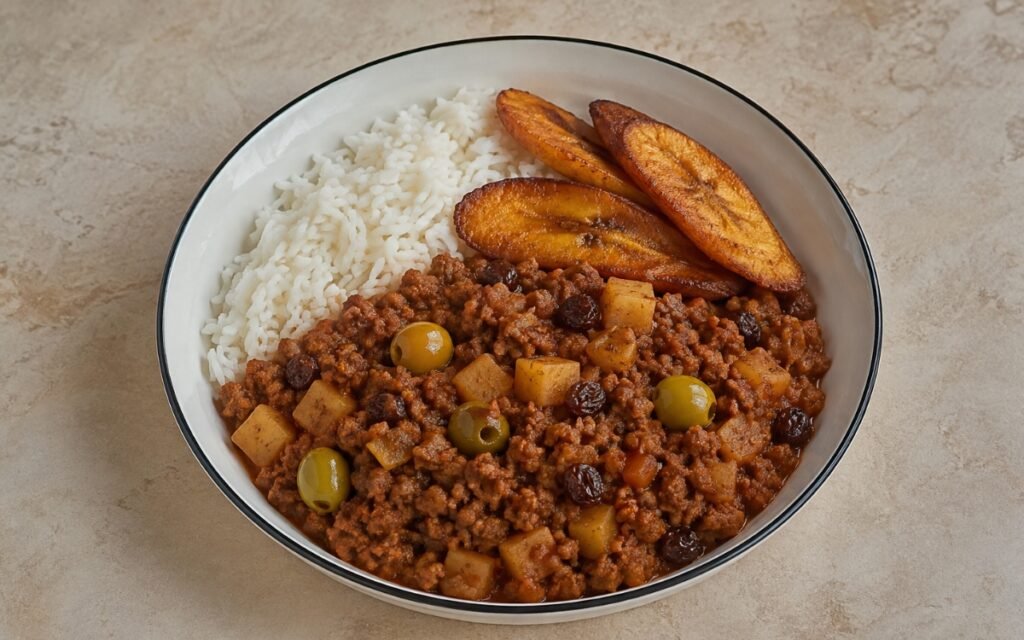
Cuban Picadillo
Seasoned ground beef simmered in a savory tomato sauce with green olives, raisins, and tender diced potatoes.
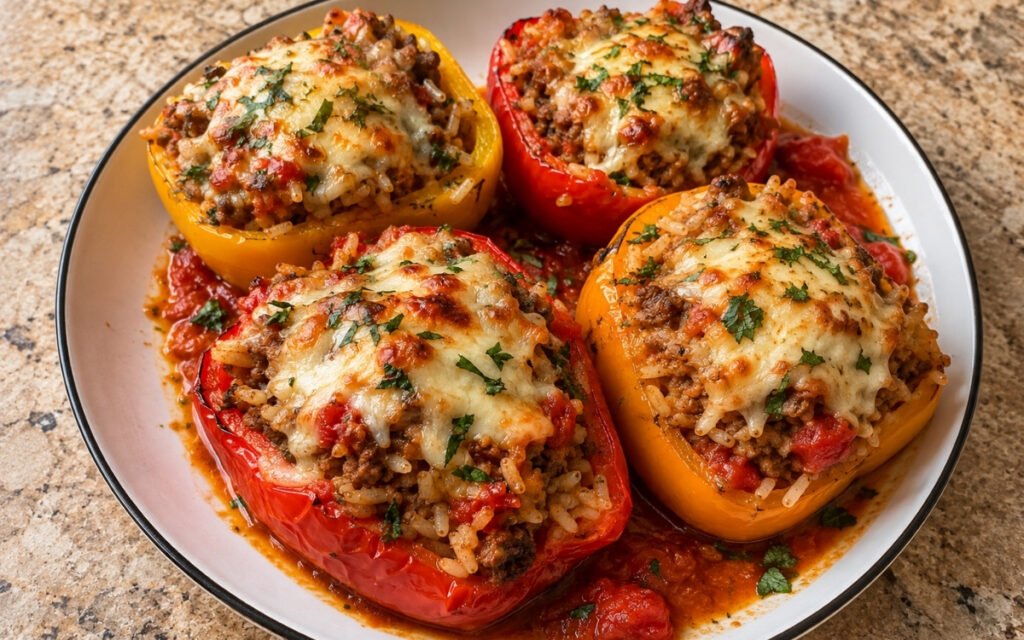
Italian Stuffed Peppers
Halved bell peppers filled with beef, pork, rice, onion, garlic, tomato sauce, herbs and cheese, baked over tomato sauce until tender.
Juicy Beef Meatballs
Ingredients
Method
- Preheat the oven to 200°C (400°F) and line a baking sheet with parchment paper. High heat is required to develop browning quickly while minimizing the time the meat spends drying out.
- Combine breadcrumbs and milk in a bowl and let sit for 5 minutes until fully absorbed. Mash lightly into a soft paste. This step creates a panade — a starch-liquid mixture that acts as a moisture-retaining system within the meat. The starch absorbs liquid and forms a gel that keeps the meat tender during cooking.
- Add ground beef, panade, egg, garlic, grated onion, parsley, salt, pepper, and oregano into a bowl. Distribute everything evenly before mixing — this reduces the need for aggressive mixing later.
- Mix gently using your hands just until combined. Do not knead or overwork the mixture. Overmixing causes the proteins to bind too tightly, resulting in dense, rubbery meatballs instead of a tender structure.
- Form evenly sized meatballs (around 40g each) using lightly wet hands. Consistent size ensures even cooking across all pieces. Avoid compressing too tightly — the mixture should hold together but remain slightly soft.
- Place the meatballs on the lined tray with space between each piece. Drizzle lightly with olive oil. This promotes surface browning and prevents dryness during oven cooking.
- Bake for 18–20 minutes until browned and cooked through to 74°C (165°F). During cooking, the exterior browns while the interior sets gently. The panade prevents excessive shrinkage and moisture loss, keeping the texture soft instead of tight.
- For a more pronounced crust, switch to broil for the final 2 minutes. This step adds additional Maillard browning, enhancing both texture and flavor without overcooking the interior.
- Allow the meatballs to rest for 3 minutes before serving. This stabilizes internal juices and prevents moisture loss when cut or bitten into.