
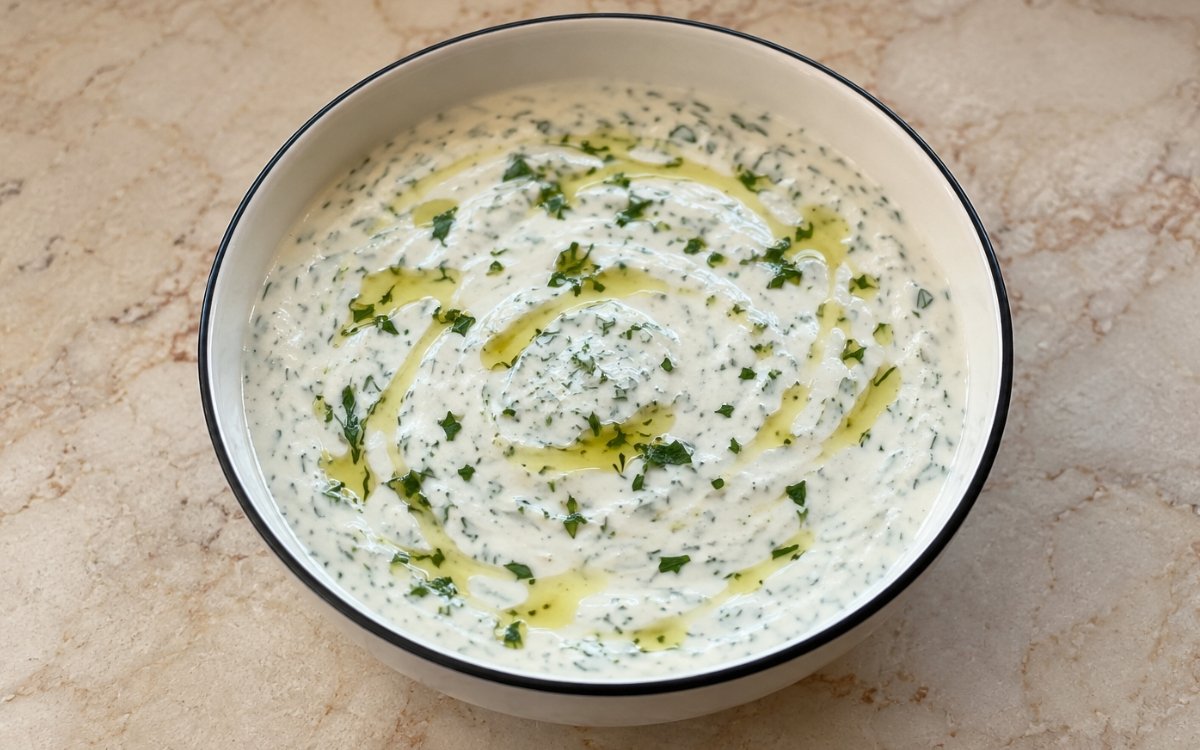
Creamy Lemon Herb Yogurt Sauce
Bright, tangy, and loaded with fresh herbs, this Greek yogurt-based sauce comes together in just 10 minutes with no cooking required. The perfect healthy alternative to heavy cream sauces, it adds instant freshness to grilled meats, roasted vegetables, grain bowls, and Mediterranean-style dishes.
Prep Time : 10 min
Cook Time : 0 min
Servings : 4
10 min
0 min
4
Ingredients
Yogurt Base
• 170g Greek yogurt, full-fat or 2%
• 30ml fresh lemon juice
• 5g lemon zest
Fresh Herbs
• 10g fresh dill, finely chopped
• 8g fresh parsley, finely chopped
• 5g fresh chives, finely chopped
• 8g garlic, minced (about 2 cloves)
Finishing
• 15ml extra-virgin olive oil — this one on Amazon
• Salt to taste
• Freshly ground black pepper to taste
This post may contain affiliate links. As an Amazon Associate I earn from qualifying purchases, at no additional cost to you.
Directions
- Prepare the Herb Base
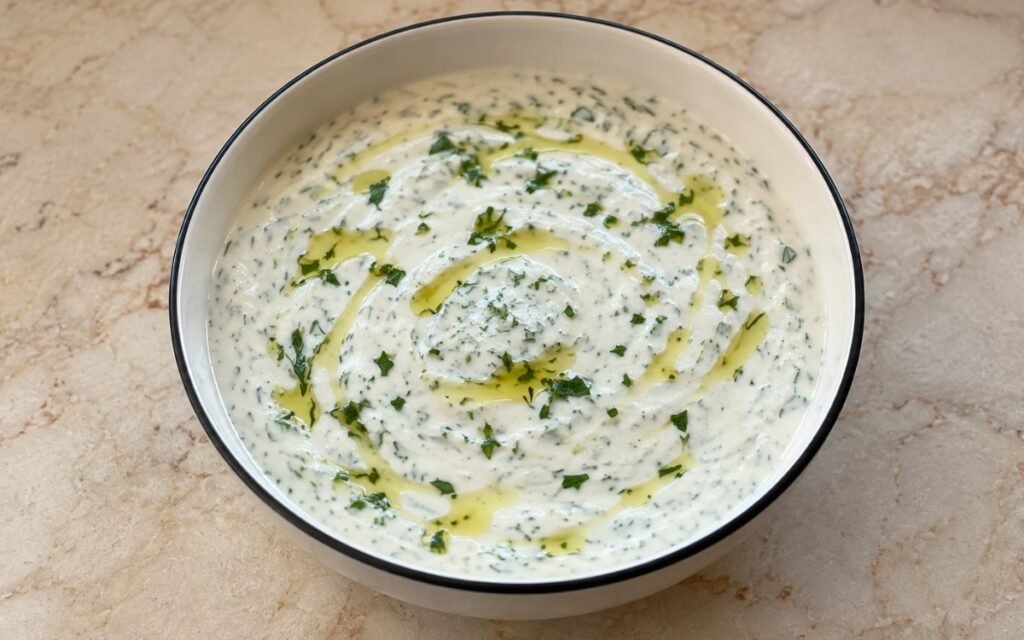
In a medium bowl, combine the Greek yogurt, fresh lemon juice, and lemon zest. Whisk vigorously for about 30 seconds until the mixture becomes completely smooth and uniform. The lemon juice will thin the yogurt slightly, transforming its thick, spoonable consistency into a pourable, saucy texture. As you whisk, the lemon zest will begin releasing its aromatic oils into the base, adding a layer of citrus fragrance that juice alone cannot provide. The finished base should look glossy and pale, with no streaks of unmixed yogurt remaining. - Add Fresh Herbs and Aromatics
Add the finely chopped dill, chopped parsley, chopped chives, and minced garlic to the yogurt base. Using a flexible spatula or large spoon, fold the herbs gently into the sauce rather than whisking aggressively. This folding motion distributes the herbs evenly without bruising them or causing them to release excess moisture into the sauce. The garlic should be minced as finely as possible — ideally to a paste-like consistency using the flat side of a knife with a pinch of salt — so it disperses smoothly through the sauce without creating harsh, concentrated bites. Once the herbs are incorporated, the sauce should appear bright green-flecked and aromatic. - Finish with Olive Oil and Season
Drizzle the extra-virgin olive oil into the herb yogurt sauce in a thin, steady stream while stirring continuously. The oil will emulsify partially into the sauce, adding a silky richness and smooth mouthfeel that rounds out the tangy yogurt base. Season generously with salt and freshly ground black pepper, tasting as you go. Because yogurt varies in saltiness between brands, add salt incrementally rather than all at once. The finished sauce should taste bright and tangy first, followed by the herbal freshness of dill and parsley, with the olive oil providing a smooth, rounded finish. Allow the sauce to rest for at least 5 minutes before serving — this short resting period allows the garlic and herbs to fully infuse into the yogurt base and the flavors to meld into a cohesive, balanced sauce.
*Notes :
- The choice of yogurt significantly affects the final texture of this sauce. Full-fat Greek yogurt produces the richest, creamiest result with the most balanced flavor, while 2% produces a slightly lighter but still excellent sauce. Regular (non-strained) yogurt contains too much liquid and will produce a thin, watery sauce that lacks body. Always use strained Greek yogurt for the correct consistency.
- Fresh herbs are essential here and cannot be substituted with dried versions. Dried dill, parsley, and chives lack the aromatic oils and bright flavor that define this sauce. If any single herb is unavailable, simply increase the amount of the others rather than using a dried substitute. The herbs should be chopped finely enough to distribute evenly but not so finely that they lose their visual presence — visible green flecks are part of the appeal.
- Lemon zest provides a depth of citrus character that lemon juice alone cannot achieve. The zest contains concentrated aromatic oils from the lemon’s outer skin that add floral, slightly bitter citrus complexity alongside the clean acidity of the juice. Always zest the lemon before juicing it, and use a fine Microplane grater to avoid including any of the bitter white pith beneath the skin.
- Allowing the sauce to rest before serving is not optional — it is the step that transforms a good sauce into an excellent one. During the resting period, the garlic softens slightly in the acid environment of the lemon juice, the fresh herb oils infuse the yogurt base, and the olive oil settles into the sauce. Even five minutes of resting makes a perceptible difference in the depth and cohesiveness of the final flavor.
Why This Recipe Works
This yogurt sauce works because it layers complementary flavors from a small number of carefully chosen ingredients. Greek yogurt provides tangy creaminess without heaviness, making it a far more versatile base than cream or mayonnaise for bright, herb-forward sauces. The combination of lemon juice and zest delivers both acidity and aromatic citrus complexity simultaneously.
Fresh herbs — dill, parsley, and chives — each contribute a distinct aromatic note that together create a balanced, multi-dimensional herbal flavor rather than a one-note green taste. Dill provides feathery, slightly anise-like freshness; parsley adds clean, grassy brightness; chives bring a subtle allium warmth without the sharpness of raw onion. Olive oil softens and unifies these elements, adding richness that prevents the sauce from tasting too sharp or austere.
Ingredient Breakdown
Greek Yogurt
Forms the creamy, tangy base of the sauce. Full-fat strained yogurt provides the best texture and the most balanced flavor, with enough body to cling to food rather than running off.
Fresh Lemon Juice
Provides bright, clean acidity that cuts through the richness of the yogurt and keeps the sauce light and refreshing. The acid also slightly tenderizes minced garlic, softening its raw sharpness.
Lemon Zest
Adds aromatic citrus oils that bring floral, complex lemon character beyond simple acidity. The zest makes the lemon flavor feel three-dimensional rather than one-note.
Fresh Dill
The dominant herb in this sauce, providing a delicate anise-like freshness that is the signature flavor of yogurt-based Mediterranean sauces.
Fresh Parsley
Adds clean, bright green flavor and visual appeal. Its mild bitterness balances the tanginess of the lemon and yogurt.
Fresh Chives
Contribute a gentle onion flavor without the sharpness of raw onion or scallions, adding aromatic depth that connects the herbal and dairy elements.
Garlic
Provides savory backbone that grounds the sauce and prevents it from tasting too sweet or flat. Finely minced garlic disperses evenly without creating harsh individual bites.
Extra-Virgin Olive Oil
Adds richness, a smooth mouthfeel, and a subtle fruity flavor that rounds out the acidity of the lemon and softens the herbal intensity.
Flavor Structure Explained
This lemon herb yogurt sauce follows a layered balance model:
- Creamy base (Greek yogurt)
- Bright acidity (lemon juice)
- Aromatic citrus lift (lemon zest)
- Herbal identity (dill, parsley, chives)
- Savory backbone (garlic)
- Fat-driven cohesion (olive oil)
Greek yogurt establishes the structural body, carrying and softening sharper elements. Lemon juice cuts through the richness, while zest shapes the aromatic top note before tasting. Fresh herbs — led by dill — define the dominant character, with secondary greens adding depth rather than distraction. Garlic anchors the profile with subtle savory weight, preventing the sauce from feeling flat. Olive oil rounds the edges and integrates all components into a cohesive, balanced finish.
Common Mistakes to Avoid
- Using Regular Yogurt Instead of Greek – Regular yogurt contains too much liquid and will produce a watery, thin sauce that lacks the body needed to coat food properly. Always use strained Greek yogurt.
- Using Dried Herbs – Dried herbs lack the aromatic oils needed for this sauce’s bright, fresh character. There is no substitute for fresh dill, parsley, and chives in this recipe.
- Skipping the Resting Period – Serving the sauce immediately after mixing means the garlic will taste sharp and raw, the herbs will not have infused fully, and the olive oil will not have settled into the base. Rest for at least 5 minutes.
- Over-seasoning with Salt Before Tasting – Yogurt brands vary in saltiness, and lemon juice and garlic both contribute perceived saltiness. Always taste the sauce before adding salt and adjust gradually.
Variations
Tzatziki Style
Replace dill with additional parsley and add 50g finely grated and squeezed cucumber for a classic Greek tzatziki sauce.
Mint Version
Replace dill with fresh mint for a cooling, refreshing sauce especially well-suited to lamb and grilled vegetables.
Spicy Yogurt Sauce
Add half a teaspoon of Aleppo pepper or a small pinch of cayenne pepper for gentle heat.
Avocado Herb Yogurt Sauce
Blend half a ripe avocado into the yogurt base for extra richness and a pale green color.
Storage & Make-Ahead
Store the yogurt sauce in an airtight container in the refrigerator for up to 5 days. Natural separation may occur as the herbs release moisture — simply stir well before using to restore the sauce to its original consistency. The flavor will actually improve slightly after the first 24 hours as the herbs and garlic continue to infuse.
This fresh herb sauce is an excellent candidate for meal prep. Making it a day ahead allows the flavors to develop fully and saves preparation time at serving. Do not freeze, as the yogurt will separate and the herbs will lose their vibrant color and fresh flavor upon thawing.
Frequently Asked Questions
Can I use low-fat Greek yogurt?
Yes, 2% Greek yogurt produces a slightly lighter but still good sauce. Avoid fat-free yogurt, which lacks sufficient richness and may taste overly sour.
Can I make this yogurt sauce without garlic?
Yes. Simply omit the garlic for a milder, more herb-forward sauce. You can also substitute a small amount of garlic powder if raw garlic is too strong for your preference.
What can I serve this yogurt sauce with?
This sauce pairs beautifully with grilled chicken, lamb kebabs, roasted cauliflower, falafel, grilled fish, roasted beets, grain bowls, and as a spread for wraps and sandwiches.
How do I make the sauce thinner for drizzling?
Add cold water or additional lemon juice one tablespoon at a time, stirring after each addition, until the desired pourable consistency is reached.
Nutrition Facts
( per serving )
Calories
~78 kcal
Protein
5 g
Fat
5 g
Carbs
~4 g
Calories
~78 kcal
Protein
5 g
Fat
5 g
Carbs
~4 g
Related Recipes
Related Recipes

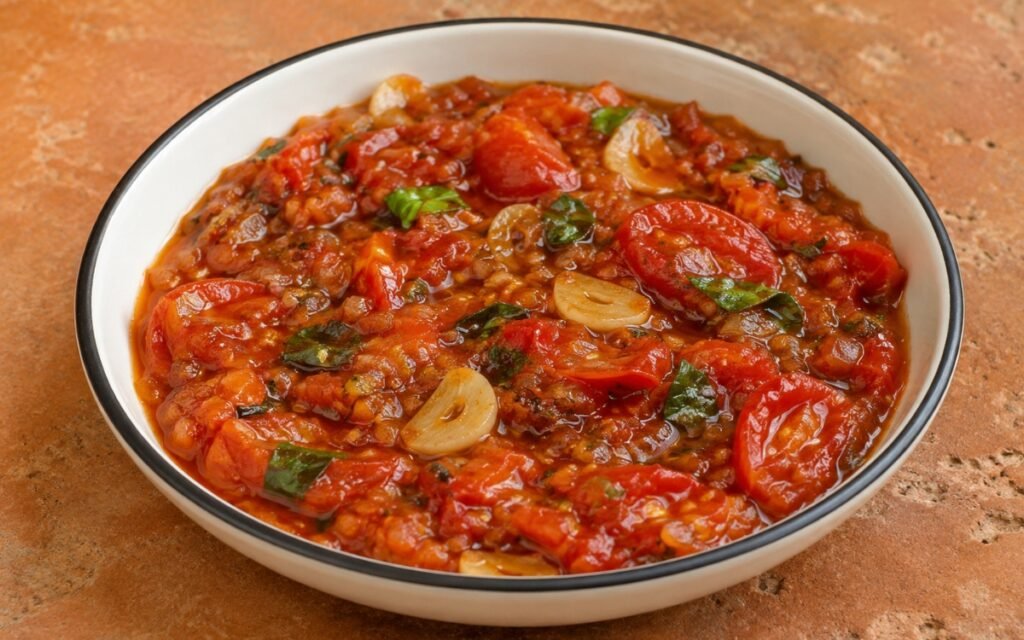
Quick Warm Tomato Garlic Sauce
Fresh cherry tomatoes simmer with garlic and basil. Versatile warm sauce ready in just 15 minutes.
Sun-Dried Tomato & Basil Hummus
Oil-packed sun-dried tomatoes and fresh basil blended into the classic chickpea-tahini base — deep red-orange, sweet-acidic, and unmistakably Mediterranean Italian.
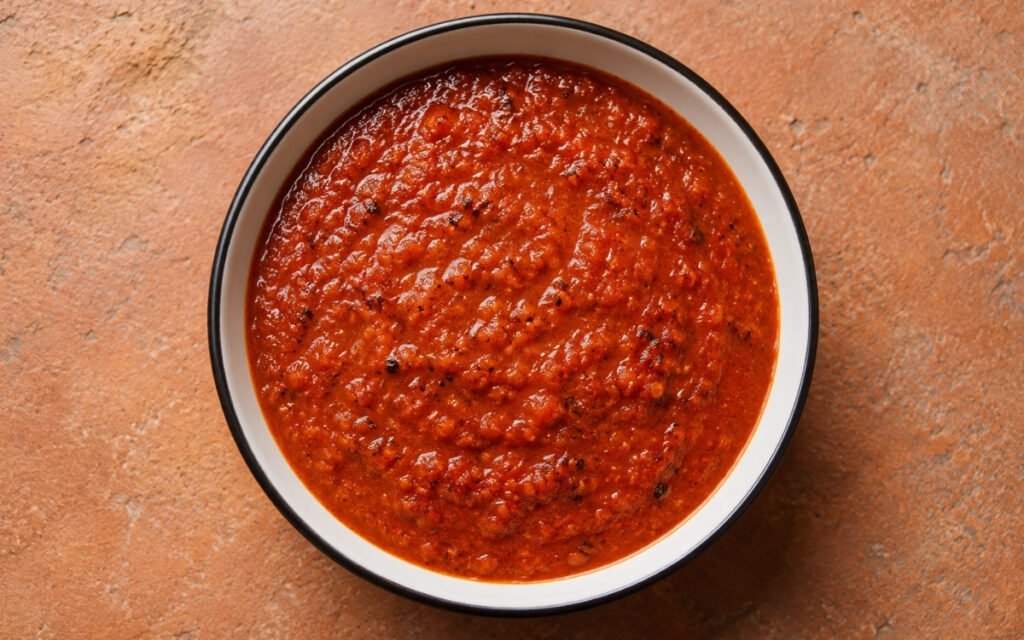
Salsa Roja
Broiled Roma tomatoes and caramelised onion blended with raw jalapeño and fresh cilantro — the classic Mexican red salsa, rich and bright, ready in 20 minutes.

You might also like
You might also like
Honey Lemonade
Fresh lemon juice and honey-infused lemon zest combined with cold water for a simple, golden lemonade.
Grilled Halloumi Burger with Roasted Peppers
Golden grilled halloumi in a toasted brioche bun with caramelized peppers, peppery rocket, and creamy harissa-lime mayo.
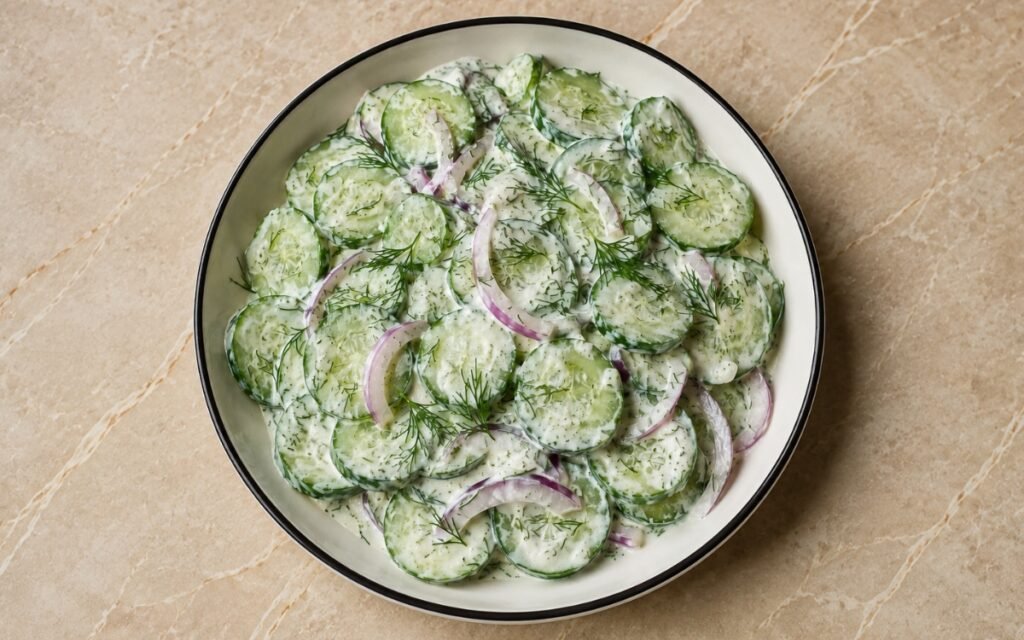
The Best Creamy Cucumber Salad
Crisp cucumbers tossed in tangy sour cream dressing with fresh dill, red onion, and garlic.


Creamy Lemon Herb Yogurt Sauce
Ingredients
Method
- In a medium bowl, combine the Greek yogurt, fresh lemon juice, and lemon zest. Whisk vigorously for about 30 seconds until the mixture becomes completely smooth and uniform. The lemon juice will thin the yogurt slightly, transforming its thick, spoonable consistency into a pourable, saucy texture. As you whisk, the lemon zest will begin releasing its aromatic oils into the base, adding a layer of citrus fragrance that juice alone cannot provide. The finished base should look glossy and pale, with no streaks of unmixed yogurt remaining.
- Add the finely chopped dill, chopped parsley, chopped chives, and minced garlic to the yogurt base. Using a flexible spatula or large spoon, fold the herbs gently into the sauce rather than whisking aggressively. This folding motion distributes the herbs evenly without bruising them or causing them to release excess moisture into the sauce. The garlic should be minced as finely as possible — ideally to a paste-like consistency using the flat side of a knife with a pinch of salt — so it disperses smoothly through the sauce without creating harsh, concentrated bites. Once the herbs are incorporated, the sauce should appear bright green-flecked and aromatic.
- Drizzle the extra-virgin olive oil into the herb yogurt in a thin, steady stream while stirring continuously. The oil will emulsify partially into the sauce, adding a silky richness and smooth mouthfeel that rounds out the tangy yogurt base. Season generously with salt and freshly ground black pepper, tasting as you go. Because yogurt varies in saltiness between brands, add salt incrementally rather than all at once. The finished sauce should taste bright and tangy first, followed by the herbal freshness of dill and parsley, with the olive oil providing a smooth, rounded finish. Allow the sauce to rest for at least 5 minutes before serving — this short resting period allows the garlic and herbs to fully infuse into the yogurt base and the flavors to meld into a cohesive, balanced sauce.