
Easy Ground Beef Patties
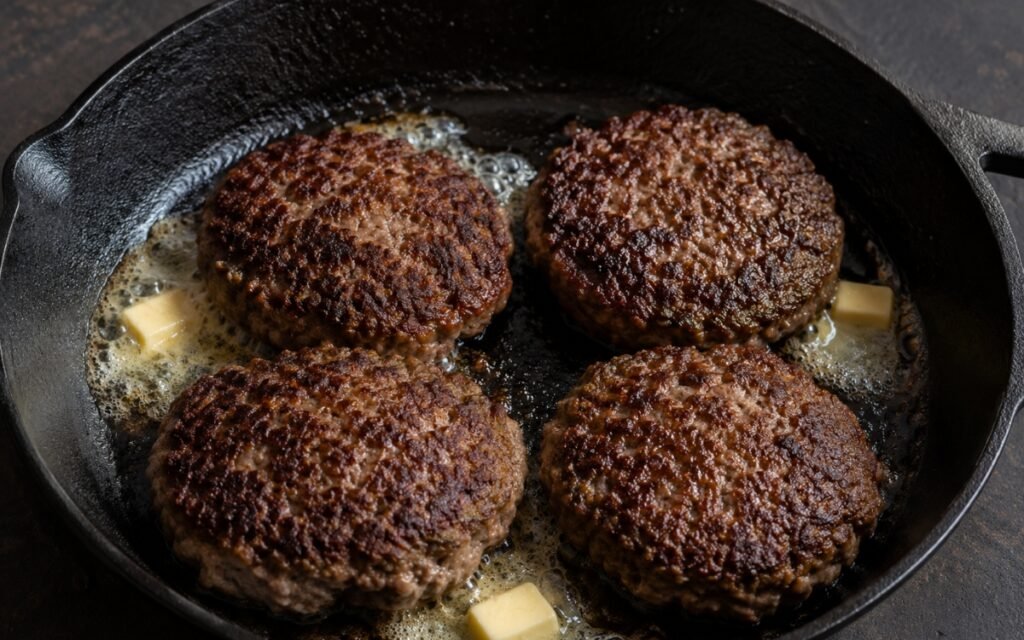
Easy Ground Beef Patties is built on the understanding that “cook meat in a pan” is a genuine technical discipline, not just an instruction — controlled browning, moisture retention, and structural integrity all work together here to produce consistent, restaurant-level results from a genuinely simple ingredient list. An 80/20 fat ratio is specifically the foundation this recipe depends on: enough fat to keep the patties juicy through a hard sear and a full finish, without so much that the patties shrink dramatically or flare excessively in the pan. Minimal handling during portioning preserves the meat’s natural protein structure, since overworking ground beef compresses it into something dense and tough rather than tender. The central indentation counters doming, a genuine structural problem caused by proteins contracting inward as they cook, which would otherwise leave the patty uneven in thickness and inconsistent in doneness. Salt goes on just before cooking rather than in advance, since salt draws moisture to the surface, and that surface wetness directly interferes with the browning this recipe depends on. The result is a deeply caramelised crust and a tender, juicy interior — controlled technique producing a genuinely elevated version of a familiar dish.
Prep Time : 10 min
Cook Time : 10 min
Servings : 4
10 min
10 min
4
Ingredients
For the Patties
• 700g ground beef (80/20 blend)
For the Seasoning Blend
• 10g fine sea salt
• 4g freshly ground black pepper
• 4g garlic powder
• 3g onion powder
For Cooking
• 20ml avocado oil — this one on Amazon
• 30g unsalted butter — this one on Amazon
This post may contain affiliate links. As an Amazon Associate I earn from qualifying purchases, at no additional cost to you.
Directions
- Portion Without Overworking
Divide the beef into 4 equal portions (175g each) and gently form into patties about 2cm thick. Handle the meat as little as possible — excessive handling compresses the protein structure, resulting in dense, tough patties instead of tender ones. The goal is cohesion, not compaction. - Create the Indentation
Press a shallow indentation into the center of each patty. This prevents doming during cooking, which happens as proteins contract and push inward. Without this step, the patty thickens unevenly and cooks inconsistently. - Season at the Right Time
Combine salt, pepper, garlic powder, and onion powder, then season the patties just before cooking. Salt draws out moisture — seasoning too early can lead to surface wetness, which interferes with browning and reduces crust formation. - Preheat Aggressively
Heat a cast iron skillet over high heat until it begins to smoke. Add oil and swirl to coat. The pan must be extremely hot — browning requires temperatures well above 150°C, where the Maillard reaction begins to develop flavor. - Sear Without Interference
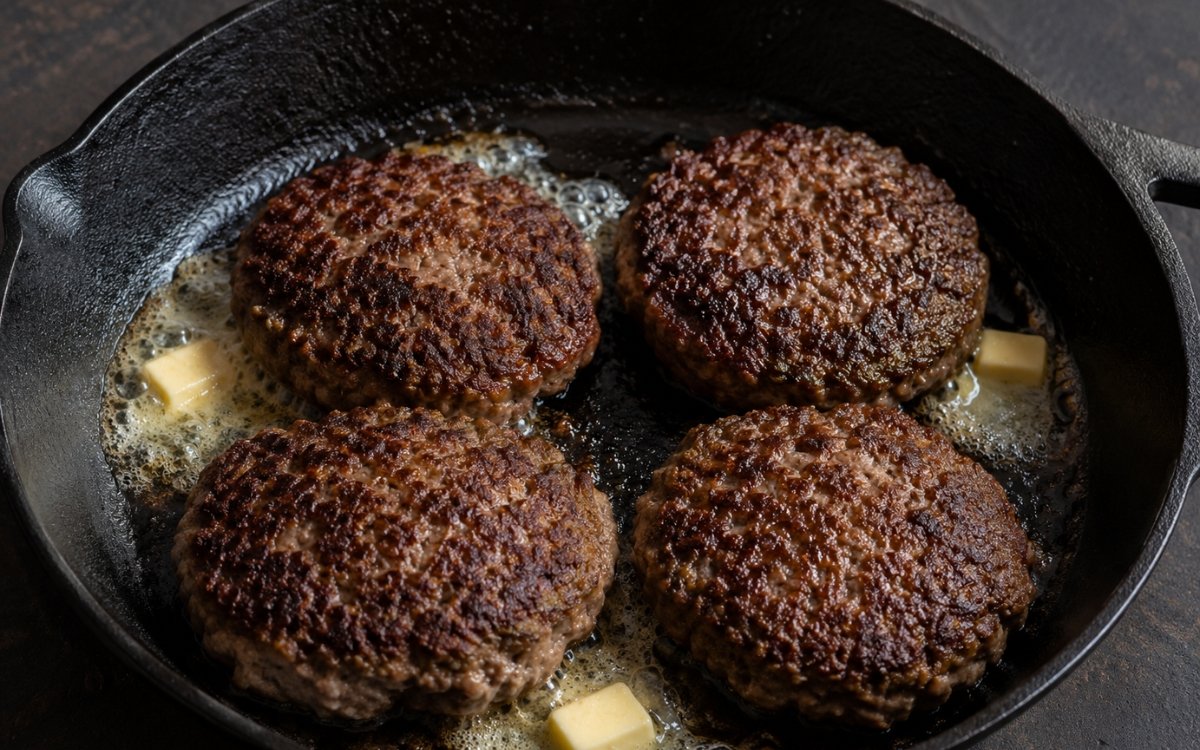
Place patties in the pan and leave them undisturbed for 4 minutes. Do not press them. Pressing forces out fat and moisture, destroying juiciness and reducing crust quality. A proper crust forms only when the meat maintains uninterrupted contact with a hot surface. - Flip and Transition to Fat Basting
Flip the patties once a deep brown crust has formed. Add butter immediately and allow it to melt around the meat. Begin spooning the butter over the patties continuously — this enhances surface flavor while finishing the interior more gently. - Control the Finish
Cook for another 3–4 minutes depending on thickness and desired doneness. For food safety, ground beef should reach 71°C (160°F), as bacteria are distributed throughout the meat rather than just on the surface. - Rest Before Serving
Remove the patties and rest for 3 minutes. During cooking, proteins contract and push moisture toward the center. Resting allows redistribution, preventing juices from spilling out when cut.
*Notes :
- The 80/20 fat ratio is specifically calibrated for pan-searing rather than grilling — enough rendered fat bastes the patty from within during cooking, while the ratio still holds together well under high heat without excessive shrinkage.
- The indentation technique addresses a real structural issue rather than a cosmetic one. As the patty’s proteins heat and contract, they pull inward from the edges, and without a starting indentation, that contraction produces a dome that cooks unevenly — thicker at the centre, thinner at the edges.
- Basting with butter during the second half of cooking serves two distinct purposes simultaneously: it adds surface richness and flavour from the browned milk solids, and it finishes the interior more gently than continued direct pan contact would, helping avoid overcooking the centre while the exterior develops further colour.
Why This Recipe Works
This recipe works because every step addresses a specific, identifiable technical problem. Minimal handling preserves tenderness. The indentation counters doming. Late seasoning preserves the dry surface that browning depends on.
An aggressively hot pan and an undisturbed sear build genuine crust. Butter basting finishes the interior gently while adding flavour. And the rest allows moisture to redistribute rather than spill out. The result is consistent, technically sound, and genuinely elevated.
Ingredient Breakdown
80/20 Ground Beef
The structural foundation — enough fat for juiciness and self-basting, without excessive shrinkage.
Salt, Pepper, Garlic Powder, Onion Powder — Applied Late
The flavour layer — timed specifically to avoid drawing moisture to the surface before searing.
Cast Iron, Preheated Until Smoking
The browning environment — genuinely hot enough for the Maillard reaction to develop real crust.
Butter, Added at the Flip
The finishing enrichment — basting the surface while gently completing the interior cook.
Flavor Structure Explained
This Ground Beef Patties follows a technique-driven balance model:
- Savory beef core (ground beef)
- Deep caramelized crust (high-heat sear)
- Classic seasoning base (salt, pepper, garlic powder, onion powder)
- Rich finishing layer (butter basting)
- Juicy tender interior (minimal handling and proper cooking)
The beef defines the foundation, with the patties relying on technique rather than complexity of ingredients for their flavor. Undisturbed high-heat contact creates the main register: a deeply browned crust with concentrated savory depth and caramelized richness. Salt, pepper, garlic powder, and onion powder provide a familiar, straightforward seasoning backbone that supports the beef without distracting from it. Butter basting adds a final layer of richness, rounding the crust and giving the patties a fuller, more polished finish. Minimal handling helps preserve tenderness, while careful cooking keeps the interior juicy. The result is a ground beef patty built around simplicity, browning, and balance, where classic seasoning and strong searing allow the beef itself to remain the focus.
Common Mistakes to Avoid
- Overworking the Meat During Portioning – Compresses the protein structure into something dense and tough. Always handle as little as possible.
- Skipping the Central Indentation – Produces uneven doming and inconsistent cooking. Always press a shallow indentation before cooking.
- Salting Too Early – Draws moisture to the surface and interferes with browning. Always season just before cooking.
- Pressing the Patties While Searing – Forces out fat and moisture, reducing both juiciness and crust quality. Always leave the patties undisturbed.
- Skipping the Rest – Releases juices onto the plate rather than back into the meat. Always rest for the full 3 minutes.
Variations
With Blue Cheese
Press a small amount of crumbled blue cheese into the centre of each patty before cooking for a molten, savoury centre.
With Smoked Paprika
Add 2g of smoked paprika to the seasoning blend for a deeper, slightly smoky character.
As Meatballs
For a different shape and cooking method using ground beef, see the Juicy Beef Meatballs.
Cheese-Topped Version
Add a slice of cheese during the last minute of cooking, covering the pan briefly to melt it evenly.
Storage & Make-Ahead
Raw, formed patties can be refrigerated, covered, for up to 1 day. They can also be frozen for up to 2 months, separated by parchment paper.
Cooked patties can be refrigerated for up to 3 days. Reheat them gently to avoid cooking them further and losing their ideal texture.
Frequently Asked Questions
Why does the beef need to rest before serving?
During cooking, the proteins contract and push moisture toward the centre of the patty. Cutting into it immediately releases that moisture all at once onto the plate. Resting for a few minutes allows the juices to redistribute more evenly throughout the meat, so more of that moisture stays in the patty when it’s finally cut or bitten into.
Why is the central indentation necessary?
As the patty cooks, the proteins on the surface contract and pull inward from the edges. Without a starting indentation to counter that contraction, the centre pushes upward into a dome, which cooks unevenly — thicker and slower at the middle, thinner and faster at the edges.
What should I serve alongside these patties?
Classic mashed potatoes or mashed sweet potatoes both make excellent sides — their smooth, rich texture pairs naturally with the patty’s deeply caramelised crust and juicy interior, and either can be prepared while the beef rests.
What other ground beef preparations share this approach?
The Juicy Beef Meatballs share the same attention to minimal handling and moisture retention, applied to a rounder shape and typically a different cooking method. For sides, the Classic Mashed Potatoes and Mashed Sweet Potatoes both pair naturally alongside these patties.
Nutrition Facts
( per serving )
Calories
~410 kcal
Protein
28 g
Fat
32 g
Carbs
1 g
Calories
~410 kcal
Protein
28 g
Fat
32 g
Carbs
1 g
Related Recipes
Related Recipes

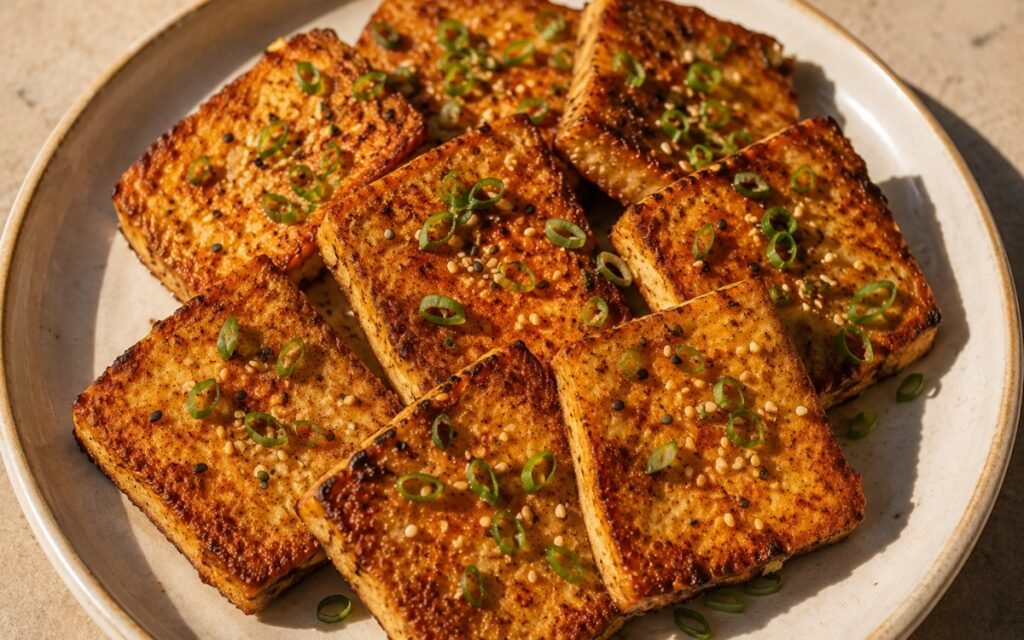
Crispy Tofu Steaks
Tofu pressed thoroughly, marinated in soy, sesame, garlic, ginger, coated in cornstarch, fried until golden. Crisp and umami-packed.
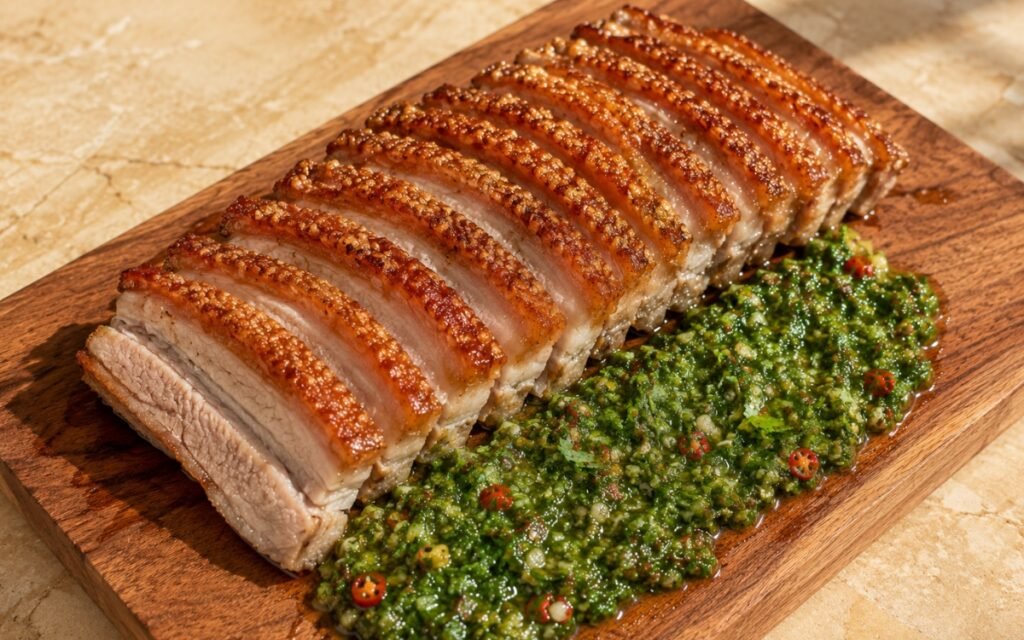
Steam-Roasted Pork Belly with Vietnamese-ish Herb Sauce
Skin-on pork belly steam-roasted for tender meat, finished hot for deep crackling, sliced thick and served with a sharp herb sauce.
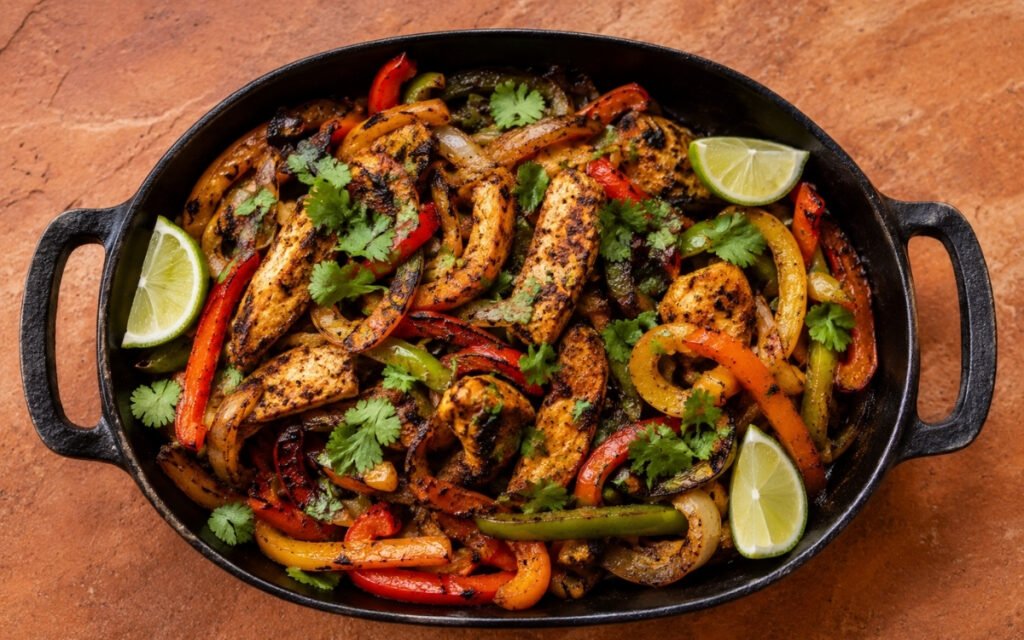
Chicken Fajita
Smoked paprika and cumin-marinated chicken thighs seared in cast iron with charred tri-colour peppers and caramelised onions — the complete Tex-Mex fajita in 35 minutes.
You might also like
You might also like
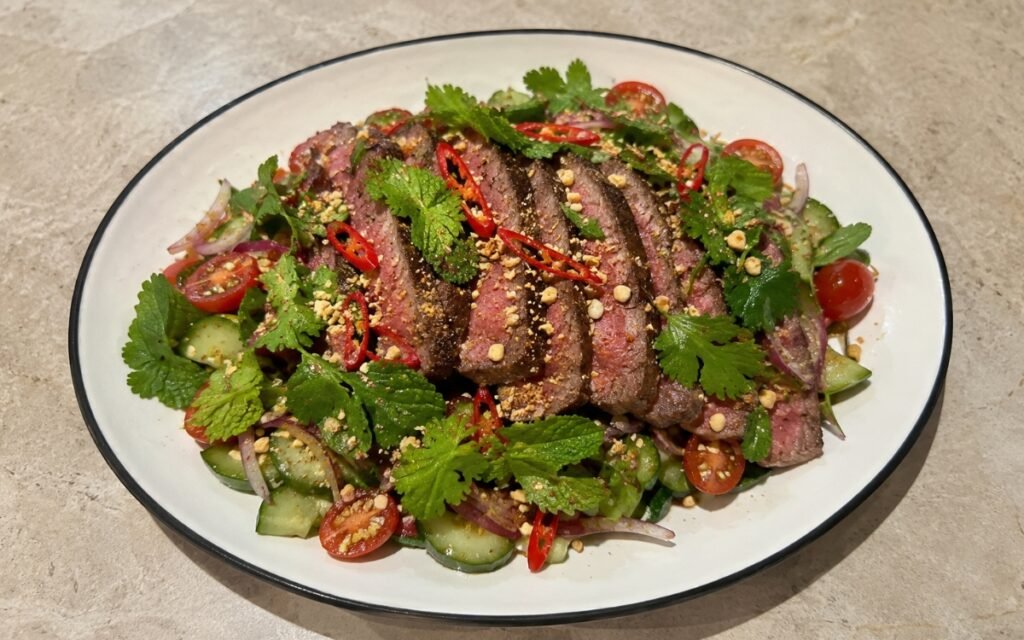
Spicy Thai Beef Salad (Yam Neua)
Sliced seared beef tossed with crisp vegetables, fresh herbs, and a punchy Thai lime-chili dressing.
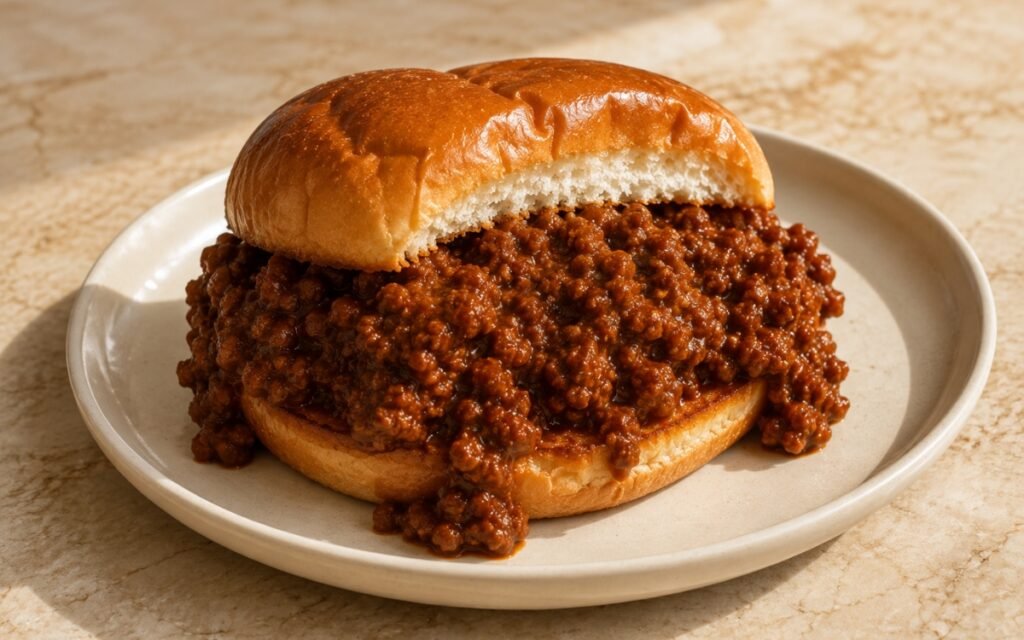
Sloppy Joe Sandwich
Well-seared 85/15 ground beef finished in a glossy, tangy tomato-based sauce, piled generously into soft toasted burger buns.
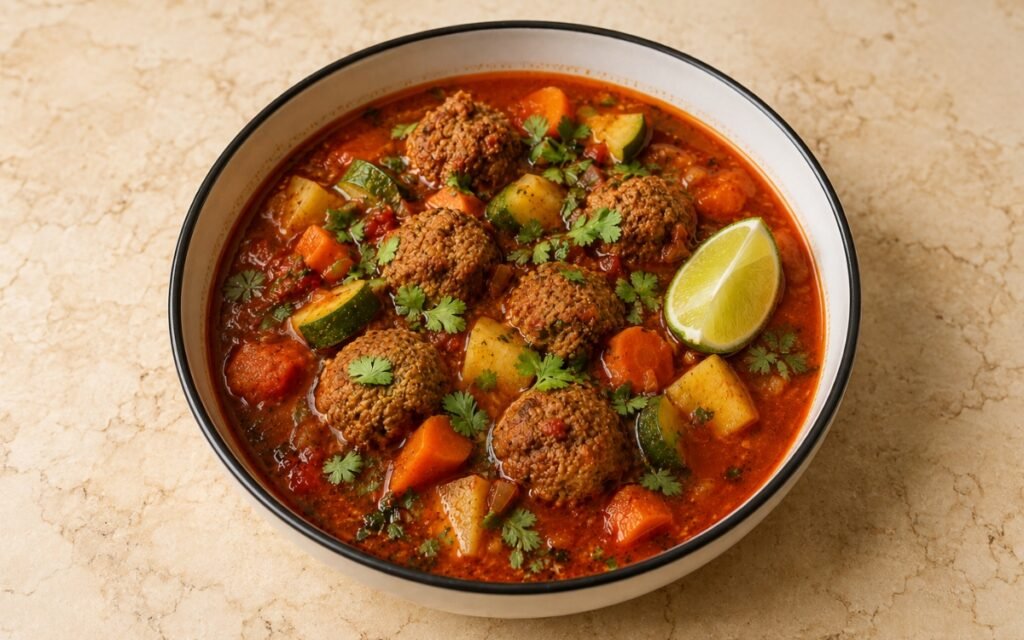
Sopa de Albóndigas
Tender beef-and-rice meatballs simmered gently in a savory red tomato broth with carrot, potato, and zucchini.
Easy Ground Beef Patties
Ingredients
Method
- Divide the beef into 4 equal portions (175g each) and gently form into patties about 2cm thick. Handle the meat as little as possible — excessive handling compresses the protein structure, resulting in dense, tough patties instead of tender ones. The goal is cohesion, not compaction.
- Press a shallow indentation into the centre of each patty. This prevents doming during cooking, which happens as proteins contract and push inward. Without this step, the patty thickens unevenly and cooks inconsistently.
- Combine the salt, pepper, garlic powder, and onion powder, then season the patties just before cooking. Salt draws out moisture — seasoning too early can lead to surface wetness, which interferes with browning and reduces crust formation.
- Heat a cast iron skillet over high heat until it begins to smoke. Add the oil and swirl to coat. The pan must be extremely hot — browning requires temperatures well above 150°C, where the Maillard reaction begins to develop flavour.
- Place the patties in the pan and leave them undisturbed for 4 minutes. Do not press them. Pressing forces out fat and moisture, destroying juiciness and reducing crust quality. A proper crust forms only when the meat maintains uninterrupted contact with a hot surface.
- Flip the patties once a deep brown crust has formed. Add the butter immediately and allow it to melt around the meat. Begin spooning the butter over the patties continuously — this enhances surface flavour while finishing the interior more gently.
- Cook for another 3–4 minutes depending on thickness and desired doneness. For food safety, ground beef should reach 71°C (160°F), as bacteria are distributed throughout the meat rather than just on the surface, unlike a whole cut of steak.
- Remove the patties and rest for 3 minutes. During cooking, proteins contract and push moisture toward the centre. Resting allows redistribution, preventing juices from spilling out when cut.